
The Clearest Spring In Michigan Looks Almost Too Gorgeous To Be Real
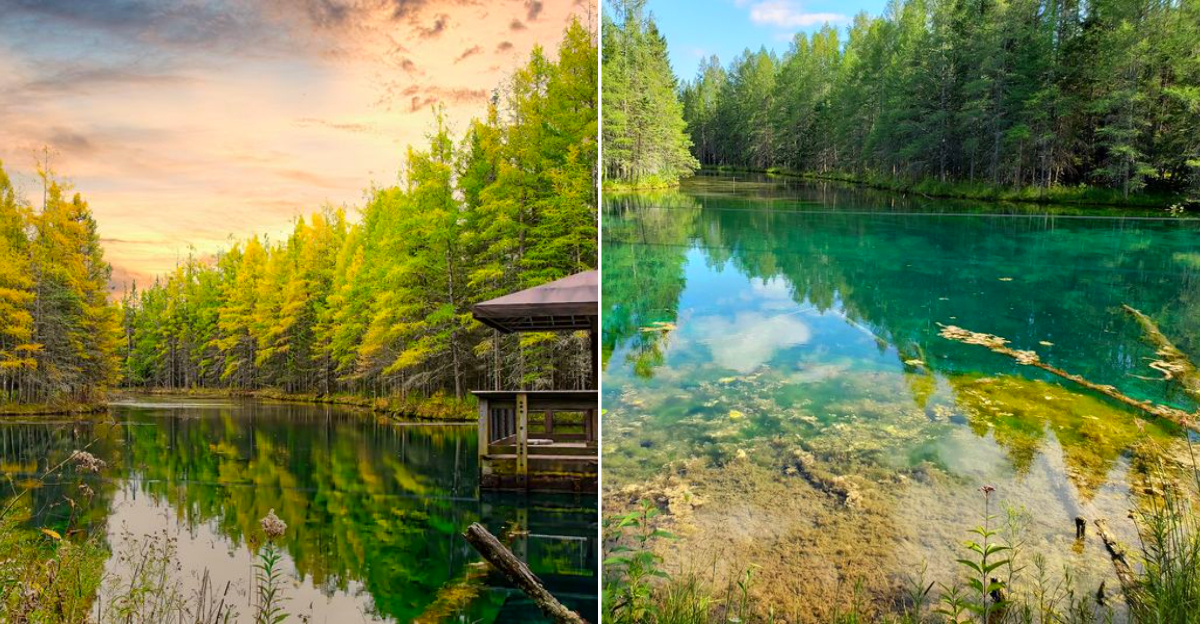
The first time you catch a glimpse of the water through the Upper Peninsula pines, you’ll swear your polarizers are playing tricks on you.
At a constant 45 degrees, the clarity is so aggressive it feels scientific, yet the way the sand plumes upward from subterranean vents like slow-motion snowfall is pure enchantment.
Stepping onto the hand-cranked observation raft is the highlight, you glide over ancient, submerged logs and trout that look like they’re suspended in mid-air rather than water.
There is no better way to let the “Big Spring” hush your inner monologue than by staring through the glass floor at this living, breathing diorama. Experience the magic of Michigan’s largest freshwater spring, with crystal-clear emerald waters and a unique self-propelled raft tour.
To make sure you beat the midday crowds and catch the light when it’s most ethereal, I’ve pulled together these field-tested tips. Come early, stay late, and prepare to be mesmerized.
Mirror Of Heaven Clarity
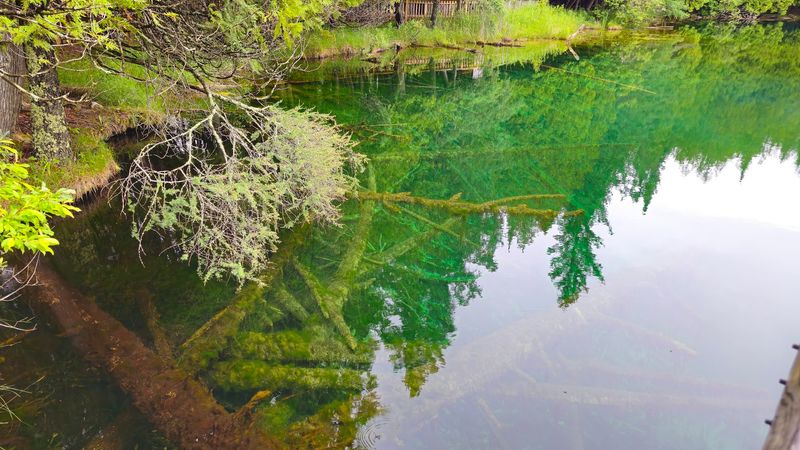
Sunlight lands on the pool and everything sharpens at once, as if someone cleaned the glass of the world. Through 40 feet of water you can trace pale logs, wavering weeds, and trout that look carved then suddenly flick.
The color at Kitch-iti-kipi leans emerald over limestone, turned luminous by minerals and a steady 45 degree temperature. The quiet here feels deliberate, helped by the no swimming rule that keeps silt settled and fish calm.
Step onto the viewing raft and watch the water clarify further under the central open panel. Aim for a partly sunny day after rain has passed, when reflections back off and details pop. Polarized sunglasses make the scene even crisper without muting color.
Heading North
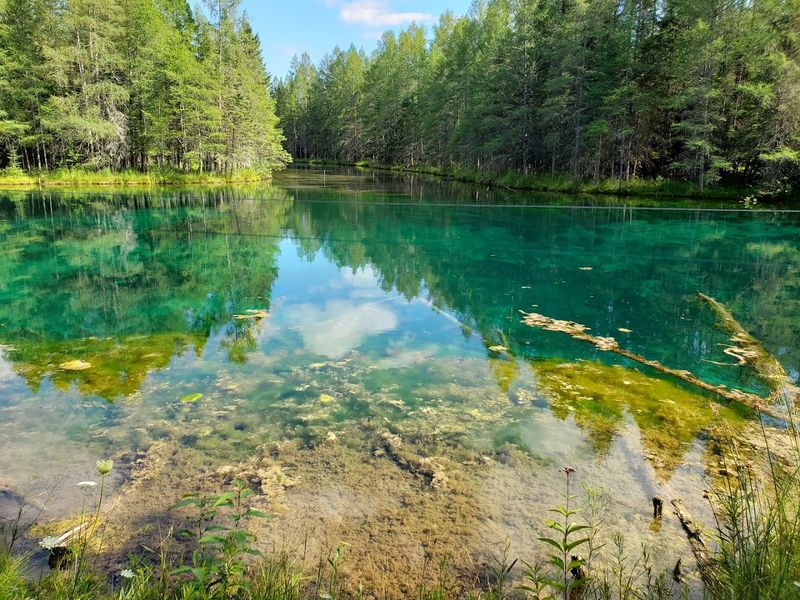
Drive into the Upper Peninsula via US-2, turning north onto M-149 toward Palms Book State Park. The route winds through dense evergreen forests on quiet backcountry roads, signaling a transition into a secluded wilderness where the modern world falls away.
The pavement ends at 1380 Sawmill Rd, Manistique, MI 49854, USA, in a spacious woodland parking area. A short, accessible paved trail leads directly to the “Big Spring,” a crystal-clear sapphire pool that reveals churning underwater fissures.
Once at the address, board the self-propelled observation raft to glide over the 45-degree water. The constant temperature keeps the site mist-filled and ethereal year-round, offering an essential stop for anyone chasing the quiet magic of the North.
Swirling Sand Vents
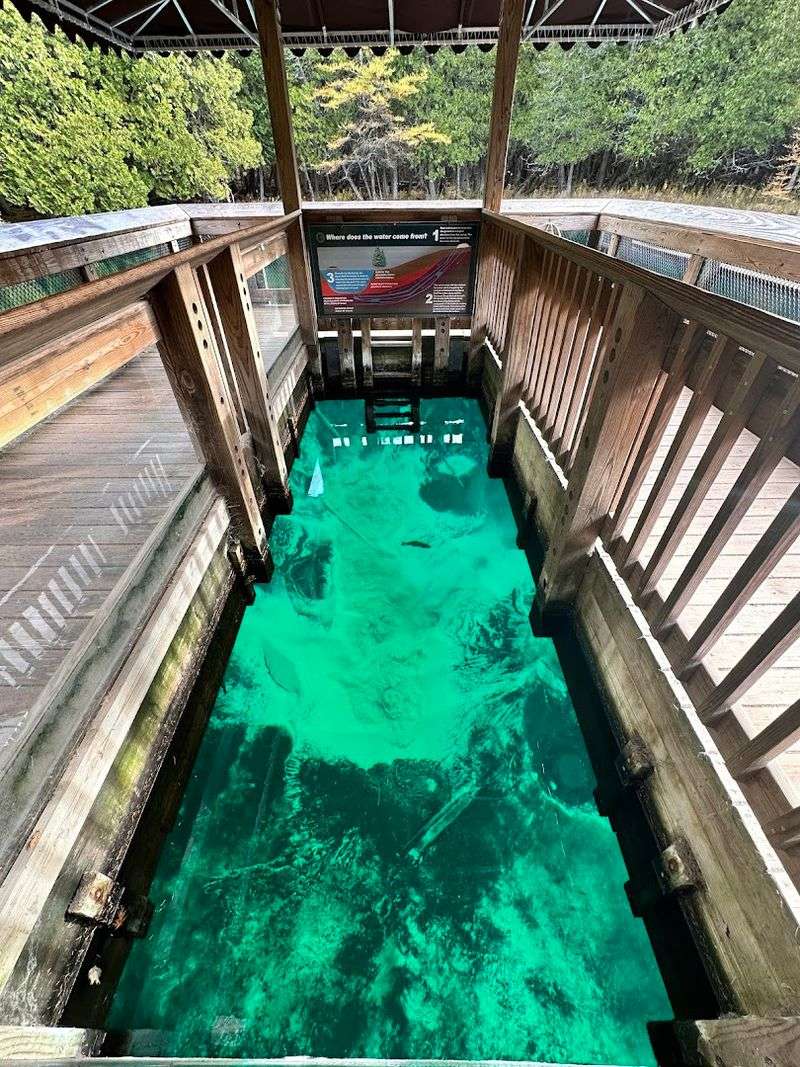
Look through the raft’s center cutout and the bottom seems alive, sand lifting in shimmering domes where the spring surges upward. Each plume records the flow that feeds this basin at over 10,000 gallons per minute, sculpting little volcanoes and sliding ribbons.
Fish hover above the bright spots like kites holding still. Protection rules keep feet and paddles out, which preserves visibility and the delicate layering. Photography is kindest at midday when sun reaches deep and glare can be tamed with a hat brim.
Most visitors fall quiet without being told, syncing to the rhythm of the vents while the raft drifts. Avoid dropping coins, which stain and scar the substrate for years. Let the scene breathe before lifting your camera again.
Seasonal Stillness In Winter
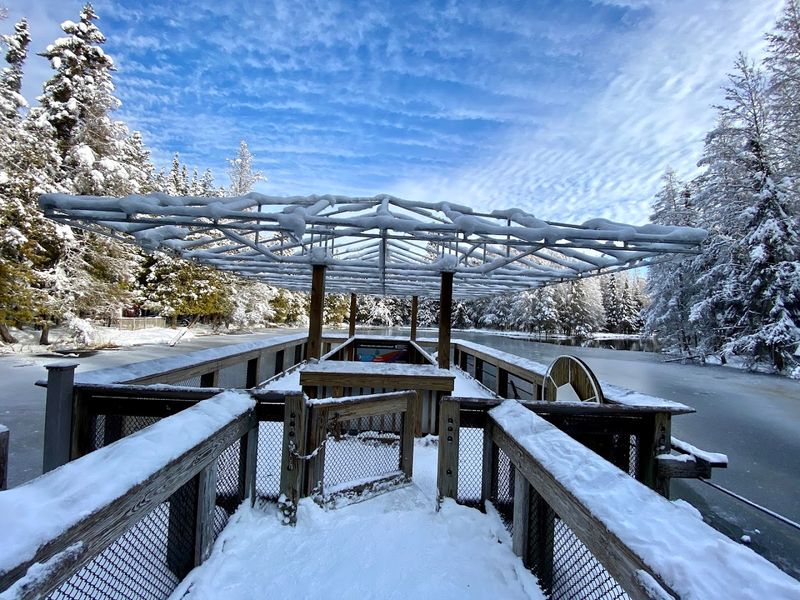
Snow along Sawmill Road narrows the world and the spring answers with steam like a soft exhale, never freezing at 45 degrees. Evergreens reflect as darker brushstrokes on the turquoise, and fish glow brighter against the winter palette. Foot traffic thins, so the boardwalk stays hushed except for boots and ravens.
Michigan state parks keep hours, yet shorter days make timing practical rather than rushed. Local families treat clear, crisp afternoons as a quick nature reset before supper. Expect closed gift shop and limited bathrooms, so plan a warm car and thermos.
The reward is unshared minutes when the raft feels like a private observatory. Leashed dogs manage fine on packed paths, but watch icy stairs and railings.
Summer Crowds, Smart Timing
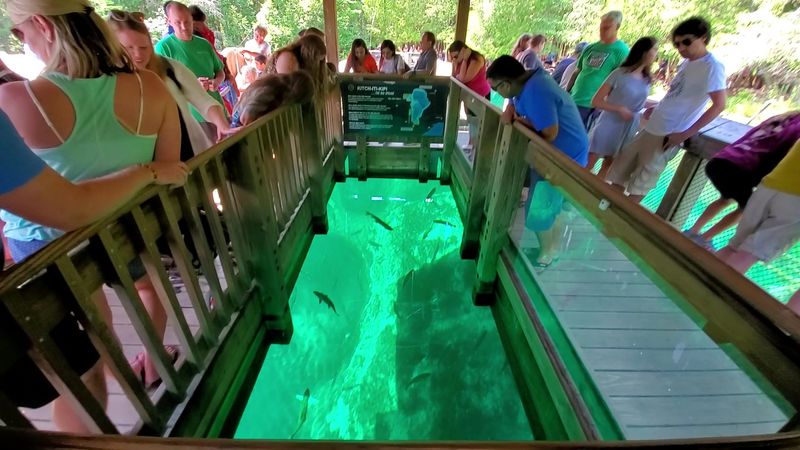
Warm months bring a festival of colors and people, and the spring looks theatrical under high sun. This is Michigan’s largest freshwater spring, about 200 feet across and roughly 40 feet deep, a scale that impresses even from the shore. The raft queue moves steadily thanks to the simple pulley system.
I arrive early, right at opening, or drift in late evening when light softens and bus tours have gone. A weekday beats a Saturday, and a thin jacket beats bugs without feeling fussy.
Keep valuables zipped because if something drops, it is gone to the green. The calm becomes contagious once you reach the window. Parking is close, but lines form quickest near midday on sunny weekends.
Reading The Water’s Color
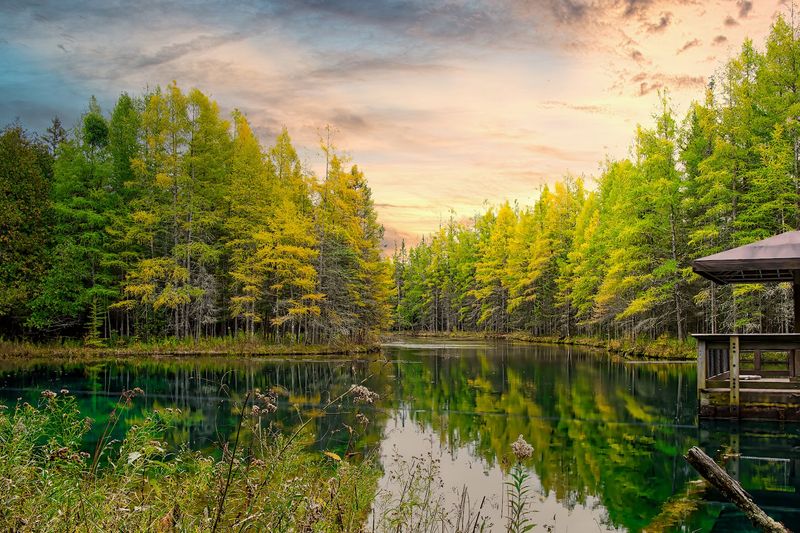
The hue shifts with clouds like a mood ring for the forest. Overcast pulls the pool toward glassy teal, while bright sun punches it into bright emerald that outlines every scale and needle. The clarity does not change, only the theater lighting.
Standing to the side rail reduces surface glare and lets depth cues stack. Check your shadow before you shoot, and use the viewing window as a natural polarizer when possible. Because the spring is spring fed, storms rarely muddy it, but raindrops can dimple reflections.
Wait a minute and the mirror mends itself. Sunrise adds pink to the treeline, while late afternoon warms the logs below. Plan your visit around these shifts to watch the palette evolve.
Access And Boardwalk Ease
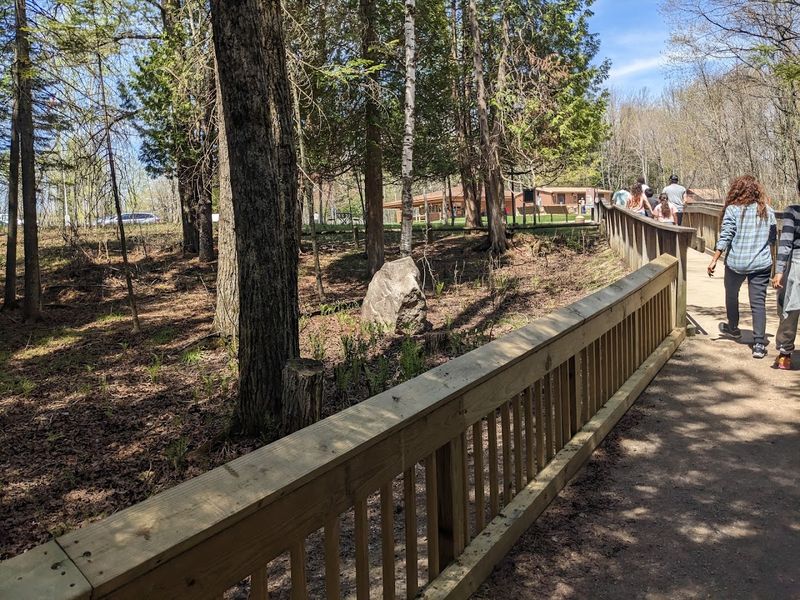
The approach is short and kind to legs, a wide path and boardwalk delivering you from lot to railing in minutes. Steps and rails feel sturdy, guiding you down to the raft landing. Benches sit back from the edge so lines can form without clogging views.
Palms Book State Park was built to share this singular spring, and the layout keeps traffic predictable and the shoreline protected. If crowds swell, pause before the final turn to keep the landing clear. Strollers manage fine, and wheelchairs meet gentle grades, though assistance helps on the ramp.
Pack patience, greet rangers, and the flow works. Leashed pets are welcome on trails and boardwalks, but avoid buildings. Yield space for returning riders.
Fish As Neighbors
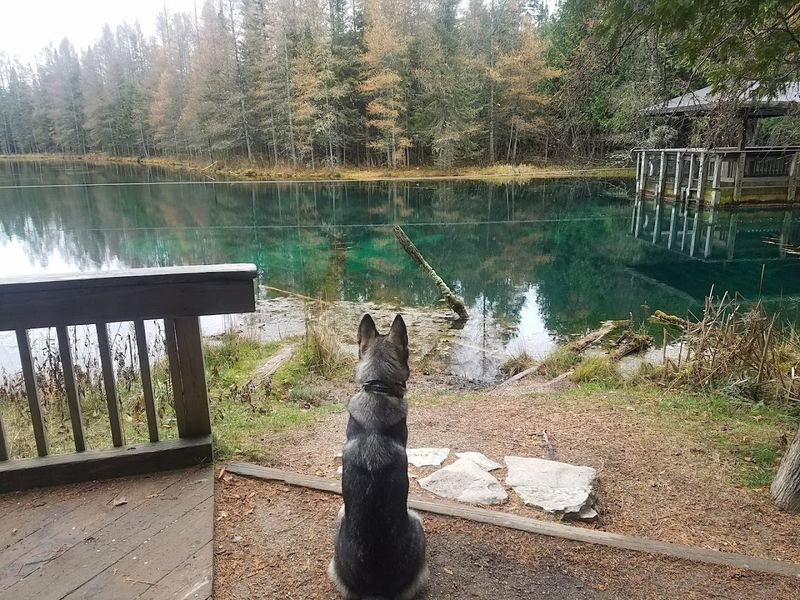
Trout hold like punctuation marks over the vents, flicking punctuation only when shadows shift. Perch drift in loose squads, and minnows make liquid static that hums under your attention. Nothing here spooks easily because no one swims or fishes this pool.
I lean over the window and notice how the biggest trout choose brighter plumes, probably for oxygen. Their calm becomes an anchor for eyes that usually dart to spectacle. Keep hands inside the railing and tuck straps to avoid tempting nibbles or accidents.
Kids count species while the raft moves, and adults match colors to field guides later. Low voices and slow steps bring fish closer than you might expect. Sun patches help reveal subtle patterns on their backs.
Legend And Language
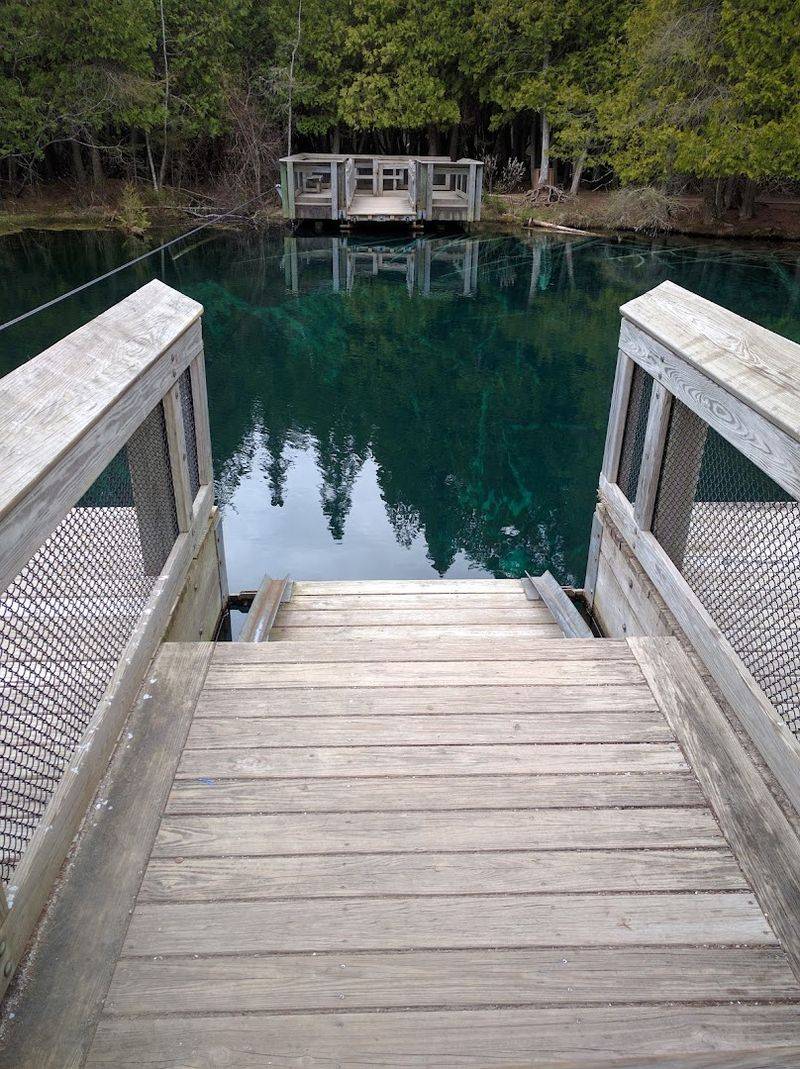
The Ojibwe name Kitch-iti-kipi is often translated as Mirror of Heaven, a poetic fit for a spring that reflects sky with startling fidelity. Stories once attached to the site have been retold and embellished, but the water itself remains the anchor for wonder. The place reads as a lesson in respect more than spectacle.
Let the name shape your pace. Looking becomes more interesting than talking when you realize how the surface hides nothing. Read the interpretive panels near the landing for geology and language notes before boarding.
Then cross quietly and see how the mirror gives back exactly what you bring to it. Pronounce each syllable slowly and you will be close enough. Let locals lead without correction.
Practical Gear Checklist
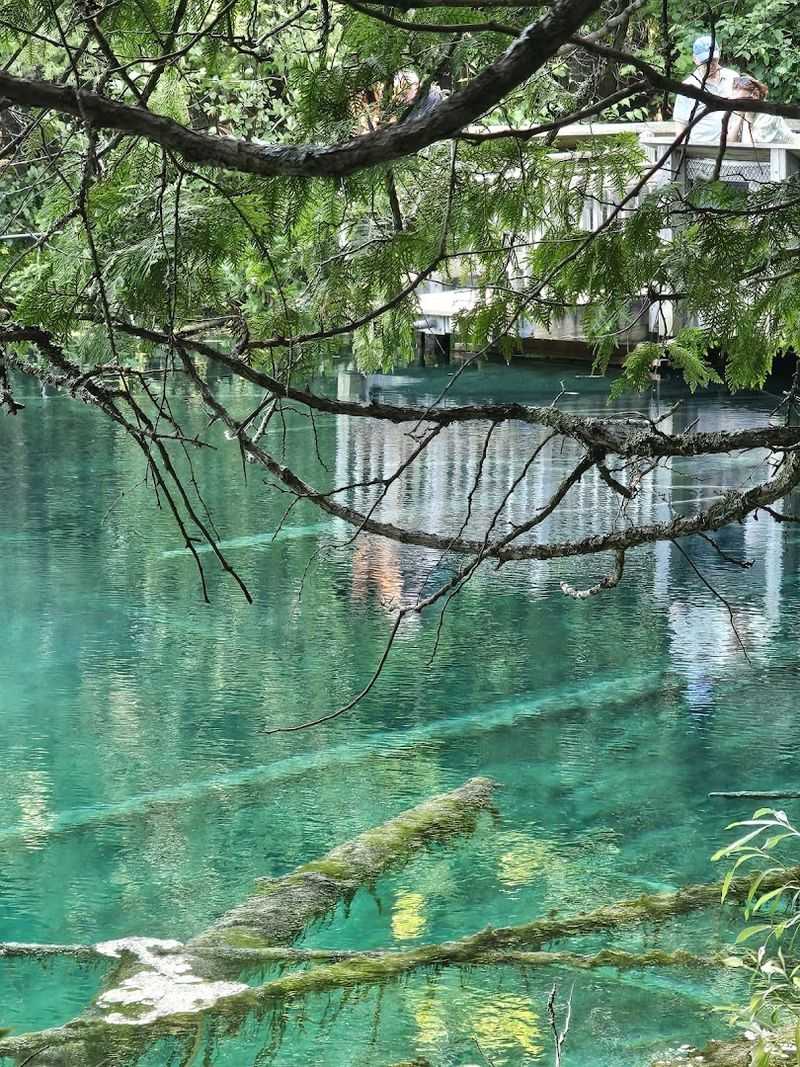
Simple gear makes the experience smoother without turning it into an expedition. Polarized sunglasses, a brimmed hat, and a quiet camera setup preserve both images and atmosphere. In colder months, thin gloves and a compact hand warmer help on the wheel.
Leave drones and throwable toys behind to protect the water and the peace. Tripods are allowed on the boardwalk if they do not block lines, and a wrist strap on your phone is cheap insurance. Pack a state park pass or day fee, water, and a small towel for rain.
Most visitors carry less than they thought they needed. Bug spray helps in June, while sunscreen matters even on hazy afternoons. Wear quiet soles on the raft.
Getting There, Then Slowing Down
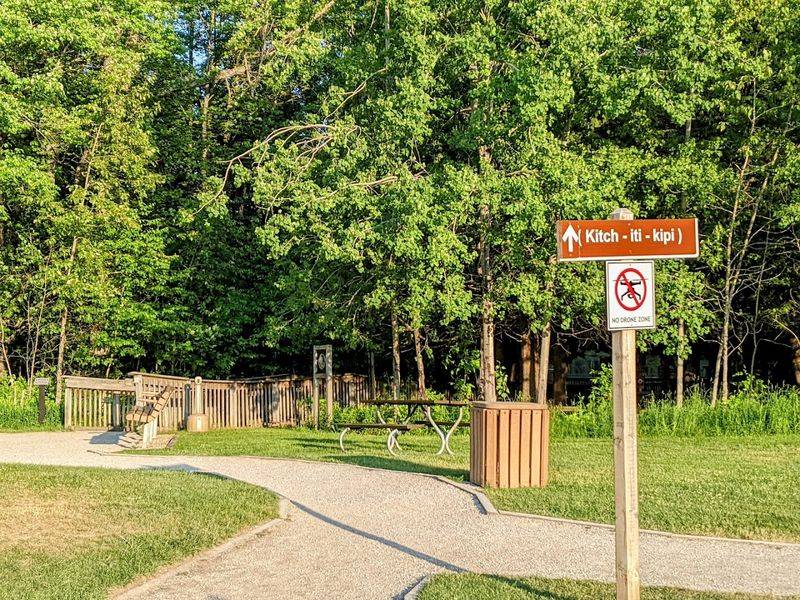
Driving through the Upper Peninsula, the forest closes in and cell bars thin, which feels like prelude rather than problem. Sawmill Road bends gently before the entrance sign, and a short, even trail draws you toward the hush. The destination starts working on you before the water appears.
I park, breathe resin and cool shade, then let plans loosen. The site sits at 1380 Sawmill Rd, Manistique, with hours 8 AM to 10 PM daily. Pay the Michigan state park fee and follow signs to the boardwalk.
Slow is the speed that fits this spring, and it rewards attention. Restrooms and the large gift shop operate seasonally, so plan accordingly. Service dogs follow standard state guidelines.