
These Are Michigan’s Most Beautiful Hidden Beaches
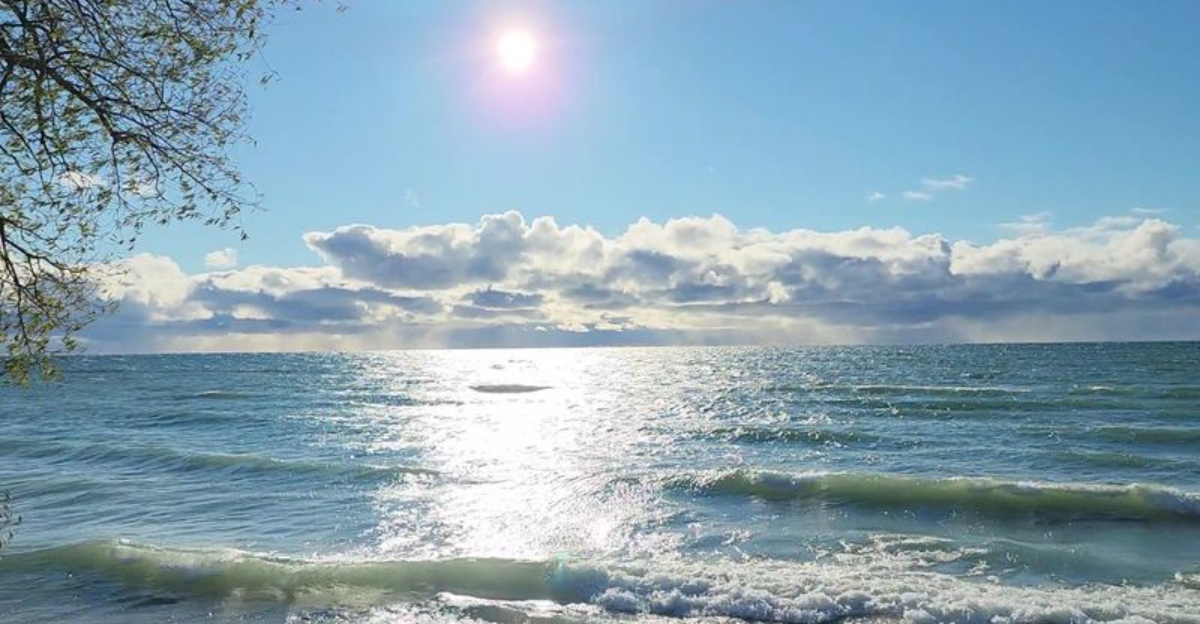
If you’re anything like me, your favorite Michigan map is the one with the coffee stains and the “scenic route” scribbles that lead exactly nowhere, and everywhere.
There is a primal, soul-deep satisfaction in bypassing the crowded summer highways to find those quiet stretches of shoreline tucked between the famous zip codes.
You know the ones: where the only soundtrack is the rhythmic clink of stones that sound like broken glass under a retreating wave and the air carries that intoxicating, sun-baked pine perfume.
I’ve spent my fair share of afternoons following sandy side roads just to see if the water looks bluer from a different angle, and spoiler alert, it always does.
Michigan’s best hidden beaches offer secluded swimming, rock hunting, and breathtaking sunset views along the Great Lakes. From weathered lighthouse catwalks to river mouths that whisper secrets to the big lake, these spots are for the wanderers.
1. Tiscornia Park Beach, St. Joseph
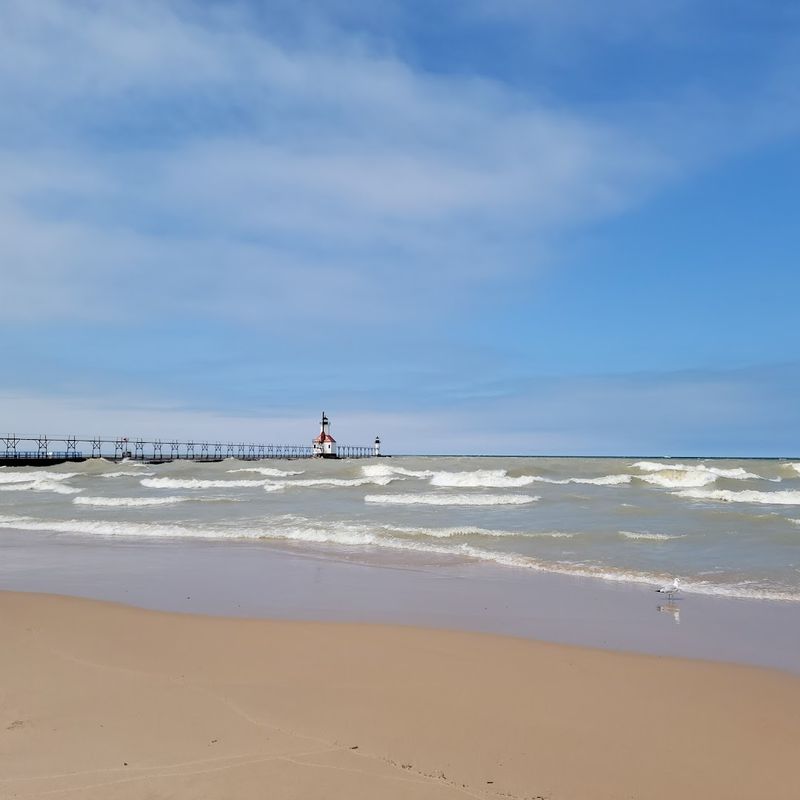
Steel-blue waves fold against wide sand while the North Pier Light throws a clean white line across the horizon. Families drift toward the pier for fishing, and gulls patrol like unbothered lifeguards. The mood feels neighborly, yet the open water keeps things wild.
Even on a busy afternoon, there is enough sky and shoreline to make the whole scene feel spacious. Built in 1907, the lighthouse and catwalk hint at the shipping era that shaped St. Joseph, and you can still hear freighters horn on foggy days.
Parking is close, restrooms are handy, and the walk to the pier is flat and easy. Stay for sunset when the lake swallows the sun and the light blinks alive. Bring a windbreaker, waves funnel along the pier and that breeze can bite even in July.
Plan mosquito repellent at dusk. If you linger after sundown, the shoreline grows quieter in a way that makes the whole stop feel gently cinematic.
2. Duck Lake State Park, Whitehall
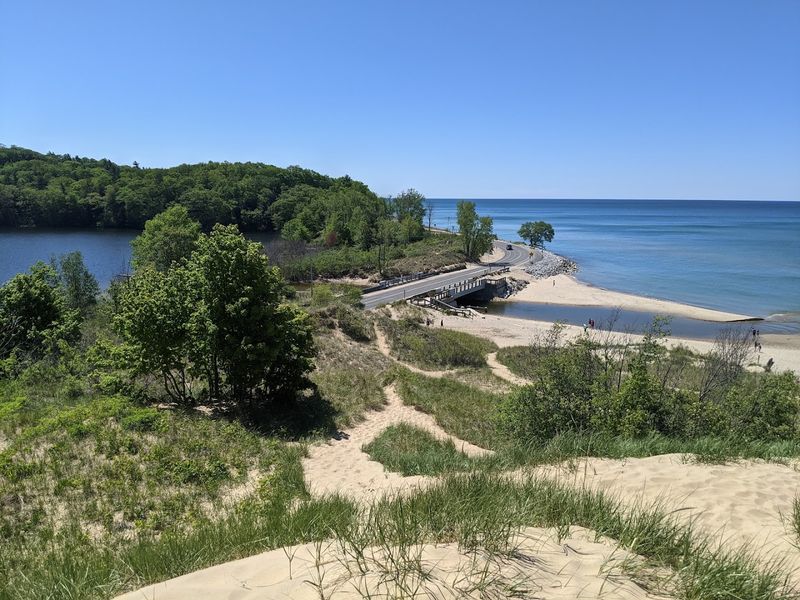
Freshwater mixes in a visible seam where Duck Lake meets Lake Michigan, a shifting ribbon of color and temperature you can step across. Sand squeaks underfoot on dry patches, then hushes as the shore flattens near the outlet.
Kids bodyboard the gentle current like it is a tiny, seasonal ride. The whole meeting point feels slightly improvised, as if the lake and inland water are renegotiating the shoreline in real time.
I like arriving early when the pines still smell cool and the water is glassy. The beach feels relaxed, with space to spread out and watch mergansers cruise the channel.
Light moves beautifully here in the morning, especially when the shallows catch pale green and silver. Park at the west lot, follow the short trail over low dunes, and bring water shoes for the pebbly bits near the mouth.
Afternoon winds build chop, tuck gear behind the dune grass for less sand blast. Parking fills fast. By late day, the outlet often looks more animated, with ripples, birds, and swimmers all sharing the same shifting edge.
3. Saugatuck Dunes State Park, Saugatuck
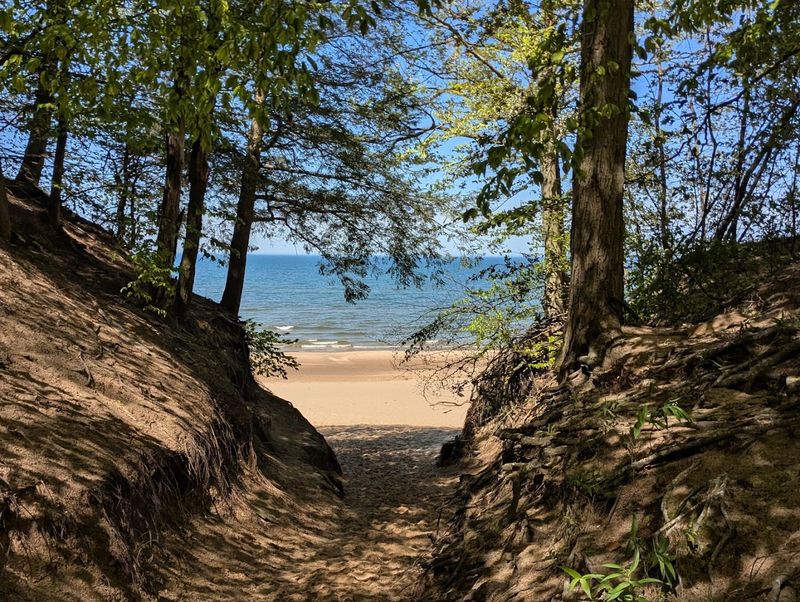
Trailheads here are unsigned from the highway, so the entrance sneaks up like a secret shared by locals. The forest gives way to high, wind-sculpted dunes that hold pockets of silence where chickadees sound unusually loud.
Beaches stretch for miles with few buildings in sight. That sense of concealment is part of the appeal, making the shoreline feel discovered rather than simply visited.
Protected in the 1970s after proposed development, the park preserves a rare backdune forest and towering parabolic dunes. Old two-track remnants whisper about pine plantations and fruit farms that once pressed against this coast.
Even the walk in feels layered, shifting from woods to open sand in a way that quietly tells the land’s history. Choose the Beach, South, or North Trail loops, carry water, and expect a sandy, hilly mile before your first toe hits Lake Michigan.
Bugs lighten near the lake, but ticks linger in spring on shaded spurs. Start early for shade breaks. A trekking pole or sturdy shoes help more than you might think once the dunes start pulling at your calves.
4. Fisherman’s Island State Park, Charlevoix
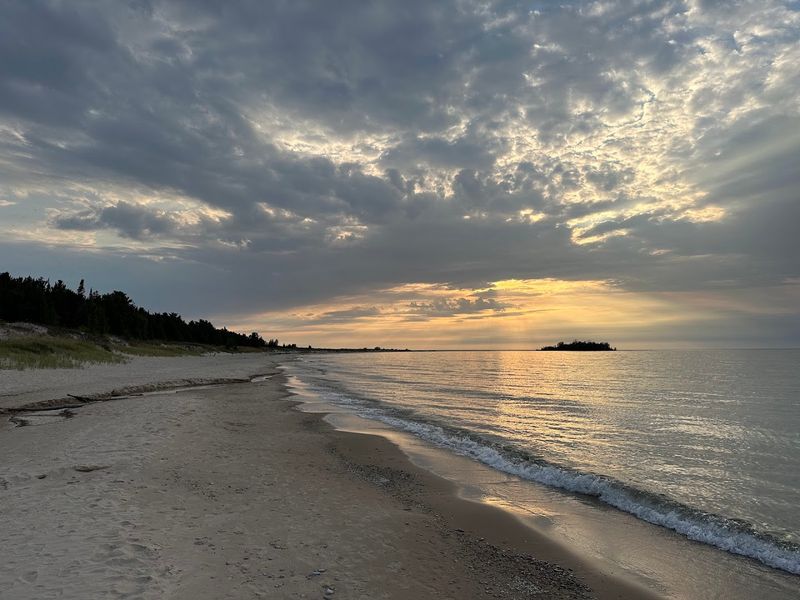
Beach stones here clink like glass marbles when waves roll them, a soft percussion underscoring the Charlevoix horizon. The shoreline toggles between sand tongues and rounded cobble, with a low island visible just offshore.
Sunsets paint the water copper and lilac, and loons occasionally call from deeper water. Though the island name suggests otherwise, this is largely undeveloped land preserved for quiet camping and day use. Sites sit in airy pines, and night skies open wide without much spillover glow.
Expect rustic facilities, shifting access with lake levels, and a short, sometimes mucky approach to the island when water runs low. Bring sturdy sandals for rockier stretches and watch for Petoskey stones along wrack lines. Mosquitoes rise after rain here.
5. Wilderness State Park, Carp Lake
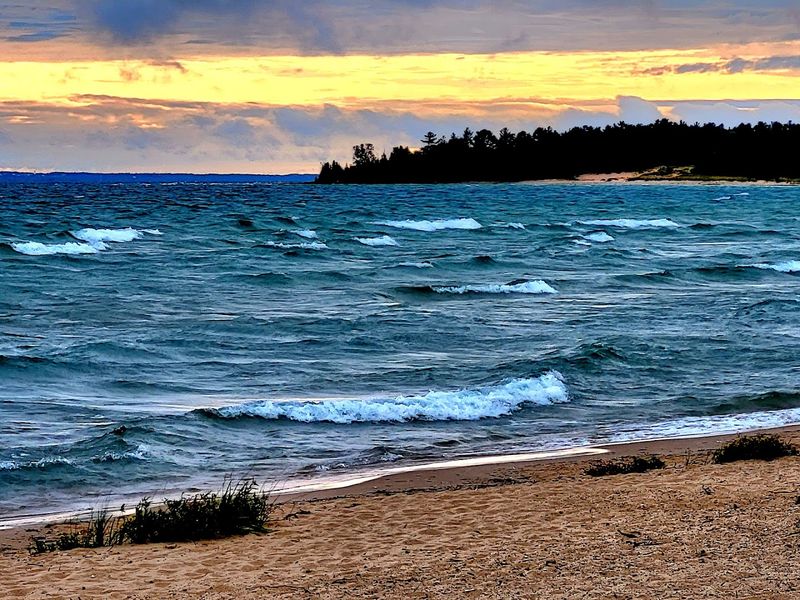
A ranger might mention piping plover nesting areas before handing you a map, and that small caution shapes how you move along the strand. Long crescents of sand meet eelgrass shallows where minnows flash like thrown foil.
The waves feel bigger than the map suggests, thanks to the Mackinac Straits. Even the emptier stretches carry a sense of shared responsibility, as if the shoreline is asking for attention as much as admiration. I bring a red headlamp for stargazing because this coast gets properly dark on clear nights.
Nearby towns keep things low-key, so beach gatherings lean toward quiet fires and long conversations. Check wind direction, avoid disturbing roped-off dunes, and carry layers because temperatures fall fast when Superior’s cousin flexes cold air through the gap.
Watch for skittering shore spiders and deer tracks stitched into damp sand at morning low often. By dawn, the beach can look freshly written over, with tracks, ripples, and light rearranged into something almost new.
6. Port Crescent State Park, Port Austin
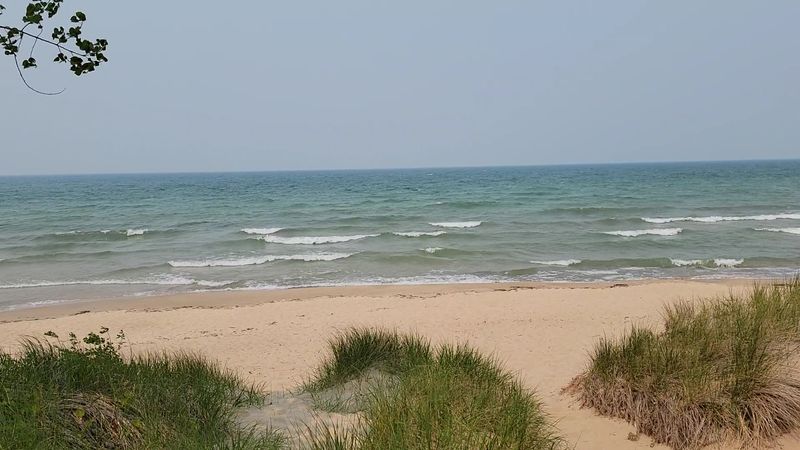
A graceful pedestrian bridge arcs over the Pinnebog River mouth, framing Lake Huron like a stage. Dunes roll back into jack pine and oak, and the beach runs long enough to find your own quiet pocket. The water here is usually a clear, pale green.
Even before sunset, the openness gives the whole shoreline a calm, spacious feeling that invites you to slow down. After the old company town vanished, the state assembled land and protected the shoreline, later designating the park a dark sky preserve.
That careful stewardship keeps artificial light low and dune plants steady. Visitors bring telescopes, red flashlights, and patience, then stay late to watch the Milky Way ladder up from the lake.
Daytime is gentle for kids, but waves build with easterlies and can surprise tired swimmers. Bring bug nets in June and July. By night, the beach feels hushed and immense, with stars doing most of the talking above the water.
7. Negwegon State Park, Black River
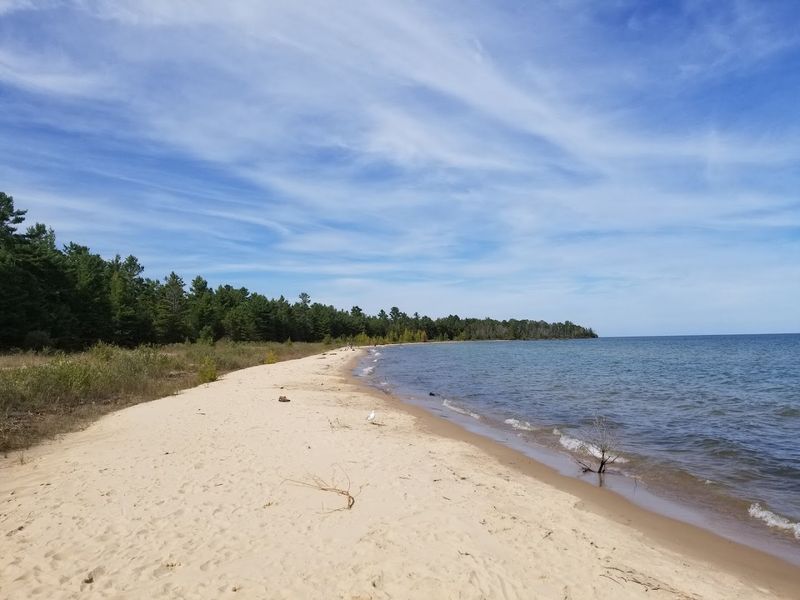
The path to the beach feels longer than the map suggests, and the last sandy bend suddenly opens to big Lake Huron. Silence here has texture, thinned by wind and the shuffle of birch leaves. Shoreline curves away with almost no structures to snag the eye.
Negwegon was pieced together from private tracts, kept intentionally undeveloped to protect rare coastal habitats and migratory corridors. The old names linger, recalling Anishinaabe presence and lumbering that moved through, then left.
Cell signal is fickle, so drop a pin before you drive in, wear blaze in hunting seasons, and stash extra water for the dusty two-tracks. Waves can be icy into July, so plan short swims and warm layers. Footing can shift quickly.
8. Little Presque Isle Beach, Marquette
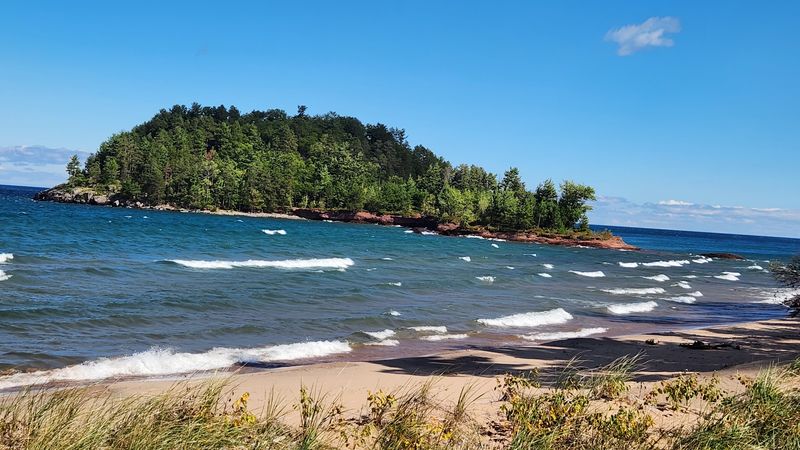
Autumn turns the hardwoods behind the sand flaming orange, and Superior starts talking in deeper tones. Locals walk the shoreline collecting colorful agates while dogs learn the respectful chill of Superior’s edge. The island hovers temptingly close, separated by a shallow channel that rearranges with storms.
Even on bright days, the place carries a stern beauty, the kind that makes you feel welcome and warned at the same time. I cross only in calm shoulder seasons, when water is low and winds are steady. University folks from Marquette bring thermoses and big sweaters, knowing the breeze can flip moods in minutes.
The best days put sun on your face and ice in the air, a pairing that leaves cheeks stung and grinning. Respect posted closures for nesting birds and skip the crossing if waves crest your knees. Rocks are slippery here in places. The return walk often feels quieter, as if the lake has already said enough and expects you to listen.
9. Black River Harbor, Ironwood area
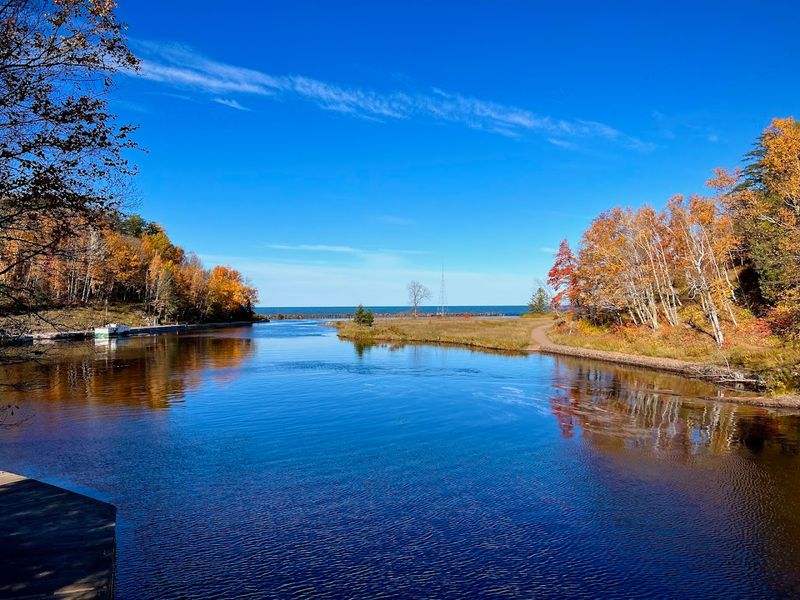
A narrow suspension footbridge sways over the Black River mouth, giving a small thrill before the lake opens wide. The harbor’s breakwalls sit low, framing a wedge of pebbled sand and driftwood. Cedar scent rides the breeze from the nearby campground.
The North Country Trail threads past several waterfalls upstream, protected as part of the Ottawa National Forest. This connection keeps traffic light on the beach because many visitors chase cascades first.
Savvy beachgoers bring picnic gear, check for biting flies on hot still days, and wander up the rocks toward sunrise or sink into long evening light. Watch lake conditions; surf can kick hard with northwest winds and bury towels in spray. Parking is limited weekends near the bridge.
10. Twelvemile Beach, Grand Marais area
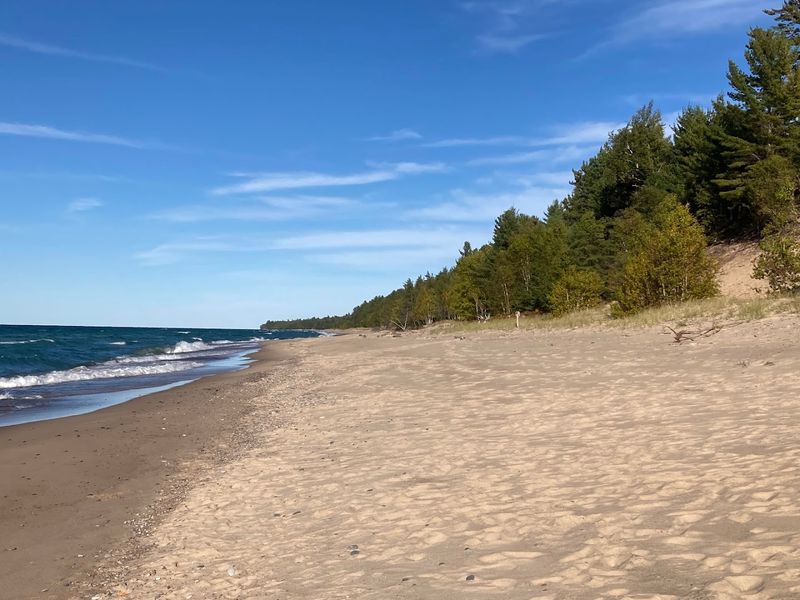
Waves here speak in layers, sliding up a long shelf that seems to sing under certain winds. The sand is pale and fine, littered with driftwood that looks carved rather than broken. Bluffs lift the campground above the shore, so tents hear surf like a steady drum.
Even when the beach looks empty, the soundscape keeps it feeling occupied by water, wind, and the slow work of the lake. Within Pictured Rocks, this stretch escaped the dramatic cliffs, preserving one of Superior’s longest simple beaches.
Old logging history lingers inland, but the lake keeps the foreground wild. Sites book out quickly, fog can hang until midday, and bear boxes are provided, so pack smart and keep snacks tight. Bring warm layers even in August, and expect biting flies to vanish when wind swings onshore.
Evening stars are outrageous on truly clear nights. Mornings often arrive silver and hushed, with the shoreline looking freshly smoothed by weather and sleep.
11. McLain State Park, Hancock
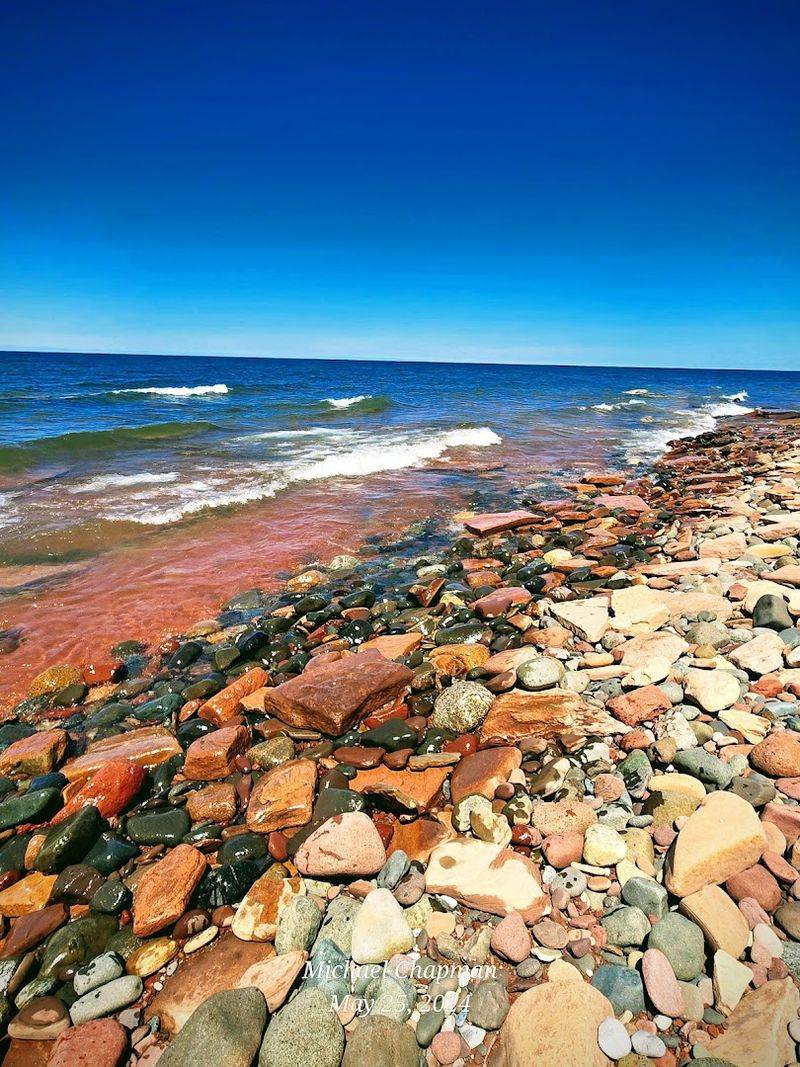
Locals time their arrivals to the freighter schedule, aiming to watch ships burn orange at sunset between Keweenaw headlands. Basalt shelves step into Superior, creating tidepool lookalikes where kids hunt minnows and snails. Breakwalls and a lighthouse sit to the west, anchoring the horizon.
I think often about the storms that bit chunks from this shore, prompting ongoing erosion work and rerouted trails.
The park’s roots in roadside auto-camp culture still show in open lawns and breezy picnic shelters. Wear sturdy shoes for the rock, bring a windproof layer, and keep cameras ready for the copper light that spills after rain. Mosquitoes fade with wind, but blackflies swarm on humid, still evenings. Sunrise fishing can be excellent from the rocks.
12. Burt Lake State Park, Indian River
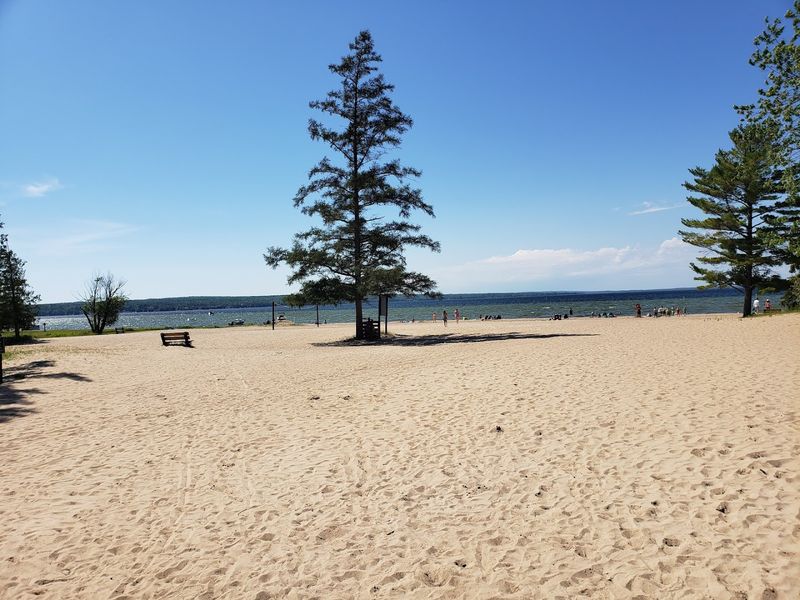
Rangers point out the generous shallows and mark swim buoys early, making this one of the friendliest inland beaches for families. The water gleams a soft turquoise on sunny days, with sailboats sliding past to the Indian River.
Loons yodel from the far side when evening comes quiet. Even first-time visitors tend to relax quickly here, because the shoreline feels safe, open, and easy to understand at a glance. Campers return yearly, stringing lights between pines and drifting to local ice cream stands after dinner.
Lake levels shape the width of sand, but the mood stays unhurried. Bring water toys, watch afternoon boat wakes, and consider a side trip along the Inland Waterway if you want movement after the calm. Evening mosquitoes can be assertive, so pack repellent and a light cover for dusk strolls.
Beach tends to face west nicely. That makes sunset a strong bonus here, with warm light stretching low across the water and catching the last boats home.