
This Florida Museum Lets Kids Build, Create, Explore, And Play All In One Visit
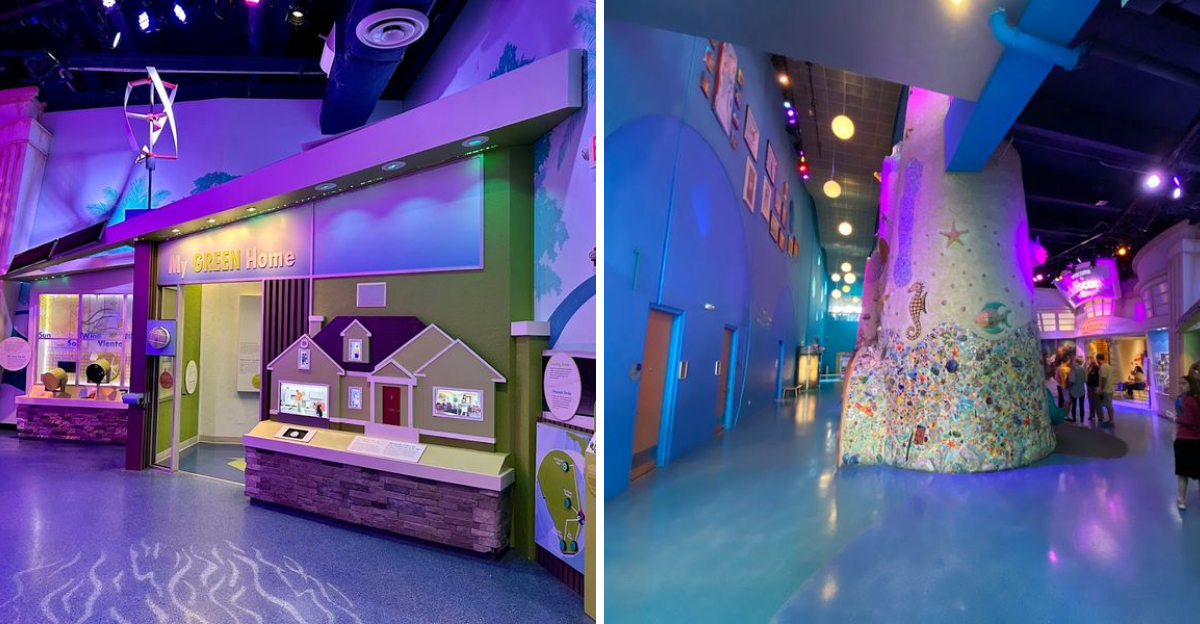
It starts the second you walk through the doors, that instant burst of noise, color, and movement that makes it clear this is not going to be a quiet visit.
Everything here feels alive. Kids move from one world to another without hesitation, running a tiny grocery store one minute, stepping into a fire station the next, then suddenly getting lost in an art studio where creativity takes over.
What makes it even better is that they are learning the entire time without even realizing it.
There is a rhythm to the place that never really slows down. No standing around, no boredom, just one experience flowing straight into the next in a way that keeps their attention locked in.
Even adults catch themselves watching a little longer than expected, wishing they could join in just for a moment.
And somehow, right here in Florida, this place manages to turn a simple visit into something kids will not stop talking about long after you leave.
A Museum Built For Hands-On Discovery
There is something quietly brilliant about a museum that refuses to put anything behind glass.
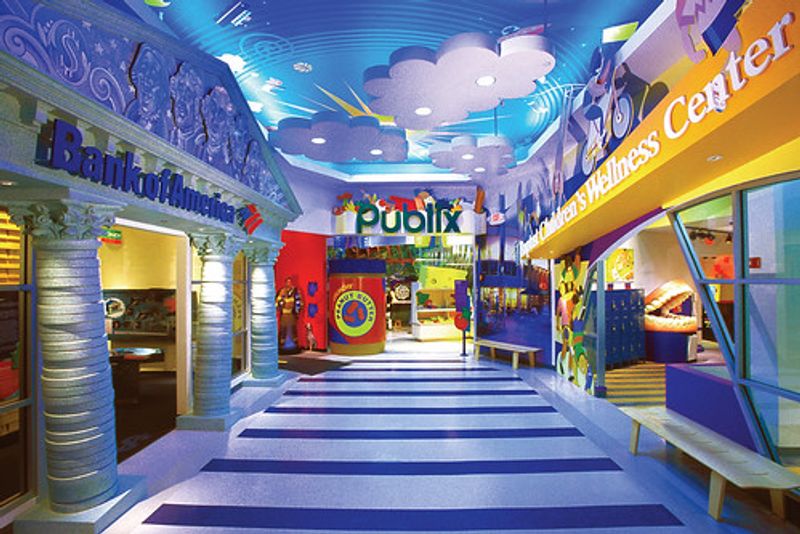
Miami Children’s Museum spans 56,500 square feet of pure, touchable, climbable, playable space, and the philosophy behind every inch of it is simple: kids learn best when they are doing, not just watching.
I noticed this the moment I walked through the entrance, where musical instruments line the walls and kids immediately start pressing, tapping, and strumming before they even check in.
The museum opened with a bold $25 million investment in the idea that childhood curiosity deserves a serious stage, and that investment shows in the quality and variety of exhibits spread across both floors.
Reviewers consistently mention spending well over two hours here without covering everything, which tells you just how much content is packed inside.
For families visiting Miami with young children, this is not a quick stop on a checklist but a full-day adventure that rewards every minute of attention you bring to it.
The Role-Play Zones That Steal The Show

Ask almost any parent who has visited and they will tell you the role-play areas are where the real magic happens.
Kids can slip on a firefighter jacket and climb aboard a fire truck replica, step behind the counter of a Publix-branded grocery store to make sandwiches and ring up customers, or pull on scrubs and treat stuffed animal patients at a pet hospital.
I watched one little girl spend nearly forty minutes rotating between cashier and sandwich artist at the grocery exhibit, completely absorbed in a world she had built entirely in her own imagination.
The museum partners with recognizable local brands like Publix, Jackson Health System, Baptist Health, and Carnival Cruise Line, which gives the exhibits a grounded, real-world feel rather than a generic toy-store aesthetic.
These zones do more than entertain; they quietly build social skills, vocabulary, and confidence in children who are still figuring out how the world around them actually works.
Honestly, the hardest part is convincing them it is time to move on to the next room.
The Art Studio Where Creativity Takes Over
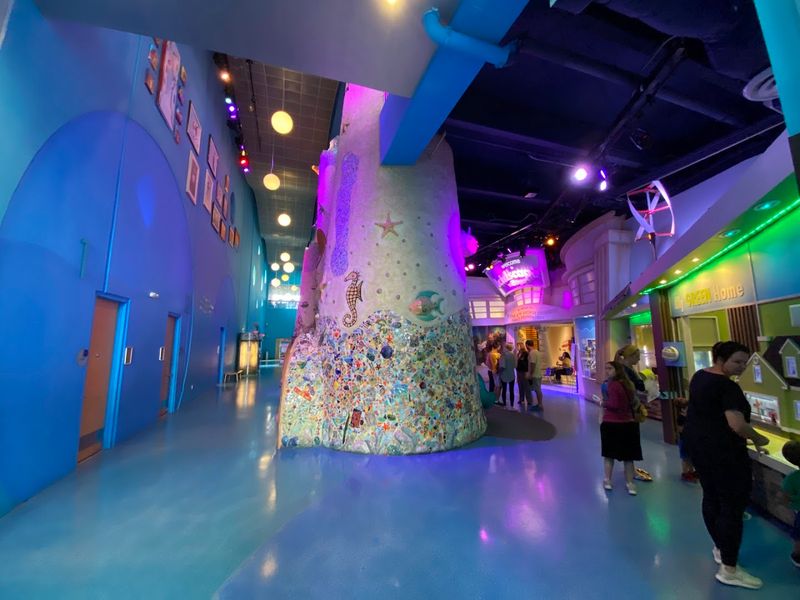
Not every child wants to pretend to be a firefighter, and the art studio at Miami Children’s Museum exists precisely for those kids who would rather make something than act something out.
The studio offers structured creative sessions where children work on projects like bookmark-making, painting, and mixed-media crafts, guided by staff who keep the energy focused without killing the spontaneity.
One reviewer mentioned leaving with bookmarks their kids made during a drop-in session, planning to have them laminated as keepsakes, which perfectly captures the kind of unexpected warmth this room generates.
The space itself is bright and well-supplied, with tables sized for small hands and enough room for groups to work comfortably without crowding each other out.
What I appreciate most is that the projects rotate throughout the year, so repeat visitors are not walking into the same activity they did on their last trip.
For parents who want their children engaged in something tactile and genuinely creative, this room delivers without requiring any prep work on your part.
Music And Performance Spaces That Hit Every Note
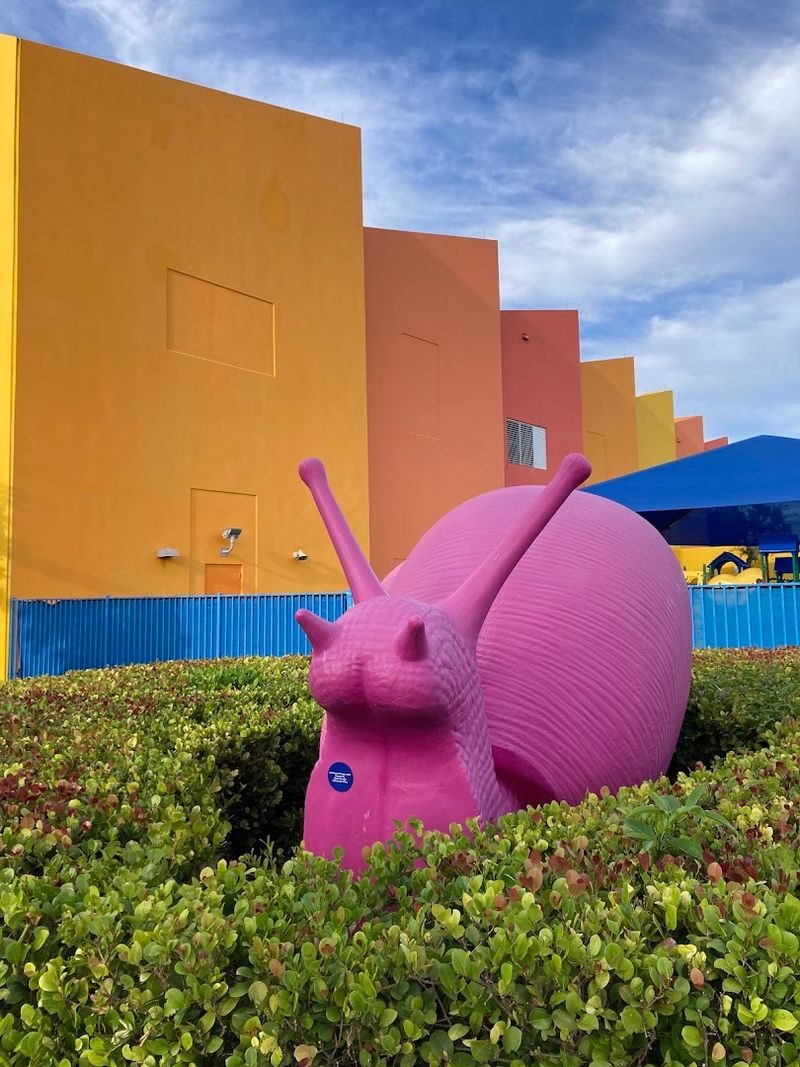
From the second you step through the front entrance, music is already part of the experience at Miami Children’s Museum.
The musical instrument wall near the entry greets visitors with a collection of instruments kids can actually play, setting a tone that says this is a place where participation is not just allowed but expected.
Inside, a dedicated music studio gives children the chance to explore rhythm, sound, and basic recording in a space designed to feel like a real creative environment rather than a classroom exercise.
The museum also features an award-winning theater troupe that performs seasonal shows for visiting families, and the productions are genuinely engaging enough to hold a young child’s attention from start to finish.
I caught a pirate-themed show during my visit and found myself laughing right alongside the kids in the audience, which is always a good sign that the performers know their craft.
Shows change with the seasons, so there is always a reason to come back and see what the stage has to offer next.
Science And Nature Exhibits That Spark Real Curiosity

Science gets a full, energetic treatment at Miami Children’s Museum, and it never once feels like homework.
The Dinosaur Roar and Explore area was one of the standout sections I visited, with interactive elements that pulled even the shyest kids into the experience and kept them moving, questioning, and discovering.
Reviewers with toddlers specifically called out this zone as a highlight, noting how the design manages to feel both immersive and age-appropriate at the same time.
Beyond dinosaurs, the museum weaves natural curiosity into several exhibits that encourage kids to observe, touch, and draw their own conclusions rather than simply read a label and move on.
The approach reflects a broader educational philosophy that treats children as capable thinkers rather than passive audiences, which is refreshing in a world where so many attractions talk at kids instead of with them.
For families with children who are already obsessed with animals, space, or the natural world, these sections will feel like a direct conversation with everything they already love.
Health And Wellness Exhibits With Real-World Lessons
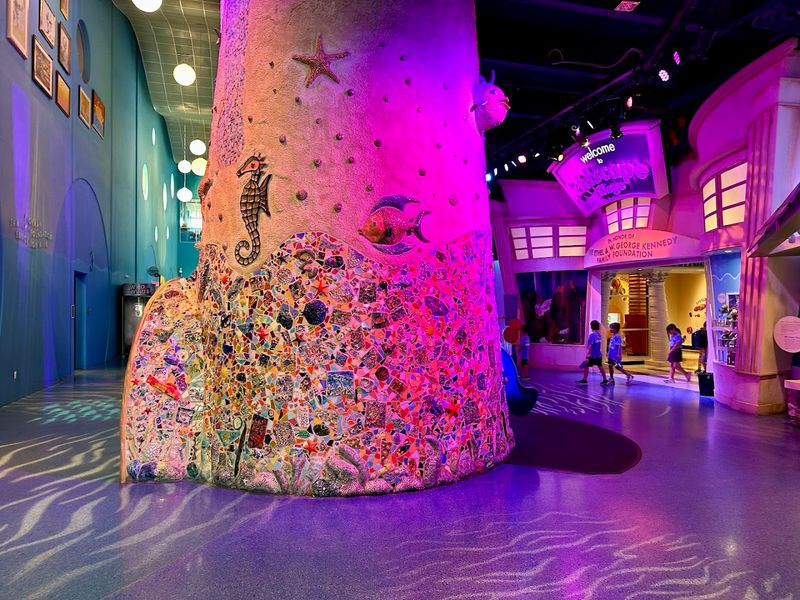
Health education for young children works best when it feels like play, and the Health and Wellness exhibit upstairs at Miami Children’s Museum understands that completely.
The section includes a soft, fully enclosed play area designed specifically for younger children, which is one of the few gated spaces in the museum and gives parents of toddlers a chance to breathe a little easier while their kids explore.
There is also a fitness center component on the upper floor that reviewers mentioned with genuine enthusiasm, describing it as one of the more unexpectedly fun stops in the whole building.
The museum’s partnerships with Jackson Health System and Baptist Health are visible here, lending the exhibits a sense of credibility and real-world connection that generic health displays often lack.
Children can interact with medical props, learn basic concepts about their bodies, and engage with ideas around physical activity in ways that feel playful rather than instructional.
It is the kind of section that plants small seeds of health awareness in young minds without ever making the lesson feel like a lesson.
Outdoor Playground and Musical Garden

After spending hours inside, stepping out into the outdoor playground and musical garden at Miami Children’s Museum feels like the perfect exhale.
The exterior space gives kids a chance to shake out all that pent-up energy with climbing structures, open running room, and a musical garden where outdoor instruments invite more spontaneous noise-making in the fresh South Florida air.
The location along the MacArthur Causeway means the setting itself is scenic, with Miami’s skyline and waterfront providing a backdrop that reminds you just how good a day out in this city can feel.
I noticed families using the outdoor tables in the newly renovated entry area to eat packed lunches, which the museum actively encourages for visitors who want more food flexibility than the indoor Subway provides.
The outdoor space also hosts special events throughout the year, including seasonal celebrations that give the museum a festive energy well beyond the standard exhibit experience.
Fresh air, open space, and a little music outside might just be the perfect way to close out an already full day of discovery.
Seasonal Events And Special Programs
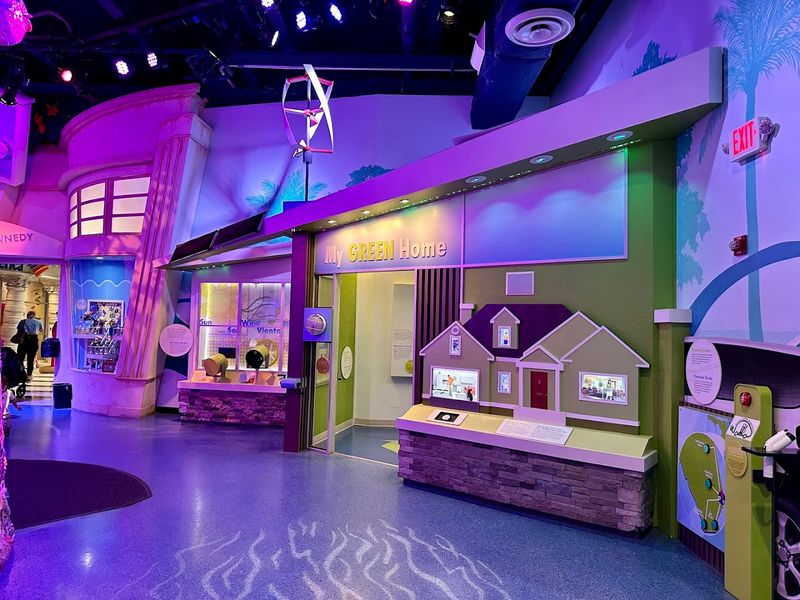
One of the quieter secrets about Miami Children’s Museum is how much the calendar fills up with events that make every visit feel different from the last.
Throughout the year, the museum hosts celebrations like National Ice Cream Day, Halloween festivities, and themed programming tied to cultural moments and seasonal changes that keep the experience fresh for families who visit regularly.
I spoke with one long-time member who mentioned bringing her kids for over a decade, and she credited the rotating events as a major reason the museum never felt stale even after dozens of visits.
The theater troupe’s seasonal shows are part of this rotating programming, and the museum also runs structured classes and creative workshops that go beyond the standard walk-in exhibit experience.
For families considering a membership, the combination of daily exhibits and special events makes the annual pass genuinely worthwhile, especially if you plan to visit more than once or twice a year.
There is always something new on the horizon here, and that sense of anticipation is part of what keeps families coming back.
Practical Tips For Planning Your Visit
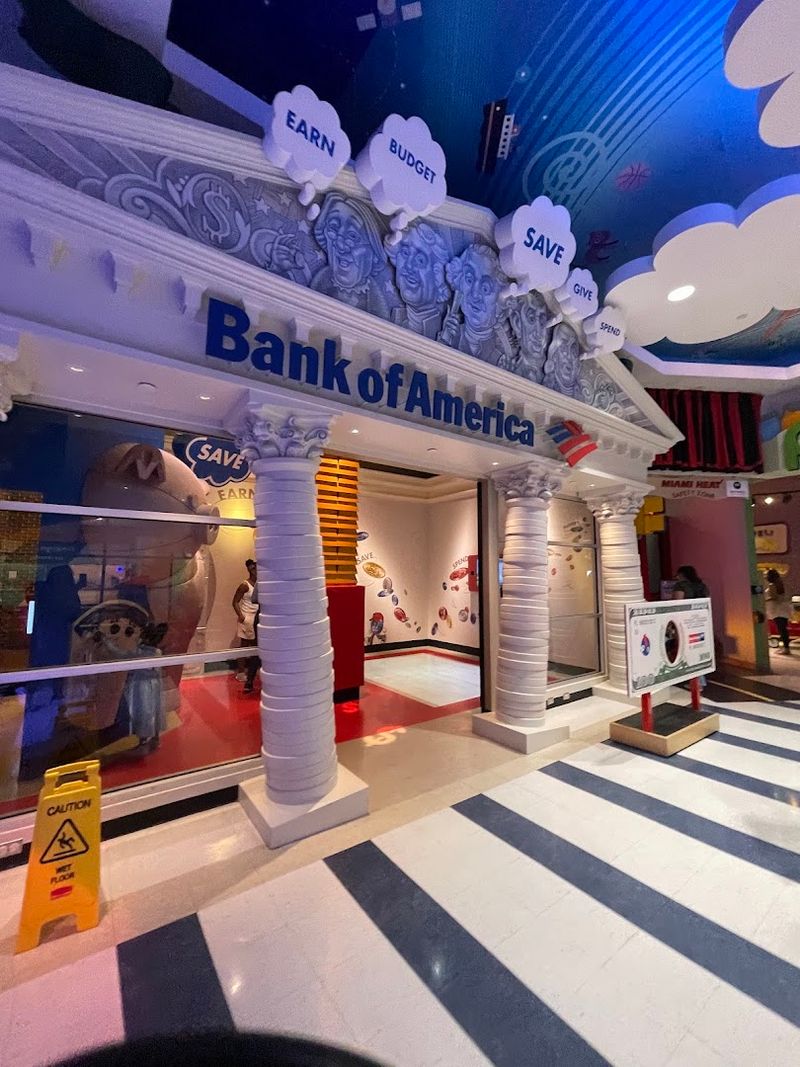
Getting the most out of Miami Children’s Museum starts with a little planning, and the good news is that most of the logistics here are pretty straightforward.
The museum is open daily from 10 AM to 6 PM, sits at 980 MacArthur Cswy, Miami, FL 33132, and can be reached by phone at 305-373-5437 or online at miamichildrensmuseum.org.
Parking runs just two dollars per hour in the public lot, which reviewers consistently flagged as a welcome relief given how expensive parking can get in Miami.
Most families with energetic children recommend budgeting at least four hours for the visit, and arriving earlier in the day on weekends helps you beat the crowds before the space gets noticeably busier by midday.
Children under twelve months get in free, and WIC participants can access complimentary admission, which makes the museum accessible to a wider range of families than many comparable attractions.
Local library cardholders should also check for free ticket programs before paying full price, as several reviewers confirmed this benefit is available through Miami-area branches.
Why Families Keep Coming Back Year After Year

A 4.5-star rating built on more than four thousand reviews does not happen by accident, and spending a day at Miami Children’s Museum makes it easy to understand what keeps pulling families back.
The combination of role-play zones, creative studios, science exhibits, live performances, outdoor play, and seasonal events creates a layered experience that grows with children rather than aging out of relevance after a single visit.
Long-time members describe the museum as a place woven into their family’s memories over years and even decades, which is a rare thing to earn in a city full of competing entertainment options.
The staff earns consistent praise for being friendly and welcoming, and the overall environment feels organized and safe without being rigid or over-managed.
For out-of-town visitors, the museum is an easy addition to any Miami family itinerary, and for locals, the membership program turns it into a regular ritual rather than a one-time outing.
Some places are worth visiting once; Miami Children’s Museum is the kind of place that quietly becomes part of how a family spends its best days together.