
This Illinois Route Takes You Past Stunning Historic Homes And Estates
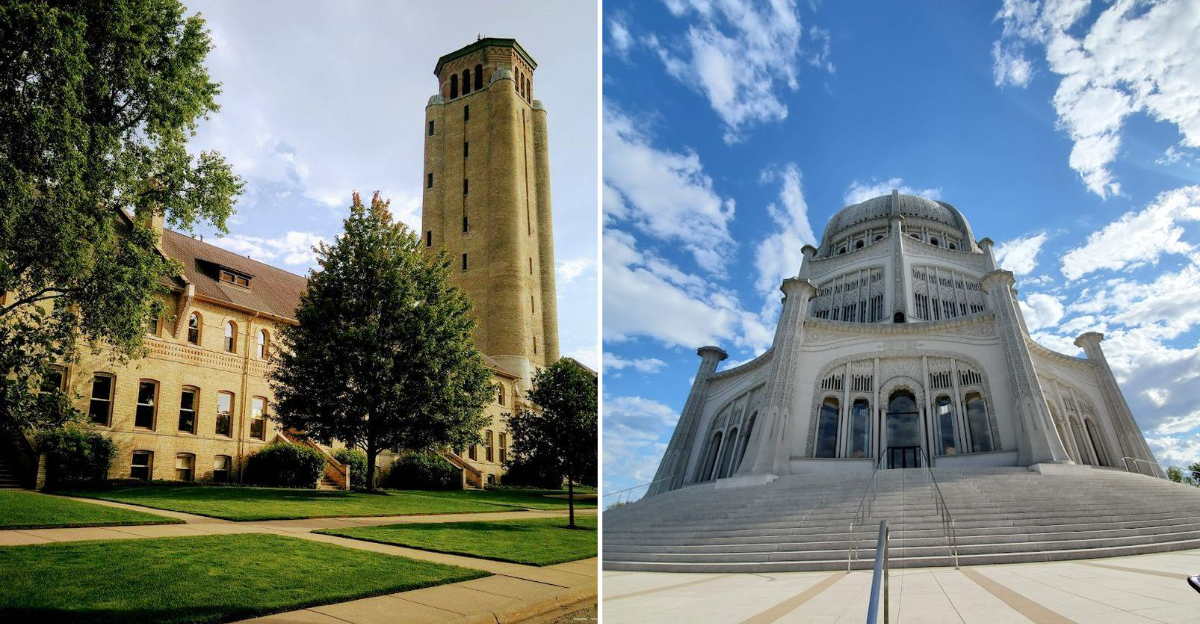
Sheridan Road is one of those drives that naturally slows you down, even if you didn’t plan for it.
It winds along the western edge of Lake Michigan through Chicago’s North Shore, linking together a series of communities filled with striking architecture, historic estates, and museums that tell some genuinely interesting stories.
I took this route on a crisp autumn afternoon, and somewhere along the way I realized I’d started jotting things down just to keep track of it all. By the time I finished, my notebook was packed with names, dates, and little details I hadn’t expected to come across.
If you’re into grand homes, local history, and that kind of scenery that makes a drive feel like an experience rather than just getting from one place to another, this stretch really delivers, with a couple of easy detours into Chicago that are absolutely worth it.
Frances Willard House Museum, Evanston
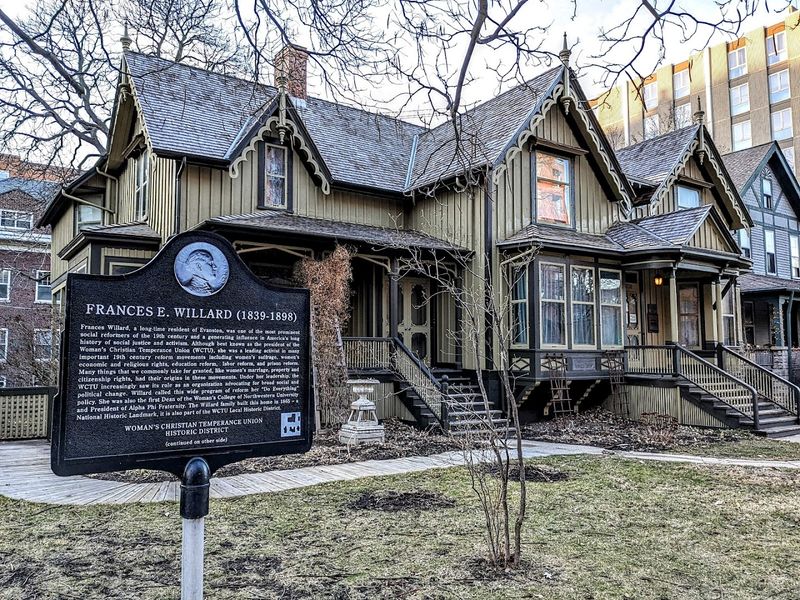
Few houses carry a legacy as powerful as the one at 1730 Chicago Avenue in Evanston, Illinois. The Frances Willard House Museum was home to the legendary temperance leader and women’s rights activist who shaped American history in the late 1800s.
It was here that Willard led the Woman’s Christian Temperance Union and helped push forward conversations about suffrage, reform, and social justice at a time when those ideas were still gaining traction.
The Carpenter Gothic cottage, known as Rest Cottage, has been preserved with original furnishings and personal artifacts.
Walking through the rooms, you notice how intimate the space feels, more like stepping into someone’s private world than a formal museum. Personal letters, photographs, and everyday objects give a vivid sense of Willard’s life and work.
Touring it feels like reading a biography room by room, which makes it one of the most quietly compelling and unexpectedly moving stops on all of Sheridan Road.
Dawes House, Evanston
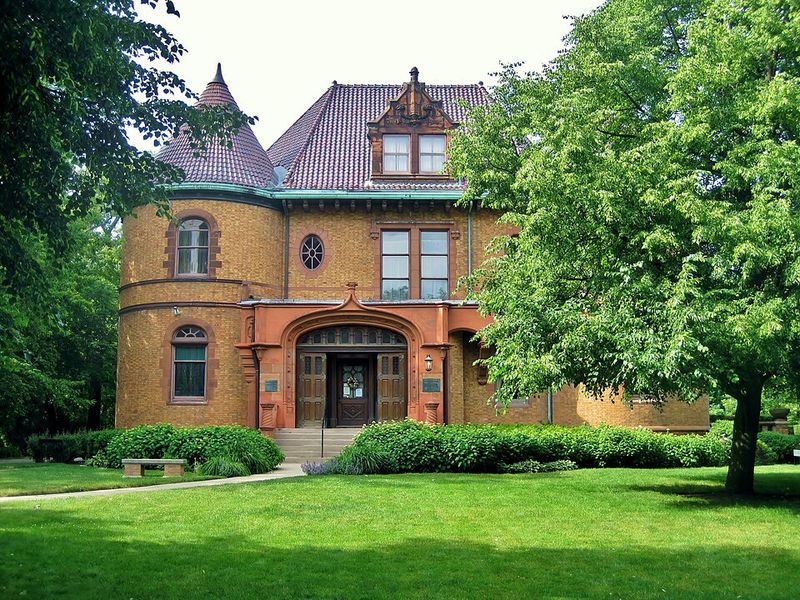
At 225 Greenwood Street in Evanston sits Dawes House, a commanding Chateauesque mansion that once belonged to Charles Gates Dawes, a Nobel Peace Prize winner and Vice President of the United States under Calvin Coolidge.
That combination alone makes this place worth a stop, but the building itself adds another layer of intrigue with its bold design and imposing presence near the lakefront.
The Evanston History Center now operates out of the building, using its rooms to tell the broader story of the city and its place in the region. Inside, the scale of the home is immediately striking, from the grand staircase to the richly detailed woodwork and formal entertaining spaces.
Walking through its rooms, you get a real sense of the ambition and confidence that defined early twentieth century American civic life on the North Shore, where wealth, politics, and culture often intersected in fascinating ways.
Halim Time and Glass Museum, Evanston
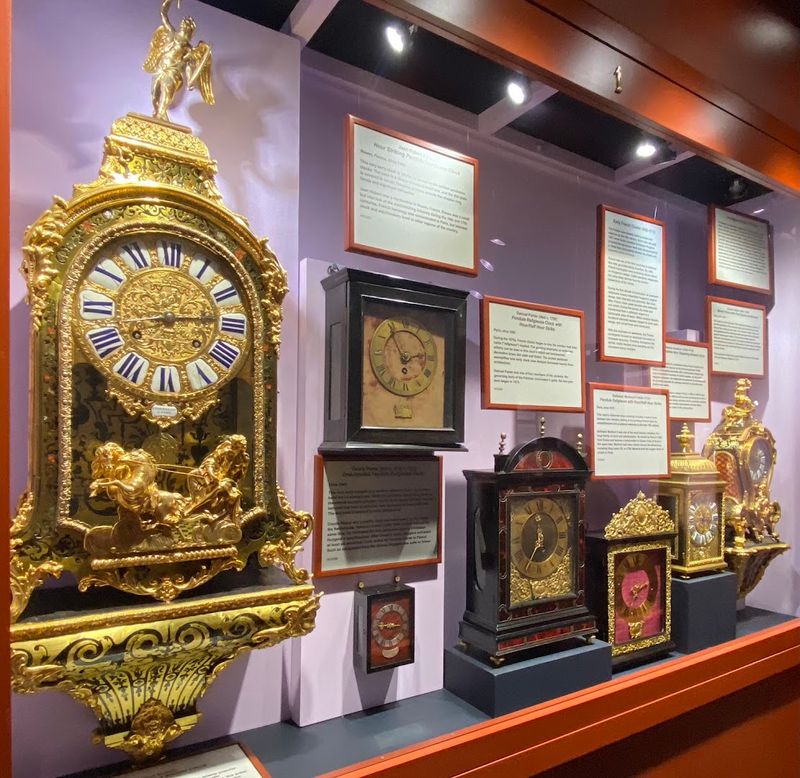
Not every museum on this route fits the traditional mold, and the Halim Time and Glass Museum at 1560 Oak Avenue in Evanston is proof of that in the best possible way.
This privately founded collection brings together an astonishing range of objects, from intricate antique clocks to luminous stained glass works that transform light into something almost theatrical.
As you move through the galleries, the sheer variety becomes part of the appeal. Towering grandfather clocks sit alongside delicate pocket watches, while nearby displays of stained glass reveal the artistry behind pieces that were once everyday architectural features.
The lighting is carefully designed to highlight color and detail, making each object feel almost alive.
The craftsmanship on display is genuinely impressive, and the museum offers a deeper appreciation for decorative arts that most North Shore visitors might otherwise overlook.
Elawa Farm, Lake Forest
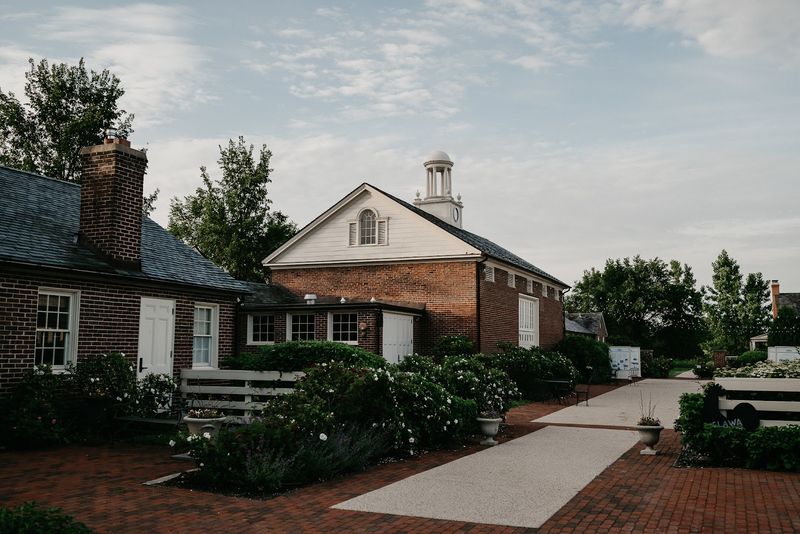
Elawa Farm on Middlefork Drive in Lake Forest, Illinois is one of those places that surprises you with how much character a working estate can hold.
Originally built in 1917 as part of a larger estate, the property reflects a time when wealthy families invested in beautifully designed farm complexes that were as elegant as they were functional.
Today, the farm blends its historic roots with a strong community focus. The preserved buildings, open fields, and gardens create a setting that feels both peaceful and purposeful.
Seasonal markets, workshops, and educational programs bring a steady rhythm of activity to the grounds, making it more than just a historic site.
Its connection to the broader estate culture of Lake Forest gives visitors a grounded, earthy counterpoint to the grand mansions that dominate the rest of this scenic drive, offering a glimpse into how these estates actually operated day to day.
Crab Tree Farm, Lake Forest
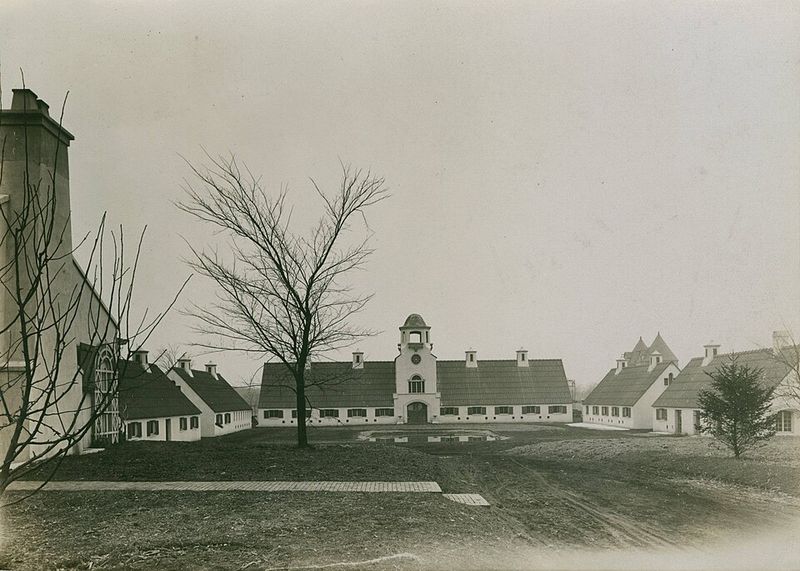
Crab Tree Farm is one of the most storied private estates along the North Shore, located in Lake Bluff, and it reflects the grand agricultural estate tradition that wealthy Chicagoans brought to this stretch of Illinois in the early twentieth century.
Set along Sheridan Road, the property is known for its beautifully preserved farm buildings, thoughtfully maintained grounds, and deep connection to Arts and Crafts design.
While the farm itself is not always open for casual visits, guided tours offer a rare opportunity to explore its interiors and learn about the philosophy behind its design and preservation. The experience feels curated but still deeply authentic.
The History Center of Lake Forest-Lake Bluff, located separately in Lake Forest, complements this experience by archiving decades of local life. Together, they provide a richer understanding of how these communities developed and how their identities continue to evolve.
Driehaus Museum, Chicago
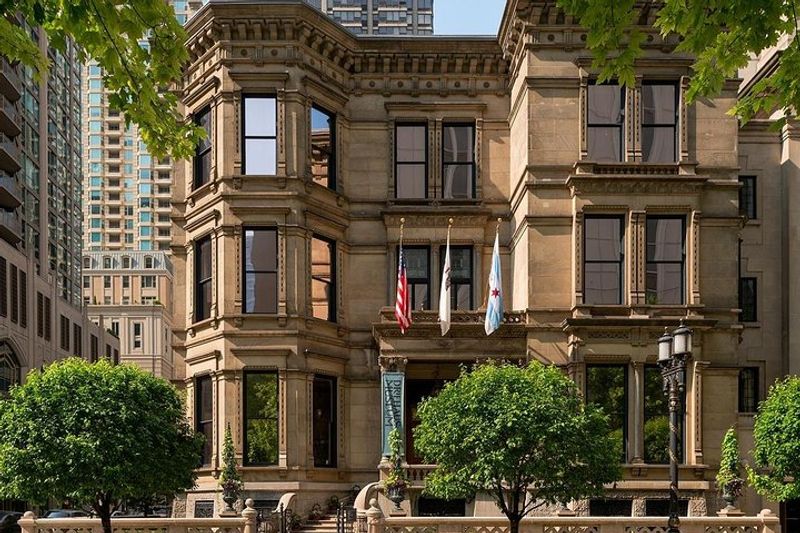
Back in Chicago at 50 East Erie Street on the Near North Side, the Driehaus Museum occupies the Nickerson Mansion, a Gilded Age showpiece that dates to 1883. Stepping inside feels like entering a different era entirely, one defined by craftsmanship, opulence, and a clear desire to impress at every turn.
Richard H. Driehaus restored the property to its original grandeur, carefully bringing back details that might otherwise have been lost to time.
The result is a space that feels both historically faithful and remarkably vivid. Marble surfaces, intricate mosaics, and richly layered interiors create a sense of visual abundance that’s hard to take in all at once.
It earned the nickname The Marble Palace long before it became a museum, and one visit makes it crystal clear why that reputation has endured for more than a century. While it sits slightly off the Sheridan Road route, it’s an easy and worthwhile detour.
Glessner House, Chicago
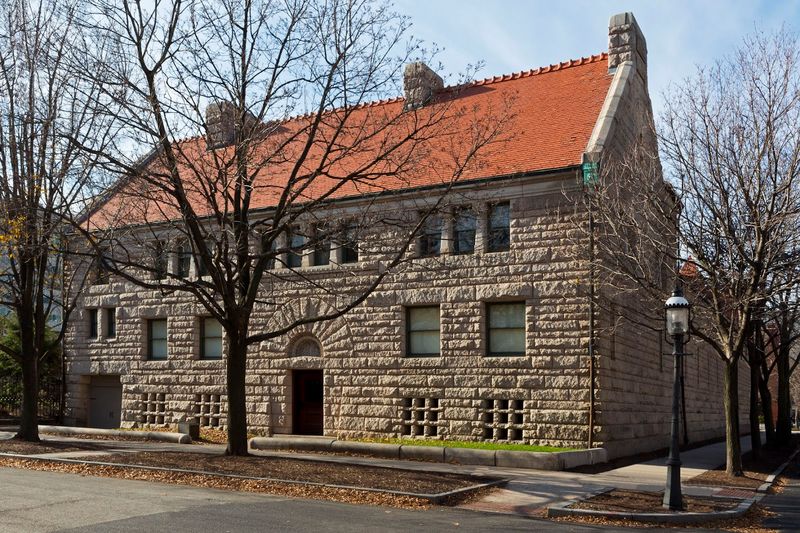
At 1800 South Prairie Avenue in Chicago stands Glessner House, a Romanesque Revival landmark designed by the legendary architect Henry Hobson Richardson in 1887.
From the outside, the structure feels almost fortress-like, with heavy granite walls and a sense of deliberate restraint that sets it apart from more ornate homes of the same period.
Step inside, though, and the atmosphere shifts completely. The interior opens into a warm, light-filled courtyard that becomes the heart of the home, revealing Richardson’s innovative approach to domestic architecture.
The layout was considered radical at the time, prioritizing privacy and inward-facing design over traditional street-facing grandeur.
Today it anchors the Prairie Avenue Historic District and offers guided tours that highlight just how forward-thinking Richardson truly was. Like the Driehaus Museum, it’s a bit of a detour from Sheridan Road, but one that adds meaningful depth to the overall journey.
Bahá’í House of Worship, Wilmette
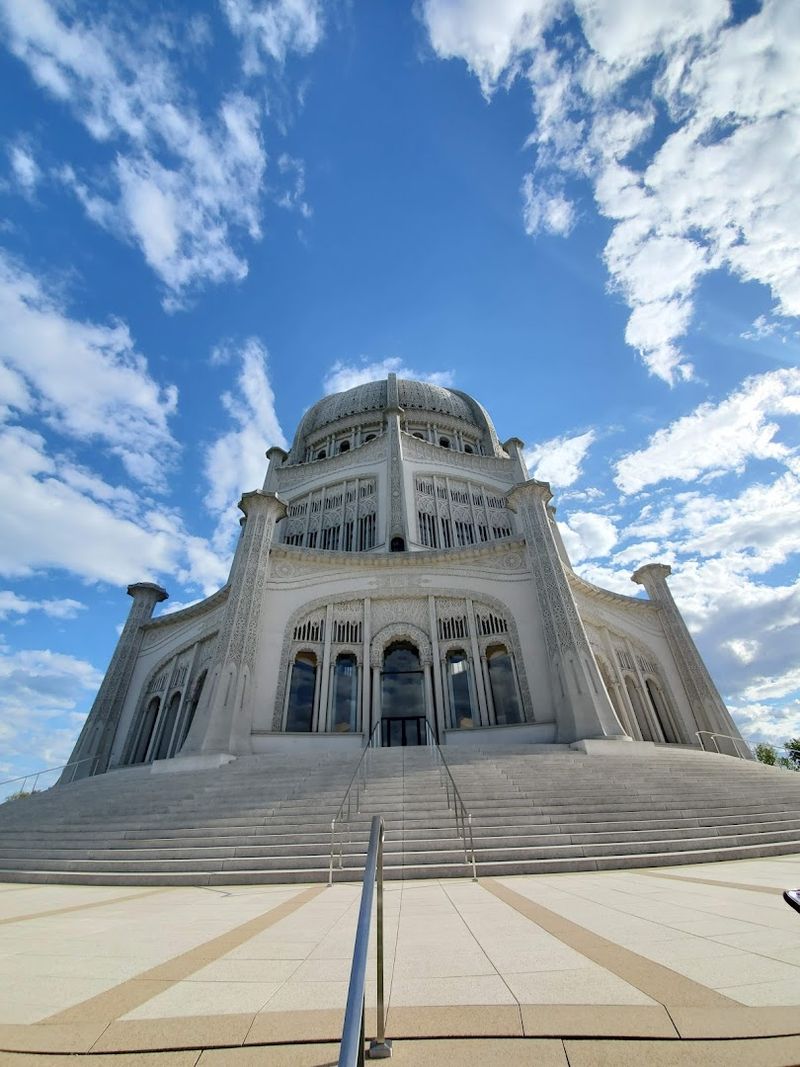
Standing just inland from the shores of Lake Michigan, the Bahá’í House of Worship in Wilmette is one of the most architecturally breathtaking structures you’ll ever see in Illinois.
Its intricate, lace-like concrete exterior took decades to complete, with construction beginning in 1912 and finishing in 1953, and it continues to draw visitors from around the world.
The building blends nine sides, a sacred number in the Bahá’í faith, with soaring arches and delicate carvings that feel almost impossibly detailed.
Every surface seems to reward a closer look, revealing patterns and symbols woven into the design. Surrounding gardens add a peaceful, almost dreamlike quality to the visit, especially in quieter moments.
Inside, the space is intentionally simple and open to all, creating a calm contrast to the ornate exterior. You don’t have to follow any particular faith to feel genuinely moved standing here.
Grosse Point Lighthouse, Evanston
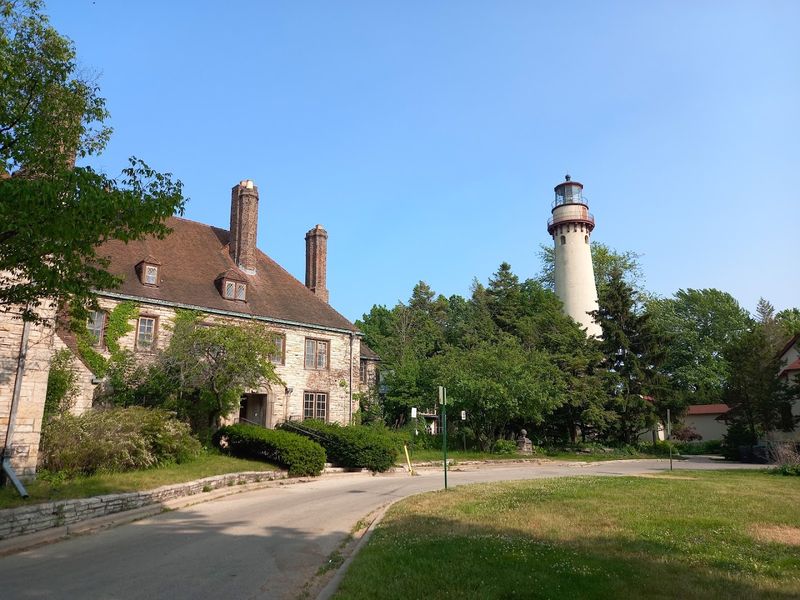
Built in 1873 after a series of deadly shipwrecks along this stretch of Lake Michigan, including the tragic Lady Elgin disaster that claimed around 300 lives, the Grosse Point Lighthouse is equal parts haunting history and architectural pride.
The lighthouse stands 113 feet tall and is one of the best-preserved examples of its kind anywhere on the Great Lakes.
Set slightly back from the water but still closely tied to it, the site gives you a real sense of how dangerous this shoreline once was for ships approaching Chicago. Today it anchors a nature center and is surrounded by peaceful walking paths, making it a rewarding stop for families and history lovers alike.
Guided tours offered on select days give visitors a rare chance to climb to the top for sweeping views of the lake and surrounding neighborhoods. Few stops on this route feel this timeless.
Fort Sheridan, Lake County
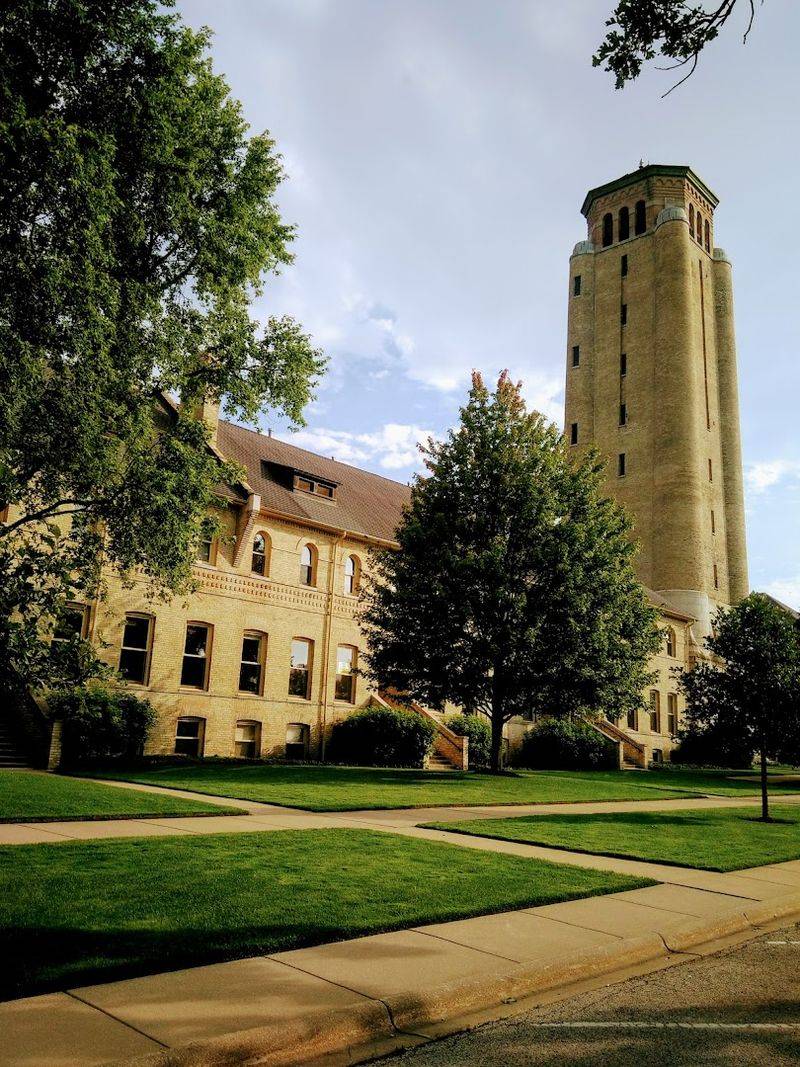
There’s something quietly fascinating about Fort Sheridan, a former U.S. Army post that has transformed into a residential community while keeping its historic bones remarkably intact.
Established in the late 1880s, the fort includes more than 100 historic buildings, many constructed from distinctive yellow brick. Prominent Chicago architects, including the firm Holabird and Roche, contributed to parts of the design, giving the site a cohesive but still varied architectural character.
The towering water tower alone is worth the detour, rising dramatically above the surrounding landscape like a sentinel from another era. As you move through the grounds, you’ll pass former barracks, officers’ homes, and open parade fields that still hint at their original purpose.
Walking or driving here, you get that rare feeling that history hasn’t been fully repackaged. It’s still embedded in the layout, the buildings, and the atmosphere.
History here isn’t behind glass, it’s all around you.