
This Local Louisiana Favorite Is Serving Up Unforgettable German Meals
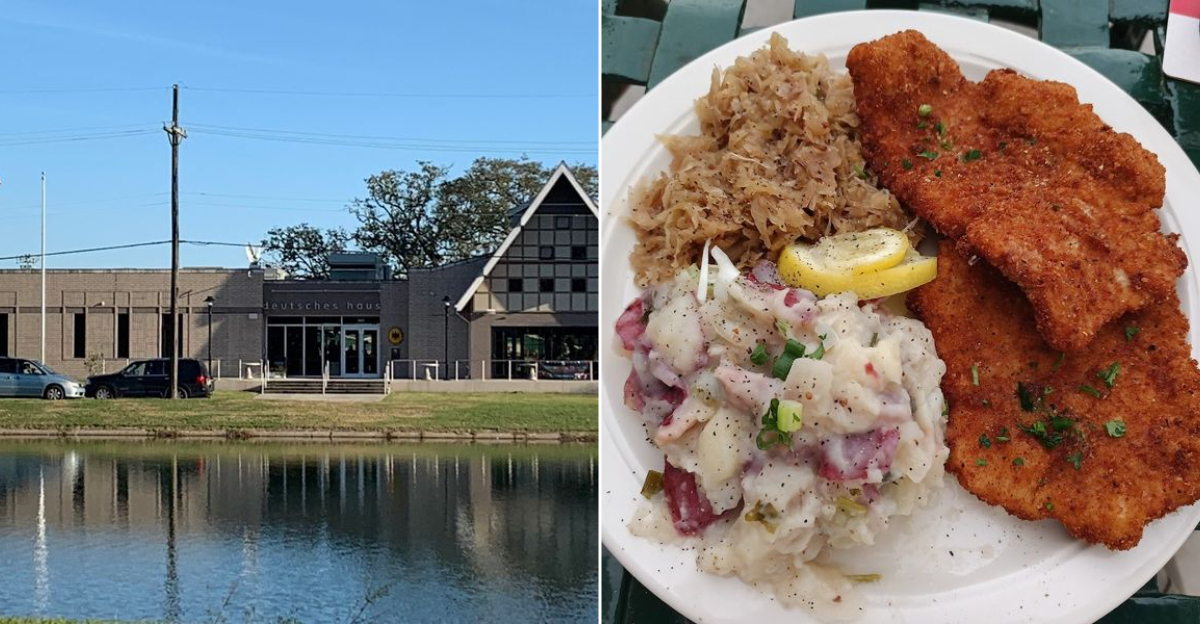
German food in Louisiana? Yes, and yes again. I walked into this local favorite expecting hearty plates, but what I got felt like a full-on flavor festival.
Sausages sizzling, sauerkraut tang hitting just right, and potatoes done every way imaginable. It was comfort food turned unforgettable.
The kind of place where recipes feel like family secrets, and every bite makes you whisper, “I definitely need more of this.” Locals aren’t just patrons.
They’re believers, and I quickly became one. By the time I left, my stomach was happy, my taste buds were cheering, and I had a new appreciation for just how bold and brilliant German cuisine can be in the South.
The Story Behind
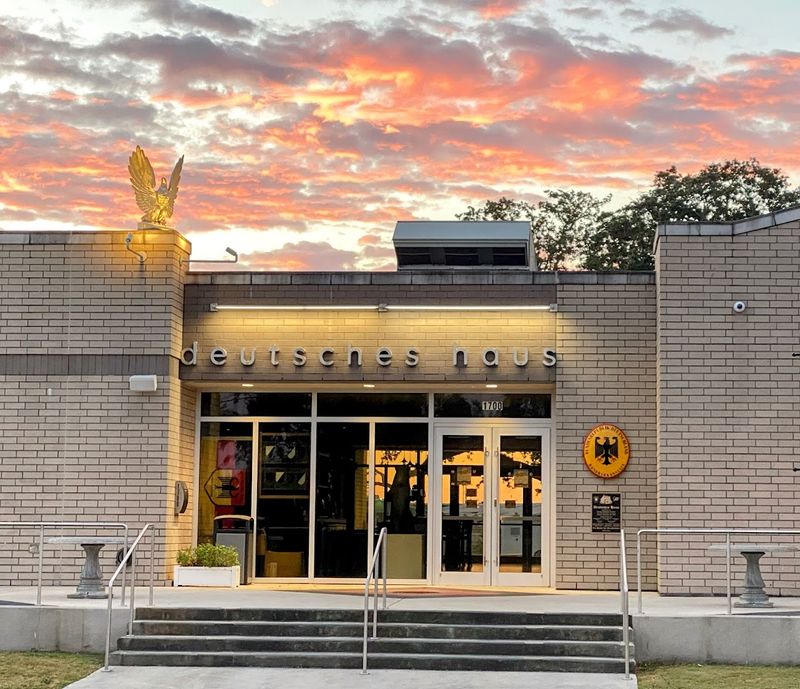
Some places just have soul, and Deutsches Haus has been radiating it since 1927. Founded by German immigrants who wanted to preserve their culture in the heart of Louisiana, this club became a cornerstone of New Orleans’ surprisingly rich German heritage.
It wasn’t just a place to eat.
It was a place to belong.
The club started as a gathering spot for German families navigating life in a new country. Over the decades, it grew into something much bigger.
Today, it stands as one of the longest-running German cultural organizations in the entire American South, and that history is baked into every single event and meal it hosts.
Walking into Deutsches Haus feels like stepping into a warm, well-seasoned memory. The walls carry stories.
The recipes carry tradition. Every dish served here connects you to generations of German cooks who believed food was the most honest form of love. That belief hasn’t faded one bit.
What makes this place genuinely special is how it balances preservation with celebration. It doesn’t feel like a museum.
It feels alive, buzzing with people who actually care about keeping something real and meaningful going.
German culture didn’t just pass through New Orleans. It planted roots here, and Deutsches Haus is living proof that those roots run deep and strong.
Location And Atmosphere
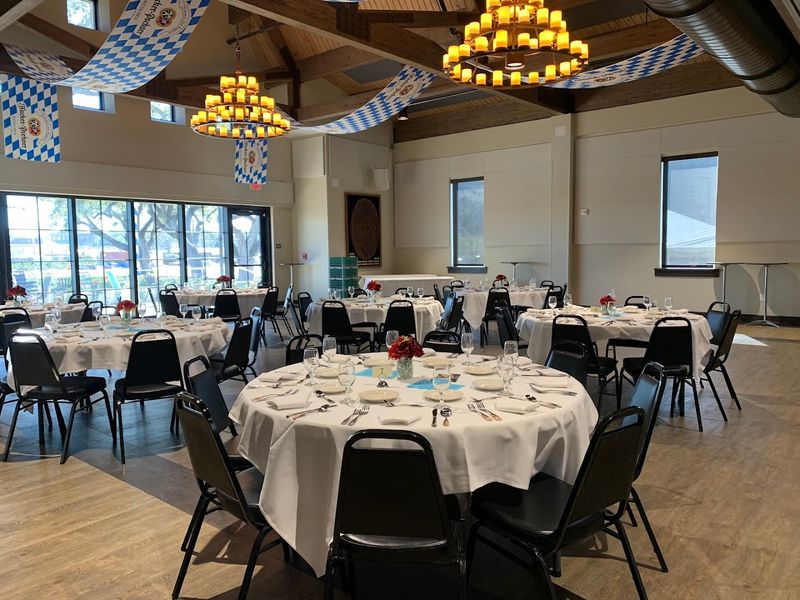
Finding Deutsches Haus for the first time felt like uncovering a secret the city had been keeping just for me. Nestled at 1700 Moss Street, New Orleans, LA 70119, the building sits in a neighborhood full of charm and character.
The moment I pulled up, I knew I was somewhere worth remembering.
The setting along Moss Street is genuinely gorgeous. Spanish moss drapes the nearby trees, and the whole vibe feels like New Orleans decided to dress up in its best outfit for the occasion.
It’s the kind of place that looks even better in person than in photos, which is saying a lot.
Inside, the atmosphere is cozy and unpretentious. Long wooden tables, vintage German decor, and the smell of something incredible cooking in the back all work together to create an experience that feels completely removed from the usual New Orleans tourist trail.
This is where the real city hides.
The energy here is warm and communal. You sit close to people, conversations happen naturally, and before you know it, you’re swapping food recommendations with strangers like old friends.
Deutsches Haus doesn’t try to be trendy or polished.
It just tries to be genuine, and it absolutely nails that goal every single time you walk through the door.
A Bite That Redefined Comfort Food
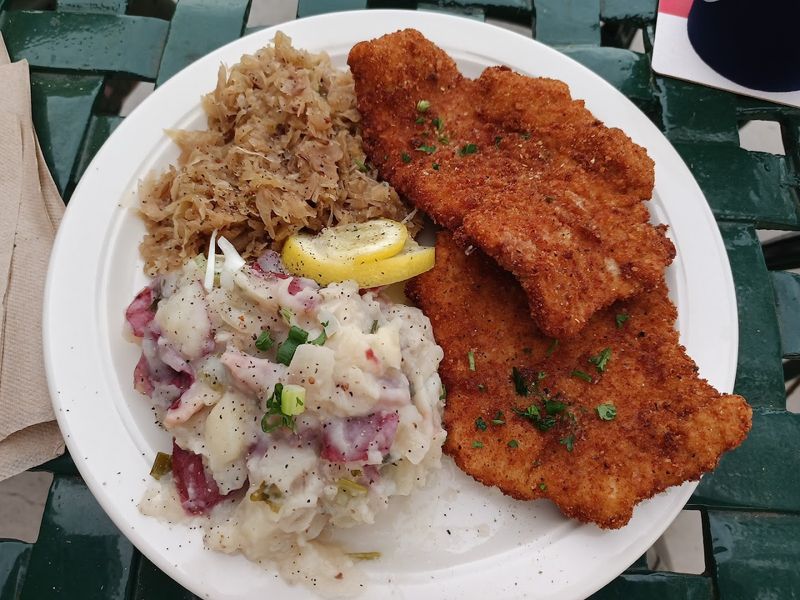
I grew up thinking fried chicken was the pinnacle of crispy, golden perfection. Then I met the schnitzel at Deutsches Haus, and everything I thought I knew got lovingly proven wrong.
It arrived at the table looking like a work of art, thin, perfectly breaded, and fried to an almost impossibly even golden color.
The first bite was a full sensory event. The crust shattered with a satisfying crunch, giving way to tender, juicy meat underneath.
A squeeze of fresh lemon over the top added brightness that cut through the richness in exactly the right way. Simple ingredients, executed with genuine care and real technique.
What separates a great schnitzel from a forgettable one is the preparation. The meat has to be pounded thin and even.
The breading has to be light and airy. The oil has to be hot enough to crisp fast without absorbing. Deutsches Haus gets every single one of those details right, consistently.
Schnitzel has been a German staple for centuries, and tasting it here made that history feel relevant and delicious.
This isn’t just comfort food. It’s a cultural statement on a plate, one that says precision and simplicity can produce something truly extraordinary.
Eating it felt less like a meal and more like a quiet, delicious education.
Bratwurst So Good It Should Come With A Warning Label
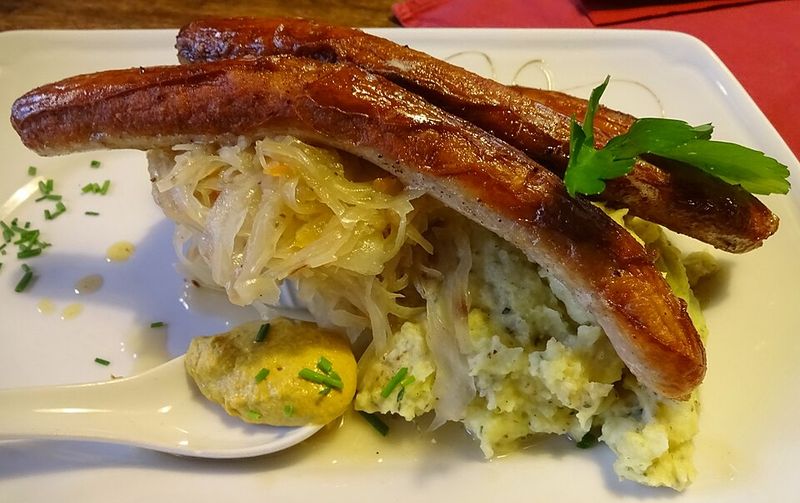
Before I visited Deutsches Haus, I thought bratwurst was just a ballpark food. A thing you grabbed between innings without thinking too hard about it.
One bite of the real deal here completely dismantled that casual assumption and replaced it with something bordering on reverence.
The bratwurst served at Deutsches Haus events is the kind that snaps when you bite into it. That snap matters more than people realize.
It means the casing is natural, the sausage is packed properly, and the whole thing was cooked with actual intention rather than just heat applied until done. Details like that are everything.
Paired with tangy sauerkraut and a smear of sharp German mustard, each bite hits multiple flavor notes at once.
The smokiness of the sausage, the acidity of the kraut, and the heat of the mustard create a combination that feels both ancient and completely satisfying. It’s a flavor trio that German cooks perfected centuries ago for good reason.
Bratwurst culture in Germany is regional and deeply personal. Different cities have their own recipes, spice blends, and cooking methods.
Deutsches Haus honors that tradition by treating the bratwurst as the centerpiece it deserves to be, not a side thought.
Every time I eat one here, I wonder why I ever settled for the ballpark version in the first place.
Pretzels And Sides
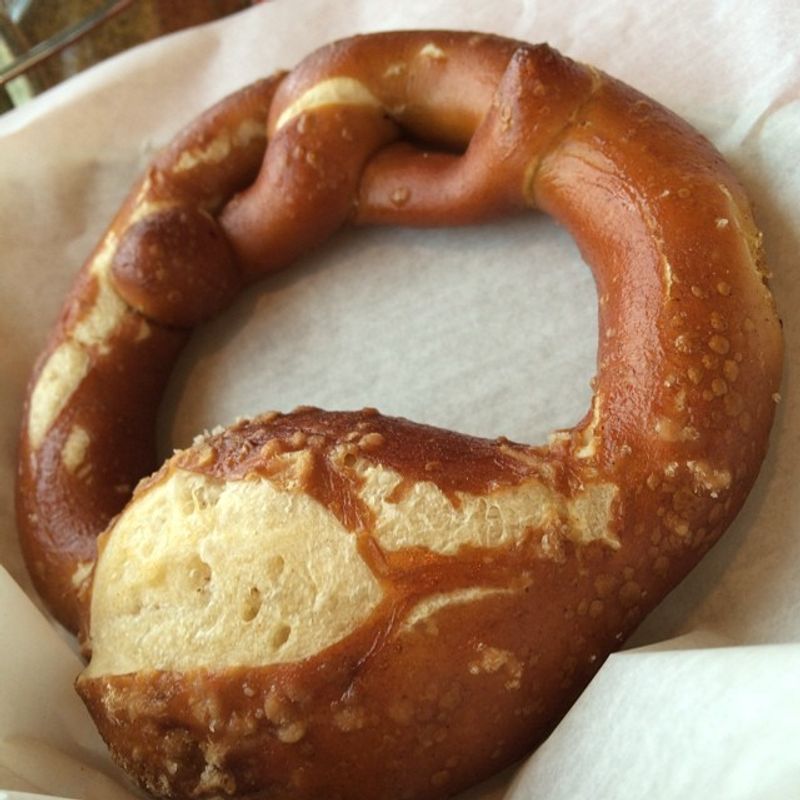
Soft pretzels get taken for granted constantly, and that’s a genuine tragedy. The pretzels at Deutsches Haus are nothing like the sad, doughy loops sold at airport kiosks.
These are big, golden-brown beauties with a slightly chewy interior, a glossy exterior, and enough coarse salt to make you close your eyes for a second after the first bite.
The outside has that signature pretzel chew that only comes from a proper lye bath before baking. Most people don’t know that step is what gives authentic German pretzels their distinctive color and texture.
Deutsches Haus doesn’t skip that step, and you can absolutely taste the difference in every single bite.
Beyond the pretzels, the sides at Deutsches Haus events round out the meal in the most satisfying way. Red cabbage braised low and slow until it’s sweet and tender.
Creamy potato salad dressed with vinegar instead of mayo, which sounds wrong until you try it and realize it’s been right all along. Warm, hearty, and completely unfussy.
German side dishes have always been about substance over flash. They’re designed to comfort and sustain, and they do exactly that without any unnecessary drama.
Sitting at a long table with a plate full of these sides felt like the most grounded, genuinely nourishing meal I’d had in a very long time. Simple food done with real conviction hits different every single time.
A Taste Of Germany In The Heart Of NOLA
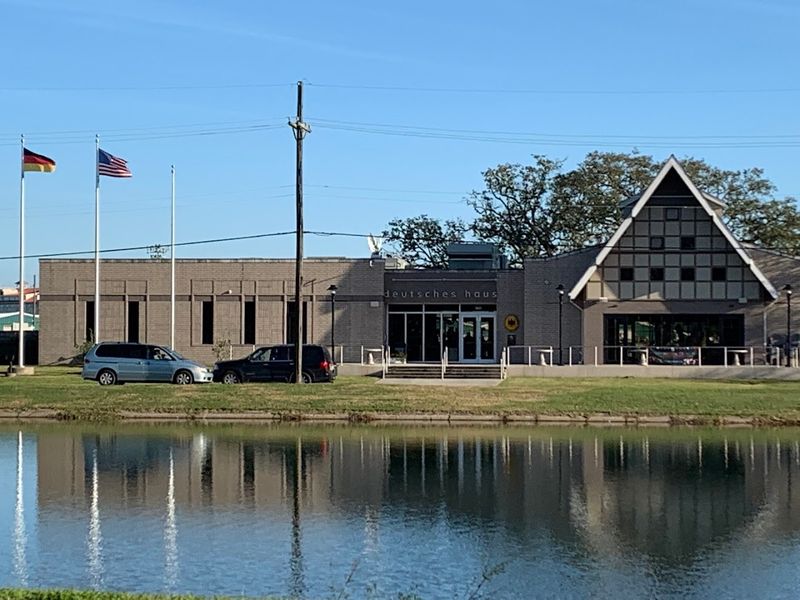
New Orleans gets celebrated constantly for its Creole cuisine, its beignets, its po-boys, and its gumbo. All of that praise is absolutely earned.
But the city has layers that most visitors never get to explore, and the German culinary tradition kept alive at Deutsches Haus is one of the most rewarding layers of all.
Louisiana has had a significant German immigrant population since the 1700s. Entire stretches of the Mississippi River were once called the German Coast because so many German families settled there.
Deutsches Haus is a living connection to that history, and eating here feels like participating in something much larger than a single meal.
The food is honest, generous, and cooked with the kind of conviction that only comes from genuine cultural pride.
Nothing on the menu is trying to impress you with complexity or novelty. It’s just good food made the right way, served in a space that has been welcoming hungry people for nearly a century now.
Every city has hidden gems that only the curious ever find, and Deutsches Haus is one of New Orleans’ finest.
If you’ve been sleeping on German food because you assumed it had no place in Louisiana’s culinary story, this place will change your mind completely.