
This Florida Research Aquarium Lets You Watch Real Marine Scientists At Work
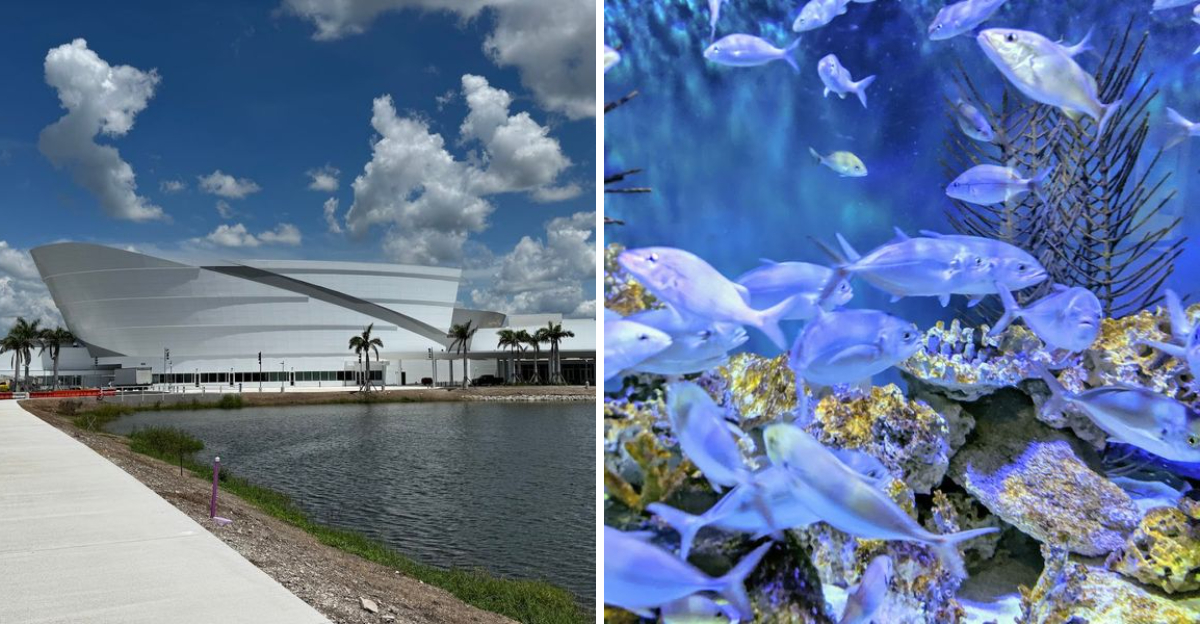
You do not usually expect to see real science happening right in front of you, especially not while visiting what looks like a typical aquarium.
But somewhere along Florida’s coast, there is a place where the line between visitor and researcher almost disappears. One moment you are walking past tanks filled with marine life, and the next you are watching actual scientists at work, studying coral, observing sharks, and piecing together the future of ocean conservation just a few feet away.
It creates a completely different kind of experience, one that feels less like a casual visit and more like getting rare access to something most people never get to see.
There is a quiet intensity to it, a sense that everything happening here actually matters.
And by the time you leave, you realize this is not just another stop in Florida, it is one of those places that completely changes how you see the ocean.
Active Research Labs With Public Viewing
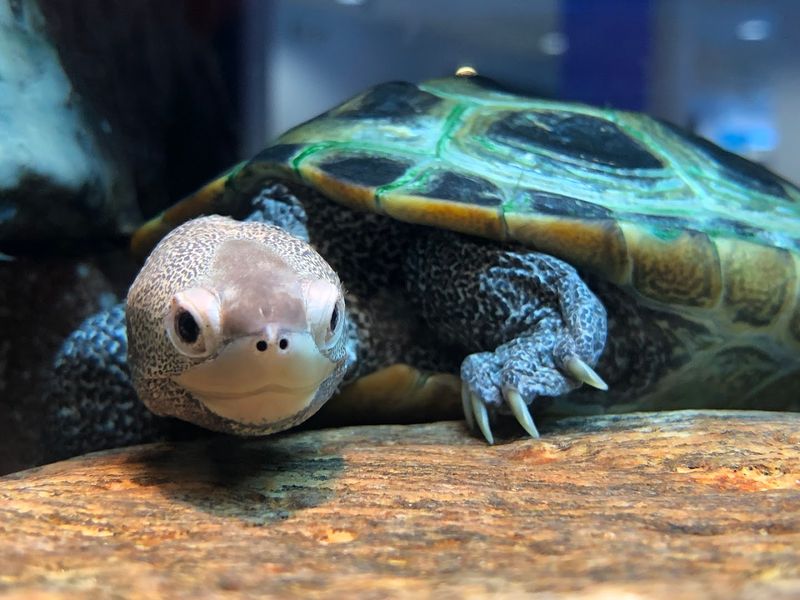
Watching researchers pipette samples and examine specimens through laboratory windows gave me a completely different appreciation for marine science. The facility doesn’t hide its research operations behind closed doors but instead integrates working labs directly into the visitor experience, allowing guests to observe real scientific work in progress.
Scientists at Mote focus on critical issues like coral reef restoration, shark conservation, and red tide research, and I could see them analyzing water samples and monitoring experiments during my visit. The transparency of their work creates an educational opportunity that traditional aquariums simply can’t match, showing visitors that marine conservation requires daily laboratory effort alongside fieldwork.
Staff members and volunteers stationed near the observation areas answered my questions about what specific research projects were underway. I learned about their coral spawning programs and sea turtle rehabilitation efforts through these conversations, which made the exhibits feel connected to larger conservation goals rather than just display tanks.
The integration of working science into a public space demonstrates Mote’s commitment to education and transparency in marine research.
Multi-Story Shark And Ray Tank
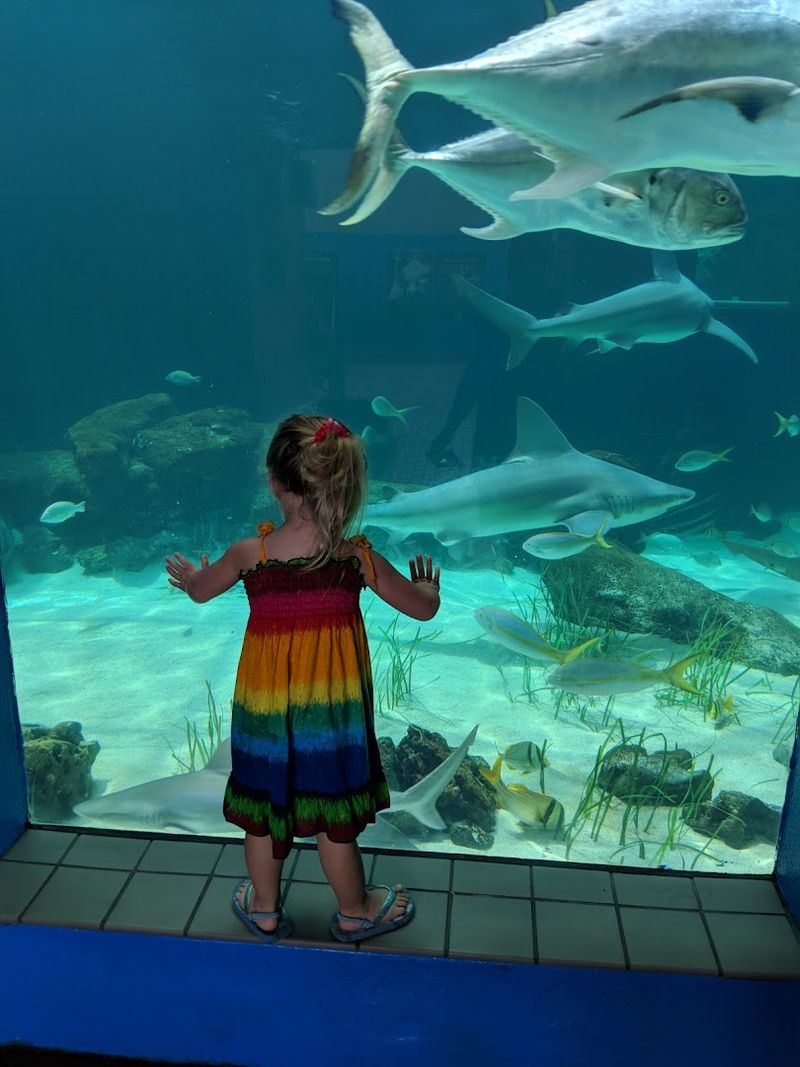
Standing on the second floor and looking up through the massive central tank while sharks glided overhead created one of those moments I’ll remember every time someone asks about my Florida travels. This multi-story centerpiece houses various shark species, rays, and larger fish in a tank that spans three floors, offering completely different perspectives depending on which level you’re exploring.
The ground floor provides eye-level views where I watched rays undulate past the glass with surprising grace. Moving up to the second floor changed everything as the viewing angle shifted to look both across and upward into the tank, creating the sensation of being surrounded by marine life from multiple directions.
By the time I reached the third floor, I found myself looking down into the tank, observing shark behavior from above as they circled in their established patterns. This bird’s-eye perspective revealed swimming behaviors and social dynamics I’d never noticed from traditional side-viewing positions at other aquariums.
The architectural decision to build viewing opportunities on multiple levels transforms a single exhibit into three distinct experiences that showcase these animals from every possible angle.
Touch Tanks With Stingrays And Sharks
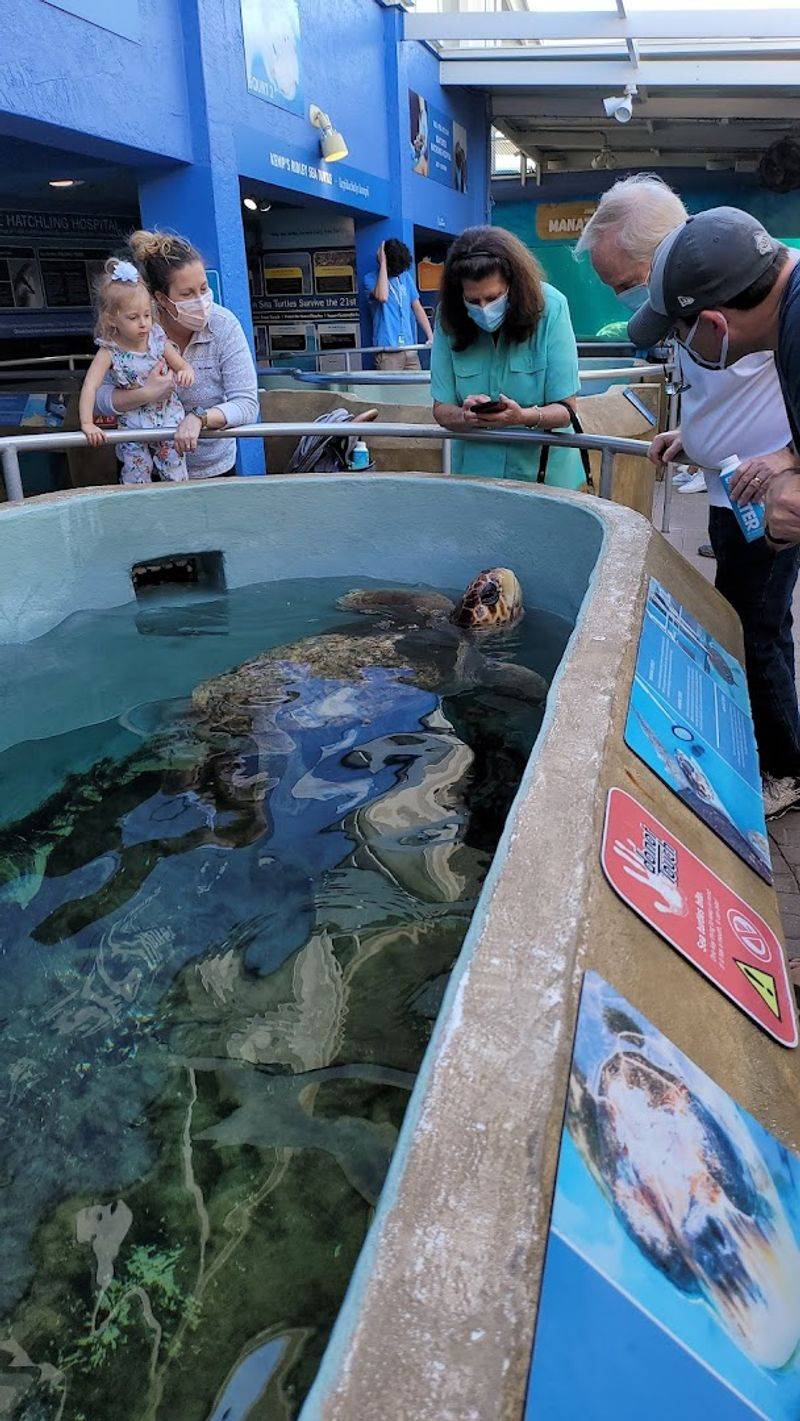
My hand hovered over the water for a solid ten seconds before I worked up the courage to gently touch a passing stingray, feeling its surprisingly smooth skin glide beneath my fingertips. The touch tanks at Mote offer hands-on encounters with both stingrays and small shark species, supervised by knowledgeable staff who ensure both visitor safety and animal welfare throughout the experience.
Staff members positioned around the tanks provided clear instructions about proper two-finger touching techniques and explained when to interact based on the animals’ swimming patterns. I appreciated their careful monitoring, which created a respectful interaction rather than a free-for-all grabbing session that might stress the marine life.
The sharks in the touch tank were surprisingly docile, and feeling their sandpaper-like skin provided a tactile learning experience no video or photograph could replicate. These encounters transformed abstract concepts about shark anatomy into concrete, memorable moments that changed how I think about these often-misunderstood creatures.
Handwashing stations positioned near the tanks made it easy to clean up before and after touching, maintaining hygiene standards while encouraging visitor participation in these remarkable interactive exhibits.
Manatee Observation Area
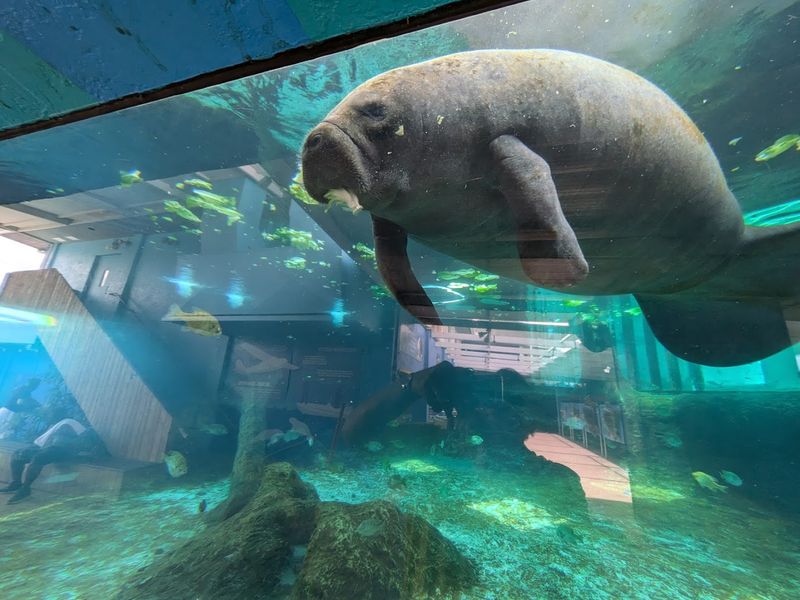
Watching a manatee slowly rotate in the water, its whiskered face pressing against the glass just inches from my own, reminded me why these gentle giants inspire such fierce protection efforts across Florida. The dedicated manatee habitat sits in the upper level of the facility, providing crystal-clear views of these endangered marine mammals as they float, feed, and interact with remarkable grace despite their substantial size.
Most of the manatees housed at Mote are rescue animals undergoing rehabilitation before potential release back into Florida waters. Staff members shared stories about individual manatees during my visit, explaining the injuries or health issues that brought each animal to the facility and outlining their recovery progress.
The exhibit design allows viewing from multiple angles, and I spent considerable time watching their surprisingly expressive faces and surprisingly delicate movements as they navigated their space. Their slow-motion ballet contradicts the urgency of their conservation status, creating a poignant reminder that these peaceful creatures face serious threats from boat strikes and habitat loss.
Observing manatees up close transformed them from abstract symbols of Florida wildlife into individual animals with distinct personalities and behaviors worth protecting.
African Penguin Colony
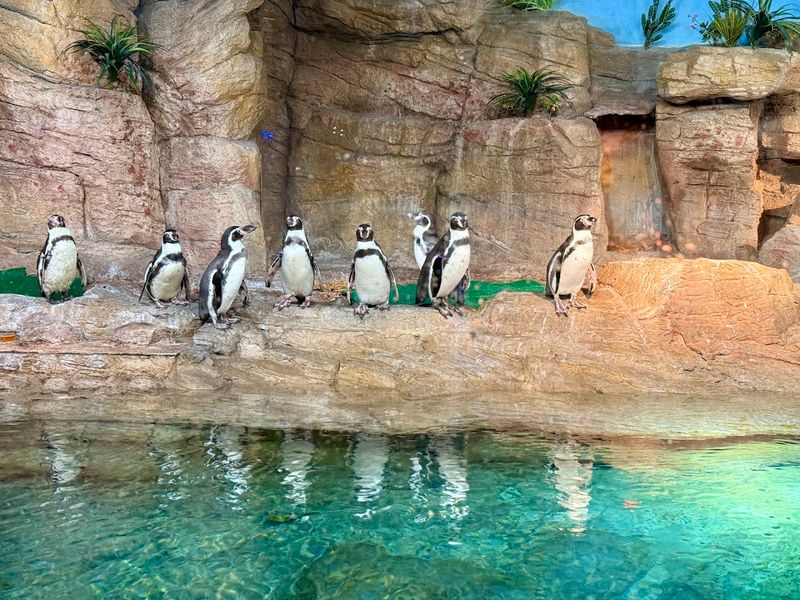
The distinctive braying calls of African penguins echoed through the exhibit hall, earning these birds their nickname as the jackass penguins long before I arrived to watch them waddle and dive. Mote’s penguin colony provides an unexpected tropical twist to a Florida aquarium visit, showcasing these endangered seabirds from the southern coasts of Africa in a carefully climate-controlled habitat that mimics their natural rocky shoreline environment.
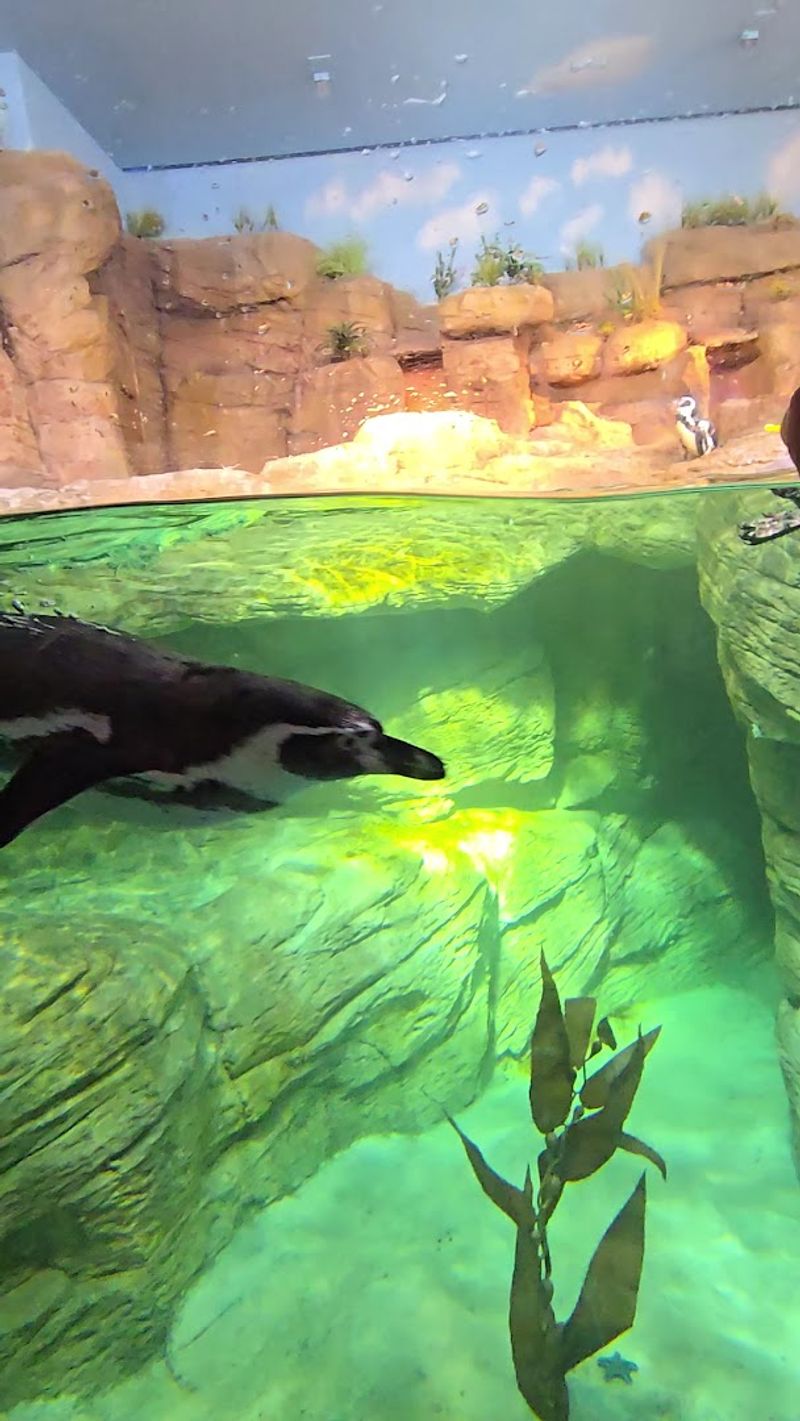
I watched several penguins torpedo through the water with surprising speed and agility before awkwardly flopping back onto the rocks, demonstrating the dramatic difference between their swimming prowess and their comical land-based mobility. Their underwater grace contradicts their clumsy terrestrial movements, creating entertainment value alongside important education about penguin conservation challenges.
Staff presentations throughout the day provide feeding opportunities and educational talks about African penguin biology, behavior, and the threats facing wild populations. The species faces significant decline due to overfishing, oil spills, and climate change impacts on their South African habitat, making every captive breeding effort increasingly important.
Watching these charismatic birds reminded me that marine conservation extends beyond local Florida species to encompass threatened ocean wildlife from around the globe.
River Otter Habitat With Waterfall
Two otters chased each other in spiraling circles through the crystal-clear water, their playful energy infectious enough to make every nearby visitor stop and smile at their antics. The river otter exhibit features a beautifully designed habitat complete with a cascading waterfall, multiple swimming areas, and various enrichment toys that keep these intelligent, social animals actively engaged throughout the day.
I returned to this exhibit three separate times during my visit because the otters’ constant activity and obvious enjoyment of their space created endlessly entertaining viewing opportunities. Their swimming skills impressed me as they twisted and dove with precision, using their powerful tails and webbed feet to navigate their environment with remarkable speed and agility.
The habitat design incorporates both underwater and above-water viewing areas, allowing visitors to watch otter behavior from multiple perspectives as the animals transition between swimming, climbing, and playing on the rocky outcroppings. This thoughtful architecture ensures that something interesting is always visible regardless of what the otters are doing at any given moment.
Staff members explained that the enrichment items and habitat complexity are regularly changed to provide mental stimulation and prevent boredom in these highly intelligent mammals.
Sea Turtle Rehabilitation And Education
A loggerhead turtle missing part of one flipper swam past the viewing window, its injury telling a silent story about boat strikes and the ongoing threats facing sea turtles throughout Florida waters. Mote’s sea turtle rehabilitation program treats injured and sick turtles with the goal of eventual release, and the public exhibits showcase both permanent resident turtles and those currently undergoing treatment before returning to the ocean.
Educational signage throughout the turtle areas explained common injury causes, from boat propeller strikes to fishing line entanglement and ingested plastics. Reading these descriptions while watching actual recovering turtles made the conservation message far more powerful than abstract statistics ever could.
I learned that some turtles suffer injuries too severe for survival in the wild and become permanent educational ambassadors at the facility. These individuals help teach visitors about sea turtle biology, life cycles, and the human activities that threaten their populations, turning personal tragedy into conservation education opportunities.
Volunteers stationed near the turtle exhibits answered questions about specific individuals and shared updates on rehabilitation progress for turtles currently in treatment, creating personal connections between visitors and these ancient marine reptiles fighting for survival.
Coral Reef Research And Restoration Exhibits
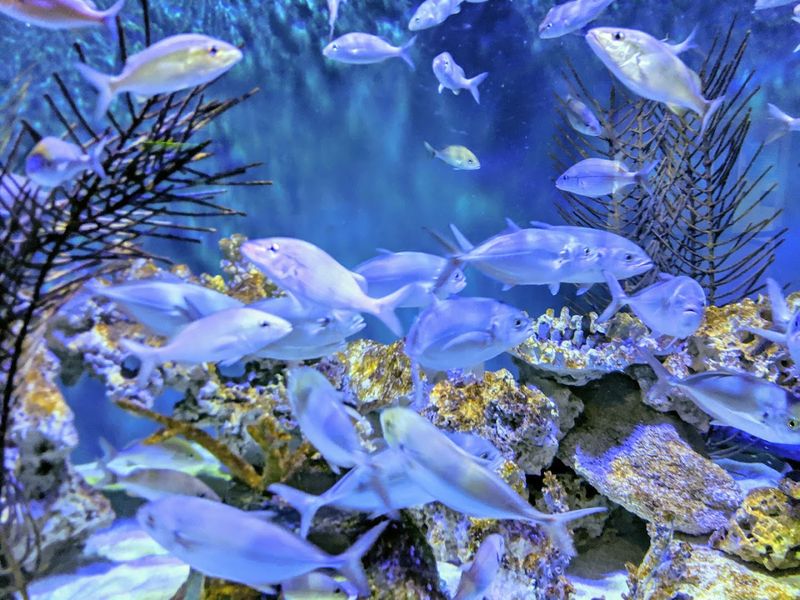
Rows of small coral fragments growing on specially designed structures looked more like a underwater garden nursery than a traditional aquarium exhibit, revealing the painstaking work behind coral restoration efforts. Mote’s coral research program addresses one of the most critical marine conservation challenges facing Florida and the Caribbean, and the public exhibits showcase their innovative approaches to coral spawning, growth, and reef restoration.
Scientists at Mote have developed techniques for growing coral faster than natural rates, creating opportunities to restore damaged reefs before they disappear entirely. Watching these tiny coral polyps slowly building their calcium carbonate skeletons gave me new appreciation for the geological timescales usually required for reef formation and the urgency of current restoration work.
The exhibits explain how rising ocean temperatures, pollution, and disease have devastated coral populations throughout the Caribbean, with some reef systems losing over ninety percent of their coral coverage in recent decades. Understanding this context while viewing healthy, growing coral colonies highlighted both the severity of the crisis and the hope that scientific intervention provides.
Interactive displays allowed me to learn about coral biology, reproduction, and the specific challenges researchers face when attempting to restore these complex ecosystems in degraded environments.
Jellyfish Gallery With Mood Lighting
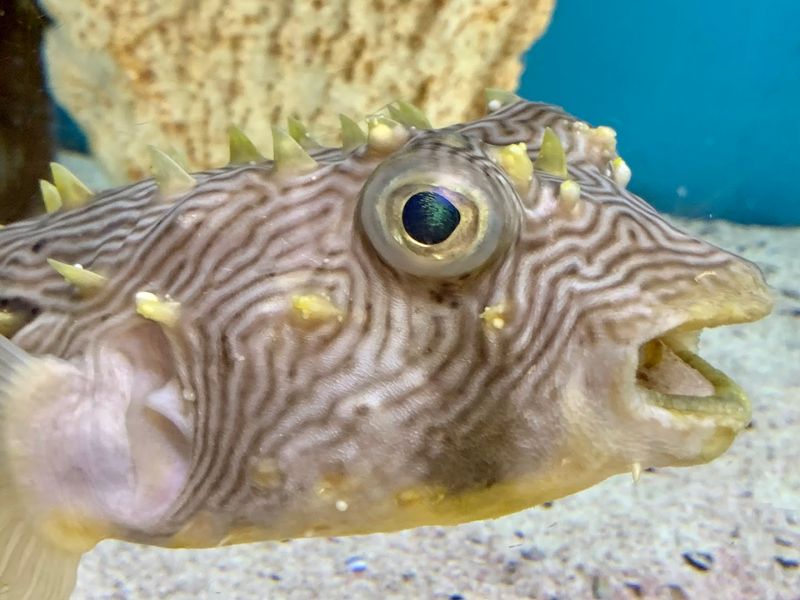
The darkened jellyfish gallery felt like stepping into a meditation space designed by marine biologists, with glowing tanks casting ethereal light across visitors’ faces as translucent jellies pulsed through the water. Multiple cylindrical tanks showcase different jellyfish species, each illuminated with carefully chosen lighting that highlights the animals’ delicate structures and graceful movements while creating an almost hypnotic viewing experience.
I found myself completely absorbed watching moon jellies drift upward with rhythmic bell contractions before slowly sinking back down in an endless cycle that seemed to exist outside normal time. Their simple beauty and ancient body plan, unchanged for hundreds of millions of years, provided a humbling reminder that successful life strategies don’t always require complexity.
The lighting periodically shifted colors, transforming the jellies from cool blues to warm purples and creating dramatically different visual effects that emphasized different aspects of their anatomy. This artistic approach to exhibit design elevated the experience beyond simple animal viewing into something approaching performance art.
Educational panels explained jellyfish biology, their important role in marine food webs, and the concerning population blooms occurring in some ocean regions as environmental conditions change, adding scientific context to the aesthetic experience.
Hurricane Simulator Experience
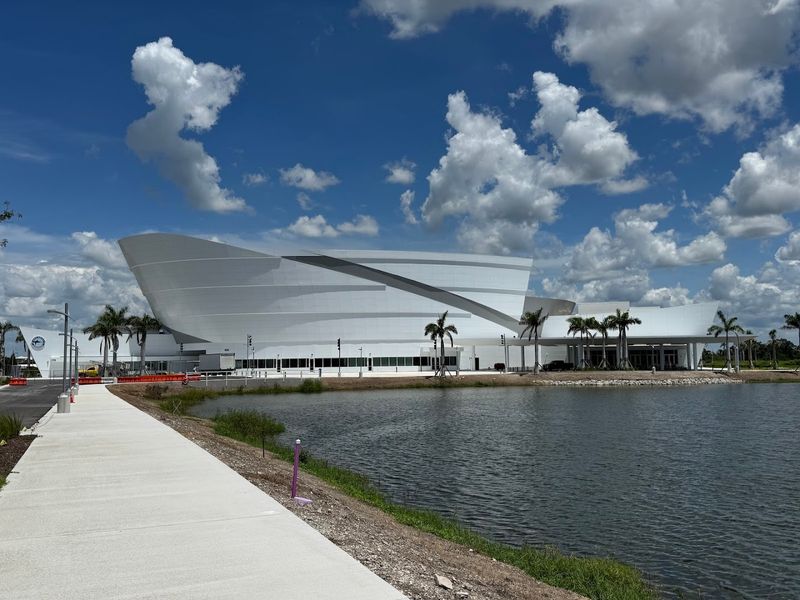
My hair whipped sideways and I had to lean forward just to maintain my balance as the hurricane simulator ramped up to Category 3 wind speeds, giving me a tiny taste of storm power that no weather report could adequately convey. This additional-fee attraction provides a controlled environment where visitors can safely experience hurricane-force winds, building understanding and respect for the storms that regularly threaten Florida’s coastline.
The simulator gradually increases wind speed, allowing participants to feel the progression from tropical storm conditions through various hurricane categories. I was genuinely surprised by how difficult it became to stand upright and maintain stability as the winds increased, even though I knew I was perfectly safe inside the machine.
While some reviews noted the simulator felt disconnected from broader hurricane preparedness education, I appreciated the visceral learning experience it provided. Reading that a Category 3 hurricane produces winds of 111 to 129 miles per hour creates far less impact than actually feeling those winds pushing against your body.
The experience particularly resonated given Mote’s Florida location and the facility’s own history of hurricane impacts, creating a personal connection between the aquarium, its coastal environment, and the powerful weather systems that shape both.