
12 Illinois Spots That Sound Fake But Are 100% Real
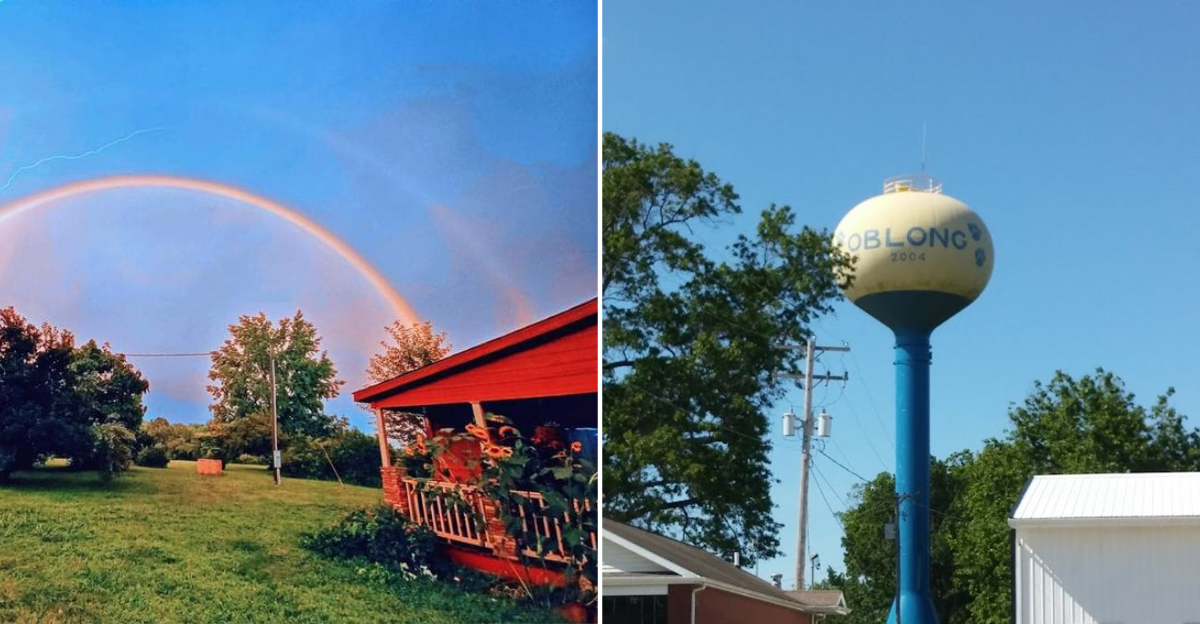
Chicago and Springfield may grab most of the attention, yet the state holds a collection of towns with names so unusual and memorable that they almost sound invented.
These places offer more than a quick laugh; each one carries history, local character, and a sense of identity shaped over generations.
Small communities scattered throughout Illinois reveal unexpected charm, whether in quiet downtowns, rural landscapes, or long-standing traditions. You’ll find quiet streets, friendly locals, and little details that make each stop feel memorable.
Some of the most unexpected names turn out to be the places you end up liking the most.
1. Normal, Illinois
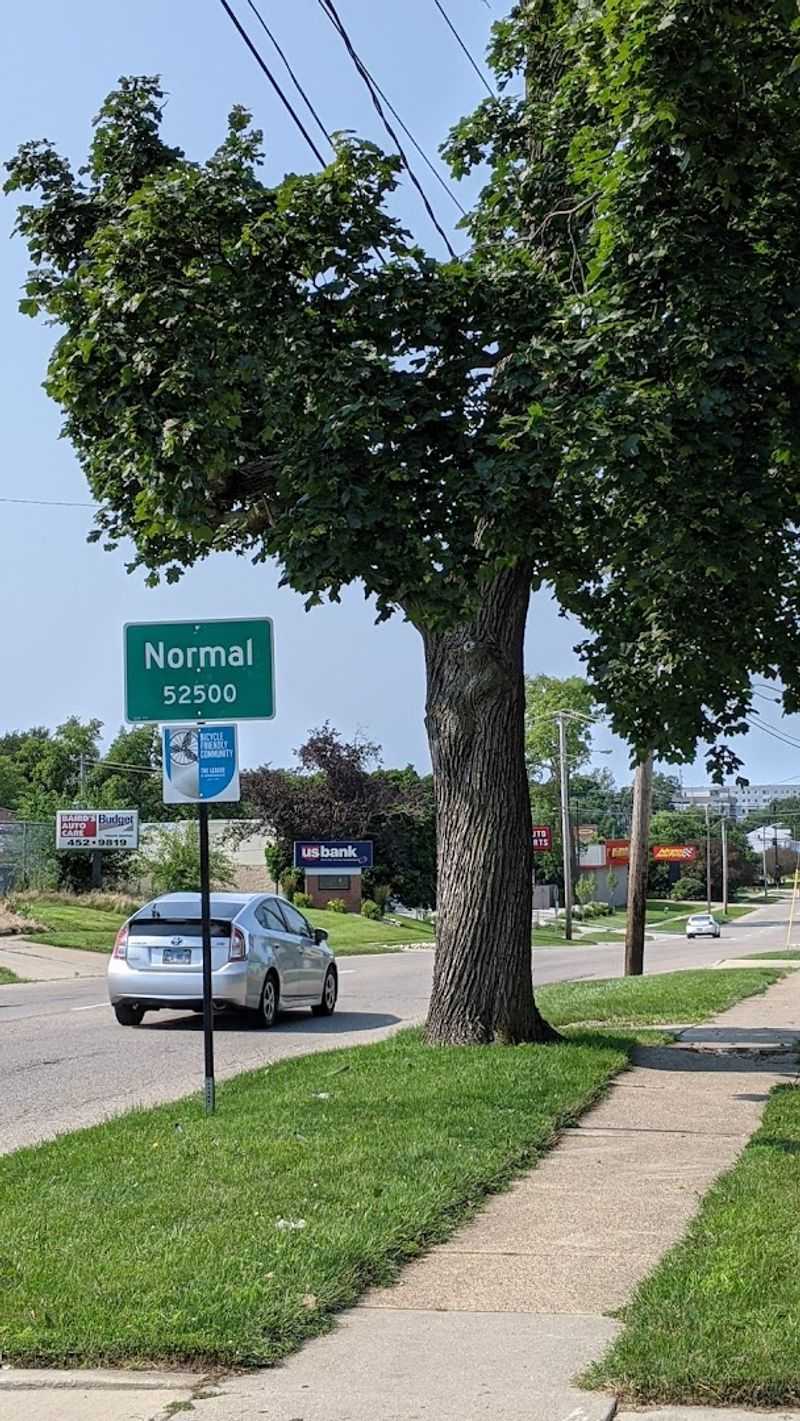
Believe it or not, there is a town in Illinois called Normal, and it is anything but boring. Officially known as the Town of Normal, this community sits right next to Bloomington in McLean County, smack in the heart of the state.
Home to Illinois State University, Normal has a lively, youthful energy that makes it feel more like a mini-city than a quiet village.
The Uptown Normal area is a fantastic place to spend an afternoon. You will find independent coffee shops, bookstores, restaurants, and a beautifully restored historic train station that now serves as a community hub and Amtrak stop.
The architecture alone is worth a visit, blending old brick buildings with modern design in a surprisingly stylish way.
Normal got its name back in 1865, when Illinois State Normal University, a teacher-training school called a “normal school,” was established there. So the town literally named itself after an educational institution.
Visiting in the fall is especially lovely, when the university campus turns golden and the farmers markets are still running strong. Normal is proof that sometimes the most straightforward name hides the most genuinely interesting place.
2. Sandwich, Illinois
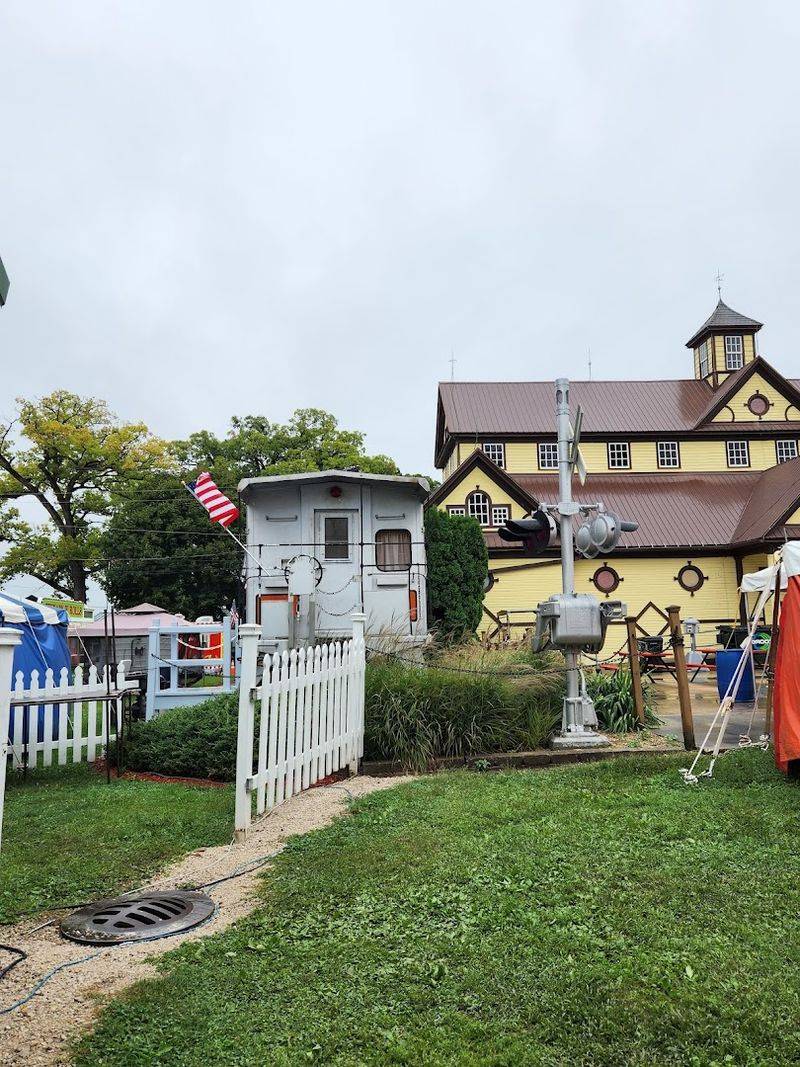
Yes, Sandwich is a real town, and no, it was not named after the food. Sandwich, Illinois sits in DeKalb County, about 60 miles southwest of Chicago, and it has been around since 1856.
The name actually comes from Sandwich, New Hampshire, where many of the early settlers originally came from before heading west to build new lives on the prairie.
One of the biggest draws here is the Sandwich Fair, one of the oldest and largest county fairs in Illinois. Held every September, it draws hundreds of thousands of visitors who come for livestock shows, carnival rides, live music, and some seriously good fair food.
It is the kind of event that feels like a time capsule of classic American rural tradition, and locals are deeply proud of it.
The town itself has a quiet, friendly atmosphere with tree-lined streets and a modest but well-kept downtown area. If you enjoy antique shopping, there are a few shops worth browsing on a lazy weekend afternoon.
Sandwich may not have a towering skyline, but it has real community character, and that counts for a lot. Come hungry, because the food at that fair is genuinely something special.
3. Oblong, Illinois
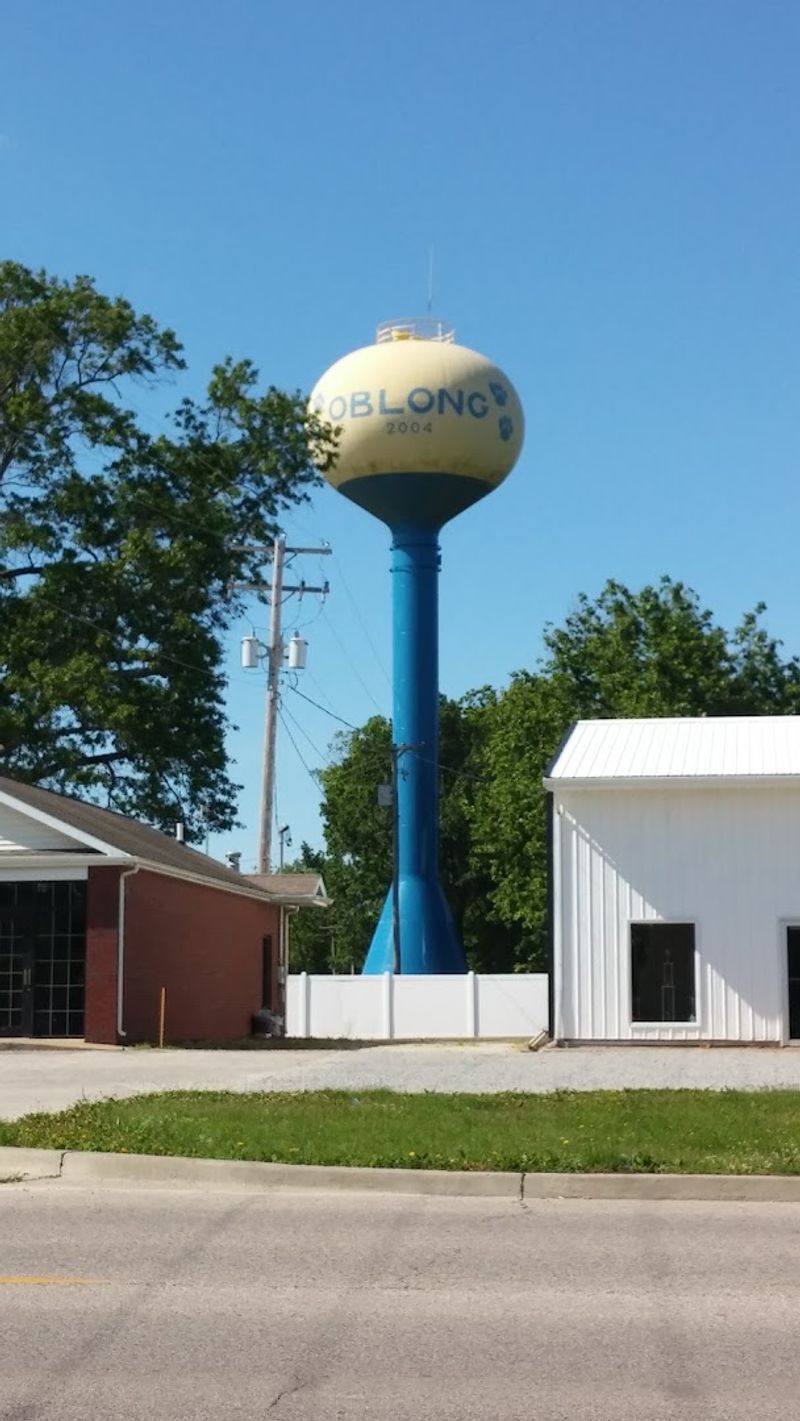
Somewhere in Crawford County in southeastern Illinois, there is a town called Oblong, and the name raises eyebrows every single time.
Founded in the mid-1800s, Oblong sits in a part of Illinois that most tourists skip entirely, which honestly makes it more interesting to visit. The town has a population of just over a thousand people, giving it that tight-knit, everyone-knows-everyone kind of atmosphere that is increasingly rare to find.
The name “Oblong” is generally traced to the elongated shape of the prairie at the original town site. So in a very literal, very no-nonsense Midwestern way, they just called it what it looked like on the map.
That kind of practical honesty is part of the charm.
Oblong is also known for its connection to the oil industry. Crawford County was a significant oil-producing region in Illinois during the early 20th century, and remnants of that history are still visible in the landscape.
There is a quiet, lived-in quality to Oblong that feels authentic and unhurried.
If you are driving through southeastern Illinois on a road trip, pulling off to explore this little town is a decision you will not regret making.
4. Bone Gap, Illinois
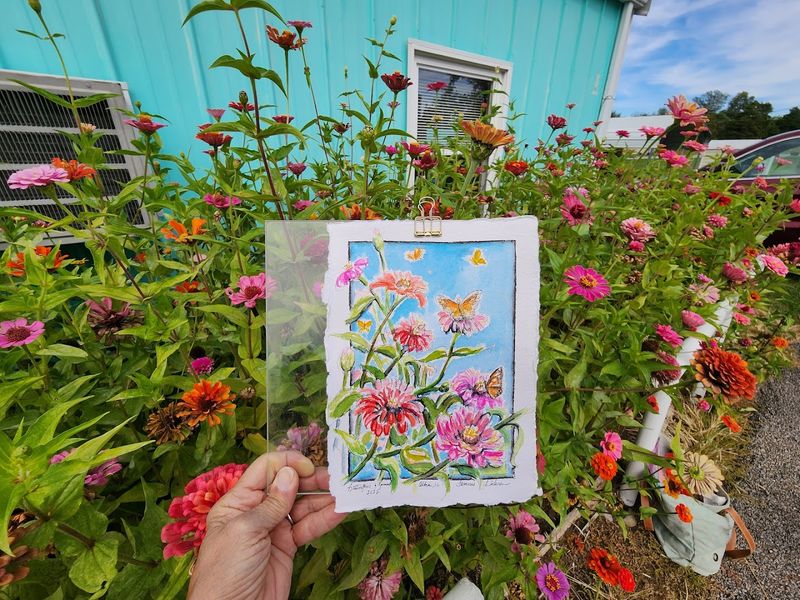
The name alone is enough to make you do a double take. Bone Gap is a small village in Edwards County in southeastern Illinois, and it carries one of the most memorably unusual place names in the entire state.
With a population that barely registers on most census counts, Bone Gap is the kind of place you blink and miss while driving through on a rural highway.
The origin of the name is a bit murky, which somehow makes it even better. Some local historians believe it refers to a gap or low area in the terrain where bones, possibly animal remains from early settlers or Indigenous communities, were once found.
Others suggest it was simply a descriptive term for the narrow passage through the landscape. Either way, the name stuck, and now it lives on maps forever.
Edwards County itself is a peaceful, agricultural part of Illinois that sees very few tourists, which means visiting feels like discovering something genuinely off the beaten path.
The surrounding farmland is beautiful in its wide-open, flat-horizon way, especially at sunrise or sunset when the sky turns remarkable shades of orange and pink. Bone Gap is small, but its name alone makes it unforgettable.
5. Goofy Ridge, Illinois
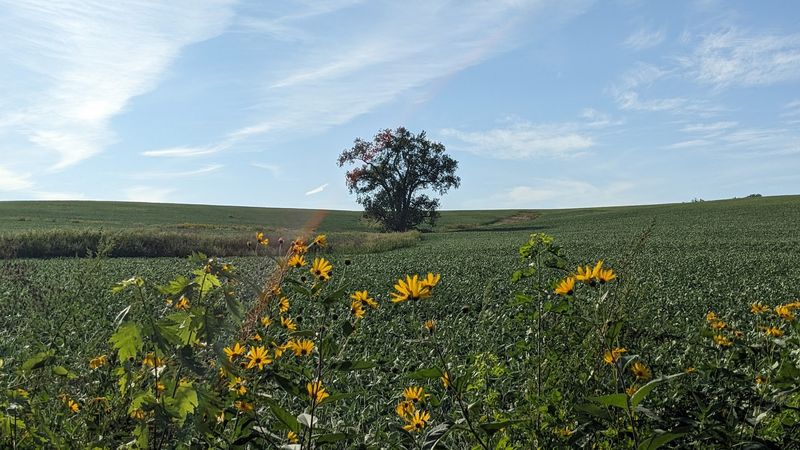
Few place names in America bring as much immediate joy as Goofy Ridge, and this one is absolutely real. Located along the Illinois River in Mason County in central Illinois, Goofy Ridge is a small, informal community that earned its playful reputation fair and square.
The area became known as a weekend retreat for working-class folks from the Peoria area who built small cabins along the river for fishing, relaxing, and escaping city life.
The origin of the name is uncertain, though local stories (some dating back to the Prohibition era) offer colorful explanations. Basically, the vibe was always a little loose, a little fun, and a little goofy, and eventually the name just became official in spirit.
It is the kind of community where neighbors know each other well and life moves at a slower, more deliberate pace.
The Illinois River in this stretch is fantastic for fishing, boating, and watching wildlife, particularly migratory birds during spring and fall. The sunsets over the river from this area are genuinely stunning, with wide skies and still water reflecting the colors back at you.
Goofy Ridge may not show up in many travel guides, but anyone who has spent a lazy afternoon by the river there will tell you it is one of the most relaxing spots in the state.
6. Boody, Illinois
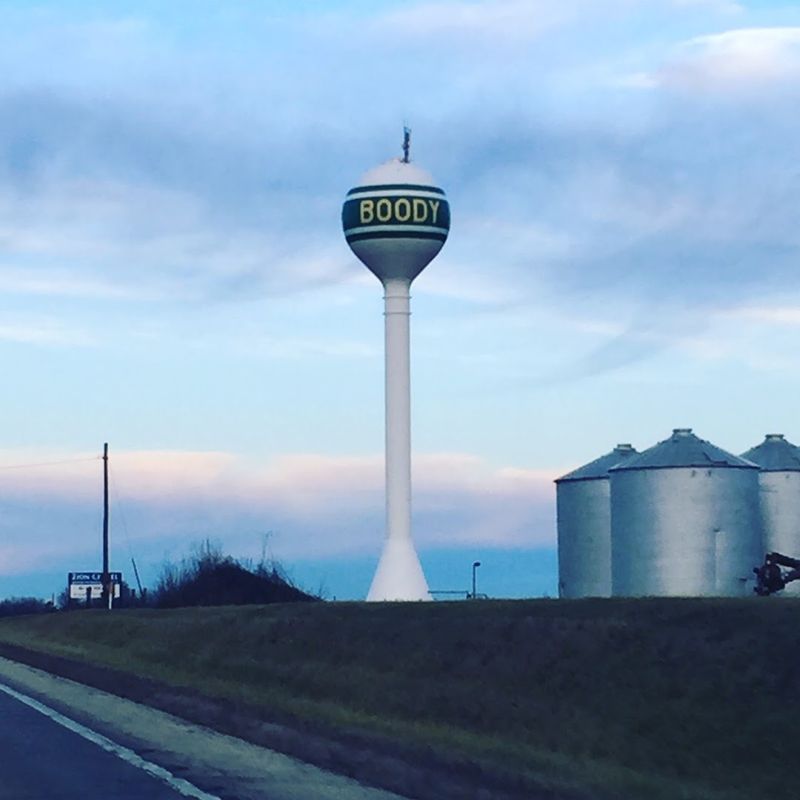
Somewhere in Macon County in central Illinois, between Decatur and Assumption, sits a tiny community called Boody. With a population of just a few hundred people, Boody is the kind of place that most Illinoisans have never visited but have definitely laughed at on a map.
The name comes from Colonel William Boody, a railroad executive associated with the area’s early development.
Boody was laid out around 1870, largely because of the railroad running through the area. Like many small Illinois towns, it grew up around agriculture and the rail lines that connected farmers to larger markets.
Today, grain elevators and wide-open fields define the visual landscape around the community, giving it that quintessential central Illinois look.
There is something genuinely appealing about Boody’s quietness. No traffic, no crowds, no tourist traps.
Just honest, hardworking Midwestern community life set against a backdrop of endless sky and farmland.
If you are a fan of rural photography or just enjoy the meditative quality of flat prairie landscapes, a drive through Boody on a clear day offers some surprisingly beautiful views. Plus, you get to tell people you visited a place called Boody, which is worth something on its own.
7. Dongola, Illinois
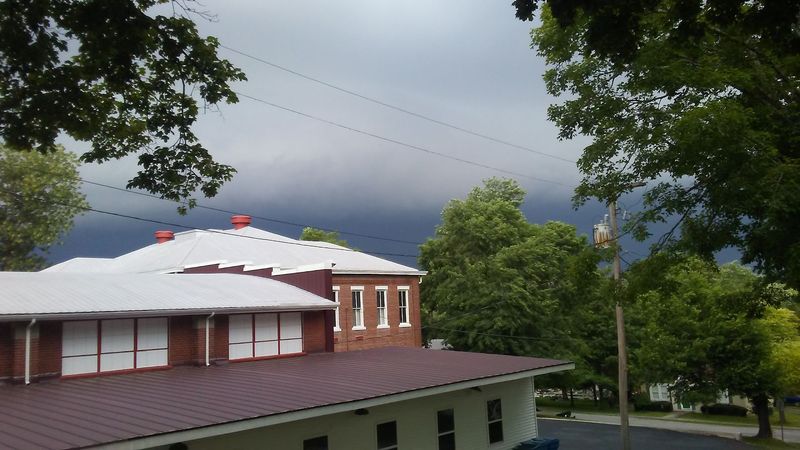
Down in Union County in the far southern tip of Illinois, close to the Shawnee National Forest, you will find Dongola, a small village with a name that sounds like it belongs on another continent entirely.
And in a way, it does. Dongola is named after a city in Sudan, Africa, a naming trend that was surprisingly common in 19th-century America when exotic-sounding foreign names were fashionable for new settlements.
The village sits in a part of Illinois that feels completely different from the flat northern and central portions of the state.
Southern Illinois is hilly, forested, and lush, especially around the Shawnee Hills, and Dongola benefits from that beautiful natural setting. The surrounding landscape includes orchards, vineyards, and small farms tucked between rolling terrain.
Dongola is also within easy driving distance of some of the best outdoor destinations in Illinois, including Garden of the Gods, Giant City State Park, and the Cache River State Natural Area. The town itself is very small and quiet, but its location makes it a solid base for exploring the natural wonders of southern Illinois.
If you enjoy road trips through scenic countryside with interesting stops along the way, putting Dongola on your route is a genuinely rewarding choice.
8. Equality, Illinois
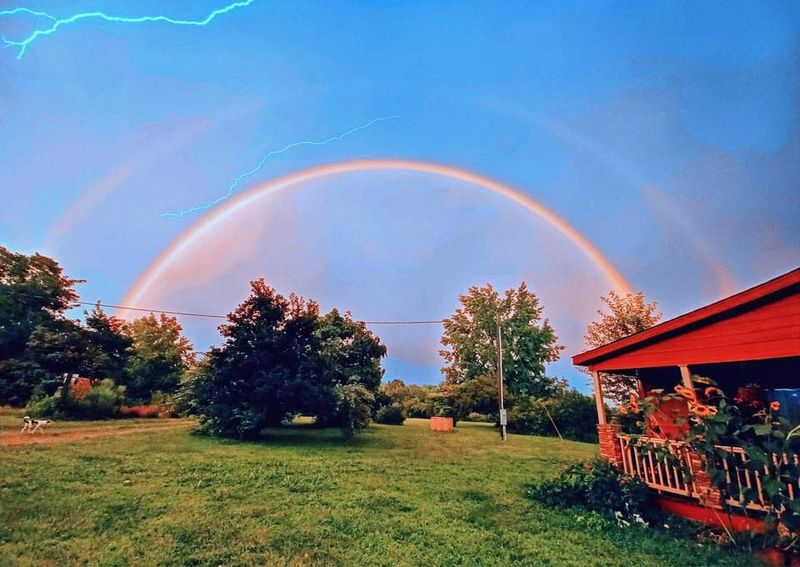
There is a village in Gallatin County in southeastern Illinois called Equality, and its name carries more history than you might expect from such a small place.
Founded in the early 1800s, Equality sits near the Saline River and was historically connected to the salt industry, as Gallatin County was home to major salt springs that were economically vital to early Illinois settlers and even to Native American communities before them.
The name Equality was chosen as an aspirational, idealistic statement by its founders, which was a common practice in early American town-naming.
Whether the community always lived up to that name is a complicated historical question, but the intention behind it speaks to the hopeful spirit of early settlers carving out new communities on the frontier.
Today, Equality is a quiet, rural community that sits near Saline County State Fish and Wildlife Area, making it a nice stop for outdoor enthusiasts who enjoy fishing, hiking, and birdwatching.
The surrounding landscape is gentle and green, with a slower pace of life that feels restorative after a busy week. History buffs will appreciate the area’s deep connections to early Illinois industry and frontier settlement.
Equality is small in size but rich in layered, fascinating stories.
9. Industry, Illinois
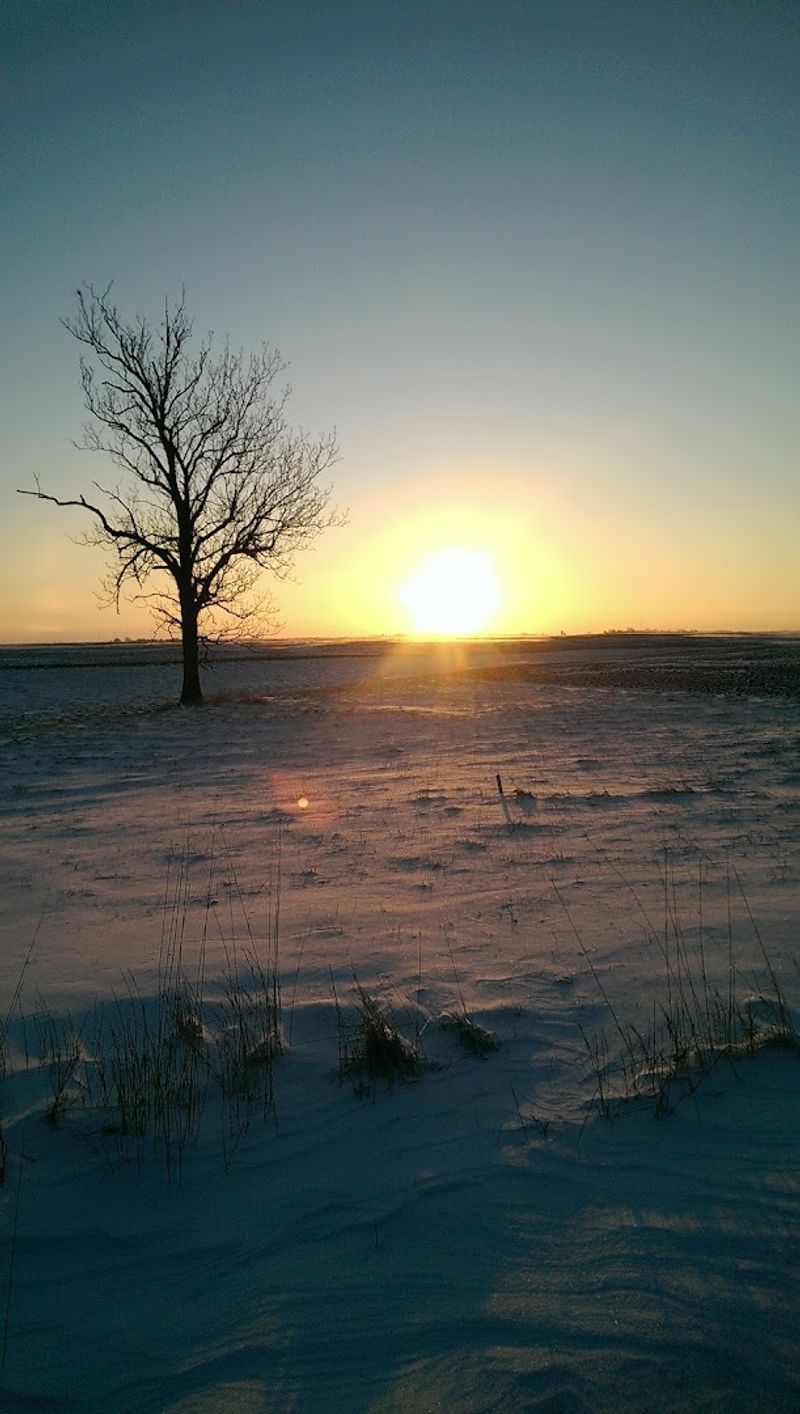
McDonough County in western Illinois is home to a village called Industry, which sounds less like a town name and more like a motivational poster.
Founded in the 1830s, Industry was named with that same aspirational, forward-looking spirit that shaped so many early American settlements. The founders wanted to signal hard work, productivity, and ambition, and in a farming community built on long days and honest labor, the name fit perfectly.
Industry sits in a part of Illinois that is deeply agricultural, with corn and soybean fields stretching out in every direction.
The town is small, with a population of just a few hundred, but it has the kind of deep-rooted community identity that larger towns sometimes struggle to maintain. Local events, church gatherings, and school activities are the heartbeat of daily life here.
Western Illinois is often overlooked by travelers heading to Chicago or St. Louis, but the region has its own understated beauty. The rolling terrain near the Illinois and Mississippi rivers offers lovely scenery, especially in autumn when the leaves turn.
Industry itself is worth a quick stop just to say you have been there, and the drive through McDonough County on a fall afternoon is genuinely picturesque. Sometimes the most productive thing you can do is slow down and explore.
10. Hometown, Illinois
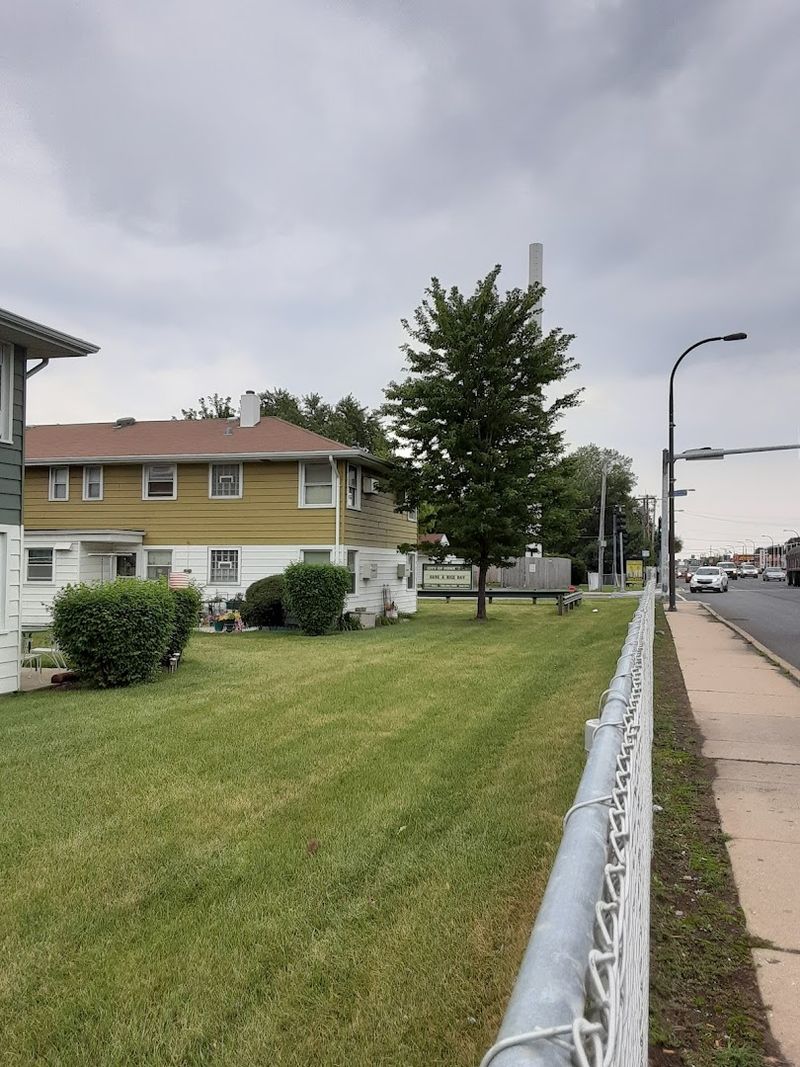
Cook County, Illinois, is home to a suburb called Hometown, which is possibly the most on-the-nose place name in the entire country. Sitting just southwest of Chicago, Hometown is a small city with a population of around 4,300 people, and it wears its cozy, residential identity with real pride.
The name was chosen deliberately in the post-World War II era when the community was developed as a planned neighborhood for returning veterans and young families.
Hometown has that classic mid-century American suburb feel, with modest brick bungalows, tree-lined streets, and a strong sense of neighborhood community.
It is the kind of place where kids ride bikes, neighbors chat over fences, and local events at the park bring everyone together. The city is small enough that it feels genuinely personal rather than anonymous.
Being in Cook County means Hometown has easy access to everything the Chicago metro area offers, from museums and sports venues to lakefront parks and world-class food. But residents often say the best thing about Hometown is coming back to it after a day in the city.
There is a real warmth to the place that justifies the name entirely. If you are looking for a genuine slice of classic Midwestern suburban life, Hometown delivers exactly what it promises.
11. Joy, Illinois
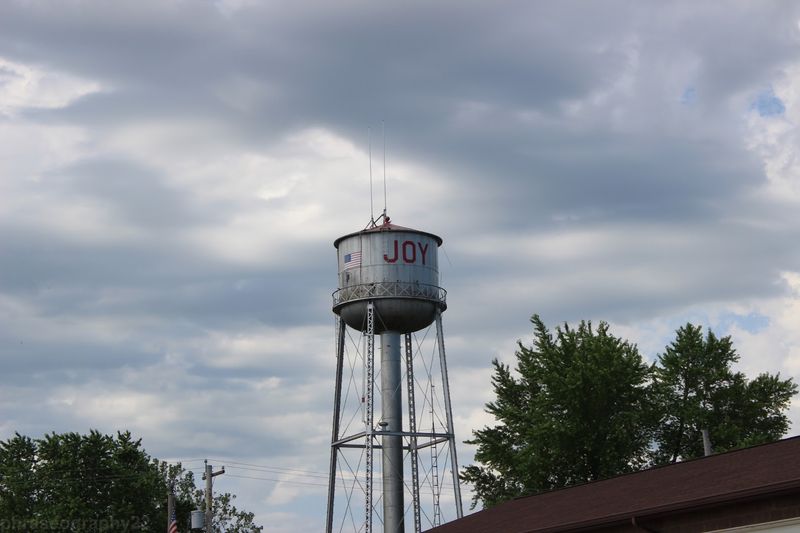
Mercer County in northwestern Illinois is home to a tiny community called Joy, and honestly, the name suits the experience of stumbling upon it.
Joy is a small village near the Mississippi River, tucked into a part of Illinois that most travelers bypass entirely on their way to bigger destinations. That is a shame, because this corner of the state has genuine natural beauty and a quiet, unhurried character that is hard to find elsewhere.
The village was most likely named after J. F.
Joy, a railroad executive, though some local accounts suggest it was simply chosen because it sounded cheerful and positive. Whatever the reason, it worked.
The village has maintained a small, close-knit population for generations, and the surrounding farmland and river bluffs create a landscape that genuinely earns the word joyful.
The Mississippi River is just a short drive from Joy, and the bluffs and wildlife refuges along that stretch of the river are stunning, particularly during spring migration when thousands of birds pass through.
The Great River Road, a scenic byway that follows the Mississippi, runs through this region and offers some of the most beautiful drives in the Midwest. Joy might be small, but the happiness it inspires in a first-time visitor is entirely real.
12. Muddy, Illinois
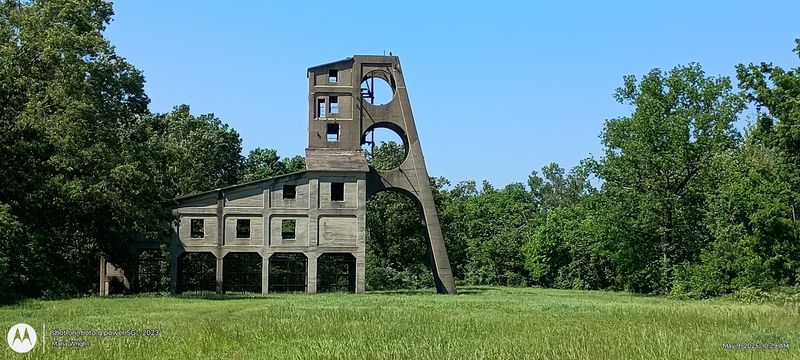
Rounding out this list is perhaps the most charmingly unglamorous name of all: Muddy, Illinois. Located in Saline County in southeastern Illinois, Muddy is a small village whose name is tied to the nearby Big Muddy Coal Company and the region’s coal-mining history.
There is something wonderfully honest about a place that looks at its surroundings and says, “Yep, it’s muddy here. Let’s call it that.”
Saline County has a rich history tied to salt production, coal mining, and agriculture, and Muddy sits within that historically layered landscape. The community is small and rural, with the kind of deep southern Illinois character that feels distinct from the rest of the state.
The accents, the food traditions, and the general pace of life in this part of Illinois have more in common with Kentucky and Tennessee than with Chicago.
The area around Muddy is great for outdoor exploration, with Shawnee National Forest just a short drive away offering hiking, rock formations, and beautiful river scenery. Saline County also has fishing spots and wildlife areas that attract nature lovers throughout the year.
Muddy may not be the fanciest name on this list, but there is real beauty in a place that knows exactly what it is and makes no apologies for it whatsoever.