
12 Fascinating State Parks In Arizona That Most People Have No Idea Exist
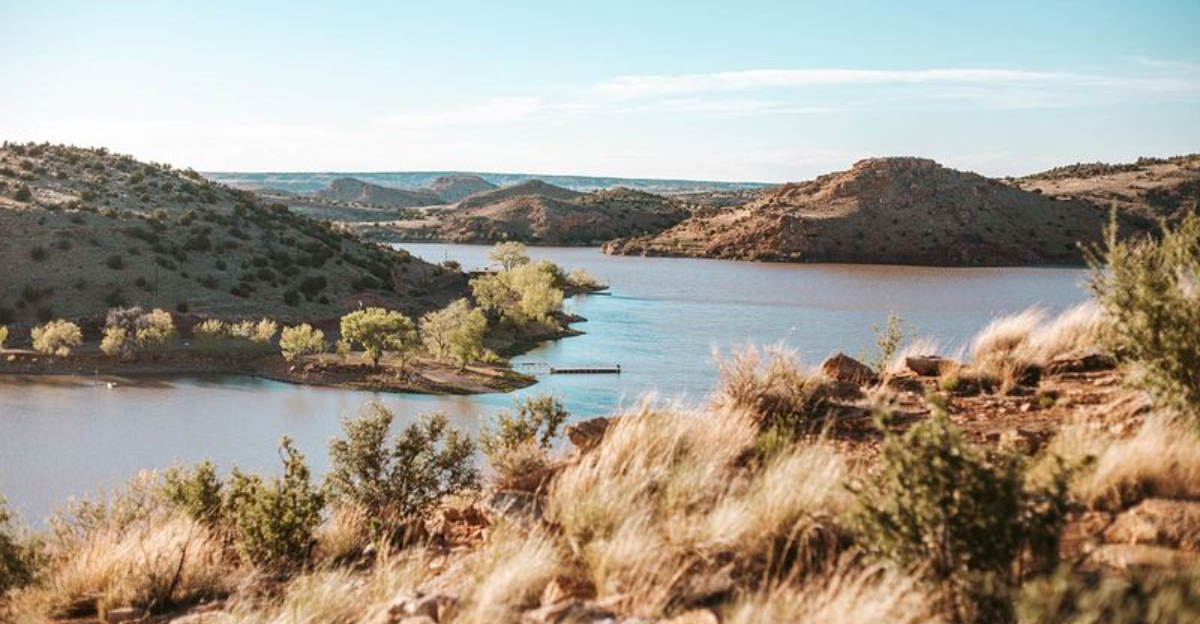
I know the big-name Arizona spots get all the attention, but nothing kills the mood faster than trying to enjoy the view while weaving through a crowd of selfie sticks. If I thought I had already seen everything this state had to offer, Arizona was more than ready to humble me.
Scattered across the state are gorgeous places that somehow stay under the radar, where the scenery is unforgettable and the silence feels like part of the experience.
These spots have all the beauty of the headline-grabbing landmarks, just without the noise, chaos, and constant photo-bombing. I’m talking about sweeping views, peaceful trails, and the kind of hidden corners most people speed right past without a second thought.
This is the Arizona that made me feel less like a tourist and more like I had stumbled onto something special.
1. Alamo Lake State Park
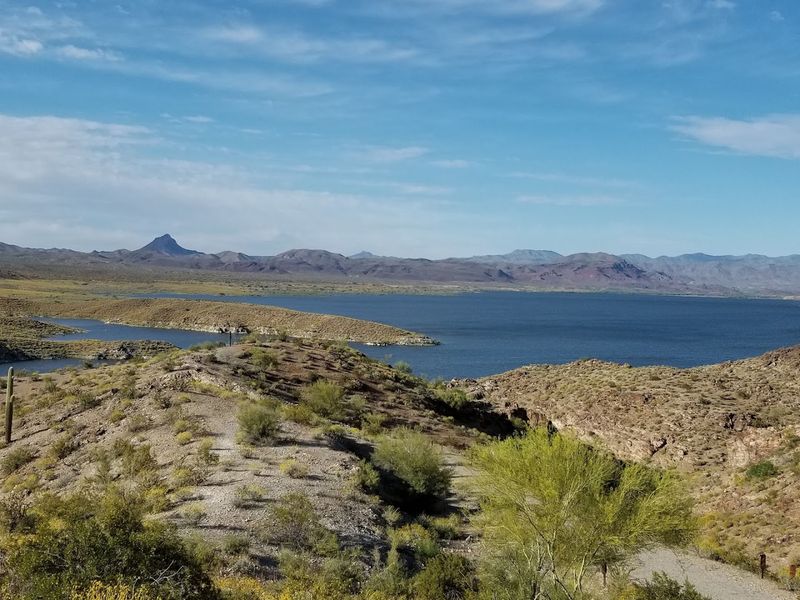
Tucked away in the remote Bill Williams River Valley of western Arizona, Alamo Lake State Park is the kind of place that rewards the adventurous traveler willing to drive a winding desert road to get there.
The lake itself was formed by a flood-control dam on the Bill Williams River, and today it stretches across a landscape of rugged desert hills that feel wonderfully untouched by modern life.
Fishing is the main draw here, and bass anglers in particular have long considered this a secret trophy spot. Catfish, crappie, and bluegill are also plentiful, making it a solid destination regardless of your preferred technique.
Birdwatchers will find plenty to celebrate too, since the area hosts a remarkable variety of migratory and resident species.
Spring wildflower blooms transform the surrounding desert into a vivid patchwork of color. Pack your camping gear, because spending a night under these brilliantly starlit skies is an experience that genuinely earns a permanent spot in your memory.
2. Buckskin Mountain State Park
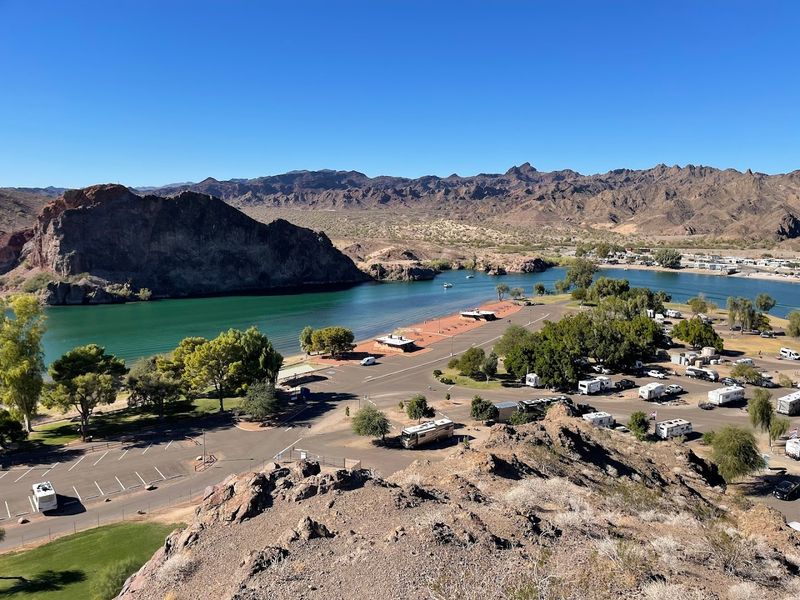
Perched right along the Colorado River near Parker, Arizona, Buckskin Mountain State Park offers a combination of dramatic rocky peaks and cool river access that feels almost too good to be true for a state park that so few people talk about.
The jagged Buckskin Mountains loom dramatically behind the campgrounds, creating a backdrop that photographers absolutely love. Water activities are the heart of the summer experience here.
Kayaking, tubing, and swimming in the Colorado River draw visitors who want relief from Arizona’s legendary heat, and the park provides easy river access that makes spontaneous water fun completely achievable.
The sandy beaches along the riverbank are genuinely relaxing spots for a lazy afternoon.
Hiking trails climb into the rocky hills above the river, rewarding those who make the effort with sweeping panoramic views across both Arizona and California. Visiting in the cooler months means quieter trails and a surprisingly peaceful desert atmosphere that is hard to find anywhere else nearby.
3. Cattail Cove State Park
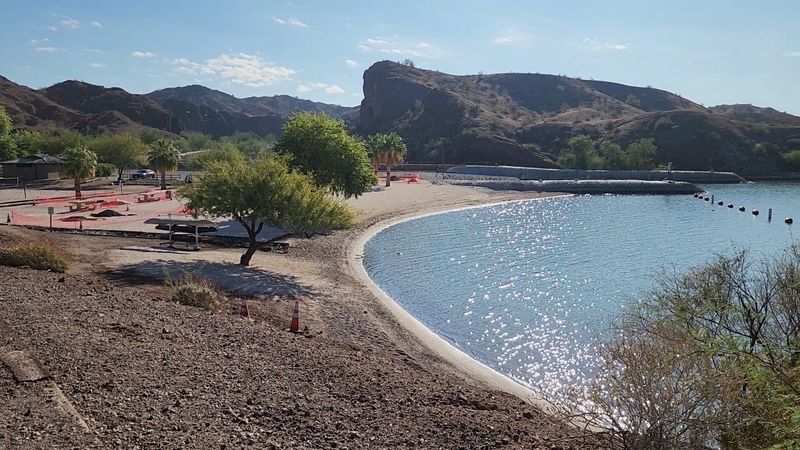
Not far from the tourist buzz of Lake Havasu City, Cattail Cove State Park sits along a quieter stretch of Lake Havasu where the crowds thin out and the scenery takes center stage. The park’s namesake cattail marshes provide critical habitat for birds, turtles, and other wildlife that thrive in this rare desert wetland environment.
Boating and fishing are central to the experience here, and the sheltered coves offer calmer waters that are especially welcoming for kayakers and paddleboarders. Largemouth bass and striped bass fishing are popular pursuits, and the lake’s clarity in this section makes it particularly satisfying.
Campsites with direct water access let you wake up just steps from the shoreline.
The park also offers a surprising amount of shoreline hiking, with trails winding through desert terrain above the lake and delivering lovely elevated views of the water below. Cattail Cove is genuinely one of those places where you arrive expecting a quick visit and end up staying for days.
4. Colorado River State Historic Park
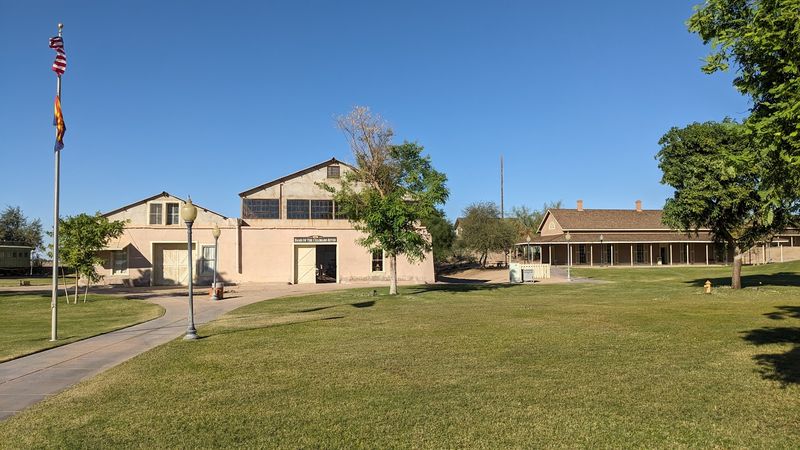
History enthusiasts who find themselves in Yuma, Arizona, have a remarkable stop waiting for them at Colorado River State Historic Park, which preserves the site of the old Yuma Quartermaster Depot.
Established in 1864, this depot served as a critical supply hub for U.S. Army posts scattered across the Southwest, and the well-preserved buildings here bring that era vividly back to life.
It feels like stepping directly into the 1870s. The restored adobe and brick structures house fascinating exhibits about the challenges of supplying remote military outposts across the desert Southwest, and the stories of the soldiers and civilians who worked here are surprisingly compelling.
The shaded grounds along the Colorado River provide a pleasant contrast to the surrounding desert heat.
The park is genuinely educational for visitors of all ages, offering a perspective on Arizona history that goes well beyond the typical frontier narrative. Plan at least two hours here because the exhibits are more detailed and engaging than most people expect from a state historic park.
5. Dankworth Pond State Park
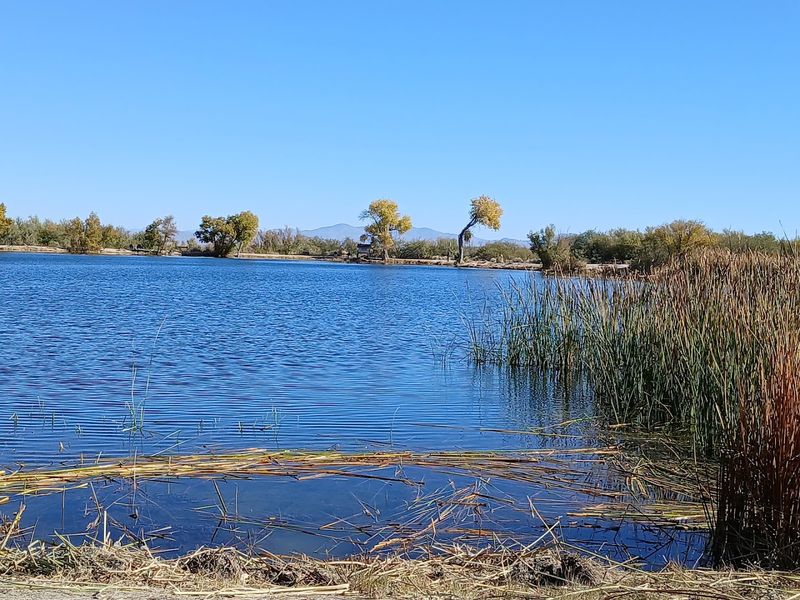
Small in size but big on charm, Dankworth Pond State Park near Pima in southeastern Arizona is a tranquil little retreat that most travelers zoom right past on their way to more famous destinations.
The centerpiece is a modest spring-fed pond fringed by cottonwood and willow trees, which creates a lush oasis that feels completely unexpected in the surrounding Sonoran Desert grassland.
Birdwatching here is genuinely rewarding. The combination of open water, dense riparian vegetation, and nearby agricultural fields attracts an impressive variety of species, and serious birders have recorded well over a hundred different birds in and around the park.
The peaceful, unhurried atmosphere makes it easy to sit quietly and let the wildlife come to you. Fishing is also available, and the pond is stocked to give anglers a relaxing afternoon option.
Dankworth Pond is the kind of understated park that reminds you that not every great outdoor experience needs to involve a dramatic landscape or a long drive to reach something truly worth your afternoon.
6. Fort Verde State Historic Park
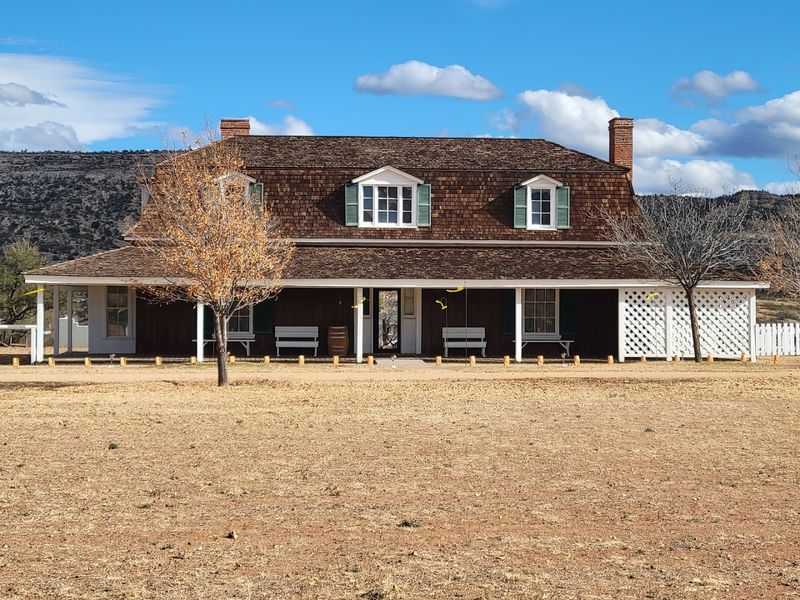
One of the best-preserved examples of an Indian Wars-era military post in the American Southwest, Fort Verde State Historic Park in Camp Verde, Arizona, offers a window into a turbulent and complex chapter of Arizona’s history.
The fort was established in the 1860s and served as a base for U.S. Army operations during the campaigns involving the Yavapai and Apache peoples of the region.
Four original buildings have been carefully restored and converted into museum spaces filled with period furniture, military equipment, and personal artifacts that paint a detailed picture of frontier army life.
You really start to understand the daily routines, hardships, and social dynamics of the soldiers and their families stationed here in the remote Arizona high desert.
The surrounding Verde Valley adds scenic context to the visit, and nearby attractions make Camp Verde a worthy overnight destination. Fort Verde hosts a popular living history event each October that draws reenactors from across the country, turning the grounds into a genuinely immersive experience.
7. Homolovi State Park
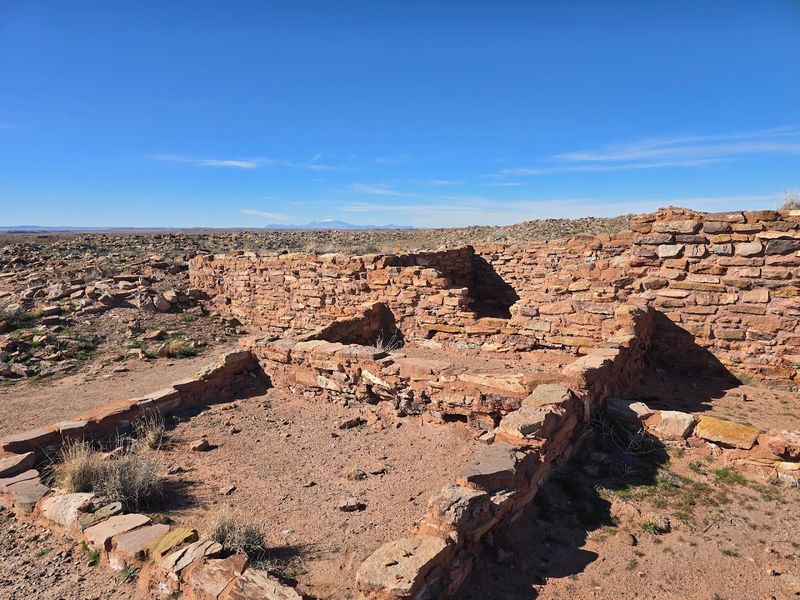
Just outside Winslow in northeastern Arizona, Homolovi State Park preserves a cluster of ancestral Hopi pueblo sites that date back roughly 700 years, making this one of the most historically significant and least-visited archaeological parks in the entire state.
The Hopi people consider Homolovi a sacred ancestral homeland, and that spiritual weight is palpable as you walk among the ancient stone walls.
The park contains four main pueblo sites, with Homolovi II being the largest and most accessible. Interpretive trails wind through the ruins and explain the daily lives, migration patterns, and cultural practices of the people who built and inhabited these communities.
The pottery sherds visible along the trails are genuine remnants left behind centuries ago, which makes the experience feel remarkably immediate.
Camping at Homolovi under a vast northeastern Arizona sky is a deeply memorable experience, especially during meteor showers when the darkness here is almost total. This is a park where slowing down and reading every interpretive sign genuinely pays off in understanding.
8. Lyman Lake State Park
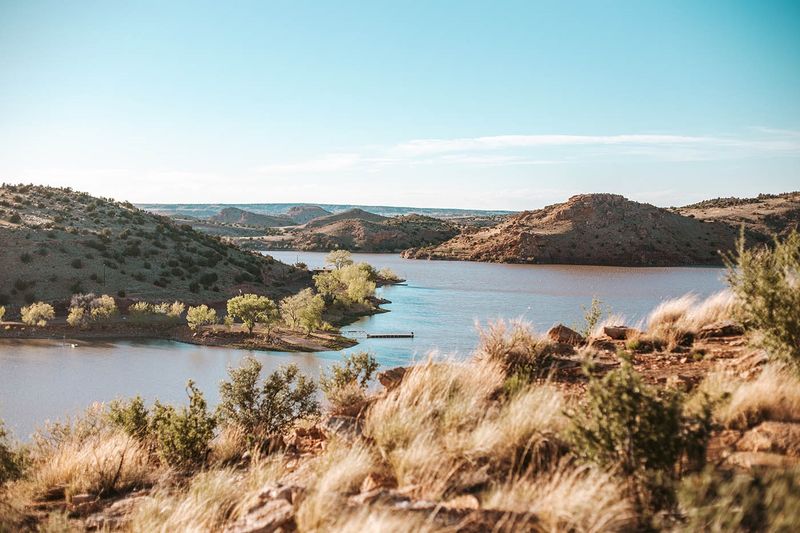
Sitting at an elevation of around 6,000 feet on the Colorado Plateau near St. Johns, Lyman Lake State Park offers a refreshingly cool alternative to Arizona’s lower desert parks and a surprisingly diverse outdoor experience that most visitors to the state never discover.
The reservoir, formed by a dam on the Little Colorado River, is Arizona’s largest warm-water lake entirely within state boundaries. Water skiing, wakeboarding, and fishing are all popular activities on the lake, and the park’s boat ramp and marina facilities make it easy to spend a full day on the water.
Striped bass, walleye, and catfish keep anglers busy, while the lake’s open expanse is genuinely fun for those who prefer faster-moving water recreation.
A petroglyphs trail on the park’s peninsula takes visitors past ancient rock art left by prehistoric peoples, adding a cultural layer to what might otherwise feel like a purely recreational destination.
The high-desert setting means comfortable summer temperatures and dramatic thunderstorm skies that make every evening at camp feel like a show.
9. McFarland State Historic Park
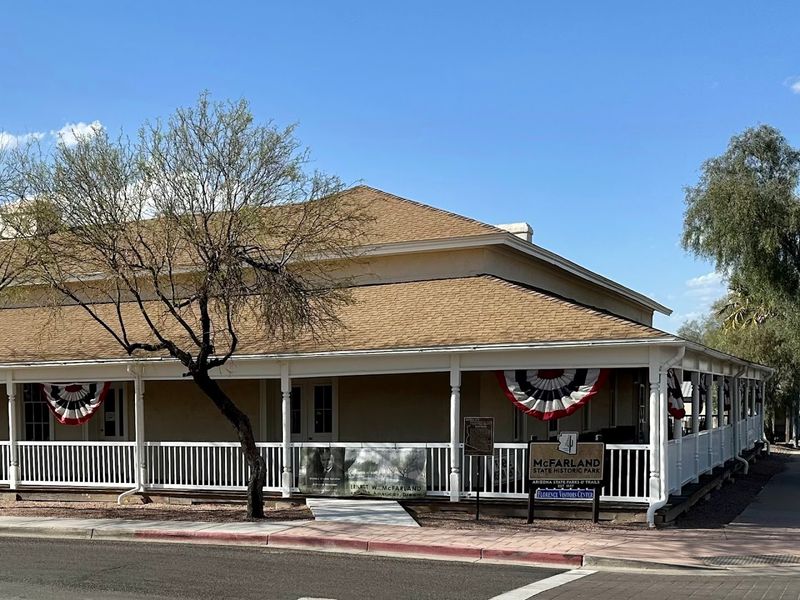
Florence, Arizona, is a small town with a surprisingly rich history, and McFarland State Historic Park sits at the center of it. The park is named for Ernest W. McFarland, a remarkable Arizonan who served as a U.S.
Senator, Arizona Governor, and Arizona Supreme Court Chief Justice, making him the only person in U.S. history to hold all three of those positions.
The park occupies the old Pinal County Courthouse, a territorial-era building constructed in 1878 that is one of the oldest standing courthouses in Arizona.
Inside, exhibits trace both McFarland’s extraordinary career and the broader history of Florence and Pinal County, with photographs, documents, and artifacts that bring the territory’s early years into sharp focus.
The building’s architecture alone is worth the visit, featuring thick adobe walls and shaded verandas that speak directly to the ingenuity required to build comfortably in the desert Southwest. Florence’s historic downtown, just steps away, makes this park a natural anchor for a leisurely afternoon of local exploration.
10. Oracle State Park
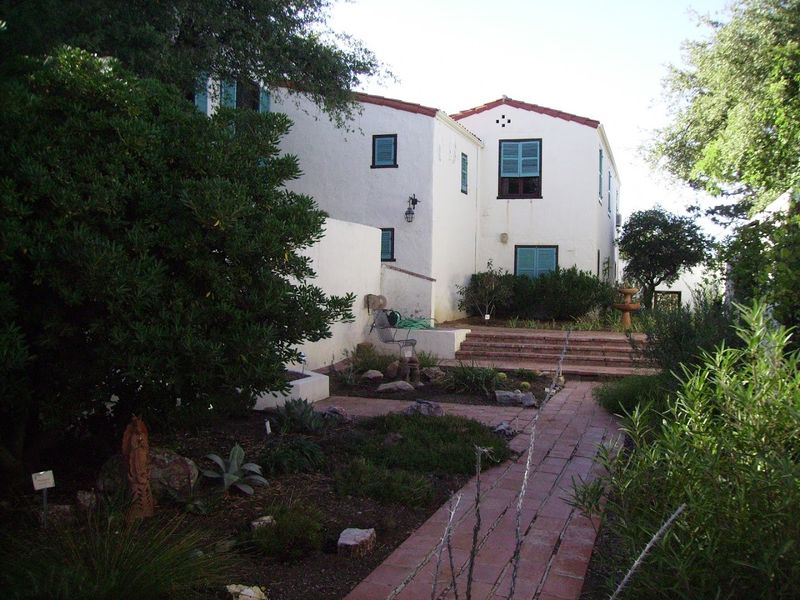
Perched in the foothills of the Santa Catalina Mountains north of Tucson, Oracle State Park is a hidden treasure that combines sweeping grassland scenery with a fascinating ranching history and some of the best birding habitat in southern Arizona.
The park occupies the former Kannally Ranch, a working cattle operation that dates back to the early 1900s, and the restored ranch house is a genuine architectural delight.
The transition zone location, where Sonoran Desert meets sky island grassland, creates an extraordinary biodiversity hotspot. Over 170 bird species have been recorded here, including several that are rare or unusual for Arizona, which makes Oracle a genuine pilgrimage destination for serious birders.
The rolling terrain is also visually stunning, with sweeping views toward the Santa Catalinas that shift beautifully with the changing light.
Hiking trails range from easy strolls to more challenging ridge walks, and the park’s relative obscurity means you are unlikely to share the trails with many other people.
Coming here on a crisp autumn morning, with golden grasslands stretching in every direction, is one of those quietly perfect travel experiences.
11. Rockin’ River Ranch State Park
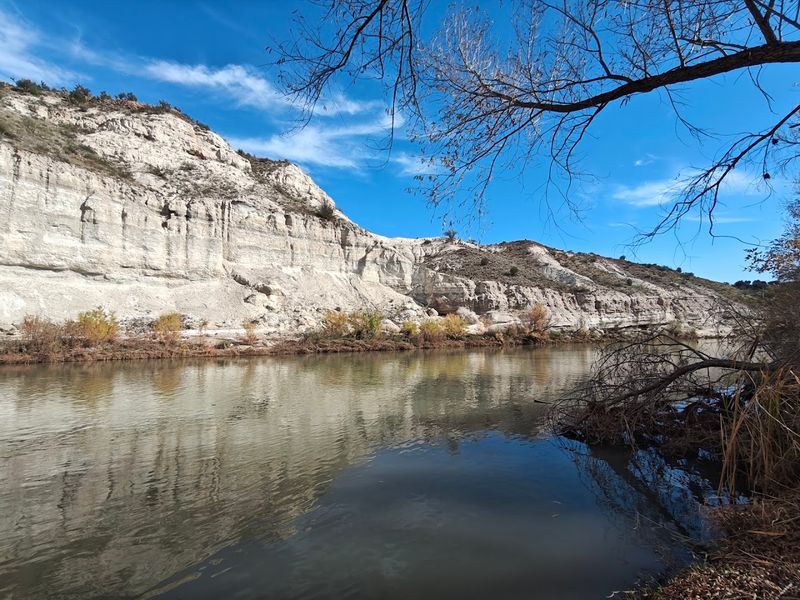
Along a beautiful stretch of the Verde River near Camp Verde, Rockin’ River Ranch State Park is one of Arizona’s newest state parks and one that deserves far more attention than it currently receives.
The park centers on a working ranch property that was donated to the state, and its location along the Verde River gives it a lush, green character that feels genuinely surprising in the middle of Arizona’s high desert country.
Swimming, tubing, and fishing along the Verde River are the primary warm-weather draws, and the clear, cool water is a welcome relief during Arizona’s long summers.
The riparian corridor supports a dense population of birds, including several species of herons, kingfishers, and songbirds that thrive in the cottonwood and willow galleries lining the riverbanks.
The ranch setting adds a layer of cultural history to the natural beauty, with old ranch buildings and agricultural landscapes that tell the story of Verde Valley ranching life. Whether you are here for the river, the birds, or simply the peaceful scenery, Rockin’ River Ranch has a way of making you want to come back soon.
12. Verde River Greenway State Natural Area
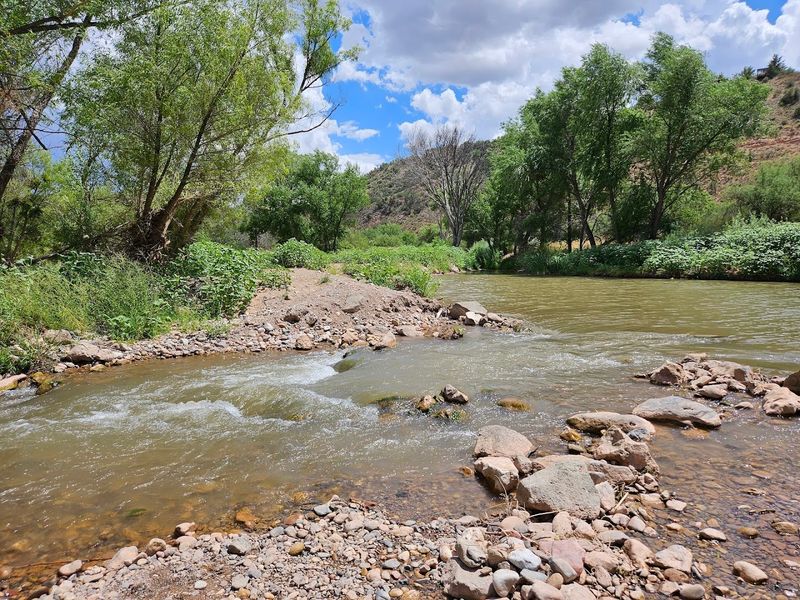
Stretching along one of Arizona’s most beloved wild rivers, the Verde River Greenway State Natural Area protects a critical ribbon of riparian habitat in the Verde Valley between Clarkdale and Camp Verde. The Verde River is one of the last free-flowing rivers in Arizona, and the greenway exists specifically to preserve the extraordinary ecosystem that thrives along its banks.
Kayaking and canoeing the Verde River through the greenway is a bucket-list Arizona experience that surprisingly few people know about.
The river winds through corridors of towering cottonwood and sycamore trees, past red rock canyon walls, and through stretches of calm water that feel wonderfully remote despite being within easy reach of Sedona and Cottonwood.
Wildlife sightings along this route are common and often spectacular. Bald eagles nest along the Verde River corridor each winter, drawing wildlife watchers from across the region.
Fishing for smallmouth bass and catfish is also popular year-round. The greenway represents Arizona conservation at its finest, protecting a landscape that quietly sustains hundreds of species while offering visitors a genuinely memorable outdoor adventure.