
Florida Actually Has Its Own Whitewater Rapids And Most People Don’t Realize They Exist
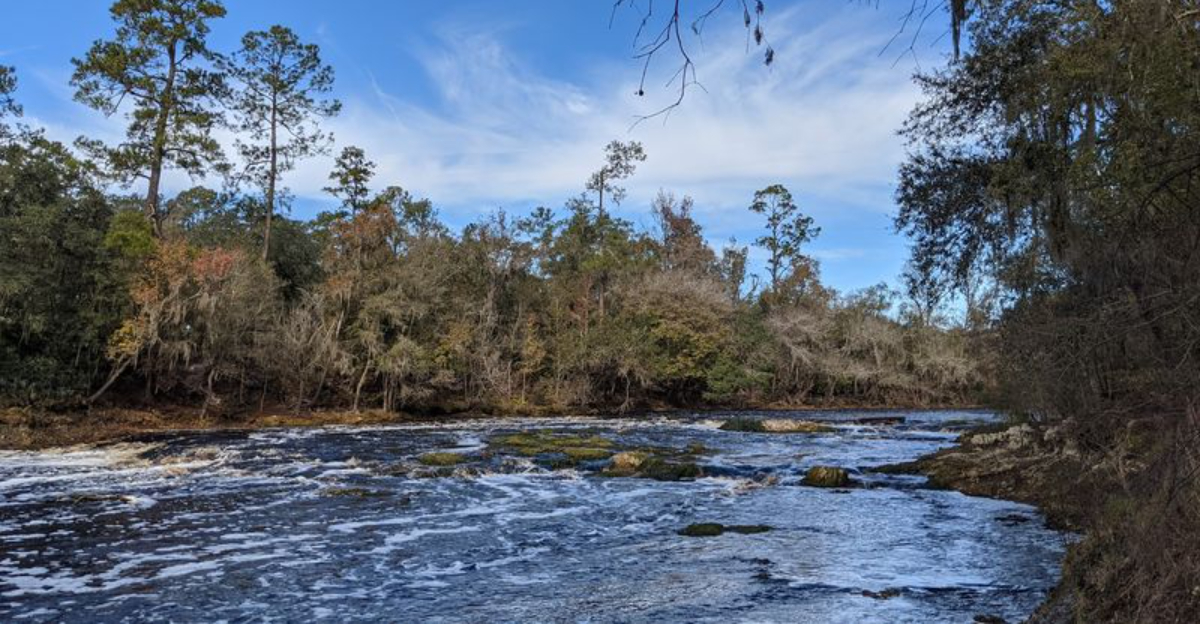
Florida is not supposed to have whitewater rapids. At least, that is what most people believe.
And yet, somewhere in Florida, the landscape completely breaks that expectation. The ground drops, the river narrows, and suddenly the water starts moving with a force you would never associate with this state.
It is fast, loud, and surprisingly wild in a way that feels almost out of place.
This is not the Florida most people have in mind. No beaches, no calm water, no predictable scenery.
Just raw movement, rushing currents, and a side of the state that feels completely different from anything you expected to find.
It is the kind of place that makes you stop and rethink what Florida actually looks like.
And once you see it for yourself, you will understand why so few people know it exists, and why it leaves such a strong impression on those who do.
Florida’s Only Class III Whitewater Rapids
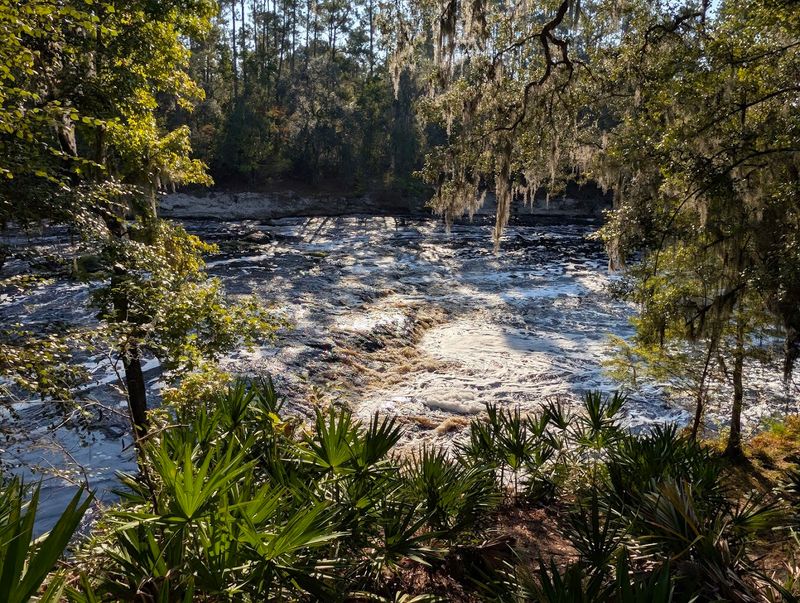
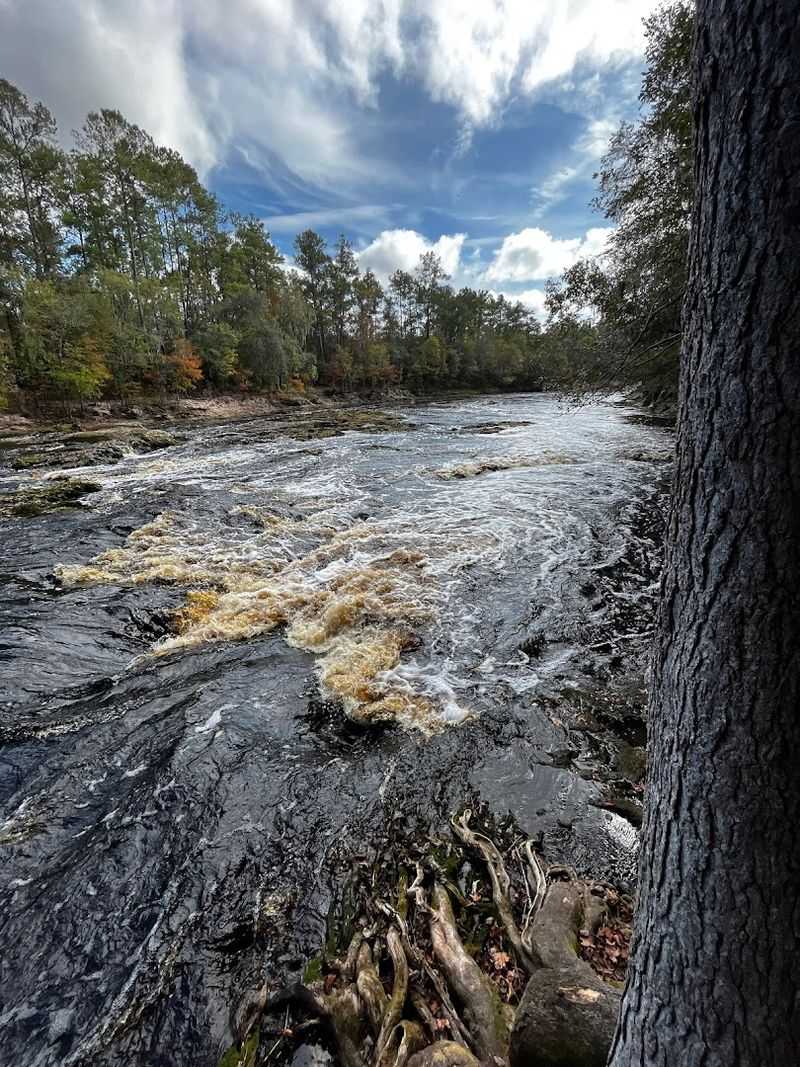
Nobody expects to hear the roar of rushing water in Florida, yet standing at the overlook at Big Shoals, that sound hits you like a wall of pure surprise.
Big Shoals holds the rare distinction of being home to the only Class III whitewater rapids in the entire state of Florida.
Class III rapids are considered moderately difficult, with strong, irregular waves and powerful currents that require real skill to navigate safely.
The rapids form where the Suwannee River pushes over a stretch of exposed limestone bedrock, creating a churning, foamy spectacle that looks completely out of place in the Sunshine State.
Kayakers and canoeists who know about this spot travel from across the Southeast just to paddle this unique stretch of river.
The sound alone, a deep, continuous rumble that grows louder as you approach along the trail, is enough to make any hiker stop and listen in disbelief.
Florida’s flatness is legendary, which makes Big Shoals feel like a well-kept secret the state has been quietly hiding for years.
The Suwannee River Connection

Long before most people knew Florida had rapids, the Suwannee River was already famous thanks to a song written by Stephen Foster in 1851, even though he never actually visited it.
The Suwannee originates in the Okefenokee Swamp in Georgia and winds more than 240 miles south through Florida before emptying into the Gulf of Mexico.
At Big Shoals, the river’s dark, tannic water takes on a tea-colored hue caused by tannins leaching from decaying vegetation upstream, giving it a wild and ancient appearance.
The river’s natural flow and the unique limestone geology of this stretch are what create the conditions necessary for the rapids to exist.
Water levels fluctuate significantly with rainfall, and the rapids are most dramatic after periods of heavy rain when the river runs high and fast.
Visiting during the right season can mean the difference between seeing a gentle ripple and witnessing a genuinely powerful rush of churning whitewater that commands your full attention.
80-Foot Limestone Bluffs Along The Trail
One of the most jaw-dropping features at Big Shoals has nothing to do with water at all, and that is the towering limestone bluffs that rise nearly 80 feet above the river.
For a state where the average elevation is only about 100 feet above sea level, these bluffs feel genuinely dramatic and create a sense of scale that is rare in Florida.
The bluffs are carved from ancient limestone, a rock formed millions of years ago from compressed marine fossils when much of Florida sat beneath a shallow sea.
Walking along the trail with those bluffs rising above you on one side and the Suwannee flowing below on the other creates a hiking experience that feels nothing like the rest of the state.
Moss, ferns, and other moisture-loving plants cling to the bluff faces, adding rich texture and color to the already striking scenery.
Photographers consistently find the bluff sections of the trail to be among the most rewarding spots in the entire park for capturing truly memorable images.
28 Miles Of Diverse Trails
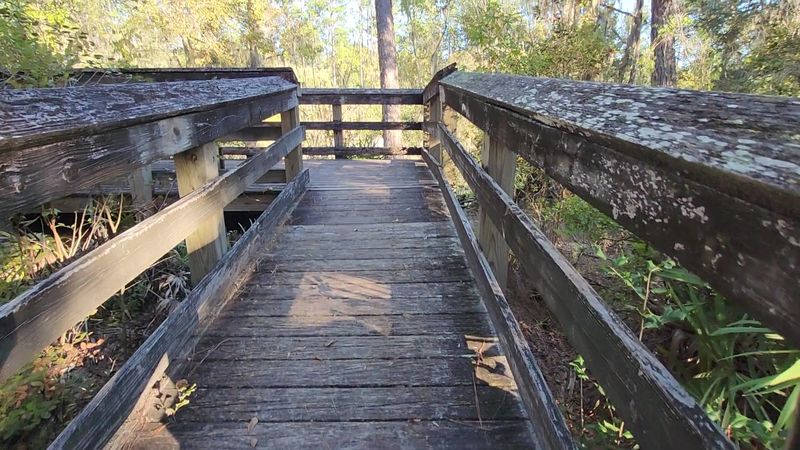
Surprisingly, the rapids are just one small part of what Big Shoals Wildlife Management Area has to offer, because the park contains a remarkable 28 miles of trails spread across varied terrain.
Hikers, mountain bikers, and equestrians all share this extensive trail network, which winds through longleaf pine forests, hardwood hammocks, and along the scenic Suwannee River corridor.
The Woodpecker Trail is one of the most popular routes, a 3.4-mile paved path that is accessible and family-friendly, passing through areas where deer, turkeys, and turtles are commonly spotted.
For those who want a shorter outing, the trail from the parking lot to the Big Shoals overlook is roughly one mile each way, making it manageable for most fitness levels.
Trail markers and informational signs are placed throughout the park, sharing details about local plant life, river history, and the ecological story behind the Suwannee River watershed.
No matter how many miles you choose to cover, the variety of landscapes keeps the experience fresh and rewarding from start to finish.
Wildlife Encounters You Won’t Forget
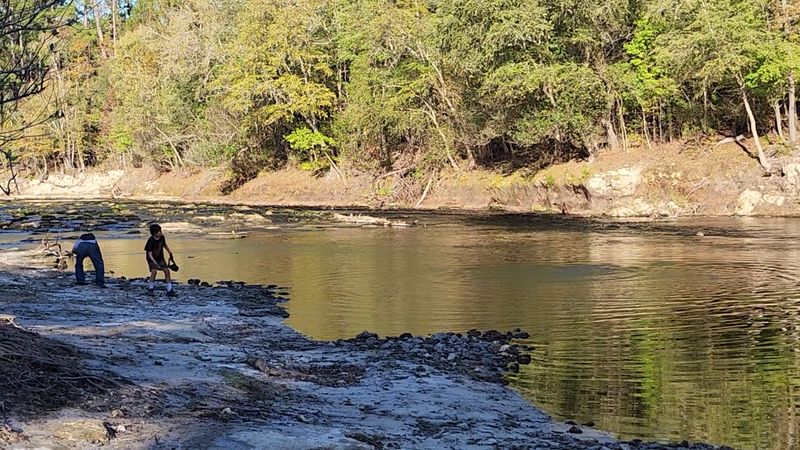
The wildlife at Big Shoals has a way of showing up when you least expect it, turning an ordinary hike into something genuinely memorable.
Past visitors have reported sightings of river otters, armadillos, deer, wild turkeys, turtles, lizards, and a wide variety of bird species including woodpeckers, which inspired the name of one of the park’s most popular trails.
The Suwannee River corridor acts as a natural wildlife highway, supporting an impressive range of species that depend on the river and its surrounding forest for food and shelter.
Birdwatchers will find the park especially rewarding in the early morning hours when activity is highest and the forest is alive with calls and movement.
One reviewer shared the unexpected delight of spotting a giant river otter during a 3.5-mile loop hike, a sighting that instantly became the highlight of the entire trip.
Bringing binoculars and moving quietly through the trails significantly increases your chances of catching a glimpse of the park’s more elusive residents going about their day.
The Surprising Geology Behind The Rapids
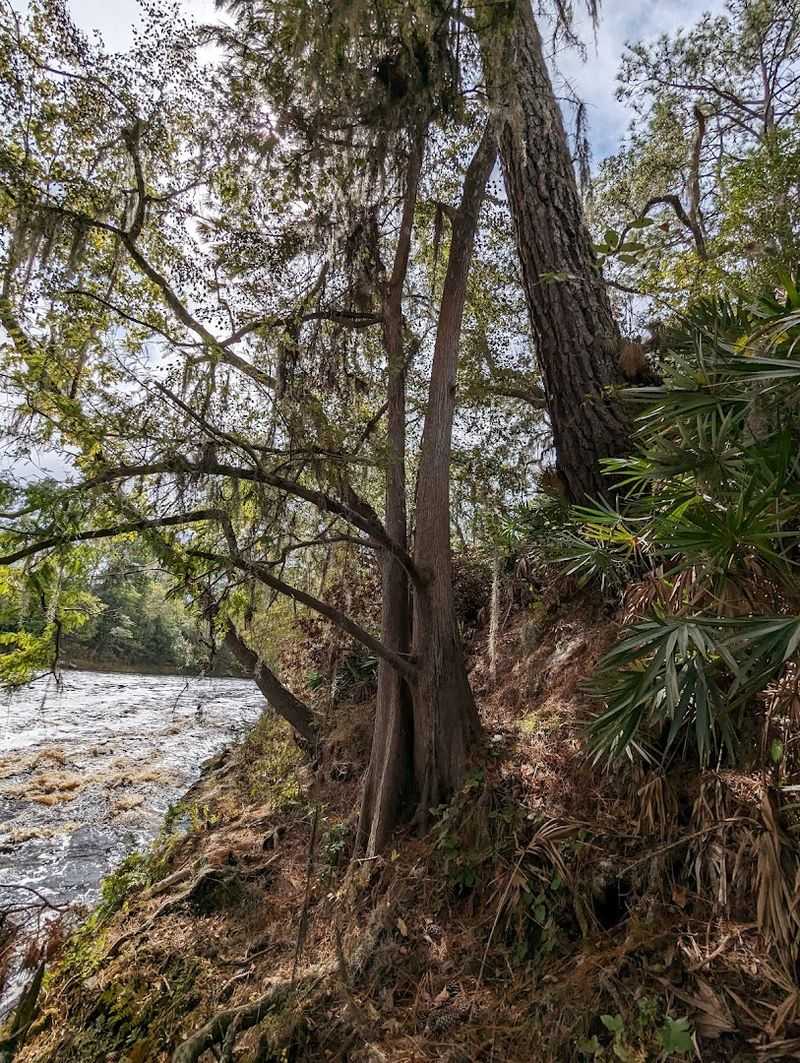
Florida is not the first place that comes to mind when you think about dramatic river geology, yet the science behind Big Shoals is genuinely fascinating and worth understanding before you visit.
The rapids exist because a ridge of hard, erosion-resistant limestone crosses the riverbed at this location, forcing the Suwannee to tumble over and around the rocks rather than flowing smoothly past them.
Most of Florida sits atop a thick layer of porous limestone called the Floridan Aquifer, but at Big Shoals this bedrock breaks the surface in a dramatic and visible way.
The exposed limestone has been shaped over thousands of years by the river’s relentless flow, creating the irregular, jagged surface that makes the rapids so turbulent and exciting.
Water levels controlled by rainfall upstream determine how powerful the rapids appear on any given day, which means no two visits to Big Shoals look exactly the same.
Understanding this geology transforms the rapids from a pretty sight into a living lesson about the ancient forces still actively shaping the Florida landscape.
A Paddler’s Dream Destination
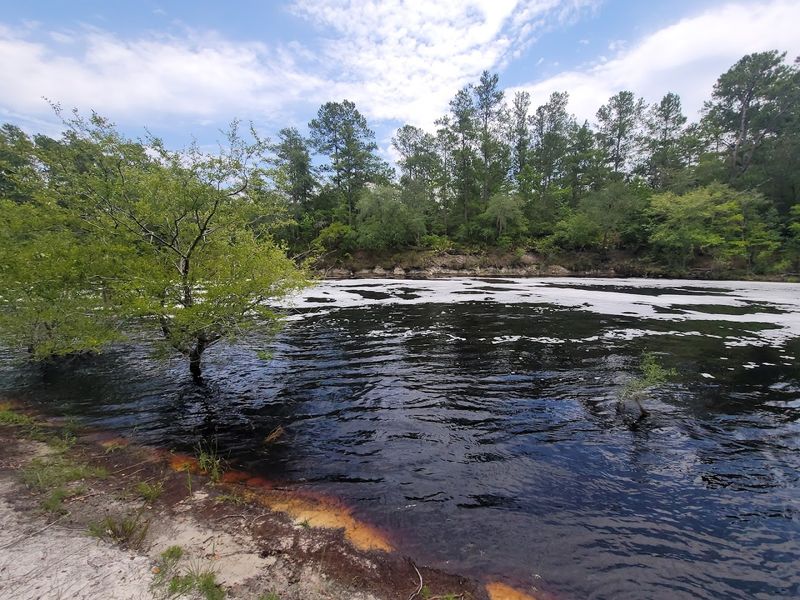
Paddlers who have heard about Big Shoals tend to talk about it with the kind of reverence usually reserved for legendary rivers far outside Florida’s borders.
The Class III rapids draw experienced kayakers and canoeists who want to test their skills on moving water without having to leave the state, and the experience consistently delivers on its reputation.
Because the rapids are the only ones of their class in Florida, paddling them carries a certain bragging-rights quality that makes the trip feel extra worthwhile.
A canoe launch area is available at the park, and some visitors choose to paddle the calmer sections of the Suwannee before reaching the rapids for a full river experience.
Experienced paddlers sometimes carry their boats around the most intense section of the rapids before relaunching downstream, a practice that allows them to enjoy the river safely while still soaking in the scenery up close.
The park currently does not offer canoe or kayak rentals on-site, so bringing your own equipment or arranging a rental beforehand is essential for a paddling visit.
Picnicking, Camping, And Restroom Facilities
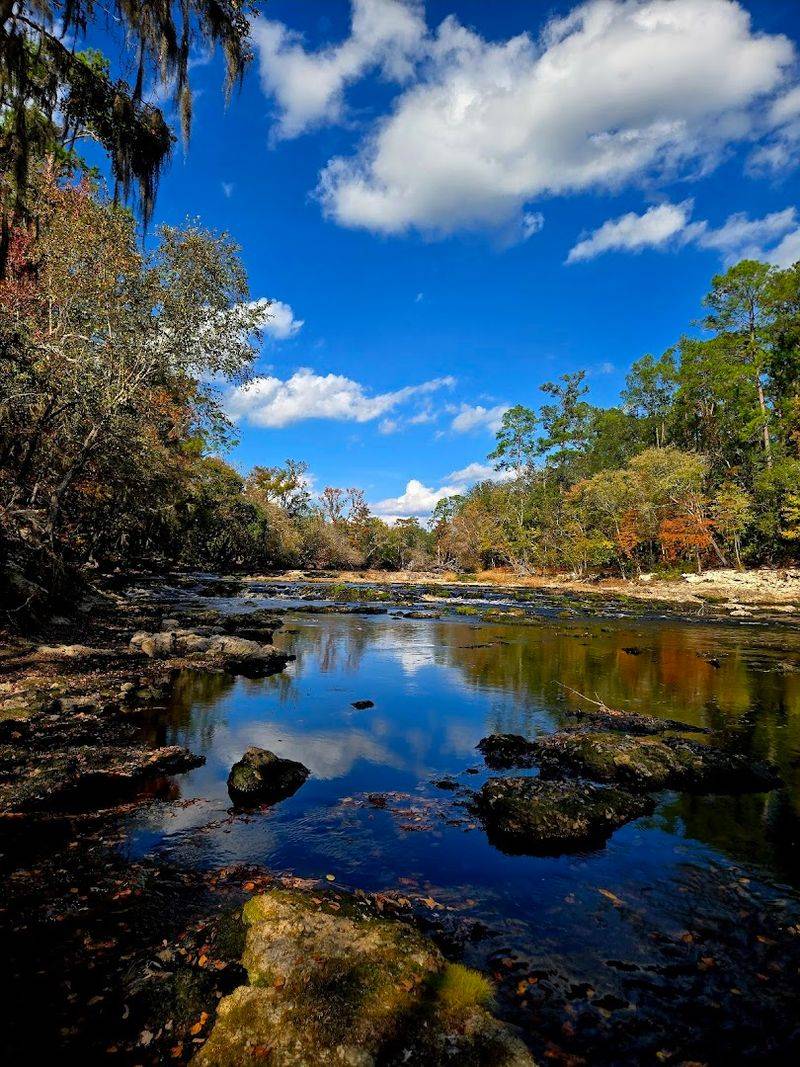
Big Shoals is the kind of park where you can easily turn a quick trail walk into a full day out, thanks to the thoughtful amenities spread throughout the area.
Picnic tables are scattered throughout the park in shaded spots that are perfect for a relaxed lunch after a morning hike, with the sounds of the surrounding forest providing a naturally calming backdrop.
Clean restrooms are available at the trailhead parking area, a detail that reviewers consistently mention as a pleasant and practical perk for families and day-trippers.
Camping is also available within the park boundaries, allowing visitors to extend their stay and experience Big Shoals across multiple days, exploring different trail sections at a comfortable pace.
The parking area is described as spacious and well-maintained, with easy access that makes arriving and getting organized before a hike straightforward and stress-free.
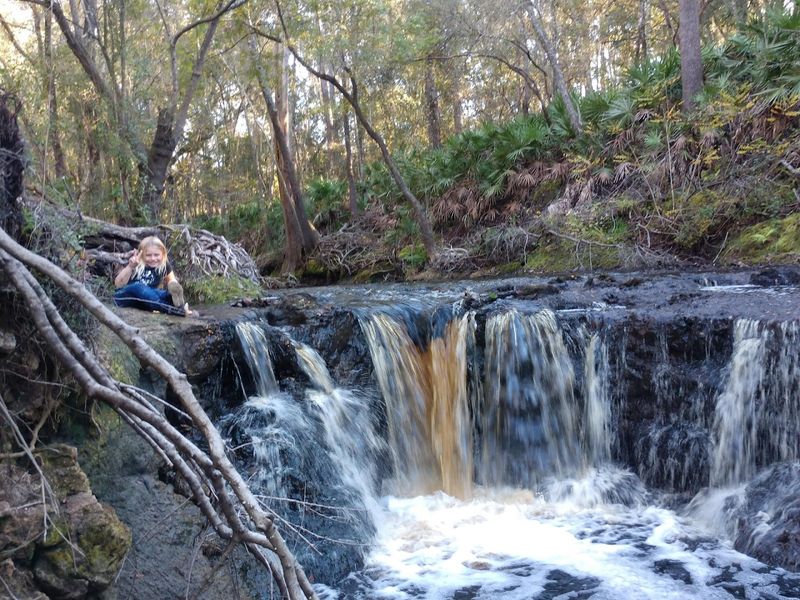
For those planning a longer visit, nearby attractions like Stephen Foster Folk Culture Center State Park and Falling Creek Falls offer additional ways to round out a satisfying trip to the region.
Best Times To Visit And What To Bring
Timing a visit to Big Shoals can make a significant difference in what you experience, and a few practical tips go a long way toward making the trip as enjoyable as possible.
The rapids are most impressive after significant rainfall when river levels rise, so checking water conditions before you head out is a smart move, especially if paddling is part of your plan.
Fall and spring are widely considered the best seasons to visit, offering cooler temperatures, lower humidity, and reduced insect activity compared to the intense Florida summer months.
Sturdy, closed-toe shoes with good grip are strongly recommended because the trails feature exposed tree roots, uneven rock surfaces, and narrow sections that can be tricky in anything less supportive.
Bug spray, sunscreen, and plenty of water are essential items regardless of the season, and a trail map or downloaded offline map is helpful since some trail signs in the park have weathered over time.
The park is open daily from 8 AM to 5:30 PM, and arriving early in the morning gives you the best chance of enjoying the trails in peaceful, crowd-free conditions.
Why Big Shoals Deserves A Spot On Your Florida Bucket List
After visiting Big Shoals Wildlife Management Area at 11330 SE Co Rd 135, White Springs, FL 32096, it becomes very clear why regulars keep coming back and why first-timers leave genuinely astonished.
The combination of roaring whitewater, towering limestone bluffs, diverse wildlife, and 28 miles of trails creates an experience that simply does not fit the typical image of Florida outdoor recreation.
With a rating of 4.6 stars from over 335 reviews, the park has earned its reputation as one of the most surprising and rewarding natural areas in the entire state.
The accessible trail to the rapids overlook means that even casual visitors who are not hardcore hikers can reach the main attraction without too much physical effort.
Florida has a long history of underestimating its own wild spaces, and Big Shoals is perhaps the clearest example of a natural wonder hiding in plain sight just off a quiet country road.
Anyone who has written off Florida as purely flat and featureless owes it to themselves to stand at the edge of these rapids and reconsider everything they thought they knew.