
This Strange Ohio Museum Might Be The Most Intriguing Stop In The State
Some roadside stops in Ohio are easy to forget, and others stay with you long after you leave. This one falls firmly into the second group, with a collection so unusual and so carefully preserved that even seasoned travelers tend to walk out talking about it for the rest of the day.
I had heard about it from fellow road-trippers and assumed it might be a quick curiosity stop.
Instead, it turned into one of the most memorable museum visits I have had, thanks to rare artifacts, beautifully restored carriages, and the kind of personal, knowledgeable tour that makes the whole experience feel far more special than a standard museum visit.
A Museum That Defies Easy Description
Every now and then, I visit a place that is far more memorable than I expected, and this is one of them. The Peoples Mortuary Museum sits quietly behind the Marietta Chapel of Cawley & Peoples, and from the outside, it does not hint at just how unusual and thoughtfully assembled the collection really is.
What struck me first is that the museum never leans into spectacle for the sake of it. Instead, it feels calm, respectful, and deeply personal, which gives the whole visit a very different tone from the kind of novelty stop some travelers might expect.
That is a big part of what makes it so intriguing. The collection reflects generations of funeral-service history in southeastern Ohio, and Bill Peoples has spent years gathering, restoring, and preserving artifacts that show how communities handled remembrance and ceremony across the past two centuries.
More than anything, the place feels intimate in the best possible way, almost like being welcomed into the private archive of someone who knows the subject inside and out and genuinely cares about sharing it.
That quiet, knowledgeable atmosphere is what makes the museum stand out so quickly, at 408 Front Street, Marietta, OH 45750.
The Story Behind the Collection
Bill Peoples did not stumble into this work by accident. He comes from a long line of funeral professionals, and the museum is very much the living result of that generational devotion to the craft and its history.
Over the decades, Bill gathered pieces that other people overlooked or discarded, recognizing their value as windows into how American society once approached the rituals surrounding farewell ceremonies.
His enthusiasm for the subject is immediately apparent when he speaks. He does not recite rehearsed lines; he tells stories, shares context, and connects each artifact to the broader human experience in a way that makes the history feel personal and immediate.
There is also a genuinely charming side note that visitors love: Bill Peoples is a cousin of the late Don Knotts. It is a small detail, but it adds a surprisingly warm and human layer to an already engaging host, making him even easier to spend an hour or two with.
The Hearse Collection That Steals the Show
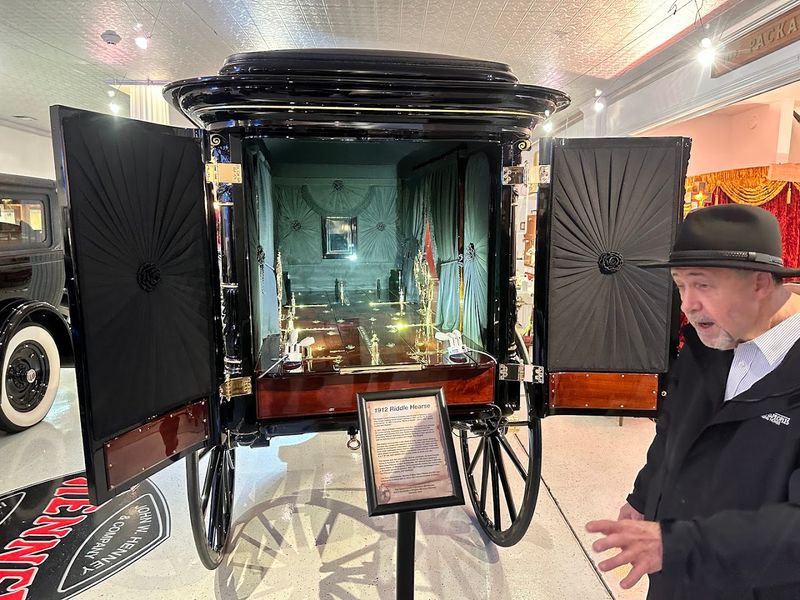
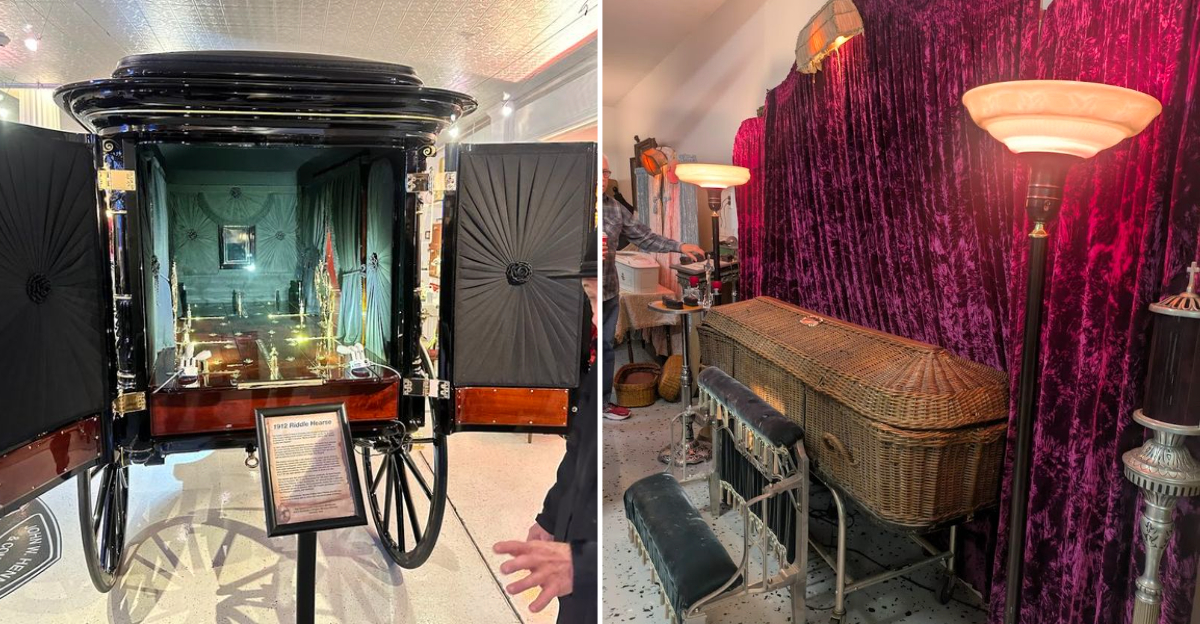
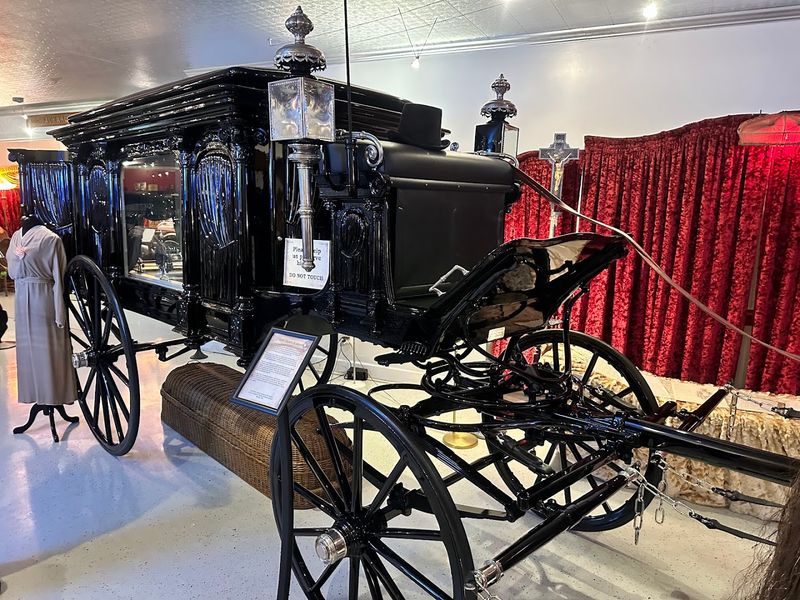
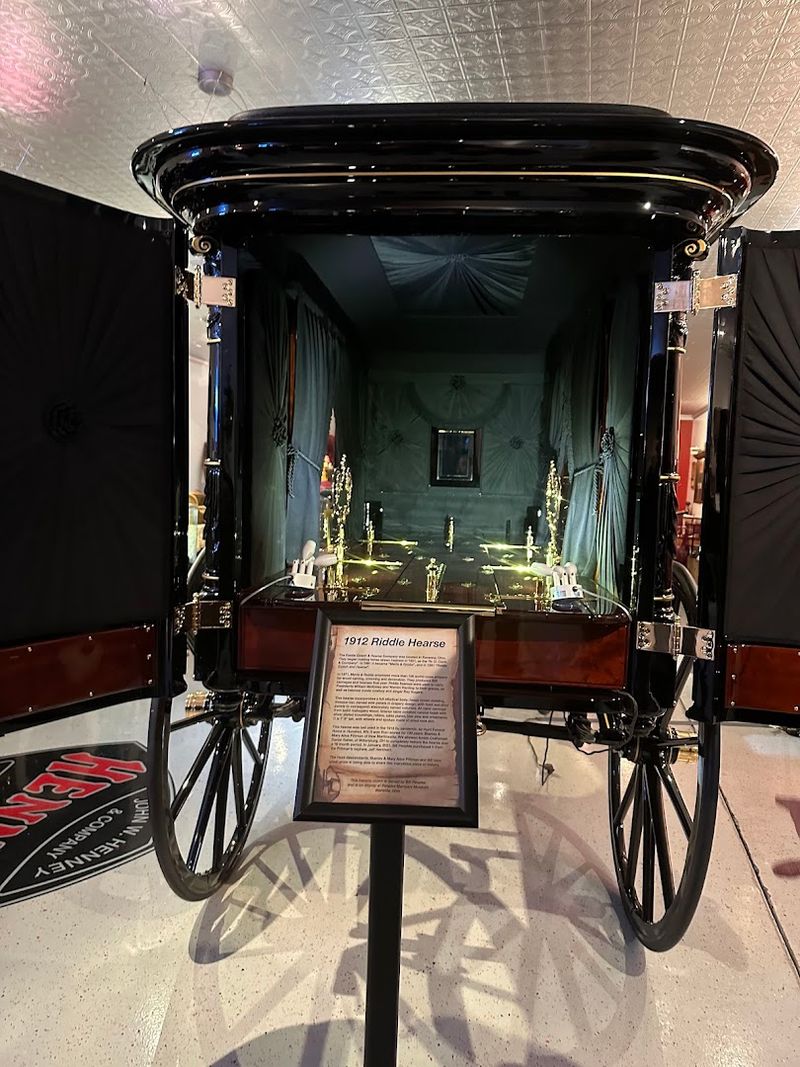
The centerpiece of the collection, without question, is the fleet of restored hearses. From ornate horse-drawn carriages with carved wooden panels to sleek early motor coaches, the variety and condition of these vehicles is genuinely jaw-dropping.
I stood in front of a horse-drawn carriage and spent several minutes just taking in the craftsmanship. The woodwork, the hardware, the upholstery details: all of it spoke to a time when the ceremony of farewell was treated as something worthy of extraordinary artistry.
The collection includes several hearses that help turn the museum into a kind of living history archive rather than a static display.
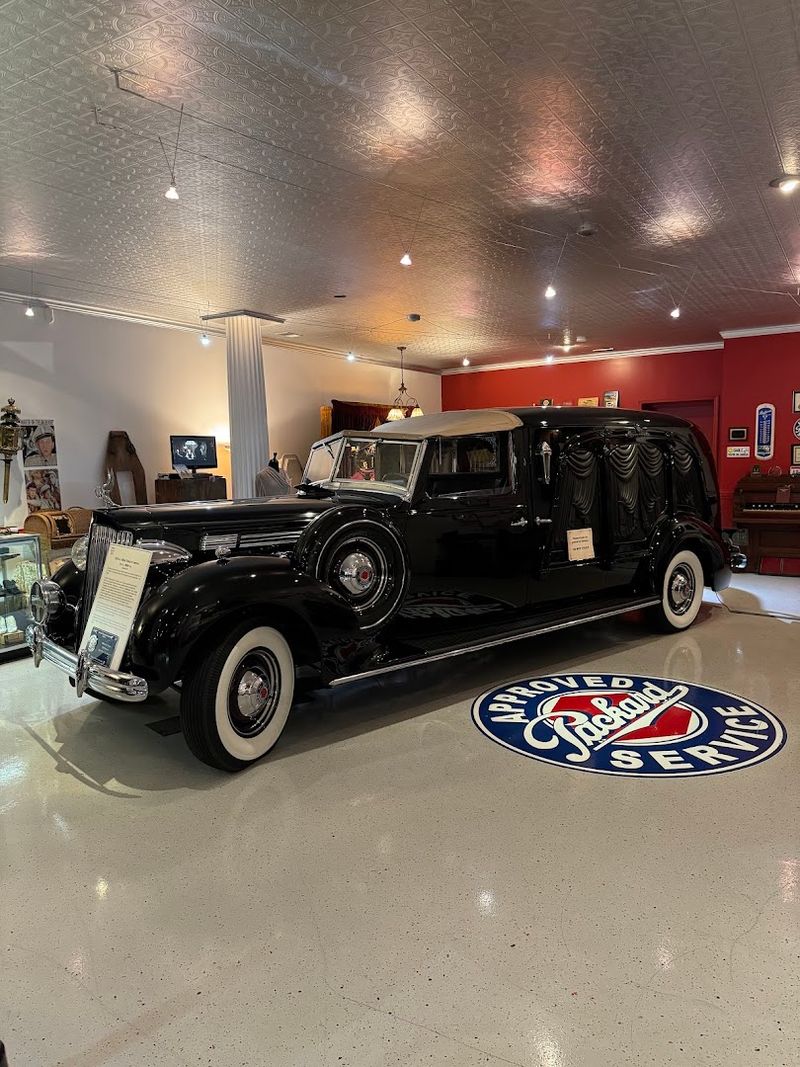
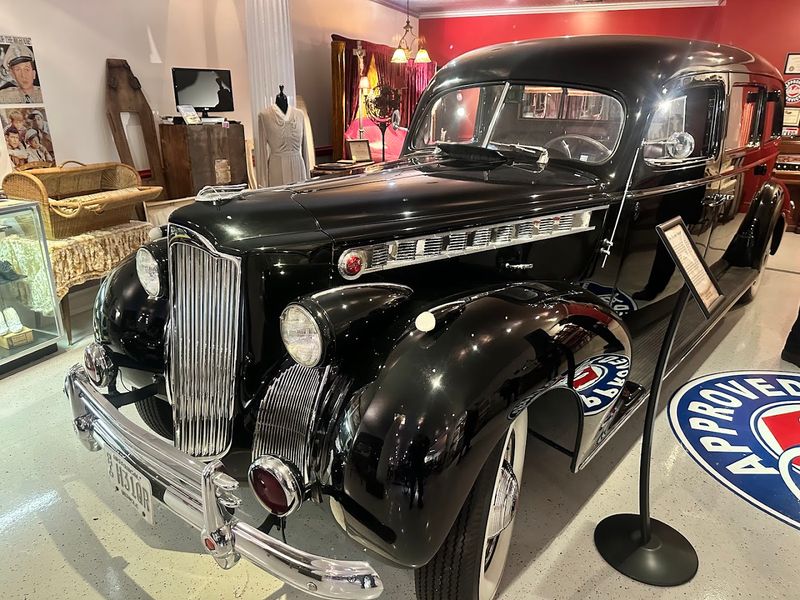
Car enthusiasts will find plenty to admire here too, especially fans of Packard automobiles, which feature prominently in the motorized portion of the collection and represent some of the finest coachwork of their era.
The 1927 Henney and Its Hollywood Connection
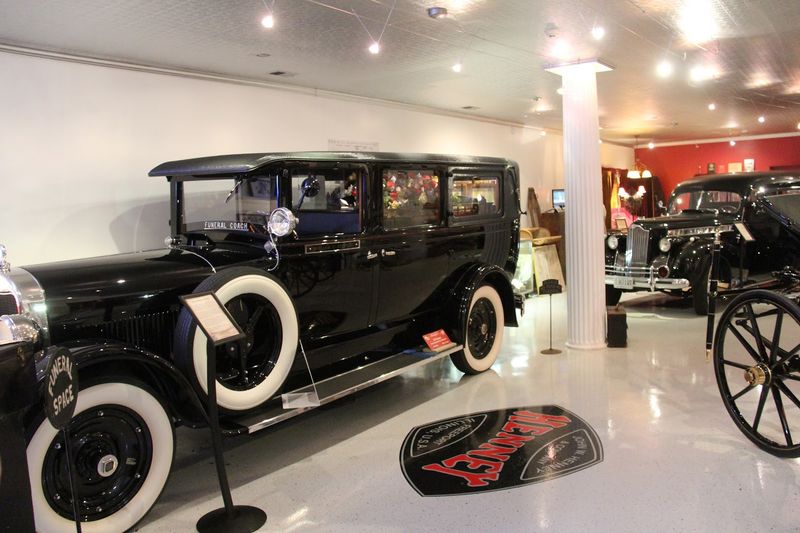
Among the motorized hearses, one vehicle carries a story that genuinely surprised me when I first heard it. The 1927 Henney hearse in the collection was used during the filming of the 2009 movie “Get Low,” a film starring Robert Duvall and Bill Murray that drew on Southern funeral traditions for its storytelling.
Holding that kind of cinematic history alongside its place in actual funeral service history gives the Henney a double significance that most museum pieces simply cannot claim. It is a beautiful vehicle on its own terms, but the film connection makes it a genuine conversation piece.
Bill and his guides share this detail with obvious pride, and it lands well with visitors who enjoy connecting historical artifacts to broader cultural moments. The car itself is in remarkable condition, a testament to the care and attention that defines how every piece in this collection is maintained.
Seeing it up close, you understand why a film production team chose it: the Henney simply radiates a kind of quiet, dignified authority that no replica could replicate.
Tools of the Trade Through the Centuries
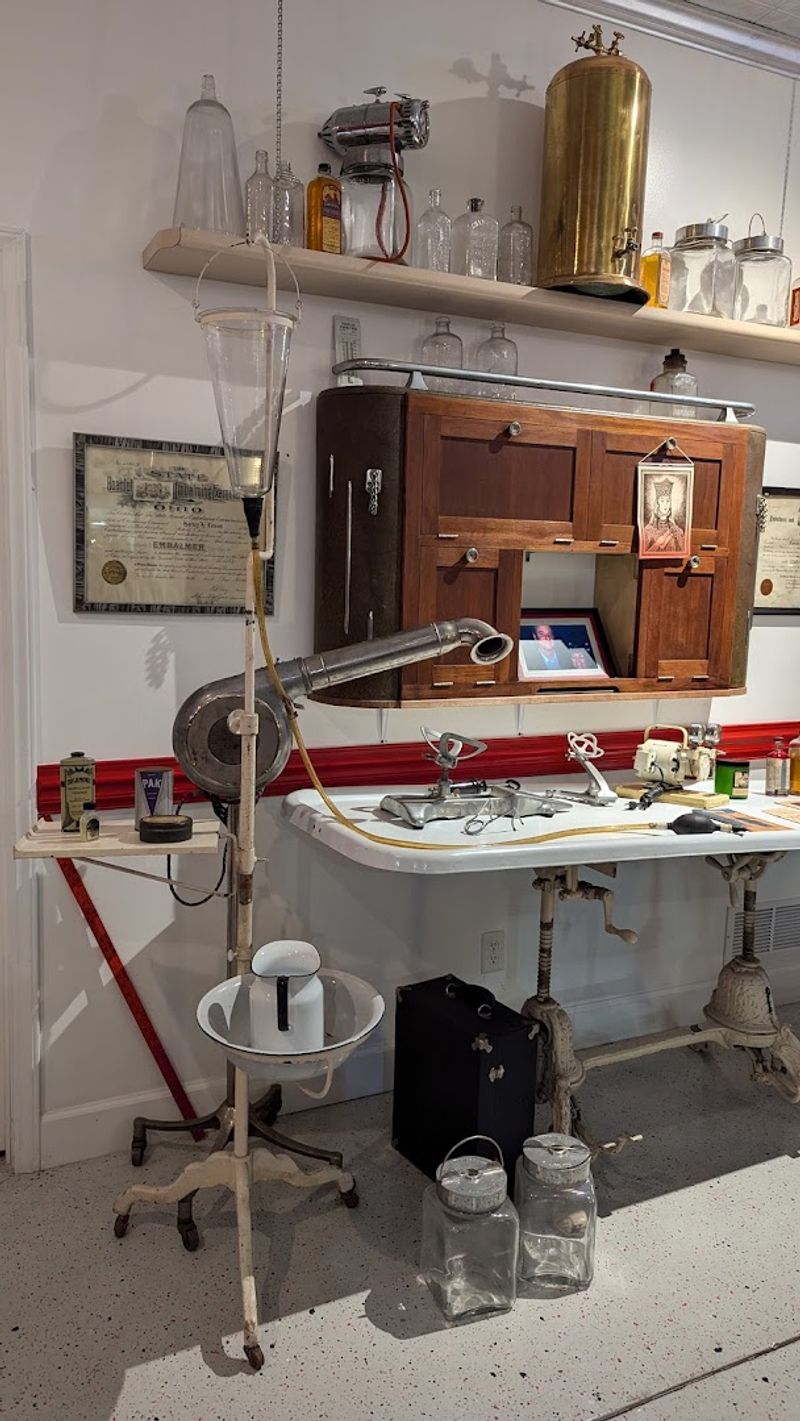
Beyond the vehicles and the jewelry, the museum holds a wide range of artifacts that document the practical side of the profession across two centuries.
Old embalming equipment, transport baskets, and various tools of the trade are displayed with enough context to make them genuinely educational rather than simply strange.
Bill approaches these items with the same matter-of-fact professionalism that characterizes everything here. He explains what each piece was used for, when it was in common use, and how practices evolved as both science and social custom changed over time.
What struck me most was how much the profession shifted in response to major historical events, particularly the American Civil War, which created an urgent need for embalming techniques that could preserve fallen soldiers long enough for families to claim them. That wartime necessity transformed the entire industry.
Seeing the actual equipment from that era, and understanding its origins, gives you a completely different appreciation for how modern funeral practices developed from a combination of necessity, tradition, and genuine care for grieving families.
The Tour Experience Itself
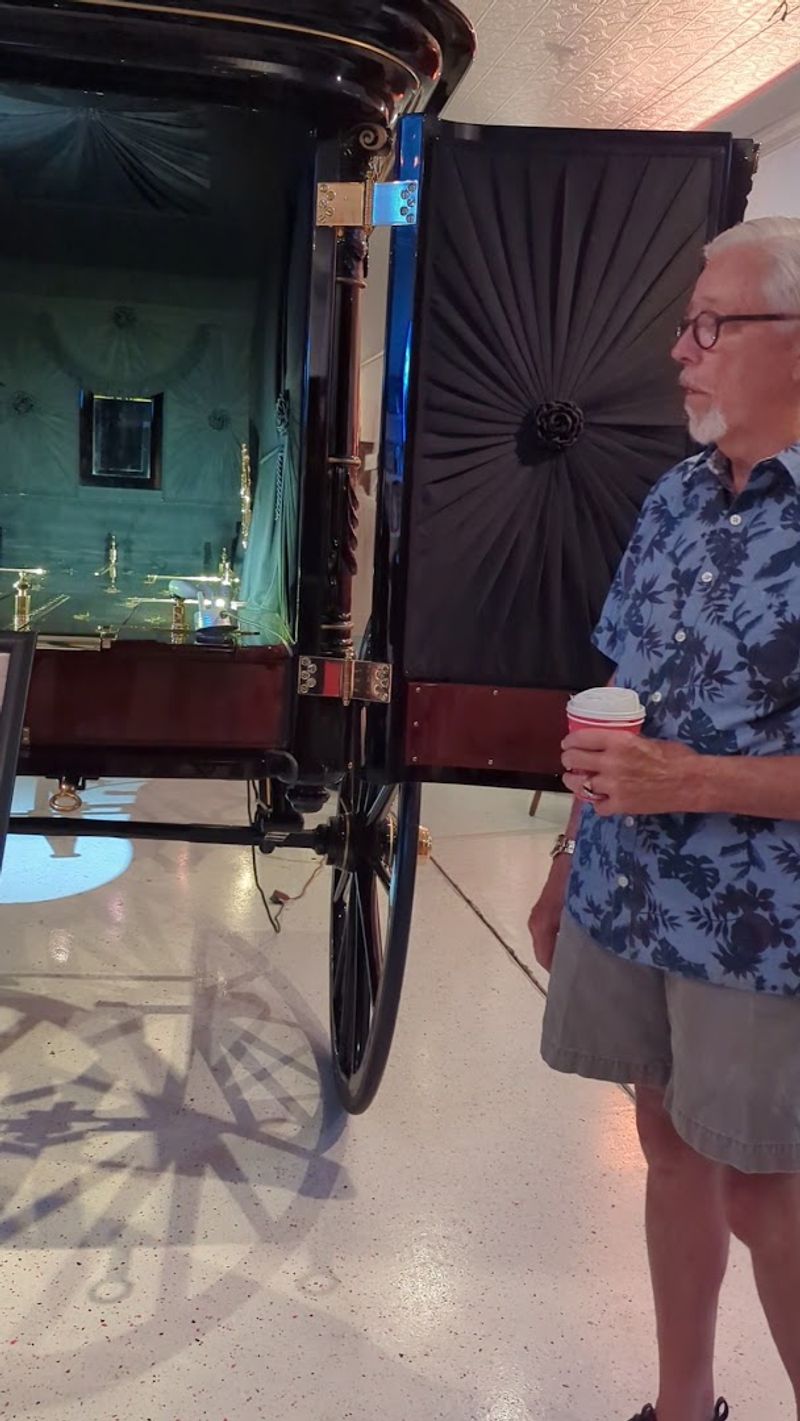
The tour at Cawley and Peoples is not a self-guided wander through labeled displays. Bill personally walks visitors through the collection, narrating each piece with the kind of depth and enthusiasm that only comes from decades of genuine passion for the subject.
He answers every question, and I mean genuinely every question, including the ones that visitors hesitate to ask because they seem too personal or too unusual. That openness creates a surprisingly comfortable atmosphere around a subject that many people find difficult to approach.
The tour typically runs about an hour, though groups with a lot of questions can easily stretch it to an hour and a half. I lost track of time entirely, which is always the sign of a truly engaging guide and a well-organized collection.
The intimate scale of the tour means you are never lost in a crowd, never waiting for someone else to finish reading a placard. It feels less like a public museum visit and more like a private conversation with someone who genuinely loves what they do.
Planning Your Visit and What to Expect
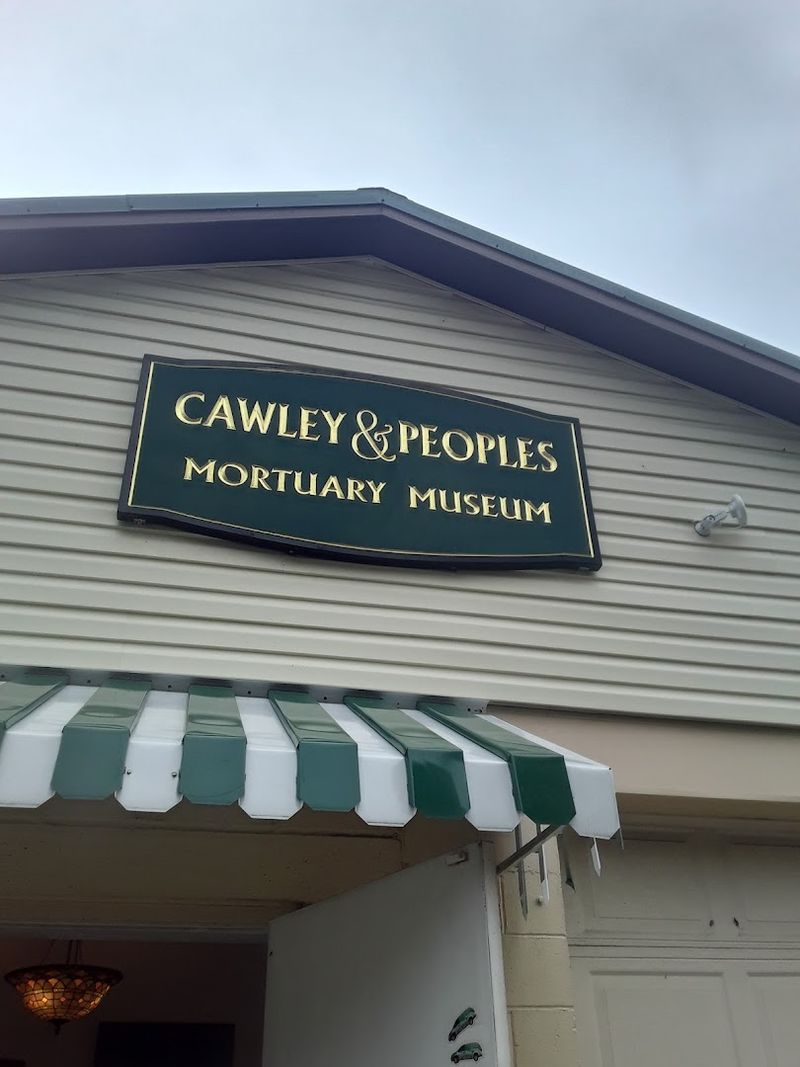
The museum operates by appointment, so calling ahead is essential before you make the trip. The official museum page says to contact Bill Peoples at 740-525-1112 or by email at [email protected] to be sure someone is available to take you through the museum.
The tour itself is free, and current Marietta visitor materials note that donations are appreciated.
Because tours are arranged in advance, it is best to reach out before you build the rest of your day around the visit.
Marietta as the Perfect Backdrop
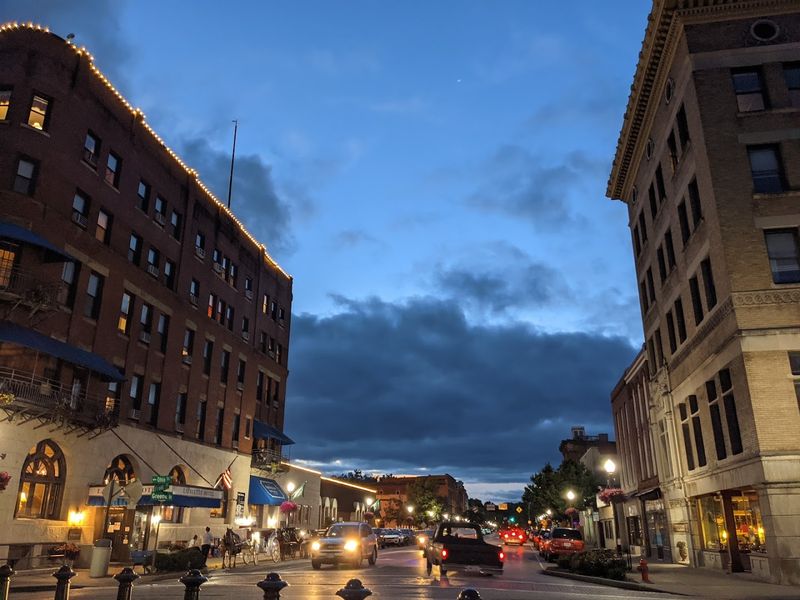
The museum does not exist in a vacuum. Marietta, Ohio, is one of the state’s oldest and most historically layered towns, sitting at the confluence of the Ohio and Muskingum Rivers with a downtown that feels genuinely preserved rather than artificially restored.
Spending a day in Marietta alongside a visit to this museum makes for a remarkably full itinerary. The town has good food, walkable streets, and enough historical character to keep curious travelers busy well beyond the museum itself.
Several visitors I spoke with mentioned combining the museum with a stop at the Mothman Museum in nearby Point Pleasant, West Virginia, which is only about 40 minutes away. That pairing makes for one of the more entertainingly unusual day trips in the entire Ohio River Valley region.
Marietta’s small-town warmth also means that the museum fits naturally into the local character rather than feeling like an oddity dropped into an otherwise ordinary place; the whole town rewards the kind of visitor who enjoys history with a personal touch.
Why This Place Resonates With So Many People
Most visitors arrive at this museum expecting something a little strange, and they leave having felt something far more grounded and human than they anticipated. The subject matter, which is the history of how we honor and remember the people we lose, turns out to be one of the most universal topics imaginable.
Bill has a gift for framing all of it in a way that feels informative rather than heavy, historical rather than morbid. He talks about changing customs, evolving technologies, and the deep human need for ceremony with the same calm enthusiasm he brings to discussing a beautifully restored carriage.
I heard from one visitor who brought her daughter because the young woman was considering a career in mortuary science. Bill answered every question the daughter had with the same patience and respect he showed everyone else in the group.
That kind of inclusive, thoughtful engagement with the subject is rare anywhere, and it is a big part of why this small Ohio collection has earned such a consistently enthusiastic response from the people who make the effort to find it.
The Artifacts That Stick With You
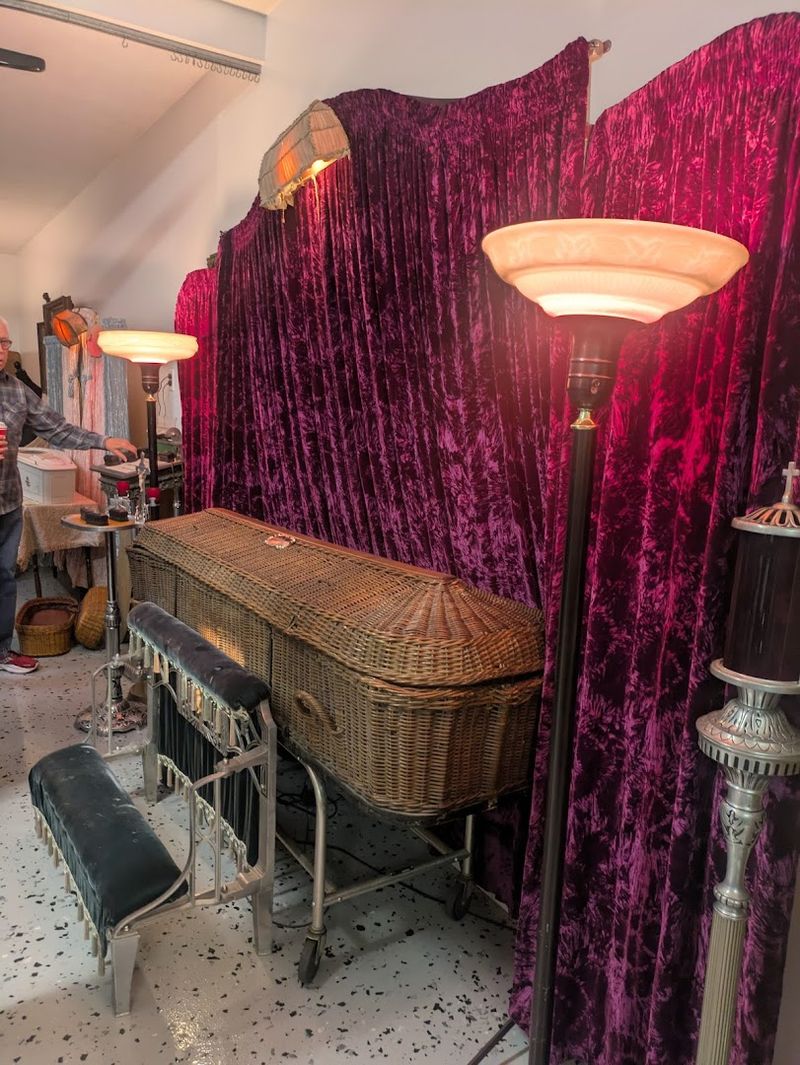
Beyond the major showpieces, the collection holds a number of smaller artifacts that tend to linger in your memory long after the tour ends. Wicker and wooden transport baskets, early advertising materials from funeral homes, and ceremonial items from the 1800s fill in the gaps between the larger displays.
Each piece has a story, and Bill knows most of them by heart. He can tell you not just what an item is, but why it existed, who used it, and when it fell out of common practice, which turns even the most obscure artifact into a meaningful piece of social history.
The advertising materials alone are worth examining closely. Early funeral home promotions reveal a great deal about how the profession positioned itself within communities, what promises it made to grieving families, and how the language of comfort has evolved across generations.
These smaller pieces are easy to overlook at first glance, but they consistently end up being the ones visitors mention when they describe the tour to friends afterward, proof that the details matter as much as the centerpieces here.
A Final Word on Why You Should Go
Some places earn their reputation through marketing and spectacle, and others earn it purely through the quality of what they offer. The Peoples Mortuary Museum belongs firmly in the second category.
The combination of an exceptional private collection, a genuinely knowledgeable and personable host, a free tour structure, and a subject that turns out to be far more fascinating than most people expect creates something that is very hard to find anywhere in Ohio or beyond.
If you are road-tripping through the Ohio River Valley, or even making a dedicated trip to Marietta, this museum deserves a spot near the top of your list. Call ahead, and plan for at least an hour of your time.
You will leave knowing things you never thought to wonder about, and you will almost certainly find yourself recommending it to the next person you know who is heading anywhere near this corner of Ohio.