
This Michigan Town Feels Like The Prettiest Small Town In The USA
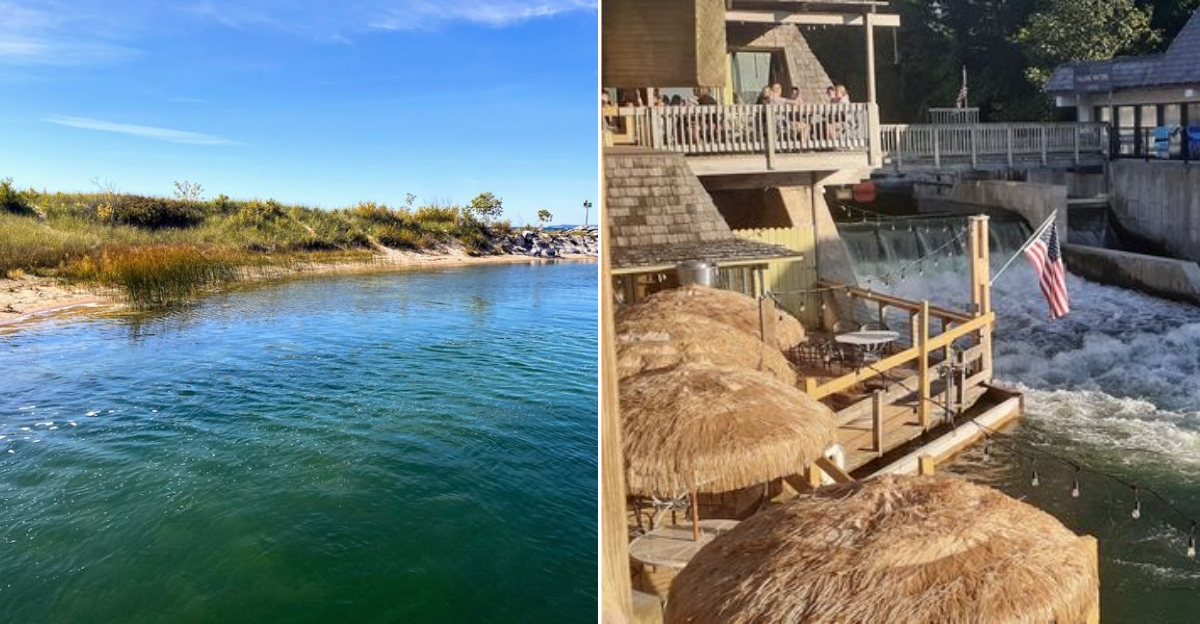
I just stumbled upon a stretch of shoreline that makes every “pretty” resort town in the Midwest look like a plastic imitation.
There is a raw, working-class magic where the river muscles into Lake Michigan, a place where weathered cedar shanties and a rhythmic dam create a scene so cinematic it feels like someone should be filming it.
I spent the afternoon watching gulls circle the smokers and kayaks stitch between the docks, realizing that the wind, not a clock, dictates the entire day here.
Exploring this historic Michigan fishing village and traditional maritime district provides an immersive look at Great Lakes heritage and seasonal waterfront life.
The textures alone are enough to make you slow your pace: the heavy-duty creak of boards under your boots and the frantic surge of salmon heading upriver. I am still thinking about how the stars stacked over that quiet harbor and the way the returning ferries seemed to pull the entire shoreline closer.
Fishtown, Up Close
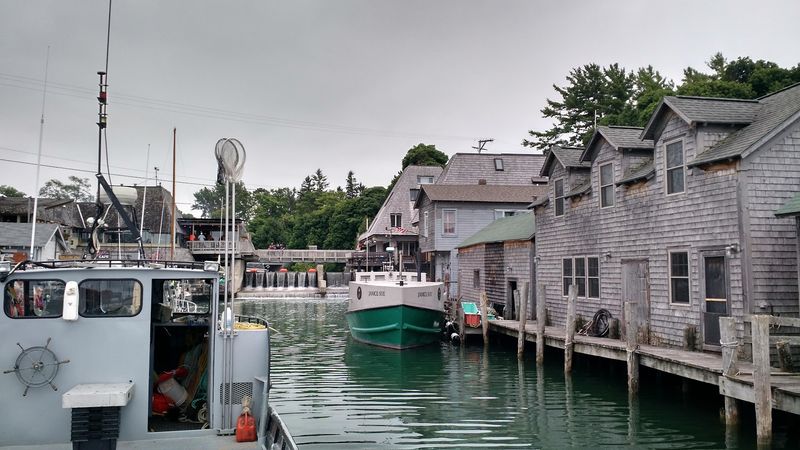
Of course, I am talking about Leland, Michigan. Weathered cedar shanties lean toward the river, their roofs furred with gull feathers and memory. Nets, cork floats, and bright plastic totes stack like punctuation along narrow boardwalks.
The whole place hums with water, from the churn at the dam to the slap of small boats pivoting into slips. Fishtown is not a set piece; it is a working waterfront with fish smokers, tackle, and day boats.
Preservationists keep the shanties practical by repairing cedar, replacing rot, and insisting on foot traffic awareness. Expect strong lake wind, limited parking near the harbor, and tight walkways, so wear good soles, keep hands free, and move patiently.
Give fishers room at the docks, and photograph from edges rather than thresholds during mornings.
The Leland River Flow
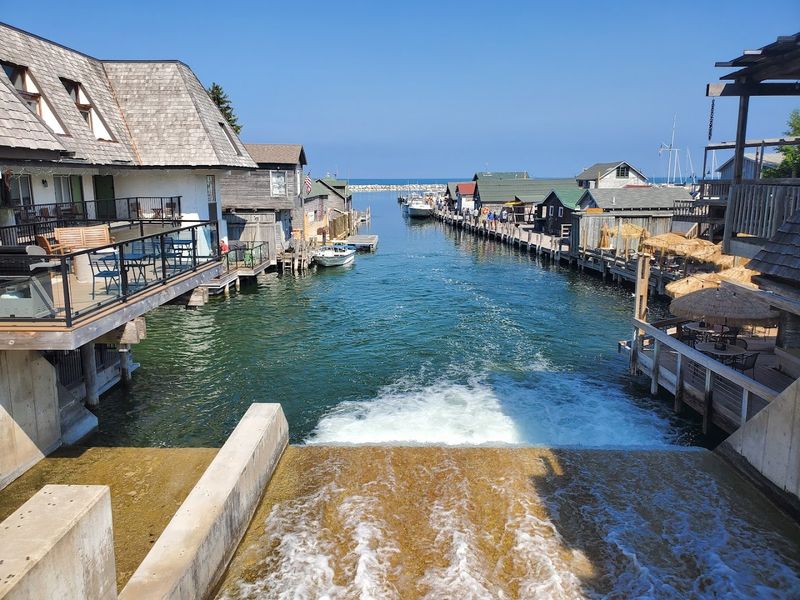
Freshwater rushes under the bridge with a tone that vibrates your ribs. Salmon and steelhead run seasonally, turning the channel into a living arrow. Kayaks nose along the edges, avoiding the lively pull near the dam.
This river stitches Lake Leelanau to Lake Michigan, and the current writes the town’s tempo. Anglers favor early light, while walkers pause on the railings to trade weather notes. If you rent a kayak, check wind forecasts, launch upstream for control, wear a PFD, and plan a shuttle so you are not fighting back.
Watch for boat traffic near the harbor and give right of way. Cold water shocks quickly, even in summer, so dress for immersion rather than air temperature on every outing.
Van’s Beach Light and Color
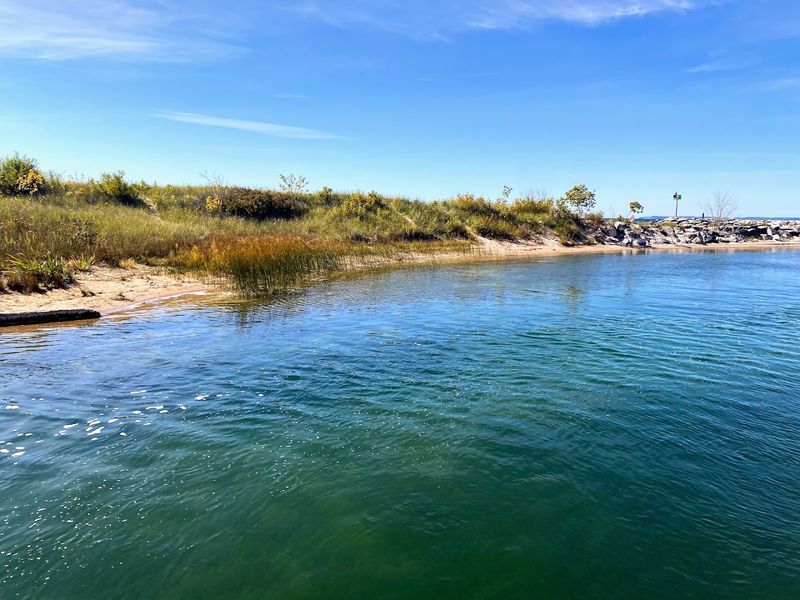
Sand here squeaks underfoot like new snow, and the lake stages hourly costume changes. On west wind days, waves write diagonal chalk marks across the shallows. I like the quieter pockets near the rocks, where beach grass anchors the slope and the breakwater frames the horizon.
Locals call it Van’s Beach, public and easy to access from Cedar Street with limited curb parking. Evening brings photographers, dogs, and families skipping flat stones.
For comfort, bring wind layers, avoid fragile dune plants, keep distance from pier edges during rough water, and know swim buoys do not indicate lifeguards. Water clarity tempts long wades, yet footing shifts over cobbles, so step lightly and watch for sudden dropoffs near the channel at dusk.
Manitou Island Transit Rhythm
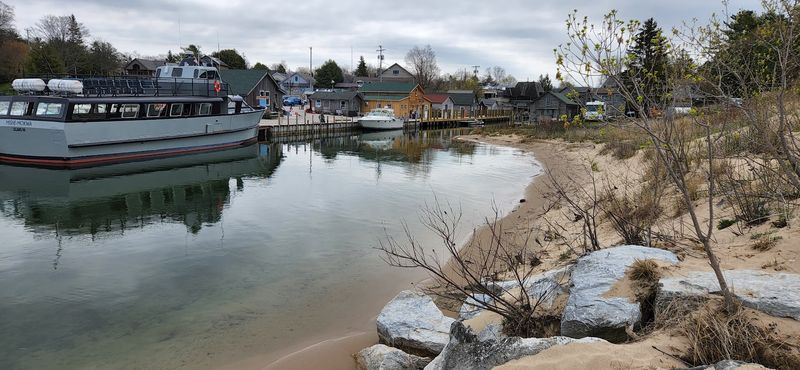
The ferry horn folds across town like a weather report. Crews stack gear efficiently, coolers and backpacks sliding into tidy pyramids. That sense of order matches the islands’ ethic of preparedness.
Manitou Island Transit runs seasonally to North and South Manitou, departing from the river mouth. Tickets are popular on bluebird days, so reserve early and arrive ahead for parking and check in. Pack proper footwear, water treatment, and a paper map, then celebrate the return by noting how Leland’s harbor feels newly intimate.
Weather on Lake Michigan shifts quickly, thus the company posts updates at the dock and online, and crew advice is worth following. Stow cameras, protect lenses from spray, and tie hats to jackets during crossings safely.
Leelanau Historical Society Museum Notes
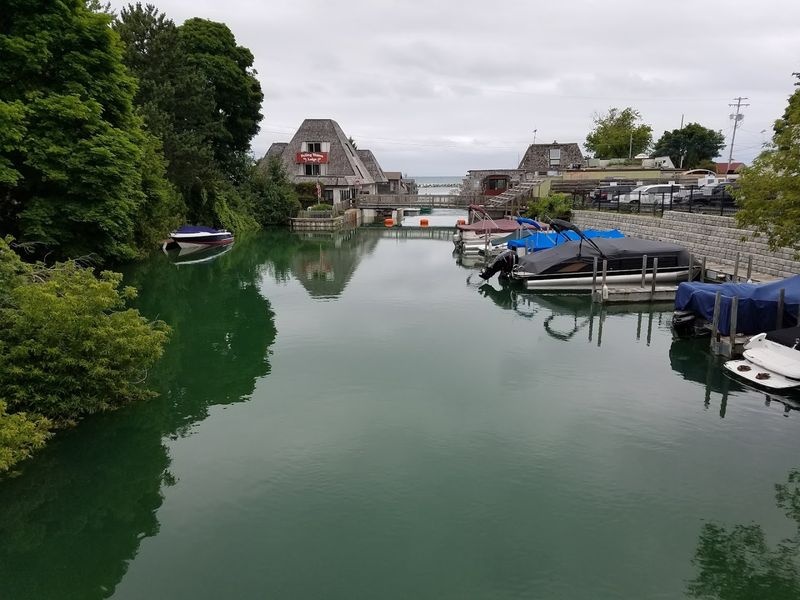
A modest building beside the river holds a surprisingly deep archive. Nets, ledgers, and family photographs trace commercial fishing from bark canoes to diesel engines. Exhibit labels feel careful, never theatrical, which suits a community shaped by work.
Curators emphasize preservation techniques like cedar repair, archival humidity control, and respectful storytelling. Admission is free, with donations encouraged, and hours vary across seasons. Plan a shorter visit before roaming Fishtown, take a photograph of posted maps for orientation, and ask which trails or beaches are calm given today’s wind.
The museum shop stocks regional history titles and nautical charts, useful references when weather delays plans. Quiet corners invite note taking, and the deck outside offers a clear view of passing gulls.
Morning Harbor Routine
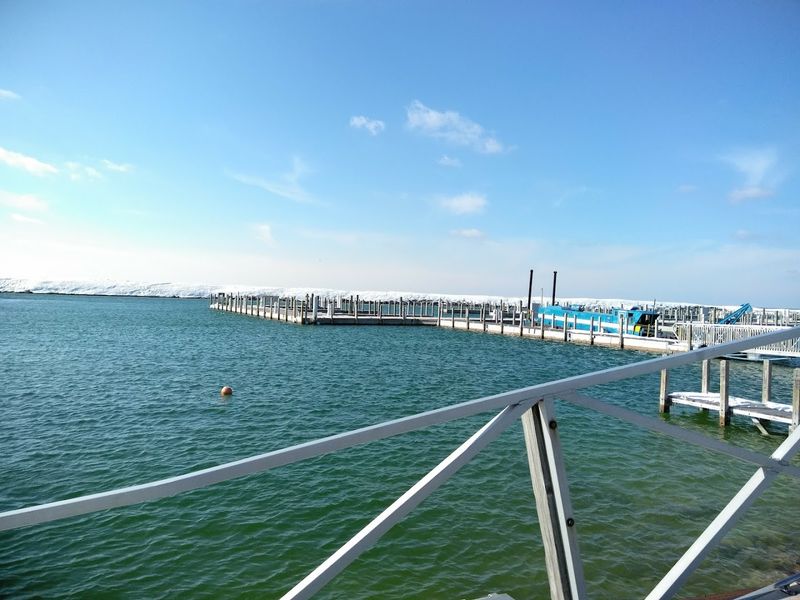
Engines whisper awake before sunrise, a soft purr under gull calls. Dock lines thwap as crews test tension, then coffee steam curls into the chill. The harbor water holds a pewter sheen until the first pink touches the breakwater.
I like standing near the boat ramp, out of the way, watching checklists unfold without fuss. There is choreography in fuel, bait, and radio checks, and nobody wastes movement. If you are photographing, step clear of carts, keep lens hoods handy, and ask permission before pointing at faces.
Early light pops color from hulls, but frost can slick the planks, so walk slowly and test footing. Parking fills near the launch, leaving better spaces on side streets after most breakfast hours.
Cherry Season Edges
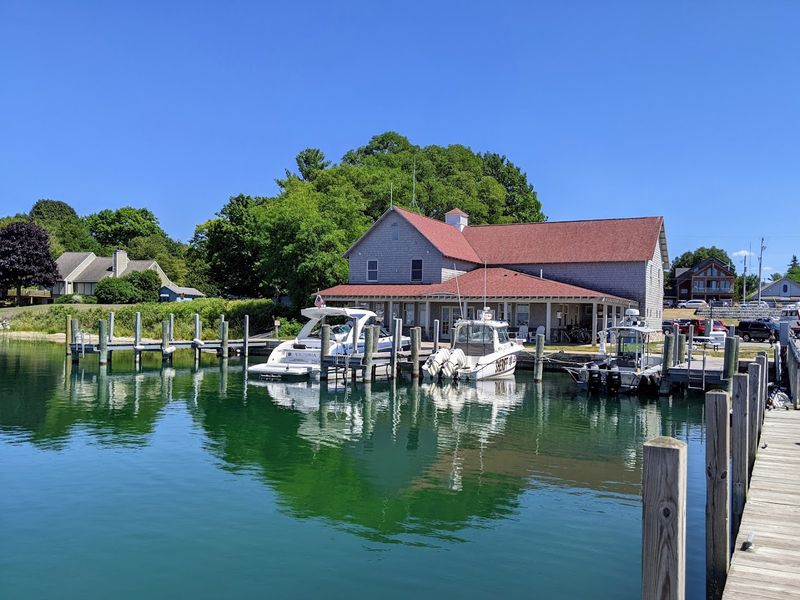
July roadsides bloom with farm stands, and the whole peninsula smells faintly like pie. Trees on nearby hills flash red against grape leaves and corn, a checkerboard that feels celebratory. In town, crates move toward trucks while bees investigate the sweetest bruises.
Leland is not an orchard center, yet it gathers the season’s energy at markets and porches. Taste comes from Leelanau County farms, often within a short drive. Bring small bills, stash a cooler in your trunk, wash fruit in lake water only if offshore, and pack peels out so beaches stay clean.
Weekend traffic slows on M-22, so plan turns early and use patience around cyclists enjoying the shoulder. Afternoons grow hot, and shade sells out quickly here.
Boardwalk Textures and Footfalls
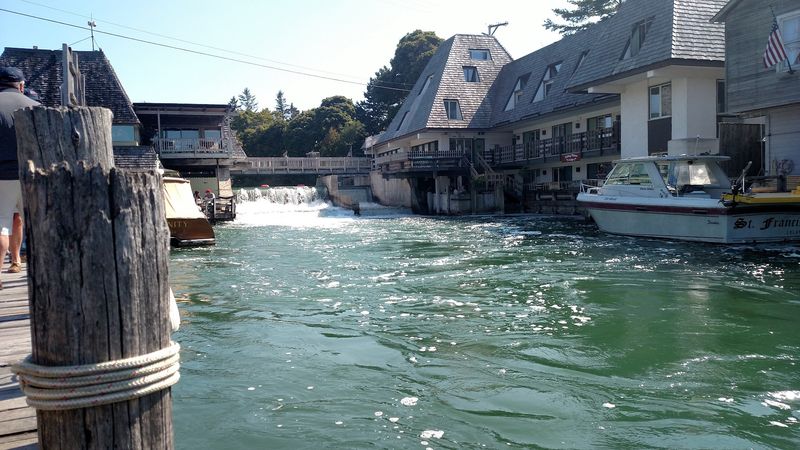
Planks alternate in color where repairs happened, making a quiet Morse code under your shoes. Tarred ropes feel coarse as driftwood, while the air swings between smoked fish and sweet cedar. Shadows from shanty roofs stripe the walkway like careful brushstrokes.
I find the rhythm steadies conversation, so friends speak softer without noticing. Boards can tilt after heavy rain, and gaps will grip thin heels. Step aside for carts, keep dogs close to legs, and mind that some doorways open outward, surprising anyone lingering too tight to the thresholds. Sun can glare fiercely off wet wood, therefore polarized sunglasses help with footing and photographs.
Afternoons invite crowds, so start early or circle back at dinner hour for calmer space later.
Winter Quiet, Working Town
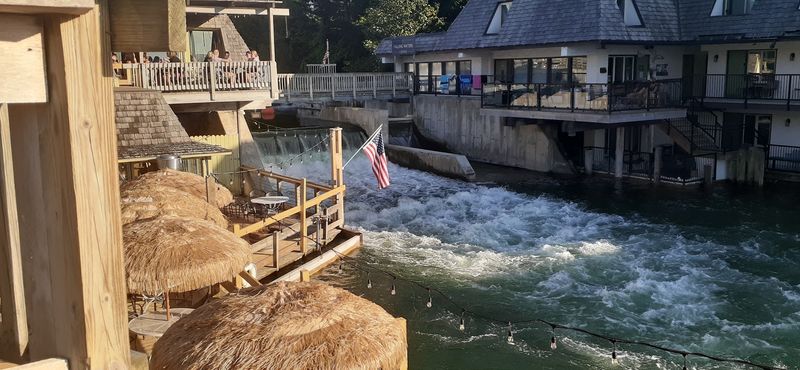
Snow mutes the river’s chatter until only the dam’s growl remains. Shanties square their shoulders under rime, and footprints draw clean lines to each door. The prettiness shifts from color to geometry, sharper and oddly inviting.
Businesses shorten hours yet stay present, because gear still needs fixing and locals still need parts. Streets stay plowed quickly, but ice feathers the harbor edges. Dress in layers that block wind, choose boots with lug soles, keep phone batteries warm, and check that the museum or shops are open before driving in.
Sunlight arrives at a slant, so footprints glow blue while cedar shakes hold a calm matte. Parking is plentiful, but salted patches can puddle by noon, wetting cuffs unexpectedly for pedestrians.
Carlson’s Fishery Line Etiquette
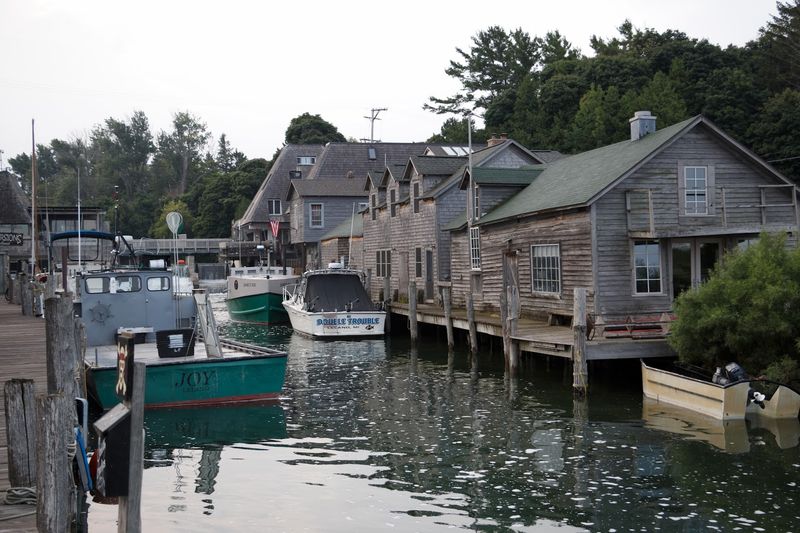
The line moves faster than it looks because orders are concise. Whitefish, smoked or fresh, anchors menus across town, and the counter crew knows cut preferences by heart. The aroma is assertive but clean, like a dockside campfire.
Bring a small cooler with ice packs, step aside to rebag purchases, and keep doorways clear. Cards work, yet small cash helps when cell service hiccups. Ask about preparation tips for pan frying, respect the rush during lunchtime, and dispose of packaging thoughtfully because gulls will open any lazy trash.
Hours can shift with fishing conditions, so check the signboard near the door before queuing. Cooler weather preserves tenderness on the walk home, another reason to shop early in shoulder seasons here.
Quiet Nights, Big Sky
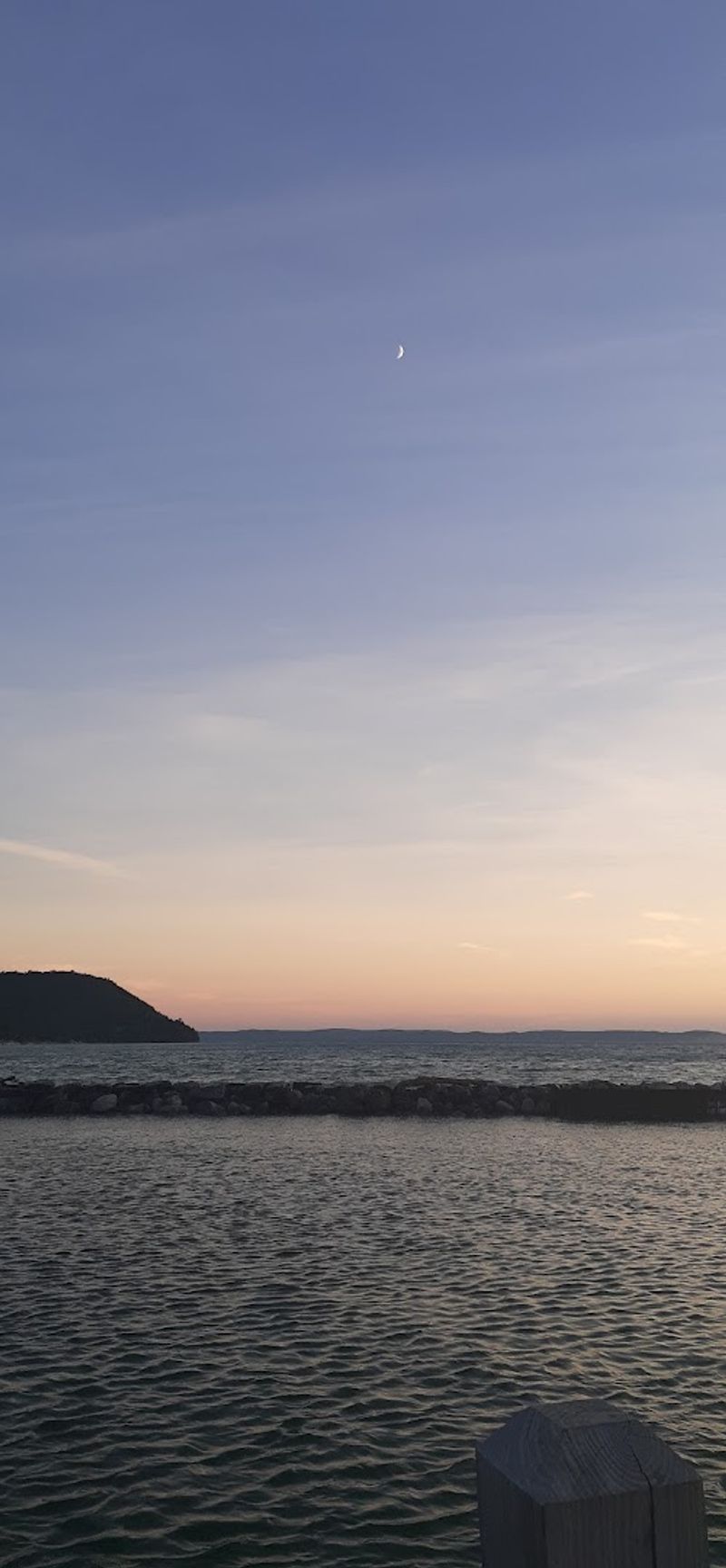
After shops click dark, the harbor reflects stars like a careful mosaic. Red and green channel lights tick steady, and waves turn to breath. It feels rural in the best way, comfortable and spacious.
There is no grand landmark demanding attention, just textures of water, cloud, and pine. Streetlamps stay modest, so eyes adjust and constellations sharpen. Dress warmly even in July, choose a low light headlamp for safety, and keep voices soft because sound carries across water farther than you expect.
Walking the pier requires vigilance during wind, since slick stones blend with darkness. Late nights reveal satellites and the occasional meteor, while fishing boats blink like distant porches, and the town settles into a restful hush overhead tonight.