
10 Florida Beaches Where Sea Glass Washes Up More Than Seashells
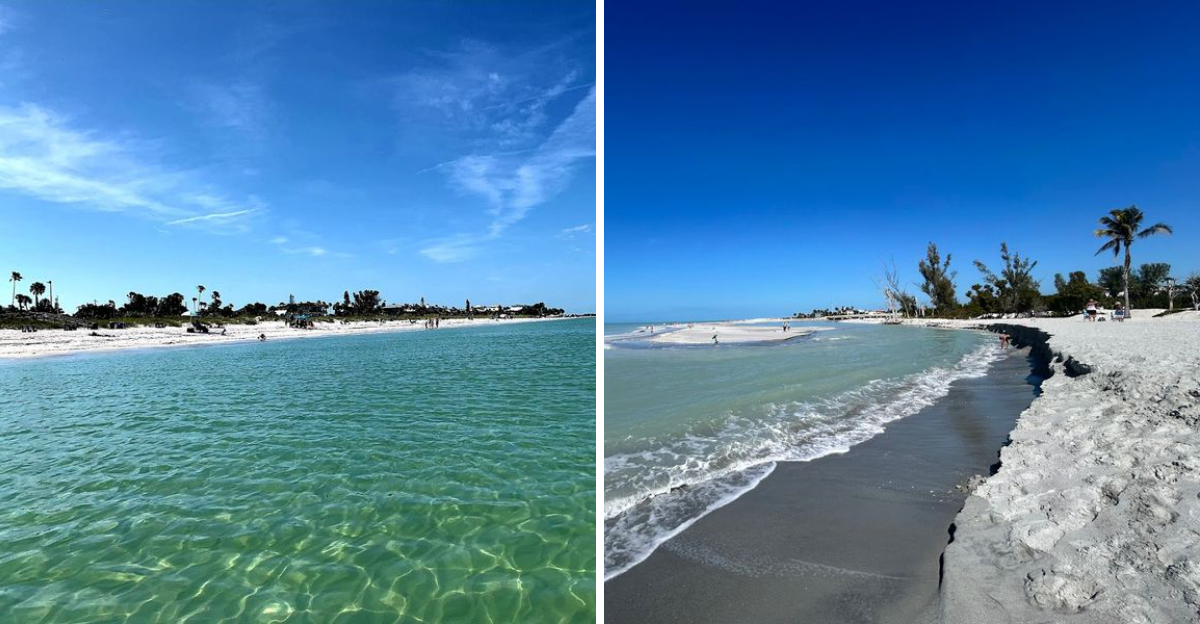
What if the best treasures on Florida beaches are the ones most people never notice?
At first, it all looks the same. Sand, shells, waves rolling in and out.
But the moment you slow down and really look, something different starts to appear. Small, frosted pieces of sea glass in soft shades of green, white, and blue begin to catch your eye, and suddenly the shoreline feels like a hidden treasure hunt.
This is a different kind of beach day.
Quieter, more focused, and strangely addictive. You find yourself scanning the sand without even thinking about it, hoping for that one piece that makes it all worth it.
Florida just hits different when you start looking this closely.
And once you find your first piece, you will understand why people keep coming back, determined to uncover just a little more of what the ocean leaves behind.
1. Fort De Soto Park Beach, Tierra Verde
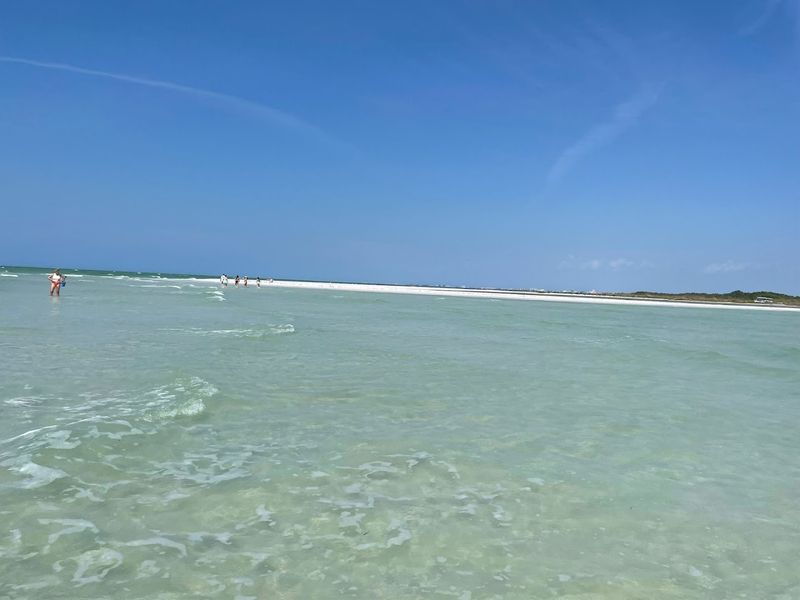
Few places in the Tampa Bay area deliver a sea glass surprise quite like Fort De Soto Park Beach, tucked away at 3500 Pinellas Bayway S in Tierra Verde, Florida.
The park covers five connected keys, and the varied shoreline means currents push different materials onto different stretches of sand throughout the day.
The North Beach area tends to collect the most frosted glass, especially near the rocky jetty where pieces tumble and smooth against the stones before washing ashore.
Low tide is your best friend here, so check a tide chart before you head out and arrive about thirty minutes before the water pulls back.
Green and brown pieces are the most common finds, but after a strong storm system rolls through, lucky hunters have reported pale aqua shards that are worth the extra effort.
The park also has picnic shelters, a ferry to Egmont Key, and some of the cleanest restroom facilities I have found at any Florida state park, making the whole outing genuinely comfortable.
2. Pass-a-Grille Beach, St. Pete Beach
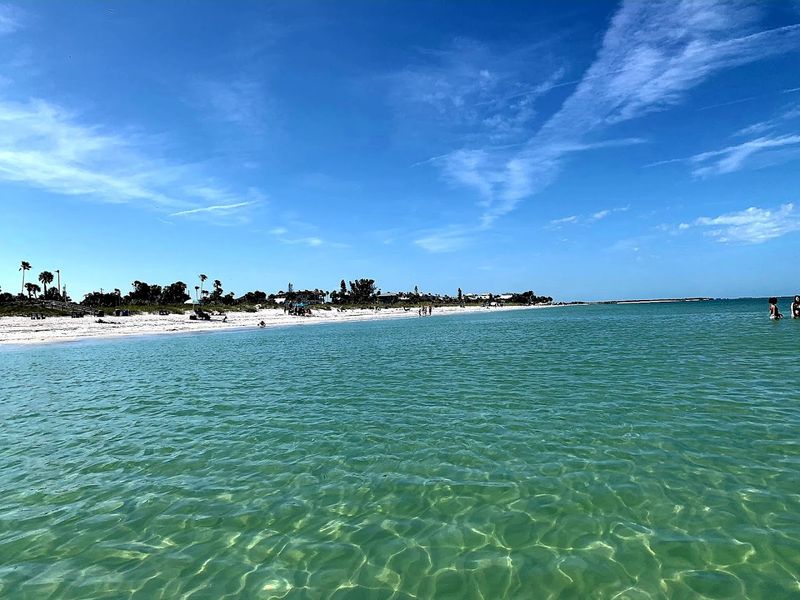
There is something wonderfully old-fashioned about Pass-a-Grille Beach at 801 Pass a Grille Way in St. Pete Beach, Florida, and that vintage character extends right down to the sea glass you can find along its narrow shoreline.
This historic strip is one of the oldest beach communities in the state, which means decades of human activity have contributed glass to the water that the Gulf now polishes and returns as treasure.
The southern tip of the beach, near the public parking lot and the historic Don CeSar hotel in the distance, is where I consistently spot the most pieces during a single morning walk.
White and seafoam green are the standard colors here, but the occasional cobalt blue shard from an old medicine bottle makes an appearance if you are patient.
The beach stays relatively uncrowded on weekday mornings, giving you plenty of space to scan the sand without bumping into other hunters.
Pair your visit with breakfast at one of the small cafes on Gulf Way and you have a perfect slow morning planned.
3. Caladesi Island State Park, Dunedin
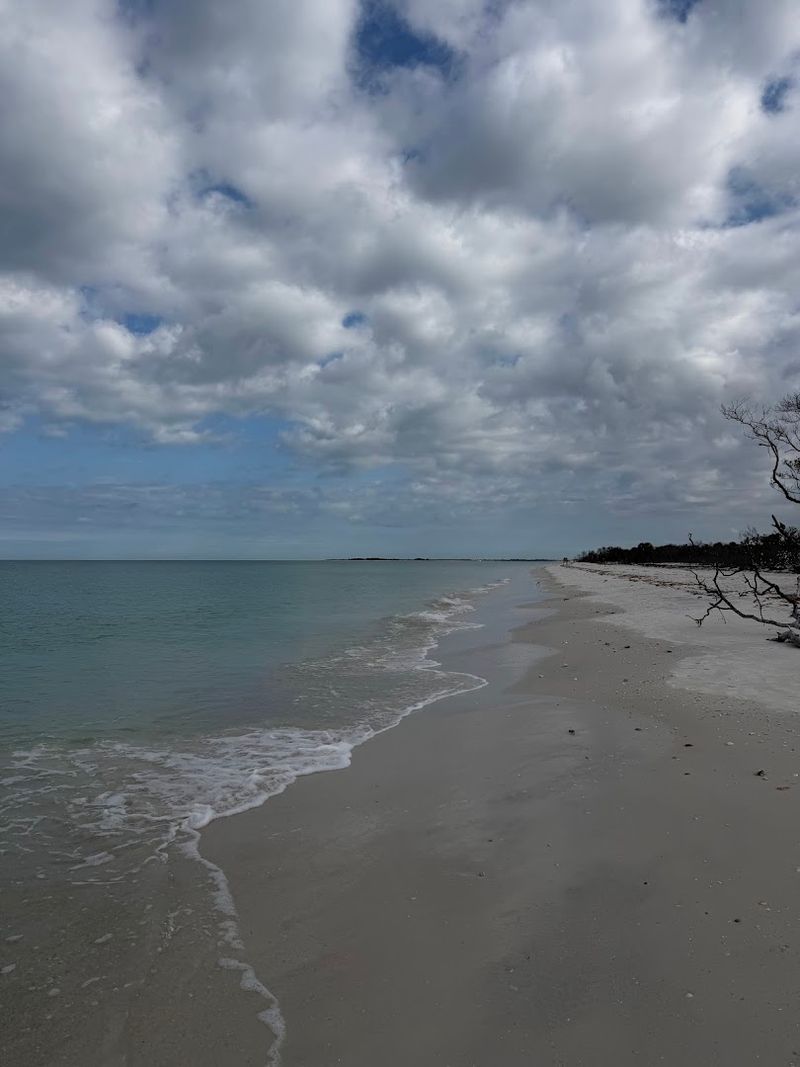
Getting to Caladesi Island State Park requires a ferry ride from Honeymoon Island, and that small barrier to entry is exactly why the sea glass hunting here stays so rewarding.
Located off 1 Causeway Blvd in Dunedin, Florida, the island sits largely undeveloped, and its three-mile Gulf-facing shore catches debris and ocean-tumbled glass that never gets picked over the way a drive-up beach would.
The ferry runs regularly from Honeymoon Island, and I always recommend catching an early boat so you have the first stretch of low-tide beach entirely to yourself.
Pieces here tend to be well-frosted because the island’s position in the Gulf means glass gets a longer tumbling journey before it reaches the sand.
Amber and forest green are the dominant colors, though I once found a thick shard of opaque white that looked like it came from an old milk glass bottle, which was a real standout.
Pack water, sunscreen, and a small mesh bag, because there is no gift shop on the island and you will want your hands free for the hunt.
4. Honeymoon Island State Park, Dunedin
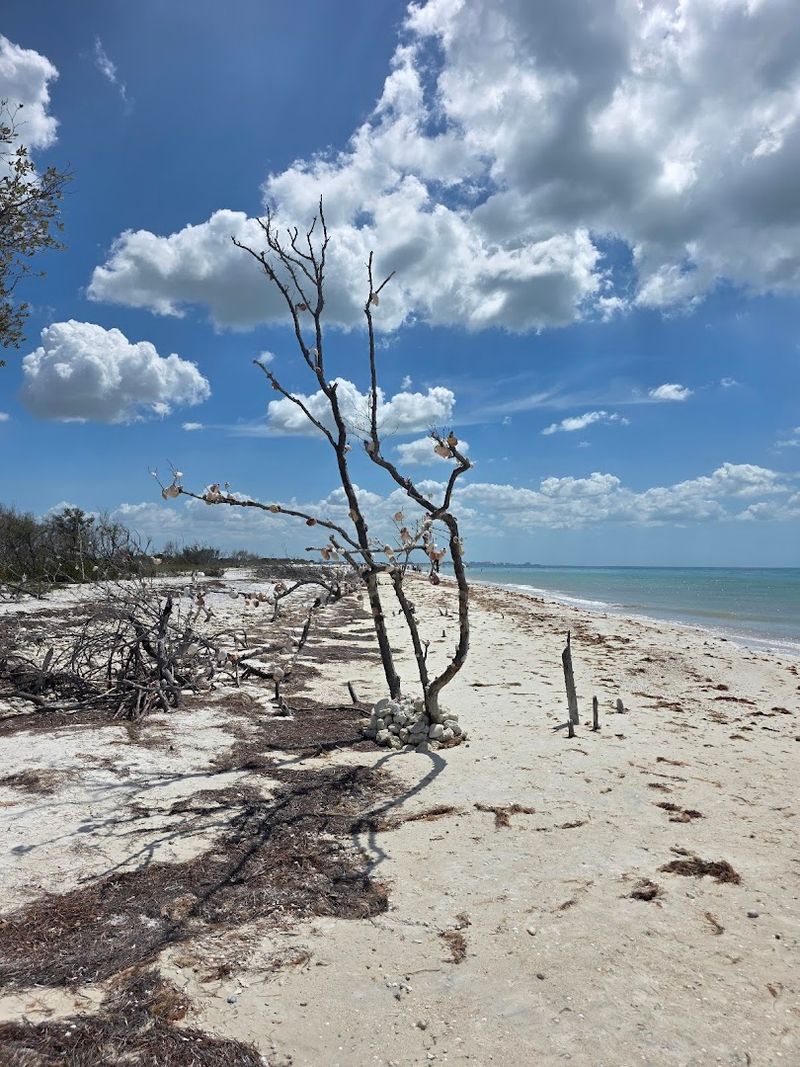
Right across the causeway from Caladesi, Honeymoon Island State Park at 1 Causeway Blvd in Dunedin, Florida earns its own spot on this list because its northern tip behaves like a natural collection point for sea glass.
The island has a rugged, slightly rocky northern shoreline where the sand gives way to shells, pebbles, and smoothed glass, and that texture change is usually a signal that glass is nearby.
Honeymoon Island is one of the most visited state parks in Florida, but the northern stretch sees far fewer foot traffic, so pieces do not disappear as quickly as they might on a busy city beach.
Osprey nests tower above the tree line here, and watching the birds dive while you scan the sand below makes the whole experience feel almost cinematic.
The park charges a per-vehicle entrance fee, so factor that into your morning budget, but the combination of wildlife, Gulf views, and sea glass potential makes it money well spent.
Sunset visits after the crowds leave can also turn up fresh pieces that the afternoon tide has deposited.
5. Sanibel Island Beaches, Sanibel
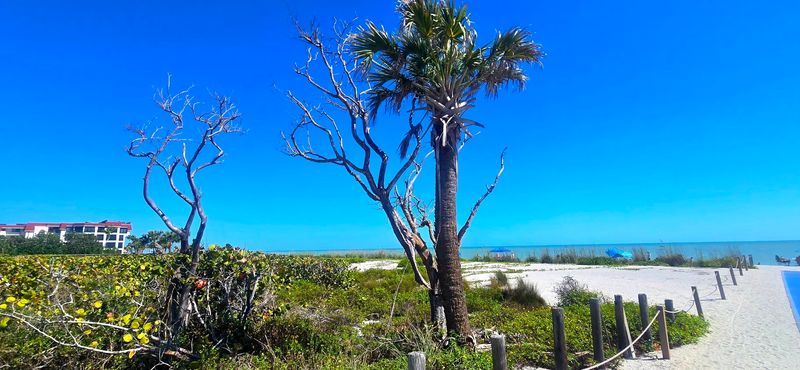
Sanibel Island is world-famous for its seashells, but the same geographic quirk that piles shells onto its shore, the island’s rare east-west orientation, also delivers an impressive amount of sea glass to beaches near 1700 Bowman’s Beach Rd in Sanibel, Florida.
Bowman’s Beach in particular sits at the less-trafficked western end of the island, and the extra walk from the parking lot keeps casual visitors away while dedicated hunters enjoy the spoils.
After a storm, the combination of churned seabed and strong longshore currents pushes glass from old shipwrecks and historical dumpsites directly onto the sand.
The famous “Sanibel Stoop,” the bent-over posture every shell hunter adopts here, works just as well for sea glass, so lean in and scan slowly near the wrack line where seaweed collects.
Colors range from the usual greens and whites to occasional lavender pieces that have been sun-altered over many years, which makes them especially prized among collectors.
Arrive before 8 a.m. if possible, because Sanibel’s reputation means the beach fills up quickly once the morning gets going.
6. Blind Pass Beach, Sanibel
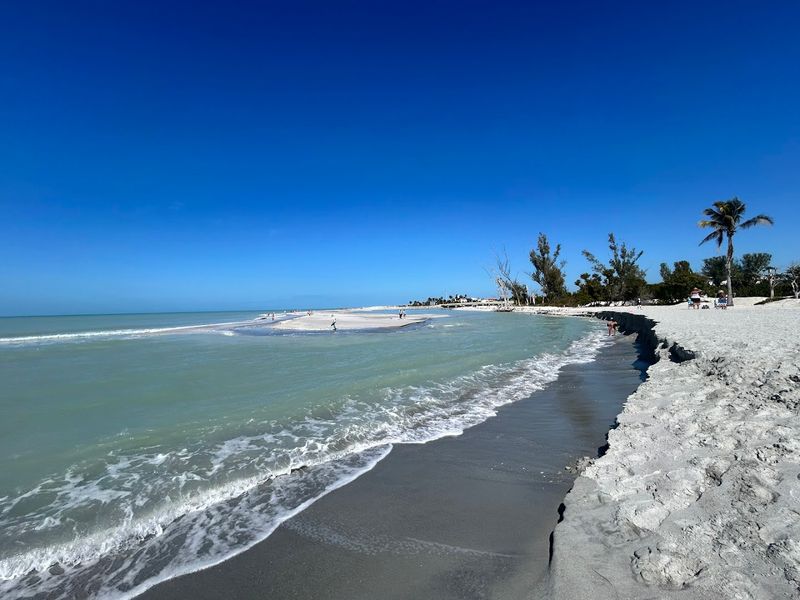
Blind Pass Beach at 6491 Sanibel Captiva Rd in Sanibel, Florida is where the current between Sanibel and Captiva Island does the hard work for you.
The tidal pass acts like a natural conveyor belt, pulling material from the Gulf floor and depositing it on the sandbars and shoreline on either side of the narrow bridge.
I have found more sea glass per square foot at Blind Pass than almost anywhere else in Florida, and the variety of colors here genuinely surprises first-time visitors.
Aqua and seafoam pieces are notably common, likely from old glass bottles that have been tumbling in this pass for decades, and the frosting on most pieces is beautifully even.
The area near the water’s edge on the Sanibel side of the pass tends to produce the best finds at outgoing tide, when the current pulls back and exposes fresh deposits.
Wear water shoes because the bottom near the pass can be uneven, and keep an eye on the current, which moves quickly when the tide turns.
7. Captiva Beach, Captiva
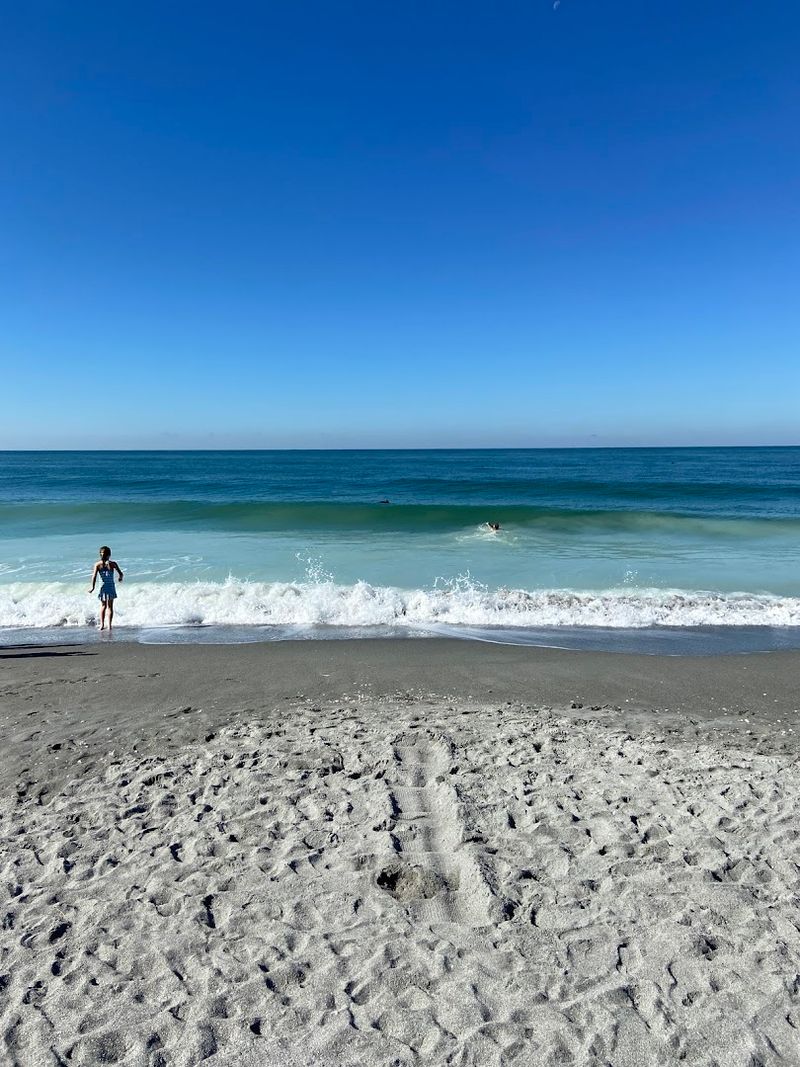
Captiva Beach at 14790 Captiva Dr in Captiva, Florida carries a relaxed, almost forgotten quality that makes the sea glass hunting feel like a personal discovery every single time.
The northern end of the island, near the Blind Pass bridge, is the sweet spot, as the literature from local collectors confirms that currents deposit frosted shards of aqua, forest green, and white in that stretch more reliably than anywhere else on the island.
Captiva sees fewer day-trippers than Sanibel because there is no public parking lot right on the beach, which keeps competition for finds refreshingly low.
The island has a history tied to early fishing communities and passing trade ships, and some of the glass washing ashore likely originated from vessels that worked these waters long before modern tourism arrived.
Morning light here is something else entirely, with the low sun turning every wet piece of glass into a tiny glowing jewel on the sand.
Combine your hunt with a slow walk through the quiet residential streets of Captiva village and you will understand why people return to this island year after year.
8. Venice Beach, Venice
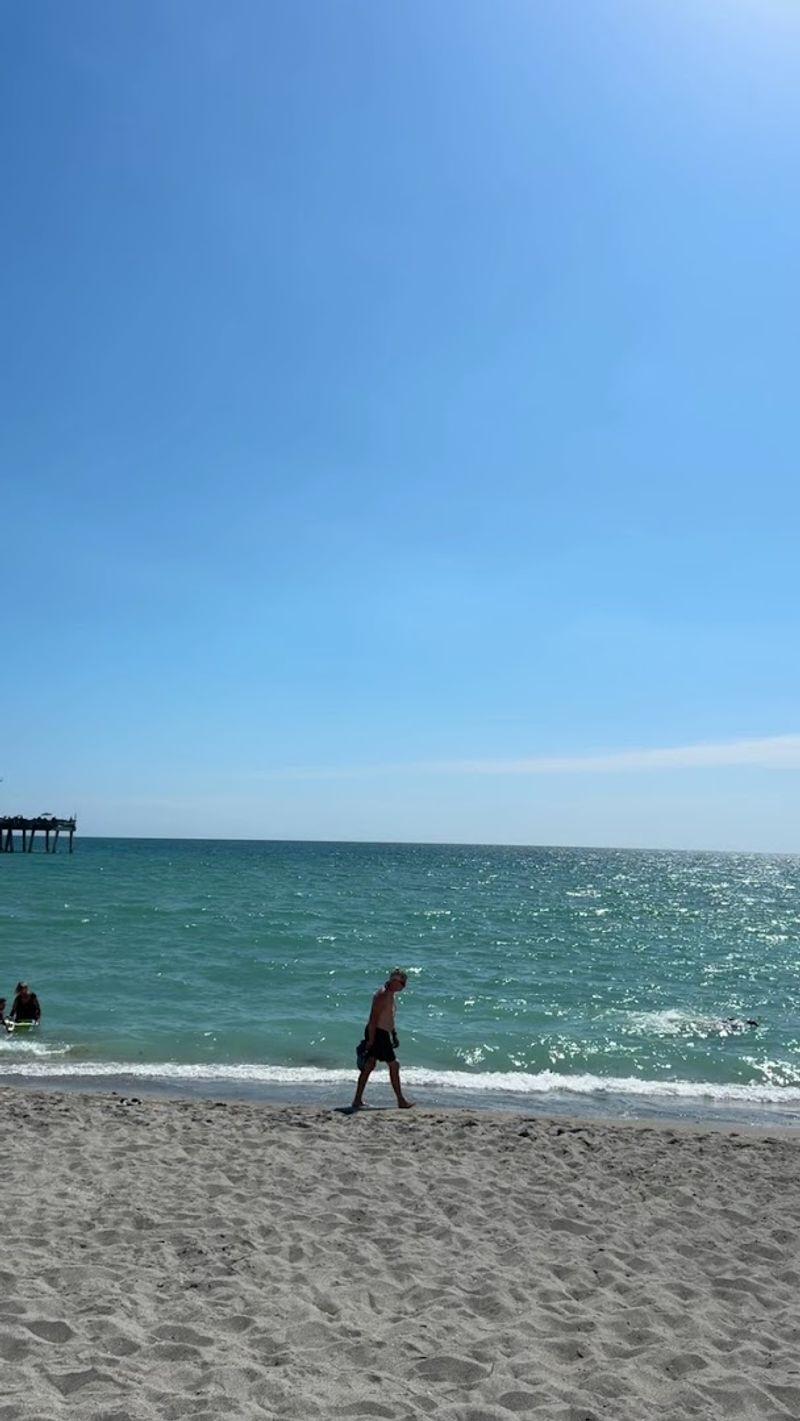
Venice Beach at 101 The Esplanade S in Venice, Florida is best known as the shark tooth capital of the world, but the same rocky, fossil-rich bottom that produces those prehistoric teeth also churns up a respectable amount of sea glass.
The coquina rock formations just offshore act as natural grinding surfaces, tumbling glass into smooth, well-frosted pieces before the waves push them onto the sand.
Brown and green pieces are the most abundant, but the rocky composition of the nearshore zone means you occasionally find thicker, older-looking glass that carries a satisfying weight in your palm.
The beach fills up fast during peak season, so arriving at dawn gives you both the best light and first access to whatever the overnight tide has deposited.
Venice is also a genuinely charming town with a walkable downtown, good coffee shops, and a laid-back vibe that makes a sea glass morning feel like the ideal start to a full day of exploring.
Bring a small sifter if you want to check the sand more thoroughly around the rock lines near the water’s edge.
9. Jupiter Beach, Jupiter
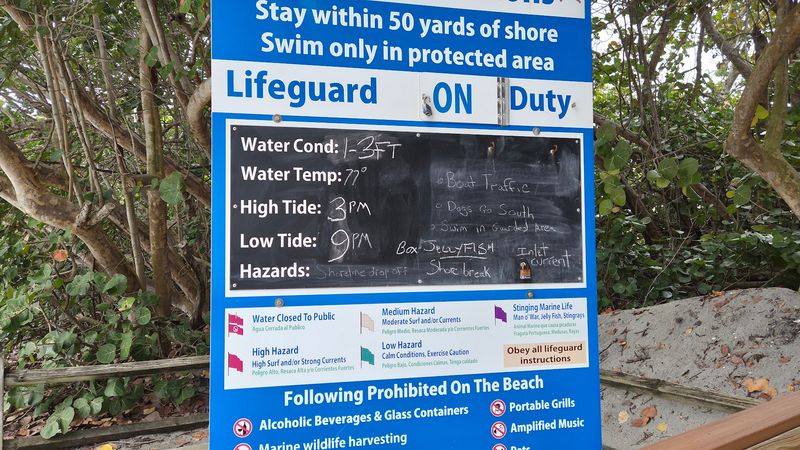
Standing at Jupiter Beach near 2188 Marcinski Rd in Jupiter, Florida with the red Jupiter Inlet Lighthouse rising above the tree line, it is easy to understand why this stretch of Atlantic coast has developed a devoted sea glass following.
The rocky shoreline north of the inlet is the key zone, where the combination of limestone outcroppings and strong Atlantic currents creates ideal conditions for glass to collect after being tumbled smooth by the waves.
Jupiter is particularly celebrated among collectors for the variety of rare colors that turn up here, with blue and red pieces reported more frequently than at many other Florida beaches.
The inlet area sees a mix of fresh water from the Loxahatchee River and salt water from the Atlantic, and that dynamic zone seems to concentrate interesting finds along the tideline in a way that pure ocean beaches do not always replicate.
Weekday mornings after a northeast wind event are the most productive conditions I have experienced at Jupiter, so watch the weather forecast and plan accordingly.
The surrounding area has good restaurants and a pleasant waterfront park that makes the whole trip worth extending past the morning hunt.
10. Navarre Beach, Navarre
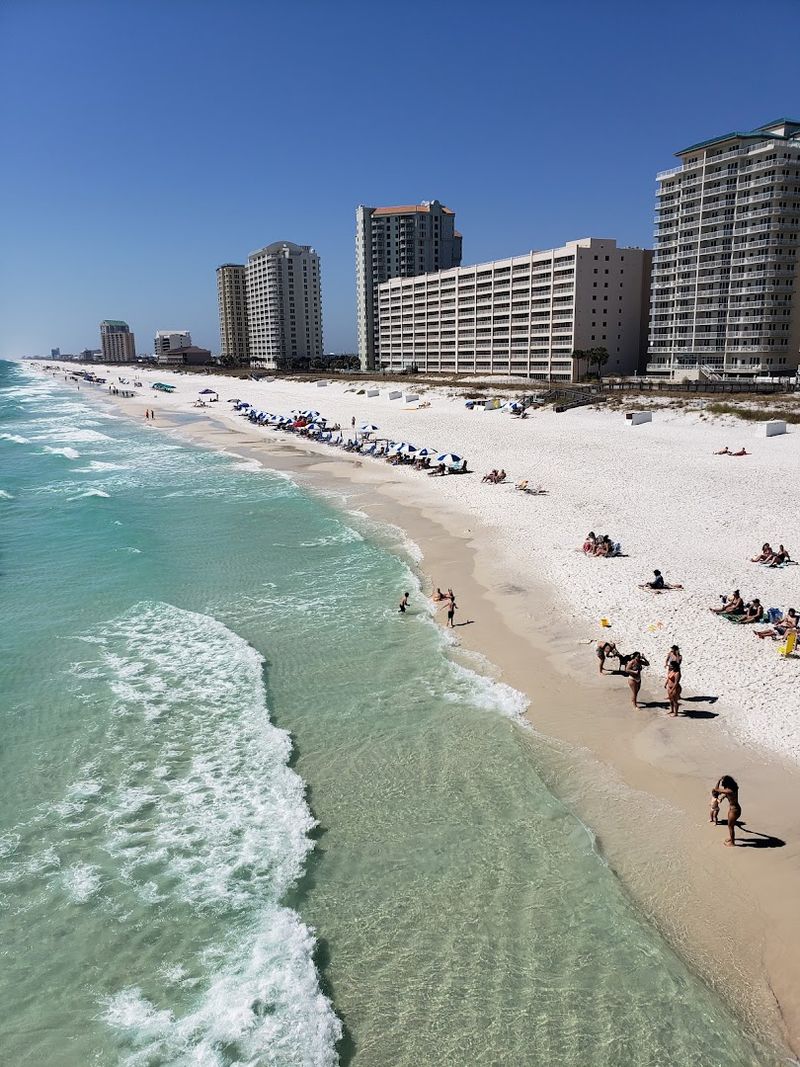
Navarre Beach at 8579 Gulf Blvd in Navarre, Florida sits quietly between the better-known Pensacola Beach and Destin, and that in-between status is honestly one of its greatest assets for sea glass hunters.
The Panhandle’s emerald green water and blindingly white quartz sand make every piece of frosted glass stand out like a beacon, which means even casual beachcombers tend to spot pieces they might miss on a darker-sand beach.
The area near the Navarre Beach Marine Park and the long fishing pier is particularly productive, as the pier’s pilings disrupt current patterns and cause glass to settle nearby rather than continuing down the coast.
Historical military activity along this stretch of the Gulf Coast means some of the glass here has a genuinely old origin, and thick, heavily frosted pieces with an almost milky appearance are not uncommon.
Navarre Beach also holds the distinction of being one of the least crowded major beaches on the Panhandle, so you get the peaceful experience of a wide-open shoreline without competing with hundreds of other visitors for finds.
Plan your visit around a minus tide and you might just walk away with the best haul of your Florida sea glass career.