
This Massive Arizona Aviation Museum Will Make You Feel Like A Pilot
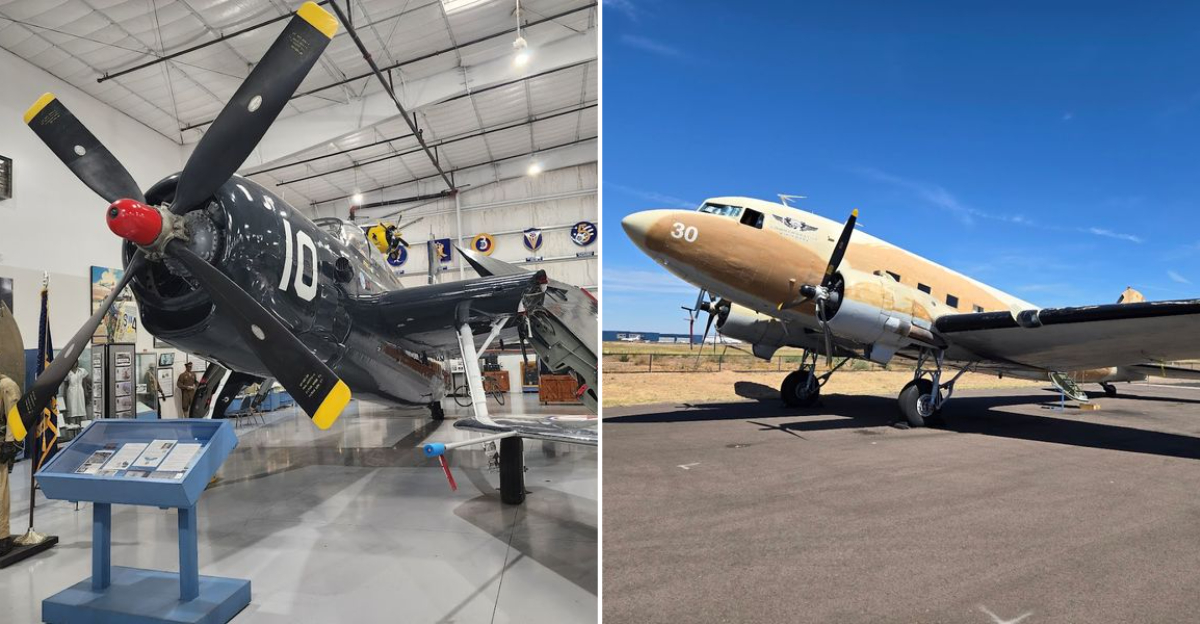
I stepped into the cavernous hangar and, for a split second, imagined myself soaring above the desert sunset. The scent of oil and polished metal mingled with the faint hum of turbine engines, instantly pulling me into a world where history and horsepower collide.
Every corner houses an aircraft that has written its own chapter in the story of flight-warbirds, classic pistons, and sleek jets that look as if they were plucked straight from a pilot’s daydream.
As I wandered among the towering wings, I could almost hear the crackle of propellers and the rush of wind through a cockpit. If you’ve ever wanted to trade the ground for the clouds, this massive Arizona aviation treasure is the perfect launch pad for that fantasy.
Real pilots, real history, and real aircraft that you can actually touch and sometimes even fly in make this place something truly special.
The Story Behind Airbase Arizona
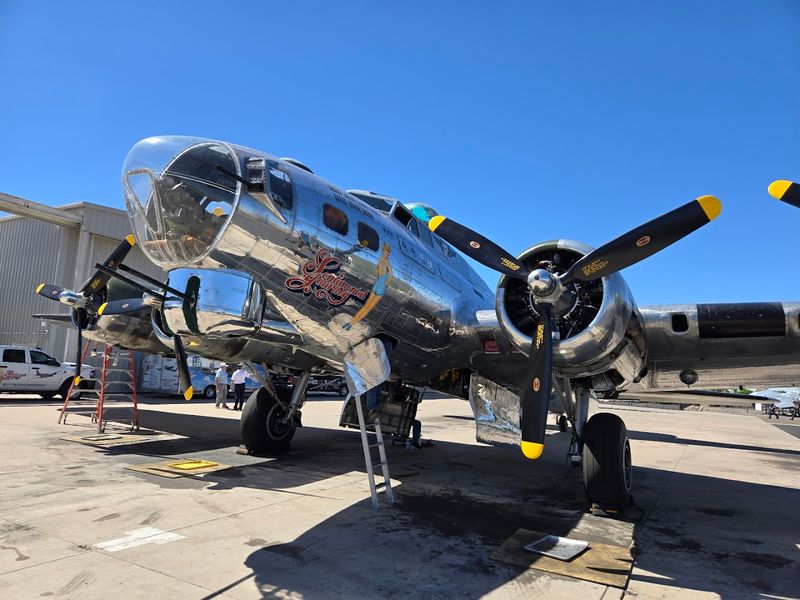
Back in 1978, a small group of aviation enthusiasts made a big decision: they would preserve the warbirds of World War II before those iconic machines disappeared forever.
That founding mission gave birth to the Arizona Commemorative Air Force Museum, the 10th unit of the Commemorative Air Force, a national non-profit organization dedicated to keeping military aviation history alive and airworthy.
Located at Falcon Field in Mesa, Arizona, the museum chose its home wisely. Falcon Field itself has deep historical roots, having served as a British Royal Air Force training base during World War II, which means the ground you walk on has its own story to tell.
Today the museum stands as a living tribute to the pilots, mechanics, and ground crews who shaped aviation history. Every restored aircraft, every artifact on display, and every volunteer who greets you at the door carries that original founding spirit forward with genuine pride and purpose.
The B-17G Flying Fortress Sentimental Journey
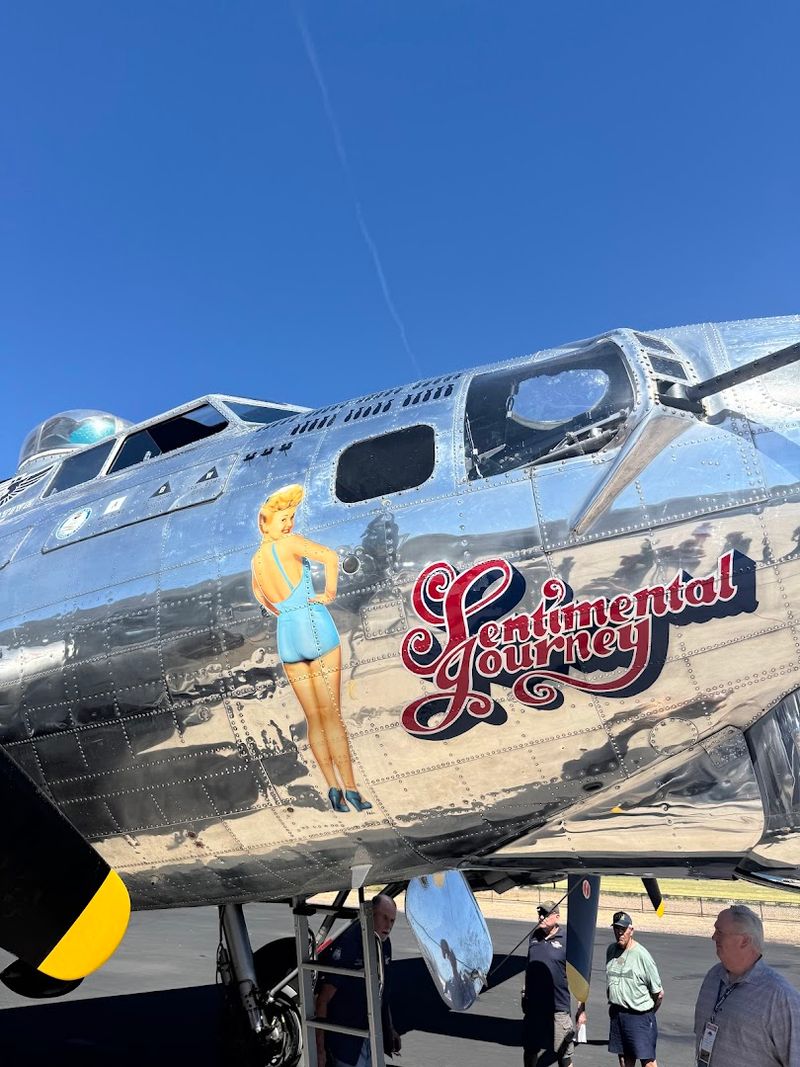
Few aircraft in history carry as much weight, literally and symbolically, as the B-17G Flying Fortress. The museum’s own example, named Sentimental Journey, is one of the most beautifully restored heavy bombers you will ever see up close, and standing beneath its massive wingspan is a genuinely humbling experience.
During World War II, B-17s flew thousands of missions over Europe, and crews of ten men depended on every rivet and engine to bring them home. Sentimental Journey honors that legacy through painstaking restoration work carried out by dedicated CAF volunteers who treat each detail as a matter of historical respect.
Visitors can walk through the aircraft during scheduled tours, squeezing through the narrow fuselage and peering through the plexiglass nose where bombardiers once sat above enemy territory. Cockpit tours are available for an additional fee of twelve dollars, giving you a chance to sit where history was made and feel the scale of this legendary machine firsthand.
The B-25J Mitchell Maid In The Shade
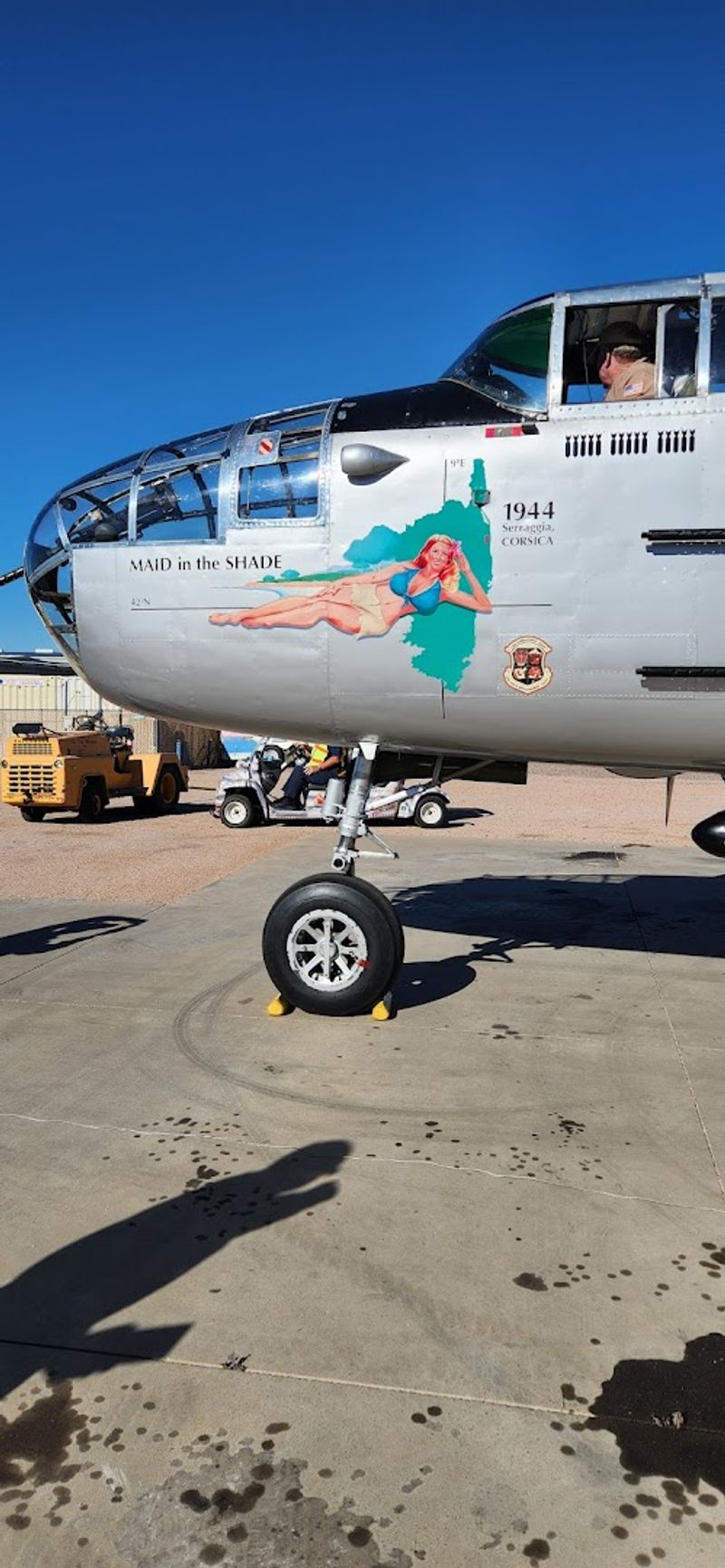
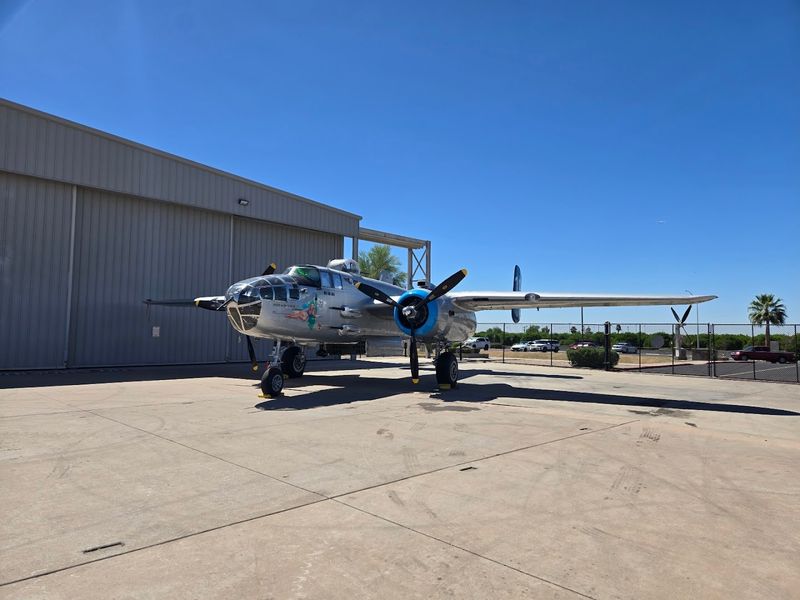
Nose art was the original form of personal expression in military aviation, and the B-25J Mitchell known as Maid in the Shade wears its colorful artwork with unmistakable attitude.
This twin-engine medium bomber became famous partly because of the Doolittle Raid in 1942, when sixteen B-25s launched from an aircraft carrier to strike Japan in one of the boldest operations of the entire war.
The museum’s restored example gives visitors a close-up look at the aircraft’s compact but powerful design. Unlike the massive B-17, the B-25 feels almost nimble, with a lower cockpit and a more aggressive silhouette that tells you it was built for speed and surprise rather than high-altitude precision bombing.
Spending time around this aircraft is a great way to understand how different aircraft types served different strategic purposes during the war. The Maid in the Shade is a crowd favorite, and it is easy to see why once you spot that iconic nose art and feel the history radiating off every panel.
Warbird Flight Experience Rides
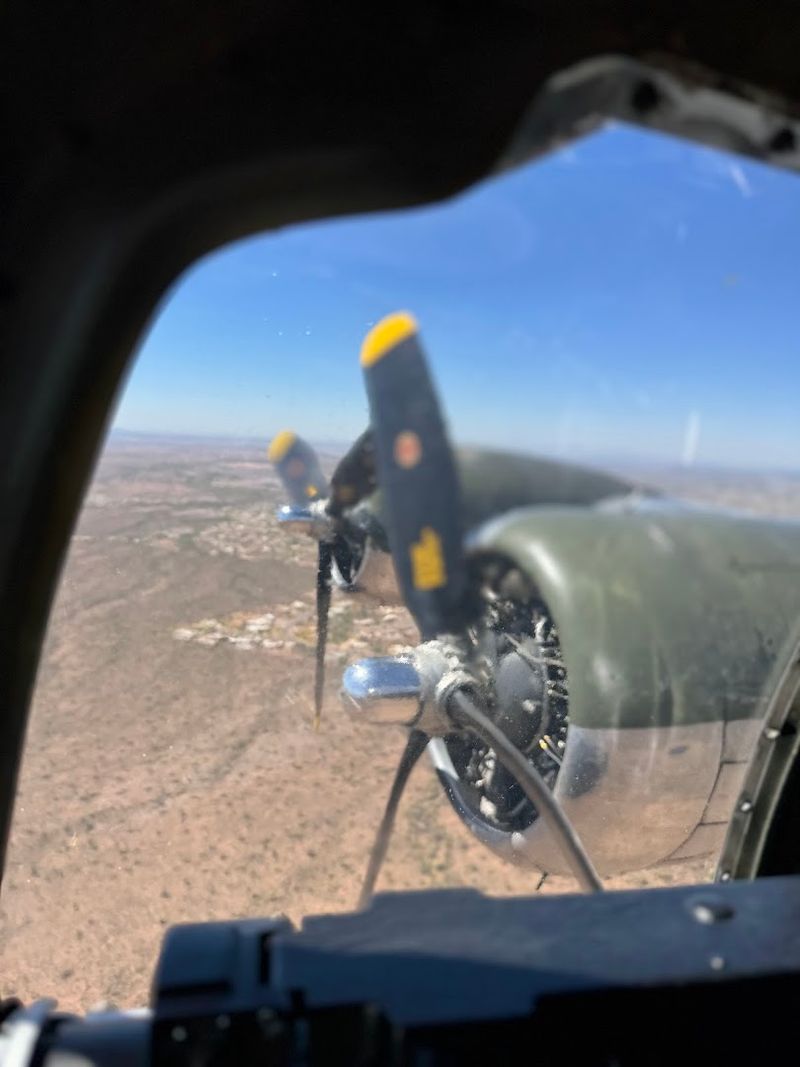
Most museums ask you to look but not touch. Airbase Arizona does something far more generous: it lets you fly. The museum offers warbird flight experiences aboard several of its historic aircraft, giving passengers the rare chance to feel what it was actually like to ride in a World War II-era plane with the wind, the noise, and the raw mechanical energy all around you.
These rides are not simulations. You board a real, airworthy aircraft flown by a qualified pilot, and you lift off from the same Falcon Field runway that British RAF trainees used decades ago.
The combination of setting and sensation creates a moment that is genuinely hard to describe until you have experienced it personally.
Pricing and availability vary by aircraft and season, so checking the museum’s official website at azcaf.org before your visit is a smart move. Spots tend to fill up quickly, especially on weekends and during special event weekends, so early booking is strongly recommended for anyone serious about taking to the skies.
The Sacred Steel Exhibit
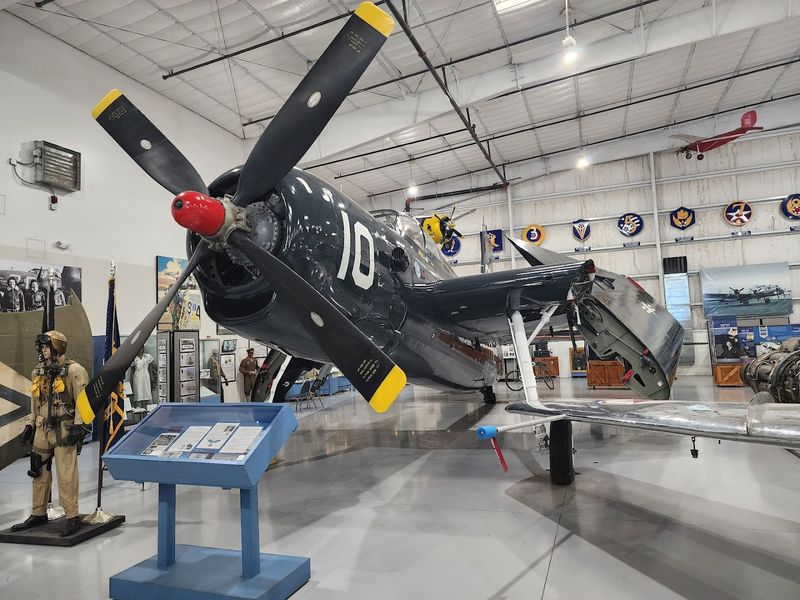
Not everything at Airbase Arizona is about aircraft. One of the most emotionally powerful exhibits in the entire museum is the Sacred Steel display, which features a recovered bulkhead section from the USS Arizona, the battleship that sank during the attack on Pearl Harbor on December 7, 1941.
The steel itself carries enormous symbolic weight. Pulled from the harbor where the ship still rests as an official memorial, this piece of the USS Arizona serves as a physical reminder of the human cost of World War II and the events that brought the United States into the conflict.
Standing in front of it, you feel the quiet gravity of the moment in a way that no photograph or textbook can fully replicate.
The exhibit is thoughtfully presented with historical context, photographs, and personal accounts that help visitors of all ages understand the significance of what they are seeing. It is one of those museum moments that stays with you long after you have driven home from Mesa.
World War II Exhibits And Artifacts
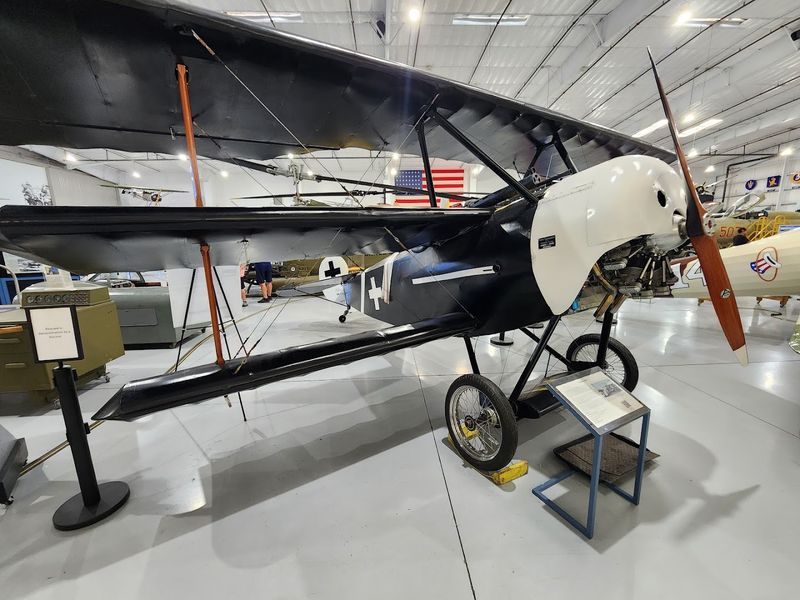
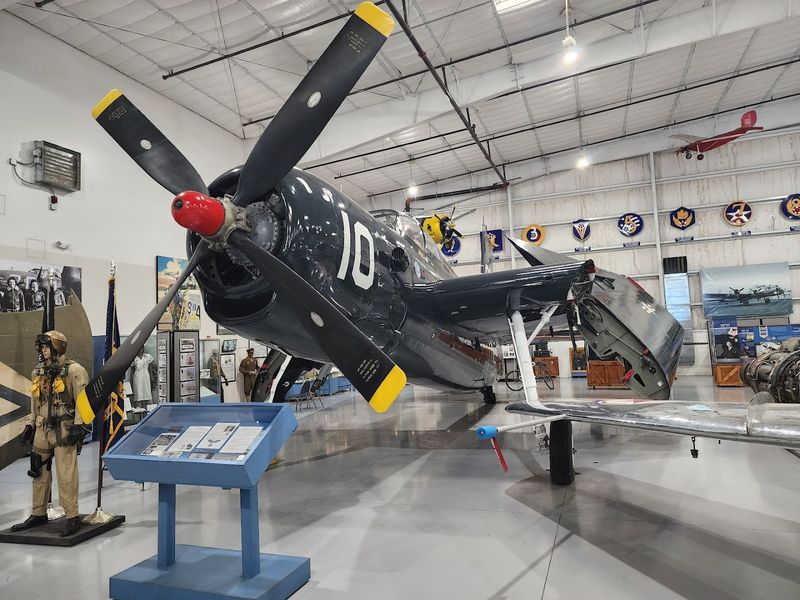
Walking through the indoor exhibit halls at Airbase Arizona feels a bit like flipping through a very well-organized time capsule.
The museum’s collection of World War II artifacts includes military uniforms, personal letters, photographs, navigation tools, and memorabilia that paint a vivid picture of what daily life looked like for the men and women who served during that era.
What makes these displays particularly effective is the personal scale of the storytelling. Rather than presenting war as an abstract series of battles and dates, the exhibits focus on individual people, their choices, their fears, and their contributions.
That human element makes the history feel immediate and real rather than distant and textbook-dry.
Arizona’s own contributions to the war effort receive dedicated attention, highlighting the state’s role as a major training ground for pilots from the United States and Allied nations. For anyone who wants to understand how the American Southwest shaped the outcome of the war, these exhibits offer a genuinely eye-opening perspective worth taking your time to explore.
The C-47 Skytrain Old Number 30
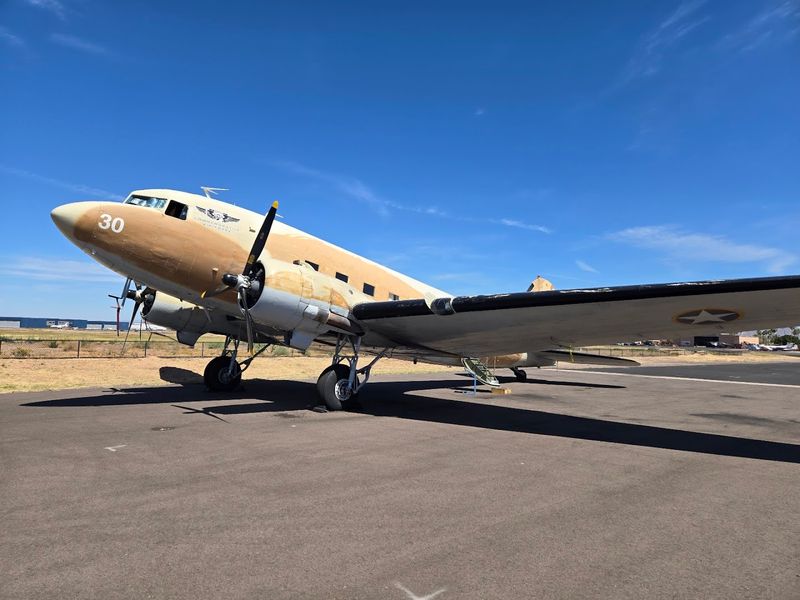
The C-47 Skytrain may not have the dramatic firepower of a bomber or the sleek menace of a fighter, but few aircraft played a more critical role in winning World War II. Used for troop transport, cargo delivery, and parachute drops, the C-47 was the reliable workhorse that kept Allied operations running across every theater of the war.
The museum’s example, known affectionately as Old Number 30, is a beautifully preserved reminder of just how versatile this aircraft was.
Standing beside it, you get a clear sense of the engineering pragmatism that defined American wartime manufacturing: functional, sturdy, and built to keep flying no matter what conditions it faced.
Visitors who take time to learn about the C-47 often leave with a new appreciation for the unsung heroes of military aviation, the transport crews and mechanics whose names rarely appeared in headlines but whose work was absolutely essential.
Old Number 30 tells that quieter but equally important side of aviation history with real dignity and care.
Cockpit Tours And Up-Close Aircraft Access
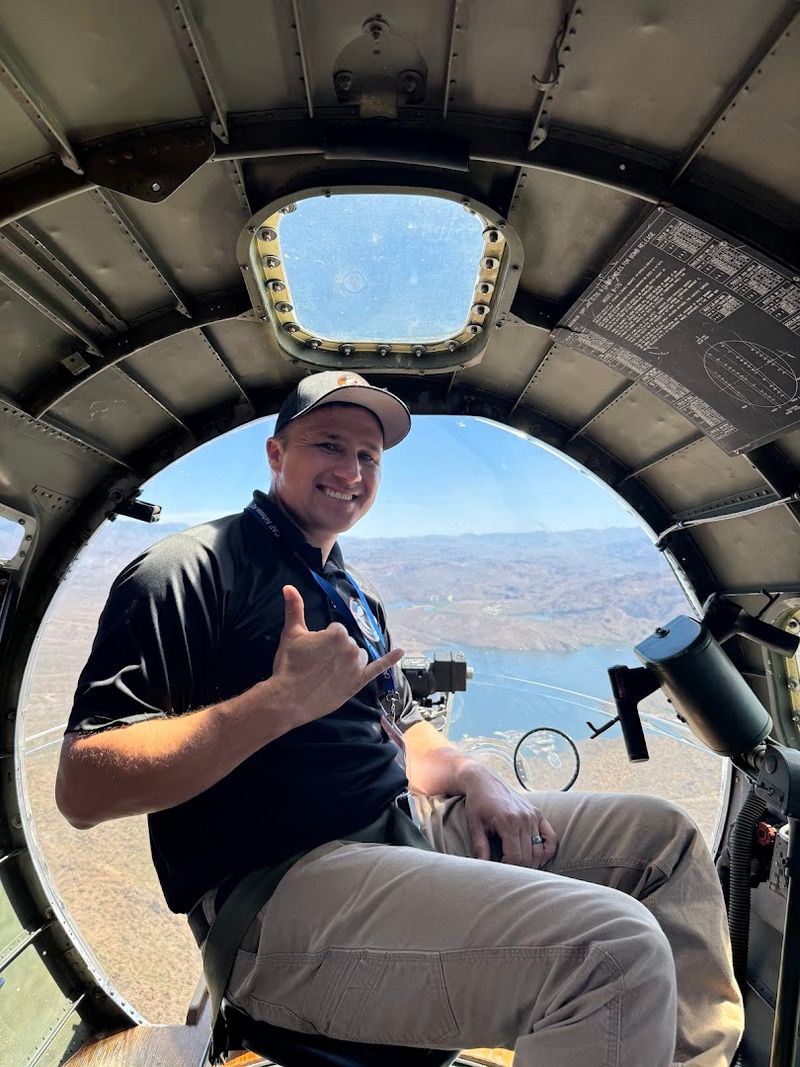
One of the things that truly sets Airbase Arizona apart from a typical aviation museum is how close it lets you get to the actual aircraft.
For twelve dollars, visitors can book a cockpit tour that puts them physically inside some of the most historically significant planes in the collection, sitting in the same seats where real wartime crews once prepared for missions.
Guides on these tours are typically CAF volunteers with deep personal knowledge of the aircraft they are showing you. They point out instrument panels, explain what each control does, and share stories that bring the cockpit environment to life in a way that a simple information placard never could.
The combination of hands-on access and knowledgeable storytelling is genuinely hard to find anywhere else.
Children especially tend to light up during cockpit tours, and it is easy to understand why. There is something about sitting in the pilot’s seat of a real historic aircraft that sparks imagination in a way that feels immediate and exciting rather than academic.
Plan ahead and reserve your spot early to avoid missing out.
Visiting Tips, Hours, And Admission
Planning a smooth visit to Airbase Arizona starts with knowing the basics. The museum is located at 2017 N. Greenfield Rd., Mesa, AZ 85215, right on the grounds of Falcon Field Airport.
It is open Wednesday through Sunday from 10 a.m. to 4 p.m. and closes on Thanksgiving, Christmas, and New Year’s Day, so checking the schedule before heading out is a smart habit.
Admission is priced accessibly: adults thirteen and older pay fifteen dollars, seniors sixty-two and older pay twelve dollars, and children between five and twelve pay five dollars.
Children under five get in free, and active military personnel, disabled veterans, and Gold Star Families are also admitted at no charge, a thoughtful policy that reflects the museum’s deep respect for service.
Arriving early in the day gives you the most time with the aircraft before the afternoon Arizona heat picks up. Comfortable walking shoes are a must since much of the collection is displayed outdoors on the tarmac.
You can reach the museum by phone or visit azcaf.org for current event schedules and booking information.
Special Events And Airshows At Falcon Field
Throughout the year, Airbase Arizona transforms from a remarkable museum into a full-scale living history event. The museum hosts a variety of special events including airshows, fly-ins, and commemorative ceremonies that draw aviation enthusiasts from across the country and give the entire experience an extra layer of energy and excitement.
The annual Airsho, typically held in the fall, is the flagship event and one of the largest warbird airshows in the southwestern United States. Watching a B-17, a B-25, and a C-47 take to the skies in formation above the Arizona desert is a genuinely spectacular sight that photographs simply cannot do justice.
The sound alone, that deep, thundering rumble of multiple radial engines, is something you feel in your chest as much as you hear it.
Smaller events throughout the year focus on specific themes such as Pearl Harbor remembrance or Victory in Europe Day, offering deeper historical programming alongside the aircraft displays.
Checking the museum’s event calendar well in advance is the best way to time your visit around one of these special occasions and get the most out of your trip.