
Discover More Than 150 Vintage Vehicles At This Missouri Car Museum
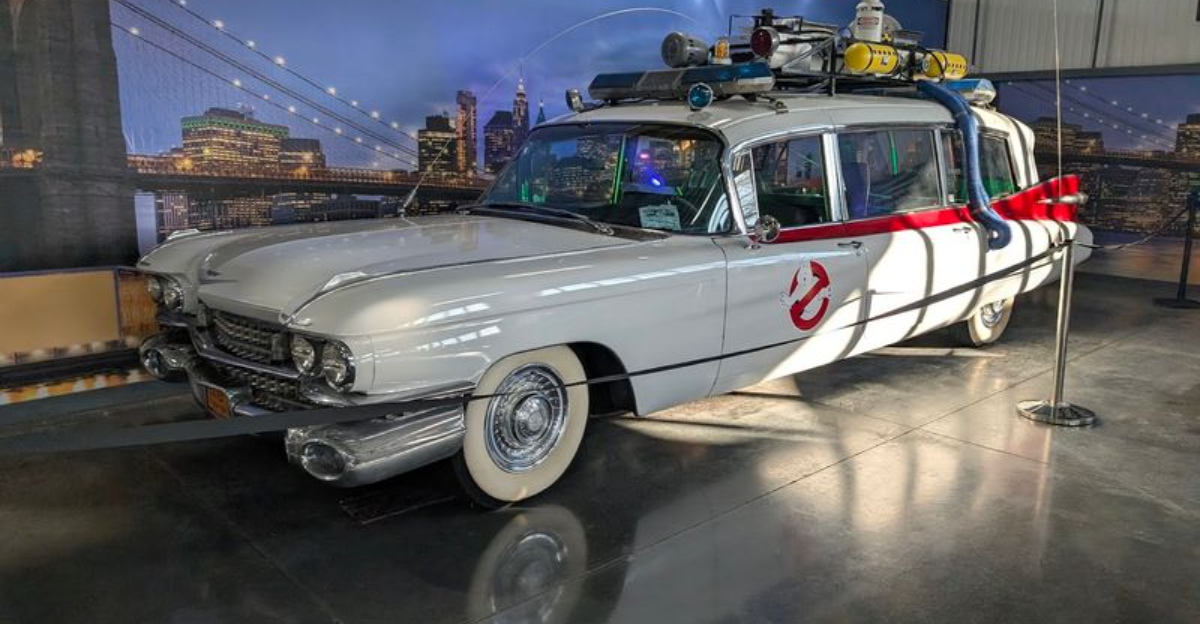
You know that scene in Back to the Future where Marty McFly locks eyes with the DeLorean like it’s about to spill the secrets of the universe? Yeah… that was me, except I was standing somewhere in Missouri, completely unprepared and already obsessed.
I walked in expecting “a few old cars.” What I got instead? A full-blown time warp on wheels.
Over 150 vintage vehicles, each louder, shinier, or weirder than the last, casually lined up like it was no big deal.
One minute I was side-eyeing a dusty relic from the early 1900s, the next I was mentally starring in my own retro road movie. It hit fast: this wasn’t just a collection.
It was a storybook with engines. And I was all in.
A Collection That Actually Blew My Mind
Walking through the front entrance, I genuinely stopped and just stared. More than 150 vehicles filled the space, and the sheer scale of it all made my jaw drop immediately.
I had visited car shows before, but nothing prepared me for this level of variety packed under one roof.
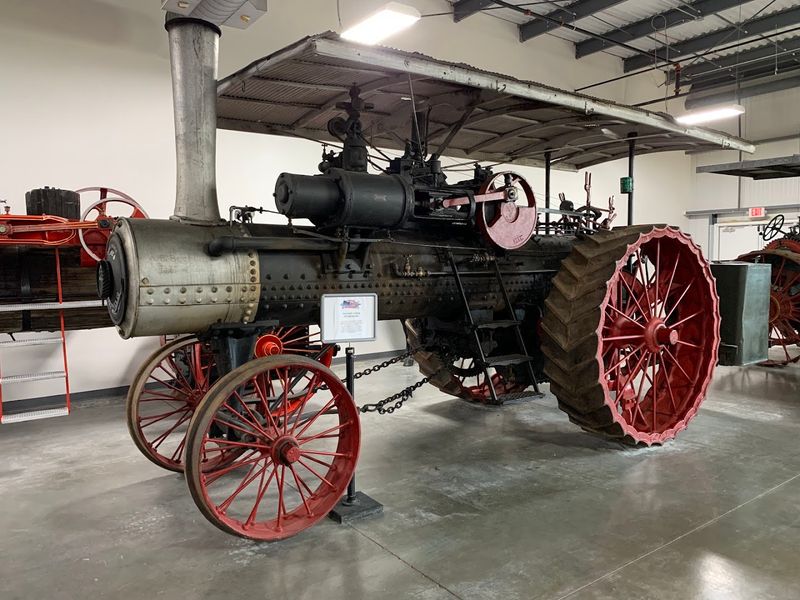
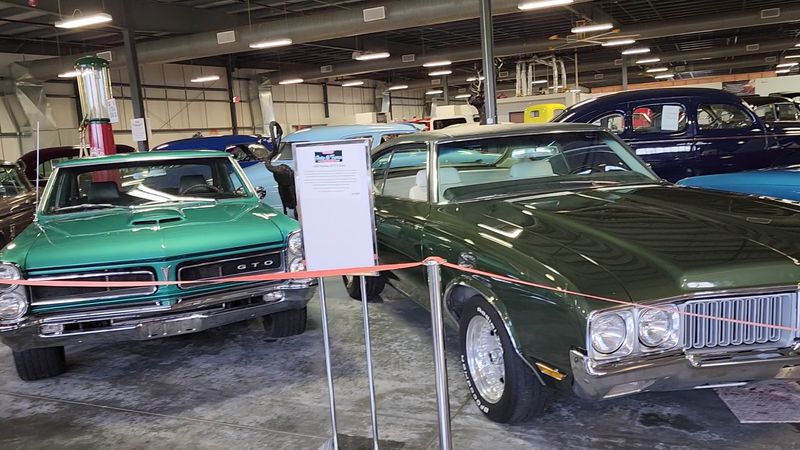
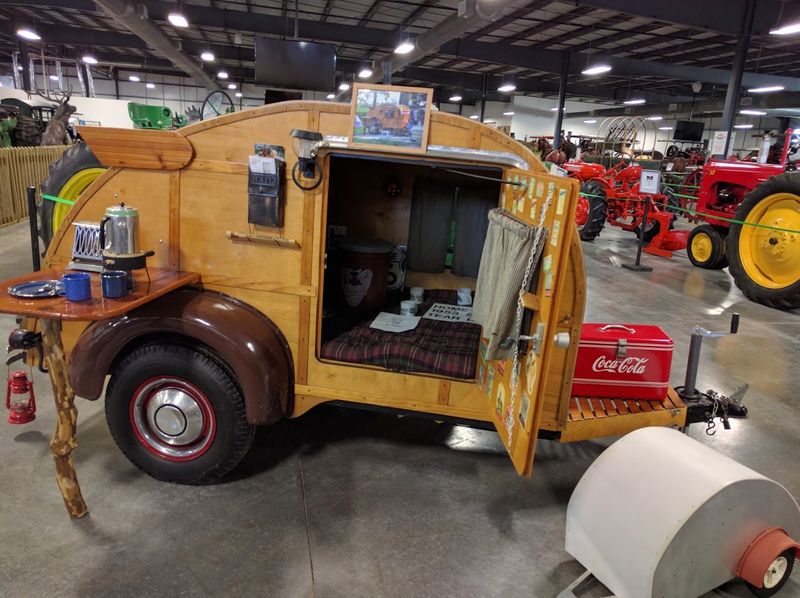
Classic cars, muscle cars, farm tractors, and collectible vehicles from across several decades lined the floor in organized rows.
Each one looked carefully preserved, almost like time had politely agreed to stand still. The collection spans from the early 1900s all the way into the 2000s, which means you are literally walking through an entire century of American transportation history.
What really surprised me was how cohesive everything felt despite the enormous range. You would think mixing a 1910s tractor with a 1970s muscle car might feel chaotic.
Instead, the layout created a natural timeline that pulled you forward, vehicle by vehicle, decade by decade. I kept thinking I was almost done, then turning a corner and finding an entirely new section waiting for me.
The collection has a way of rewarding your curiosity at every single turn.
Every vehicle felt intentional, placed there to tell a specific part of the story. Honestly, this was not just a museum visit.
It was a full-on time machine experience, and I mean that in the most enthusiastic way possible.
Right On The Strip In Branson
Location matters more than people admit, and this museum absolutely nailed it. Sitting at 1335 W 76 Country Blvd, Branson, MO 65616, the museum is planted right in the middle of all the action on the famous 76 strip.
You are never far from food, entertainment, or other Branson attractions, which made the whole trip feel wonderfully convenient.
I had already spent the morning wandering the strip when I spotted the museum and decided to pop in on a whim.
That spontaneous decision turned into a two-hour adventure I did not see coming. The building itself is large and hard to miss, which is exactly the kind of landmark energy a place like this deserves.
Being on the main boulevard also means parking is relatively straightforward, which anyone who has hunted for a spot in a busy tourist town knows is basically a small miracle.
I pulled in, found a spot quickly, and was inside within minutes. The central location makes it an easy addition to any Branson itinerary without requiring a detour or complicated directions.
Whether you are already cruising the strip or planning a dedicated visit, the address puts you right where the fun is. Branson has a reputation for packing a lot of entertainment into a small stretch of road, and this museum fits that tradition perfectly.
It belongs on the strip the same way a great song belongs on a road trip playlist.
Classic Cars From The Golden Era
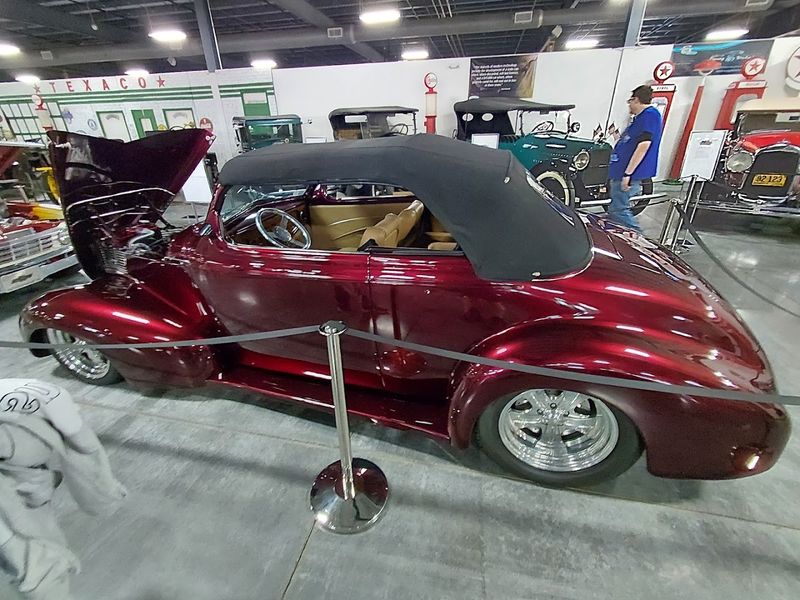
The 1940s and 1950s produced some of the most beautiful car designs in automotive history, and the Branson Auto and Farm Museum has an impressive selection from that golden era.
Sweeping curves, two-tone paint jobs, and chrome accents that could blind you on a sunny day. These vehicles looked like they were designed by people who genuinely believed cars should be beautiful objects.
I grew up watching old movies where characters drove these kinds of cars, and seeing them in person was a genuinely surreal experience.
They look bigger in real life than on screen, which somehow makes them even more impressive. The proportions feel almost theatrical, like these cars were designed to be seen and appreciated.
The restoration quality on many of the vehicles was remarkable. Paint finishes that looked showroom fresh, interiors that appeared untouched by decades of use.
Whoever maintained these cars clearly approached the work with serious dedication and respect for the originals. One particular two-tone model caught my eye and held it for a long time.
The design was so confident and deliberate that it felt less like transportation and more like a rolling sculpture. Post-war America channeled a lot of optimism and ambition into car design, and these vehicles carry that energy visibly.
Every curve and chrome detail tells you something about the era that produced it. Seeing so many gathered together created a visual conversation between decades that felt genuinely moving.
The Collectible Cars You Never Expected To See
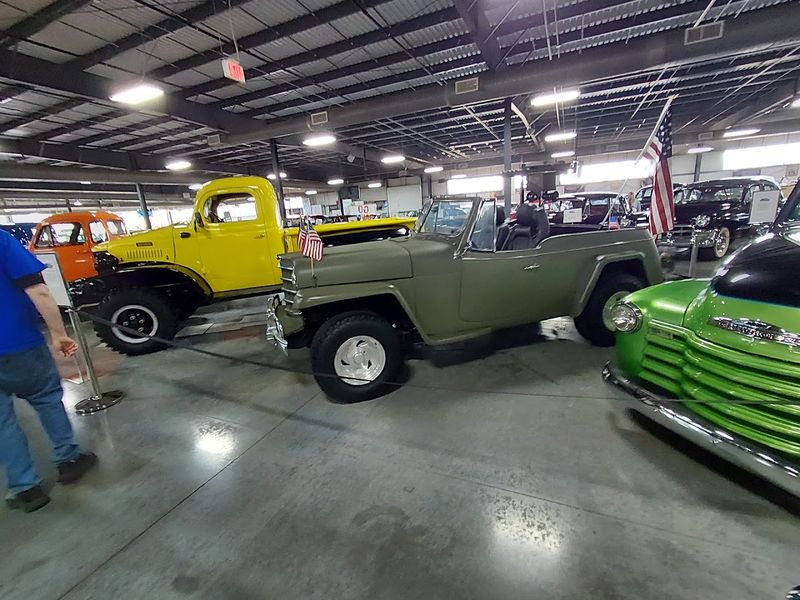
Every great collection has its surprises, and the Branson Auto and Farm Museum delivers them in the best possible way. Tucked between the more familiar models were vehicles I had never seen in person and honestly never expected to encounter outside of a magazine page.
Collectible cars that represent limited production runs, unusual design choices, or specific historical moments filled corners of the museum with quiet but powerful significance.
Finding one of these unexpected gems mid-walk felt like discovering a hidden track on a favorite album. You were not looking for it, but once you found it, you could not imagine the experience without it.
Some of these vehicles were produced in such small numbers that seeing one feels genuinely rare, a reminder that automotive history contains far more variety than the mainstream narrative suggests.
The context provided around each collectible helped me understand why these particular vehicles mattered.
Production numbers, historical context, and design notes turned what could have been a simple display into an actual educational experience. I came in knowing a reasonable amount about classic cars and left knowing considerably more.
That is the mark of a well-curated collection. The collectibles section rewarded the kind of slow, attentive walking that museums deserve but rarely get from rushed visitors.
Taking your time here means noticing things that a quick walkthrough would completely miss. Slow down, read the details, and let the stories of these rare machines actually land.
The Photography Opportunities Were Unreal
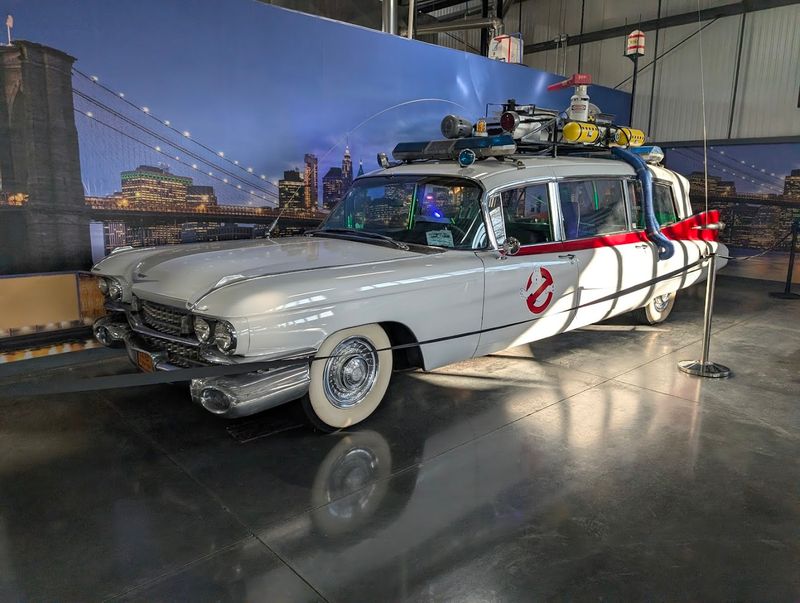
I take a lot of photos when I travel, probably more than is strictly necessary, but the Branson Auto and Farm Museum genuinely pushed me to new heights of enthusiastic documentation. Every single vehicle was a potential cover shot.
The lighting inside the museum was warm and flattering, which meant even my phone camera was producing results I was genuinely proud of.
The spacing between vehicles gave enough room to get interesting angles without bumping into anything or feeling cramped.
Wide shots captured the impressive scale of the collection, while close-ups revealed details like hood ornaments, dashboard gauges, and upholstery patterns that told their own stories.
I found myself lying on the floor at one point to get a low-angle shot of a particularly beautiful muscle car. Zero regrets.
The combination of chrome, color, and careful lighting created natural drama in every frame. Cars from this era were designed to command attention, and the museum setting amplified that quality beautifully.
Even people who are not particularly into cars will find themselves reaching for their cameras repeatedly throughout the visit.
There is something universally appealing about a beautifully preserved machine surrounded by context that makes it meaningful.
My camera roll after this visit looked like a professional automotive shoot, which is a sentence I never expected to write about a spontaneous afternoon stop in Branson. The museum is genuinely photogenic in a way that feels effortless and organic rather than staged.
The Evolution Of American Transportation On Display
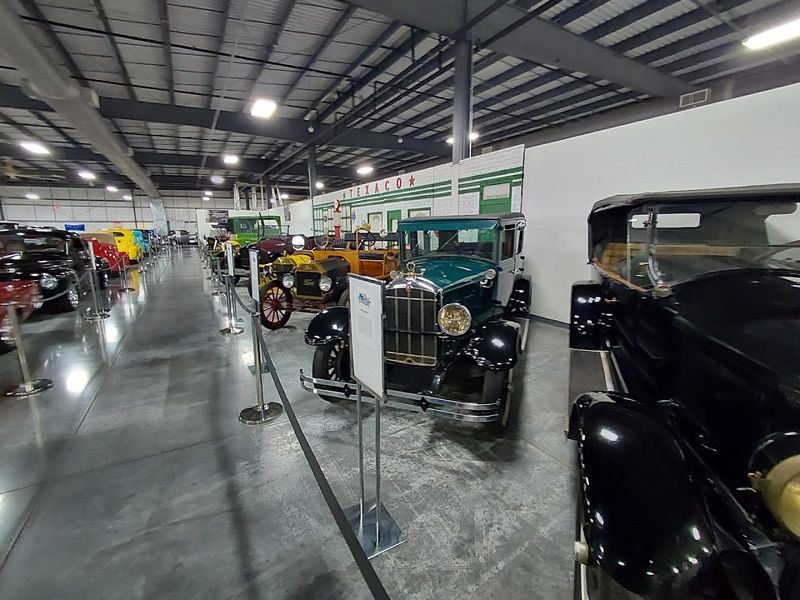
Seeing more than a century of vehicles in one space creates an effect that history books simply cannot replicate. Walking from the early 1900s section toward the more modern collectibles felt like watching American ingenuity evolve in real time.
Each decade brought new priorities, new aesthetics, and new engineering solutions to the challenge of moving people from one place to another.
The early vehicles looked almost impossibly fragile compared to the muscle cars just a few rows away. Thin tires, high seating positions, and basic mechanical systems gave way to lower profiles, wider stances, and increasingly complex powertrains.
Following that progression physically, moving your own body through the decades, creates a kind of understanding that reading about it never quite achieves.
By the time I reached the later decades of the collection, I felt like I had genuinely traveled through time. The contrast between a 1912 vehicle and a 1990s collectible is staggering when you see them in the same building.
The museum arrangement made that contrast feel intentional and educational rather than random. American transportation history is really American cultural history.
The cars we built and drove reflect our values, our economy, and our dreams at any given moment.
This museum captures that truth more effectively than most exhibits I have visited. It makes you think about cars not just as machines but as mirrors of the society that created them.
The Nostalgia Factor Is Completely Off The Charts
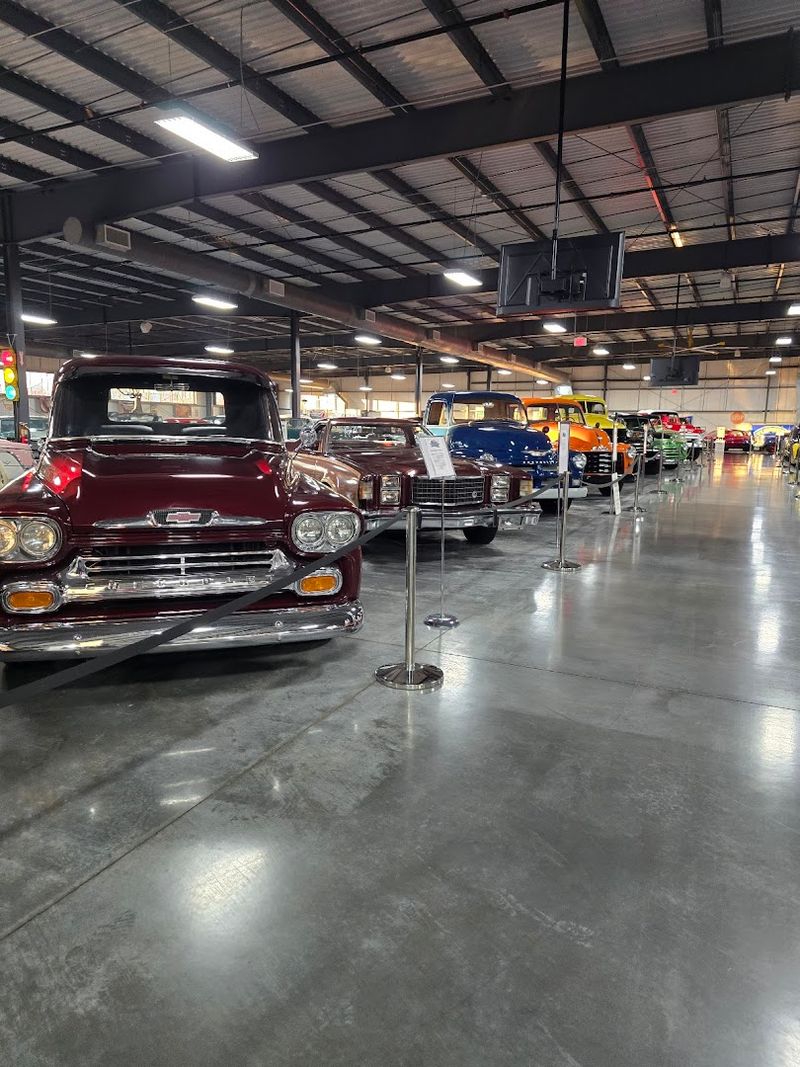
Nostalgia is a powerful thing, and this museum uses it masterfully without ever feeling manipulative or cheesy about it.
The vehicles on display are not just old objects. They are emotional triggers for anyone who grew up around cars, road trips, or stories passed down from older generations.
Walking through the collection, I kept catching myself in unexpected moments of genuine feeling.
A particular shade of turquoise on a 1957 model stopped me completely. My grandfather talked about cars in that color with a fondness that I never fully understood until that moment.
Seeing it in person, understanding the scale and the shine and the confidence of the design, suddenly made his enthusiasm make perfect sense. That is the kind of experience this museum delivers without even trying.
Even for visitors with no personal automotive history, the collection taps into a broader cultural nostalgia for an era of American design and manufacturing that feels both distant and strangely familiar.
These cars appear in old movies, vintage advertisements, and countless cultural touchstones that shaped American visual identity. Encountering them in person creates a connection to that shared cultural memory that feels surprisingly intimate.
The nostalgia here is not manufactured or performed. It rises naturally from the vehicles themselves, from their beauty, their age, and the stories they carry silently in every curve and chrome detail.
That authenticity is what makes this place genuinely special.
Why This Museum Deserves Way More Attention
Hidden gems are called hidden gems for a reason, and the Branson Auto and Farm Museum absolutely qualifies. For a collection of this size and quality, the museum feels genuinely underappreciated in the broader conversation about Missouri attractions.
More than 150 vehicles covering over a century of American transportation and agricultural history is not a minor offering. That is a serious collection deserving serious recognition.
The combination of automobiles and farm equipment under one roof creates a uniquely complete picture of American mechanical history that you simply cannot find at most specialized museums. Cars tell one part of the story.
Tractors and farm machinery tell another. Together, they paint a portrait of a nation that built, farmed, and drove its way into the modern era with remarkable energy and creativity.
Every visit I have taken to a museum like this has reinforced my belief that the best travel experiences are not always the loudest or most heavily marketed ones.
Sometimes the most rewarding stops are the ones you almost skipped, the ones that surprise you with depth and authenticity you were not expecting. The Branson Auto and Farm Museum is exactly that kind of place.
It asks for your time and attention and returns both investments with interest.
If you find yourself on the 76 strip and you have even a passing interest in history, cars, or simply cool things, walking through those doors is one of the best decisions you will make all trip.