
The Gorgeous Rose Garden In Arizona That So Many People Don’t Know About
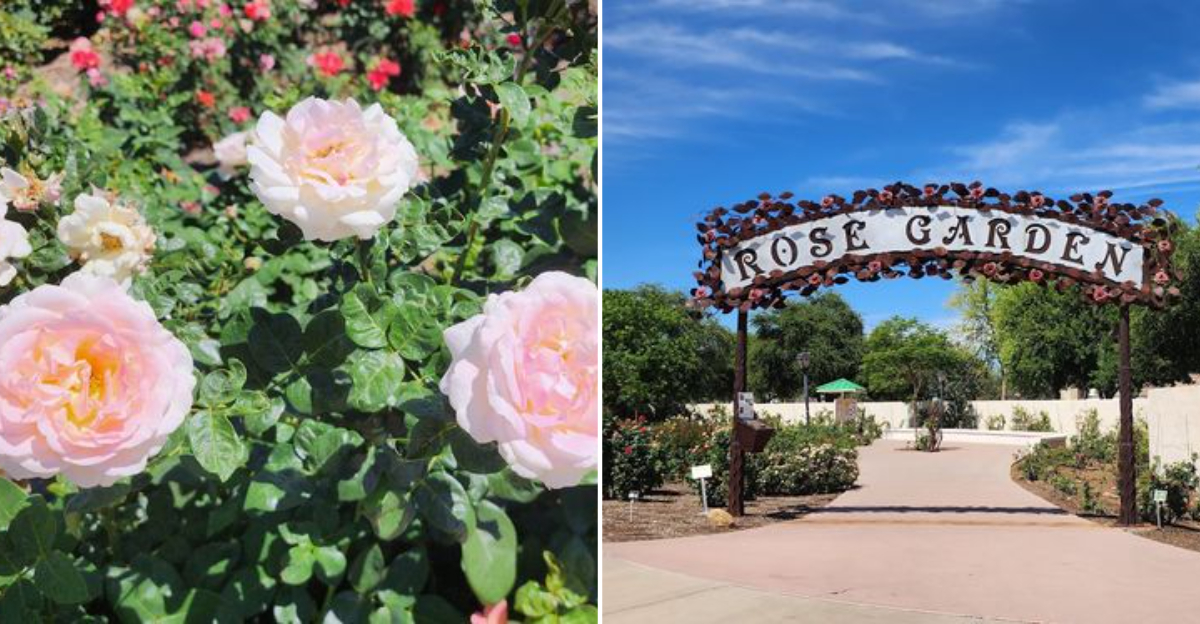
I stepped out of my car, bracing for that classic Arizona furnace blast, but instead, I was hit by something totally unexpected. It wasn’t the smell of sun-scorched asphalt; it was a wave of heady, sweet perfume that felt like a physical embrace.
I felt like Alice stumbling into Wonderland, only the White Rabbit had traded his pocket watch for a sun hat.
Everywhere I looked, thousands of velvety petals in colors I didn’t even know existed were shivering in the warm breeze. How is this place even real? It felt like I’d discovered a billionaire’s private estate, yet the gates were wide open.
I stood there, heart racing, wondering how such a massive, blooming masterpiece remains our state’s best-kept secret. Best of all, admission is completely free, making it an accessible retreat for anyone seeking beauty, tranquility, or a perfect backdrop for photos.
A Living Canvas Of Thousands
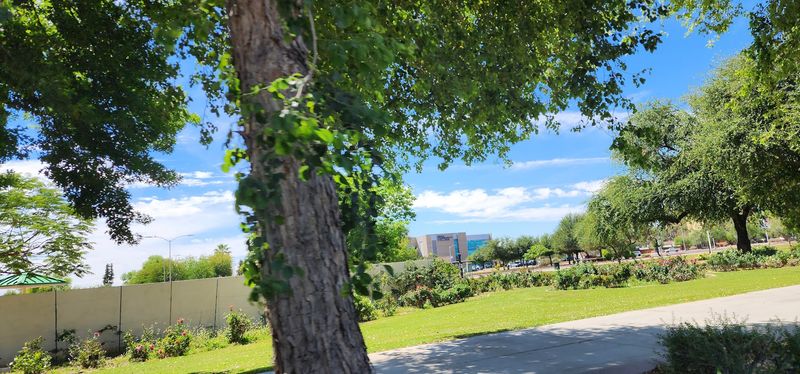
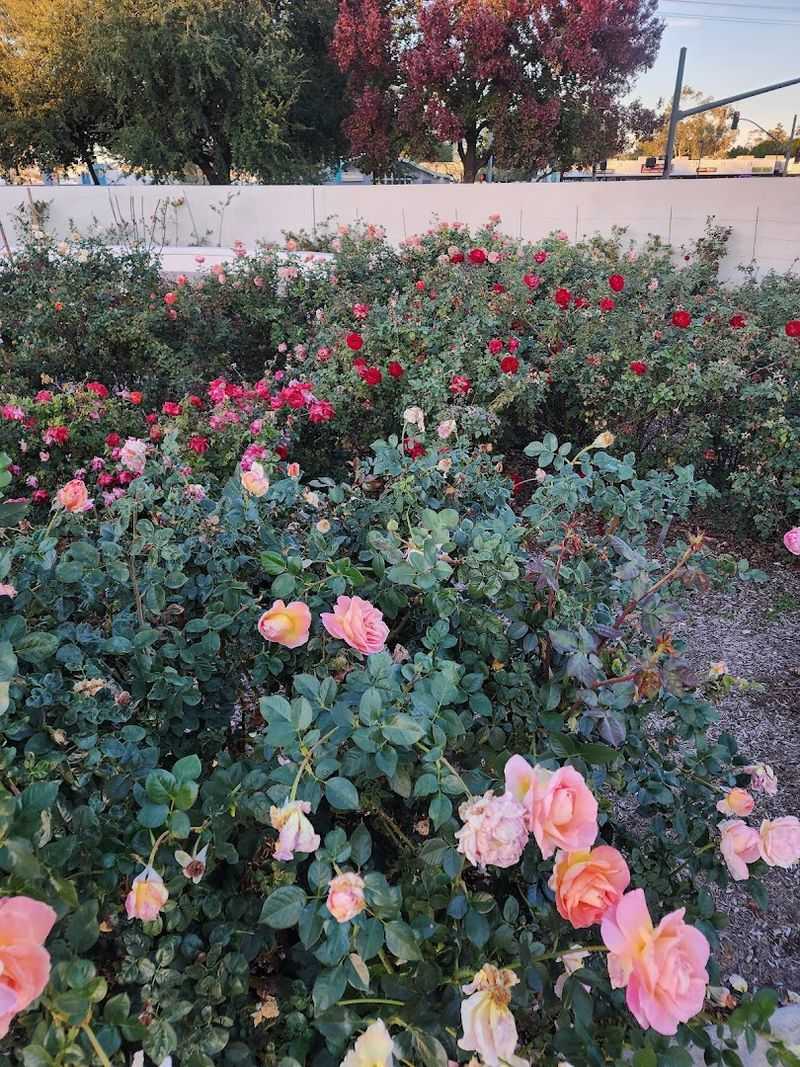
I couldn’t believe my eyes. Row after row of vibrant roses stretched before me, creating waves of crimson, pink, yellow, and white against the desert backdrop.
The garden houses nearly 9,000 individual rose bushes, each one carefully tended by volunteers and staff who understand the unique challenges of growing these traditional flowers in Arizona’s climate.
What makes this collection truly special is the incredible diversity. Over 300 different varieties call this garden home, ranging from classic hybrid teas to hardy shrub roses and climbing varieties that reach toward the Arizona sky.
I spotted everything from delicate miniatures perfect for small spaces to massive grandifloras that towered overhead.
The sheer scale took my breath away. This isn’t a small ornamental garden tucked into a corner of campus. It’s a serious botanical collection that rivals gardens in much larger cities, yet somehow it remains largely unknown outside the local community.
The dedication required to maintain such an extensive collection in the desert heat is truly remarkable.
The Veterans Rose Garden Tribute
One section of the garden stopped me in my tracks for an entirely different reason. The Veterans Rose Garden, completed in 2005, stands as a living memorial to those who served our country. Over 2,500 roses bloom here, each variety carefully selected for its patriotic name.
Roses called “About Face,” “America,” “Fourth of July,” and “Peace” create a tapestry of meaning alongside beauty. Reading the names while walking among the blooms added an emotional depth I hadn’t expected from a garden visit.
The symbolism felt powerful yet subtle, never overwhelming the natural beauty. This section also holds historical significance beyond the roses themselves.
It features the first Blue Star Memorial plaque installed on any community college campus in the United States. Standing at 1833 West Southern Avenue in Mesa, this memorial garden serves as both a place of reflection and a celebration of service.
I found myself spending extra time here, appreciating how thoughtfully the garden honors our military members through something as gentle and hopeful as roses.
Symbolic Gardens That Speak To The Heart
Four special garden beds caught my attention with their intentional themes. Completed in 2011 as part of the garden’s fourth phase, these sections represent Love, Friendship, Beauty, and Peace through carefully chosen rose varieties.
Each bed tells its own story through color, fragrance, and symbolism. The Love section overflows with deep reds and passionate pinks, while Friendship features warm yellows and cheerful oranges that seem to smile at visitors.
Beauty showcases the most striking and unusual varieties, and Peace offers calming whites and soft pastels that invite quiet contemplation.
What impressed me most was how these themes resonated differently depending on my mood and the time of day. Morning light made the Peace section glow with ethereal beauty, while afternoon sun brought out the vibrant energy of the Friendship beds.
The garden designers understood that roses can communicate emotions without words.
These symbolic sections transform a simple garden visit into something more meaningful, offering visitors a chance to connect with specific feelings or memories through nature’s most romantic flower.
Year-Round Desert Blooms
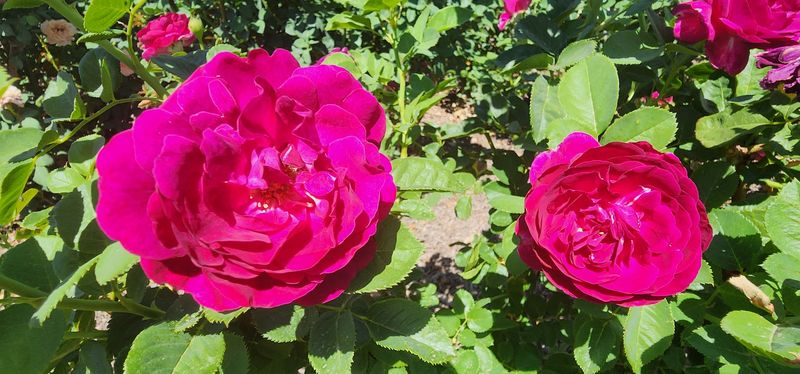
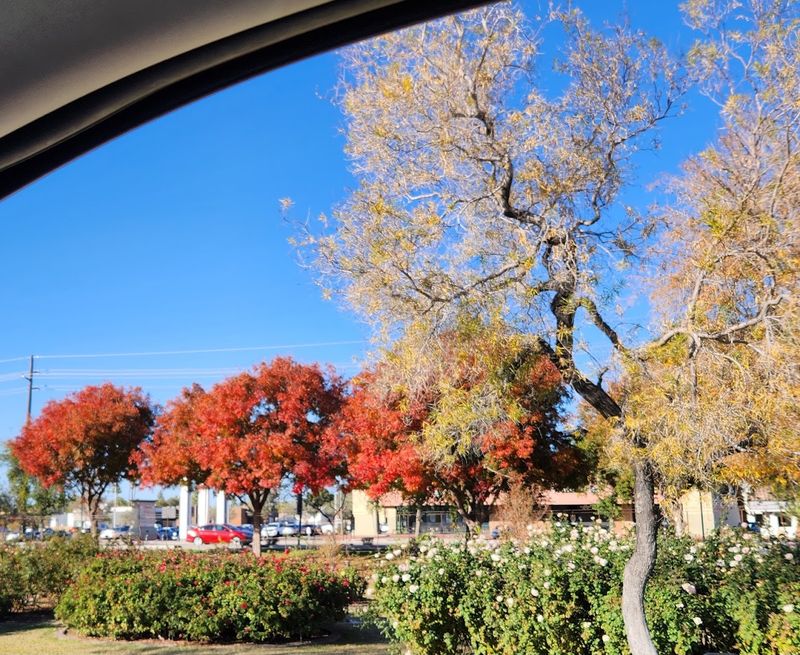
Forget everything you think you know about rose seasons. Arizona’s unique climate creates an unexpected blooming schedule that surprised even me. While traditional rose gardens in other regions struggle through hot summers or freeze during winter, this desert oasis produces spectacular displays throughout the year.
Peak blooming happens during late March, April, May, and June, when cooler spring temperatures encourage explosive growth. But here’s the twist: November and December bring a second major bloom period.
I visited in early December and found the garden absolutely bursting with color, something unimaginable in most parts of the country.
The secret lies in Mesa’s mild winters and the careful variety selection by knowledgeable gardeners who understand desert conditions. Summer months do slow things down a bit, but even then, you’ll find roses blooming if you visit during the cooler morning hours.
This extended season means you can plan a visit almost any time and still experience beauty. The garden truly defies conventional wisdom about when and where roses can thrive.
A Living Classroom For All Ages
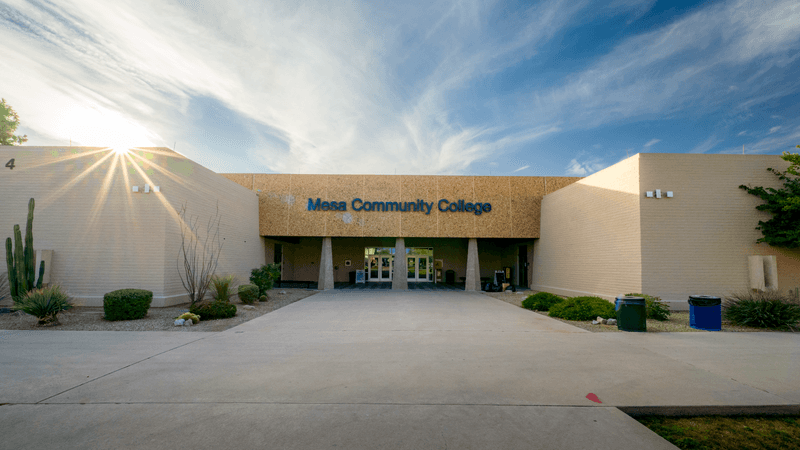
Education blooms alongside the roses here. The garden functions as an outdoor classroom where students from kindergarten through college gain hands-on experience with biology, botany, and horticulture.
I watched a group of elementary students sketching flowers during my visit, their faces lit with concentration and wonder. College students studying landscape design, plant science, and environmental studies use the garden as a living laboratory.
They learn propagation techniques, pest management, pruning methods, and the specific challenges of desert gardening. This practical education proves invaluable for careers in horticulture and related fields.
Community members also benefit from the educational mission. The Mesa-East Valley Rose Society hosts workshops and demonstrations throughout the year, sharing decades of accumulated knowledge about growing roses in Arizona’s challenging climate.
I joined an impromptu conversation with a volunteer who explained how they modify traditional rose care techniques for desert conditions.
The garden doesn’t just display beautiful flowers; it actively teaches people how to create beauty in their own yards despite heat, low humidity, and alkaline soil.
Community Gathering Space
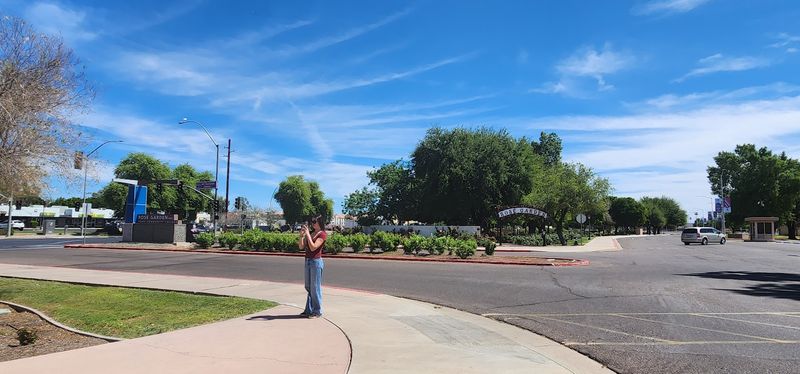
Beauty attracts celebration. The garden has become a sought-after venue for weddings, with couples exchanging vows surrounded by thousands of fragrant blooms.
I witnessed a small wedding during my visit, and the natural beauty required almost no additional decoration.
Beyond weddings, the space hosts music ensembles, theatrical readings, and art displays throughout the year. Local musicians perform intimate concerts among the roses, while poets and actors use the garden as an inspiring backdrop for literary events. Artists set up easels to capture the changing light and colors.
This community use transforms the garden from a passive attraction into an active gathering place.
For groups of ten or more, guided tours can be arranged by appointment, offering deeper insights into the garden’s history and plant collection. The garden welcomes everyone, whether you’re planning a major life event, seeking artistic inspiration, or simply wanting a peaceful place to sit and think surrounded by natural beauty.
Free Access To Desert Beauty
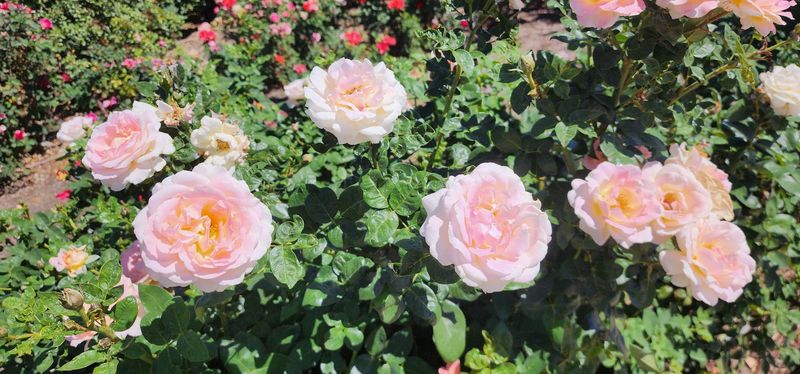
Perhaps the most remarkable thing about this garden is the price of admission: absolutely nothing. Located at 1833 West Southern Avenue in Mesa, the garden opens its gates to everyone without charging a single penny. In a world where botanical gardens often require substantial entrance fees, this generosity stands out.
The garden welcomes visitors daily year-round, making it accessible whenever inspiration strikes. You can visit early morning to catch the roses covered in dew, midday when colors appear most vibrant, or evening when softer light creates a romantic atmosphere.
No reservations needed, no tickets required.
This free access reflects the garden’s core mission of community service and education. By removing financial barriers, the garden ensures that everyone can experience the joy and tranquility that roses provide, regardless of economic circumstances.
I’ve visited many gardens across the country, and this combination of quality, scale, and accessibility is genuinely rare.
Photography Paradise For Every Season
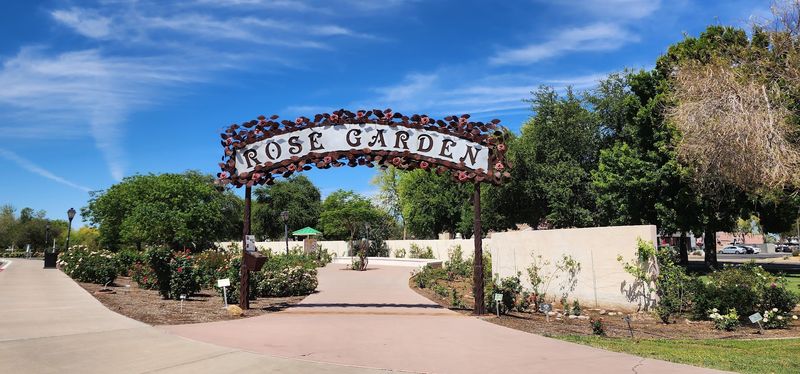
Photographers from across the valley flock here during peak bloom seasons, and it’s easy to see why. The combination of desert mountains in the distance and lush rose blooms in the foreground creates stunning contrasts you won’t find anywhere else.
Morning light filters through the petals just right, casting a magical glow that makes every shot Instagram-worthy.
Whether you’re a professional with fancy equipment or just snapping photos on your phone, you’ll find endless inspiration here. The garden’s layout provides natural pathways that frame your subjects beautifully.
Many couples have chosen this spot for engagement photos and anniversary shoots because the romantic atmosphere speaks for itself without needing much editing or setup.
Even if you are not there for a photo session, the whole place has a way of making you slow down and look more carefully. Every turn seems to offer another burst of color, another quiet bench, or another angle that feels worth remembering.
It is the kind of garden that rewards wandering without a plan, especially when the roses are at their fullest. By the time you leave, your camera roll usually looks a lot fuller than you expected.