
Experience The Magical Monarch Migration In Arkansas This Spring
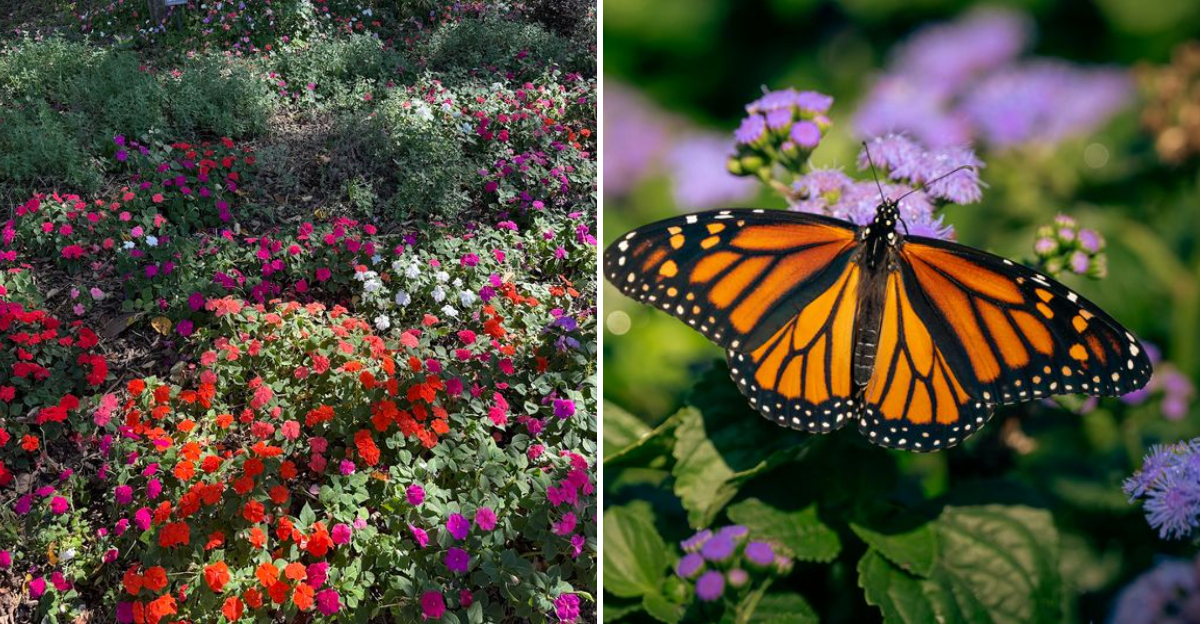
Spring shows up in northwest Arkansas and suddenly something incredible starts happening in plain sight. Most people drive right past it without even realizing.
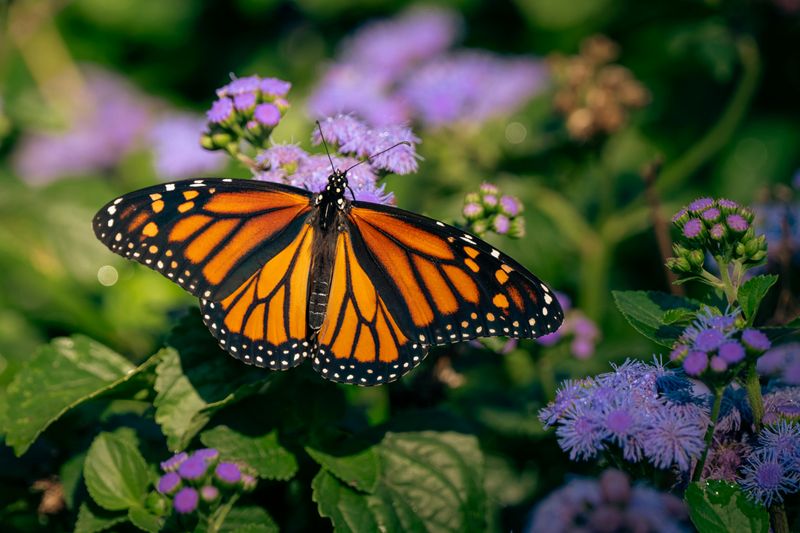
Monarch butterflies move through on their migration, and one garden turns into a swirl of color and motion that feels almost unreal. I walked in expecting a quick visit.
That plan lasted maybe five minutes. Orange wings everywhere.
Floating, landing, lifting again. It felt calm but also alive in a way that is hard to explain. You stop checking your phone. You just watch.
I stayed longer than I meant to and still did not want to leave. On the drive home, I was already thinking about next spring.
If you enjoy nature that actually makes you pause and take it in, this is one of those experiences that quietly stays with you.
A Hidden Garden Where Monarchs Gather Each Spring
Not every magical place announces itself with a billboard or a crowd waiting outside the gate.
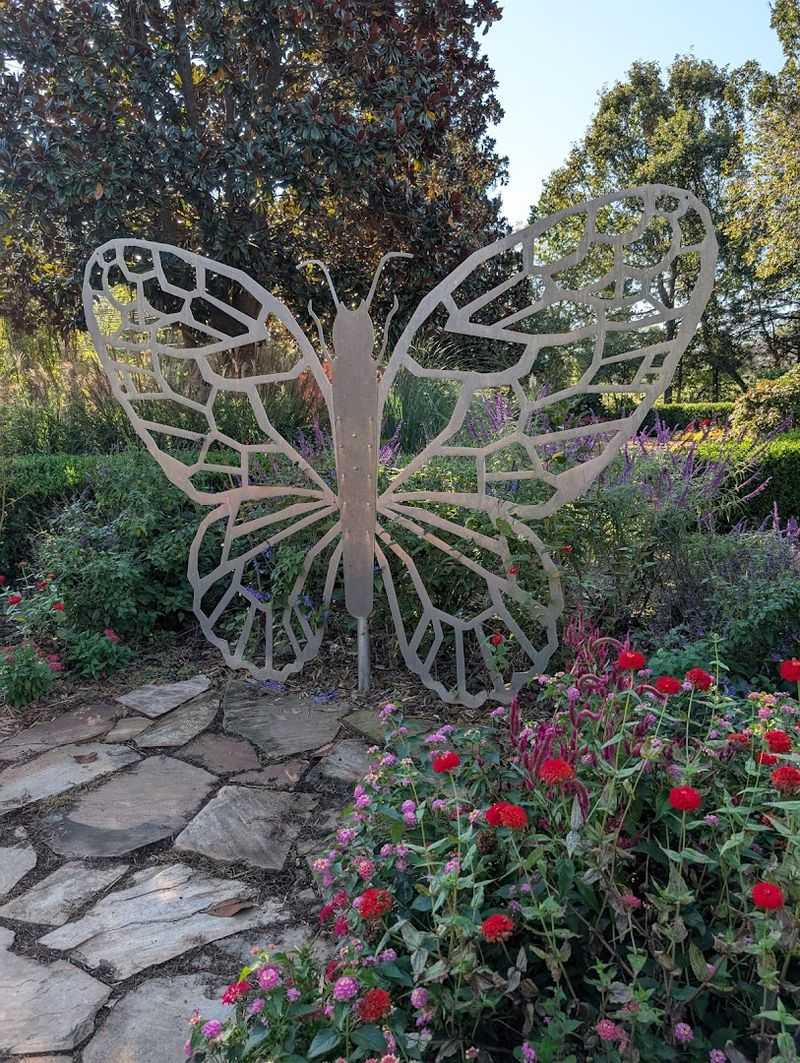
I almost missed this one entirely, tucked just off a busy road in Fayetteville, surrounded by the kind of quiet that makes your shoulders drop the second you step through the entrance.
The garden sits on a well-kept property with twelve themed sections radiating outward from a wide central lawn, and in spring, every corner of it seems to buzz with life.
Monarchs begin passing through Arkansas in spring as they travel northward after wintering in Mexico, and this garden offers exactly the kind of habitat they are drawn to, with native flowering plants, open sunny spaces, and a dedicated butterfly house that gives visitors an up-close look at the full life cycle.
I watched one monarch rest on a bright orange bloom for nearly three minutes, wings slowly opening and closing like it was showing off.
The staff here clearly cares about creating a space that supports pollinators rather than just displaying them.
You will find this unforgettable spring experience at the Botanical Garden of the Ozarks at 4703 N Crossover Rd, Fayetteville, AR 72764.
Why This Spot Becomes A Butterfly Highway
Arkansas sits right along one of the monarch butterfly’s major spring migration corridors, making the state a genuine pit stop on one of the most impressive journeys in the natural world.
Monarchs travel from their overwintering grounds in central Mexico and move northeast each spring, following the bloom of milkweed, which is the only plant their caterpillars can eat.
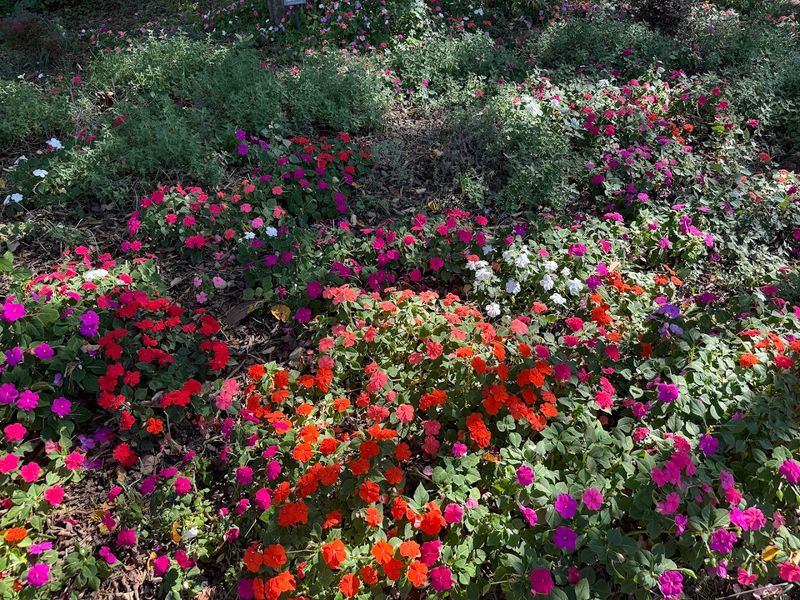
The garden actively supports this by cultivating native milkweed and nectar-rich flowering plants throughout its grounds, which essentially rolls out a welcome mat for passing monarchs.
I noticed clusters of butterflies near the sensory garden and along the paths lined with blooming perennials, clearly fueling up before continuing their journey.
What makes this location especially effective is the combination of open sunny areas and sheltered plantings that give monarchs both feeding space and protection from wind.
The butterfly house, which is the only one of its kind in all of Arkansas, adds another layer of magic by letting visitors observe monarchs in an enclosed environment where you can often get surprisingly close.
This garden functions like a carefully designed rest stop that benefits both the butterflies and the humans lucky enough to show up at the right time.
The Secret Behind Its Monarch Friendly Design
Good garden design for butterflies is not just about planting pretty flowers and hoping for the best.
The team behind this garden has put real thought into creating an ecosystem that supports pollinators at every stage of their life cycle, from egg to adult butterfly.
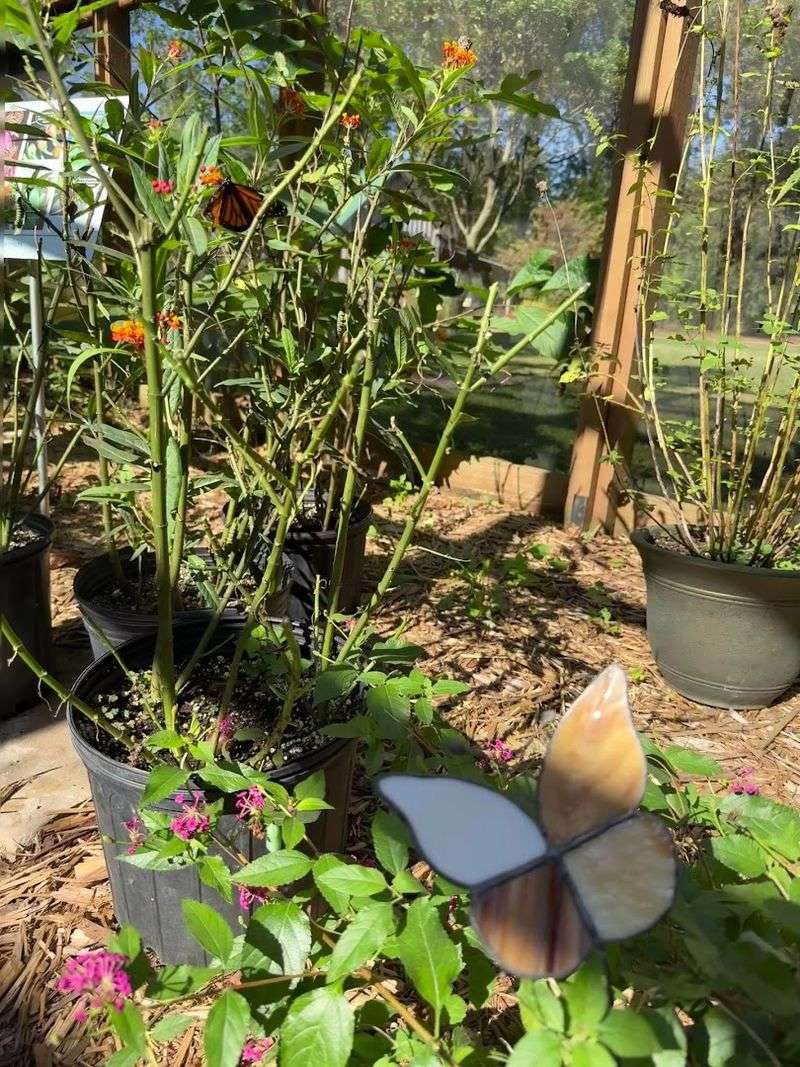
Native milkweed varieties are planted throughout the property because monarchs will not reproduce without them, and the garden focuses on maintaining a healthy environment for pollinators across its grounds.
Nectar sources are staggered to bloom at different points throughout the season, so there is always something available for feeding butterflies from early spring through fall.
The butterfly house, open year round with peak butterfly season running from May through October, keeps a curated collection of species including monarchs in an enclosed environment where visitors can observe them up close.
I spent nearly forty minutes inside that enclosure, watching monarchs drift from flower to flower with a kind of effortless calm that felt almost meditative.
The garden’s thoughtful layout, where themed sections flow naturally into one another, means butterflies move freely across the entire property rather than staying confined to one corner.
When The Air Fills With Orange Wings
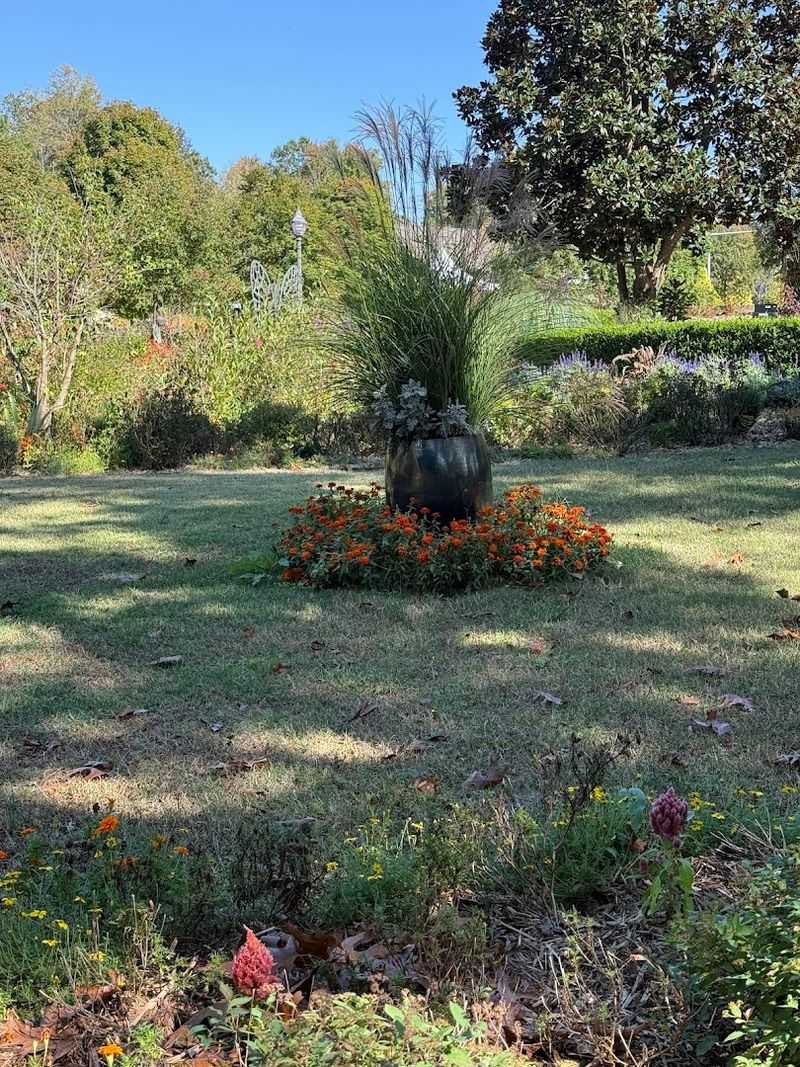
Timing your visit right can mean the difference between seeing a few scattered butterflies and witnessing something that genuinely takes your breath away.
Spring migration in Arkansas typically begins in late March or early April, when monarchs are actively moving through the region and stopping to feed on available nectar sources.
The garden is open Friday through Wednesday from 9 AM to 5 PM and closed on Thursdays, and mornings can be a rewarding time to visit as temperatures begin to warm.
I arrived just after opening on a Wednesday in late April and had the garden nearly to myself, which meant I could stand quietly near the milkweed patches without disturbing anyone or anything.
The sight of a dozen monarchs drifting across the central lawn while bees worked the surrounding flower beds is the kind of scene you find yourself describing to people for weeks afterward.
Thursdays are the one day the garden is closed, so plan accordingly if you are driving in from out of town.
Weekdays can feel quieter overall, which gives the garden a more peaceful atmosphere and makes wildlife observation easier than on a busy Saturday.
Walking Through Waves Of Blooming Color
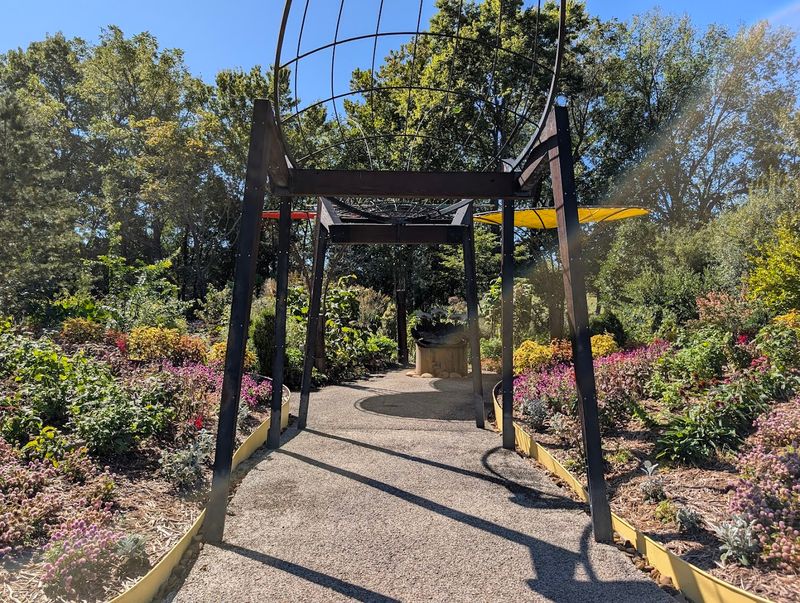
The layout of this garden is one of its most underrated features, and it rewards slow walkers far more than people who rush through in twenty minutes.
Twelve themed gardens wrap around the central lawn, each offering a distinct mood and plant palette that shifts noticeably as you move from one section to the next.
There is a Japanese-style garden with a tranquil, spare quality that feels like a completely different world from the vibrant rose garden just a short walk away.
A children’s garden packed with interactive spaces and pathways gives families a natural stopping point, while a sensory garden nearby invites visitors to touch, smell, and really engage with the plants around them.
Spring is when the color really builds momentum here, with daffodils giving way to tulips and then to the fuller perennial blooms that carry the garden through summer.
I found myself lingering near the Daylily Display Bed on the far end of the property, where the garden also maintains beehives that are visible from a safe distance.
Paved and gravel paths crisscross the property, making navigation easy and giving visitors multiple routes to take so repeat visits always feel a little different.
How To Catch The Most Magical Moments
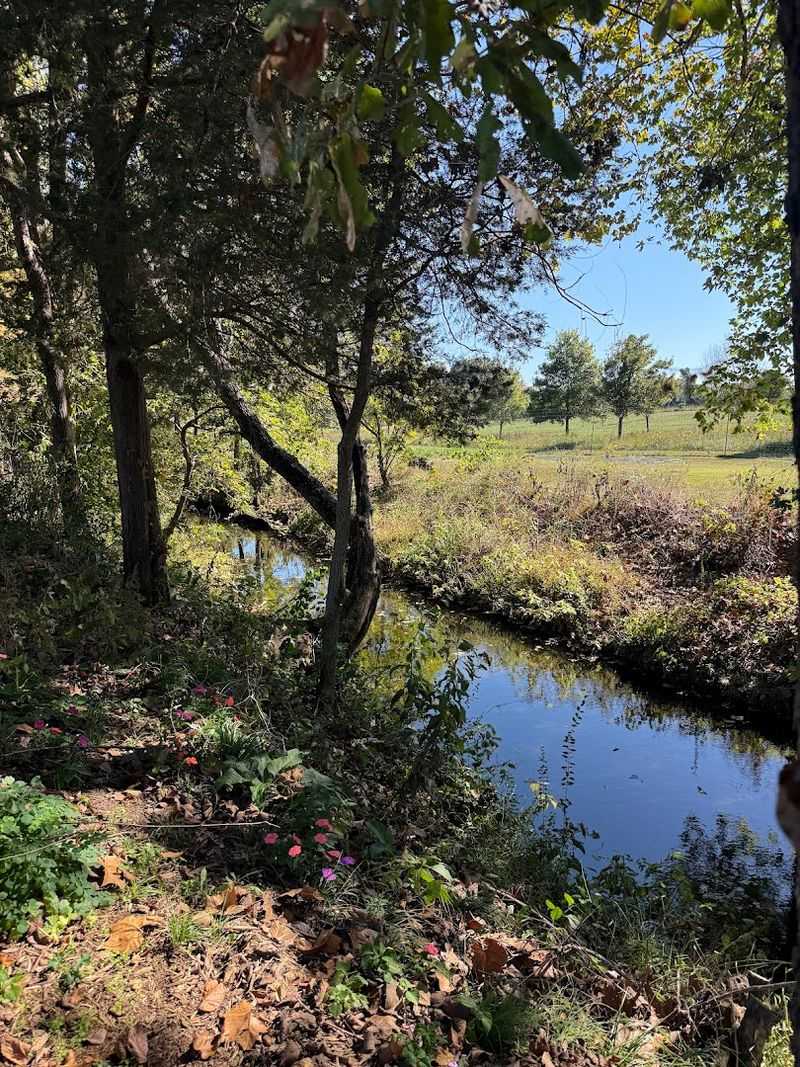
Seeing monarch butterflies up close is partly about timing and partly about learning how to move through a garden without startling them.
Slow, deliberate movement is your best tool because monarchs are sensitive to sudden motion and will take flight if you approach too quickly or too directly.
I found that standing still near a patch of blooming milkweed or bright nectar flowers for just a few minutes brought butterflies right to arm’s length without any chasing required.
The butterfly house is one of the most reliable spots for close encounters, since the enclosed space makes it easier to observe butterflies without them quickly disappearing.
For outdoor sightings, the garden’s sunny central lawn and the areas surrounding the themed gardens tend to see the most butterfly activity during midmorning hours on warm days.
Bringing a camera with a decent zoom lens or a smartphone with a portrait mode will help you capture wing detail without getting so close that you disturb the butterflies.
The garden also has plenty of shaded benches positioned near flower beds, so you can simply sit, wait, and let the monarchs come to you, which honestly turns out to be the most rewarding strategy of all.
What To Know Before You Arrive
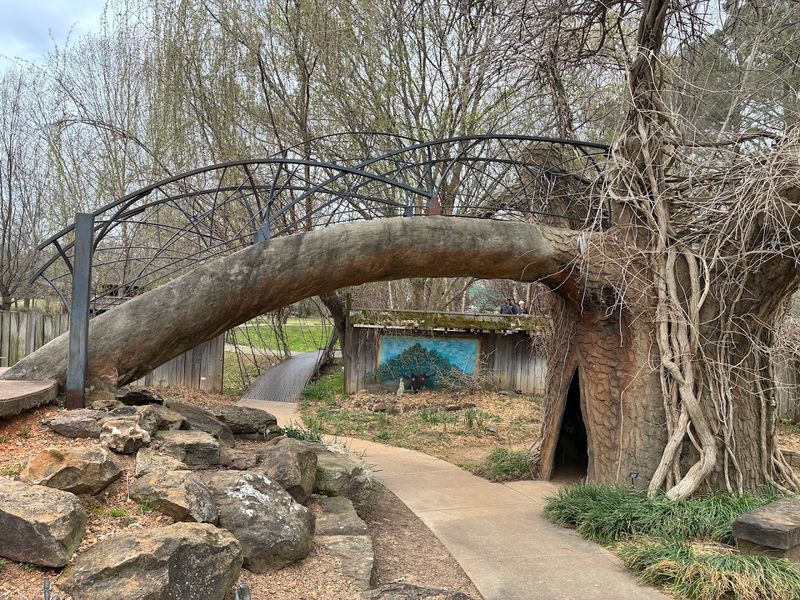
A little preparation before your visit makes the whole experience run smoother and helps you get the most out of your time in the garden.
The garden is open Monday, Tuesday, Wednesday, Friday, Saturday, and Sunday from 9 AM to 5 PM, and it is closed on Thursdays, so double-check before you head out.
Admission is $14 for adults and $7 for children, and there are discounts available for seniors aged 65 and older, military members, and teachers, which is worth asking about at the gate.
The butterfly house is open year round, with butterfly season running from May through October, so spring visits still offer a great chance to explore the space.
Water fountains are available throughout the property, and there is also a gift shop worth browsing before you leave.
Becoming a member of the garden unlocks early access to special events like the annual Plant Sale, held in late April, where 20+ local vendors offer native plants that you can bring home to support monarchs in your own yard.
You can reach the garden by phone at +1 479-750-2620 or visit bgozarks.org for updated event information before your trip.
The Spring Experience You Will Not Forget
Some places leave an impression that lingers far longer than the visit itself, and this garden is exactly that kind of place.
The combination of thoughtfully designed gardens, a one-of-a-kind butterfly house, active conservation work, and a genuinely welcoming atmosphere adds up to something that feels rare in the best possible way.
Spring is when everything clicks into place here, with the blooms at their freshest, the butterflies actively migrating, the bird feeding areas adding to the activity, and the staff and volunteers energized by the season.
I spoke with one volunteer who had been coming every spring for years and still lit up when talking about the monarchs, which tells you something real about what this place means to the people who love it.
Kids especially respond to the garden in a way that is fun to watch, pointing at butterflies and exploring the children’s garden with genuine enthusiasm.
The nearby Lake Fayetteville Trail, a 5.5 mile paved loop with a 6.9 mile natural surface hiking loop, adds an outdoor adventure option for anyone who wants to extend the day into a longer nature experience.
Spring arrives with something worth chasing here, and the Botanical Garden of the Ozarks delivers it beautifully every single year.