
Michigan’s Expansive Zoo Gives Visitors A Closer Look At Wildlife Than Expected
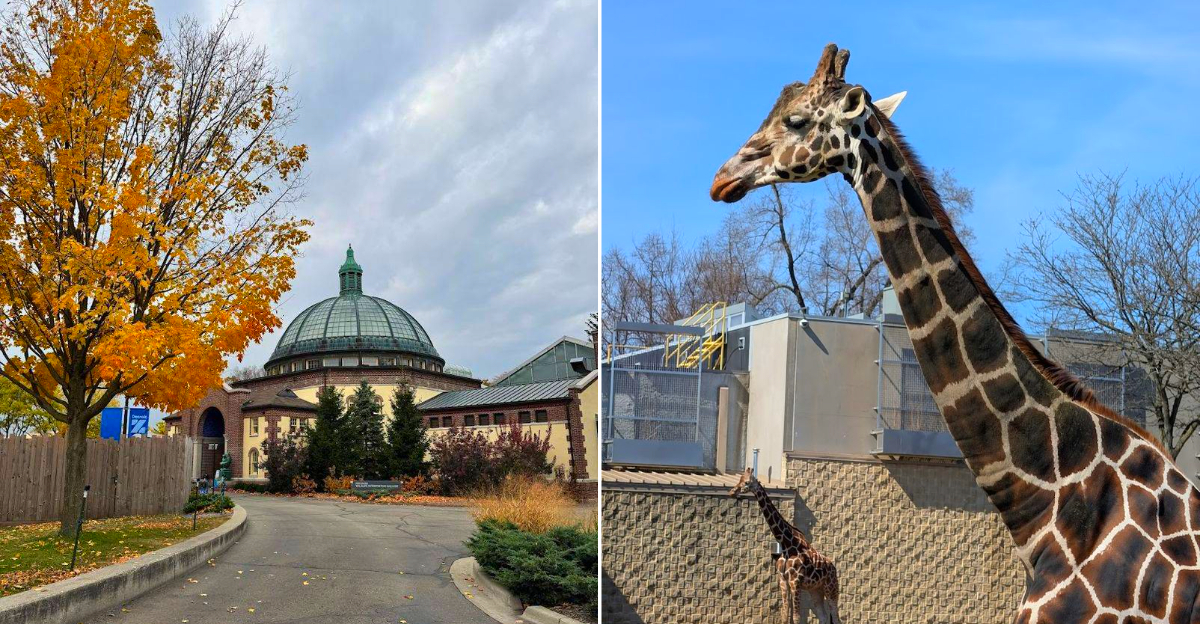
Every time I step onto these 125 acres in Royal Oak, my carefully planned “to-do” list instantly dissolves into the mist of a saltwater penguin exhibit.
The design is brilliantly sneaky, it uses glassy viewing bays and clever habitats to shrink the distance until you’re close enough to count individual whiskers or the iridescent shimmer on a feather.
It’s the kind of place that demands you stop checking your watch and start noticing the quiet negotiations between kids and squirrels over a stray popcorn kernel.
The best family attractions in Royal Oak, Michigan, featuring world-class polar bear habitats, immersive penguin centers, and interactive wildlife encounters.
You absolutely need to show up with a pair of broken-in sneakers and a stubborn streak of curiosity, because the most soul-stirring moments happen when you quit racing the map.
Whether you’re lurking by the great apes or finding a shaded bench to decompress, these tips keep the focus on the wonder rather than the logistics.
Arrive Early And Wander Back First
Morning light lands softly on the mallards near the fountain, and crowds have not yet found their stride. Starting early lets you hear the chorus of cranes and gibbons before the pathways fill. Head straight to the back via the Tauber Family Railroad or a purposeful walk, then work forward as everyone else moves in the opposite direction.
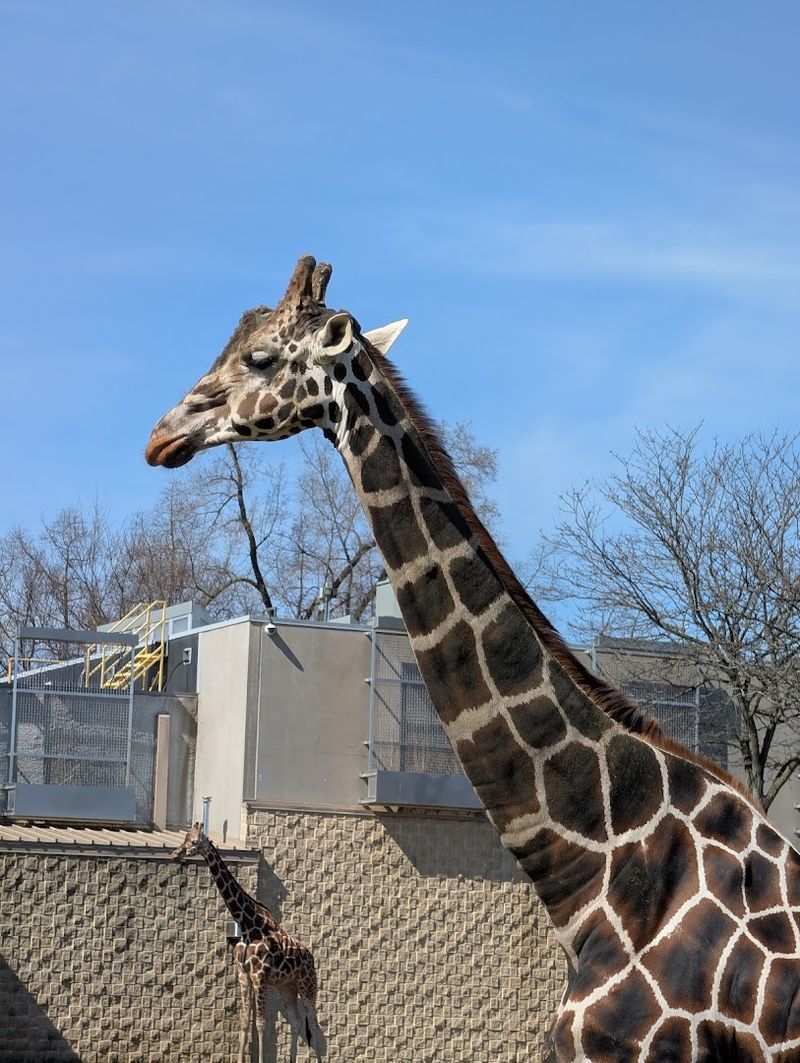
The reverse flow changes the day’s rhythm. You meet giraffes, rhinos, and the Australian Outback Adventure with more elbow room, and photos come easier without jostling.
Restrooms and water refill stations are frequent, so you can keep a steady pace. Check hours before you go, since opening varies by season, and note that timed experiences sometimes sell out before noon.
A Wild Escape In Royal Oak

Driving into the prominent intersection of Woodward Avenue and Interstate 696 brings you to a sprawling green oasis that has served as a cornerstone of Southeast Michigan for nearly a century.
The route along West 10 Mile Road offers a straightforward transition from the fast-paced suburban transit corridors into a world-class conservation campus, where the sight of the iconic water tower signals your arrival at a premier destination for wildlife enthusiasts.
The final approach leads to the Detroit Zoo at 8450 W. 10 Mile Road, Royal Oak, Michigan 48067, where the grand entrance serves as the gateway to 125 acres of award-winning naturalistic habitats.
Brave The Arctic Ring Of Life Tunnel

Stand beneath a halo of green water and wait for the white shadow to glide overhead. The Arctic Ring of Life centers on a 70 foot underwater tunnel linking the polar bear habitat and the 300,000 gallon pool. Sound hushes, and families whisper as if the bear might hear.
Activity swings with temperature, sun, and time of day, so give the tunnel two passes during your visit. Read the interpretive signs about sea ice loss, then step outside to compare top side views.
The ramp is accessible and wide, with railings for excited hands. If the bear is sleeping, watch for seals tracing laps. Nearby benches make a calm regroup point. Give yourself a few unhurried minutes here.
Plan The Giraffe Encounter Wisely
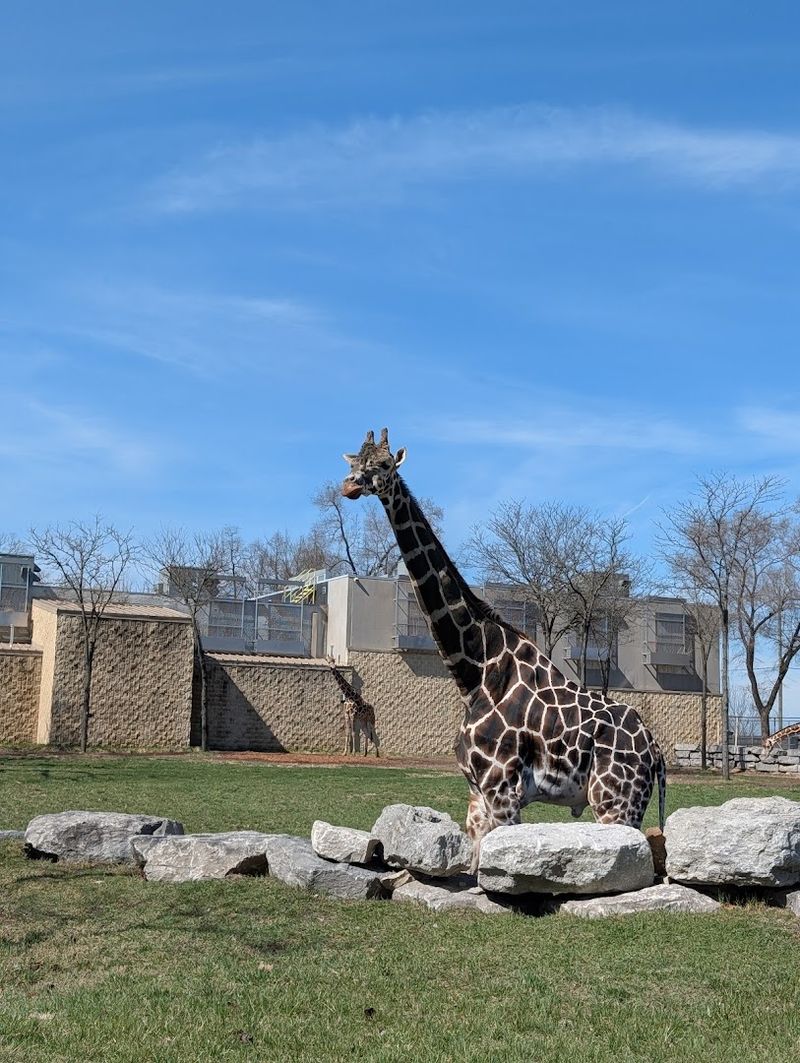
Eye level is the surprise: a platform puts you within leaf distance of reticulated giraffes. This seasonal feeding runs late spring through early fall, and tickets are limited. Keepers guide the line, remind guests about gentle hands, and safeguard the animals’ calm routine.
Buy tickets early in the day, then return during a lull between school groups. Closed toe shoes help when little feet shuffle forward.
Phones capture great detail at this height, but step aside after your turn so others can breathe in the quiet awe. Check the board for brief closures due to weather or animal choice. If the experience pauses, wander the savanna loop and watch from ground level. Shade can be scarce, so bring a hat.
Ride The Tauber Family Railroad Strategically
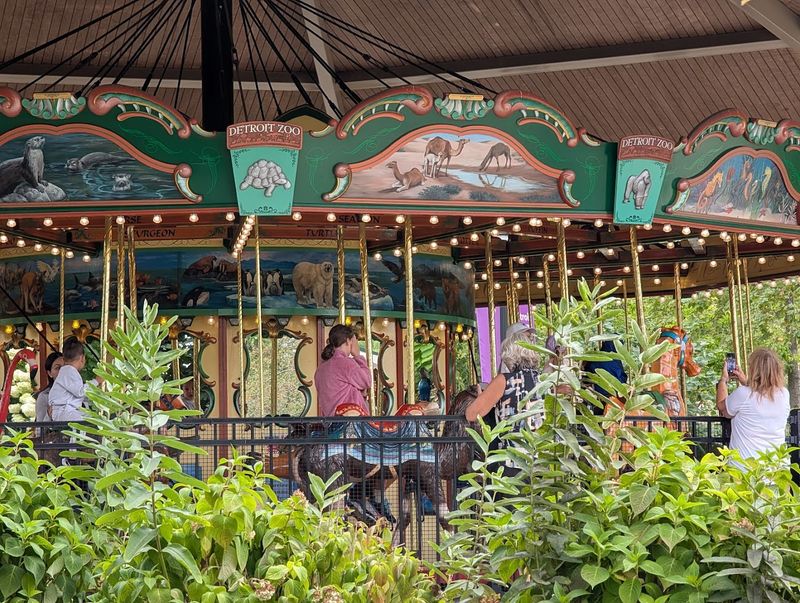
The small train threads trees and bridges, shrinking the zoo into a narrated line. Stations sit near the entrance and the back of the grounds, making it a handy shortcut when legs rebel. One way fares mean planning counts, and lines lengthen in midafternoon.
I hop on early to reach the far habitats fast, then walk back through shaded loops. Save the return ride for tired companions or drizzle, when covered cars feel like a bonus. Keep tickets ready before boarding to speed things up. Strollers fold quickly, but confirm space with staff.
The ride also doubles as a map lesson for kids, turning distant landmarks into familiar stops by the end. Noise is modest, so nervous toddlers usually settle.
Dress For Michigan Weather And Walk
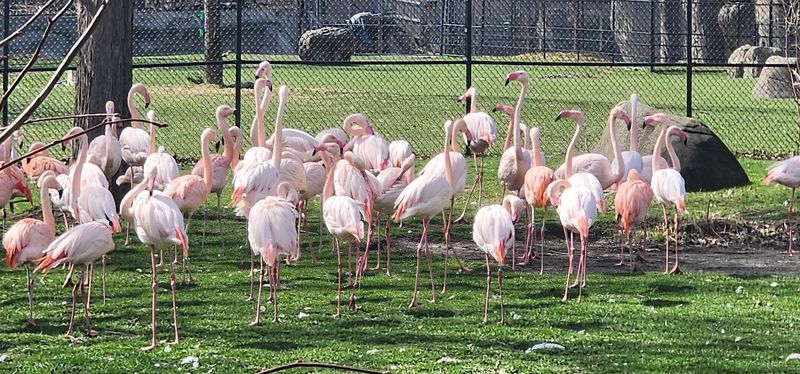
Clouds pivot fast over Royal Oak, and the zoo reflects that mood with shady groves and open lawns. Layers make sense because indoor buildings run cooler, and pathways can feel warm by midafternoon. Comfortable shoes win the day more than any gadget in your bag.
Bring a reusable bottle and use the refill stations marked on the map. Sunscreen, a hat, and gloves in shoulder seasons prevent abrupt exits.
Light rain transforms crowds into friendly dots under trees, so consider a packable jacket. Lockers near the entrance help if the forecast surprises you. Check the website before leaving for any heat or air quality advisories that alter animal visibility and your pace. Benches are everywhere for micro breaks.
Use The Map And Plan Gentle Loops
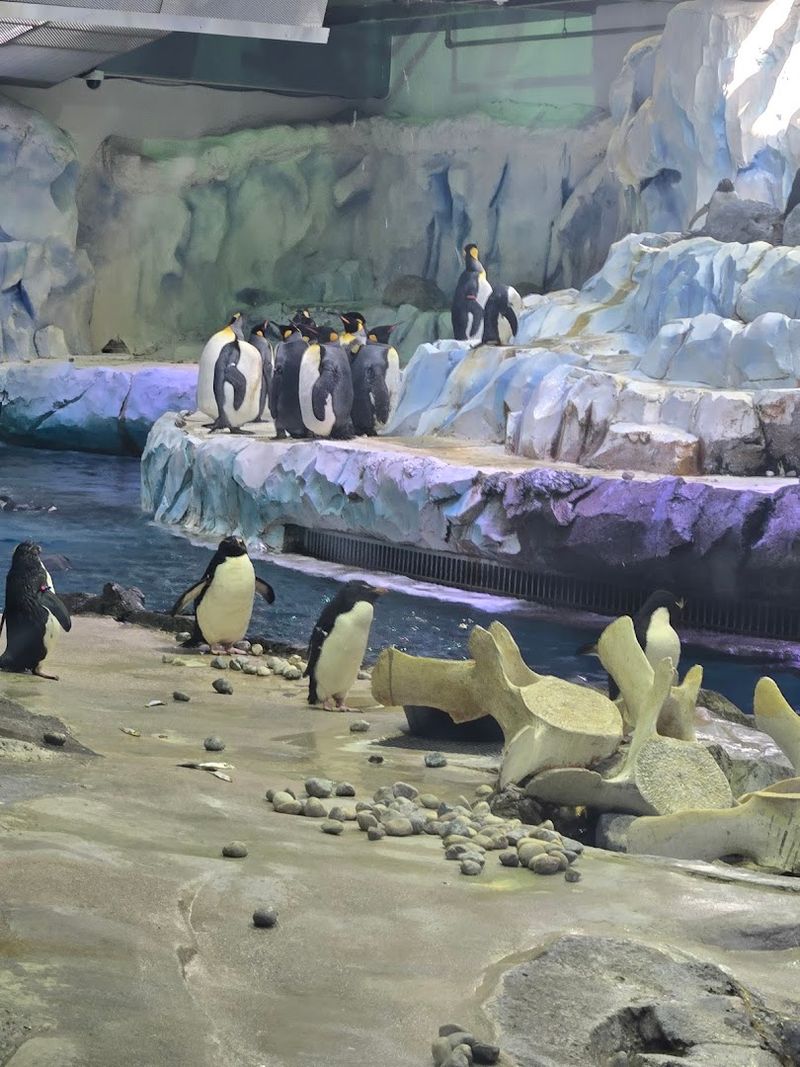
The layout is simple until excitement scrambles your sense of distance. A quick look at the printed map or mobile map prevents backtracking across 125 acres. Group exhibits into loops that match attention spans, and anchor each loop with a restroom or snack stop.
I like pairing the Great Apes of Harambee with the Butterfly Garden, then cutting across to amphibians before the energy dips. Another loop sweeps the Australian Outback Adventure and cats, ending where the train can save steps.
Mark time specific experiences, like feeds, but leave air in the schedule. Animals have agency, and patience improves sightings. When a path feels crowded, detour through garden edges and reenter later. Maps also mark shade and indoor escapes.
Talk With Volunteers And Watch Keeper Boards
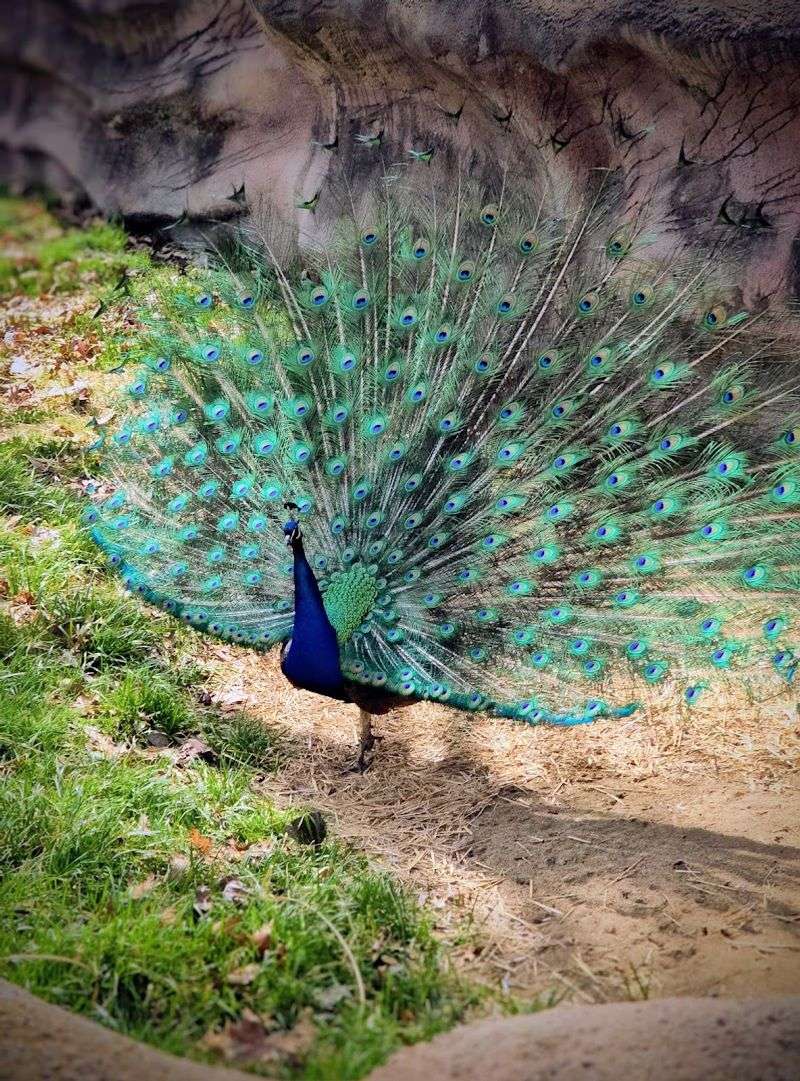
Orange vests and friendly smiles stand near many habitats, and they carry stories the signs cannot hold. Volunteers point out overlooked behaviors, from a lemur’s sun worship pose to the slow blink of a sleepy cat. They also know when a scheduled talk or training session is about to begin.
Check the boards near major exhibits for the day’s notes. Brief encounters can shape routes, whether it is a penguin presentation or a reptile feeding.
Ask concise questions, and kids usually get front row space if they sit. Respect rope lines and staff instructions, which keep animals calm. These human moments are part of the zoo’s design, connecting small curiosities to bigger conservation themes beautifully.
Savor Seasonal Events Like Wild Lights

Winter flips a switch and the grounds glow under millions of LEDs during Wild Lights. The walk becomes a trail of color reflected in ponds and windows, with hot chocolate steam seasoning the air. Animals are off stage at night, so you are here for atmosphere and artful installations.
I bring hand warmers and stroll slowly, letting musical zones set different tempos. Daytime seasons carry their own charms too, from Bunnyville to summer cooling stations.
Purchase timed tickets online, arrive a little early, and expect parking to take longer than usual. Keep cameras warm in a pocket to reduce lens fog. If wind bites, dip into indoor spaces to reset before returning to the sparkle.
Practice Patient Watching At Each Habitat
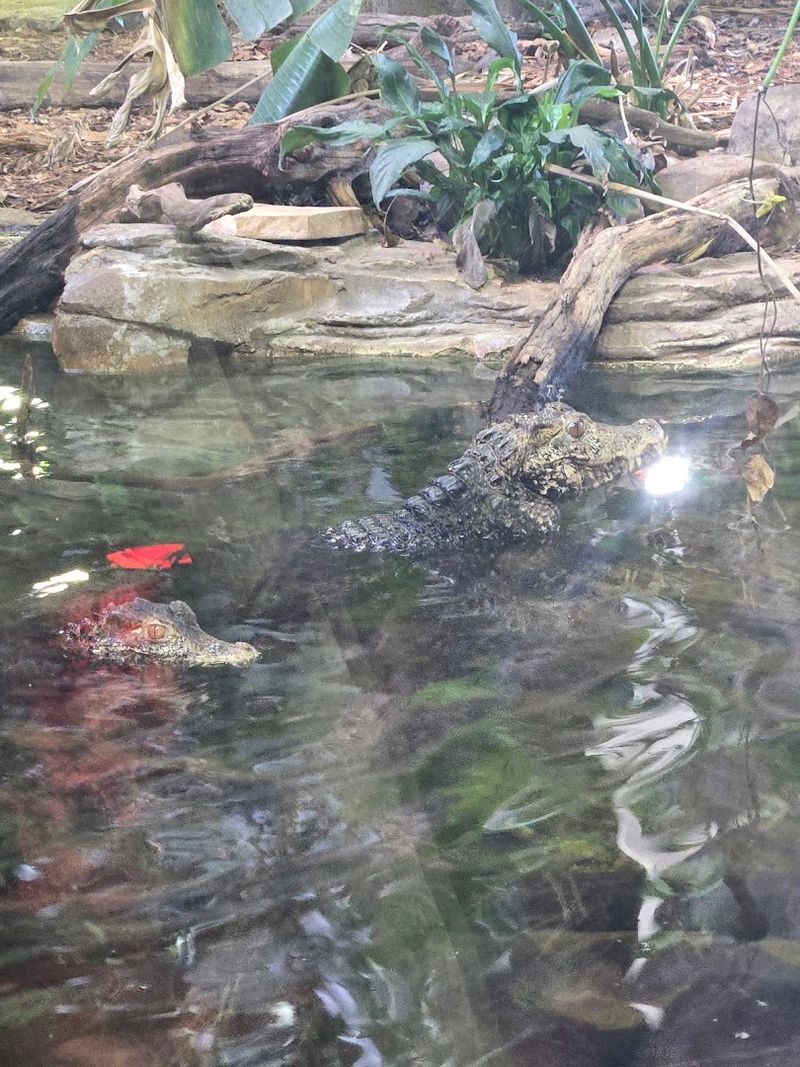
Attention is a tool here. Many animals cycle between motion and stillness, so staying a few extra minutes can flip a scene. Move your eyes around the habitat edges where shade and rock meet, then check higher perches before declaring an exhibit empty.
Early or late hours often boost activity, and overcast days are underrated. Choose a bench, quiet your voice, and something almost always reveals itself. If nothing does, read the signage, notice enrichment items, and learn why invisible can still be normal.
Return later for a second try. This is a place built for animal choice, and patience pays more than speed, especially for cats and amphibians. Cloud cover softens glare on glass, improving views.
Support Conservation Through Small Choices
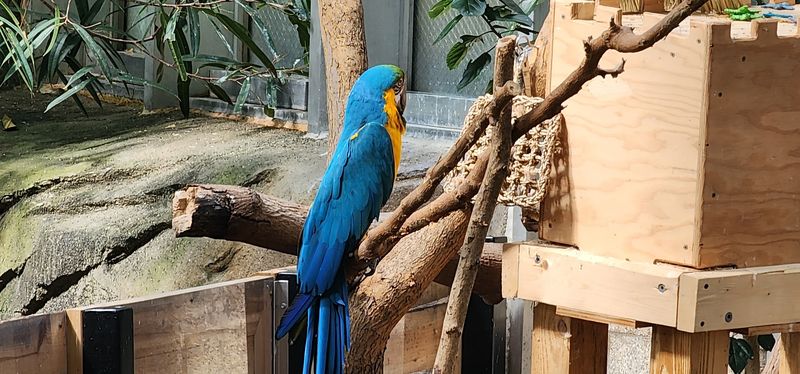
Big missions hide in routine moments at the Detroit Zoo. Refill stations cut plastic waste, compost bins teach sorting, and thoughtful landscaping supports native pollinators just outside the fences. Purchase made here strengthens education, rescue, and habitat work across Michigan and beyond.
I like the A.D.O.P.T.S. program for its symbolic adoptions and clear updates. Consider a membership if you will return, since it encourages slower visits and funds care.
Read the ethical commitments posted by the Detroit Zoological Society, then share what you learned with your group. Choose quiet feet at glass, skip tapping, and keep snacks sealed to protect animals and wild visitors. Small habits echo long after the parking lot exit. Thank the staff when you can.