
14 Florida Small Museums That Make Surprisingly Fun Day Trips In 2026
Florida has a way of holding onto its most interesting stories in places that are easy to overlook. Away from the larger attractions, smaller museums across the state offer a different kind of experience, one that feels more personal and often more detailed.
Spending time in these spaces reveals how much history and character can be found in places that do not draw large crowds. The focus tends to be on carefully preserved artifacts, local stories, and collections shaped by people who are deeply connected to what they are presenting.
Over time, these visits begin to feel less like individual stops and more like a way of seeing a different side of the state. From maritime history to transportation, from rare documents to unexpected finds, each location adds something distinct.
They are also spread across different regions, making them easy to incorporate into a broader trip through towns that are often passed by.
These are some of the museums that continue to stand out long after the visit is over.
1. Destin History & Fishing Museum, Destin
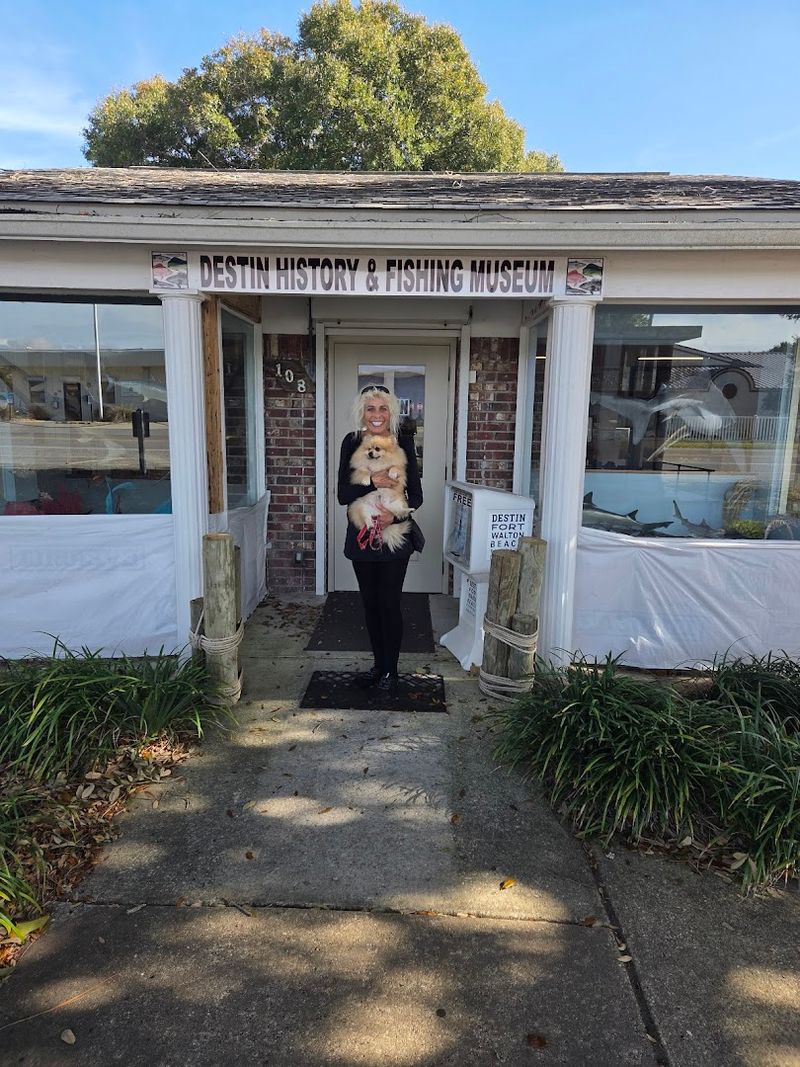
Walking into the Destin History and Fishing Museum at 108 Stahlman Ave feels a little like stepping into someone’s grandfather’s tackle shed, but in the best possible way.
Located right in the heart of Destin, Florida, this compact museum tells the surprisingly rich story of a town that built its entire identity around fishing the emerald waters of the Gulf of Mexico.
Old nets, handcrafted wooden boats, and black-and-white photographs of the earliest fishing families line the walls in a way that feels personal rather than sterile.
I found myself reading every single caption, which almost never happens to me in a museum setting.
The staff here are genuinely enthusiastic, and at least one of them can trace their own family back to Destin’s founding fishing crews.
Admission is affordable, parking is easy, and you can pair the visit with a waterfront lunch just minutes away.
2. McLarty Treasure Museum, Vero Beach
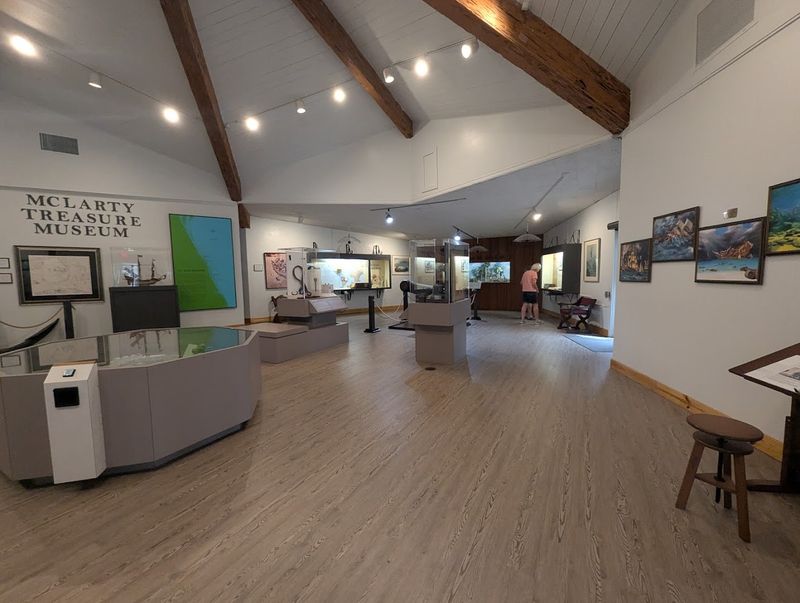
Few museums in the state can claim they are literally built on top of a shipwreck site, but the McLarty Treasure Museum at 13180 N A1A in Vero Beach, Florida pulls that off with style.
In 1715, a fleet of Spanish ships loaded with gold and silver went down in a hurricane just offshore, and the survivors actually camped on this very stretch of beach while they scrambled to recover what they could.
The museum sits inside Florida’s Sebastian Inlet State Park, which means your admission also gets you access to some genuinely beautiful Atlantic coastline.
Displays include recovered coins, navigational tools, and detailed maps that explain how treasure salvagers tracked the wreck sites across the seafloor.
I spent longer here than I planned, partly because the diorama of the storm is oddly riveting.
Time your visit for a weekend, when costumed interpreters bring the whole salvage story to life in vivid detail.
3. Matheson History Museum, Gainesville
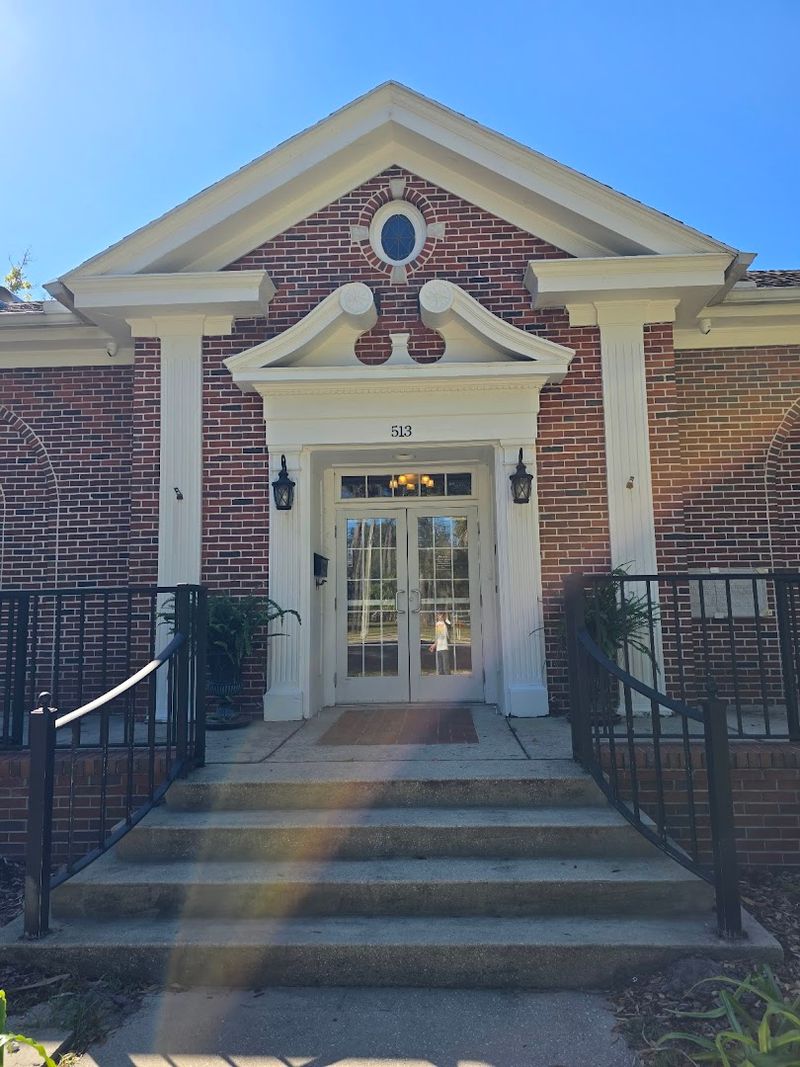
Tucked behind a canopy of old oaks at 513 E University Ave, the Matheson History Museum is one of those Gainesville, Florida spots that locals love and visitors almost always stumble upon by accident.
The building itself is a 1930s Mediterranean Revival structure that once belonged to the Matheson family, one of the most influential families in early Alachua County history.
Inside, rotating exhibits cover everything from the Indigenous peoples who first shaped this land to the University of Florida’s early days when the campus was little more than a handful of brick buildings in a pine forest.
What I appreciate most is how the curators manage to make local history feel relevant rather than dusty.
The garden surrounding the museum is peaceful and worth a slow walk before or after you tour the galleries.
Admission is very reasonable, and the museum shop carries some genuinely charming locally made keepsakes.
4. Florida Maritime Museum, Cortez
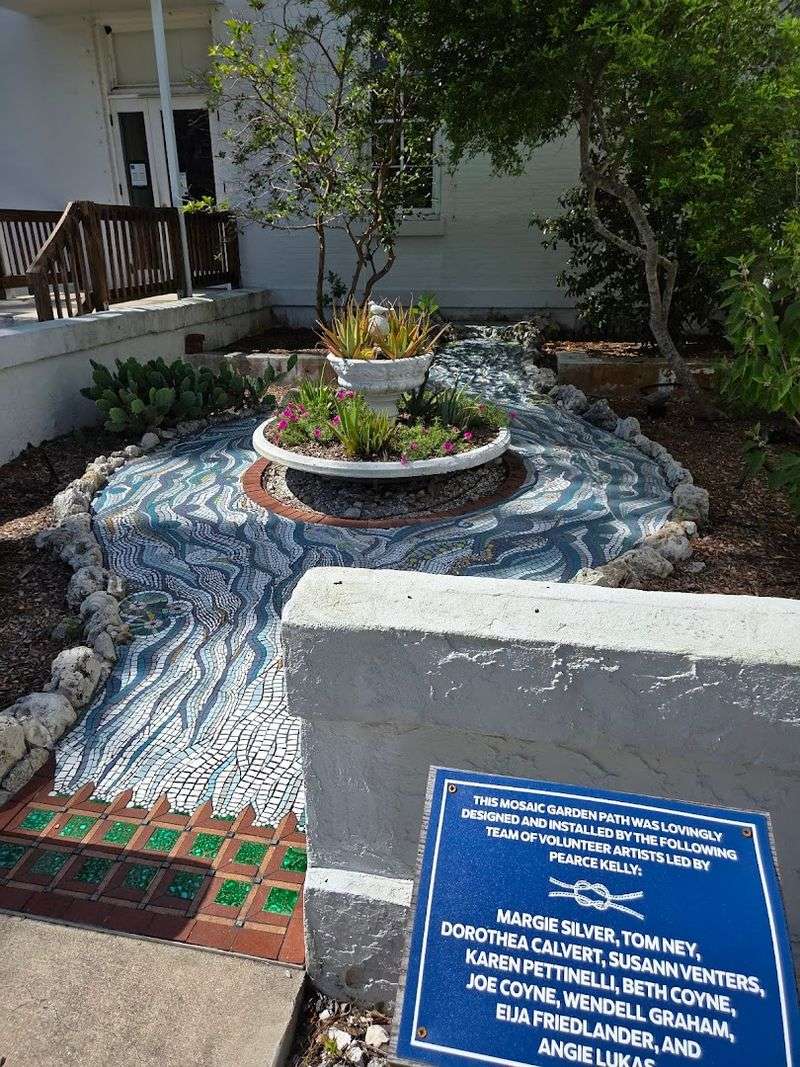
Cortez is one of the last working fishing villages on Florida’s Gulf Coast, and the Florida Maritime Museum at 4415 119th St W captures exactly why that matters.
Set right on the edge of Sarasota Bay, this small but carefully curated museum traces the lives of the mullet fishermen, boat builders, and net makers who have called this village home for well over a century.
Antique wooden boats, hand-sewn nets, and oral history recordings give the place a texture that photographs simply cannot replicate.
I was genuinely moved by the recorded voices of elderly Cortez residents describing childhood mornings on the water before the modern world caught up with their village.
The surrounding historic district is walkable and dotted with old Florida fish houses that are still very much in use.
Plan to arrive early because parking near the waterfront fills up quickly on weekends, especially in winter season.
5. Leepa-Rattner Museum of Art, Tarpon Springs
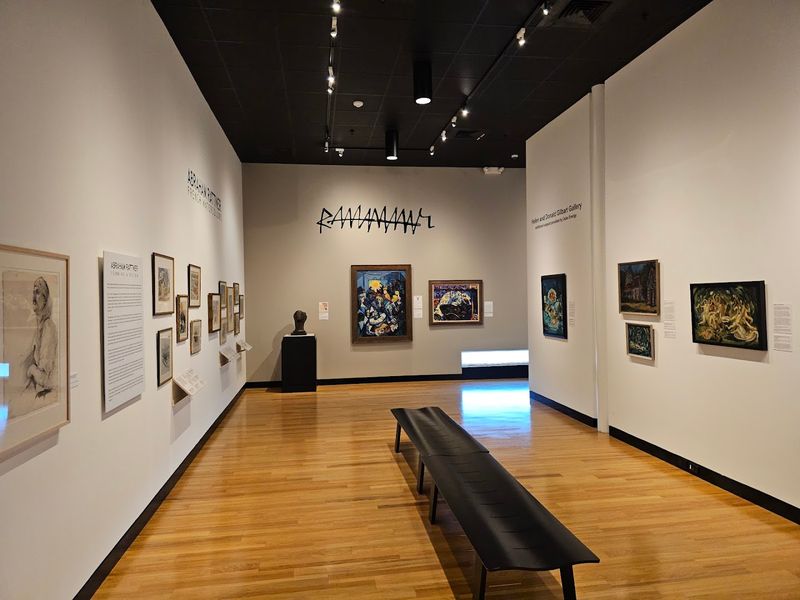
Modernist art and a sponge-diving town might seem like an unlikely combination, but the Leepa-Rattner Museum of Art at 600 Klosterman Rd in Tarpon Springs, Florida makes the pairing feel completely natural.
The collection centers on the work of Abraham Rattner, a celebrated American modernist painter, and his daughter Esther Leepa, and the breadth of their combined output is genuinely striking for a museum of this size.
Rattner’s canvases pulse with color and spiritual energy, drawing heavily from stained glass traditions and Jewish iconography in ways that reward slow, careful looking.
St. Petersburg College operates the museum on its Tarpon Springs campus, which keeps the atmosphere academic but never intimidating.
I loved how the curators contextualize each piece with enough background that even visitors with zero art history experience can engage meaningfully.
After the museum, the famous Dodecanese Boulevard sponge docks are just a short drive away for a very different kind of cultural experience.
6. Central Florida Railroad Museum, Winter Garden
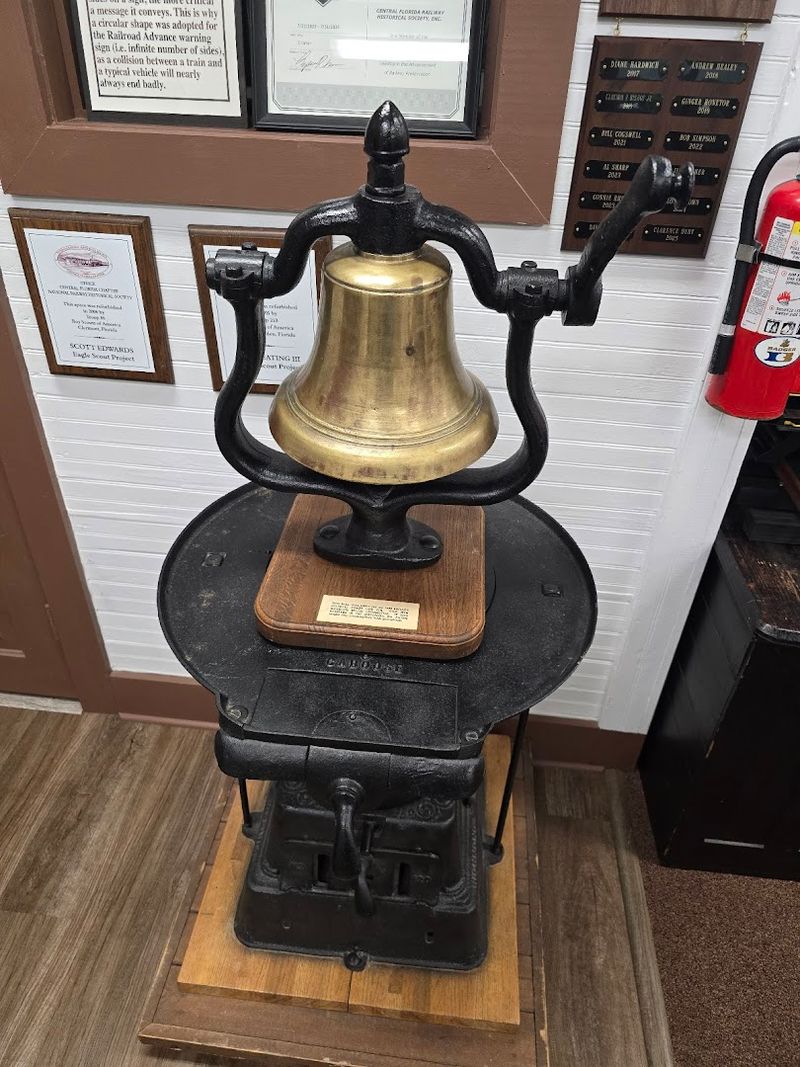
Railroad nostalgia hits differently when you are standing inside a beautifully restored 1913 depot, and the Central Florida Railroad Museum at 101 S Boyd St in Winter Garden, Florida delivers that feeling immediately.
The museum chronicles the rise and gradual decline of Florida’s passenger and freight rail network, a story that shaped the state’s economy, agriculture, and settlement patterns in ways most visitors never consider.
Vintage lanterns, conductor uniforms, timetables, and scale model layouts fill the space, and the level of detail in the model railroad display alone is worth the trip.
I spent a solid twenty minutes watching miniature trains navigate a tiny replica of Central Florida’s rail geography, which is either endearing or embarrassing depending on who you ask.
The museum sits right on the West Orange Trail, one of Florida’s most popular cycling paths, so combining a bike ride with a museum stop makes for an ideal full-day outing.
Entry is free, which makes this one an especially easy yes.
7. St. Augustine Pirate & Treasure Museum, St. Augustine
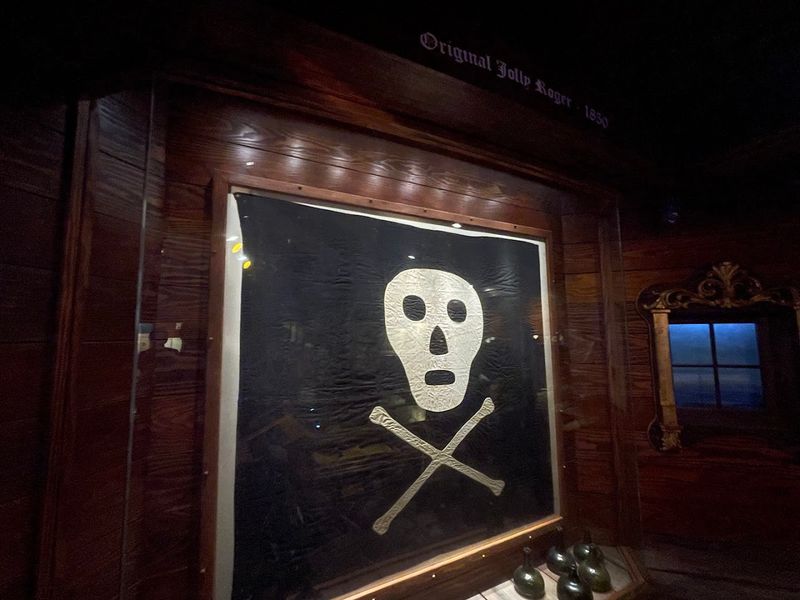
Located at 12 S Castillo Dr in the oldest city in the United States, the St. Augustine Pirate and Treasure Museum is the kind of place that makes adults feel perfectly comfortable acting like twelve-year-olds.
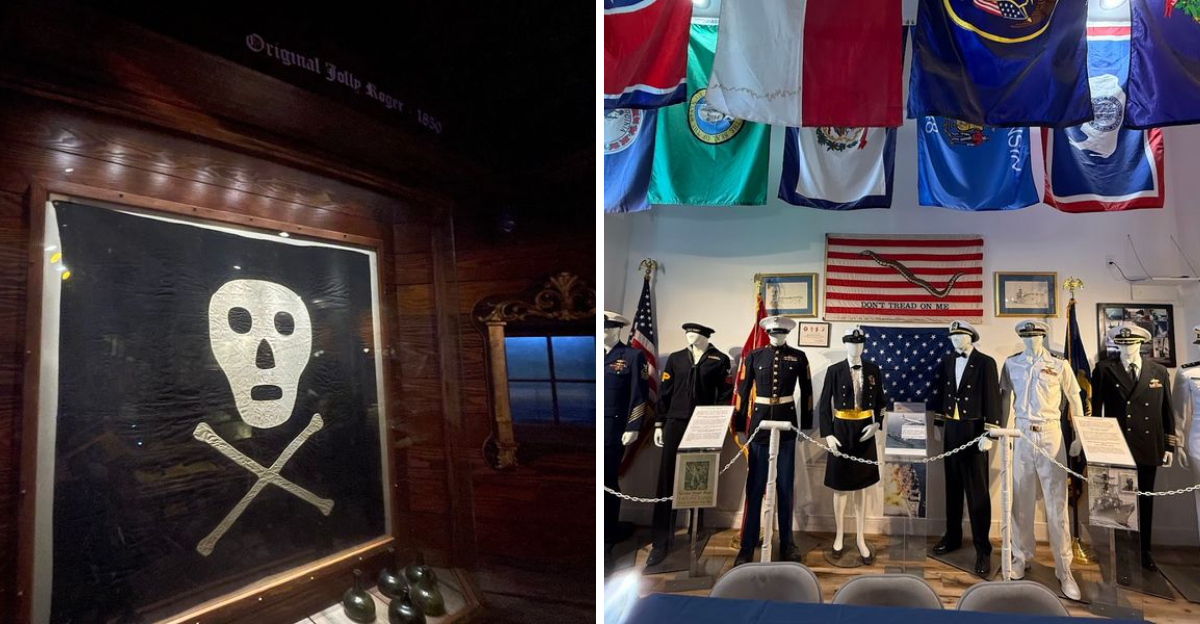
The collection is surprisingly serious for a museum with such a swashbuckling name, housing one of the largest assemblages of authentic pirate artifacts in the world, including a genuine Jolly Roger flag, period weapons, and navigational instruments that once guided actual pirate ships.
What I did not expect was how well the exhibits connect the Golden Age of Piracy to the specific geography of Florida and the Caribbean trade routes that ran just offshore.
Interactive stations let younger visitors try their hand at navigation challenges and cargo loading puzzles, which keeps the energy high throughout the building.
St. Augustine’s historic district surrounds the museum on all sides, so one visit here can anchor an entire day of exploring cobblestone streets and centuries-old architecture.
8. Mel Fisher’s Treasure Museum, Key West
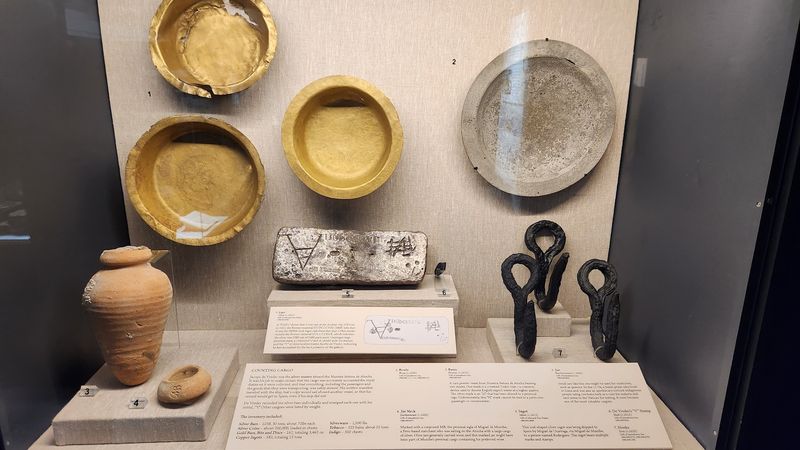
There is something almost surreal about standing inches away from a solid gold bar that spent 363 years on the ocean floor, and Mel Fisher’s Treasure Museum at 200 Greene St in Key West, Florida makes that experience completely accessible.
The star of the collection is the staggering haul recovered from the Nuestra Senora de Atocha, a Spanish galleon that sank in 1622 while carrying an almost unimaginable cargo of gold, silver, and emeralds.
Fisher spent sixteen years searching for the Atocha before his crew finally hit the main treasure pile in 1985, and the museum tells that entire obsessive, heartbreaking, and ultimately triumphant story with impressive depth.
Actual recovered coins, chains, and jewelry are displayed without glass barriers in some sections, meaning you can get genuinely close to objects worth millions of dollars.
Key West’s Duval Street energy is just steps away, but I honestly lingered inside the museum far longer than I expected to.
9. Military Sea Services Museum, Sebring, Florida
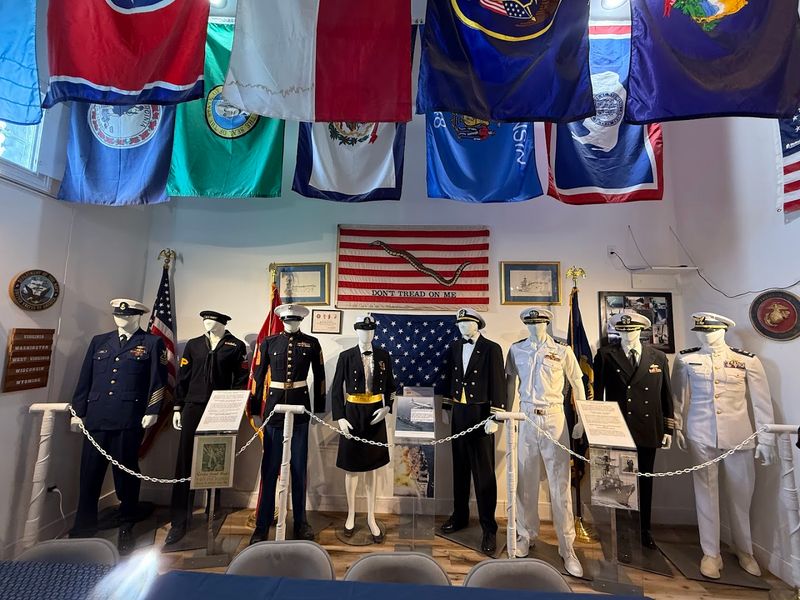
Finding a museum dedicated to the U.S. Navy, Coast Guard, and Merchant Marine in landlocked Sebring, Florida is the kind of delightful contradiction that makes small museum hunting so rewarding.
The Military Sea Services Museum at 1402 Roseland Ave holds an impressive collection of uniforms, navigational instruments, ship models, and personal artifacts donated by veterans and their families from across the country.
What gives this museum its emotional core is the personal dimension: letters, photographs, and service records that put human faces on military history in a way that large naval museums sometimes struggle to achieve.
I found a display about Merchant Marine service in World War II particularly moving because it covered a group of veterans whose contributions are still underrecognized in mainstream history.
The museum is run largely by volunteers, and the passion they bring to every exhibit is immediately obvious when you start asking questions.
Sebring itself is a pleasant small city with good lunch options nearby, making this a full and satisfying day trip.
10. Florida Air Museum, Lakeland
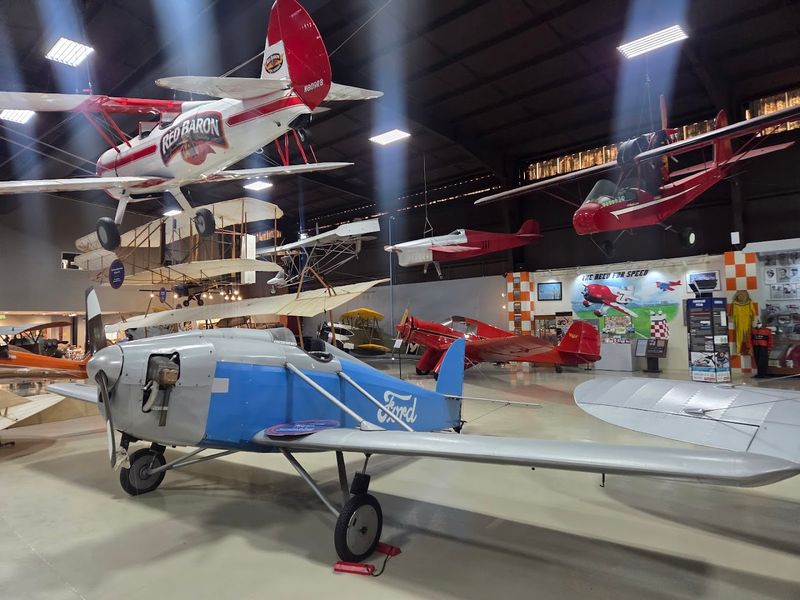
Lakeland, Florida is home to one of the country’s most celebrated airshows, and the Florida Air Museum at 4175 Medulla Rd keeps the aviation energy going all year long even when the planes are not looping overhead.
The museum sits on the grounds of the Sun ‘n Fun Aerospace Expo campus and houses a rotating collection of restored aircraft ranging from fragile early biplanes to sleek mid-century jets that defined an era of American engineering confidence.
Exhibits trace the full arc of flight history, from the Wright brothers’ first tentative hops to the space age ambitions that followed World War II, with a strong focus on Florida’s own role in aviation development.
I spent a long time circling a beautifully restored 1930s open-cockpit biplane, trying to imagine the nerve it took to climb into one of those and trust it to the sky.
The museum also hosts youth education programs, so visiting on a weekday sometimes means watching a school group experience genuine wonder at these machines.
11. Bonnet House Museum & Gardens, Fort Lauderdale
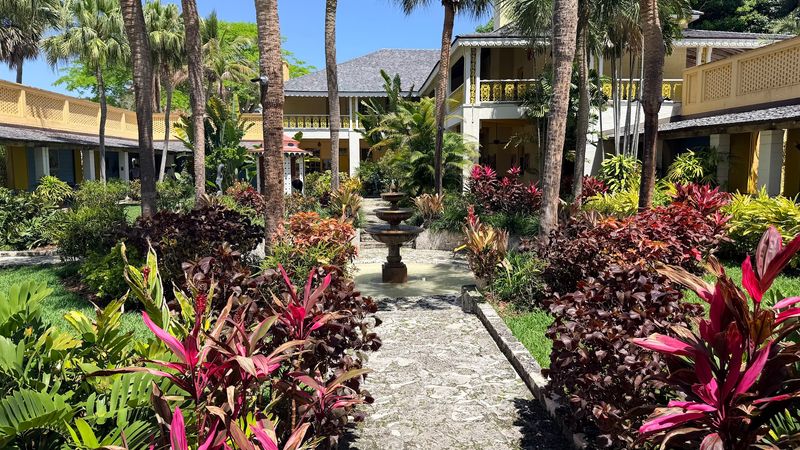
Squeezed between the Atlantic Ocean and the Intracoastal Waterway, Bonnet House at 900 N Birch Rd in Fort Lauderdale, Florida is thirty-five acres of eccentric genius hiding in plain sight.
The estate was built in the 1920s by artist Frederic Bartlett and later became the beloved home of his wife Evelyn, whose personality is stamped on every corner of the property in the form of hand-painted murals, collected oddities, and a resident flock of swans.
Touring the house itself feels less like a museum visit and more like wandering through the private world of two people who genuinely did not care what anyone else thought about interior decorating.
The surrounding subtropical forest is a designated nature preserve that shelters monkeys, iguanas, and an impressive variety of birds within shouting distance of Fort Lauderdale’s high-rises.
Guided tours run regularly and are led by knowledgeable docents who clearly love this place as much as the Bartletts did.
Arrive early in the morning when the garden light is soft and the animals are most active.
12. Florida CCC Museum, Sebring
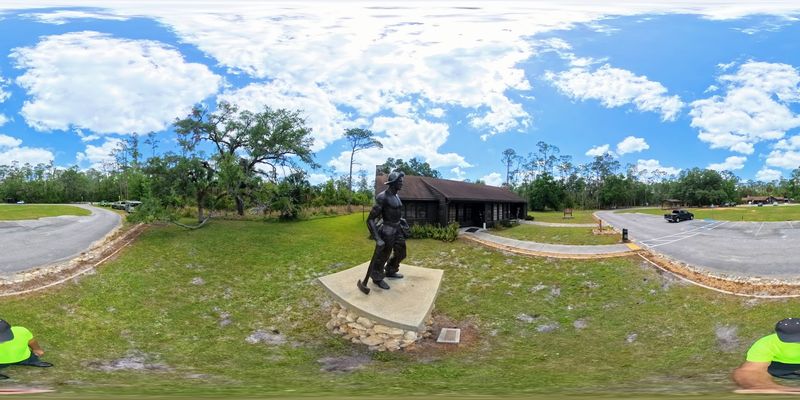
Highlands Hammock State Park near Sebring, Florida is one of the oldest state parks in the country, and the Florida CCC Museum at 5931 Hammock Rd tells the story of the young men who built it with their own hands during the Great Depression.
The Civilian Conservation Corps put hundreds of thousands of unemployed young Americans to work on public lands between 1933 and 1942, and the results in Florida alone included bridges, cabins, trails, and campgrounds that are still in use today.
The museum inside the park is small but thoughtfully arranged, with original tools, photographs, uniforms, and personal journals that make the CCC workers feel like real people rather than historical abstractions.
I was struck by how young many of them were, some barely seventeen, building infrastructure that would outlast them by nearly a century.
The surrounding hammock of ancient oaks and cypress dripping with Spanish moss is worth the trip entirely on its own.
Pair the museum with a tram tour of the park for a complete and genuinely lovely day out.
13. Sandoway Discovery Center, Delray Beach
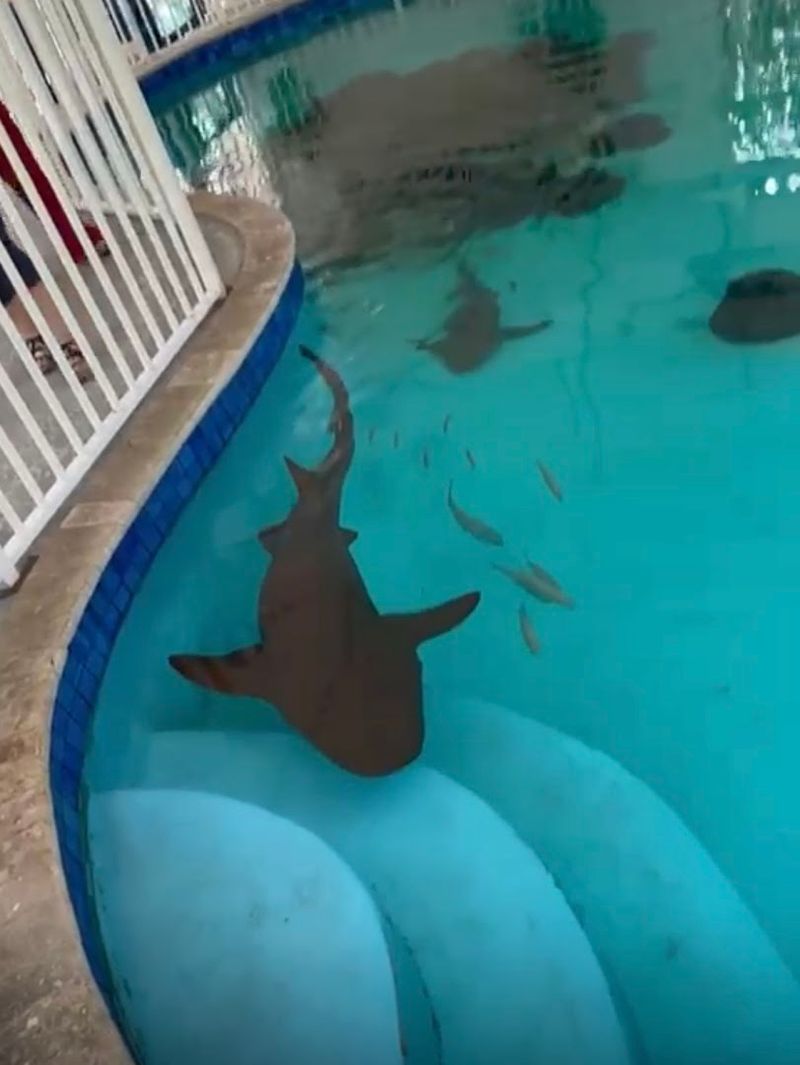
Right on the sand at 142 S Ocean Blvd in Delray Beach, Florida, the Sandoway Discovery Center occupies a 1930s beachfront house that looks like it belongs in a vintage postcard, which honestly makes it even better.
The museum focuses on the natural history and marine life of Florida’s Atlantic coast, and its live exhibits include a shark touch tank that never fails to produce a chorus of surprised yelps from first-time visitors of all ages.
Fossil collections, native bee habitats, and rotating natural history displays give the center a surprising amount of depth for such a compact space.
I appreciated that the interpretive text is written accessibly without dumbing anything down, which is a harder balance to strike than most people realize.
Naturalist-led programs run on weekends and cover topics ranging from shark biology to coastal plant identification, and they fill up quickly so booking ahead is smart.
The beach is literally outside the front door, so a post-museum swim is practically mandatory.
14. Karpeles Manuscript Library Museum, St. Augustine
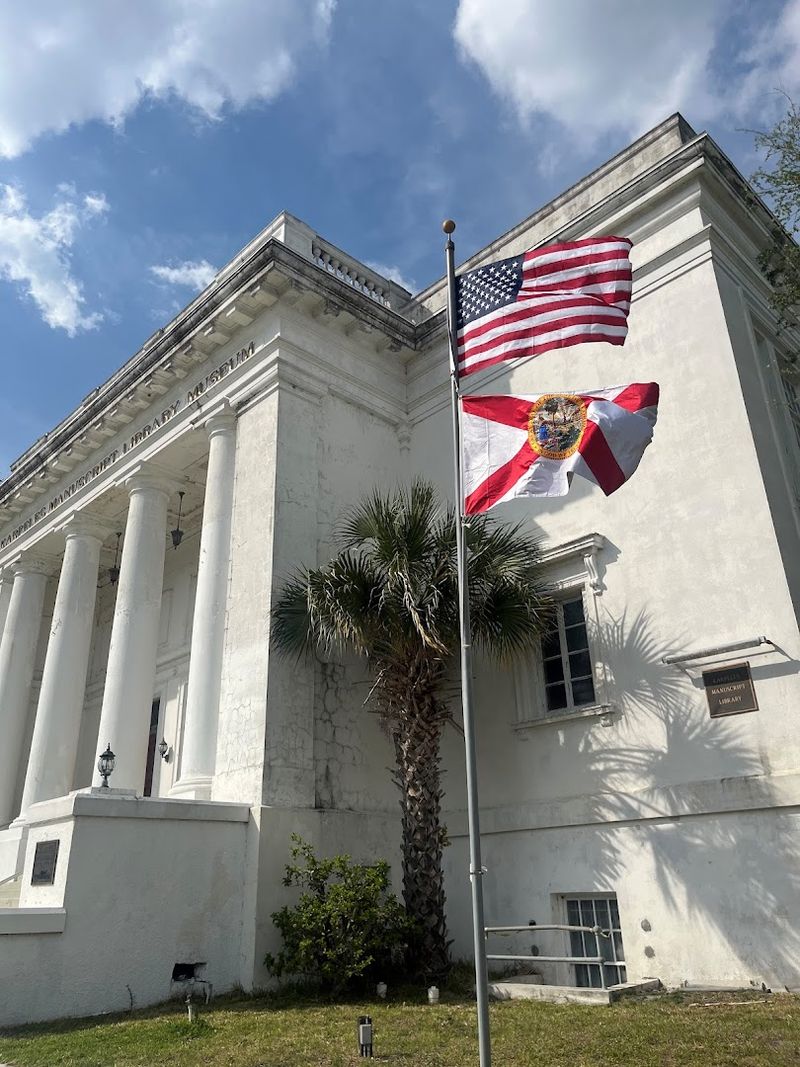
At 101 W 1st St in St. Augustine, Florida, the Karpeles Manuscript Library Museum holds something that most people do not even know exists: one of the largest private collections of original historic manuscripts in the world, and admission is completely free.
On any given visit, you might find yourself face to face with an original draft of a constitutional amendment, a letter written by a founding father, or a musical score in the hand of a composer you studied in school.
The collection rotates regularly, so returning visitors consistently encounter something new, which makes this one of the rare museums that rewards multiple visits within the same year.
What I find most striking is the quietness of the place, a hush that feels appropriate when you are standing near objects that shaped the course of human history.
The building itself is a former church with beautiful bones, and the architecture adds a layer of gravity to the experience.
St. Augustine’s historic waterfront is a short walk away, making this a natural first stop on a full day of exploration.