
10 Illinois Places To Visit In 2026 Before Everyone Else Finds Them
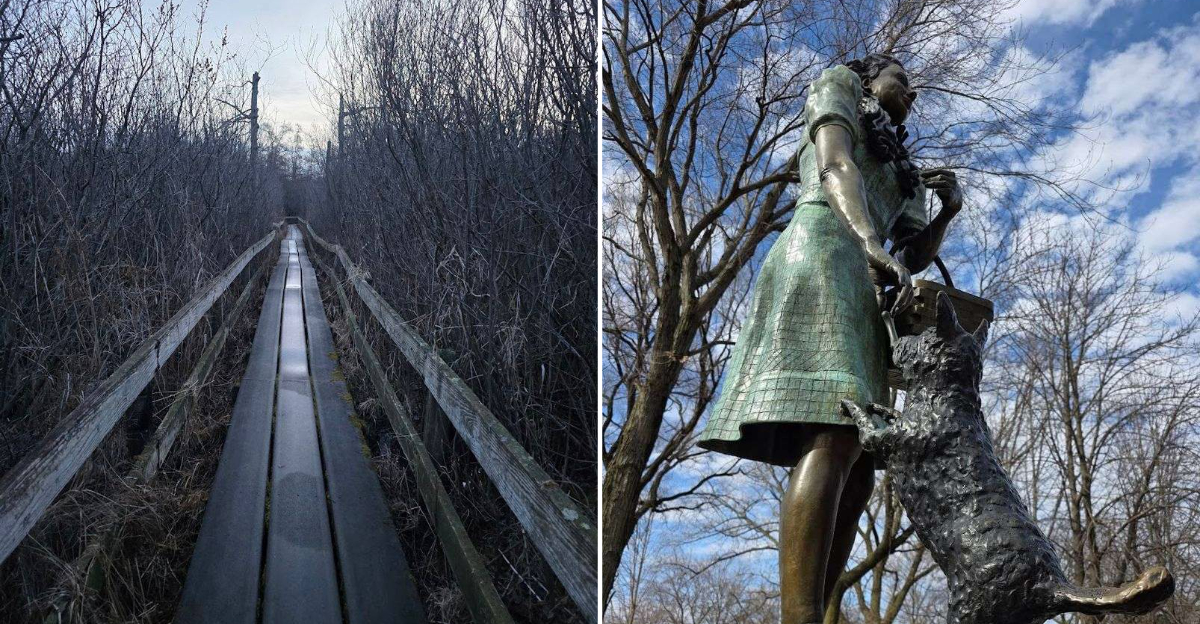
Illinois has a way of surprising people who think they already know it. Chicago tends to dominate the conversation, yet the rest of Illinois reveals a landscape shaped by wild prairies, ancient mounds, winding canyon trails, and overlooked historic sites that rarely make the spotlight.
Time spent exploring these quieter corners leads to places that feel far removed from the usual expectations of the state. Each destination on this list offers something distinct, with room to wander and take it in without the constant rush of crowds.
That sense of discovery still lingers for now, though it likely will not last forever. As more travelers start looking beyond the obvious, these under-the-radar spots in Illinois are bound to draw the attention they have long deserved.
1. Volo Bog State Natural Area, Ingleside/Volo
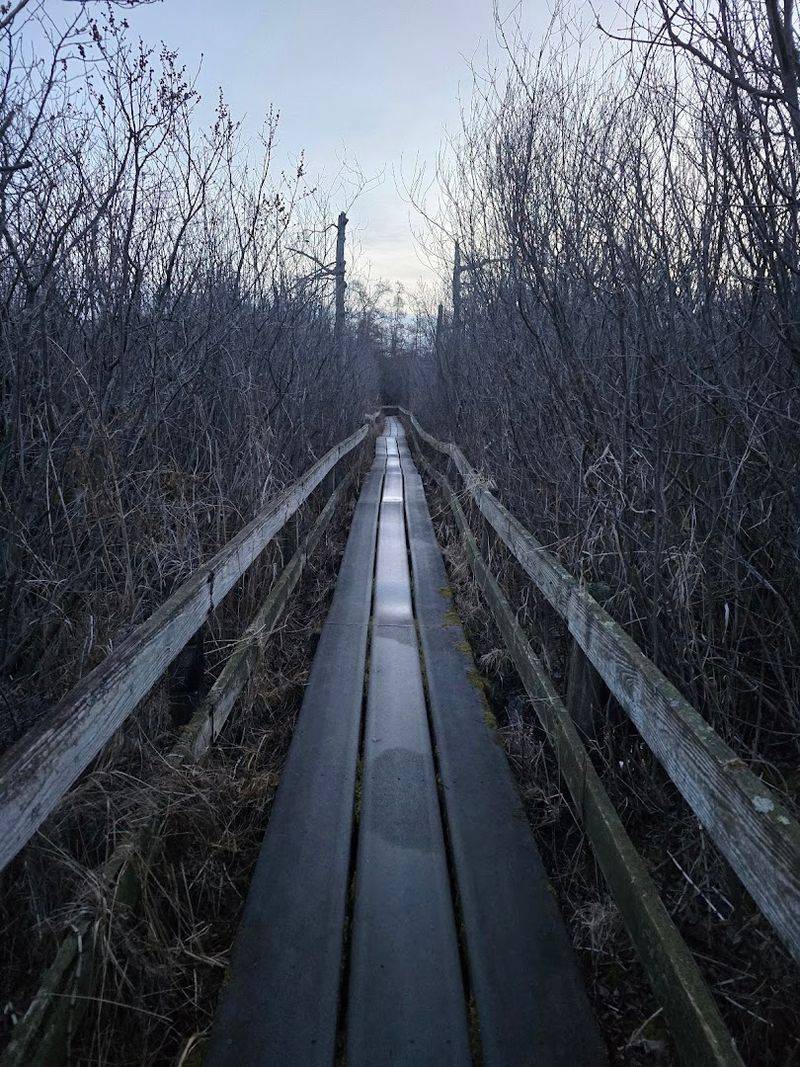
Most people have never stood on a floating piece of land, but that is exactly what happens when you walk the boardwalk at Volo Bog State Natural Area near Ingleside, Illinois. The bog sits in Lake County and is the only open water quaking bog in Illinois that is accessible to the public.
The ground actually moves beneath your feet, which sounds unsettling but is honestly one of the coolest trail experiences in the entire Midwest.
The site covers about 1,200 acres and features a half-mile inner loop trail that takes visitors right to the heart of the bog.
Tamarack trees, carnivorous sundew plants, and thick sphagnum moss create a landscape that feels more like Canada than Illinois. Birdwatchers will find plenty to get excited about, since the bog hosts species that rarely appear in the region.
Spring and fall are the best seasons to visit, when temperatures are mild and the colors shift dramatically across the wetland. Admission is free, and the nature center on site provides helpful background on the bog’s ecology.
Go on a weekday morning and you may have the whole trail nearly to yourself.
2. Midewin National Tallgrass Prairie, Wilmington/Joliet Area
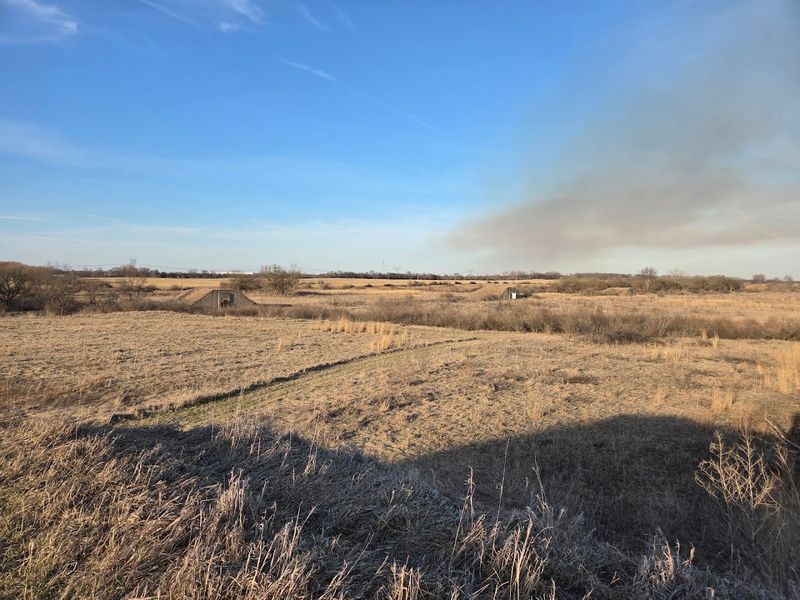
Before European settlers arrived, tallgrass prairie covered about 22 million acres of Illinois. Today, less than one percent of that original landscape remains, which makes Midewin National Tallgrass Prairie near Wilmington one of the most important natural sites in the entire state.
Managed by the U.S. Forest Service, Midewin spans roughly 19,000 acres and represents one of the largest prairie restoration efforts in the country.
What makes this place feel genuinely special is the American bison herd that was reintroduced here starting in 2015.
Seeing these massive animals grazing across open grassland in Illinois is a sight that catches most visitors completely off guard. The prairie also hosts over 200 bird species, making it a serious destination for birders throughout the year.
Trails range from easy walks to longer routes that stretch several miles into the open landscape. Wildflower blooms peak in late spring through summer, turning the fields into waves of purple, yellow, and white.
The site sits on former Joliet Army Ammunition Plant land, and some of the old concrete bunkers are still visible along certain trails, adding an unexpected layer of history to the outdoor experience.
3. Bishop Hill State Historic Site, Bishop Hill
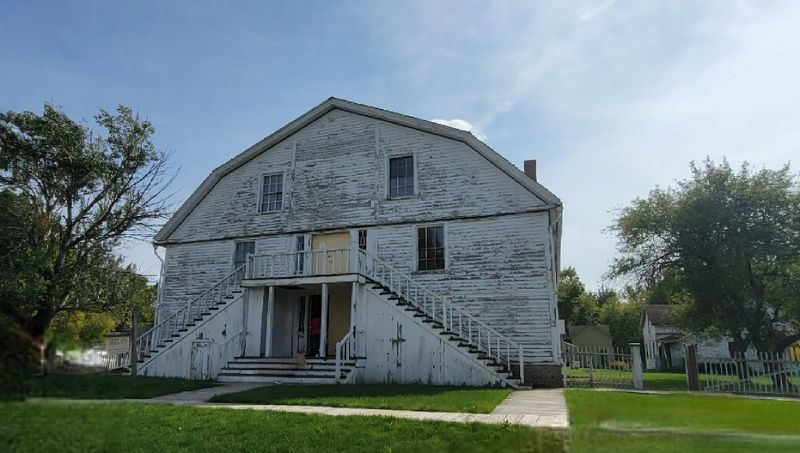
Somewhere in the flat farmland of Henry County, there is a small village that feels like it belongs in Scandinavia. Bishop Hill was founded in 1846 by Swedish religious reformer Erik Jansson, who led about 1,500 followers from Sweden to the Illinois prairie in search of a new way of life.
The colony they built became one of the most successful communal societies in American history before dissolving in the 1860s.
Today, Bishop Hill is a state historic site and a genuinely charming place to spend a few hours. The original colony buildings are remarkably well preserved, and several of them house galleries, small shops, and historic spaces, though some museum facilities may have limited or changing access.
The Steeple Building, the Colony Church, and the Bjorklund Hotel are all worth a slow, curious look.
The village hosts a handful of festivals throughout the year, including a popular Midsommar celebration in June that draws visitors from across the Midwest. Folk art, Swedish heritage crafts, and locally made goods fill the shops along the common.
Henry County is about two and a half hours southwest of Chicago, making Bishop Hill an easy day trip with an atmosphere that feels nothing like the rest of Illinois.
4. Pomona Natural Bridge Trail, Shawnee National Forest
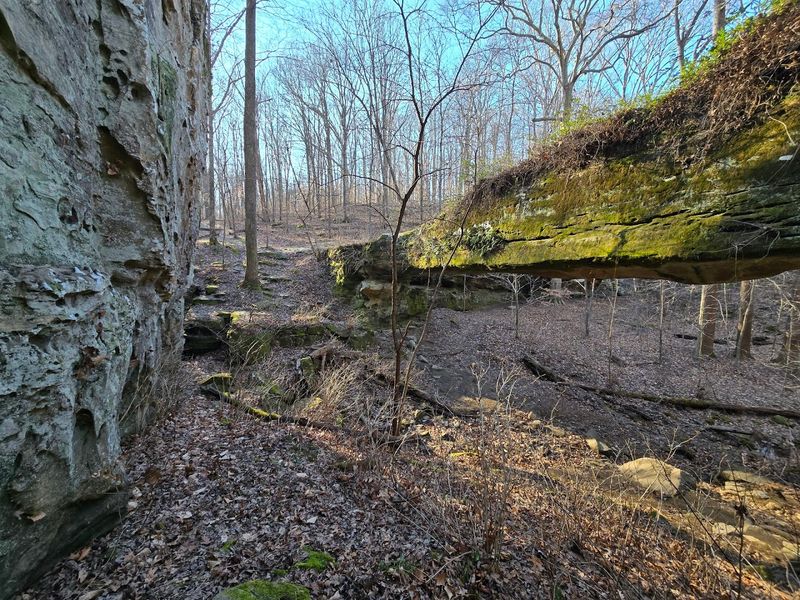
Southern Illinois hides one of the most photogenic geological features in the entire Midwest, and the majority of the country has no idea it exists.
The Pomona Natural Bridge in Shawnee National Forest is a 90-foot-long sandstone arch that formed over millions of years of erosion, and the short 0.3-mile loop trail leading to it is one of the most rewarding quick hikes in the state.
The arch sits in Jackson County and is free to visit year-round. Most hikers complete the short loop in under an hour, but the scenery rewards anyone who slows down and takes it in from multiple angles.
The sandstone glows in warm amber tones during the golden hour before sunset, and the forest canopy above creates a cathedral-like feeling that is hard to describe without seeing it firsthand.
Shawnee National Forest surrounds the area with additional trails, scenic overlooks, and interesting rock formations that make it easy to build a full day of exploring.
The Garden of the Gods overlook and Little Grand Canyon are both within reasonable driving distance. Fall foliage season turns the entire region into a patchwork of red, orange, and gold that rivals any New England landscape for sheer visual impact.
5. Dickson Mounds Museum, Lewistown
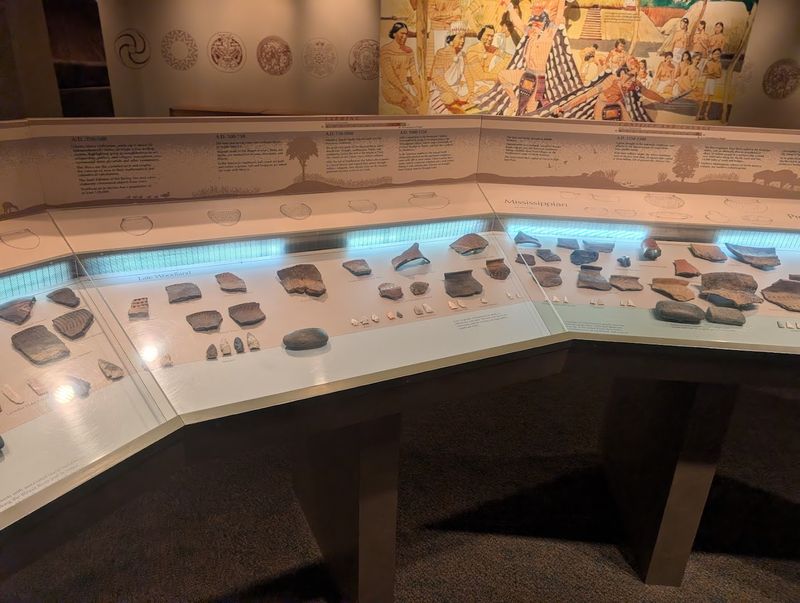
Few museums in the Midwest tell a story as deep and layered as the one at Dickson Mounds near Lewistown in Fulton County.
The museum sits directly on an ancient burial and ceremonial site used by Indigenous peoples of the Mississippian culture, and it does a remarkable job of presenting that history with respect, depth, and genuine care for the communities connected to it.
The building itself is built into the landscape, and exhibits inside trace more than 12,000 years of Native American life in the Illinois River valley.
Interactive displays, artifact collections, and thoughtfully written panels make the experience accessible for visitors of all ages. The museum is free to enter, which makes it an easy addition to any road trip through central Illinois.
Outside, the surrounding grounds include walking paths that overlook the Illinois River floodplain, a landscape that was central to the lives of the people who lived and gathered here centuries ago.
The site is operated by the Illinois State Museum system and is open Tuesday through Saturday. It is one of those places that leaves visitors genuinely rethinking how much history exists beneath the Illinois soil.
6. Oz Park, Chicago
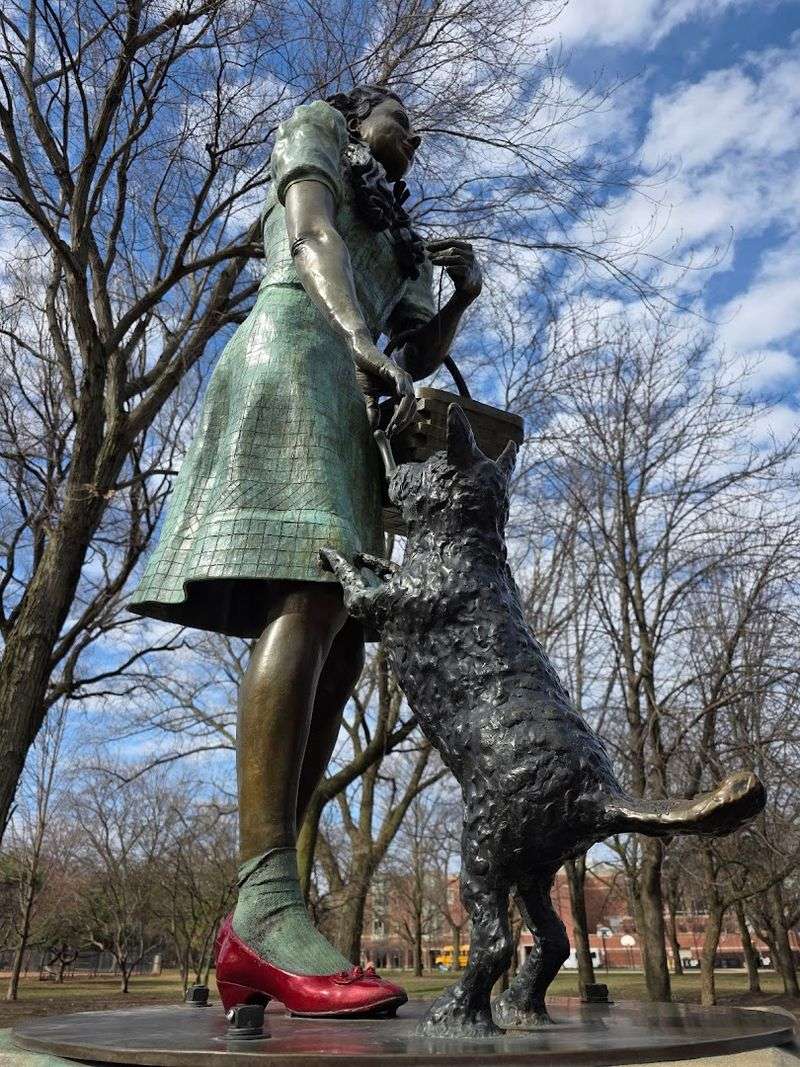
Chicago gave the world L. Frank Baum, the author of The Wonderful Wizard of Oz, and a quiet corner of the Lincoln Park neighborhood pays tribute to that legacy in the most delightful way.
Oz Park sits in the Lincoln Park neighborhood and features bronze statues of Dorothy and Toto, the Scarecrow, the Tin Man, and the Cowardly Lion placed throughout the green space.
The park is a fully functioning neighborhood park with tennis courts, a playground, a community garden, and plenty of open lawn.
What sets it apart is the way the Oz statues appear naturally throughout the space, rewarding visitors who wander rather than those who rush through with a checklist. Each statue has its own personality and placement that feels thoughtfully chosen rather than plopped down as an afterthought.
Families with young children tend to love this spot, and it photographs beautifully in the morning before the neighborhood fully wakes up.
The surrounding Lincoln Park area is filled with restaurants, cafes, and shops that make the visit easy to extend into a full afternoon. For a Chicago park experience that goes beyond the obvious, Oz Park delivers something genuinely memorable.
7. Pere Marquette State Park, Grafton
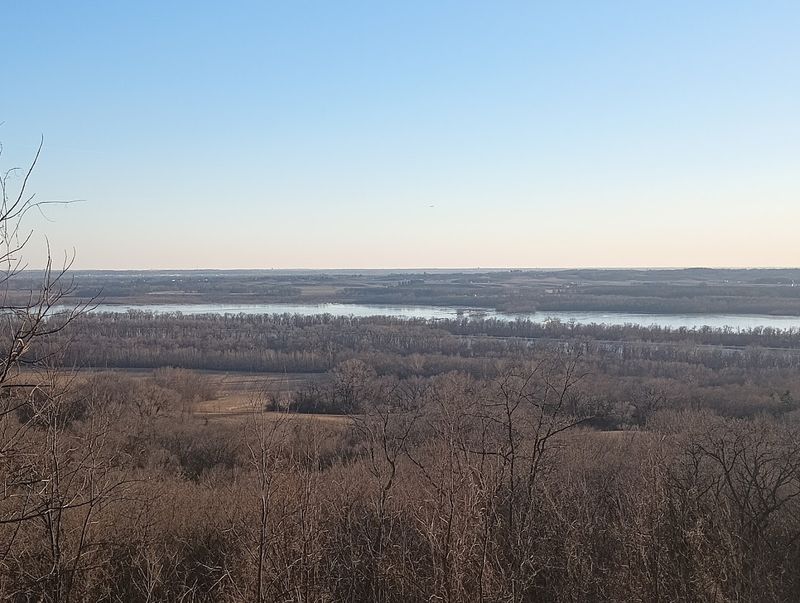
Standing on the bluffs at Pere Marquette State Park near Grafton and watching the Illinois River merge into the Mississippi is the kind of view that makes you feel genuinely small in the best possible way.
This is Illinois’s largest state park, covering over 8,000 acres along the river bottoms and rugged limestone ridges of Jersey County, and it earns every bit of that scale.
The park offers about 12 miles of marked hiking trails that climb through dense hardwood forest to dramatic overlooks.
The McAdams Peak trail is a popular choice, rewarding hikers with sweeping views that stretch across the river valley into Missouri on clear days. Equestrian trails, boat launches, and picnic shelters round out the recreational options available throughout the year.
Fall is undeniably the peak season here, when the bluffs turn into a wall of color that photographers drive hours to capture.
The historic Pere Marquette Lodge, built by the Civilian Conservation Corps in the 1930s, sits inside the park and offers overnight accommodations with a grand stone fireplace in the lobby that feels like a reward after a long day on the trails.
Grafton itself is a charming river town worth exploring before or after your park visit.
8. Apple River Canyon State Park, Apple River
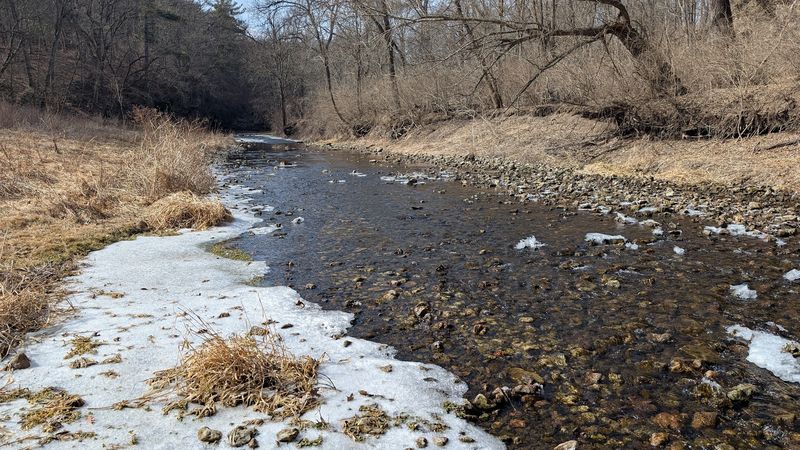
Northwestern Illinois does not get nearly enough credit for its landscape, and Apple River Canyon State Park near the tiny town of Apple River is the clearest proof of that oversight.
The park sits in Jo Daviess County and features a dramatic limestone canyon carved by the Apple River over thousands of years, creating a terrain that feels more like Wisconsin’s Driftless Area than anything most people associate with Illinois.
The canyon walls rise steeply on both sides of the river, and the trails that wind along the ridgelines offer repeated views down into the gorge below.
The total trail system covers about five miles, with options for both casual walkers and hikers looking for a more vigorous outing. Wildflowers crowd the canyon floor in spring, and the creek itself is clear and photogenic throughout the warmer months.
The park is small and relatively uncrowded compared to more famous Illinois destinations, which gives it a peaceful quality that is increasingly hard to find on weekends.
Camping is available on site, and the surrounding region of Jo Daviess County is home to the historic town of Galena, making Apple River Canyon a natural anchor for a longer northwestern Illinois road trip worth planning well in advance.
9. Kankakee River State Park, Bourbonnais
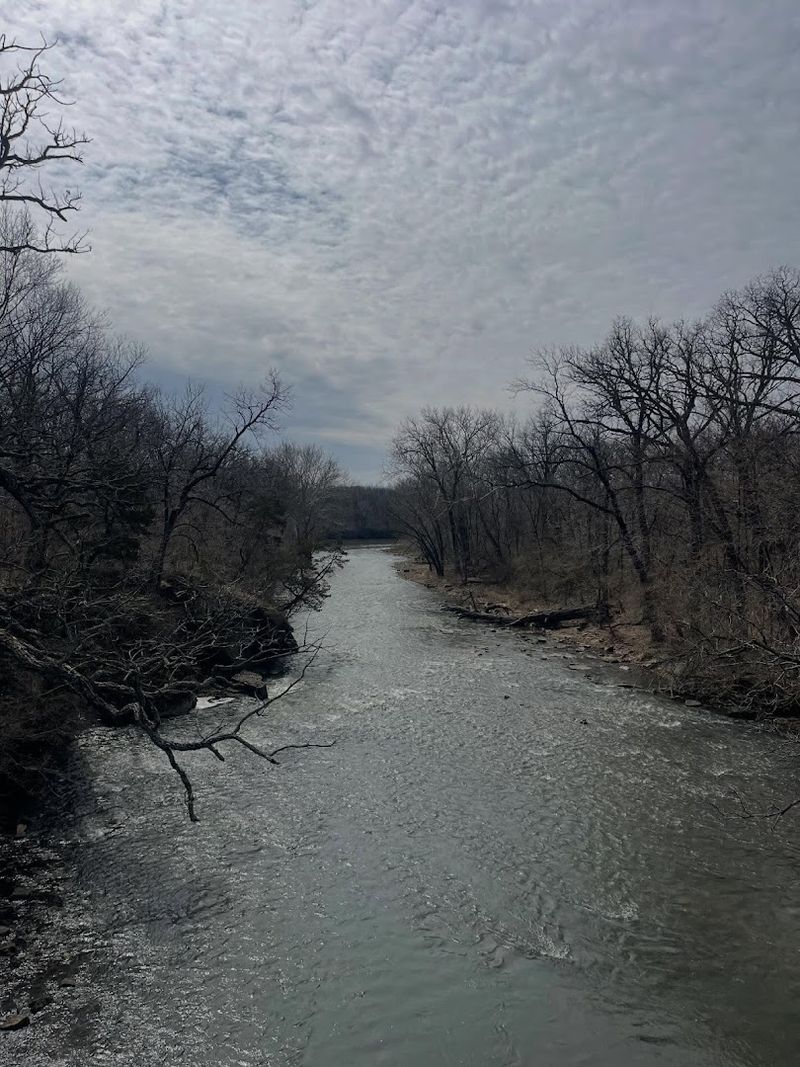
The Kankakee River has been called one of the most biologically diverse rivers in the entire Midwest, and spending a day at Kankakee River State Park near Bourbonnais makes that claim feel completely believable. The park stretches along eleven miles of river canyon in Kankakee County, offering a natural corridor that supports an impressive range of wildlife, plant life, and outdoor recreation.
Kayaking and canoeing are the most popular ways to experience the park, and the river’s calm stretches make it accessible for paddlers of most skill levels.
Rock Creek Canyon, a tributary that feeds into the Kankakee within the park boundaries, is a particular highlight, featuring small waterfalls and exposed limestone formations that reward anyone willing to scramble a little.
The trail system covers more than ten miles on both sides of the river, with footbridges connecting different sections of the park. Bald eagles are frequently spotted here during winter months, and the spring wildflower bloom along the canyon trails is genuinely impressive.
The park sits about an hour south of Chicago, making it a realistic and rewarding escape from the city that most Chicagoans somehow have not gotten around to visiting yet.
10. Crab Orchard National Wildlife Refuge, Marion Area
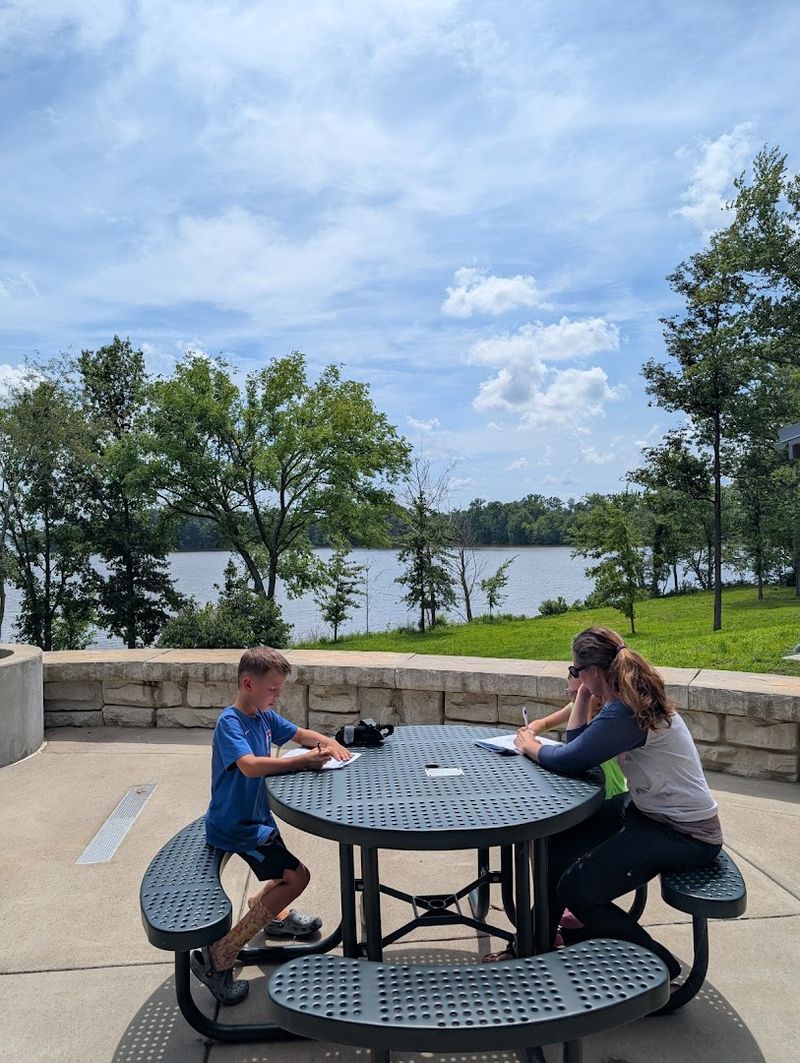
Southern Illinois holds one of the most underrated wildlife spectacles in the country, and it happens every single fall at Crab Orchard National Wildlife Refuge near Marion.
Hundreds of thousands of Canada geese and other migratory waterfowl descend on the refuge’s lakes and wetlands during peak migration, creating a noise and visual display that is hard to put into words the first time you witness it.
The refuge covers about 44,000 acres across Williamson County and includes three large lakes, extensive wetlands, upland forests, and grassland habitats.
Fishing is permitted in designated areas, and Crab Orchard Lake is especially popular with anglers targeting largemouth bass and crappie. Wildlife photography opportunities here rival anything available at more famous Midwestern refuges.
Hiking trails wind through different habitat types, and the auto tour route gives visitors an easy way to cover a lot of ground without leaving their vehicle. The refuge is also home to an active bald eagle population, and winter visits often reward patient observers with multiple sightings in a single morning.
Marion sits near the southern tip of Illinois, making Crab Orchard a natural centerpiece for any road trip through the state’s surprisingly wild southern half.