
Arkansas’ 9 Strangest Town Names You Won’t Believe Exist
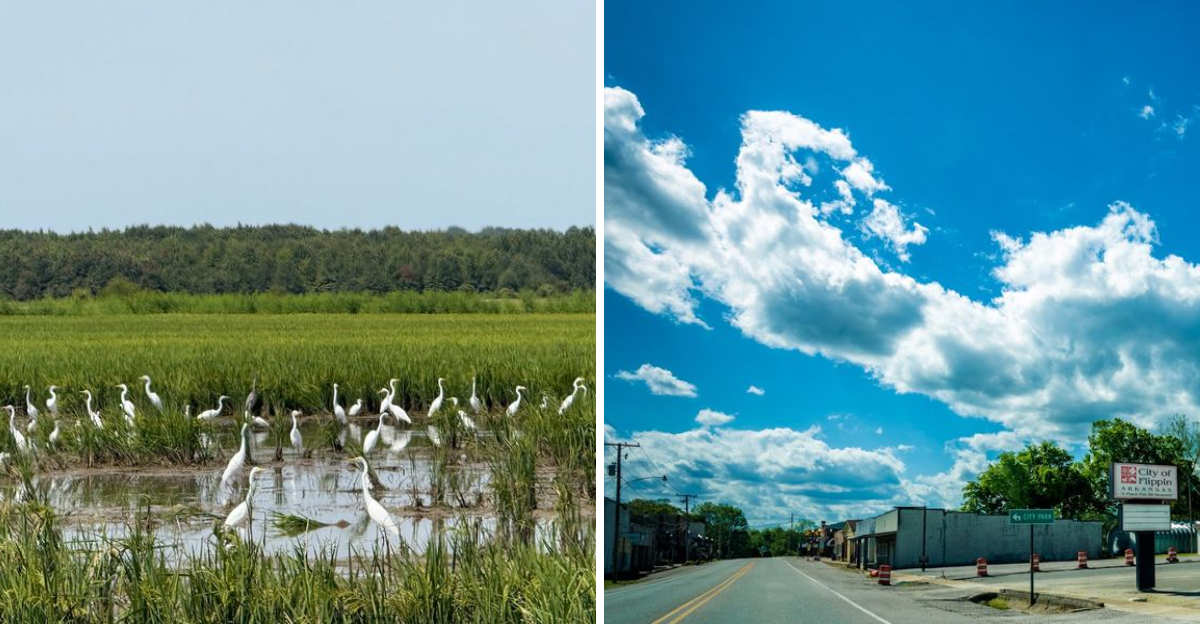
Arkansas doesn’t play it safe with town names, and honestly, that’s what makes it fun. You see one and laugh. Then another pops up and somehow tops it. It’s the kind of thing that pulls you in before you even realize it.
Some names feel like jokes that went too far. Others sound like someone just picked the first idea and called it a day. I had to see what was behind them, so I started digging. That’s when it got interesting.
These places have stories that make the names even more memorable. You’re not just reading a list, you’re stepping into something a little unexpected.
Each one adds another “no way” moment. By the time you finish, you’ll have favorites. And yes, you’ll probably be saying them out loud just to hear how they sound.
Trust me, you’ll catch yourself repeating them later and laughing all over again tonight
1. Smackover
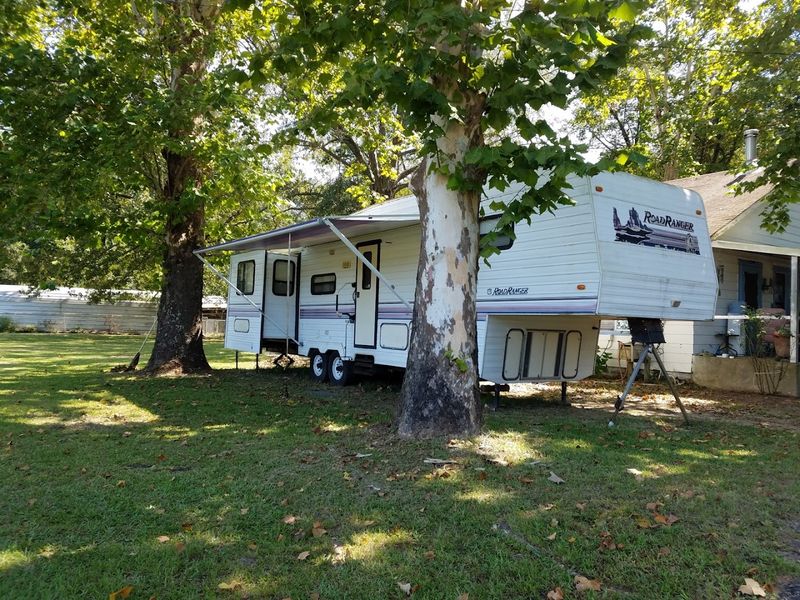
Long before it became one of Arkansas’s most head-turning place names, Smackover had French roots that most people never suspect.
The name is believed to trace back to the French phrase “Sumac Couvert,” meaning covered in sumac bushes, which early French explorers used to describe the heavily wooded area.
Over generations, that elegant French phrase got twisted by English-speaking tongues until it landed on “Smackover,” a name that sounds more like a wrestling move than a peaceful southern town.
Smackover sits at 701 Broadway St, Smackover, AR 71762, in Union County in southern Arkansas, and it carries a proud oil boom history from the early twentieth century.
The Arkansas Museum of Natural Resources is located here and tells the full story of that wild oil rush era, complete with vintage equipment and fascinating exhibits.
Visiting on a quiet weekday gives you a relaxed, unhurried pace to soak in the town’s character without the weekend crowds.
The surrounding area is lush and green, and the drive in along Highway 7 gives you a real sense of the wooded landscape that inspired those long-ago French explorers.
Smackover may sound like a punchline, but once you arrive, you quickly realize this town has more layers, more history, and more personality than its funny name could ever fully prepare you for.
2. Toad Suck
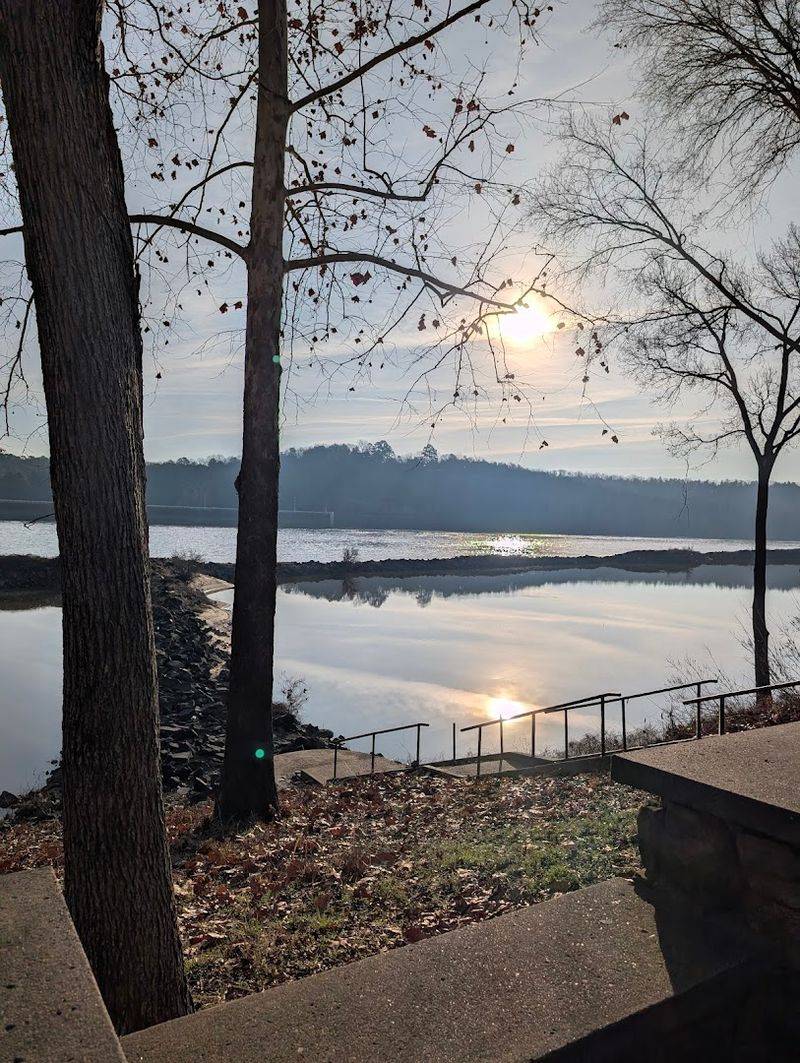
There are town names that make you chuckle, and then there is Toad Suck, a name so wonderfully strange that it has earned its own annual festival and a permanent place in Arkansas folklore.
Located near Conway at 1200 Toad Suck Ferry Rd, Conway, AR 72032, this spot sits along the Arkansas River and has been confusing GPS users and delighting road-trippers for years.
The origin story is genuinely contested, which makes it even more fun to talk about around a campfire.
One popular theory claims that riverboat men used to dock here and drink until they swelled up like toads, while another suggests the name is a mangled version of a French phrase used by early settlers in the region.
Every spring, Conway hosts the Toad Suck Daze festival, a beloved community event that leans fully into the absurdity of the name with toad races, live music, and plenty of local food vendors.
The Arkansas River scenery in this area is genuinely beautiful, with wide open water views and a peaceful natural atmosphere that contrasts hilariously with the name on the road sign.
If you time your visit right and catch the festival, you will leave with photos, memories, and a story that will earn you immediate credibility at any future trivia night.
Toad Suck is proof that a name does not have to be dignified to be deeply loved by an entire community.
3. Fifty-Six
Sometimes the most creative solution is the most practical one, and the story of how Fifty-Six got its name is a perfect example of that kind of no-nonsense Arkansas thinking.
When the original name “Newcomb” was rejected by the postal service because another Arkansas town already claimed it, residents simply looked at their school district number and said, close enough.
School District 56 became the town of Fifty-Six, located in Stone County at Fifty-Six, AR 72533, tucked into the rolling hills of the Ozark Mountains in north-central Arkansas.
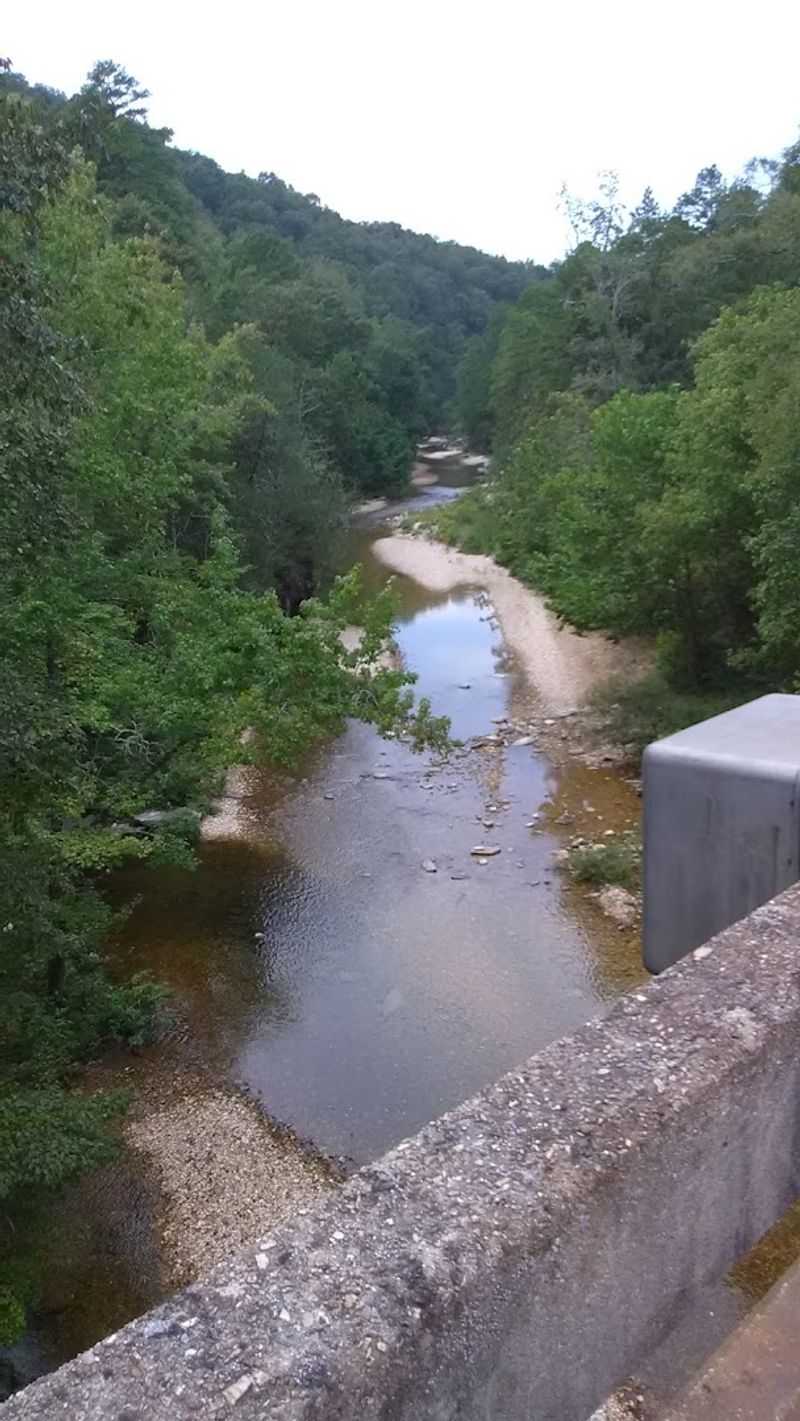
The setting here is genuinely stunning, with forested ridgelines and clear mountain streams that make the drive in feel like a reward all by itself.
Nearby Blanchard Springs Caverns is one of the most impressive cave systems in the entire country, and it draws visitors from across the region who often stumble onto Fifty-Six while exploring the area.
The Ozark National Forest surrounds much of this region, offering hiking trails, fishing spots, and the kind of quiet that city dwellers spend all year chasing.
Fall is an especially magical time to visit, when the hardwoods turn gold and orange and every curve in the mountain road reveals another view worth stopping for.
Fifty-Six may have gotten its name by default, but the town has spent every year since then proving that a number can carry just as much character as any fancier title ever could.
4. Flippin
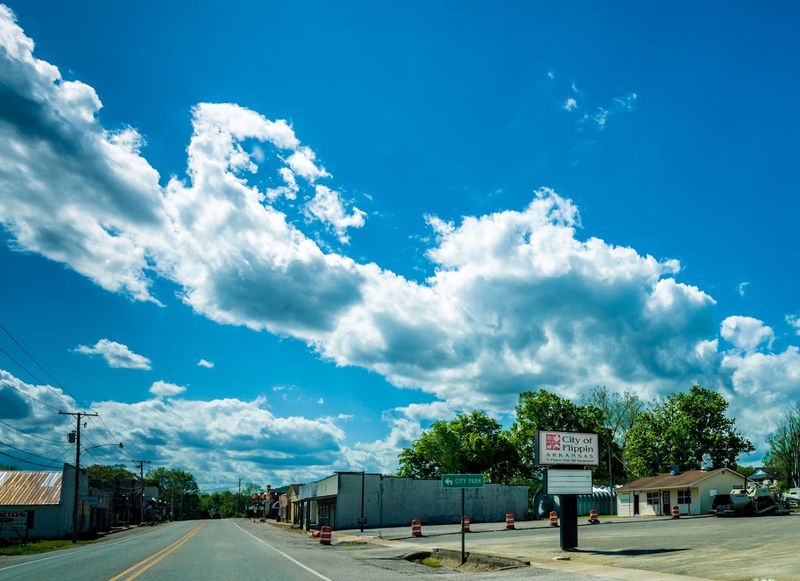
Road signs in this part of Arkansas have been stolen more times than local officials care to count, and honestly, it is hard to blame the tourists entirely.
Flippin sits at 239 E Main St, Flippin, AR 72634, in Marion County in the Arkansas Ozarks, and it carries a name that has inspired more wordplay than almost any other town in the state.
The name actually honors the Flippin family, early settlers who put down roots in this part of the mountains long before anyone thought twice about how the name might read on a highway sign.
Today, the town leans into its reputation with good humor, and locals seem genuinely entertained by the steady stream of visitors who stop just to photograph the town sign.
Beyond the laughs, Flippin is a genuine gateway town for exploring the White River, one of the most popular fishing destinations in the region.
Fishing, boating, and outdoor recreation along the White River attract enthusiasts from across the country, and Flippin serves as a convenient base camp with lodging, dining, and outfitter services.
Spring brings high water and active fishing conditions, while summer offers long, warm days perfect for spending time along the river at a relaxed pace.
Flippin is one of those places where the name gets you in the door, but the scenery and outdoor adventure are what keep you coming back season after season.
5. Possum Grape
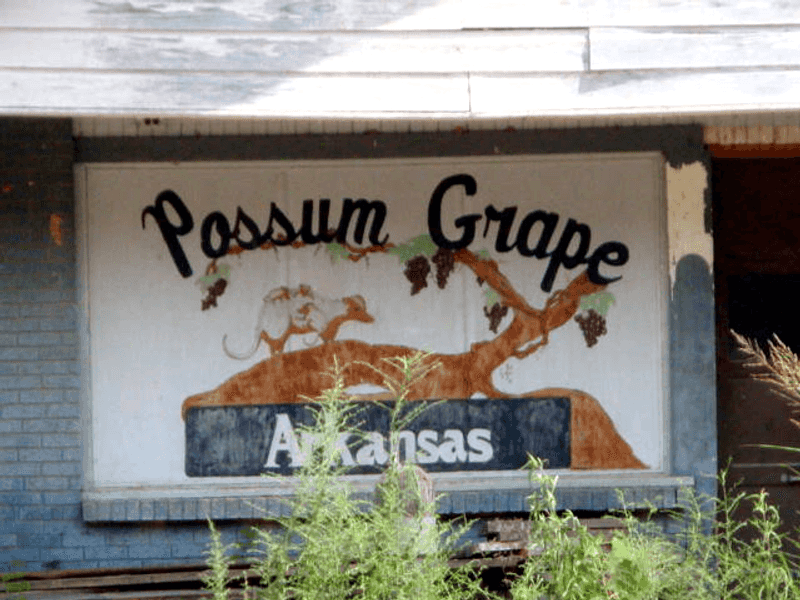
When a community cannot agree on a name, most places pick one side and move on, but Possum Grape, Arkansas, took a more democratic and considerably more entertaining approach.
According to local stories, residents were split between “Possum” and “Grape” as their preferred town name, and rather than hold a tiebreaker vote, someone suggested combining both words into one glorious, unforgettable solution.
The result is Possum Grape, located in Independence County at Possum Grape, AR 72583, a small rural community tucked into the rolling landscape of north-central Arkansas.
The area around Possum Grape is classic Ozark countryside, with wooded hillsides, open farmland, and the kind of unhurried rural pace that feels increasingly rare in the modern world.
Nearby Batesville serves as the closest larger town for supplies and dining, making it easy to pair a Possum Grape visit with a fuller day of exploring the region.
The name itself has made Possum Grape a minor celebrity among fans of unusual American place names, and it regularly appears on lists of the country’s most creatively titled communities.
Driving through on a quiet morning, with mist still hanging over the fields and the trees just beginning to catch the early light, you get a sense of why people settled here in the first place.
Possum Grape may have started as a compromise, but it ended up with a name that neither side could have invented on their own, and that feels like a genuine win.
6. Nimrod
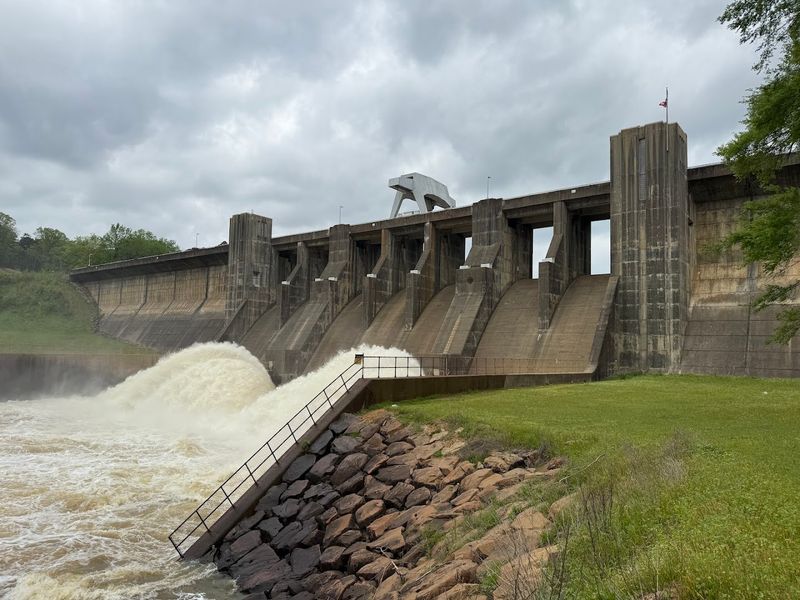
Biblical in origin and eyebrow-raising in context, Nimrod is one of those Arkansas town names that carries centuries of history in just six letters.
The name comes directly from a figure in the Old Testament described as a mighty hunter, and early settlers in this part of Arkansas chose it with that reverent meaning fully in mind.
Nimrod is an unincorporated community in Perry and Yell counties at Nimrod, AR 71959, sitting in a quiet stretch of the Arkansas River Valley where the Ouachita Mountains begin to rise on the horizon.
The nearby Nimrod Lake, created by the Fourche LaFave River, is the real draw for most visitors who make the trip out to this remote corner of the state.
Fishing is the main event at Nimrod Lake, with bass, crappie, and catfish keeping anglers busy from early spring through late fall in the surrounding U.S. Army Corps of Engineers managed waters.
Camping facilities around the lake are comfortable and well-maintained, offering a genuine outdoor escape without the crowds that larger state parks tend to attract on summer weekends.
The surrounding Ouachita National Forest adds hiking and wildlife watching to the list of reasons to linger here longer than you originally planned.
Nimrod is the kind of place where the name gets a laugh at first, but the landscape earns something much more lasting, a quiet respect that stays with you long after you have driven back to the highway.
7. Pickles Gap
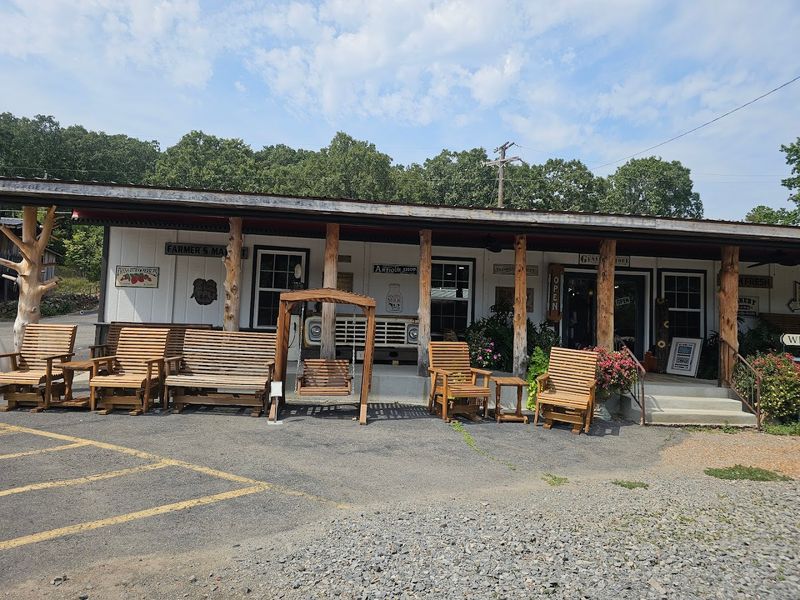
Somewhere between Conway and the Ozark foothills, there is a spot on the map that sounds more like a deli order than a geographic location, and I mean that in the best possible way.
Pickles Gap sits at 305 AR-65, Conway, AR 72032, in Faulkner County, and it has been charming travelers along Highway 65 for generations with its memorably odd name.
The origin of the name is not entirely clear, which only adds to the mystique of a place that already has more personality than most towns ten times its size.
One of the most beloved stops near Pickles Gap is the Pickles Gap Village, a collection of antique shops and specialty stores that draw treasure hunters and collectors from across central Arkansas.
Browsing through the antique buildings here feels like a genuine adventure, with vintage furniture, old signage, glassware, and curiosities stacked in ways that reward slow, careful exploration.
Conway itself is just a short drive away, offering restaurants, lodging, and the full range of amenities you would expect from a thriving college town.
The drive along Highway 65 through this stretch is pleasant and easy, with the landscape gradually shifting from flat Delta farmland to the gentle foothills that signal the beginning of the Ozarks.
Pickles Gap is the kind of roadside discovery that makes you grateful you were paying attention to the map instead of just watching the highway blur past your window.
8. Oil Trough
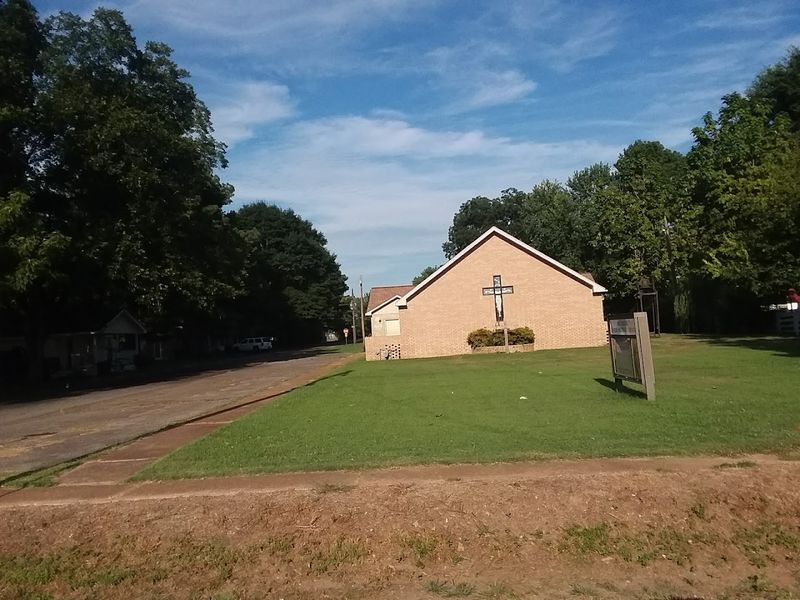
A name that sounds like it belongs on an industrial parts list turns out to have a fascinating backstory rooted in the early days of frontier commerce along the White River.
Oil Trough is a small community in Independence County at 100 Main St, Oil Trough, AR 72564, and its unusual name is believed to trace back to the bear oil trade that once thrived in this part of Arkansas.
Early hunters would render bear fat into oil and store it in wooden troughs along the riverbank, ready for transport and trade, and the practice was common enough that the location took on the name permanently.
The White River runs near the town and has always been the defining feature of this landscape, shaping both the economy and the identity of the community throughout its history.
White River fishing is still a major draw for the area, with the river system supporting excellent opportunities for bass and catfish that attract anglers from neighboring states.
The flat, fertile bottomland surrounding Oil Trough is classic Delta-edge Arkansas, with wide open skies and long views across agricultural fields that stretch to the treeline.
Nearby Batesville offers the closest full-service amenities, making it a practical base for anyone wanting to explore this stretch of the White River corridor.
Oil Trough is the rare kind of place where the name tells you exactly what the town was built on, and that directness feels like a refreshing piece of living history.
9. Bald Knob
Named after a treeless hilltop that once served as a landmark for travelers navigating the flat Arkansas Delta, Bald Knob has been turning heads and earning double-takes on road atlases for well over a century.
The town sits in White County in central Arkansas, positioned where the edge of the Ozark foothills meets the broad, flat farmland of the Delta region.
The original bare hilltop that gave the town its name was a practical navigation point in an era before GPS, when travelers needed visible landmarks to orient themselves across the featureless plain.
Today, Bald Knob is a working agricultural community with a strong sense of local pride and a downtown that still hums with the activity of a town that takes its role as a regional hub seriously.
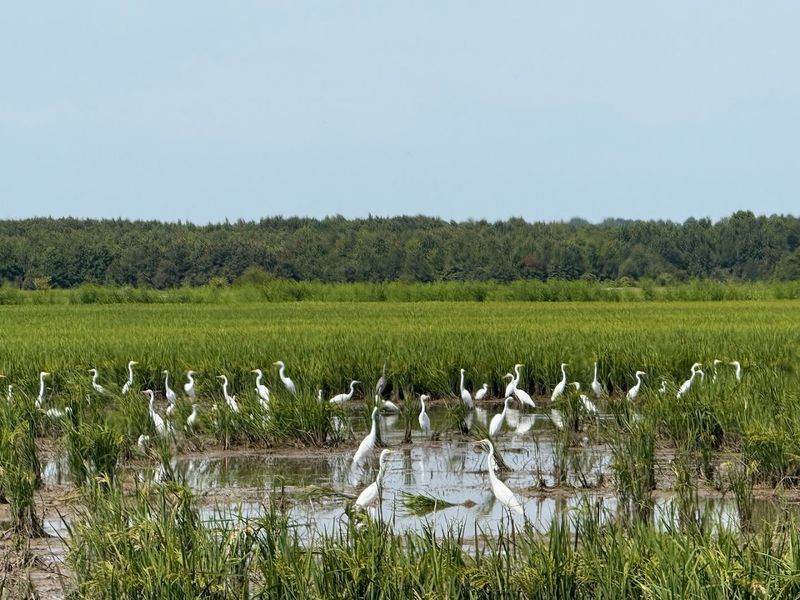
The Bald Knob National Wildlife Refuge, located nearby, is one of the premier birdwatching destinations in the entire mid-South, drawing wildlife enthusiasts who come specifically for the spectacular winter waterfowl migrations.
Thousands of ducks and geese descend on the refuge wetlands each winter, creating a spectacle that genuinely has to be seen to be appreciated, especially at dawn when the birds lift off the water in massive flocks.
Spring and fall migrations also bring a remarkable variety of shorebirds and songbirds through the area, keeping birding lists growing with each visit.
Bald Knob proves that a name rooted in plain geographic observation can grow into something far richer than the simple landscape feature that inspired it.