
One Of Ohio’s Biggest Metro Park Offers Miles Of Untouched Wilderness To Explore
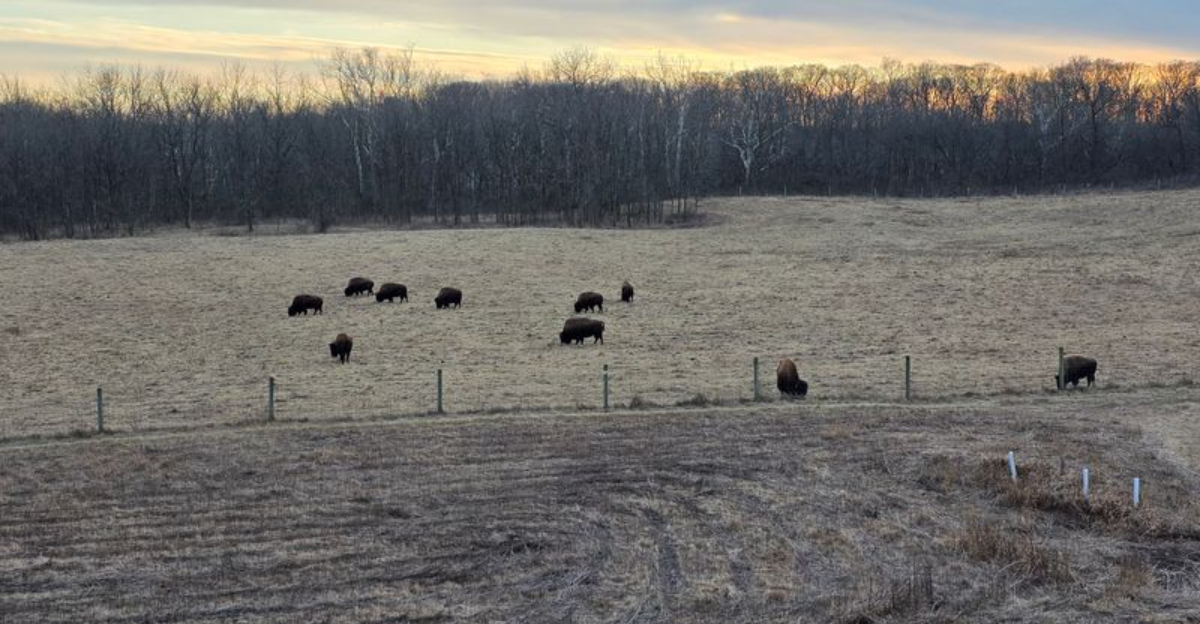
Ohio does nature quietly. But when it goes big, it really goes big. This sprawling metro park isn’t just a patch of green.
It’s miles of wild, untamed escape where the noise of everyday life simply doesn’t get an invite. Think winding trails that disappear into dense forests, open meadows that stretch like they’ve got nowhere to be, and the kind of peaceful silence that feels almost suspiciously perfect.
It’s the place where a “quick walk” turns into hours of wandering, and every turn looks like it belongs on a postcard.
Untouched, uncrowded, and wildly underrated, this is Ohio at its most raw. And once you step in, don’t be surprised if leaving suddenly feels like the hardest part.
The Tallgrass Prairie Restoration That Feels Like Another World
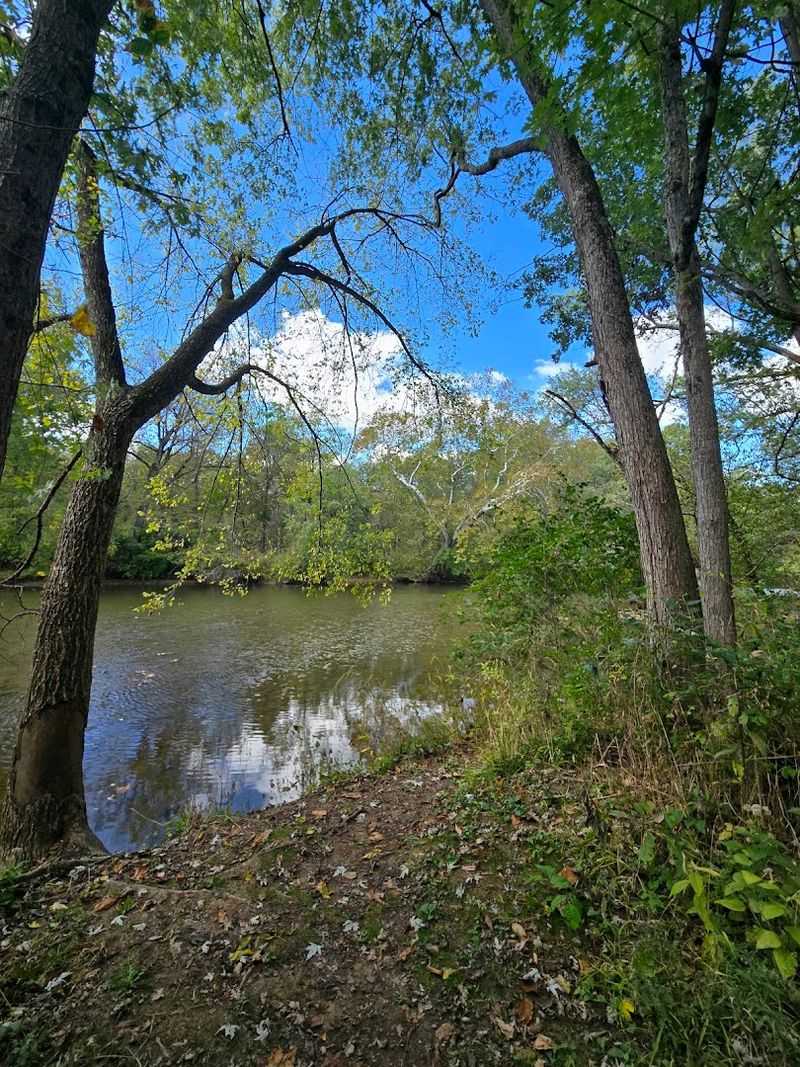
Standing at the edge of the tallgrass prairie at Battelle Darby Creek is a genuinely humbling experience. The grasses stretch out in every direction, swaying in the breeze like something out of a nature documentary.
Located at 1775 Darby Creek Dr, Galloway, OH 43119, this prairie restoration is one of the most ambitious conservation projects in central Ohio.
The park manages hundreds of acres of restored tallgrass prairie, bringing back plant species that once dominated the Ohio landscape before European settlement.
Big bluestem grass, Indian grass, and wild bergamot are just a few of the native plants thriving here. Walking the prairie trails in late summer is especially rewarding because the wildflowers are in full bloom and the colors are extraordinary.
Controlled burns are used periodically to maintain the prairie’s health, which is a fascinating ecological practice that mirrors how Indigenous communities once managed the land.
The prairie also supports a rich community of insects, birds, and small mammals that depend on this habitat type. Bobolinks, meadowlarks, and dickcissels are among the grassland bird species spotted here regularly by birders.
The prairie at Battelle Darby is not just beautiful to look at. It represents a genuine commitment to ecological restoration that gives the landscape its soul back.
Bison Are Actually Roaming Here And It Is Magnificent
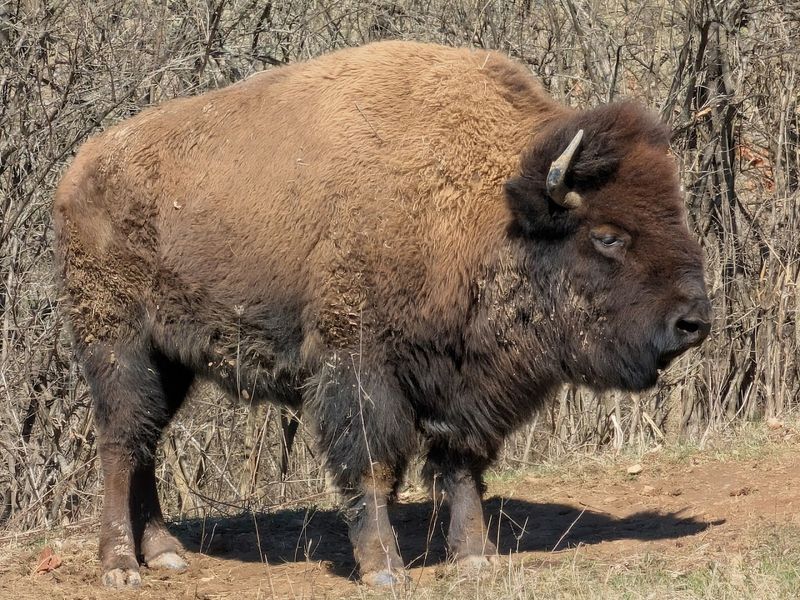
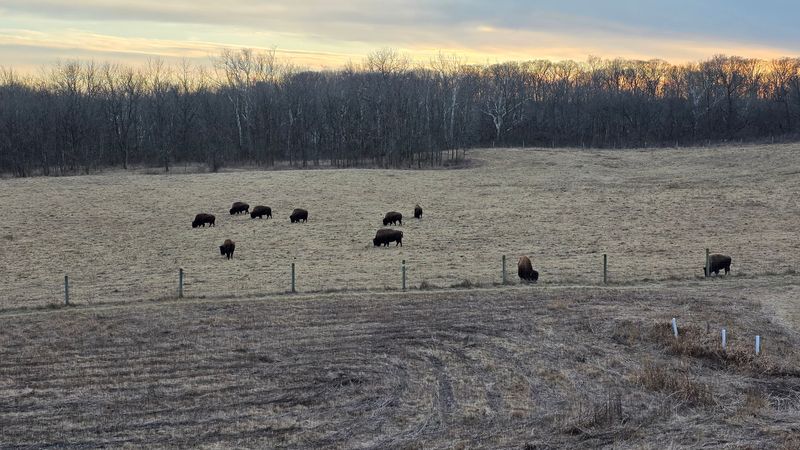
Yes, you read that correctly. There are actual bison living at Battelle Darby Creek Metro Park, and seeing them in person is an experience that stops you mid-step.
The park reintroduced a small herd of American bison to the restored prairie as part of its ecological mission, and they have become one of the most talked-about features of the entire park.
Bison were once a dominant species across the Ohio landscape before being eliminated by overhunting in the 1800s. Bringing them back is both a conservation statement and a powerful visual reminder of what this land once looked like.
Watching these massive animals graze calmly against the backdrop of waving prairie grass feels almost cinematic.
The bison enclosure is accessible from the park’s trail system, and there are viewing areas where visitors can observe the herd without disturbing them.
The best times to spot the bison are in the early morning or late afternoon when they tend to be most active. Rangers and park naturalists occasionally offer programs that explain the role bison play in maintaining prairie ecosystems through grazing patterns.
Bison are not just a novelty here. They are a living, breathing part of the park’s ecological restoration story, and their presence makes Battelle Darby unlike almost any other metro park in the country.
Darby Creek Itself Is A Nationally Recognized Waterway
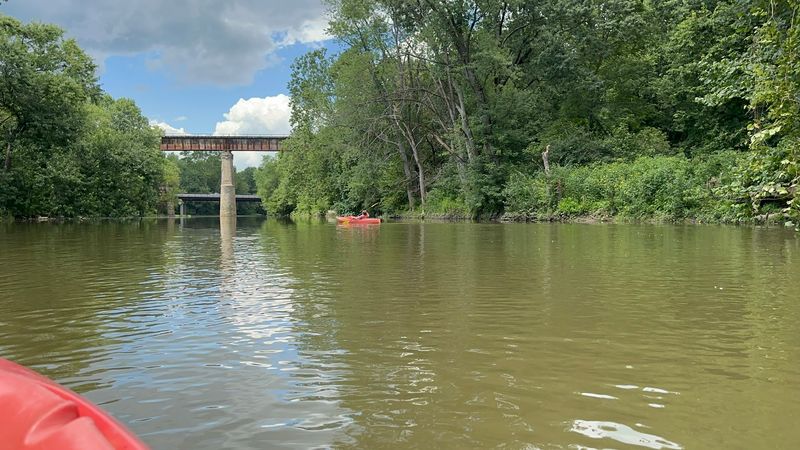
Big Darby Creek is not just a pretty backdrop for trail photos. It is one of the most biologically diverse streams in the entire eastern United States, and it runs right through the heart of this park.
The creek has earned national recognition for its exceptional water quality and the remarkable variety of aquatic life it supports.
Big Darby Creek is home to over 100 species of fish and more than 40 species of freshwater mussels, several of which are considered rare or endangered.
That level of biodiversity in a single waterway is genuinely rare, and it speaks to the careful stewardship that has protected this creek corridor over the decades. The park preserves a significant stretch of this vital waterway.
Fishing along Darby Creek is a popular activity, with smallmouth bass, spotted bass, and various sunfish species drawing anglers throughout the warmer months.
Kayaking and canoeing are also possible along certain stretches of the creek, offering a completely different perspective on the park’s natural beauty. Wading in the shallows on a hot summer day is a simple pleasure that never gets old.
The creek is the lifeblood of this entire ecosystem, connecting the prairie, the woodland, and the wetland habitats in one flowing, living thread.
The Trail System Here Is Seriously Impressive
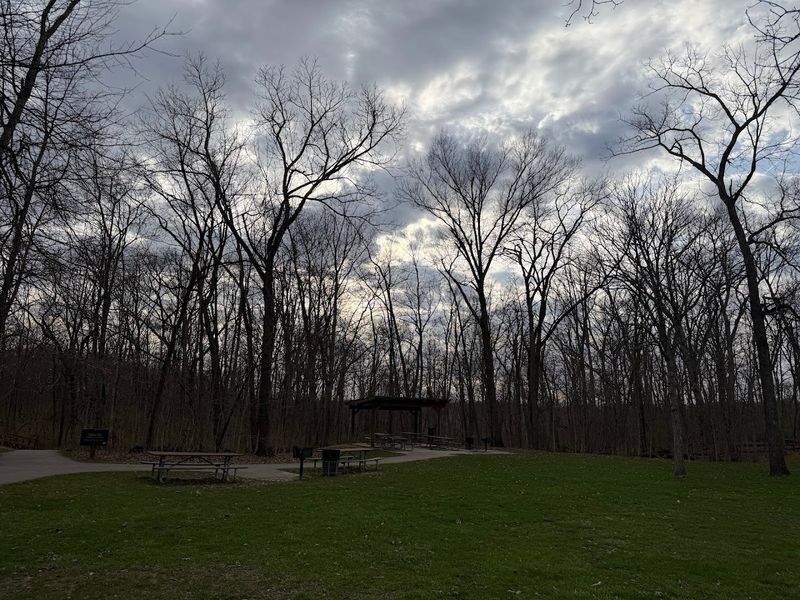
Battelle Darby Creek does not mess around when it comes to trails. The park offers over 17 miles of trails that wind through every major habitat type found within its boundaries.
Whether you want a short and easy nature walk or a longer trek through deep woodland, there is a trail here that fits exactly what you are looking for.
The trails range from flat, accessible paths near the creek to more rugged woodland routes that climb gently through forested ridges.
The Cedar Ridge Trail and the Ridgewood Trail are among the most popular options for hikers looking to cover serious ground. Each trail has its own character, which keeps repeat visits feeling fresh and interesting rather than repetitive.
Trail surfaces vary from mowed grass to packed gravel, making them accessible for a wide range of fitness levels and footwear choices. The trails are well-marked with signage, so getting turned around is unlikely even for first-time visitors.
Fall is arguably the best season to hike here because the woodland canopy transforms into a full spectrum of red, orange, and gold. The trailheads are easy to reach from multiple parking areas spread across the park.
The trail system here is the kind that makes you wish you had started your hike an hour earlier.
Birding Here Is A Genuinely Rewarding Experience
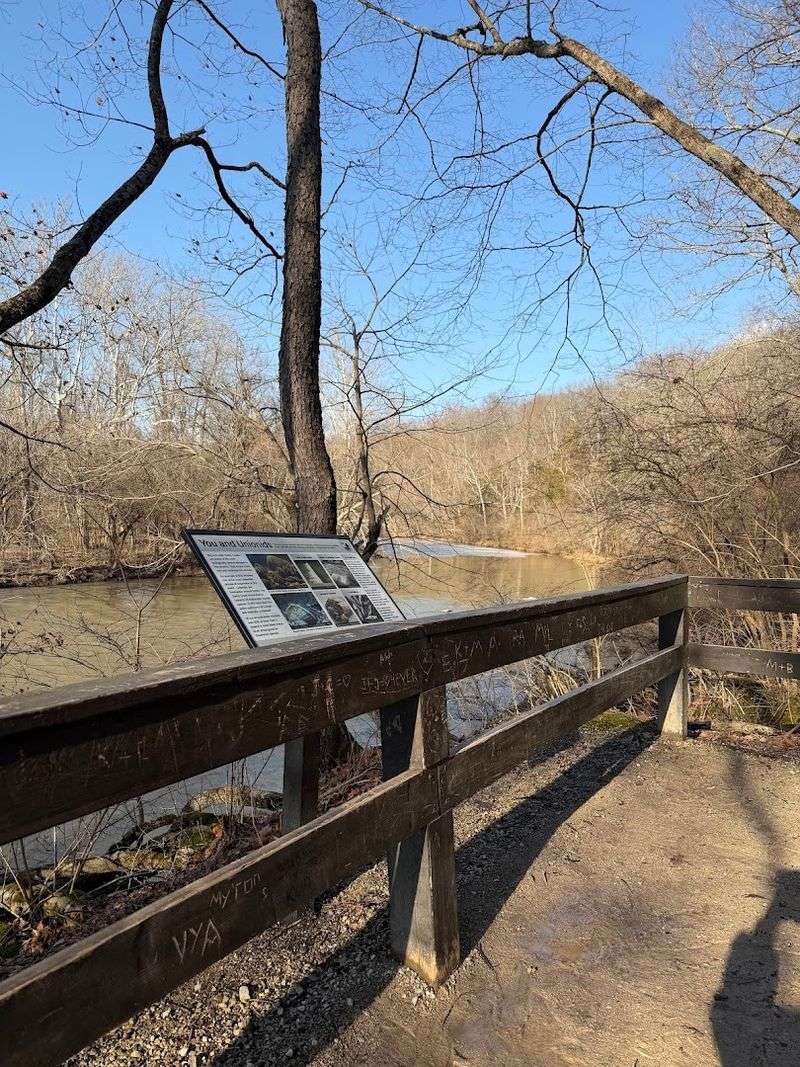
Bird enthusiasts have been making pilgrimages to Battelle Darby Creek for years, and the reason is simple. The park’s combination of prairie, woodland, wetland, and creek habitat creates a layered ecosystem that attracts an extraordinary variety of bird species throughout the year.
It is the kind of place where you bring your binoculars and end up staying three hours longer than planned.
The park has been documented as home to over 200 bird species, including both year-round residents and seasonal migrants. Spring migration is particularly spectacular, with warblers, vireos, and shorebirds passing through in impressive numbers.
The prairie section draws grassland specialists that are increasingly difficult to find elsewhere in Ohio.
Great blue herons are a constant presence along Darby Creek, standing motionless in the shallows with that signature patience that makes them so captivating to watch.
Sandhill cranes have also been spotted in the park during migration, which is always a memorable sighting. Owls, including great horned and barred owls, inhabit the woodland sections and can sometimes be heard calling at dusk.
Bringing a field guide on your first visit is a smart move because you will almost certainly encounter species you have never seen before. Battelle Darby turns even casual observers into enthusiastic birders.
The Park’s Woodland Habitat Is Rich, Dense, And Full Of Life
Walk far enough into the woodland sections of Battelle Darby Creek and the outside world genuinely fades away.
The mature hardwood forest here is thick with oak, hickory, sugar maple, and cottonwood, creating a canopy that filters the sunlight into something soft and golden. It is the kind of forest that makes you slow down without even trying.
The woodland habitat supports white-tailed deer, red foxes, wild turkeys, and a rich community of woodland songbirds that fill the trees with sound from dawn to dusk.
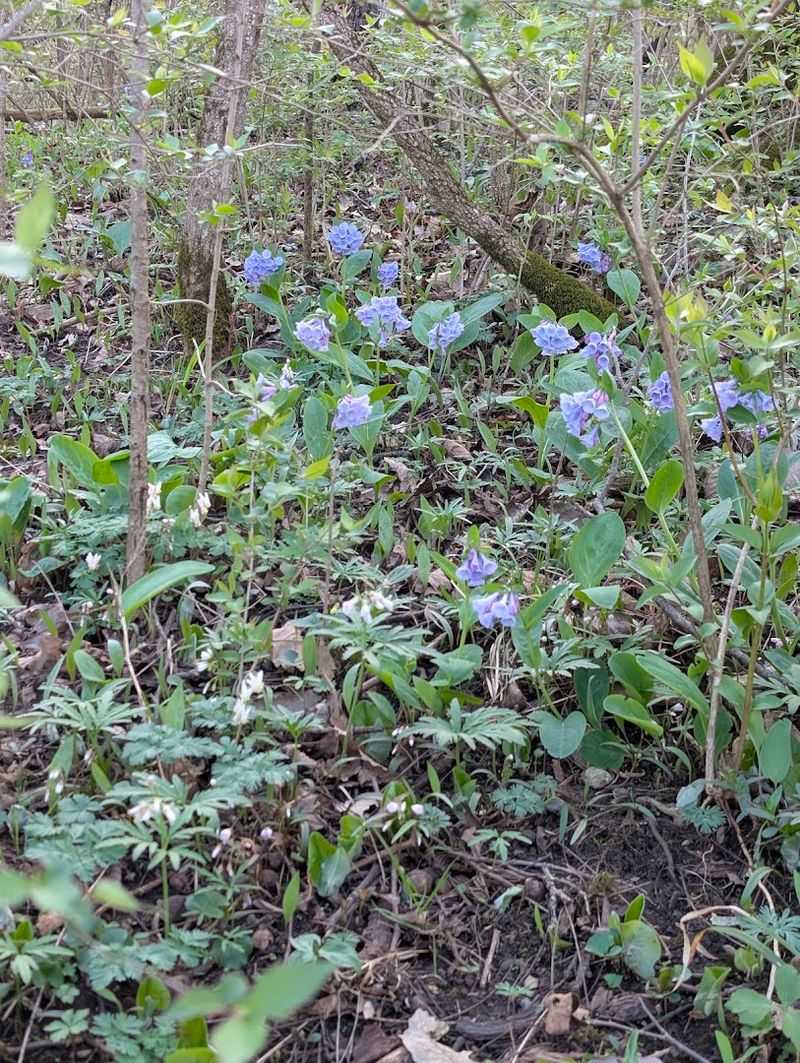
Wildflowers carpet the forest floor in spring, with trout lilies, trillium, and Virginia bluebells putting on a display that feels almost theatrical in its beauty. These early bloomers take advantage of the sunlight before the canopy leafs out fully overhead.
The woodland also serves as a critical buffer zone between the open prairie and the creek corridor, creating transition zones called ecotones where species from multiple habitats overlap. These transition areas are often the most ecologically productive spots in the entire park.
Fallen logs and standing dead trees, known as snags, provide essential habitat for cavity-nesting birds and a host of insects and fungi that drive the forest’s nutrient cycle.
This woodland reminds you that forests are not just scenery. They are functioning, breathing ecosystems that deserve genuine respect and attention.
Wildlife Watching Beyond Birds Is Equally Spectacular
Battelle Darby Creek is the kind of place where you round a bend on the trail and suddenly find yourself face to face with a white-tailed deer standing completely still in a shaft of morning light. Wildlife encounters here are frequent, varied, and consistently surprising.
The park’s size and habitat diversity create ideal conditions for a wide range of mammal, reptile, and amphibian species.
White-tailed deer are abundant throughout the park, especially in the woodland and edge habitat zones. Red foxes are spotted occasionally trotting along the prairie margins, usually at dawn or dusk when they are most active.
Muskrats and beavers work the creek banks and wetland areas, and their engineering projects are visible in the form of dams, burrows, and gnawed tree stumps along the water’s edge.
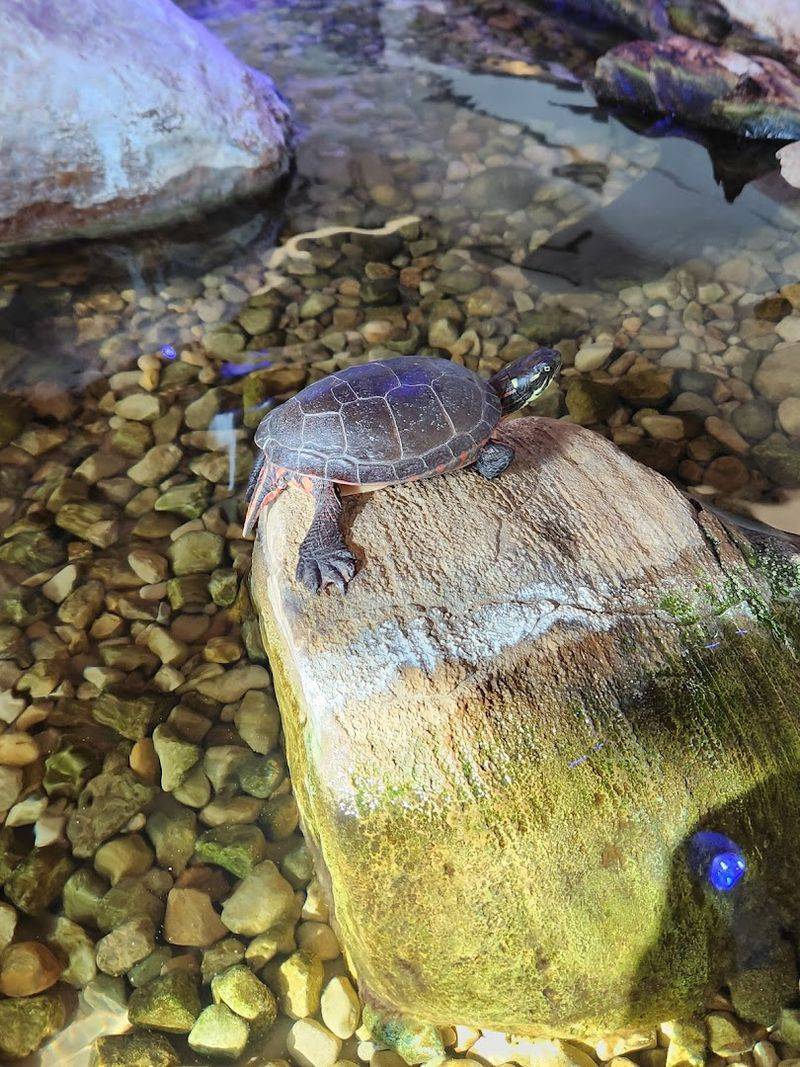
Reptiles including eastern box turtles, painted turtles, and various snake species inhabit the park’s warmer, sunnier areas. Spring peepers and American toads fill the wetlands with sound each spring in a chorus that is genuinely impossible to ignore.
The park takes wildlife protection seriously, which is why the animal populations here remain so robust and visible. Patience is the only real skill required for great wildlife watching at Battelle Darby.
Move slowly, stay quiet, and the park will reveal itself to you in the most rewarding ways.
Every Season Brings A Completely Different Version Of This Park
One of the most compelling things about Battelle Darby Creek is that it never looks the same twice. Each season rewrites the park’s entire visual script, which means there is always a reason to come back regardless of when you last visited.
The park earns its place on the must-visit list four times a year, every year.
Spring brings an explosion of wildflowers along the woodland trails and the first tentative calls of returning songbirds. Summer fills the prairie with towering grasses and blooming wildflowers while the creek runs cool and clear under a full green canopy.
Fall is arguably the park’s showiest season, when the hardwood forest ignites in reds and oranges and the prairie grasses turn to burnished gold.
Winter strips the landscape down to its bones, revealing the park’s underlying structure in a way that is quietly beautiful. Frozen creek edges, frost-covered prairie seed heads, and the bare silhouettes of mature oaks against a grey sky have their own spare elegance.
Winter is also when bald eagles are occasionally spotted along Darby Creek, which is always a thrilling surprise.
Located at 1775 Darby Creek Dr, Galloway, OH 43119, Battelle Darby Creek Metro Park is a place that rewards loyalty. The more seasons you experience here, the deeper your appreciation for what this landscape truly is.