
This Quiet Florida Stop, Yeehaw Junction, Is The Kind Of Place You Don’t Expect To Find
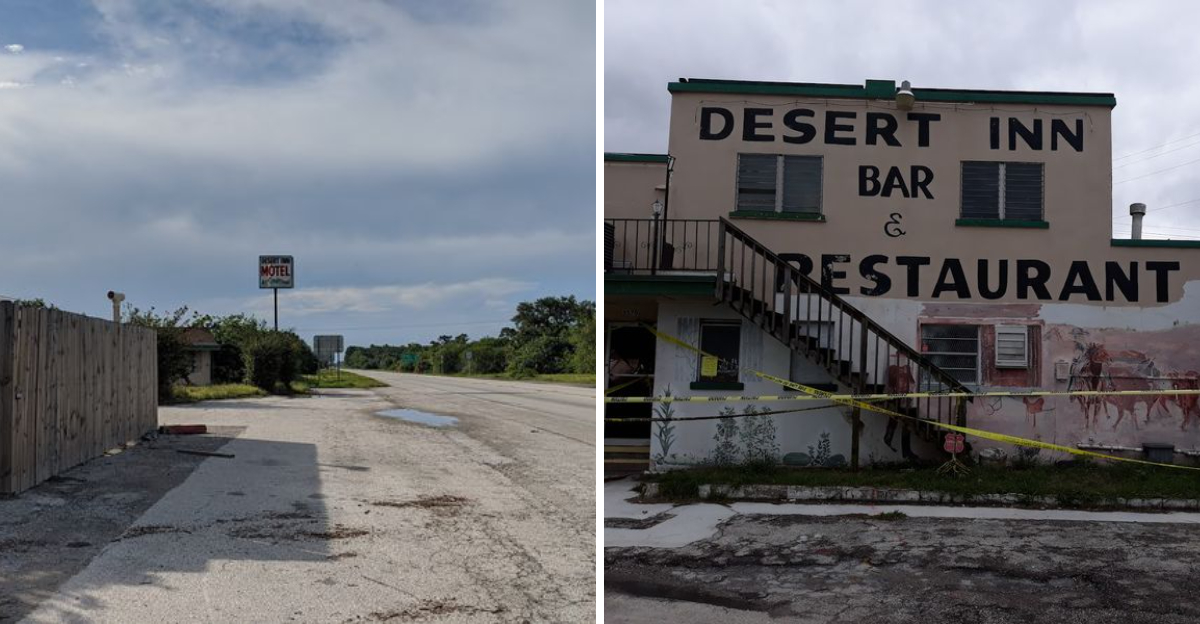
In the central part of Florida, between the busier corridors of theme parks and coastal routes, there is a small crossroads that many travelers pass without much notice. The surroundings feel open and uncomplicated, shaped more by long stretches of road than by any sense of destination.
At first, it appears to be little more than a brief stop along the way. Over time, however, it becomes clear that there is more to this place than its size suggests.
Its location at a key intersection has quietly connected different parts of the state for decades.
The history here is not immediately visible, but it remains present in the background, tied to earlier periods of travel, trade, and everyday life in Florida.
What stands out is how easily it can be overlooked, despite holding a story that reflects a much earlier version of the state.
These are some of the details that help explain why this small community continues to hold its place within Florida’s landscape.
The Story Behind That Unforgettable Name
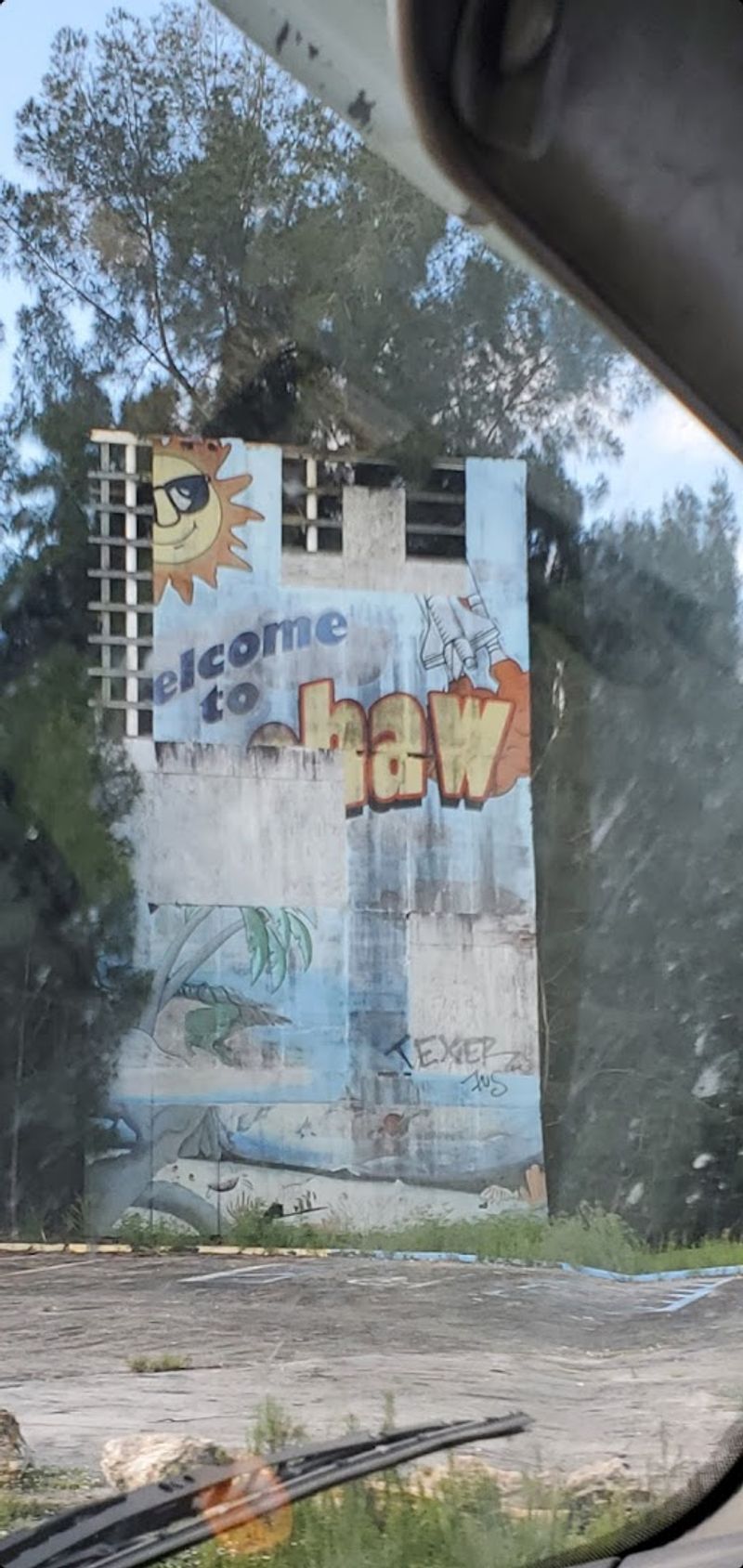
Not every town can claim a name that makes strangers laugh out loud the moment they hear it, but Yeehaw Junction wears its title with pride.
The name actually comes from a Seminole word, “yaha,” which some researchers believe referred to wolves or wild animals that once roamed the area.
Over generations, the pronunciation shifted and blended with the sounds of cowboy culture until it became the spirited “Yeehaw” that appears on maps today.
Florida was home to some of the earliest cattle ranching in the entire United States, and this region was right at the heart of that rugged way of life.
Cowboys, known locally as “Florida crackers,” used long whips to drive cattle across the flat, open land, and the cracking sound of those whips is actually where the nickname came from.
Standing at the junction today, you can almost feel the echo of that rough-and-ready past in the dry breeze that rolls across the palmetto scrub.
Few place names in the country carry this much personality packed into just two words.
A Population So Small It Fits In One Building
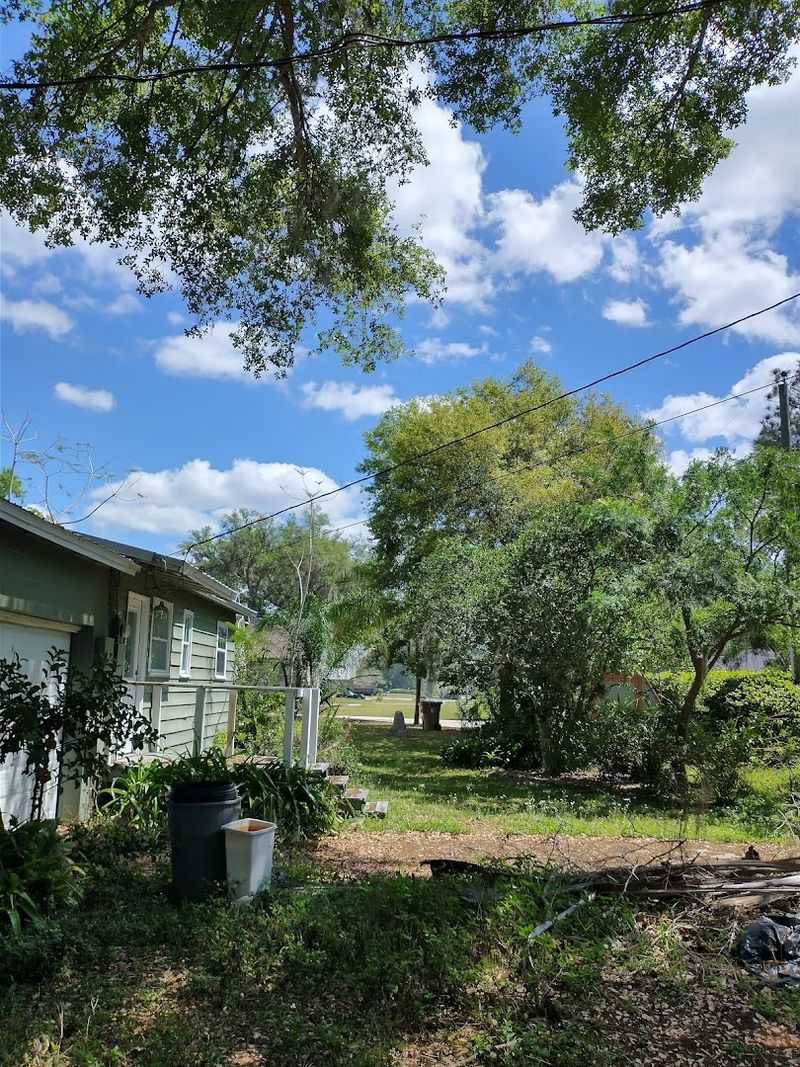
With only 235 residents counted in the 2020 census, Yeehaw Junction is one of the smallest communities in all of Florida.
To put that number in perspective, many high school auditoriums hold more people than live in this entire census-designated place.
The 2000 census made things even more complicated when Yeehaw Junction was accidentally confused with Buenaventura Lakes, a nearby community, meaning the correct population data for the area was never properly recorded that year.
That kind of mix-up might feel frustrating, but it also speaks to just how easy it is to overlook this quiet corner of Osceola County.
Despite its size, the community has a clear identity, rooted in cattle ranching traditions and a no-frills way of life that feels refreshingly unpolished.
There are no trendy coffee shops or boutique hotels here, just honest Florida scrubland and the kind of neighbors who actually know each other by name.
Small does not mean forgettable, and Yeehaw Junction proves that point with every passing mile marker.
The Desert Inn And Its Remarkable Survival
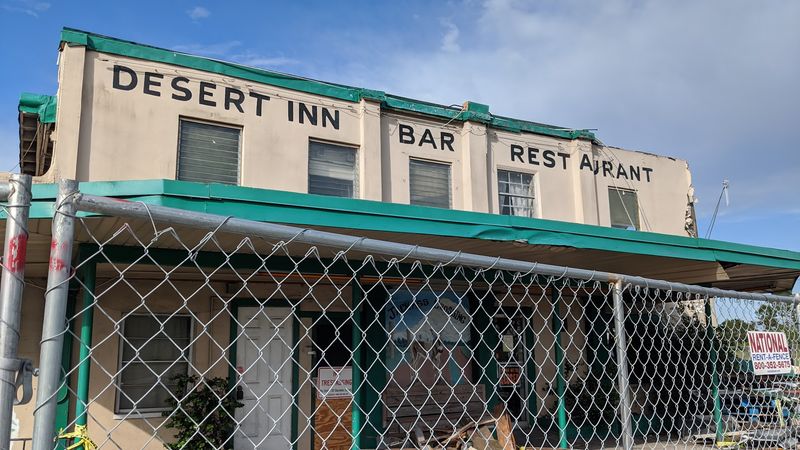
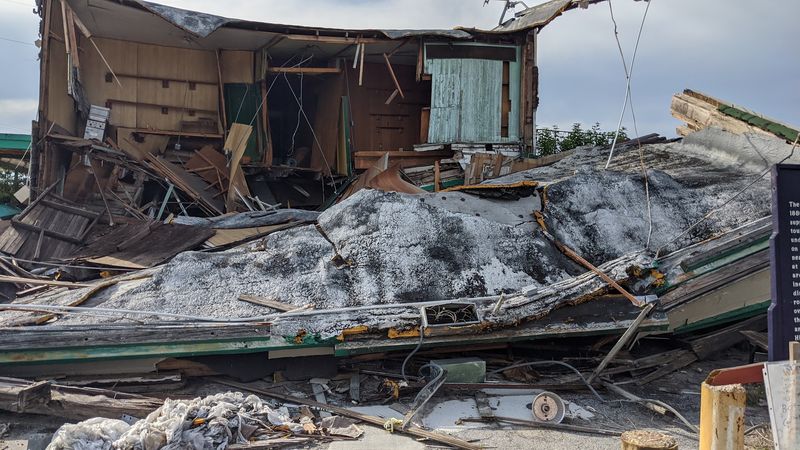
The most famous landmark in Yeehaw Junction is the Desert Inn, a building that has been standing since around 1889 and has outlasted almost every other structure in the area.
Originally built to serve cattle drovers, hunters, and travelers passing through the Florida interior, the inn provided a rare stopping point in a region that offered very little shelter.
Over the decades, the building served as a post office, a bar, a restaurant, a hotel, and even reportedly a house of questionable reputation during certain eras, which only adds to its colorful biography.
It was added to the National Register of Historic Places in 1994, finally receiving the official recognition that its long and layered story deserved.
The structure is a two-story wooden building with a classic Florida cracker architectural style, featuring wide porches designed to catch the breeze in the days before air conditioning.
Visiting it feels less like stepping into a tourist attraction and more like accidentally wandering into a piece of living history.
Few roadhouses in America have earned their wrinkles quite as honestly as the Desert Inn.
Florida Cracker Cattle Country Roots
Long before Disney built its first castle a couple of hours north, central Florida was open range territory where cattle ruled the land.
The Florida cracker cowboy was a distinct figure in American history, working cattle drives across the flat interior of the state as far back as the 1600s when Spanish colonists first introduced cattle to the peninsula.
Yeehaw Junction sat directly along the routes that cattle drovers used to move their herds from the interior rangeland down toward the coast for shipping.
These cowboys did not use the lasso techniques popularized by Western films; instead, they relied on long rawhide whips that could be heard cracking across great distances, which is how the term “Florida cracker” entered the local vocabulary.
The land around Yeehaw Junction still holds traces of that heritage, with working cattle ranches operating on properties that stretch across thousands of acres.
Driving through the area, you will spot Black Angus and Brahman cattle grazing behind wire fences that line the highway for miles.
This is Florida as it existed before the tourists arrived, raw and wide open.
The Crossroads That Connects Florida
Geography played a huge role in making Yeehaw Junction matter at all, because this tiny community sits at one of the most strategically placed crossroads in the state.
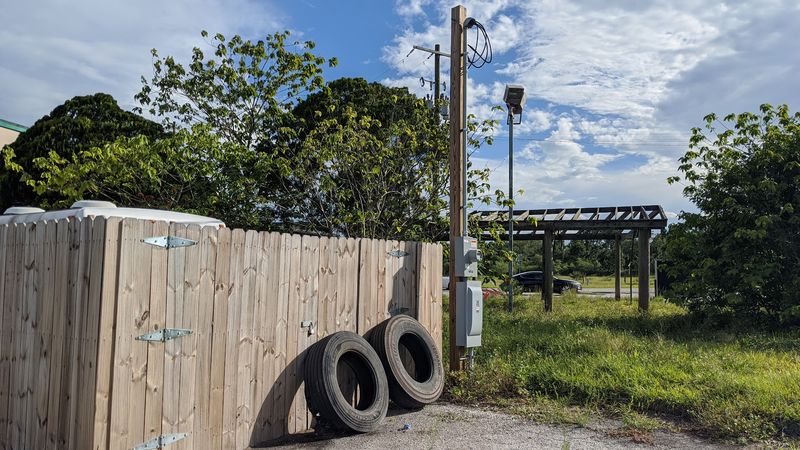
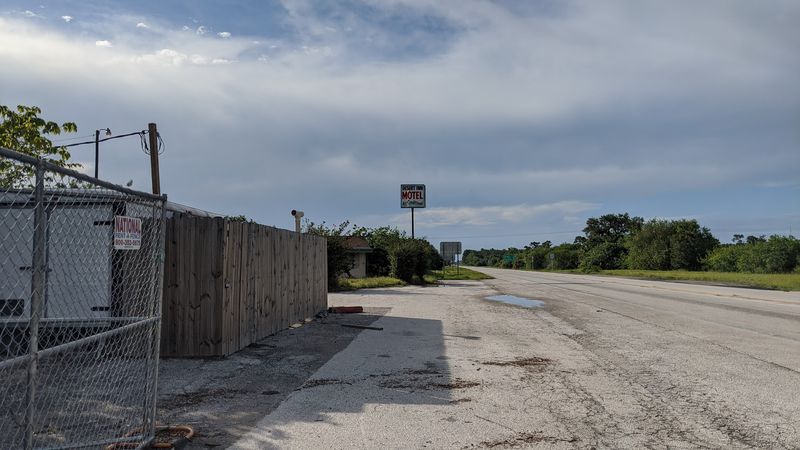
US Highway 441 and Florida’s Turnpike intersect here, making it a natural pause point for drivers moving between Miami, Orlando, and the coasts of both the Atlantic and Gulf sides of Florida.
Before the turnpike was built, this crossing was already a well-traveled route, and the Desert Inn existed precisely because travelers needed a place to stop and recover from the long, hot journey across the Florida interior.
Today, most drivers zoom past the junction without slowing down, their eyes fixed on the GPS directions leading them to bigger destinations.
But for road trip enthusiasts and history lovers, this intersection is a quiet landmark that marks the spot where old Florida and modern Florida briefly share the same asphalt.
I pulled off here on a solo drive from Miami and found myself staying far longer than the gas station stop I had originally planned.
Sometimes the best detours are the ones you never scheduled.
Wildlife And Wild Spaces Surrounding The Junction
The land surrounding Yeehaw Junction is not just empty space; it is a rich ecosystem that supports some of Florida’s most interesting native wildlife.
The Florida scrub habitat, which dominates much of this region, is one of the oldest and most unique ecosystems in North America, home to species found nowhere else on Earth.
The Florida scrub jay, a bold and curious bird that has no fear of humans, makes its home in this type of terrain and can sometimes be spotted hopping along fence posts near the junction.
Gopher tortoises are another regular presence, digging their burrows in the sandy soil and sharing those tunnels with dozens of other species that depend on them for shelter.
The Kissimmee Prairie Preserve State Park is not far from this area, offering a window into the vast grasslands that once covered central Florida before development changed the landscape.
For anyone who enjoys birdwatching, nature photography, or simply sitting quietly in an open field, the countryside around Yeehaw Junction delivers something genuinely special.
Nature here does not perform for you; it just goes about its business, which makes every sighting feel earned.
Osceola County’s Overlooked Corner
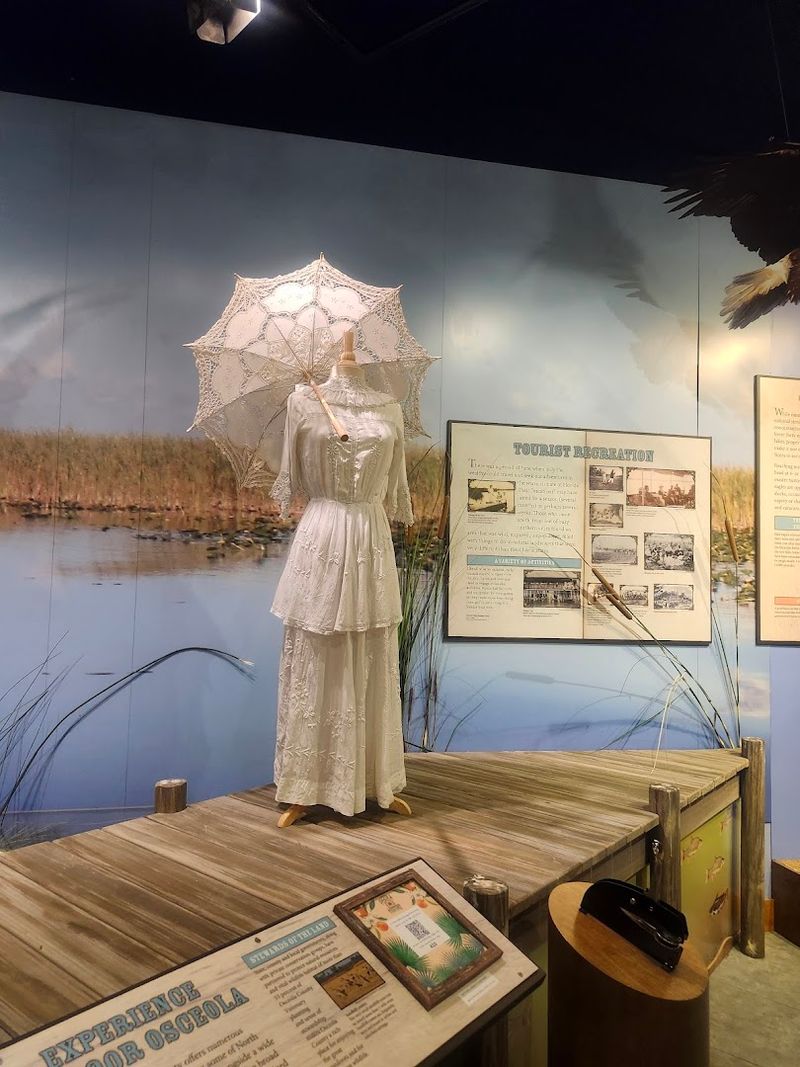
Most people associate Osceola County with Kissimmee and the theme park corridor that edges toward Orange County, but the southern and eastern parts of the county tell a completely different story.
Yeehaw Junction sits in this overlooked stretch of Osceola County, far removed from the resort hotels and souvenir shops that define the county’s more famous zip codes.
The contrast is striking: within the same county boundary, you can find one of the most visited tourist destinations on the planet and one of the most sparsely populated rural communities in the state.
Local ranchers in this part of Osceola County have been managing their land for generations, and many families can trace their roots in Florida back well over a century.
The county seat of Kissimmee is about an hour’s drive north, but in terms of atmosphere and pace of life, Yeehaw Junction might as well be in a different era entirely.
That distance, both physical and cultural, is exactly what gives this corner of the county its stubborn, independent character.
Osceola County contains multitudes, and Yeehaw Junction is its most unassuming chapter.
The Role Of The Old Post Office
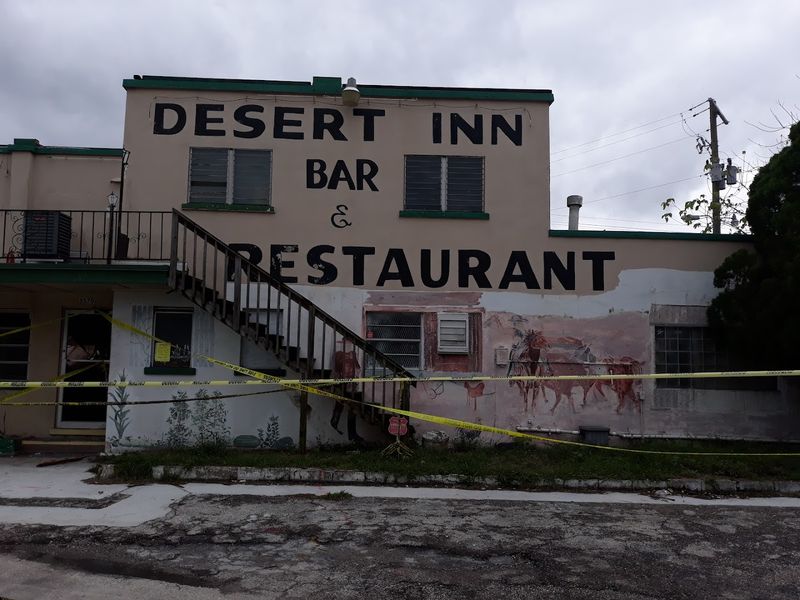
Among the many functions the Desert Inn served over its long life, one of the most practical was its role as the local post office for the surrounding community.
In an era when mail delivery to remote parts of Florida was unreliable at best, having a central drop-off and pickup point was essential for the ranchers and settlers scattered across the scrubland.
The post office function meant that the inn was not just a place to sleep or eat; it was a genuine community hub where news traveled and neighbors crossed paths.
Letters and packages passing through this tiny outpost connected isolated Florida homesteaders to the wider world at a time when the nearest proper town was a long, bumpy wagon ride away.
That practical history adds another layer to the building’s story, reminding visitors that frontier life required creativity and that a single building often had to serve a dozen different purposes to keep a community running.
There is something deeply human about that kind of resourcefulness, and it echoes through every weathered plank in the Desert Inn’s walls.
The mail may no longer stop here, but the stories certainly do.
What It Feels Like To Stop Here Today
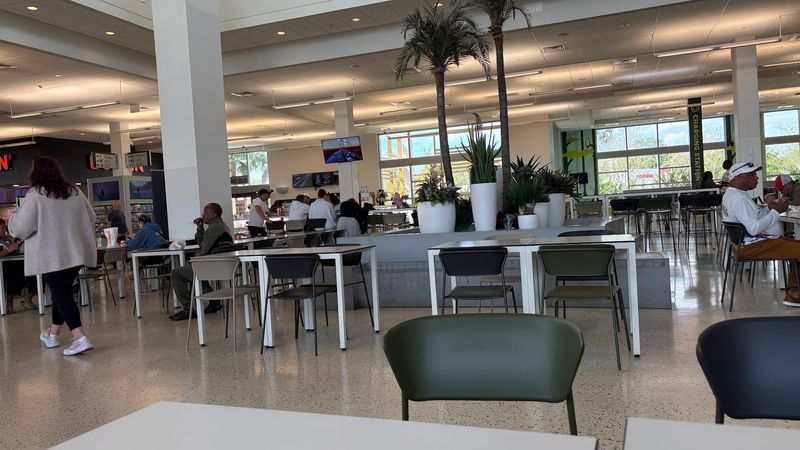
Pulling off the highway at Yeehaw Junction today is a genuinely disorienting experience, in the best possible way.
The pace drops immediately, the noise of the turnpike fades, and you find yourself standing in a place that feels utterly removed from the Florida most visitors ever see.
There are no lines to stand in, no ticket booths, no selfie spots marked with little footprints on the pavement.
The Desert Inn still stands as the centerpiece of the junction, and even if it is not always open for full service, the building itself is worth stopping to photograph and absorb.
A few fuel stations and a small cluster of roadside businesses serve the practical needs of passing drivers, but the real draw is the atmosphere, that rare sense of stumbling onto something authentic.
I sat on a low fence near the old inn for about twenty minutes on my visit, watching the occasional truck rumble past and listening to the wind move through the saw palmetto.
It is the kind of pause that reminds you that travel does not always need a destination to be worthwhile.
Why Road Trippers Should Add This To Their Route
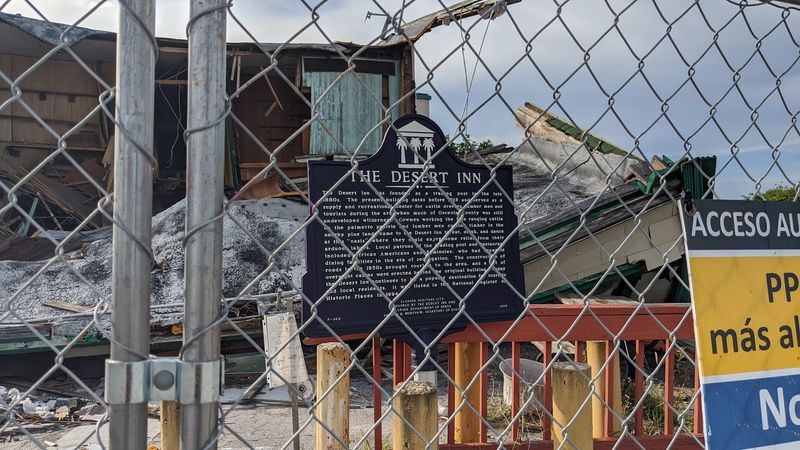
If you are planning a road trip through Florida and your route takes you anywhere near the center of the state, Yeehaw Junction deserves a spot on your itinerary, even if just for thirty minutes.
The junction sits conveniently along Florida’s Turnpike, making it an easy and logical stop between Miami and Orlando without adding any significant distance to your drive.
History travelers will appreciate the Desert Inn and its National Register status, while nature lovers will find plenty to explore in the scrub and prairie landscapes just minutes from the crossroads.
Photographers looking for something beyond the usual Florida postcard shots will find a different kind of beauty here, one built from wide skies, weathered wood, and open land that stretches to the horizon.
Road trips are at their best when they include at least one stop that was never in the original plan, and Yeehaw Junction is exactly that kind of happy accident waiting to happen.
Pack a snack, lower the windows, and let the junction slow you down for just a little while.
Florida’s most interesting chapter might just be the one most people keep accidentally skipping.