
This Beautiful Ohio Museum Brings Centuries Of American Art Under One Roof
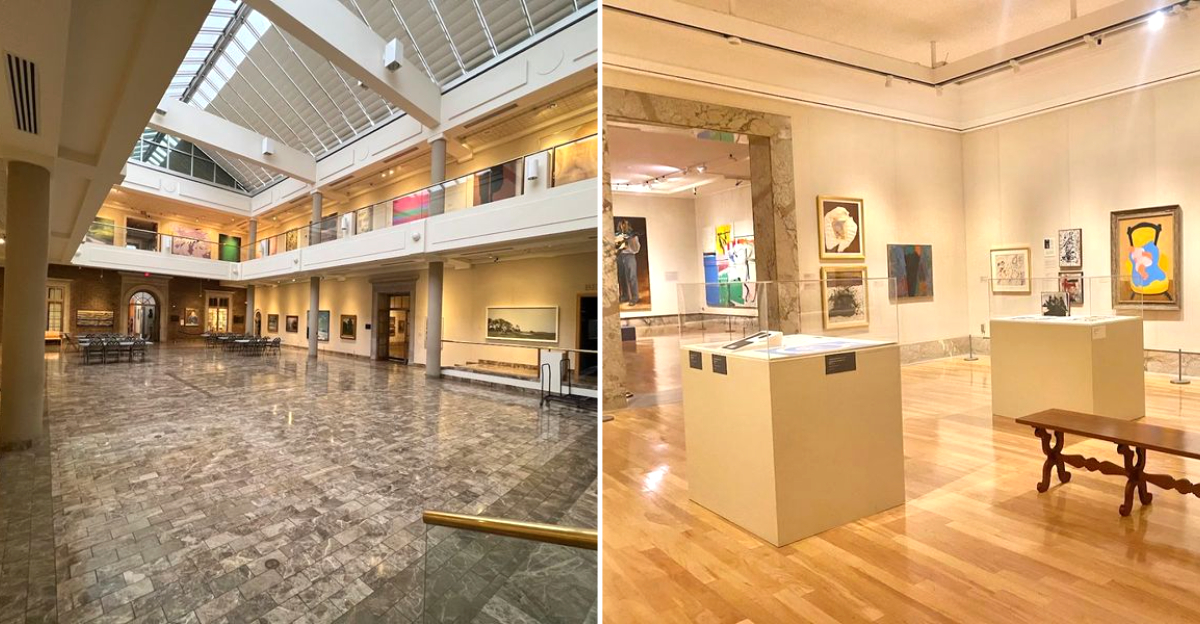
Some museum visits in Ohio stay with you because they keep shifting as you move through the building. One room gives you an early American painting from the 1700s, and a few steps later, you are looking at something strikingly modern.
That kind of range makes the whole experience feel lively instead of predictable.
What makes this place stand out even more is its place in American art history. It was the first museum in the country created specifically to celebrate American art, and the collection still makes that mission feel meaningful today.
With works that stretch from artists like Winslow Homer to Norman Rockwell and far beyond, it offers a rare chance to see several centuries of creativity gathered under one roof, all in Ohio.
A Historic First: The Museum That Changed American Art
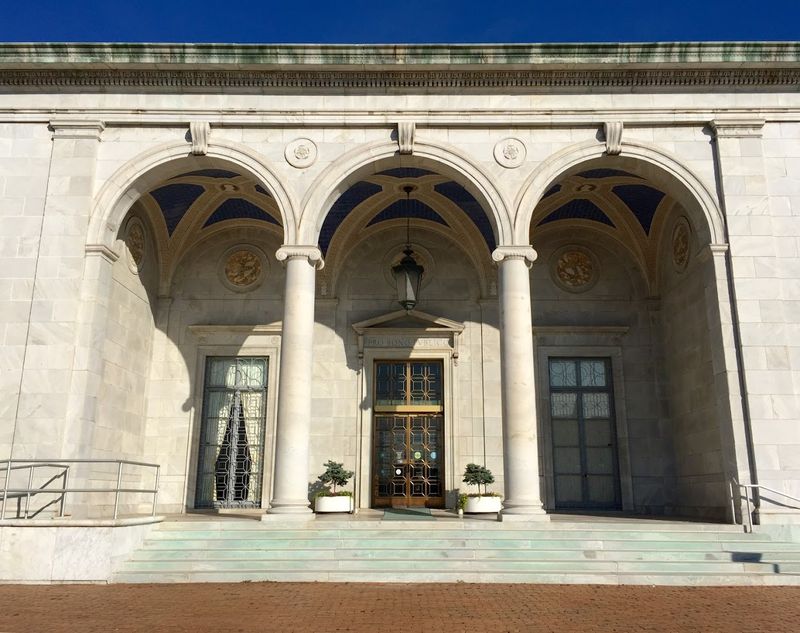
The Butler Institute of American Art makes a strong first impression before you even get to the collection itself. It was the first museum in the United States created specifically for American art, which gives the whole visit an added sense of significance from the very beginning.
That history does not just sit in the background either. The place still feels rooted in the original idea that great art should be available to ordinary people, not tucked away behind distance or expense.
Joseph G. Butler, Jr. wanted his community to have access to remarkable work close to home, and I think that purpose still gives the museum a special kind of warmth.
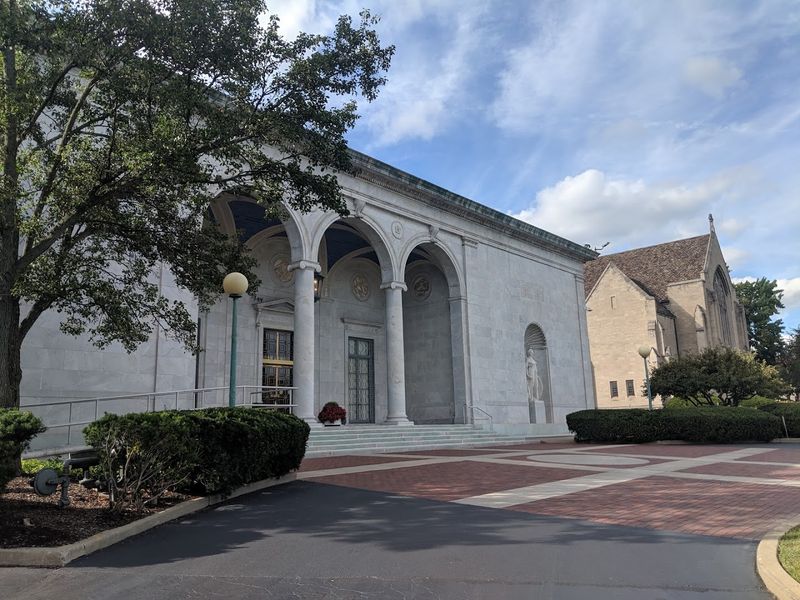
The building helps seal that first impression. Designed in the Italian Renaissance Revival style, it has the sort of presence that makes you slow down before you even get to the galleries, which is always a good sign.
The architecture carries itself with quiet confidence and does plenty of the talking before you step inside.
What I like most is that none of it feels dusty or self-important. It simply feels meaningful, welcoming, and quietly proud of what it has been offering for more than a century.
You will find it at 524 Wick Ave, Youngstown, OH 44502.
Four Centuries of American Art in One Building
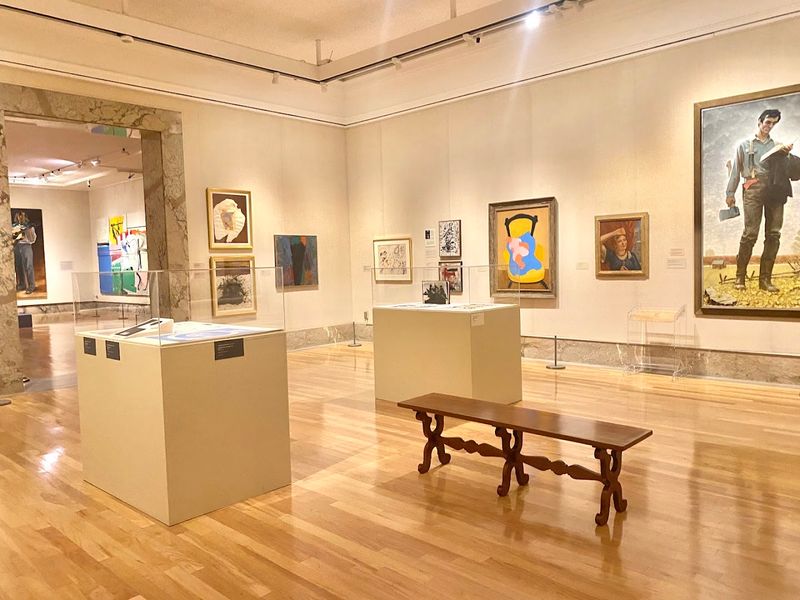
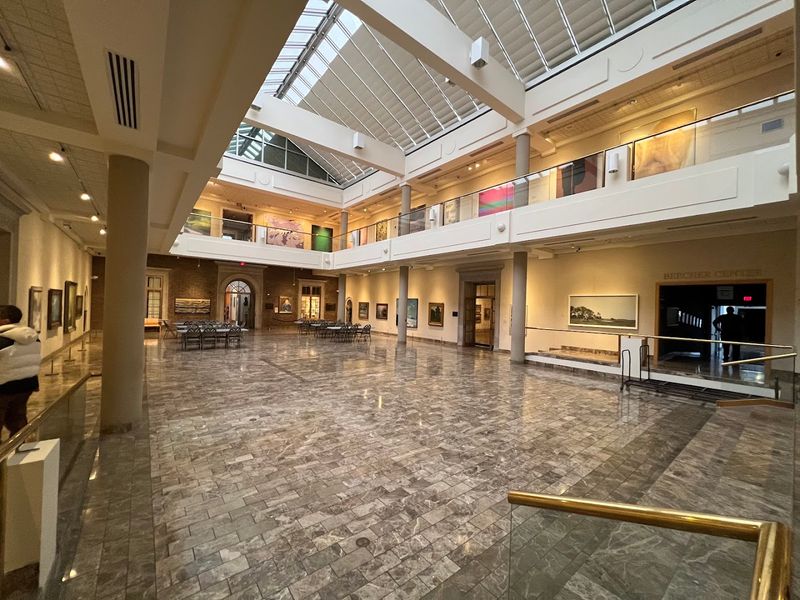
The sheer range of art inside this museum is genuinely hard to wrap your head around until you are actually standing in it. The permanent collection holds over 22,000 works, spanning more than four centuries of American painting, sculpture, and new media.
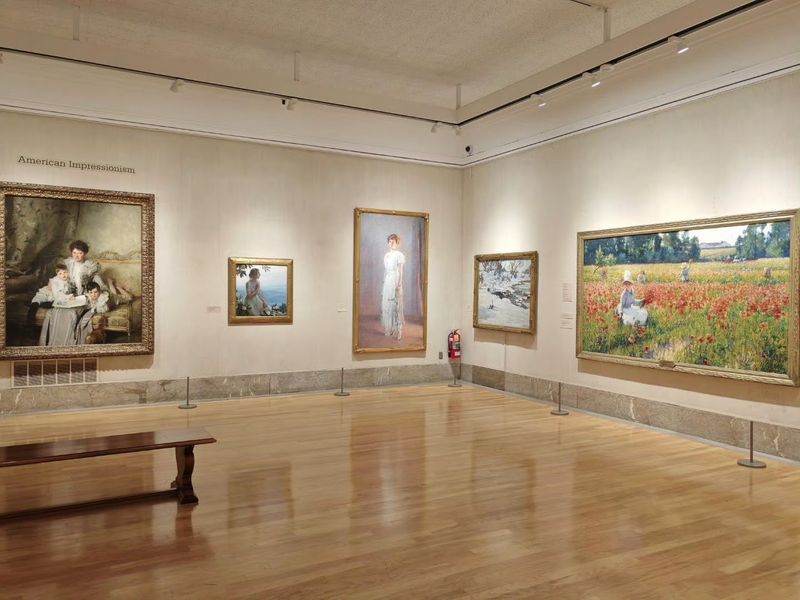
You can trace the evolution of American identity through portraits from the colonial era, dramatic landscapes from the Hudson River School, bold modernist canvases, and even interactive digital installations. Each gallery feels like a different chapter in a very long and fascinating story.
What makes the experience feel personal rather than overwhelming is the way the museum is laid out. Visitors get a map at the entrance along with helpful tips from the staff, and the flow from room to room feels intuitive rather than confusing.
Whether you spend 90 minutes or a full afternoon here, you will leave with a stronger sense of what American art has been, what it is now, and where it might be going next.
Winslow Homer and the Masterpieces You Recognize
Few paintings in Ohio carry the cultural weight of Winslow Homer’s “Snap the Whip,” and the Butler Institute is proud to call it part of the permanent collection.
Painted in 1872, this iconic image of barefoot boys playing in a field captures a kind of American childhood that feels both historical and deeply nostalgic.
Homer is not the only big name on the walls. Works by Mary Cassatt, John Singer Sargent, and Edward Hopper also make appearances, giving visitors a chance to stand face-to-face with paintings they may have only seen in textbooks before.
There is something quietly thrilling about recognizing a famous work in person. The scale, the brushwork, and the texture of the paint are things no photograph can truly communicate.
For art lovers who grew up flipping through history books, seeing these pieces in real life feels like meeting someone famous and discovering they are even more impressive than you expected.
Rockwell, O’Keeffe, and the Artists Who Shaped a Nation
Norman Rockwell and Georgia O’Keeffe are two artists whose names most people know, even if they could not name a single painting by either one. At the Butler Institute, both artists are represented, and seeing their work in person adds real context to what made them so influential.
Rockwell’s narrative warmth and storytelling detail still land with force, while O’Keeffe’s Cottonwood III brings a bold, meditative sense of form and color. Having both in the same building highlights just how wide the definition of “American art” really is.
The museum also features works by lesser-known artists who deserve far more attention than they typically get. Discovering a painting you have never heard of by an artist whose name is unfamiliar, and feeling genuinely moved by it, is one of those quiet museum moments that sticks with you for days.
This place has a way of expanding your idea of what American creativity looks like across different eras and regions.
The Beecher Center: Where Technology Meets Artistic Expression
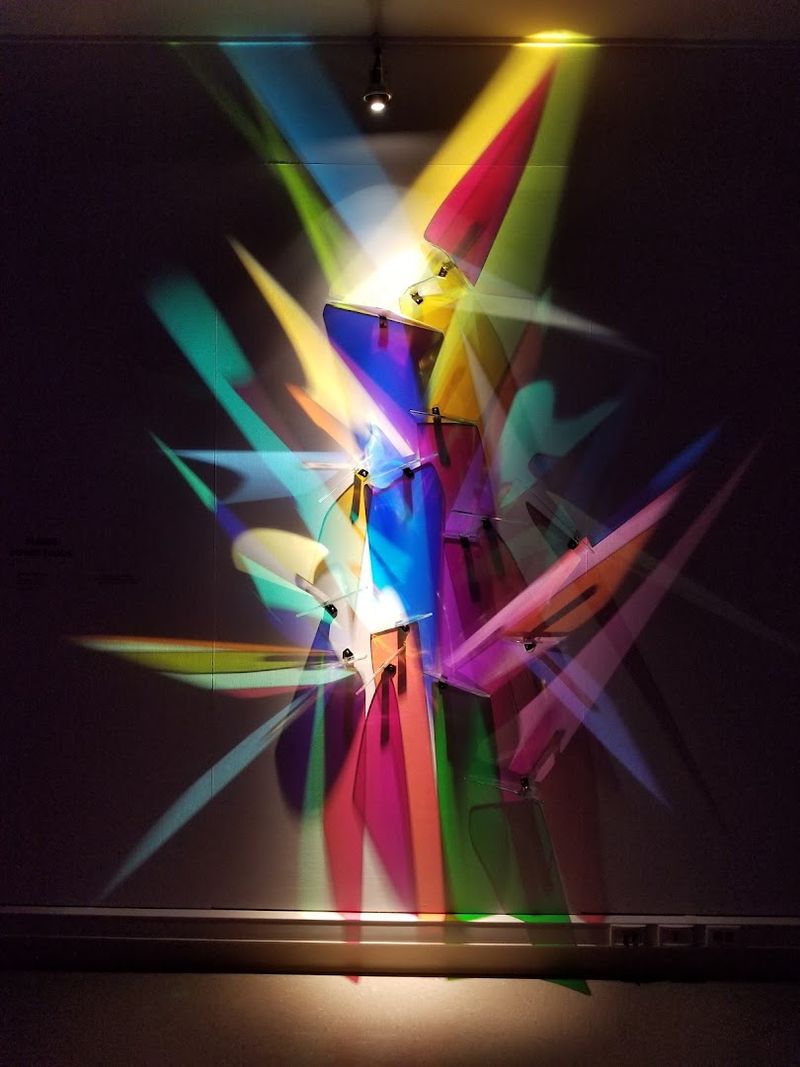
Art museums are sometimes unfairly labeled as places frozen in the past, but the Beecher Center for Electronic and New Media Art at the Butler Institute pushes back hard against that idea. This dedicated wing focuses entirely on contemporary American expression through technology, video, and digital media.
The contrast between the classical galleries and the Beecher Center is actually one of the most interesting parts of the visit. You can walk from a 19th-century oil painting to a glowing digital installation in just a few steps, and the transition feels intentional rather than jarring.
For younger visitors especially, this section of the museum tends to spark genuine excitement. Interactive displays invite engagement rather than just observation, which changes the energy of the room entirely.
The Beecher Center signals that the Butler Institute is not content to simply preserve the past. It is actively tracking where American art is heading, and it is doing so in a way that feels welcoming to people of all ages and artistic backgrounds.
Folk Art, Western Art, and the Stories Often Overlooked
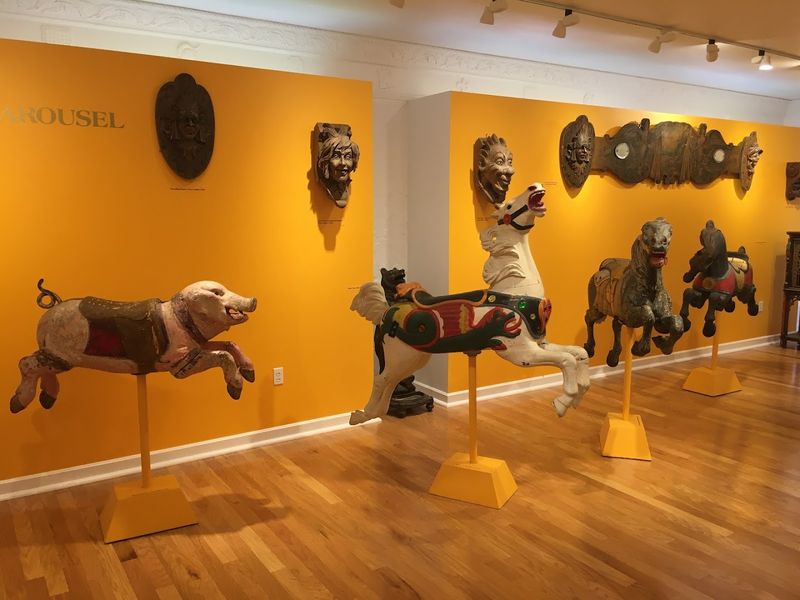
American art is not just oil paintings in gilded frames, and the Butler Institute knows that better than most. The folk art galleries and the Western collection bring voices and traditions into the conversation that mainstream art history has too often left at the edges.
The folk art section has a warmth and personality that feels different from the formal galleries. Quilts, carvings, paintings on unusual surfaces, and handmade objects tell stories about everyday American life with a directness that formal portraiture rarely achieves.
The Western collection includes portraits of Native Americans by artists such as Elbridge Ayer Burbank and Joseph Henry Sharp, along with sweeping landscapes of the American West. For many visitors, this part of the museum prompts a quiet reconsideration of what the word “American” actually encompasses.
Multiple visitors have mentioned that the folk art wing was a personal highlight of their trip, which says a lot given the competition from the more famous names elsewhere in the building. Sometimes the unexpected corners of a museum turn out to be the most memorable ones.
The Gothic Church Next Door and the Skywalk Connection
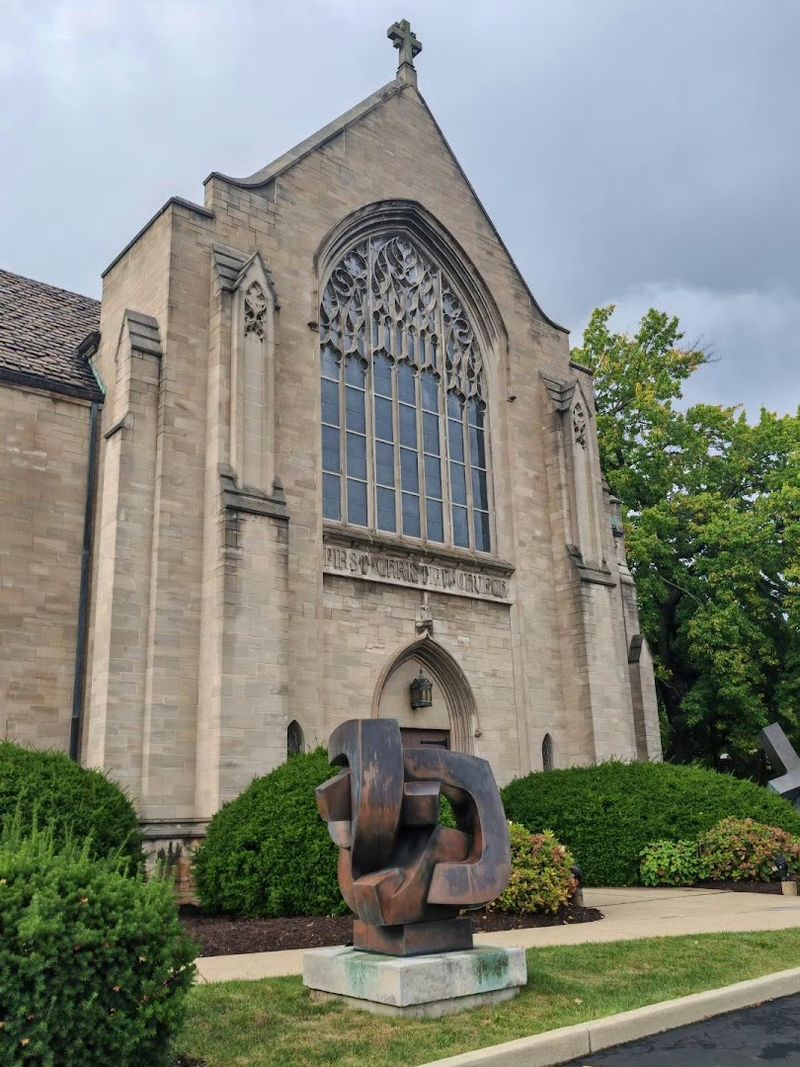
One of the most surprising details about the Butler Institute is that it owns a Gothic church next door, and the two buildings are connected by a covered skywalk.
Visitors who wander through the museum and suddenly find themselves looking down into a soaring church interior tend to stop and stare for a good long moment.
The view from the skywalk into the church is genuinely striking. Vaulted ceilings, stone arches, and the play of light through tall windows create an atmosphere that feels completely different from the rest of the museum.
The church space is used for events, exhibitions, and special programming, which means its function shifts depending on when you visit. Some visitors have described it as one of the most memorable parts of the entire experience, even though it catches most people completely off guard.
This kind of architectural surprise is exactly what separates a good museum visit from a great one, and the Butler Institute seems to understand that very well.
Free Admission and Why That Matters More Than You Think
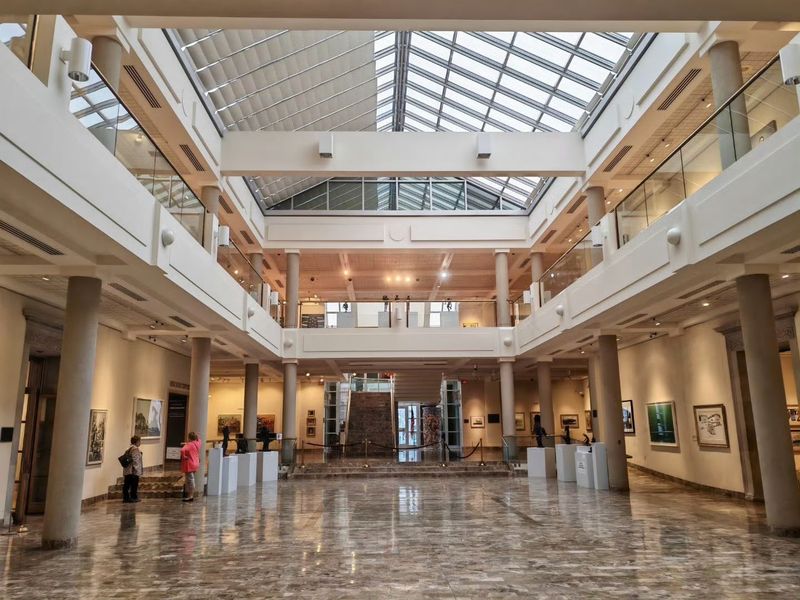
Here is something that never gets old: walking into a world-class art museum, seeing 22,000 works representing four centuries of American creativity, and paying absolutely nothing for the privilege.
The Butler Institute has maintained its free admission policy since it opened, honoring Joseph Butler’s original vision of art as something that belongs to everyone.
Free parking is available on-site as well, which is a practical bonus that should not be underestimated, especially since the museum sits near the Youngstown State University campus where street parking can be tricky.
The no-cost entry does not mean a low-effort experience. The staff is consistently described as warm, knowledgeable, and genuinely enthusiastic about helping visitors get the most out of their time there.
Arriving at opening and asking for a map and some tips is a strategy that pays off quickly.
Many visitors feel moved to leave a donation on the way out, which feels right. A place this good, offering this much for free, deserves a little something in return.
Rotating Exhibits That Give You a New Reason to Return
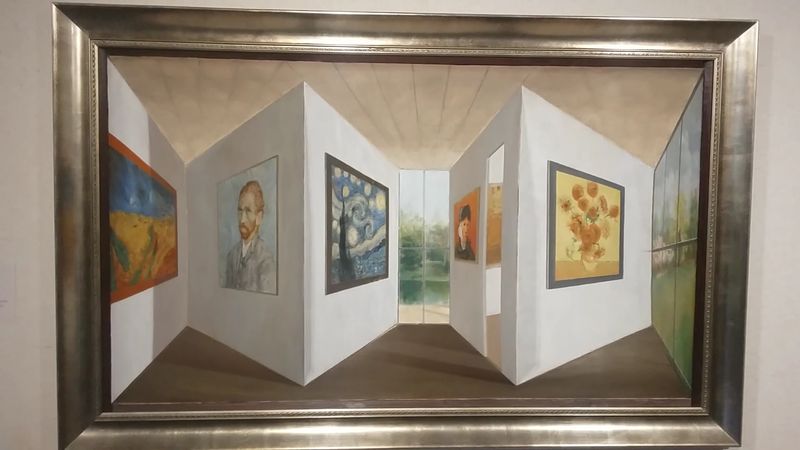
The permanent collection alone could justify multiple visits, but the Butler Institute also runs a steady rotation of special exhibits throughout the year, often with two or three running simultaneously. This means the museum genuinely looks and feels different depending on when you show up.
Recent rotating exhibits have included African American art, historical photography of local religious buildings, and solo shows from individual artists. Each one brings a fresh perspective to the museum’s ongoing conversation about what American art means and who gets to define it.
The programming extends beyond visual art as well. Musical concerts have been held inside the museum, and the combination of live performance and surrounding artwork creates an atmosphere that is hard to find anywhere else in the region.
For people who live nearby, this rotating calendar transforms the Butler Institute from a one-time destination into a regular part of cultural life. Checking the website at butlerart.com before your visit is worth the two minutes it takes, just to see what is currently on display.
Practical Tips for Planning Your Visit
A little planning goes a long way at the Butler Institute, and the logistics here are genuinely visitor-friendly. The museum is open Tuesday through Saturday from 11 AM to 4 PM, and on Sundays from noon to 4 PM.
It is closed on Mondays, so that is worth noting before you make the drive.
Plan to spend at least two hours if you want to move through the main galleries comfortably. Three hours is better if you want to linger, read the exhibit labels, and explore Butler North.
Some visitors have spent an entire afternoon and still felt like they left things unseen.
The on-site Looma Café serves breakfast and lunch items with freshly roasted coffee, making it easy to take a break mid-visit without leaving the building. The museum store stocks art books, prints, and unique gifts that are genuinely hard to find elsewhere.
You can reach the museum by phone at 330-743-1107 or visit butlerart.com for current exhibit information and event listings before heading over.