
11 Beautiful Arkansas Gardens And Arboretums To Explore This April
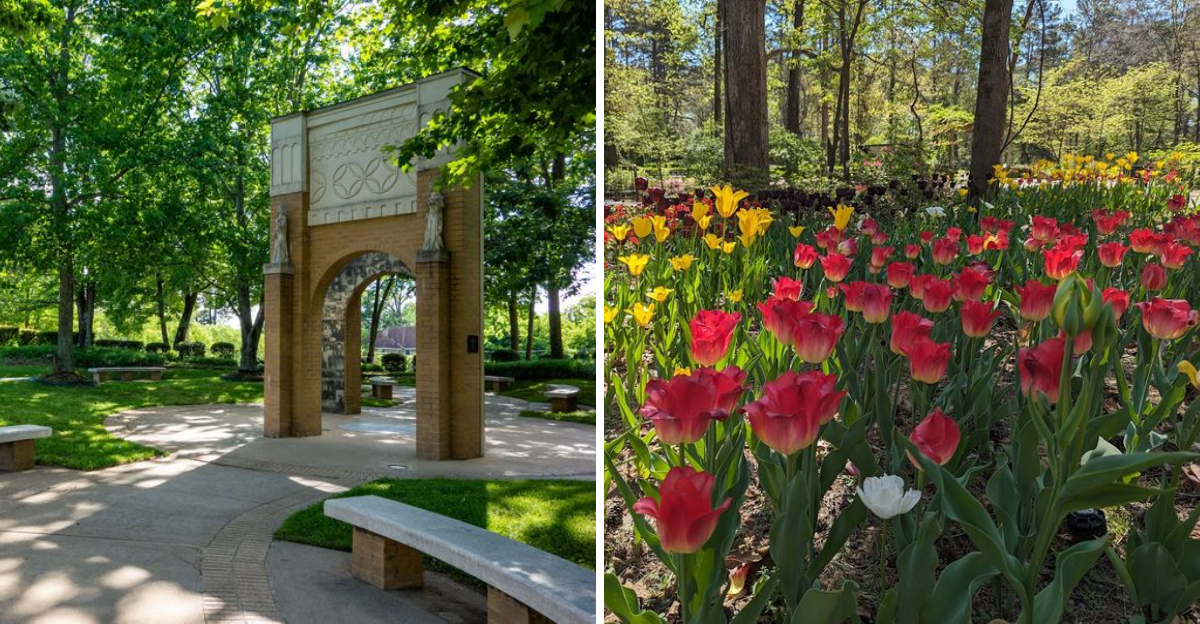
April arrives in Arkansas and suddenly everything feels brighter. The shift happens fast, and you notice it everywhere you go.
Dogwoods bring soft color along the roads, azaleas turn up the intensity, and tulips start appearing in places you didn’t expect. It’s the kind of change that pulls you outside without thinking twice.
I’ve spent years exploring gardens in different regions, but this is one place that keeps calling me back each spring. The season just feels fuller here.
You can start at a large garden in Hot Springs with wide views and carefully designed spaces, then head to something smaller and more historic later in the day. The pace changes, and that’s what makes it interesting.
This list highlights spots that truly shine right now. Some feel lively, others feel quiet, all of them show just how good this time of year can be.
1. Compton Gardens & Arboretum
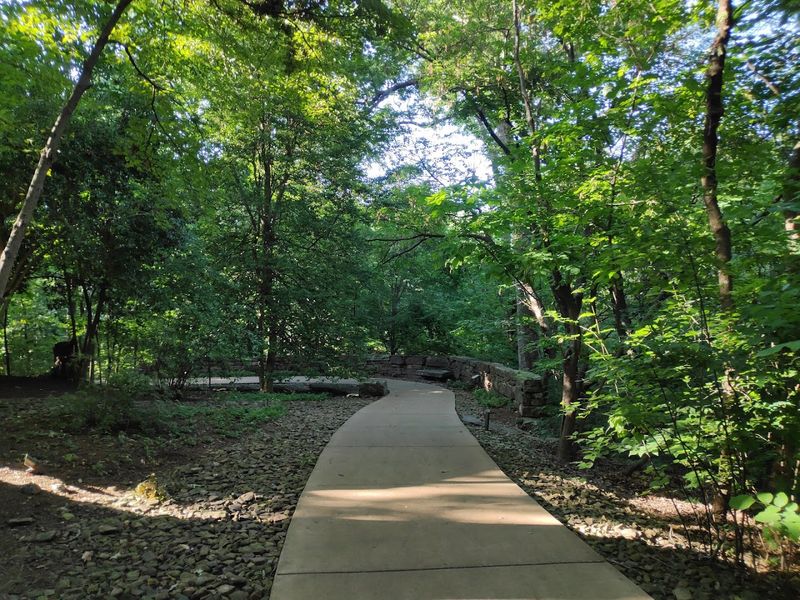
There is something about Compton Gardens that feels personal in a way most public green spaces do not, and that is because this place was originally cultivated by a family with a deep, genuine love for the native plants of the Ozarks.
Sitting at 312 N Main St, Bentonville, AR 72712, the garden is now managed by the Peel Compton Foundation and remains free and open to the public, which feels like a small miracle given how thoughtfully the space is maintained.
April is when the woodland floor really comes alive here, with native wildflowers threading through the understory beneath a canopy of mature oaks and hickories that have clearly been in place for generations.
Stone pathways guide visitors through the property in a way that feels natural rather than engineered, and the overall atmosphere leans more toward a woodland walk than a traditional manicured garden.
Bentonville is already a destination city thanks to Crystal Bridges Museum of American Art and a thriving mountain biking culture, so adding Compton Gardens to your itinerary requires almost no extra effort if you are already in the area.
The garden does not have a formal visitor center, so arriving with a sense of curiosity and comfortable walking shoes is the best preparation you can bring.
I left this place feeling like I had discovered something that most visitors to Bentonville walk right past, which made the whole visit feel a little like finding a secret.
2. Botanical Garden Of The Ozarks
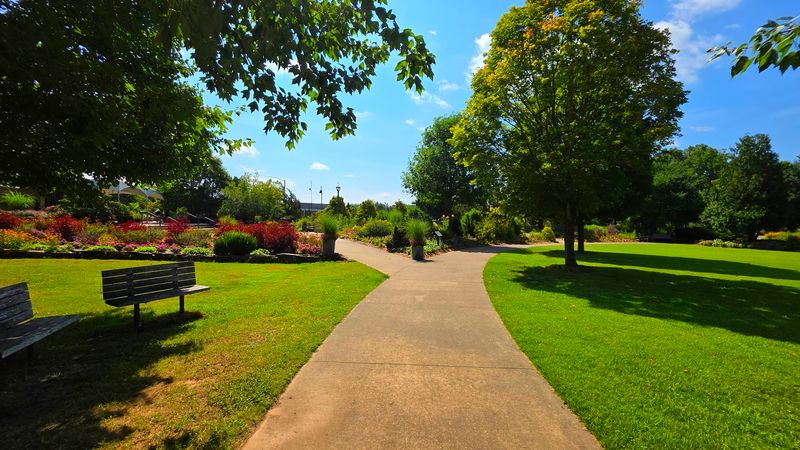
Twelve themed garden rooms packed into twelve acres sounds almost too good to be true, but the Botanical Garden of the Ozarks at 4703 N Crossover Rd, Fayetteville, AR 72764 pulls it off without making a single space feel rushed or squeezed.
Each room has its own personality, from the sensory garden designed to engage touch and smell to the children’s garden, which is laid out with young explorers in mind rather than as an afterthought.
The butterfly garden is the real showstopper in April, drawing native species that float through the blooms in a way that makes you want to stand completely still and just watch.
Fayetteville is already a lively city with a strong arts and food scene, so pairing a morning at the garden with an afternoon exploring Dickson Street or the nearby Farmers Market makes for a pretty satisfying full day.
The garden hosts rotating seasonal events and educational programs throughout spring, which means no two visits feel identical even if you have been before.
Admission pricing is reasonable, and the garden typically offers discounts for students and seniors, so checking bgozarks.org ahead of time is worth a few minutes of your day.
Leaving here, I always feel like I have quietly pressed a reset button on whatever was weighing on me before I walked through the gate.
3. Garvan Woodland Gardens
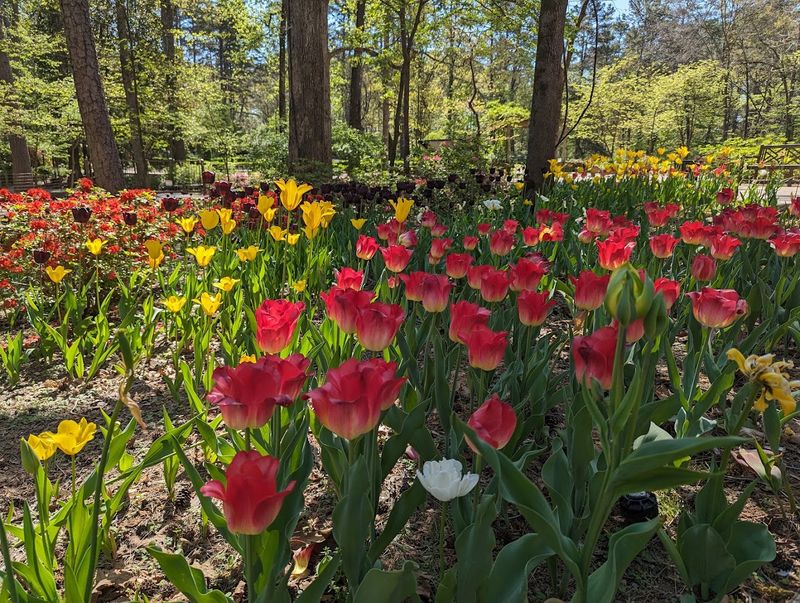
Standing at the edge of Lake Hamilton with azalea blooms practically spilling into the water, Garvan Woodland Gardens earns every bit of its reputation as one of the most visually stunning botanical spaces in the South.
Located at 550 Arkridge Rd, Hot Springs, AR 71913, this 210-acre property unfolds across rolling terrain in a way that feels less like a managed garden and more like the forest decided to dress up for the occasion.
April is peak season here, when dogwoods arch overhead and tulip beds create bold splashes of color between the towering pines.
The Anthony Chapel is a must-see stop along the way, a soaring structure built from local stone and wood with floor-to-ceiling glass panels that frame the surrounding forest like living artwork.
Families with kids will appreciate the accessible paved paths, while photographers will find themselves constantly stopping because around every bend there is another composition worth capturing.
The garden is open year-round and hours can shift around holidays and special events, so checking the official website at garvangardens.org before your visit will save you from any surprises at the gate.
Admission is required, and parking fills up fast on sunny April weekends, so arriving early is the move that separates a relaxed morning stroll from a frantic scramble for a spot.
4. South Arkansas Arboretum
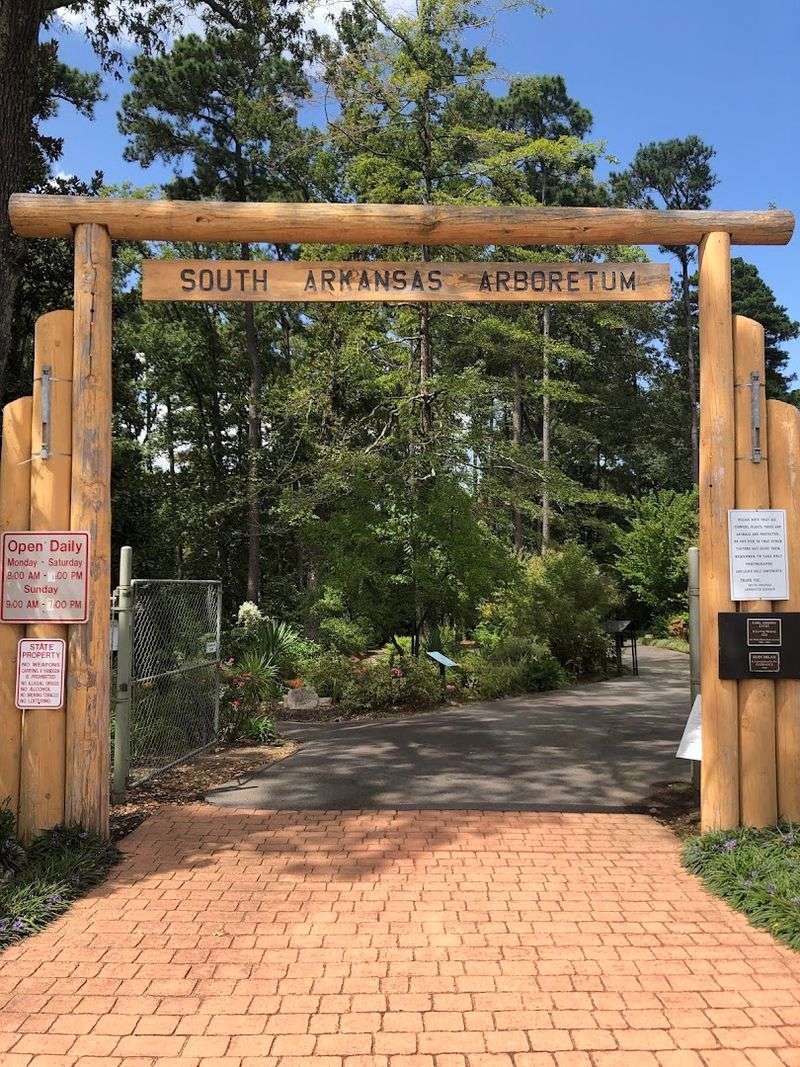
Set quietly within the landscape of southern Arkansas, the South Arkansas Arboretum operates at a pace that feels genuinely unhurried, which is exactly what makes it worth seeking out.
Found at Mount Holly Rd, El Dorado, AR 71730, this three-acre space is dedicated entirely to plants native to the West Gulf Coastal Plain region, giving visitors a clear and honest picture of what naturally grows in this part of the state.
April brings the azaleas and camellias into their most expressive phase, and the color against the deep green understory creates a contrast that photographs beautifully and looks even better in person.
A network of paved walking paths loops through the property, making it accessible for visitors of varying mobility levels, which is a thoughtful detail that not every arboretum manages to prioritize.
El Dorado itself is a charming southern city with a rich arts heritage, and the Murphy Arts District nearby offers a great reason to extend your visit beyond the arboretum gates.
Admission to the arboretum is free, which makes it one of the most accessible green spaces on this entire list and a fantastic option for families watching their travel budget.
The kind of quiet you find on these trails on a cool April morning is the sort that sticks with you long after the drive home.
5. Arkansas Arboretum At Pinnacle Mountain State Park
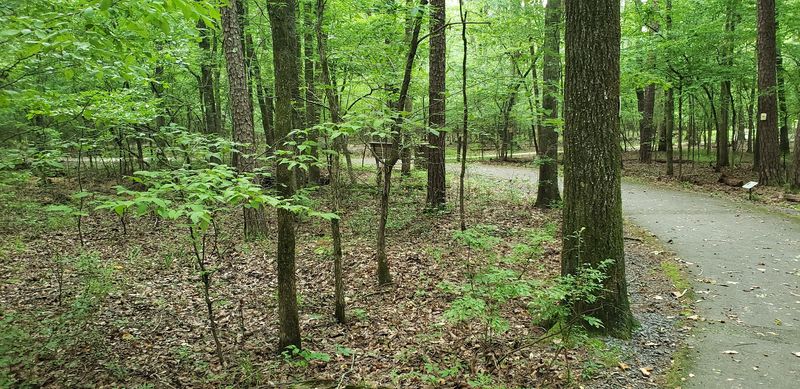
Most arboretums organize their plants by species or family, but the Arkansas Arboretum at Pinnacle Mountain State Park takes a more geographic approach that makes the whole experience feel like a road trip through the state without leaving the trail.
Located at 11901 Pinnacle Valley Rd, Roland, AR 72135, this 71-acre property divides its plantings to correspond with each of Arkansas’s six distinct geographical regions, so walking the interpretive path is genuinely educational in a way that never feels like homework.
The 0.6-mile paved trail is manageable for most visitors and connects to the broader trail network within Pinnacle Mountain State Park, meaning you can easily extend your adventure into a half-day outdoor experience.
April is a particularly rewarding time to visit because the spring ephemerals are doing their thing across the forest floor, and the canopy is just beginning to fill in, letting soft light filter through in that specific way that only happens for a few weeks each year.
Pinnacle Mountain itself looms in the background as a satisfying visual anchor throughout the walk, and on clear days the views from the summit trail are worth the extra effort if your legs are up for it.
Parking is available at the state park visitor center, and entry is free, though visiting arkansasstateparks.com before heading out will keep your plans on track.
Roland sits just west of Little Rock, making this a natural addition to any spring weekend in the capital area.
6. Peel Museum & Botanical Garden
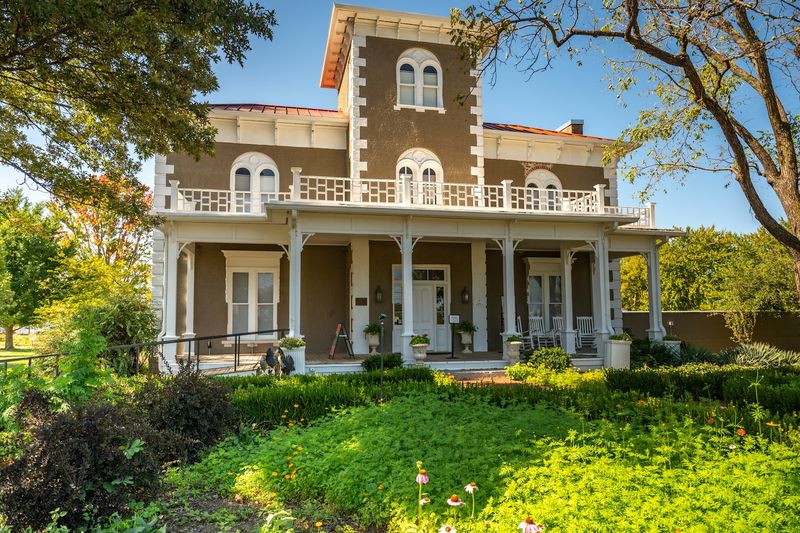
Combining a Victorian-era historic home with a carefully tended botanical garden is the kind of pairing that sounds almost too civilized, and yet the Peel Museum and Botanical Garden at 400 S Walton Blvd, Bentonville, AR 72712 makes it work beautifully.
The property centers on the Peel Mansion, a well-preserved Victorian home that gives the surrounding gardens a sense of history and rootedness that newer botanical spaces simply cannot manufacture.
April gardens here are typically dressed in bright seasonal plantings that complement the architecture of the house, creating a visual harmony between the built and the natural that makes for some genuinely lovely photographs.
The museum inside the mansion offers rotating exhibits that touch on regional history and the lives of the people who shaped early Bentonville, which adds a cultural layer to what might otherwise be a purely horticultural visit.
Admission is charged for museum entry, though the garden areas are often accessible without a full ticket, so checking peelmuseum.com before your visit will help you plan accordingly.
Bentonville continues to grow as a travel destination, and the Peel Museum offers a quieter, more reflective counterpoint to the city’s busier attractions, making it a welcome stop for visitors who appreciate a slower pace.
Walking the garden paths here with the old mansion watching from the lawn, it is easy to let an hour slip by without noticing.
7. Moss Mountain Farm
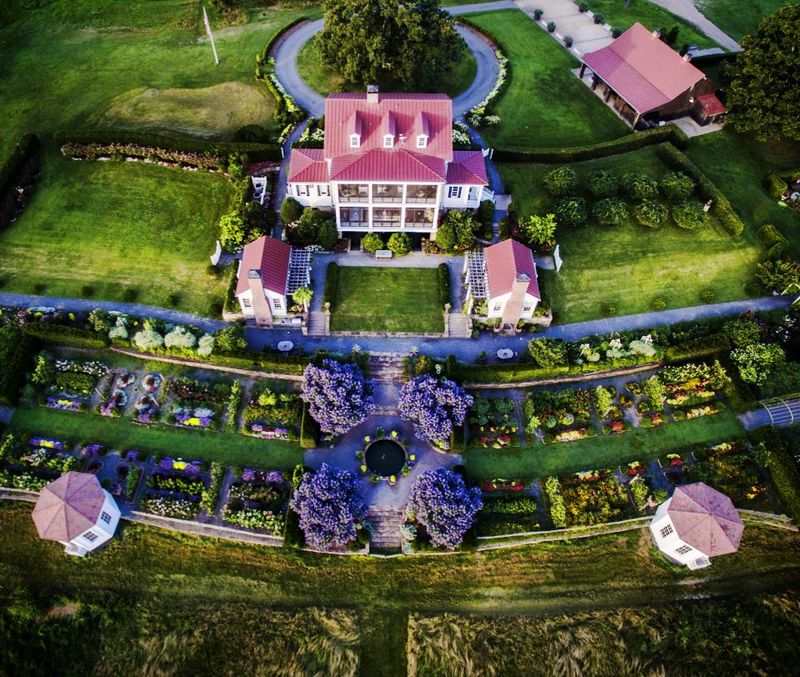
Every April, something extraordinary happens on a hillside near Roland, Arkansas, where more than 15,000 tulip bulbs burst into color across the terraced gardens of Moss Mountain Farm.
The farm, associated with conservationist and television personality P. Allen Smith, sits at 11601 Pleasant Ridge Rd, Roland, AR 72135, and the views from the upper garden terraces overlooking the Arkansas River valley are the kind that make you forget whatever you were thinking about before you arrived.
The Tulip Extravaganza event held each April draws visitors from across the region who come specifically to walk through the blooms and take in the layered landscape design that Smith has cultivated over many years.
Beyond the tulips, the farm features an English rose garden, a kitchen garden, and a poultryville area that adds a charming agricultural element to the visit, especially for families with younger children.
Tours are typically required for access to the property, and they fill up quickly during the April tulip season, so booking well in advance through pallensmith.com is strongly advised rather than leaving it to chance.
The farm sits relatively close to Little Rock, making it a very manageable day trip from the capital or a natural pairing with a visit to the nearby Arkansas Arboretum at Pinnacle Mountain.
Few places in this state pack so much color, countryside, and character into a single morning.
8. Ozark Folk Center State Park Heritage Herb Garden
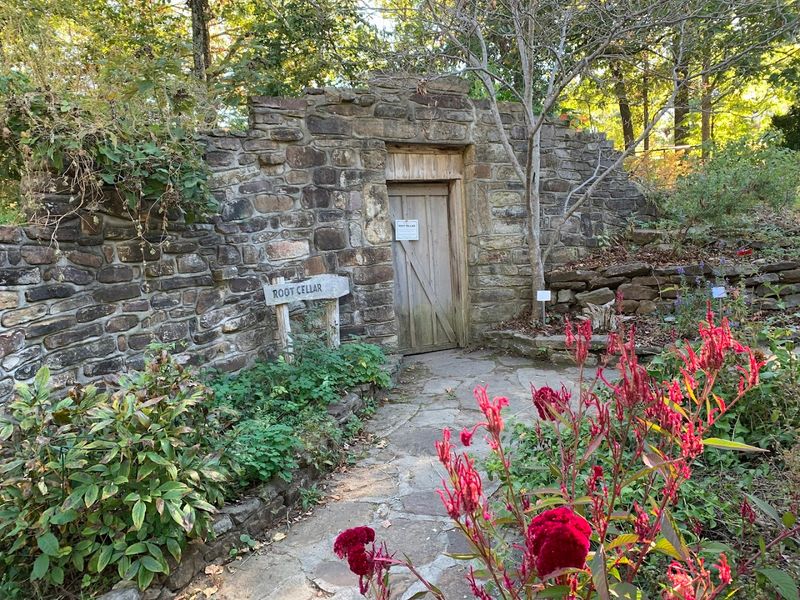
The Ozark Folk Center State Park is already a one-of-a-kind destination for anyone interested in traditional Appalachian and Ozark culture, but the Heritage Herb Garden tucked within the property adds a sensory layer that deserves its own recognition.
Found at 1032 Park Ave, Mountain View, AR 72560, the herb garden is planted with varieties that would have been familiar to Ozark homesteaders, including medicinal herbs, culinary plants, and dye plants used in traditional fiber crafts.
Walking through in April means catching the garden in its earliest energetic phase, when new growth is pushing up fast and the air carries that clean, slightly sharp herbal scent that is genuinely hard to describe but impossible to forget.
The broader Folk Center grounds include craft demonstrations, music performances, and a restaurant serving traditional Ozark cuisine, so the herb garden is really just one piece of a much richer cultural experience.
Mountain View itself is known as the folk music capital of Arkansas, and the town’s relaxed, welcoming personality makes the entire visit feel warmly unhurried.
Admission to the Folk Center is required and covers most of the on-site experiences, with seasonal schedules posted at ozarkfolkcenter.com so you can plan around the programming that interests you most.
This is the kind of place that rewards slow wandering far more than a quick pass-through ever could.
9. Purdom House Herb Garden At Historic Washington State Park
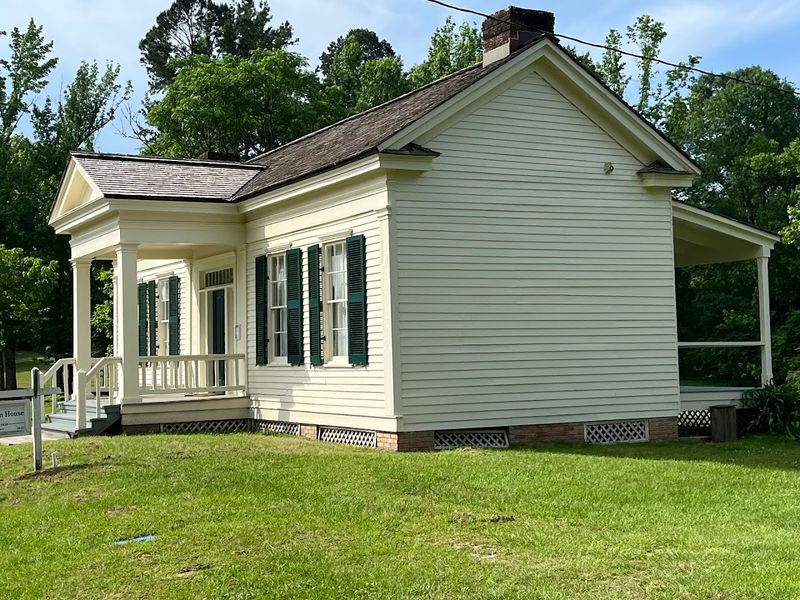
Historic Washington State Park is already a place where history feels close enough to touch, and the Purdom House Herb Garden adds a quietly domestic dimension to that larger story of antebellum Arkansas.
The garden sits at 100 SW Morrison St, Washington, AR 71862, adjacent to one of the restored historic homes within the park, and it is planted with herbs that reflect the practical knowledge households of the 1800s relied on for cooking, medicine, and preservation.
April is a particularly good time to visit because the herb beds are actively growing without yet becoming the dense, overgrown tangle they can turn into by midsummer, giving you a clear and organized view of what each plant is and how it was used.
Washington itself served as the Confederate capital of Arkansas during the Civil War, and every building and garden on these grounds carries that layered historical weight, which makes even a simple stroll through the herb beds feel more meaningful than a casual garden visit.
The park offers guided tours, living history demonstrations, and access to multiple restored structures, so plan on spending at least a half day here rather than treating it as a quick stop.
Admission is required for most of the park’s attractions, and schedules vary by season, so checking arkansasstateparks.com before your visit is the smart move.
Washington is one of those towns that rewards the visitors who slow down enough to actually listen to what the place is telling them.
10. Anniversary Rose Garden
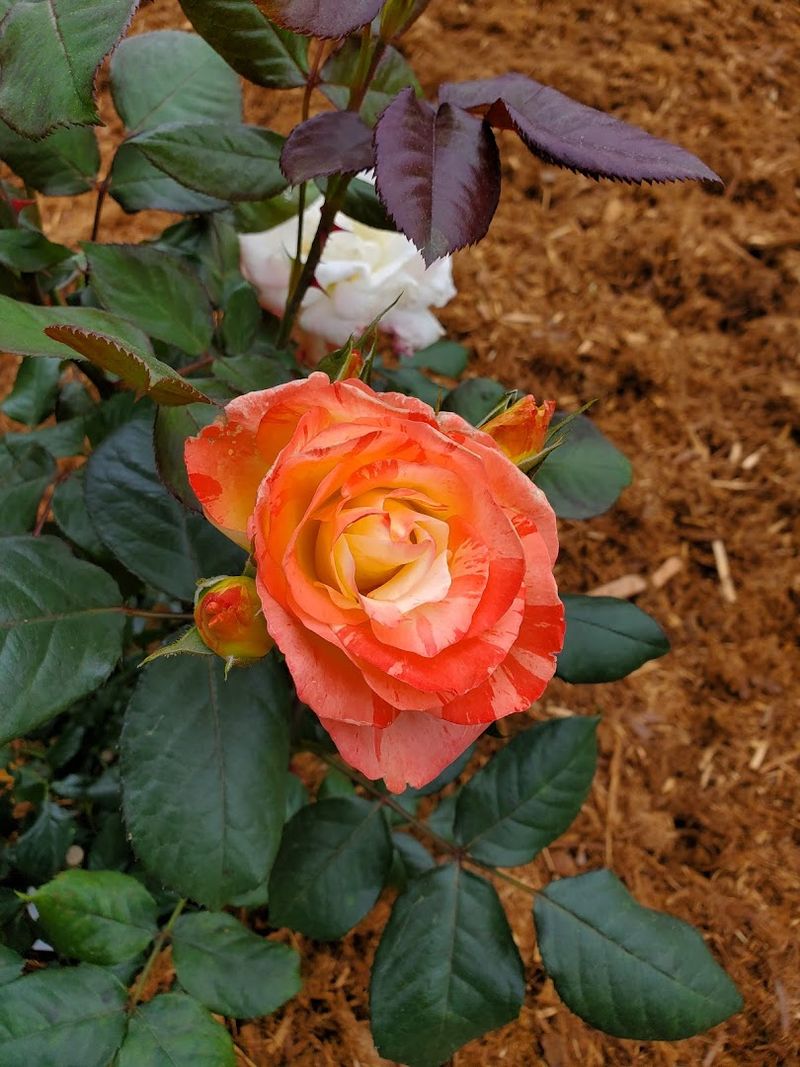
Fort Smith has a reputation as a tough, historically gritty border city, so stumbling onto a formal rose garden in the middle of it feels like a genuinely pleasant surprise the first time you visit.
The Anniversary Rose Garden sits at 3301 S M St, Fort Smith, AR 72903, within the grounds of a public park, and it is maintained with the kind of care that reflects real community pride in the space.
Late April into May marks the beginning of the rose season here, when the earliest varieties start opening and the garden shifts from bare canes to something considerably more colorful and fragrant over the course of the month.
The garden features dozens of rose varieties arranged in formal beds, and reading the variety markers as you walk through is a low-key educational experience that rose enthusiasts in particular will appreciate.
Fort Smith offers plenty of other reasons to visit, including the Fort Smith National Historic Site and the Unexpected art mural project that has turned the city’s walls into an outdoor gallery, making the rose garden a natural complement to a broader city exploration.
Admission to the garden itself is free, and the park setting provides plenty of shaded seating for anyone who wants to sit quietly and let the blooms do their work.
Coming back here in May when the roses hit their full peak is something I always find myself planning on the drive home.
11. Commemorative Garden At Little Rock Central High School National Historic Site
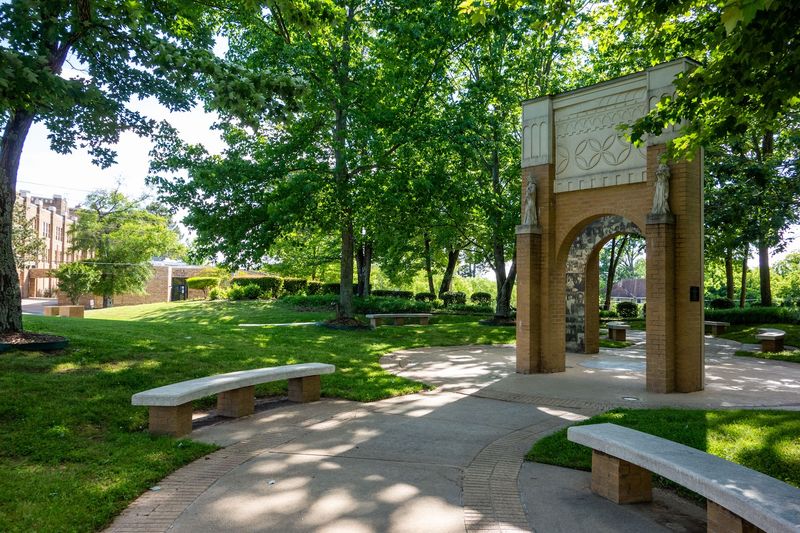
Not every garden is designed primarily for beauty, and the Commemorative Garden at Little Rock Central High School National Historic Site is one that carries a weight and purpose far beyond aesthetics.
Located at 2120 W Daisy L Gatson Bates Dr, Little Rock, AR 72202, this garden exists within the grounds of one of the most significant civil rights landmarks in American history, where nine courageous students integrated Central High School in 1957.
The plantings and landscape design here are intentional, chosen to honor the memory of that moment and the people who made it possible, rather than simply to provide a pleasant outdoor space.
April is a meaningful time to visit because the spring growth adds a sense of renewal to a place that is fundamentally about progress, persistence, and the long arc of justice.
The National Historic Site itself includes a visitor center with exhibits that provide essential context for understanding what happened here and why it still matters, and spending time inside before walking the garden gives the outdoor experience considerably more depth.
Admission to the visitor center is free, as the site is managed by the National Park Service, and rangers are typically available to answer questions and offer guided perspective.
Leaving here, I always carry something with me that no other garden on this list quite manages to plant in the same way.