
15 Places In Michigan I Wish I Could See Again Like It Was The First Time
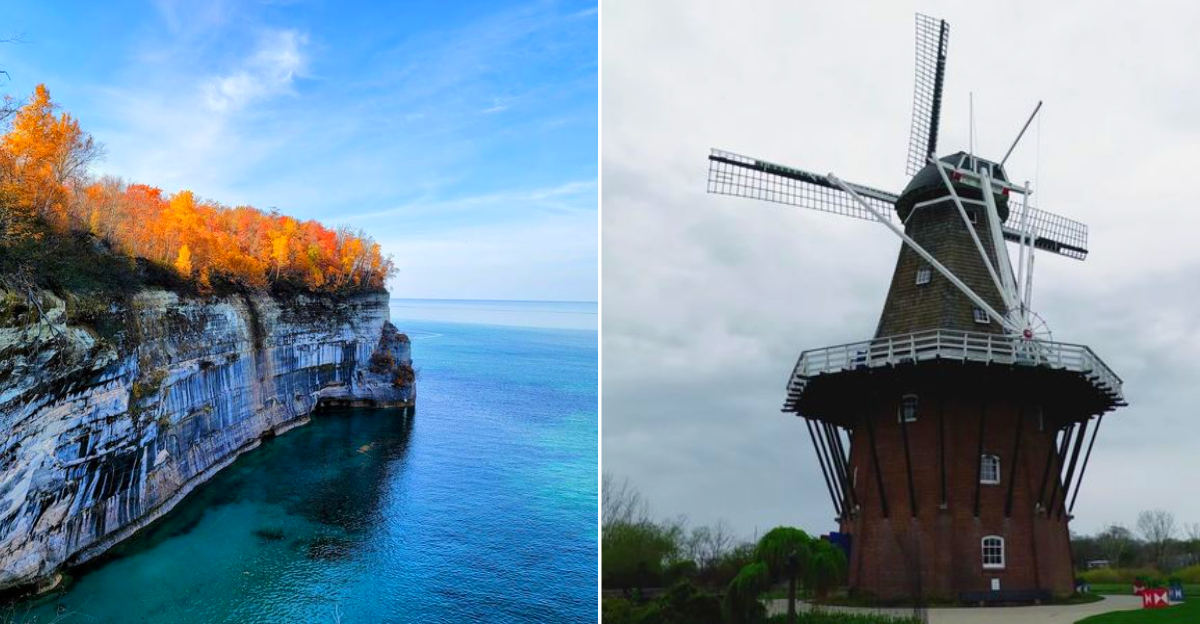
Moving here as an outsider, I initially thought I had Michigan figured out: lakes, cars, and a lot of pointing at my own hand to explain geography. But this state has a way of smirking at your assumptions.
I’ve spent the last few years getting my tires muddy on backroads that don’t show up on standard GPS, finding freshwater horizons so massive they’ve actually made me dizzy.
It’s a place that rewards the “slow lookers,” the people willing to ask a local butcher why the ham is that specific shade of rosy perfection or why a town is obsessed with 19th-century German architecture.
I’ve fallen, head-over-heels and slightly damp with lake spray, for the quiet habits and cold sparks of discovery that hide just past the suburban sprawl. Explore the hidden gems and breathtaking natural landscapes of Michigan through the eyes of a converted local explorer.
1. Sleeping Bear Dunes National Lakeshore
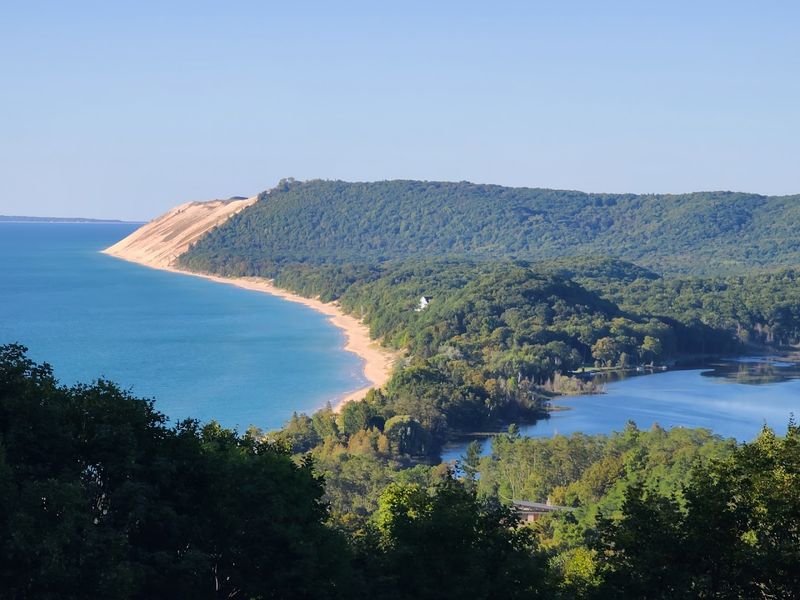
The first time I stood at the top of the Pierce Stocking Scenic Drive overlook, I actually felt my equilibrium shift. Wind lifts grains off the dune face and the lake flashes steel-blue below.
It looks more like the Caribbean than a Midwestern pond. The climb feels simple until the slope steepens and your calves start negotiating with gravity.
Beach grass leans like shorthand, and gulls trace the thermals with tidy confidence. It is a place of massive scale that somehow feels intimate when the sand gets in your shoes.
History here hides in the contours, from Anishinaabe stories of the Mishe Mokwa, the mother bear, to the sleeping islands offshore. Park roads swing to overlooks where patience is rewarded by horizons that seem to bend with the earth’s curve.
You should aim to arrive early for cool sand and quiet parking. The midday sun can turn the dunes into a furnace.
Alternatively, linger at dusk when the light turns syrupy and kind. It casts long shadows that make the dunes look like a velvet blanket.
2. Pictured Rocks National Lakeshore
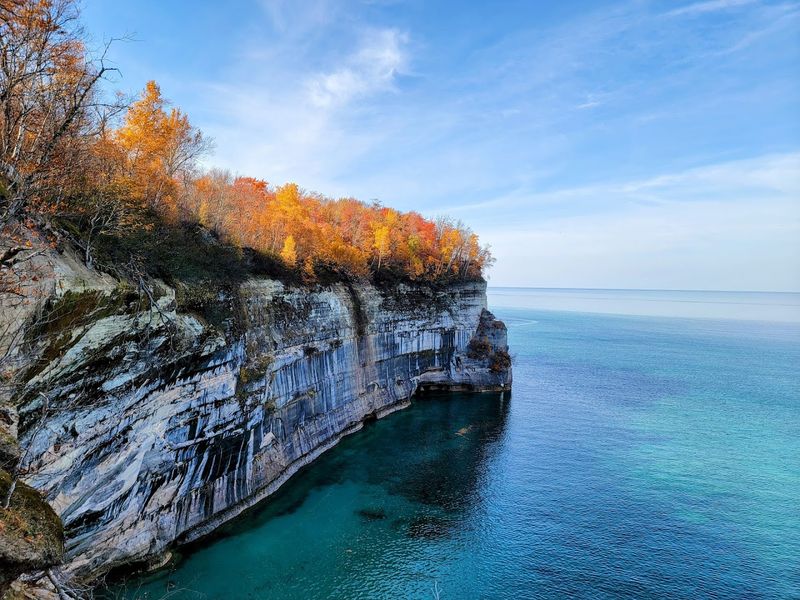
I remember the first time I saw the cliffs from the water. I thought someone had played a prank with a giant paintbrush.
Color bleeds down the sandstone like watercolor that never quite dried. Vivid oranges, deep greens, and rich purples are created by mineral runoff.
Kayak bows tap gently against the cliff base where cold Superior keeps secrets in clear syllables. Motor tours drift past named arches like Chapel Rock and cathedrals of stone.
Each rock face is a mineral sentence in a story that’s millions of years old.
Layers read like a patient geologic diary, stained by iron, copper, and time. Trails above feel airy and pine-scented, while beaches below, like Twelvemile Beach, crunch with agate dreams and smooth stones.
You will find that booking a calm-morning paddle allows for glassy reflections that double the beauty. But a late cruise lets you watch the cliffs drink the sunset.
Bring a wind layer and a healthy dose of humility. Superior writes the schedule here, and she does not take requests.
3. Mackinac Island
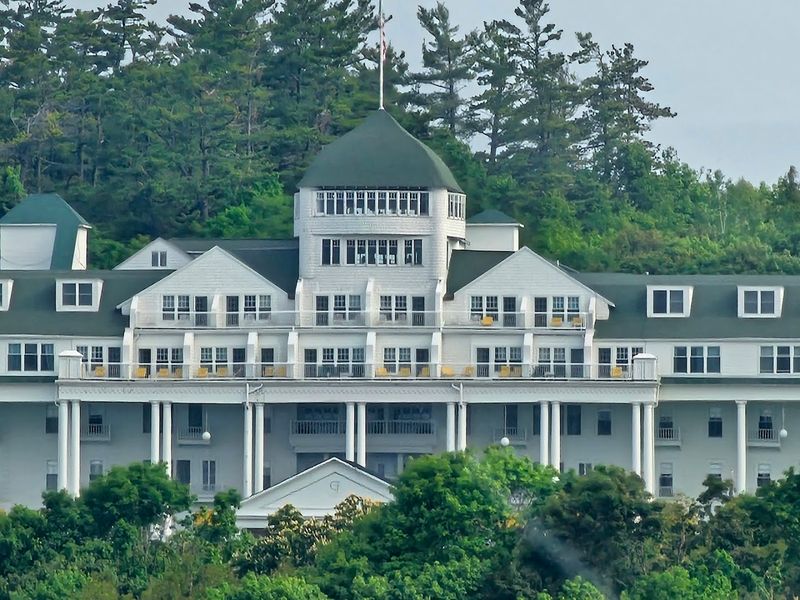
Coming from a world of six-lane highways, a place with a total ban on cars felt like a movie set. Hoofbeats echo where engines would be, and the air smells like Mackinac Island Fudge and lilacs in June.
Shoreline bikes roll a tidy eight-mile loop. The lake peeks through limestone bluffs and cedar trees.
Fort Mackinac stands white and disciplined above the harbor. It watches centuries pass politely while cannons occasionally startle the gulls.
History wears uniforms and porch hats here, with the Grand Hotel’s veranda stretching like a confident, thousand-foot grin. Side streets reveal clapboard quiet and church bells that keep calm time.
That is all away from the fudgie crowds on Main Street.
It is a good idea to reserve bikes early during festivals like the Lilac Festival. Do not be afraid to walk the inland trails for stony surprises like Sugar Loaf.
If the afternoon crowd thickens, slip toward Arch Rock and listen for water shaping patience against the shore. A stay at the Pink Pony for a meal is a local tradition.
It helps you soak in the harbor views while the ferries churn the turquoise water.
4. Tahquamenon Falls State Park
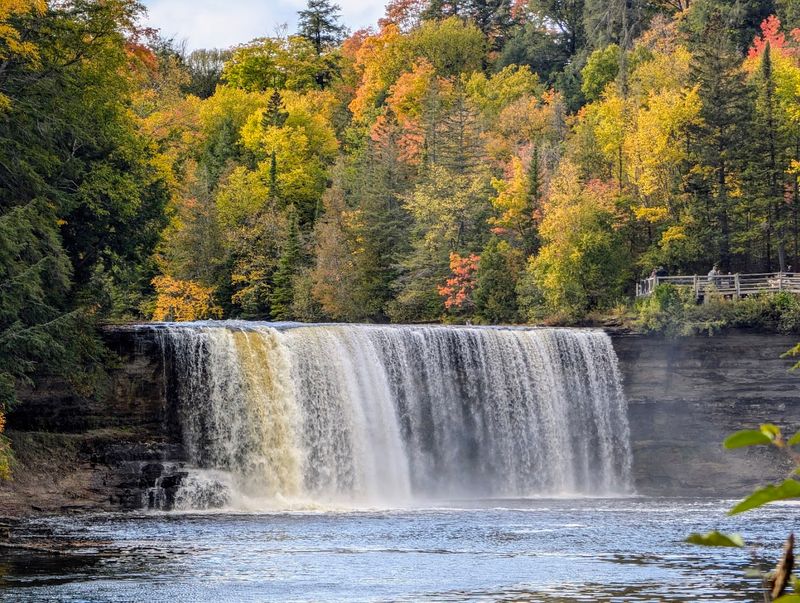
Nothing quite prepared me for these falls. Tea-colored water barrels over the lip, stained by cedar tannins that glow like brewed sunlight.
The path to the Upper Falls is generous with overlooks and spray that cools your face on a humid U.P. afternoon. Wood planks creak softly under boots while kingfishers throw punctuation across the river.
It is a raw, powerful display of nature that feels heavy with the scent of the surrounding forest.
CCC-era sensibilities linger in the orderly trails and stonework. They are a testament to the hands that made this wilderness accessible.
The Lower Falls invite rented rowboats and small adventures among islands where the current tugs gently at your oars.
You should start your day early to beat the bus groups. Bring a bit of patience for the stairs that will inevitably test your enthusiasm.
If rain finds you, stay. The colors of the water deepen against the gray sky, and the roar fattens until conversation is just shared nods and grins.
After your hike, a stop at the Tahquamenon Falls Brewery & Pub for some local whitefish is the only way to properly end the trip.
5. Kitch-iti-kipi
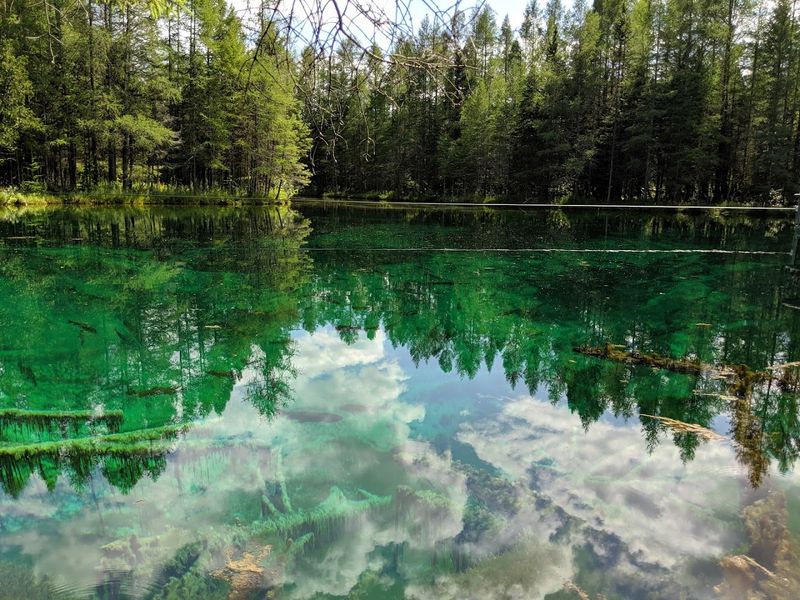
I thought I knew what clear water looked like until I saw the Big Spring. The water is so clear it edits your sense of depth.
Massive trout slide like quiet punctuation marks over a floor of white sand. The self-propelled raft glides on a cable.
The viewing well frames fizzing sand where the spring exhales ten thousand gallons a minute. Edges blur from the deep shade of the cedars to an improbable, glowing emerald hue in the center.
Stories of Kitch-iti-kipi predate the signs and railings. They feel right in the damp, ancient hush of the woods.
Visitors generally respect the slow pace. They take turns at the crank-wheel of the raft and speak softly as if not to wake the fish.
You should arrive at opening to claim the stillness for yourself before the line forms. Skip your sunglasses so you can read the bottom better.
The lack of glare is essential. Bring curiosity for how a constant 45 degrees can feel like a gentle, frozen spell. It is a short visit, but it lingers in your mind like a vivid dream.
6. Porcupine Mountains Wilderness State Park
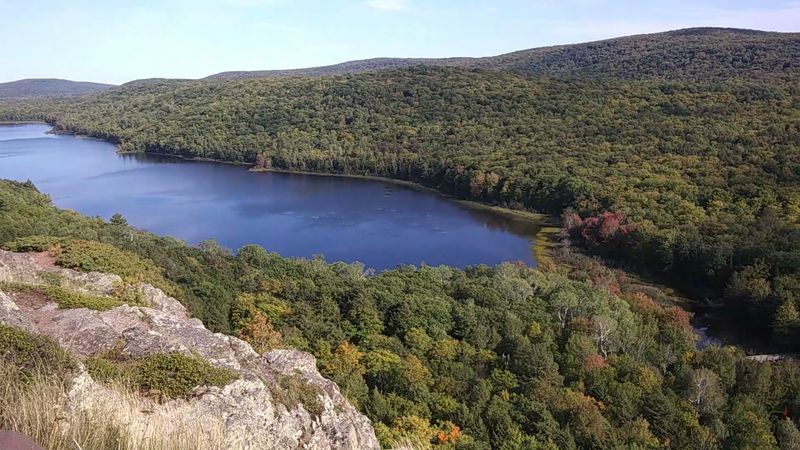
In the Porkies, the scale of the Midwest finally feels mountainous. Ridges roll like sleeping animals, and Lake of the Clouds lies bright and blue in the lap of the old-growth forest.
Boardwalks and basalt outcrops share space with lichens that look busy and ancient. They colonize the rock with slow intent.
Black bears prefer their privacy here, and the trails honor that with miles of deep, undisturbed hush.
CCC cabins and mining ghosts haunt the margins. Their stories are anchored in iron and the sheer patience required to survive a Lake Superior winter.
Backpackers trade weather notes and blister hacks at the trailheads. They are bound by the shared struggle of the terrain.
Carry real paper maps and treat the forecasts merely as opinions. The Porkies enjoy throwing weather surprises at the unprepared.
Spending an evening at the overlook while the wind combs the canopy like a slow hymn is a spiritual experience. A good thermos of hot coffee makes for excellent company as the stars begin to punch through the dark.
7. Turnip Rock
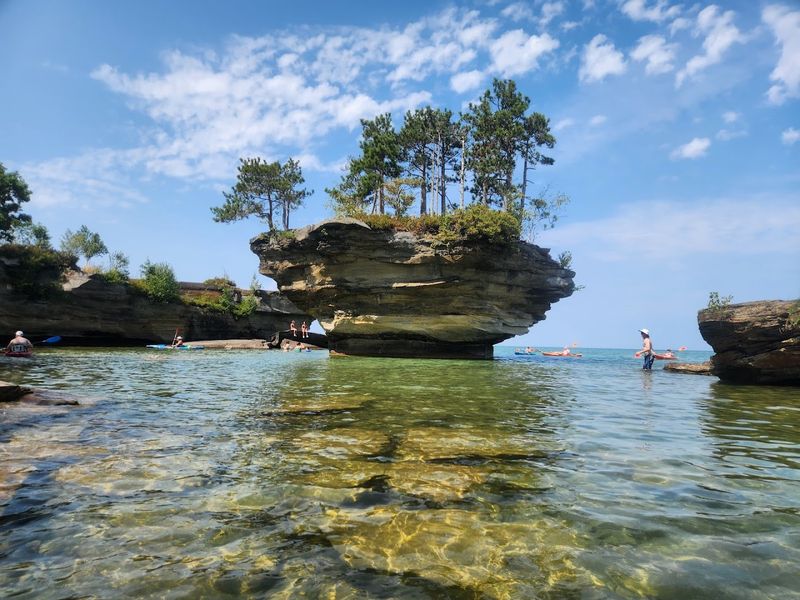
The first time I saw a photo of this place, I did not believe it was in the Midwest. A limestone top hat balanced by stubborn physics, Turnip Rock looks whimsical and oddly precise against the horizon of Lake Huron.
The paddle along sandstone shorelines from Port Austin feels neighborly. The waves slap the side of your kayak with friendly repetition.
Water transparency here edits the color palette into bright blues and chalky whites. It feels more like a saltwater cove.
Because the surrounding land is privately owned, kayaking keeps the etiquette simple and the access fair. Erosion wrote the story of this rock, trimming the base while the trees on top grip the stone like a careful, desperate stitch.
You will want to launch your kayak early in the morning to dodge the afternoon winds. They can roughen the surface of the lake by lunchtime.
Pack dry bags, spare layers, and a phone leash. Superior is not the only lake that likes to collect souvenirs.
The return trip, when your shoulders start to hum with effort, makes the sight of the rock feel properly earned.
8. Isle Royale National Park
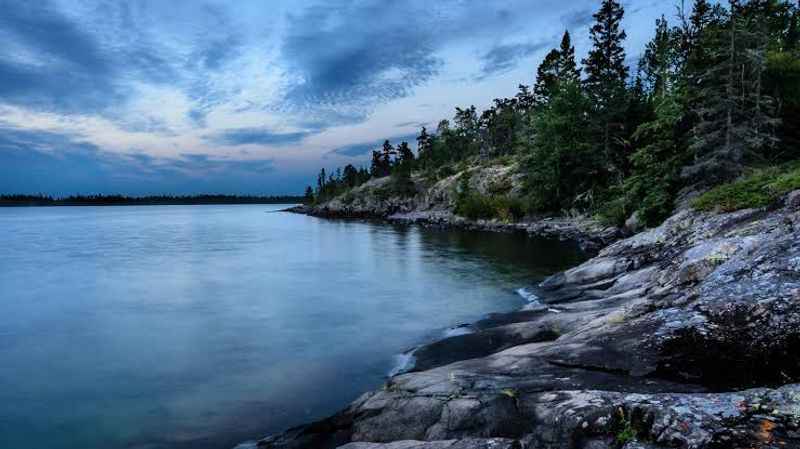
This is the least-visited National Park in the lower 48, and the first time I stepped off the Voyageur II, I understood why. It is a commitment.
Silence here has a tangible texture, broken only by the haunting trill of loon calls and the mechanical, rhythmic chew of beavers in the inland ponds. Trails thread through spruce and volcanic rock.
Old lichen maps every surface with patient authority. Ferry wakes fade fast, leaving you alone with the wind and a sense of mineral honesty.
The wolves and moose of the island write the famous long-term ecological study. It is a decades-long negotiation of hunger and biological balance.
Campsites like Rock Harbor or Daisy Farm collect polite, weary communities of hikers. They whisper at dusk to avoid breaking the spell of the wilderness.
It is crucial to book your transport months in advance. Respect the weather windows that the park service provides.
I still think about the stars over the island. They are crunchy and near, like a layer of frost you can almost hear settling on the trees.
9. Holland’s Windmill Island Gardens
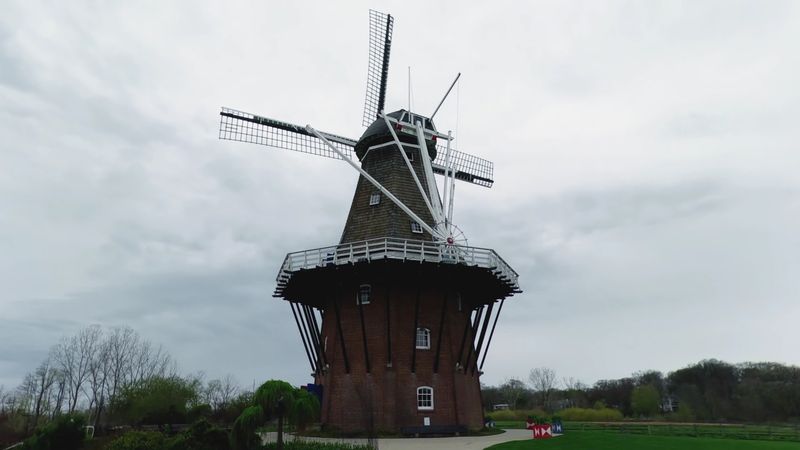
PComing to Holland during Tulip Time is a sensory overload for an outsider. Petals shout in disciplined, vibrant rows of red, yellow, and purple.
De Zwaan, the authentic 250-year-old Dutch windmill, turns with a heavy, old-country calm. Street organ music slips across the canal.
It mixes with the pervasive, buttery sweetness of Dutch letters and waffles from nearby stands.
Costumed guides in wooden shoes greet you without any theatrical fuss. They point to the massive gears that still grind local wheat into flour.
The windmill’s journey from the Netherlands to Michigan in the 1960s reads like a careful, international rescue mission. While the festival amplifies everything, a quiet weekday in late spring shows the gardens’ true bones and peaceful layout.
You should buy a small bag of the stone-ground flour and a postcard. Then spend an hour wandering the bridges.
Arrive early to secure parking and find the best light for photos. Resist the urge to rush. Even the breeze here seems to have its own rehearsal notes.
10. Frederik Meijer Gardens And Sculpture Park
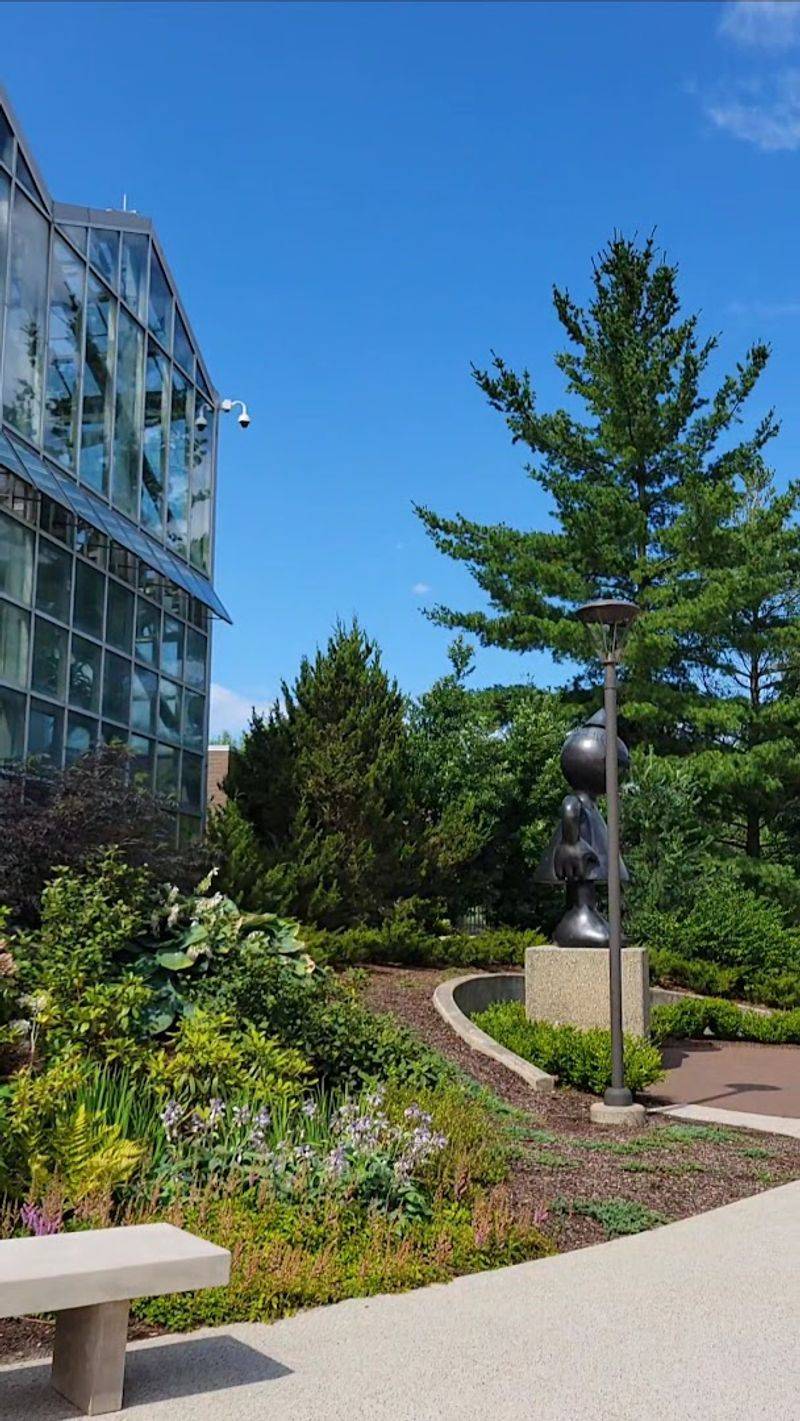
I did not expect to find world-class art tucked into the suburbs of Grand Rapids. Glasshouse humidity kisses your glasses as you enter the conservatory.
Then massive bronze figures greet you outside with long, dramatic shadows on the lawn. Paths curl past restored prairie, quiet wetlands, and the American Horse.
It is a stunning 24-foot bronze inspired by Da Vinci that refuses to be ignored.
The butterflies in March turn the conservatory into a patient, tropical snow globe of fluttering color. The collections rotate with strict curatorial rigor.
The docents will trade plant gossip with you like neighbors leaning over a backyard fence. Families move at stroller speed, art students sketch quietly in the corners, and nobody ever seems to rush the koi ponds.
Timed tickets are a mechanical necessity on busy weekends, so plan accordingly. Choose a weekday morning if you can.
Bring a healthy curiosity for the labels that treat both the contemporary art and the rare botanical specimens as equals. The cafe’s floor-to-ceiling windows frame the kind of contemplative pause that only the best museums can promise.
11. The Henry Ford And Greenfield Village
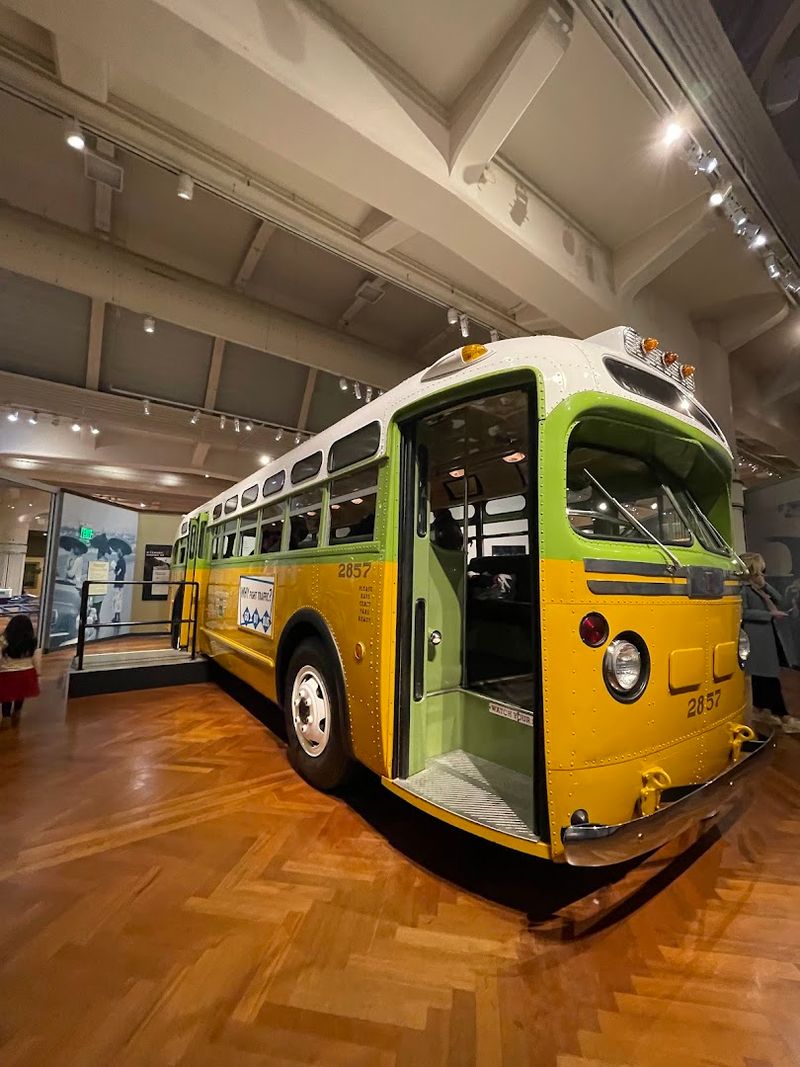
This place redefined my understanding of American history. It is not just about dates, but about the how.
Steam, wheels, and hand tools share the same patient, oily vocabulary here. A Model T rattles by with a cheerful, sputtering complaint.
A master glassblower threads light into molten bubbles in the workshop. Inside the Henry Ford Museum of American Innovation, the Rosa Parks Bus holds a measured, heavy quiet.
It recalibrates every conversation that happens near it.
The historical buildings in the Village were moved across the country like giant chess pieces. Each one has a specific story that stitches into the larger quilt of American industry.
The interpreters here make the past feel pragmatic and lived-in. It does not feel precious or untouchable.
You should definitely buy the ride pass if you enjoy the momentum of old trains and carriages. But try to linger in at least one workshop to listen to the artisans.
Comfortable shoes are the best investment you can make here. Your curiosity will expand the square footage much faster than the maps suggests.
12. Tunnel Of Trees
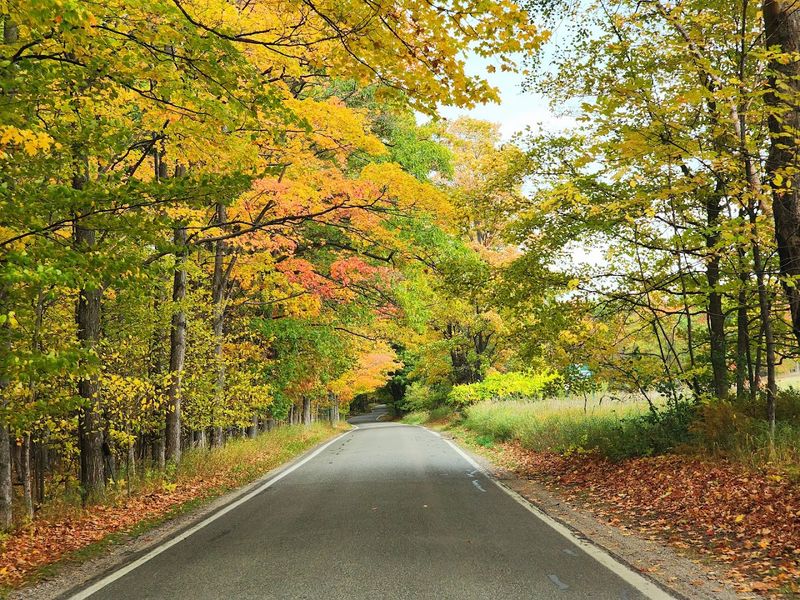
I have driven a lot of scenic roads, but M-119 is the only one that feels like it is trying to give the car a hug. Dappled shade stitches across the hood while the road narrows into a green, leafy whisper.
The sharp curves insist on a slow, rhythmic patience. They reward you with sudden, breathtaking glimpses of Lake Michigan through the ravines.
Maple and beech trees trade colors in the fall like old neighbors trying on each other’s sweaters.
History hides in the quirky cottage names and the small, white-steepled churches tucked near the bluffs. The harbor towns at either end, Harbor Springs and Cross Village, anchor the meander.
They do it with essential stops for cherry pie and traditional Polish pasties at Legs Inn.
Pullouts are very modest and infrequent, so you have to plan your stops with a bit of foresight. Drive the route early in the morning or on a Tuesday to skip the caravans of tourists.
Keep your speeds honest. The beauty of the tunnel sharpens when your brakes stay cool and your windows stay down to catch the scent of the lake.
13. Ludington State Park
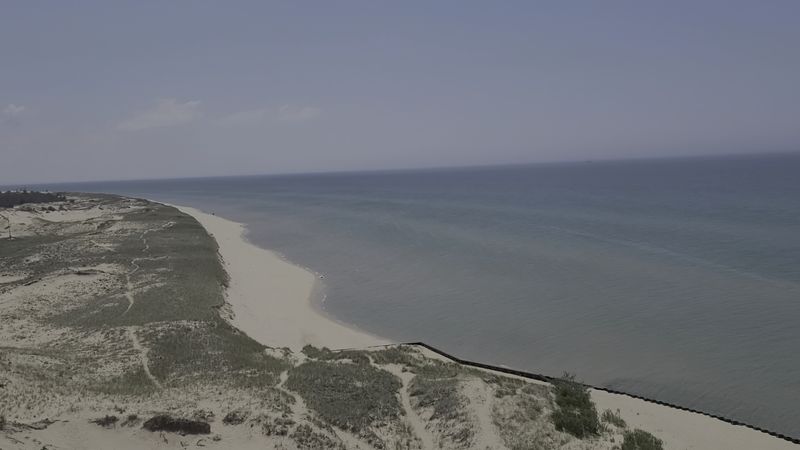
In my mind, Ludington is the definitive Michigan summer. Dunes lean toward the Big Sable Point Lighthouse like old friends, and weathered boardwalks carry you over rivers of warm, golden sand.
Hamlin Lake sits calm and reflective behind the dunes. It is a kind, inland counterpoint to the dramatic crashing of Lake Michigan on the other side.
The black-and-white striped tower of the lighthouse anchors the horizon. It is a monochrome exclamation point that does not need to shout to be noticed.
The CCC handiwork is visible everywhere, from the sturdy timber stairs to the perfectly placed overlooks that have not shifted in nearly a century. The campgrounds are usually bursting with families.
They trade s’more strategies and make bets on the evening’s weather.
You have to book your sites months in advance to get a spot. Bringing a bike is a must for navigating the long road to the lighthouse when the sand-shuttle is resting.
I still hear the evening lake pushing a steady, low-frequency drumbeat under the gossip of the gulls. It is the kind of natural rhythm that smooths out even the roughest day’s edges.
14. Grand Island
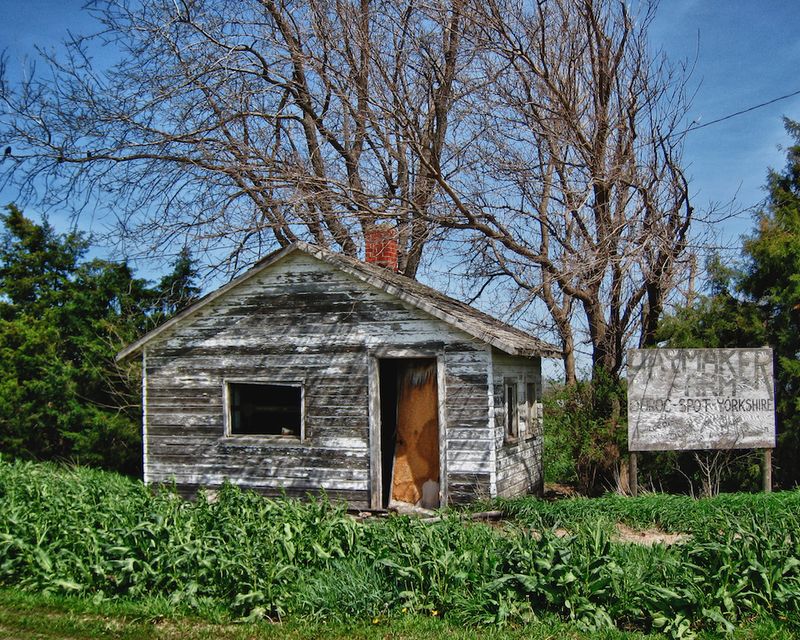
Most people look at the cliffs from Munising, but the real magic is looking back at the mainland from Grand Island. Just a few ferry minutes from the docks, and your internal clock turns into a completely different, slower tempo.
Well-maintained dirt roads sketch easy loops for mountain bikes. The massive sandstone cliffs keep watch with a rough, weathered elegance.
The beaches here feel like they were borrowed from Pictured Rocks. But they are significantly quieter, as if Superior is practicing her inside voice.
Old homesteads and the North Light hint at the careful, self-sufficient years of the island’s former inhabitants. The campsites are modest and the views are anything but.
It is wise to reserve your ferry spot and campsite before the summer weekends hit their peak. Pack a bicycle repair kit, a very robust bug strategy, and a firm promise to pack out everything you bring in.
The island rewards unhurried circuits. It also rewards the pleasant, quiet humility that comes from looking up at a wall of ancient stone.
15. Belle Isle Park
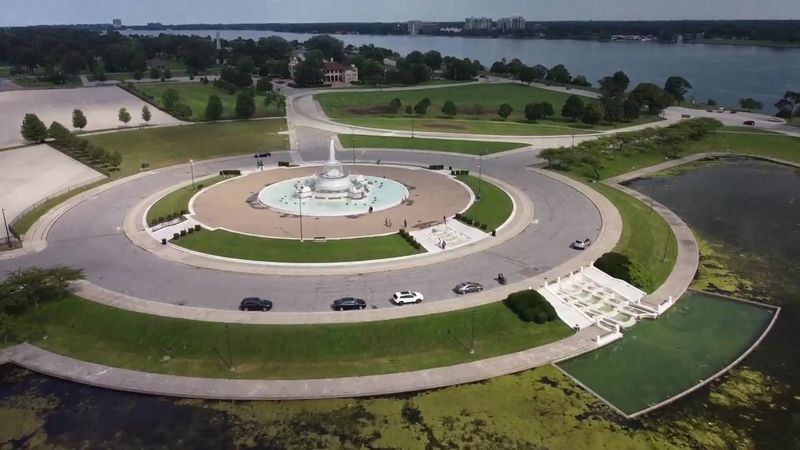
I fell in love with Detroit on this island. River light bounces off the glass towers of the skyline while the island maintains its own distinct, green tone.
The Anna Scripps Whitcomb Conservatory glows like a giant crystal terrarium. Its Victorian glass houses palms that reach for the sky.
Nearby, the Belle Isle Aquarium’s emerald-green ceiling tiles make a satisfying, underwater first impression that sticks with you. Cyclists ribbon past quiet coves where local fishermen work patient, silver lines in the current.
The fingerprints of Frederick Law Olmsted guide the layout. They ensure the space feels both generous and democratic.
The museums on the island fold Detroit’s complex stories into the river breeze. They cover everything from massive lake freighters to the grit of neighborhood history.
Weekends here buzz with the energy of family reunions and roaring engines. Weekdays breathe with a more contemplative air.
Arrive with enough time to wander under both the aquarium and conservatory domes. Bring a bag of snacks for a slow, shoreline picnic.
I still like the view best at golden hour, when the city looks both entirely new and deeply remembered. It shimmers across the water like a promise.