
Colorado Getaways That Feel Surprisingly Affordable During Spring
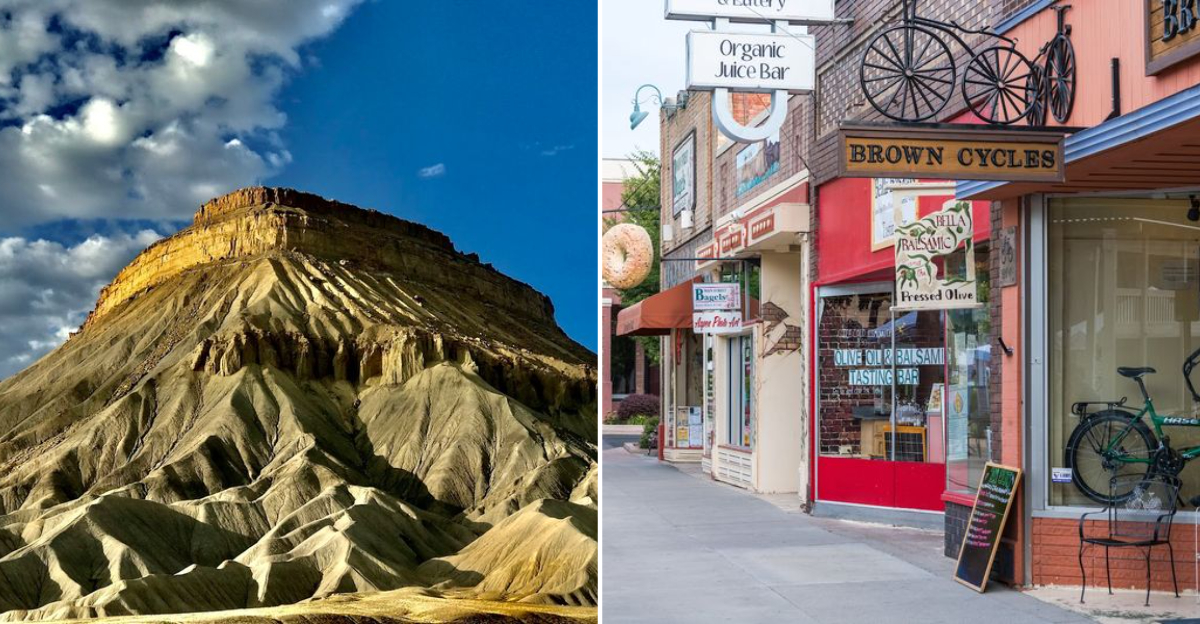
Spring does not always need lift lines, overpriced rooms, or the feeling that half the state had the exact same weekend idea. This hidden getaway on the western side of the state offers something far better: red rock drama, peaceful river paths, and the kind of scenery that makes you pull over just to stare for a minute.
In Colorado, places like this feel especially satisfying because they give you the wow factor without draining your bank account or your patience.
One minute you are soaking up canyon views that look straight out of an adventure film, and the next you are wandering along the water wondering why more people are not talking about it.
The whole experience feels easy in the best possible way, with big rewards and very little fuss. Colorado’s spring magic shows up strong here, turning a simple road trip into the kind of affordable escape that feels smart, scenic, and surprisingly hard to leave.
Where the Red Rocks Do the Heavy Lifting
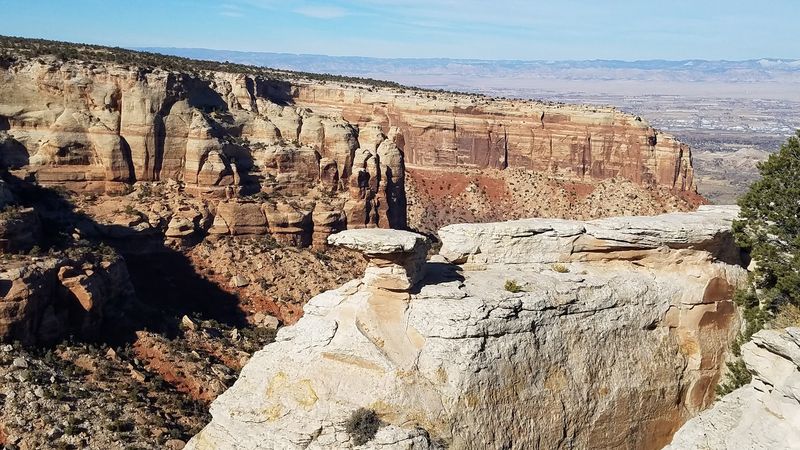
There’s a particular kind of satisfaction that comes from standing at the rim of Colorado National Monument and realizing you didn’t have to book anything six months in advance. The park sits just west of this Colorado place and its trail-lined landscape of red sandstone monoliths and canyon drops is the sort of scenery that makes people stop mid-sentence to stare.
Spring is genuinely one of the best times to visit. The crowds that flood the park in peak summer haven’t arrived yet, and the temperatures are forgiving enough for a full day of hiking without feeling like you’re being slow-roasted.
Pro Tip: The Rim Rock Drive is a 23-mile road through the monument that works beautifully as a scenic drive if hiking isn’t your plan. Pull over at any overlook and you’ll get a view that would cost considerably more in a more famous park.
Best For: Families looking for outdoor adventure, couples who want dramatic scenery without the drama of long booking queues, and solo travelers who just need a landscape big enough to think clearly in.
The River That Runs Right Through Town
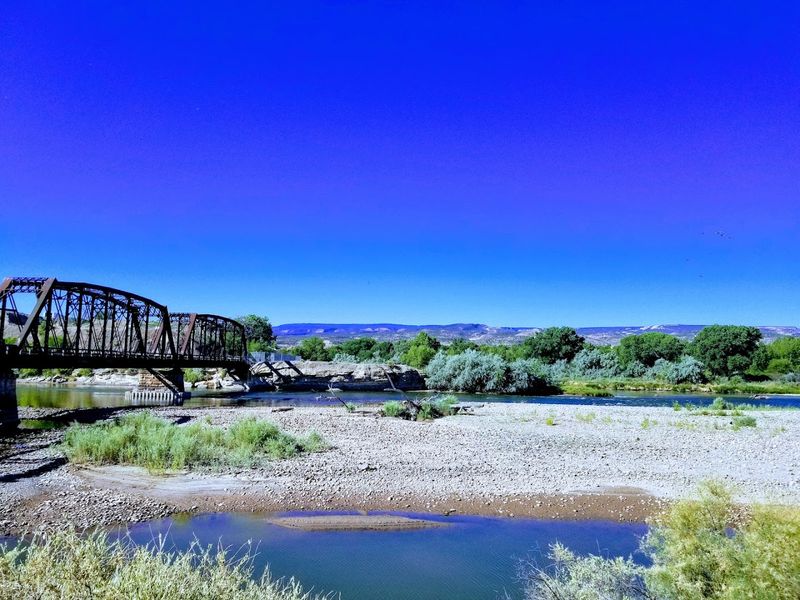
James M. Robb Colorado River State Park is one of those places that locals treat like a well-kept secret, even though it’s split into five sections and runs right through the city.
The park offers river access, lakes, biking trails, and enough wildlife sightings to keep kids genuinely entertained without a single screen in sight.
Spring brings the cottonwoods back to life and the river runs with a satisfying energy that makes even a slow walk along the bank feel like an event. The Connected Lakes section is particularly popular for bird watching, and the Fruita section connects directly to trails that extend well beyond the park boundaries.
Quick Tip: Bring bikes if you have them. The trails are paved, wide, and flat enough for riders of all ages, making this one of the more effortless family outings in the region.
Who This Is For: Weekend planners who want outdoor time without a complicated trailhead situation. This park is genuinely easy to access, easy to navigate, and easy to enjoy, which is rarer than it sounds.
Wine Country Without the Pretension
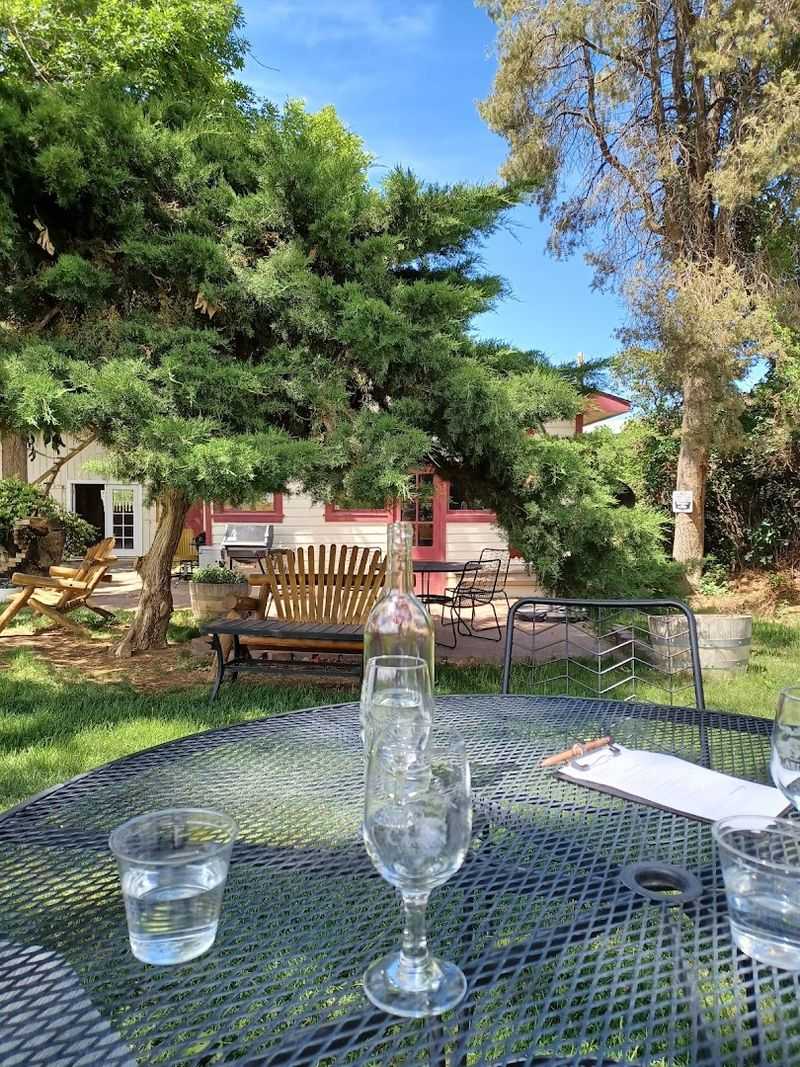
Grand Junction is widely recognized as the hub of Colorado’s wine country, which sounds like the kind of claim that requires a raised eyebrow until you actually drive through the Grand Valley and see the vineyards stretching out beneath the mesa. The region’s high desert climate produces grapes with a character that’s earned genuine national attention.
What makes spring particularly appealing here is that the tasting rooms aren’t yet packed with summer tourists. You can take your time, ask actual questions, and leave with a bottle or two without feeling rushed through a conveyor belt of hurried pours.
Insider Tip: The Palisade area, just east of Grand Junction, is the heart of the wine trail. Many small family-run operations open their doors in spring, and the peach orchards nearby begin to bloom around the same time, which makes the drive genuinely scenic.
Best For: Couples looking for a relaxed afternoon outing with some regional flavor, and curious travelers who enjoy learning about local agriculture without needing a formal tour itinerary to make it worthwhile.
A Museum That Earns Its Square Footage
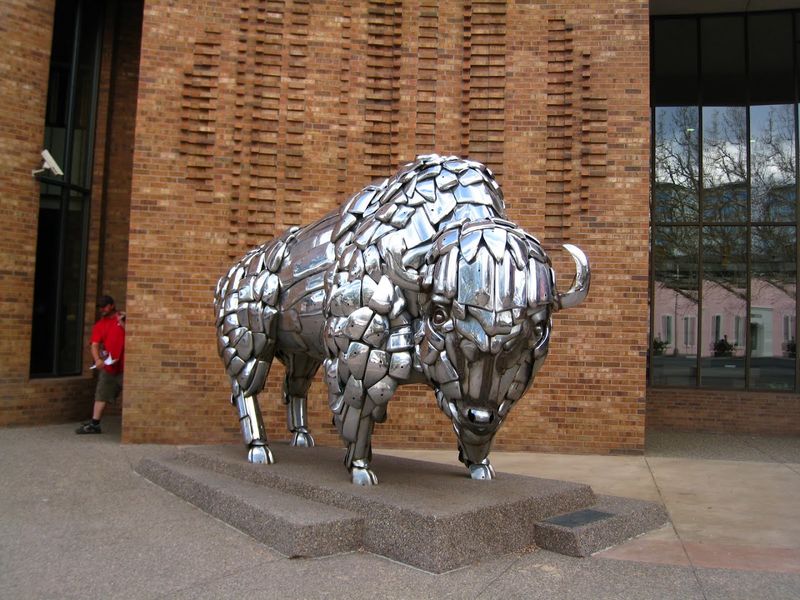
The Museum of the West in Grand Junction is one of those institutions that surprises people who walk in expecting a few dusty cases and a laminated pamphlet. The collection spans prehistoric pottery, 19th-century firearms, and regional history that connects the ancient past of the Colorado Plateau to the relatively recent human story of the Western Slope.
On a cool spring morning, when the weather hasn’t quite committed to full outdoor mode yet, this museum makes for an unexpectedly rewarding two-hour stop. It’s the kind of place where adults get pulled into exhibits they didn’t plan to linger at, and kids ask questions that require actual thought to answer.
Why It Matters: Understanding the region’s layered history adds real depth to everything else you see in Grand Junction. The red rocks mean something different after you’ve seen what people were doing in this landscape thousands of years ago.
Planning Advice: Pair the museum with a short stroll through downtown Grand Junction afterward. Main Street has enough character to reward a post-exhibit walk without demanding a full afternoon commitment from anyone in your group.
Spring Hiking That Doesn’t Require a Search Party
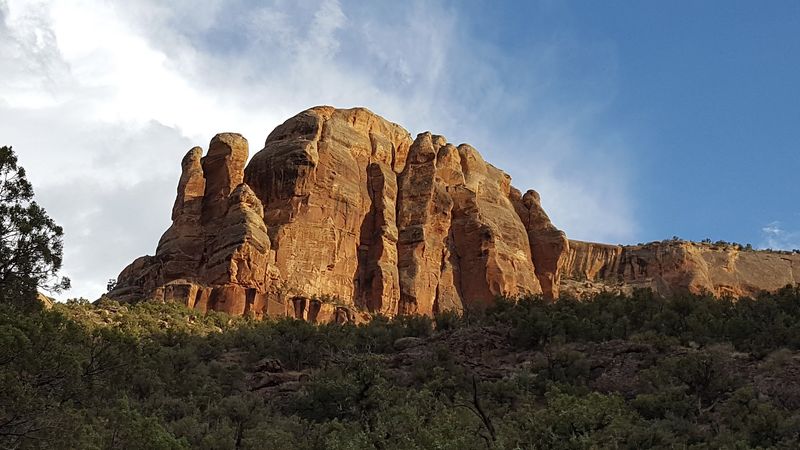
One of the quieter arguments for visiting Grand Junction in spring is the hiking window it opens up before the desert heat arrives and before the crowds follow. The trails around the Colorado National Monument and the surrounding BLM land offer routes ranging from easy canyon-floor walks to more demanding rim climbs, all without the permit lottery anxiety that plagues more famous parks.
The Coke Ovens Trail and the Monument Canyon Trail are two well-regarded options that deliver dramatic sandstone scenery at a pace that works for most fitness levels. Spring wildflowers occasionally dot the canyon floors, which is the kind of bonus that feels unearned but very welcome.
Common Mistakes to Avoid: Underestimating the sun exposure on open canyon trails. Even in spring, the high desert reflects heat in ways that catch people off guard.
Bring more water than you think you need and start early in the morning.
Best For: Active families, hiking couples, and solo adventurers who want genuine trail time in a landscape that feels genuinely remote, even if the trailhead is only minutes from downtown Grand Junction.
Affordable Lodging That Doesn’t Feel Like a Consolation Prize
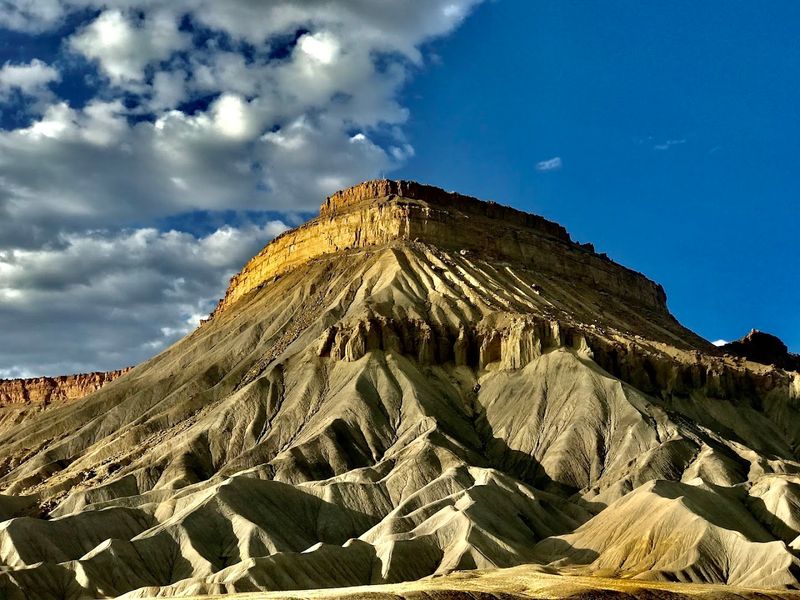
Grand Junction has a lodging market that hasn’t yet caught up with the inflated pricing of Colorado’s more tourist-saturated destinations. Spring, in particular, is a sweet spot where rates drop noticeably compared to summer and fall peak seasons, and availability is genuinely good without requiring weeks of advance planning.
The city has a solid range of chain hotels and independent motels clustered near downtown and along the main corridors, most of which offer clean, functional rooms at rates that leave budget room for actual experiences rather than just a place to sleep.
Quick Verdict: If you’ve been priced out of Moab or Aspen for a spring trip, Grand Junction delivers a comparable outdoor experience at a fraction of the accommodation cost. It’s the same red rock landscape, just with a more reasonable checkout bill.
Best Strategy: Book midweek if your schedule allows. Rates tend to dip further Tuesday through Thursday, and the trails and attractions are noticeably less crowded, which makes the whole trip feel more spacious and less like a coordinated regional migration.
The Kind of Downtown That Rewards a Slow Walk
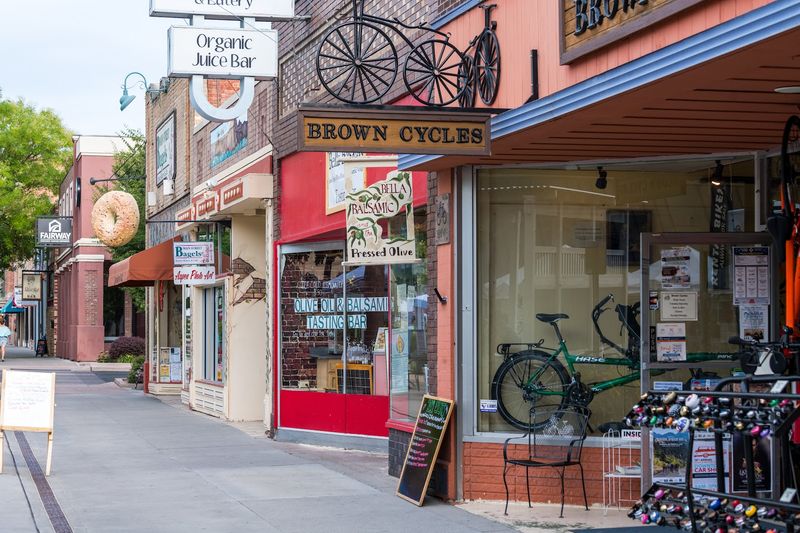
Downtown Grand Junction has a Main Street energy that feels genuinely lived-in rather than staged for tourism. The area is walkable, has a healthy mix of local shops and restaurants, and features public art installations that give the streetscape a personality you don’t usually associate with a mid-sized Western city.
The city has invested in its downtown corridor in ways that show without being showy. There are murals, sculptures, and benches positioned in spots that suggest someone actually thought about where people might want to sit and look at things.
Mid-Article Hook: Here’s where the trip starts to feel like more than just an outdoor itinerary. Grand Junction’s downtown is the connective tissue between the canyon country outside and the community life inside, and spring is exactly when both sides of that equation are at their most welcoming.
Insider Tip: The Two Rivers Convention Center area near the confluence of the Gunnison and Colorado rivers is worth a short detour for the views alone. It’s the kind of local landmark that doesn’t make the highlight reel but absolutely should.
Dinosaur Country Is Closer Than You Think
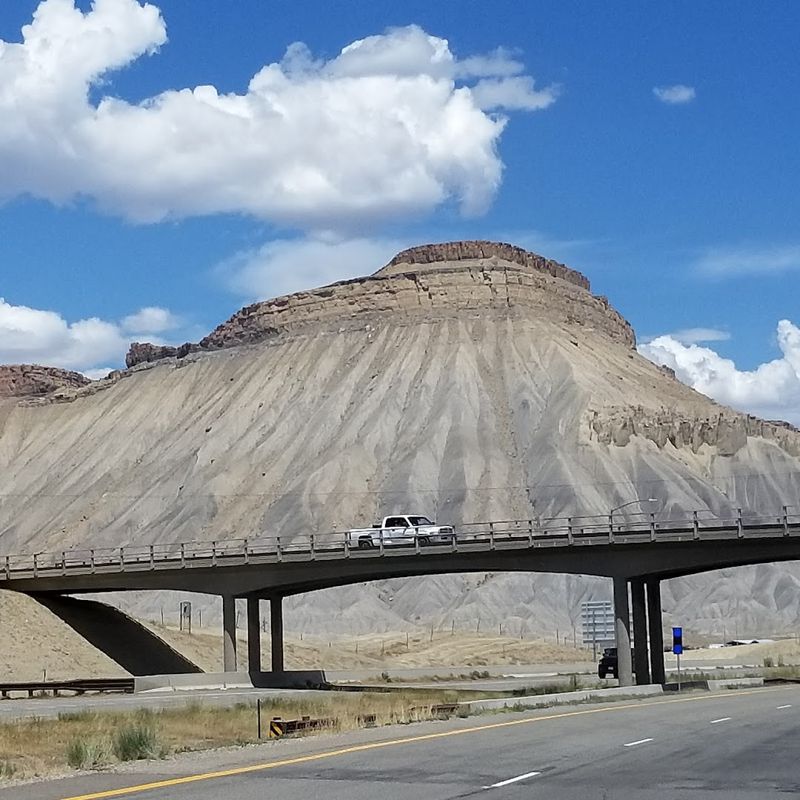
The area around Grand Junction sits atop one of the most significant dinosaur fossil deposits in North America, and spring is a genuinely good time to explore that legacy before the summer field season kicks into full gear. The Dinosaur Journey Museum in nearby Fruita is operated by the Museums of Western Colorado and houses an impressive collection of fossils, casts, and interactive exhibits that hold attention across age groups.
This isn’t a dusty bones-behind-glass situation. The museum includes working paleontology labs where visitors can sometimes watch active fossil preparation, which is the kind of unexpected detail that turns a casual stop into a two-hour stay.
Fun Fact: The area around Grand Junction has produced fossils from the Jurassic period, including specimens of Brachiosaurus and Stegosaurus. The region’s geology makes it one of the most productive fossil sites in the entire country.
Best For: Families with curious kids, science enthusiasts, and anyone who has ever watched a nature documentary and thought they’d like to see the real thing without flying to a different continent to do it.
A Local Food Scene That Punches Above Its Weight
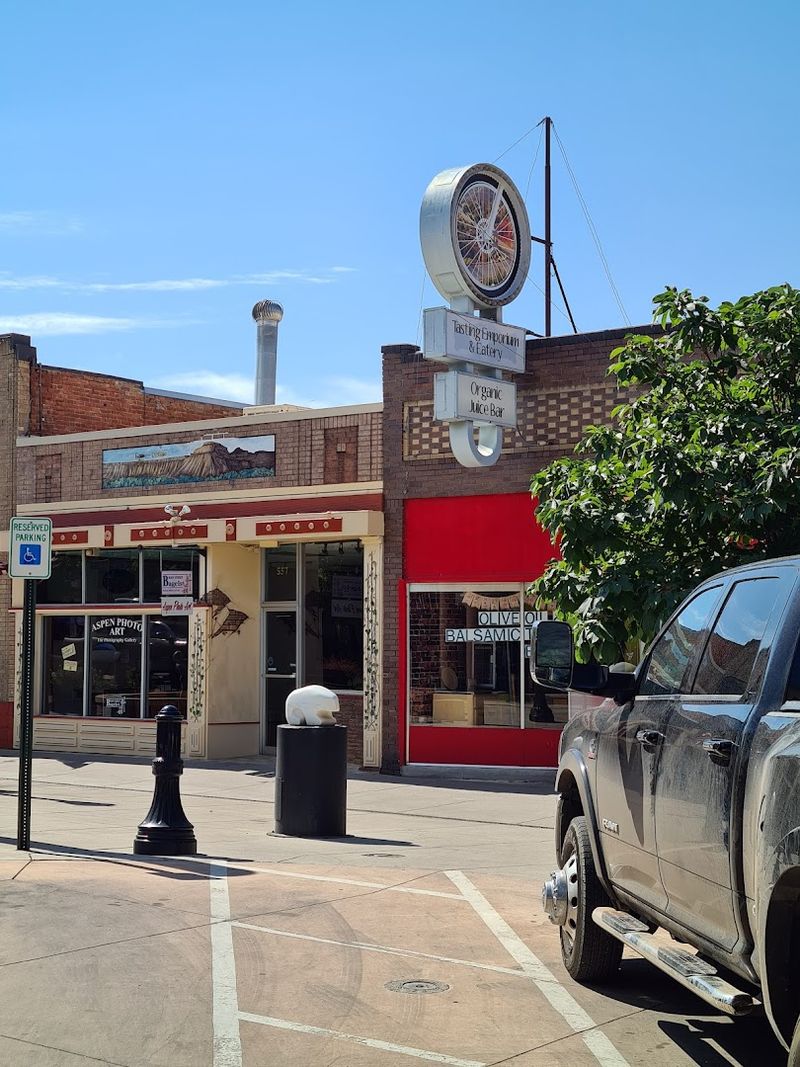
Grand Junction’s restaurant scene reflects the city’s position as the largest urban center on Colorado’s Western Slope, which means it has more dining variety than its population might suggest. Local spots range from straightforward American fare to places that take regional ingredients seriously enough to build menus around them.
Spring farmers markets begin firing up in the area as the season progresses, and the city’s proximity to agricultural land in the Grand Valley means fresh produce shows up on local menus at prices that feel reasonable rather than aspirational.
Pro Tip: Look for restaurants that feature locally grown produce from the Grand Valley. The region’s agricultural output is genuinely distinctive, and menus that lean into that tend to deliver meals worth remembering rather than just worth photographing.
Who This Is For: Food-curious travelers who want meals that reflect where they actually are, not a national chain version of nowhere in particular. Grand Junction has enough local character in its dining scene to make eating part of the experience rather than just a fuel stop between outdoor activities.
Mountain Biking Territory That Earns Its Reputation
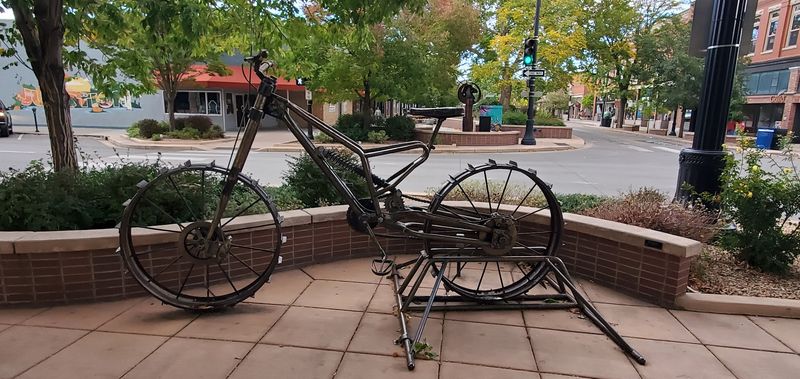
Grand Junction has quietly built a mountain biking reputation that draws riders from across the country, and the Lunch Loops trail system near the base of the Colorado National Monument is the centerpiece of that reputation. The trails range from beginner-friendly routes to technical lines that demand genuine skill, making the system genuinely inclusive rather than just technically diverse on paper.
Spring is arguably the prime season for riding here. The trails have dried out from winter but haven’t yet baked into the hard, unforgiving surface that midsummer produces.
The light in the late afternoon turns the red dirt into something that looks almost cinematic.
Best Strategy: Rent bikes locally if you don’t want to travel with your own. Grand Junction has bike shops that cater specifically to visiting riders and can point you toward routes that match your actual ability level rather than your optimistic self-assessment of it.
Who This Is Not For: Anyone expecting groomed resort-style trails. This is raw desert terrain, and it rewards riders who come prepared with the right tires, enough water, and a realistic sense of their own endurance.
Spring Wildflowers and Desert Bloom Worth Timing Right
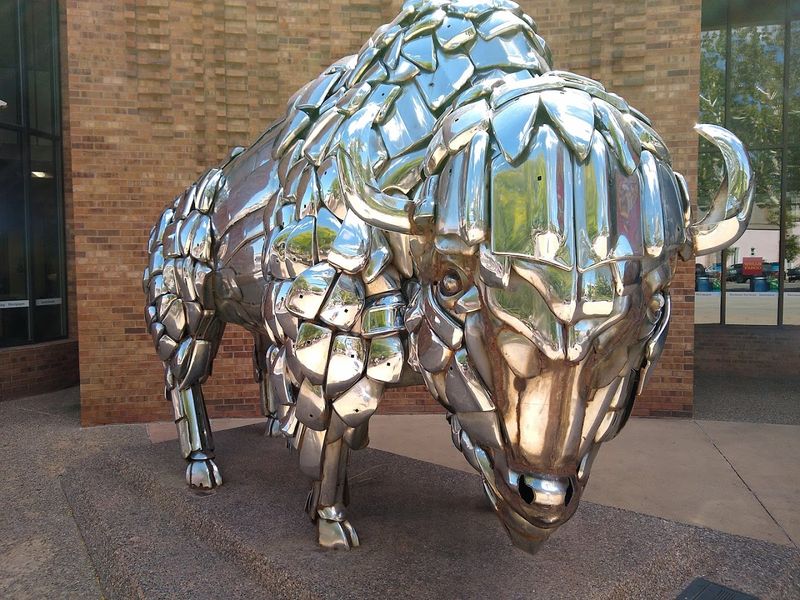
The high desert around Grand Junction has a spring bloom cycle that most visitors don’t plan around, which means those who do get rewarded with a landscape that looks considerably more alive than the region’s austere reputation suggests. Desert wildflowers, including Indian paintbrush, prickly pear cactus blooms, and various native species, begin appearing on canyon floors and mesa edges as temperatures stabilize in March and April.
The timing varies year to year depending on winter precipitation, but a quick check with the Colorado National Monument visitor center before your trip can give you a reasonable sense of what to expect. Rangers tend to be genuinely helpful about bloom conditions.
Why It Matters: The wildflower season is brief, and catching it adds a layer to the landscape that photographs simply don’t prepare you for. It’s one of those experiences that shifts from pleasant to genuinely memorable with almost no extra effort on your part.
Quick Tip: Early morning walks on canyon-floor trails offer the best combination of cooler temperatures and optimal light for seeing and photographing the bloom. Bring a light jacket because the desert mornings in spring are legitimately cool.
Key Takeaways: Why Grand Junction Belongs on Your Spring List
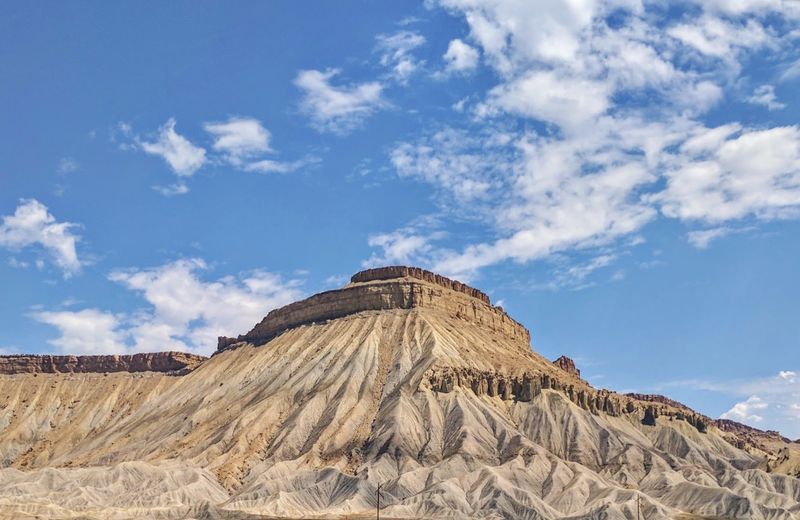
Grand Junction, Colorado sits in a geographic sweet spot that most travelers drive past on their way to somewhere more famous. That oversight is genuinely their loss and quietly your gain.
The combination of Colorado National Monument, the Colorado River State Park, accessible trail systems, a walkable downtown, and a wine country corridor within easy driving distance makes this city one of the more well-rounded spring destinations in the entire state.
The affordability factor is real and not manufactured. Spring rates at local lodging are lower, the outdoor attractions are largely free or low-cost, and the dining scene won’t require a second mortgage to explore properly.
It’s a destination that delivers a high return on a modest investment of time and money.
Final Verdict: Grand Junction is the Colorado spring trip that works for families who need options, couples who want scenery without crowds, and solo travelers who just want a few days of genuine outdoor engagement without the logistical overhead of a more complicated destination.
Planning Advice: Target late March through May for the best combination of mild weather, lower prices, and trail conditions. Book accommodation a few weeks out and leave the itinerary loose enough to follow whatever looks good when you arrive.