
This Is The Smallest City In Michigan And It Is More Than Just A Dot On The Map
I’ve always been a sucker for a town that’s smaller than my high school graduating class, and Michigan hides its absolute tiniest city right in a scenic bend of the Rifle River. With just 274 neighbors, this isn’t the kind of place you “visit”, it’s the kind of place you overhear.
Standing on the sidewalk, you realize the wind leaning into the tamarack and maple trees carries local gossip across porches with the same clarity as a Sunday morning church bell.
I expected a mere dot on the GPS, but what I found were stories layered as thick as riverbank clay, stretching from the scars of a 1914 fire to the frantic, fishy joy of a spring festival that smells like fresh rain and bait shops.
Michigan small-town tourism and hidden gems offer a unique look into the state’s quietest and most historic rural communities. Let’s look at why 274 people might be onto something big.
City Limits Sign, Big Welcome
The first handshake is the city limits sign on US 23, small, green, and unexpectedly proud. Fields tilt toward the Rifle River, and cottonwood leaves tap a soft metronome in the breeze. Cars slow, as if the pavement itself suggests a quieter setting, and a porch swing answers with a creak.
That is the welcome. It feels understated but sincere, the kind of arrival that quietly asks you to adjust your pace.
History trails in quickly: Omer became a city in 1903, survived a devastating 1914 fire, and persisted through a crippling flood. The population today is only 274, but the tone feels larger, like a choir singing under its breath. Park safely along a side street, snap the obligatory photo, then listen. The river carries the rest.
Michigan’s Smallest City
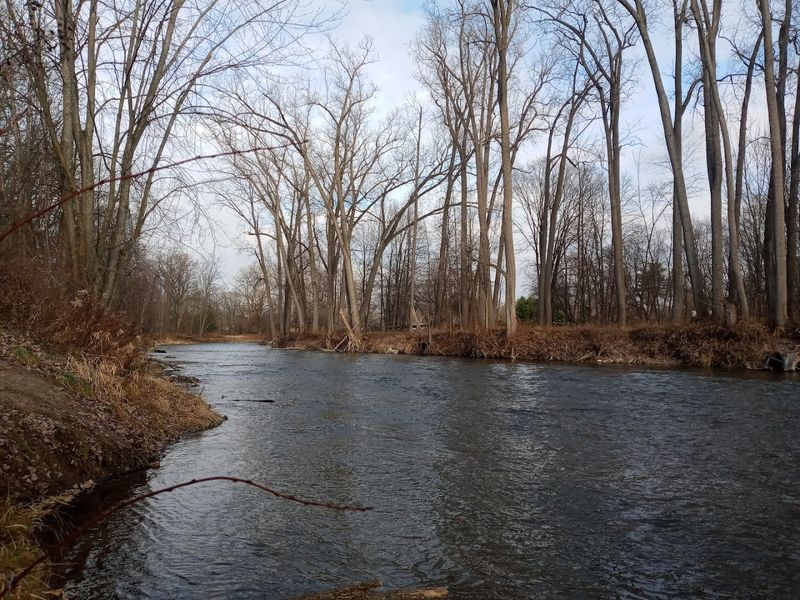
The cool, rushing waters of the Rifle River greet you as you enter a community that holds the title of Michigan’s smallest city. Navigating the quiet roads of Arenac County provides a swift transition into a town where the local economy revolves around the seasonal rhythms of the river.
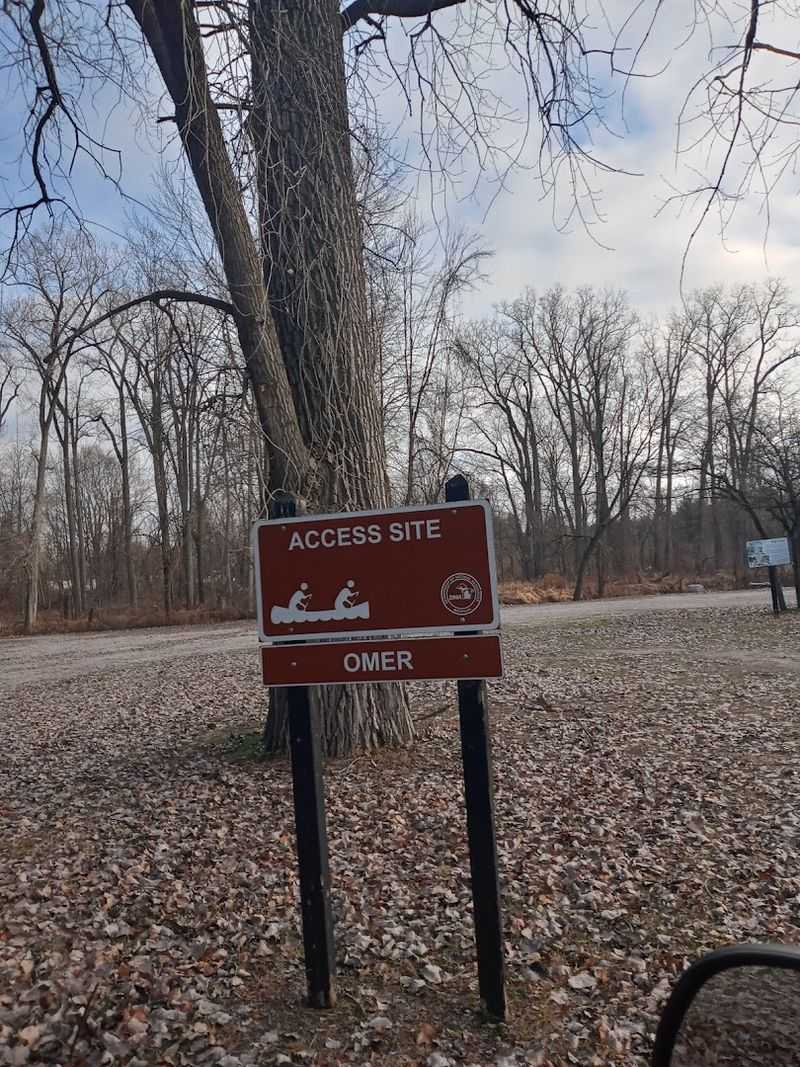
Your destination is Omer, Michigan. Crossing the bridges into the heart of town, the atmosphere shifts from the regional highways to a bustling hub for outdoor enthusiasts. During the spring sucker season and summer tubing months, the riverbanks come alive with visitors ready to launch into the water.
Accessing the public docks at this address offers a perfect vantage point to watch the steady flow of canoes and kayaks passing by. This tiny municipality remains a point of immense local pride, proving that a town’s impact isn’t measured by its size.
Main Street After The Fire
Storefronts here read as sentences that lost a few words to history. In 1914, a fire devoured around forty buildings, and a later flood made rebuilding even harder. The gaps are part of the story, leaving space where imagination and community events now gather.
Bricks that remain show soot ghosts if you squint kindly. I walked the length in minutes and still needed an hour, because every bench held a timeline.
Ask a longtime resident about the mills that gave Rifle River Mills its first name, then note how Omer shrugged off the H to exist. Visit respectfully, keep voices low, and step carefully around traffic. The past is conversational here.
Rifle River, Morning Draft
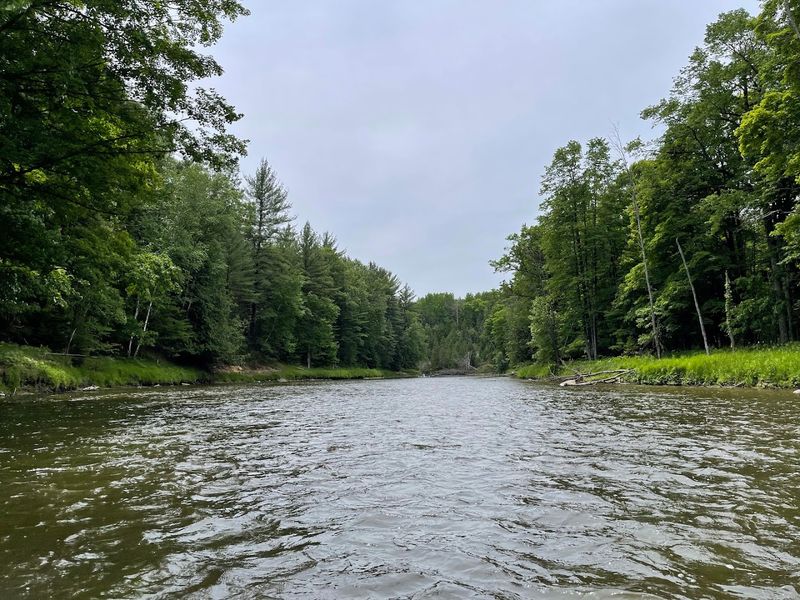
Mist hangs low over the Rifle River like a note held a moment too long. Fish flash beneath the surface, and kingfishers punctuate the margins with neat blue exclamation points. Gravel crunches under careful boots, then hushes when shoreline turns to damp sand.
Even the air tastes mineral and clean. The whole riverbank feels alert but unhurried, as if every small movement is happening at exactly the right pace. Omer once moved lumber and grain along this artery, and today it ferries stories and spring festivals instead.
Early hours are best for birdwatching and light. Bring sturdy footwear, keep to public access points, and mind water levels after rain. Step back from the bank when trucks pull in with trailers. Everyone shares the edge here, and patience pays.
A little stillness goes a long way, because the river reveals more once you stop trying to hurry it.
Ye Olde Courthouse Masonic Hall
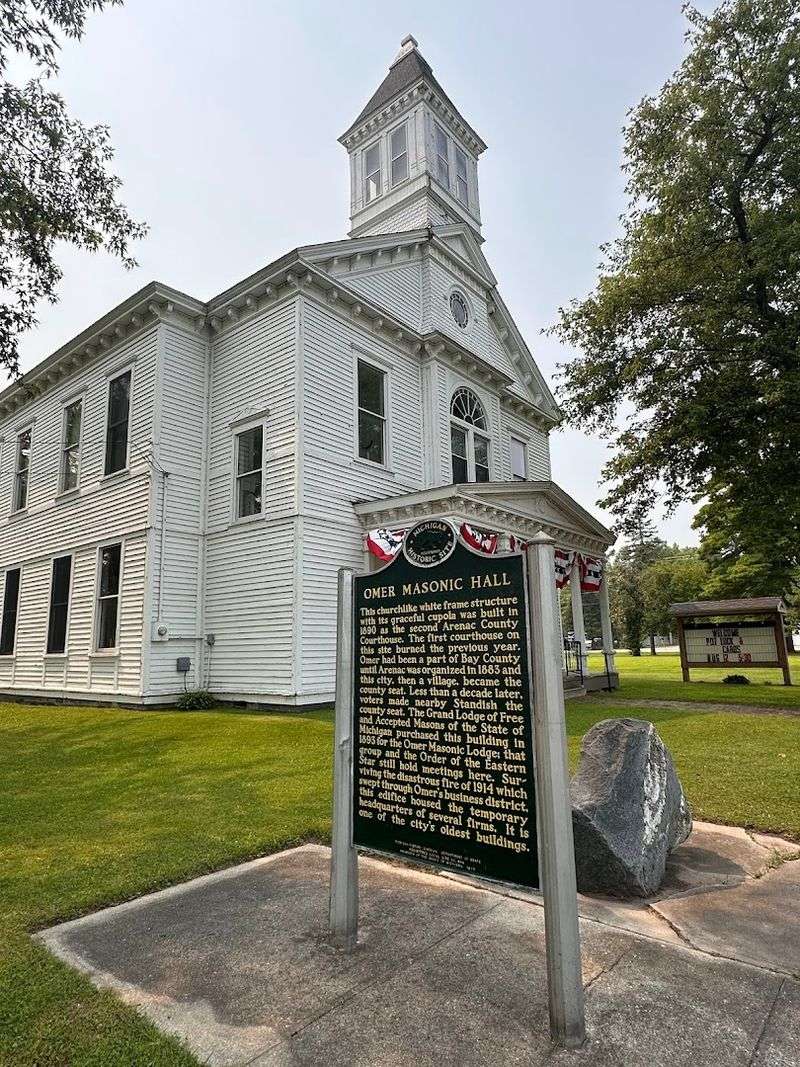
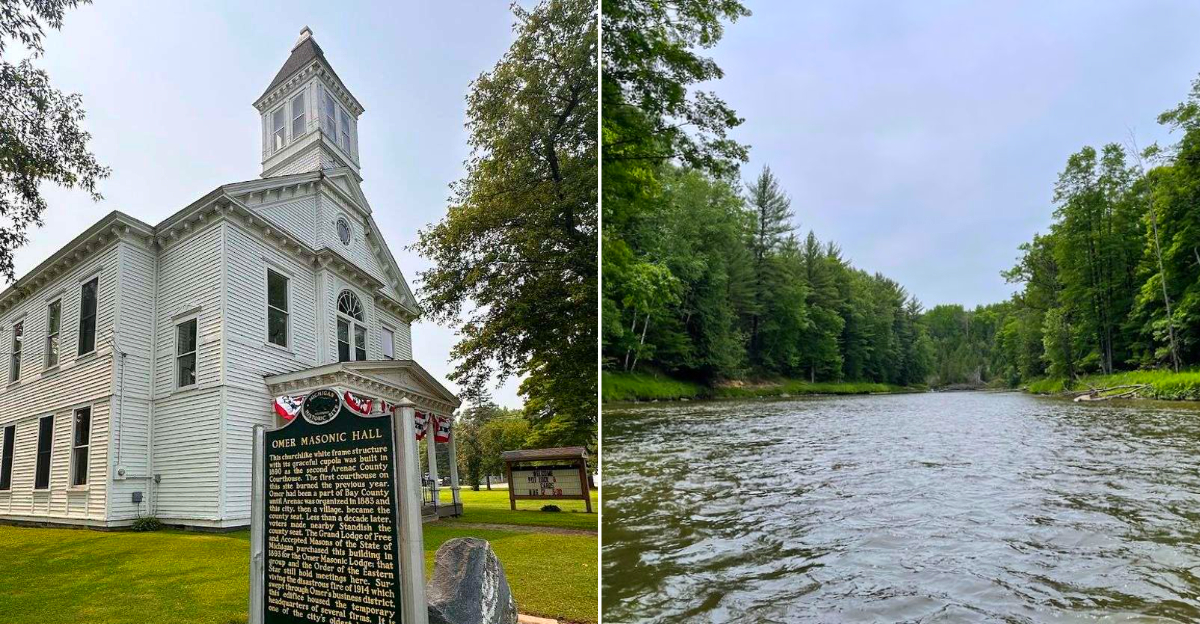
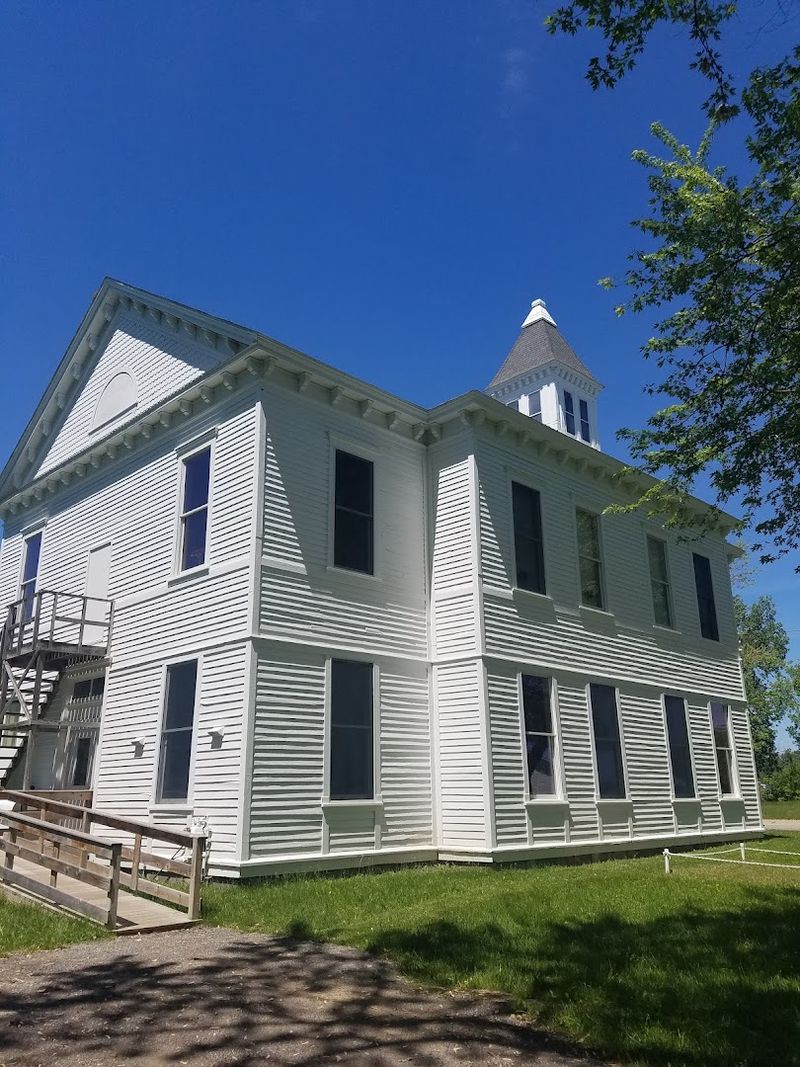
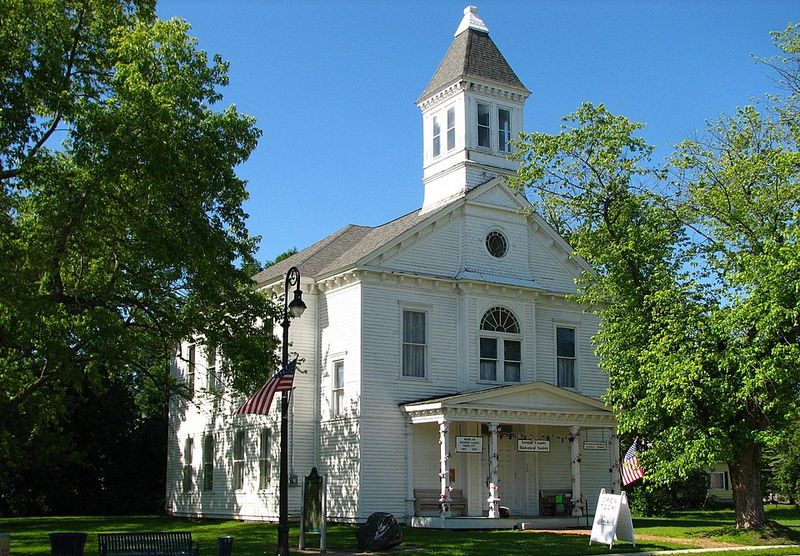
The courthouse-turned-Masonic Hall stands with a schoolteacher’s posture, practical and a touch proud. Windows frame the kind of daylight that makes paper records glow. Corner stones remember Arenac County’s years here, when dockets hummed and decisions shaped farms, bridges, and budgets.
Today, it hosts meetings, exhibits, and neighborly gatherings. Originally serving as the Arenac County Courthouse, the building remains a hinge between governance and community memory.
Look for historical displays and announcements for local events. Photograph architecture from the sidewalk to respect property and perspective. If doors are open for an exhibit, step inside quietly and read the captions slowly. You will leave knowing dates, but the room’s patience is the lesson.
Suckerfest, Spring Rite
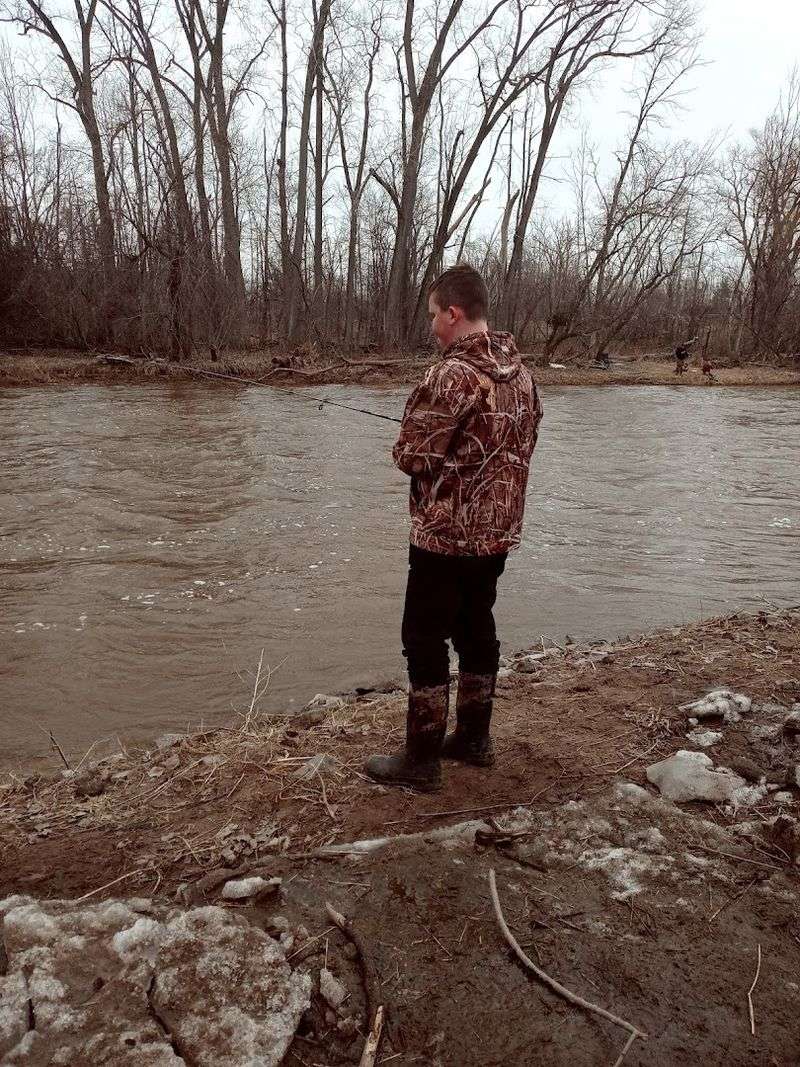
April loosens winter’s jaw, and the sucker run turns the river into a moving procession. Locals organize competitions and friendly tallies while the shoreline becomes a corridor of boots, buckets, and measured grins.
The festival atmosphere smells like wet gravel, camp stoves, and spring mud. Weather shifts quickly, and spirits do not. I timed a visit to match the migration and learned more from a tackle box demonstration than any pamphlet.
Expect crowds in small-town proportions, which still means parking strategy matters. Bring cash for snacks and gear, and ask about current regulations before casting. Watch your step around nets, and give elbow room where the current narrows. Courtesy keeps the rhythm steady.
Rifle River Farmer’s Market Notes
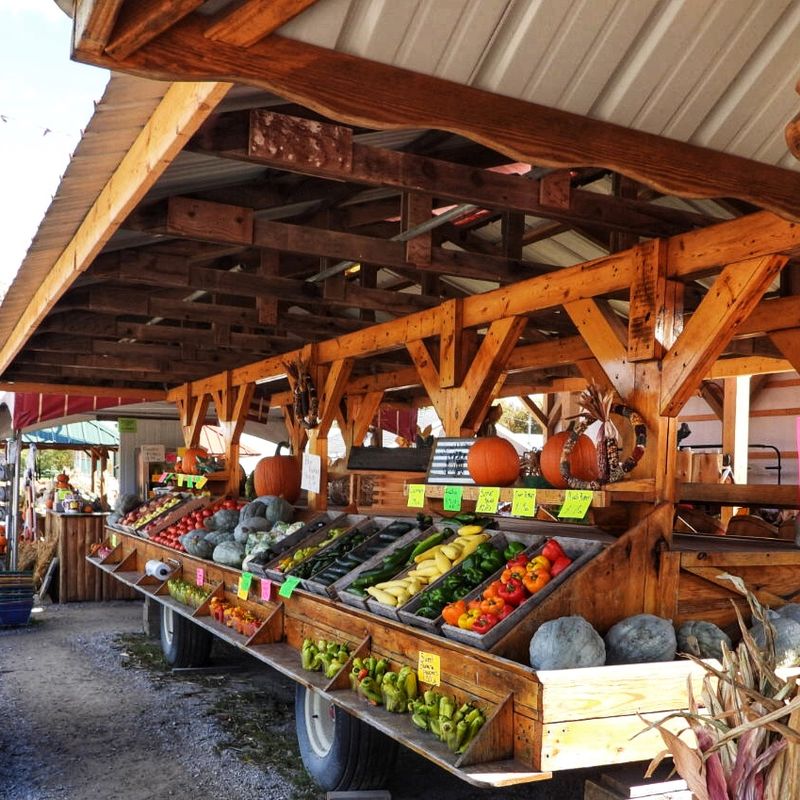
Tents bloom beside the river on market days, each table a small argument for handiwork and seasonal patience. Tomatoes shine, cookies stack into neat topographies, and carved wood smells faintly like rain after sun.
Conversations move at porch speed, and every hello has a backstory somewhere upstream.
This market is seasonal, so check dates on the city website before setting plans. Arrive early for best selection and to avoid the brief midday crunch.
Vendors appreciate exact change and gentle handling of displays. Ask questions about farms or baking methods, then step aside for the next neighbor. A reusable bag keeps your hands free for handshakes, which you will collect.
Quiet Evenings, Big Sky

Evening drapes Omer in lavender and steady hush. Streetlights click alive one by one, and cricket choirs find their parts without rehearsal. A single truck rolls past, polite as a library patron. Overhead, the sky opens wider than its map footprint suggests.
For a place with 274 residents, night feels intentionally spacious rather than empty. Dress for temperature drops near the river, and bring a light if your walk extends past the last porch glow.
Keep noise low to respect bedtime rhythms. Sit on a stoop, count satellites, and let your itinerary loosen. The smallest city has room for a full breath, which is rare.
Reading The Town’s Edges
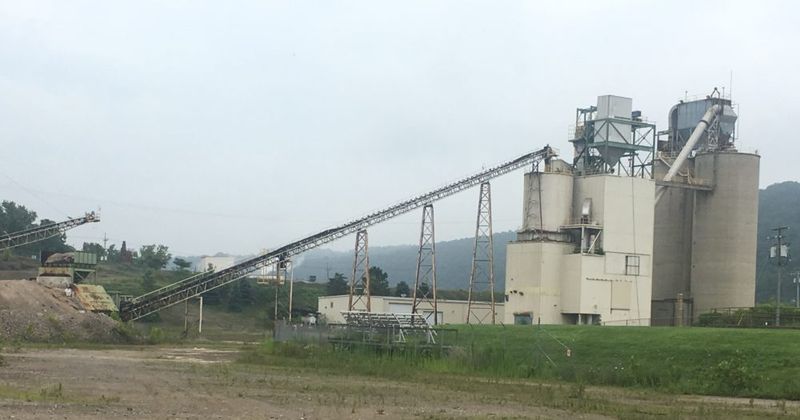
Omer’s boundary looks like a sentence easing into a comma, then a pause. Houses thin into fields, and silos sketch the horizon with unhurried certainty. The Rifle River threads nearby, hinting at wetlands and seasonal flash. You can feel where plow lines stop and porch talk begins.
Edge spaces often hold practical clues. Notice ditches engineered for spring melt, culverts aligned for flow, and the gravel mix underfoot that resists rutting.
Pull fully off the road for photos, hazard lights if needed, and watch mirrors carefully. Respect private driveways. What reads as empty is actually infrastructure telling its quiet story of resilience and care.
Community Boards And Calendars
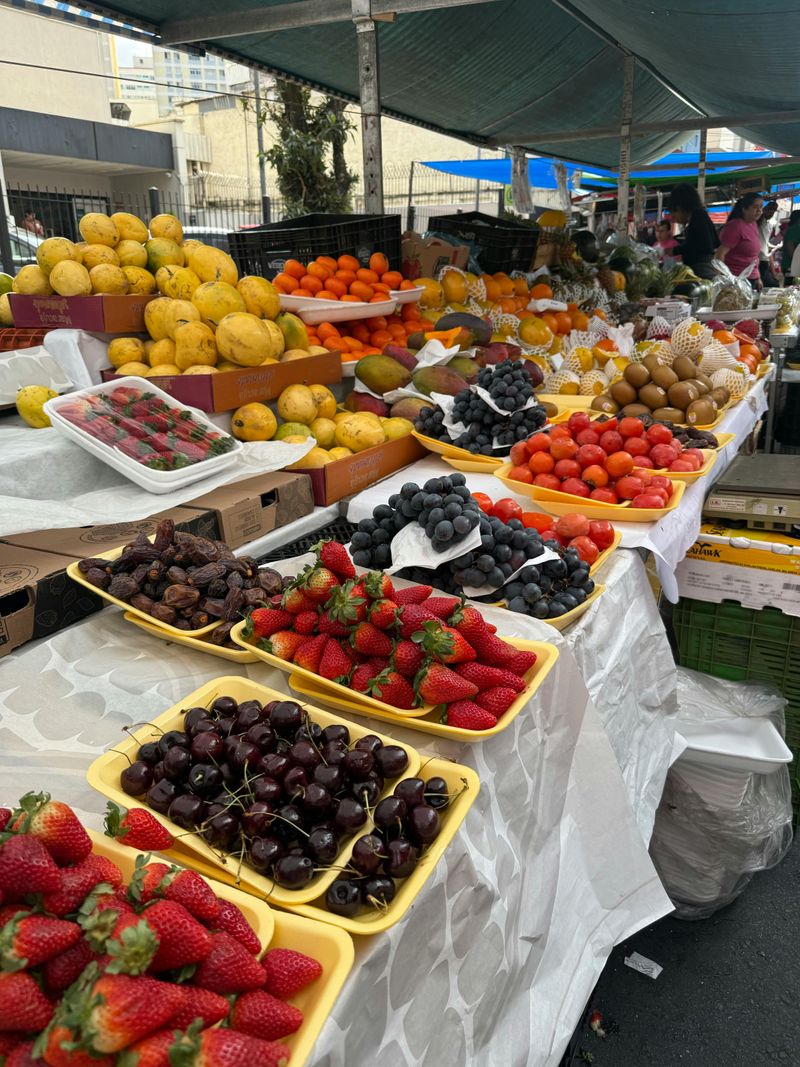
In small cities, the bulletin board is a newsroom without a byline. Here you find flyers for the Rifle River Farmer’s Market, cleanup days, and meetings that keep traditions aligned. Paper curls gently at the corners, ink smudges a little, and dates do the heavy lifting.
Schedules stitch the streets together. Check the city website for official updates, then cross-reference with physical boards at the hall or market.
Arrive a few minutes early to volunteer where needed, or simply lend a hand stacking chairs. Keep a pencil for notes and a pocket for a flyer you will actually read. Plans in Omer benefit from showing up five minutes early.
Logistics For A Tiny Stop
Small does not mean unprepared. Omer sits in Arenac County near US 23, with the Rifle River crossing nearby, so navigation is straightforward. Services are modest, and hours can be seasonal. Cell coverage is workable in town, thinner under heavy trees or low banks by the river.
I keep a printed map in the glove box and confirm event times on the city website before driving. Park legally along side streets, and leave room for residents.
Pack layers, bug spray in warm months, and boots after rain. Be ready to pivot if a door is closed, because another one usually opens, four blocks away, with the same welcome.