
This Adorable Colorado Farm Lets You Hang Out With Baby Goats And Bottle Feed Them Yourself
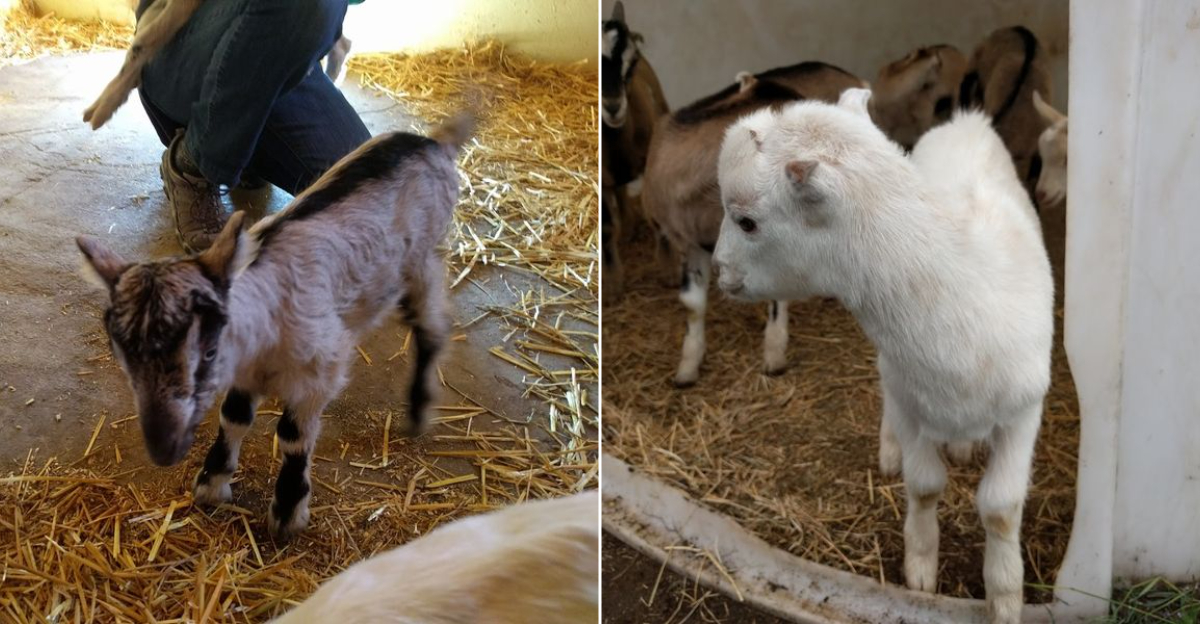
Somewhere between your first sip of coffee and the moment your weekend starts feeling wide open, there is an outing that practically begs to happen: baby goats, bottle feeding, and the kind of cheerful farm energy that instantly lifts your mood.
In Colorado, experiences like this feel extra special because they blend mountain-state charm with something wonderfully hands-on and real.
This working farm gives visitors a chance to slow down, laugh a little louder, and lean into a side of the day that feels playful, wholesome, and refreshingly unscripted. It is the sort of place where kids light up, adults forget to check their phones, and everyone leaves with at least one story worth retelling.
Rooted in community, food production, and agricultural education, it offers more than a cute photo opportunity. Colorado has plenty of memorable adventures, but this one stands out for its simple magic, warm spirit, and the pure delight of sharing a bottle with an eager little goat.
The Farm That Boulder Quietly Claims As Its Own
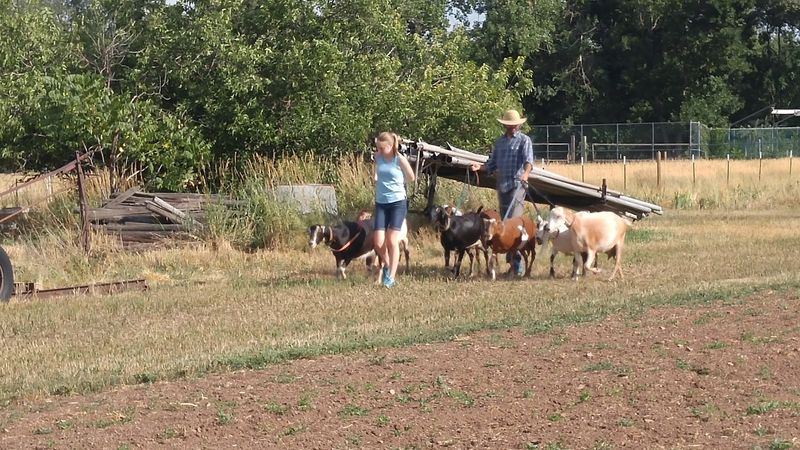
There is a particular kind of civic pride that does not announce itself on billboards. Boulder has it in spades when it comes to this place, the non-profit organization that operates this beloved goat dairy right inside city limits.
The address is 3240 Broadway, Boulder, Colorado 80304, and the fact that a working goat dairy exists at that address, in a city better known for trail runners and farmers markets, is quietly remarkable.
Visitors who arrive expecting a remote ranch are often pleasantly surprised to find themselves just a short detour from everyday Boulder life. The farm functions as a genuine community anchor, blending agricultural purpose with open-door accessibility in a way that few urban spaces manage to pull off without feeling staged.
It earned its 4.5-star reputation across dozens of visitor accounts not through flashy marketing but through consistent, meaningful experiences. People return because the place feels real.
The animals are well cared for, the staff is knowledgeable, and the sense that something genuinely worthwhile is happening here comes through the moment you step onto the property.
Quick Tip: Visit on a weekday between 9 AM and 4:30 PM for a quieter, more personal experience with staff and animals.
A Working Goat Dairy With Real Agricultural Roots
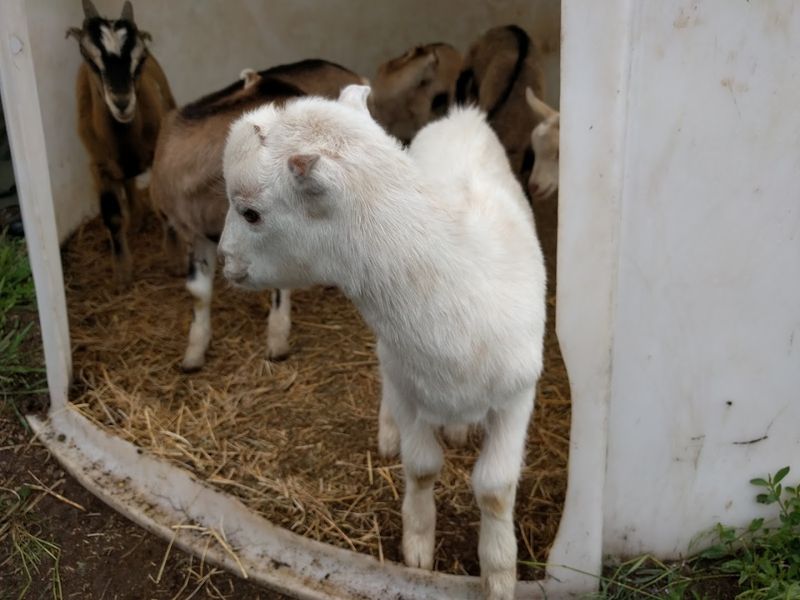
Not every farm that opens its gates to visitors can claim it is running a genuine dairy operation alongside the tours. This one can.
The goat milking demonstration is one of the standout elements that separates this experience from a simple petting zoo visit. Observers have noted that the goats themselves seem comfortable and even eager during milking, a detail that reflects the quality of care built into daily farm routines.
Watching a goat confidently hop onto a milking platform because it trusts the person waiting there is a small but genuinely moving thing to witness. It reframes what a working animal relationship actually looks like when it is handled with patience and consistency over time.
For kids who have never seen where dairy products come from, this is a living, breathing lesson that no classroom can replicate.
The dairy side of the operation also means visitors sometimes get the chance to sample fresh goat milk, a detail that has earned enthusiastic mentions from multiple past visitors. Whole goat milk from animals you just watched being milked has a certain farm-to-glass credibility that is hard to top.
Why It Matters: Understanding where food comes from is increasingly rare, and this farm makes that education feel like a privilege rather than a chore.
Seasonal Visiting Hours and How To Plan Your Trip Right
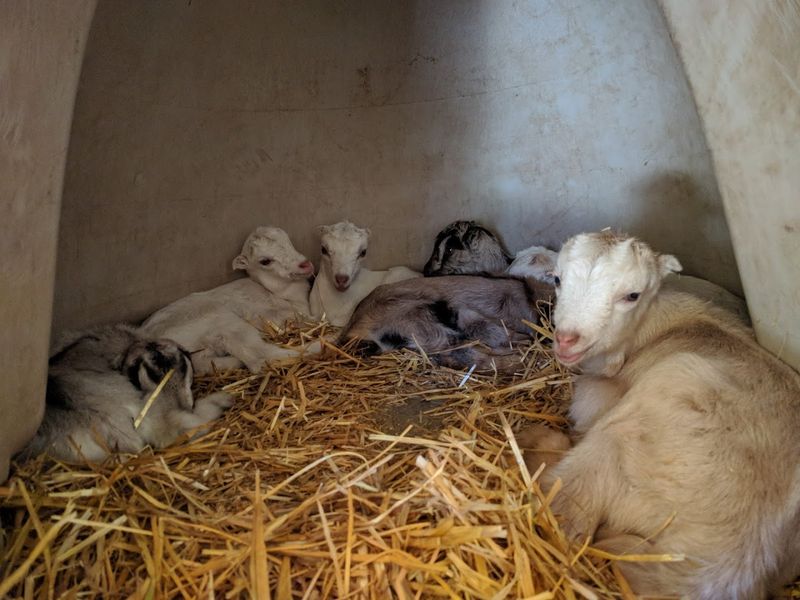
Timing matters more at this farm than at most attractions, and knowing the schedule before you arrive is the single best thing you can do for your visit. Bottle-feeding sessions and visiting hours run seasonally, with spring and early summer being peak periods when the most baby goats are on the property.
Saturdays during spring and early summer have historically been popular open house windows, though confirming current hours directly with the farm before visiting is strongly advised.
The farm operates Monday through Friday from 9 AM to 4 or 4:30 PM depending on the day, with weekend availability varying by season and event type. Tickets for bottle-feeding sessions are available in limited quantities, which means that last-minute planning can lead to disappointment.
Booking ahead is not just a suggestion here; it is genuinely the difference between participating and watching from the outside.
Groups, including school field trips and birthday parties, can arrange private tours, which adds a layer of flexibility for families who want a more tailored experience. The farm has accommodated visitors with special needs with notable warmth, according to past group visitors who praised the staff for going well beyond basic accommodation.
Planning Advice: Check the Growing Gardens website at growinggardens.org or call 303-443-9952 to confirm current session availability before making the drive.
Growing Gardens As A Community Non-Profit Worth Supporting
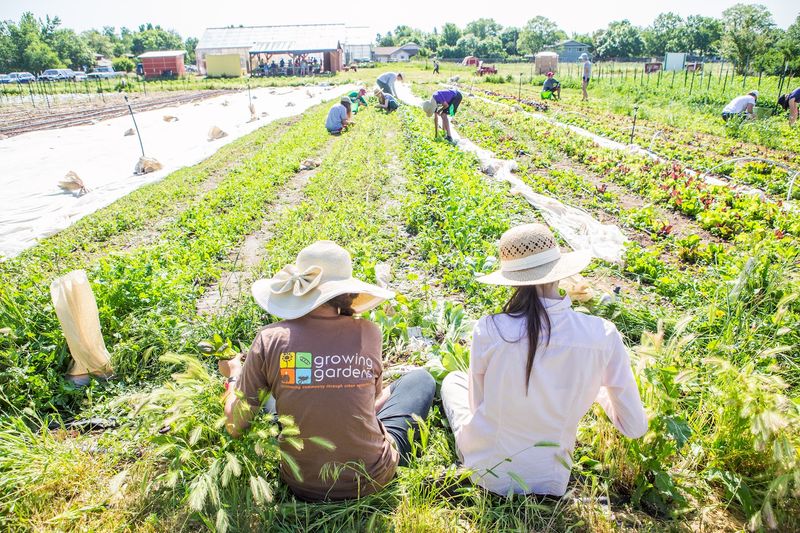
Behind the baby goats and the milking demonstrations is an organization doing something structurally important for Boulder’s food landscape. Colorado’s Growing Gardens is a non-profit with a mission rooted in community food production, youth employment, and agricultural education.
The goat dairy is one visible piece of a larger operation that includes community gardens, food programming, and outreach efforts that extend well beyond farm tours.
Visitors who pay for a bottle-feeding session are, in a real sense, contributing to a broader community mission. That context adds a layer of meaning to the visit that a commercial farm attraction simply cannot offer.
Several long-time visitors have described the organization as a priceless asset to the entire community, language that reflects genuine appreciation rather than casual enthusiasm.
Volunteering is also an option for those who want a deeper connection to the work happening here. Past volunteers have noted that the staff is warm, helpful, and genuinely invested in the people who show up to participate.
The Wednesday evening farm market is another community touchpoint worth noting for Boulder locals who want to engage with the organization beyond the ticketed tours.
Who This Is For: Anyone who wants their leisure spending to carry a little more weight and land somewhere meaningful in their local food community.
What The Hour-Long Tour Actually Covers
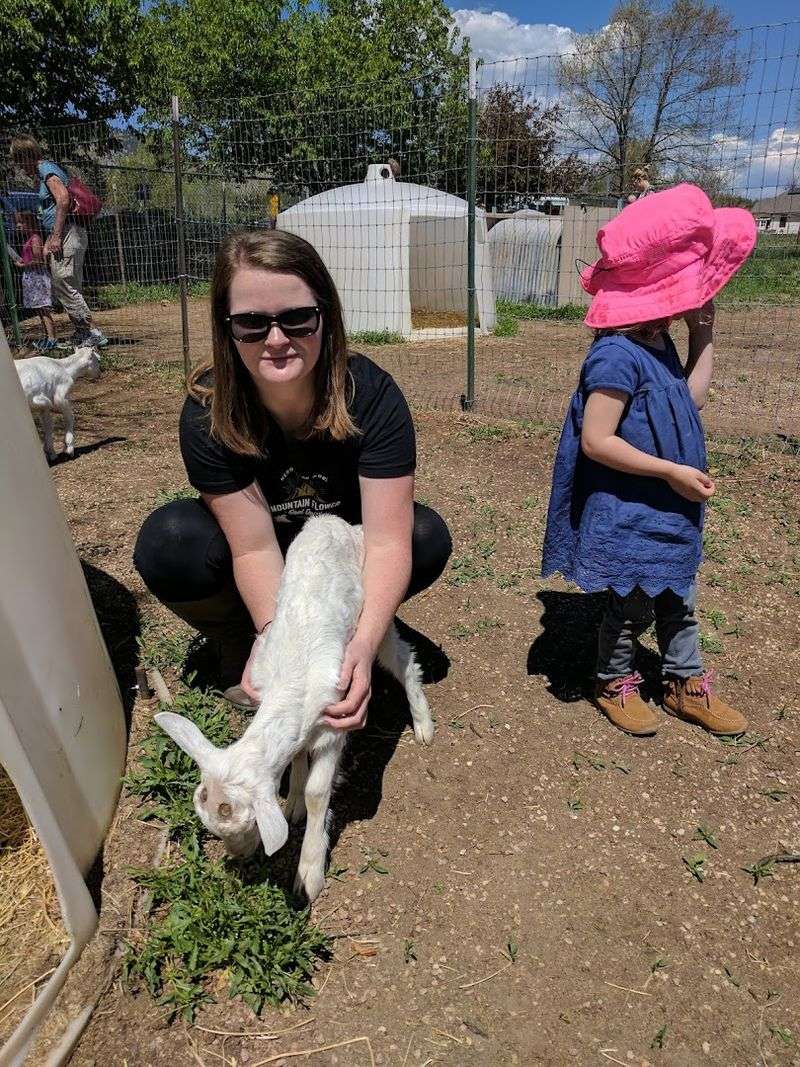
An hour sounds modest until you realize how much ground a well-run farm tour can cover in that time. The Growing Gardens goat dairy tour moves through animal interaction, agricultural education, and hands-on feeding in a sequence that keeps energy up without feeling rushed.
Past visitors have noted that the structure gives everyone enough time with the goat kids to feel satisfied rather than cheated.
The milking demonstration alone tends to generate genuine surprise among visitors who have never seen the process up close. Staff members have consistently drawn praise for their ability to explain farm concepts clearly and enthusiastically, whether the audience is a group of six-year-olds or a troop of curious adults.
The experience is calibrated to be informative without becoming a lecture.
For families, the tour length is genuinely practical. It is long enough to feel like a real outing but short enough that attention spans, including the adult variety, do not start wandering toward lunch plans.
The pacing reflects an organization that has run enough tours to understand what actually holds people’s interest and what causes eyes to drift toward the parking lot.
Best Strategy: Arrive a few minutes early so you can orient yourself on the property before the session begins, which makes the experience feel more relaxed from the start.
How Families, Couples, and Solo Visitors All Fit In
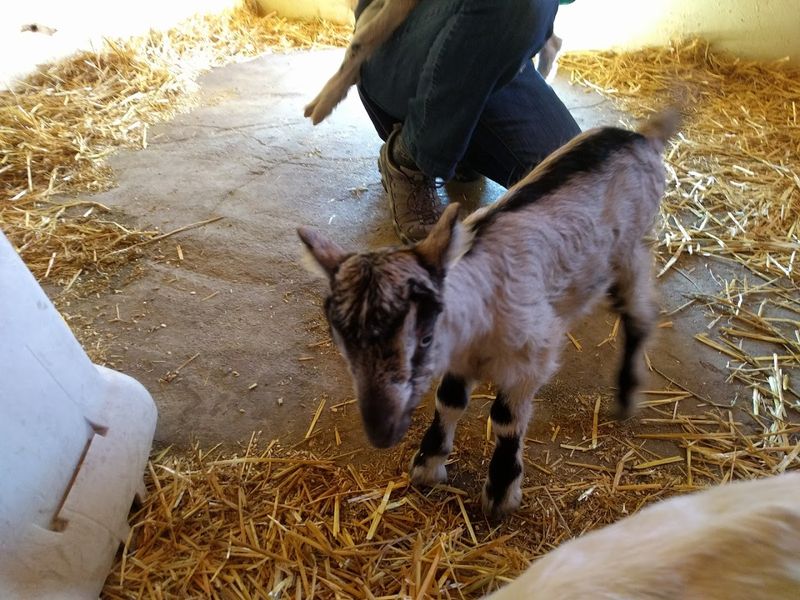
One of the quietly impressive things about this farm experience is how naturally it accommodates different kinds of visitors without requiring anyone to feel like they wandered into the wrong event. Families with young children are the obvious core audience, and the farm handles that demographic with practiced ease.
But couples who show up without kids in tow tend to have just as good a time, often more so, because they can linger over the milking demonstration or spend extra time with Hazel without managing anyone else’s schedule.
Solo visitors are less common but equally welcome, and the staff’s reputation for warmth means that showing up alone does not produce any awkward energy. The farm has the kind of atmosphere where people naturally start talking to each other near the goat pen, the shared absurdity of a baby goat aggressively headbutting your knee being a reliable social lubricant.
The experience does not require any special preparation, prior knowledge of goats, or tolerance for mud beyond a reasonable Colorado-resident baseline. Comfortable shoes are the only real logistical advice worth offering.
Everything else the farm handles for you, which is part of why the outing feels like such a clean, low-debate win for groups of any composition.
Who This Is Not For: Anyone expecting a large-scale ranch experience or a fully self-guided visit without staff interaction.
Make It A Mini Boulder Day With One Easy Addition
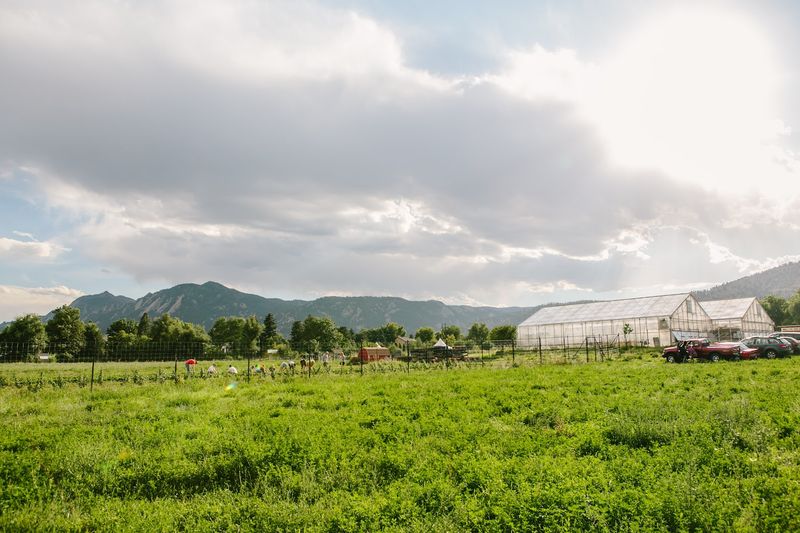
Boulder has the useful quality of being a place where one good stop tends to generate another without much effort. The farm sits close enough to the rhythms of everyday Boulder life that pairing it with a quick errand run or a post-visit stroll feels completely natural.
After an hour of goat interaction and fresh air, wandering down to grab coffee or lunch somewhere nearby is a satisfying way to extend the morning without overcomplicating the plan.
The Wednesday evening farm market is worth flagging for locals who want to build the farm into a regular weekly rhythm rather than treating it as a one-time destination. Plant swaps and seasonal sales add additional reasons to return throughout the year, giving the farm a calendar presence beyond the spring baby goat season.
For visitors coming from outside Boulder, the farm makes an excellent anchor point for a half-day trip that does not require military-grade itinerary planning. Drive in, feed a goat, grab lunch somewhere right in town, and head home with the kind of story that actually gets retold at dinner.
That is a surprisingly rare outcome for a two-hour outing, and this place delivers it with reliable consistency.
Quick Tip: Check the Growing Gardens website for upcoming market dates and seasonal events so you can layer your visit with an extra reason to linger.
Final Verdict: A Boulder Experience Worth Booking Before You Talk Yourself Out Of It
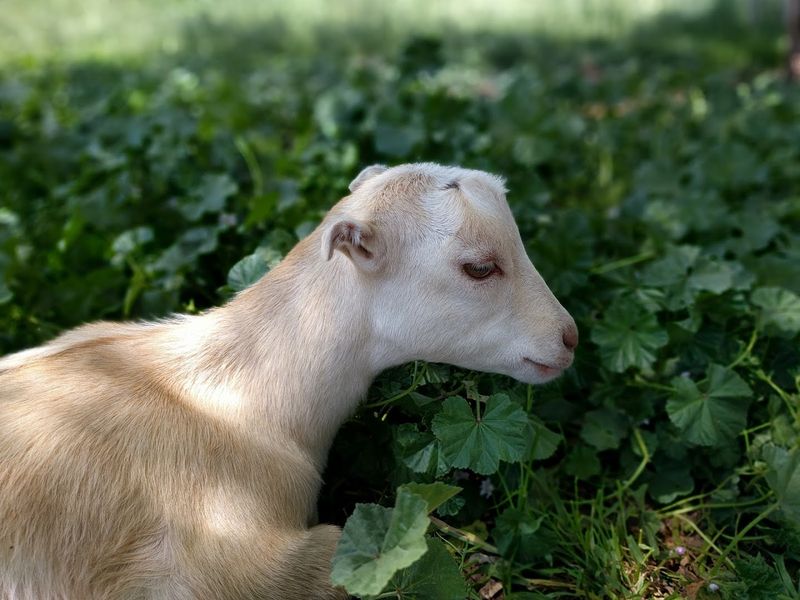
Some outings require convincing. This is not one of them.
Growing Gardens Goat Dairy in Colorado is the kind of place that earns its reputation through the straightforward honesty of the experience it delivers: real animals, real farm work, real people who care about what they are doing, and a bottle of warm milk that a baby goat will absolutely try to take from you faster than you expected.
The non-profit structure means your visit carries a small but genuine ripple of community benefit, which is a pleasant thing to know as you are being headbutted by a six-week-old kid who has decided you are its new favorite person. The farm is not trying to be a theme park.
It is a working dairy that opens its gates to people who want to understand where food comes from and maybe have an unreasonably good time doing it.
Book the ticket before you second-guess it. Wear shoes you do not mind getting farm dust on.
Bring anyone who has ever claimed they are not a goat person, because that claim will not survive the first five minutes. Boulder has no shortage of things to do on a weekend, but very few of them end with a baby goat falling asleep against your leg.
Key Takeaways: Ticketed sessions fill up, so book ahead at growinggardens.org. Visit seasonally in spring and early summer for the most baby goats on the property.