
The Hummingbird Capital Of America Is In Arizona, And It’s Well Worth Adding To Your Bucket List
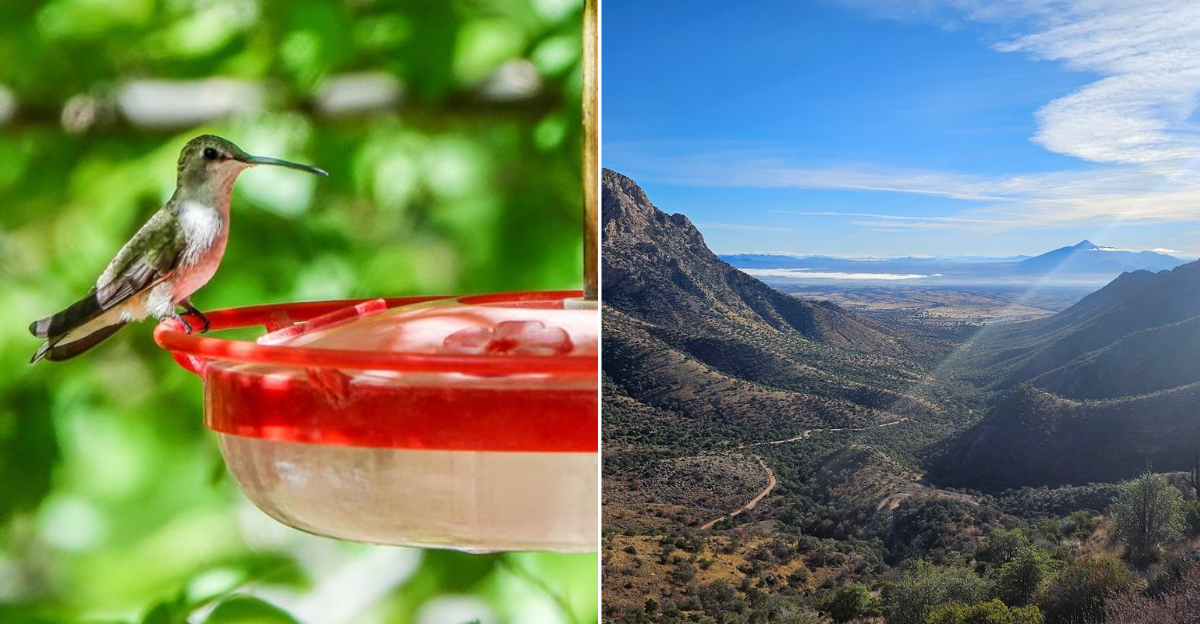
If you told me a year ago that I’d be planning my entire vacation around a creature that weighs less than a nickel, I would have laughed. Yet, standing in this hidden pocket of the Arizona desert, I feel like I’ve discovered a secret world.
It’s funny because when most people think of “power centers,” they usually point toward the suits and politics in Washington. But real power?
That’s the wings of these pint-sized acrobats beating eighty times per second right next to my ear. These little guys don’t care about borders or bureaucracy; they just want the best nectar in the country.
It’s an intoxicating, high-speed spectacle that turned me from a casual hiker into a dedicated bird-stalker in under ten minutes. With up to 15 different hummingbird species zipping through the air between April and September, this town offers a birding experience unlike anywhere else in the country.
The city sits at a remarkable ecological crossroads where mountains, deserts, and riparian areas converge, creating the perfect habitat for these iridescent jewels.
I found myself mesmerized by the constant hum of wings and the flash of ruby throats as these tiny dynamos defended their favorite feeders with surprising ferocity.
An Ecological Crossroads Like No Other
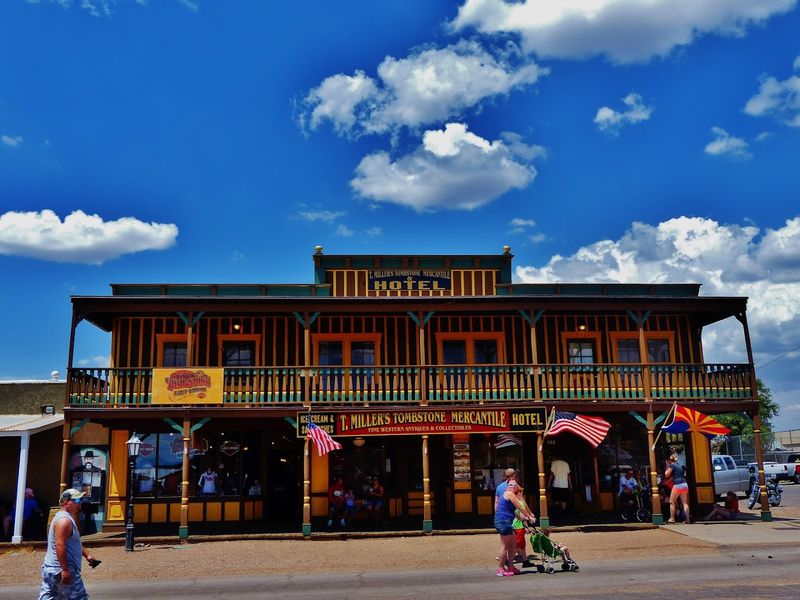
Standing at the edge of town, I could see exactly why it attracts so many hummingbird species. Five distinct life zones exist within just five miles of each other here, a geographic phenomenon that creates an incredible diversity of plants and insects.
The Sierra Madres of Mexico rise to the south, while the Rocky Mountains extend their reach from the north. Between them, the Sonora and Chihuahuan deserts create pockets of arid beauty.
This unique positioning means hummingbirds migrating along different routes all converge right here.
I watched as a Black-chinned Hummingbird darted between desert blooms while a Magnificent Hummingbird preferred the cooler canyon areas just minutes away. The elevation changes dramatically in short distances, allowing different species to find their preferred microhabitats.
Birds that normally wouldn’t share territory peacefully coexist because each finds its perfect niche.
This ecological diversity doesn’t just benefit hummingbirds. I spotted countless other bird species, butterflies, and wildlife thriving in this remarkable intersection of ecosystems that makes Sierra Vista truly special.
Prime Viewing Season Brings Migration Magic
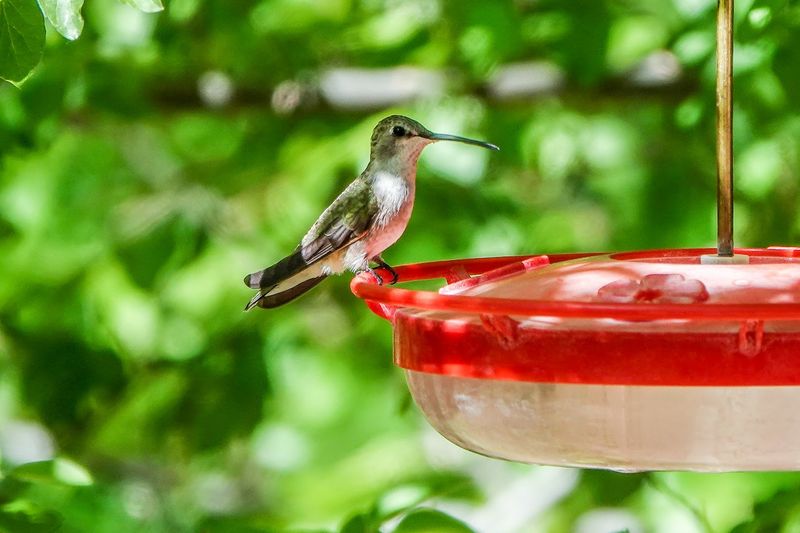
April through September transforms Sierra Vista into a hummingbird spectacle that left me breathless. I timed my visit for late July, right in the heart of peak season, and I couldn’t believe the sheer number of birds competing for space at every feeder.
Migration patterns bring these tiny travelers through Sierra Vista as they journey between their winter homes in Mexico and summer breeding grounds farther north. Some species stick around all summer to nest and raise their young in the area’s perfect conditions.
I counted at least eight different species in a single afternoon at one popular viewing spot. The males displayed their brilliant throat patches, called gorgets, which flashed like jewels in the sunlight.
Females, though less flashy, impressed me with their aerial acrobatics as they chased away competitors twice their size. Early mornings offered the most activity, when hungry birds emerged to refuel after the cool night.
Late afternoons brought another feeding frenzy as they prepared for the evening. The constant motion and sound created an almost magical atmosphere that made every moment feel precious.
San Pedro Riparian National Conservation Area
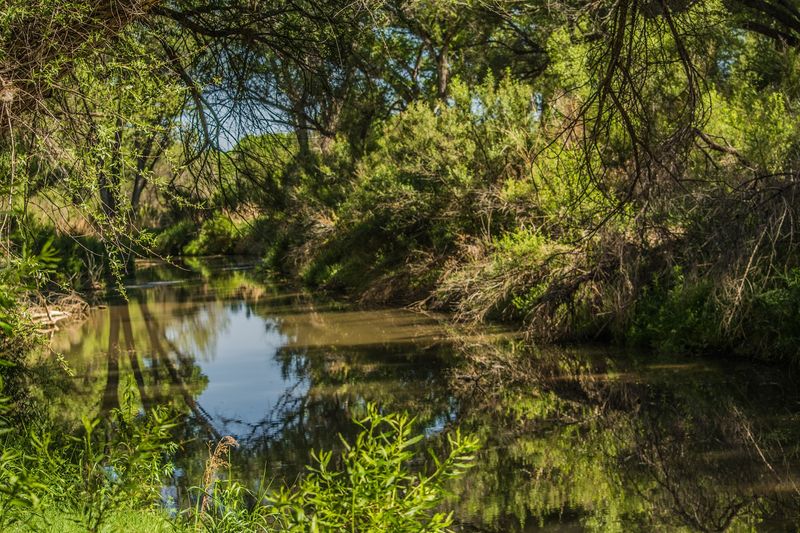
Walking through the San Pedro Riparian National Conservation Area felt like discovering a hidden oasis in the desert. This 40-mile stretch of protected land along the San Pedro River creates a vital corridor for migrating birds and year-round residents alike.
Towering cottonwood trees provide shade and nesting sites, while the flowing water supports an abundance of insects that hummingbirds need for protein. I spotted hummingbirds hawking gnats mid-air, a behavior I’d never witnessed before.
The riverbank blooms with native wildflowers that offer nectar throughout the warm months. Several trails wind through the conservation area, making it easy to explore different habitats.
I took the San Pedro House trail, which offered excellent viewing opportunities near the visitor center. Benches positioned along the path let me sit quietly and watch the birds come to me.
Beyond hummingbirds, I encountered vermilion flycatchers, yellow warblers, and even a family of javelinas cooling off in the shallows. The diversity here reminded me why protecting these riparian areas matters so much for wildlife across the region.
Miller Canyon’s High-Elevation Haven
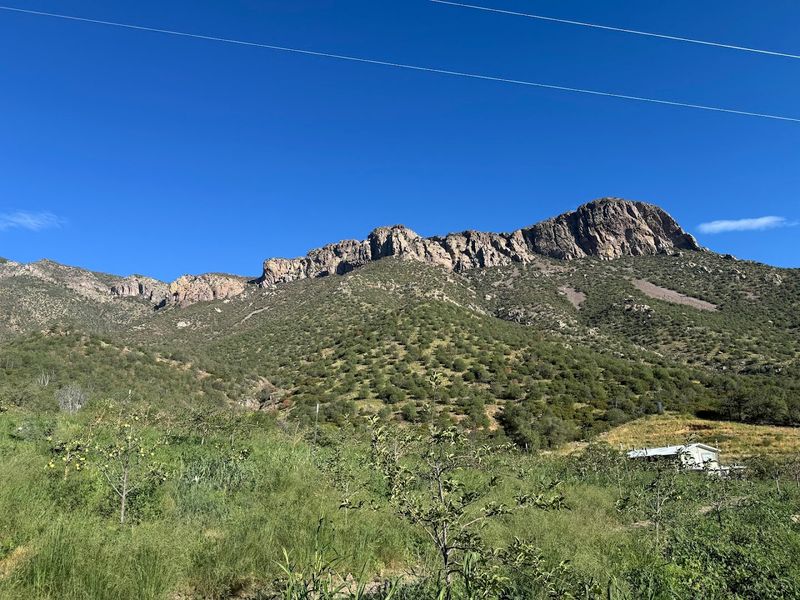
My drive up into the Huachuca Mountains to reach Miller Canyon took me through dramatic elevation changes that completely transformed the landscape. Higher altitude means cooler temperatures and different plant communities, which in turn attract hummingbird species rarely seen at lower elevations.
Private residences in Miller Canyon have become famous among birders for maintaining incredible feeding stations. Homeowners generously welcome visitors to sit on their porches and watch the show.
I spent three hours at one property and saw species I’d only read about in field guides. The Lucifer Hummingbird, with its distinctive purple gorget and curved bill, appeared briefly at the feeders. This rare visitor from Mexico had birders buzzing with excitement.
I also photographed my first Blue-throated Mountain-gem, a large hummingbird with a surprisingly gentle demeanor despite its size.
Oak and pine trees provided perching spots where territorial males surveyed their domains. The cooler mountain air felt refreshing after the desert heat below, and I understood why both birds and birders seek out this special canyon throughout the summer months.
Ash Canyon Bird Sanctuary’s Feeding Frenzy
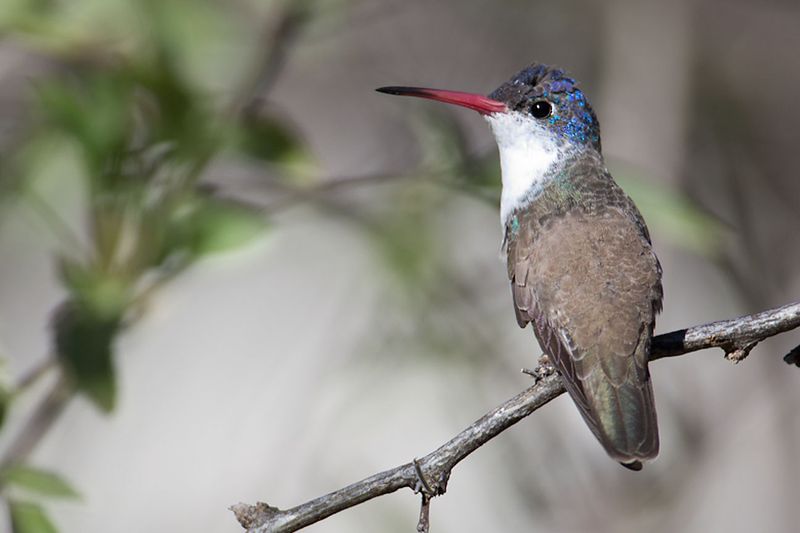
Nothing prepared me for the absolute chaos at Ash Canyon Bird Sanctuary. Dozens of hummingbirds swarmed the feeders simultaneously, creating a buzzing symphony that sounded like a tiny motorboat convention.
Mary Jo Ballator, the sanctuary’s operator, has created a hummingbird paradise that attracts both common and rare species. I sat in the covered viewing area as birds zoomed past my head, completely unconcerned by human presence.
The sanctuary maintains numerous feeders filled with fresh sugar water, plus native plantings that provide natural nectar sources. This combination keeps birds visiting from dawn until dusk.
The Plain-capped Starthroat, an incredibly rare visitor from Mexico, has been spotted here multiple times. While I didn’t see one during my visit, I did observe at least ten different species including Broad-billed, Black-chinned, and Anna’s Hummingbirds.
The variety in a single location amazed me.
A small donation grants access to the sanctuary, and the money helps maintain the feeders and habitat. Bringing binoculars and a camera is essential, though the birds often come close enough to observe without magnification.
Hummingbird Month Celebrates These Tiny Treasures
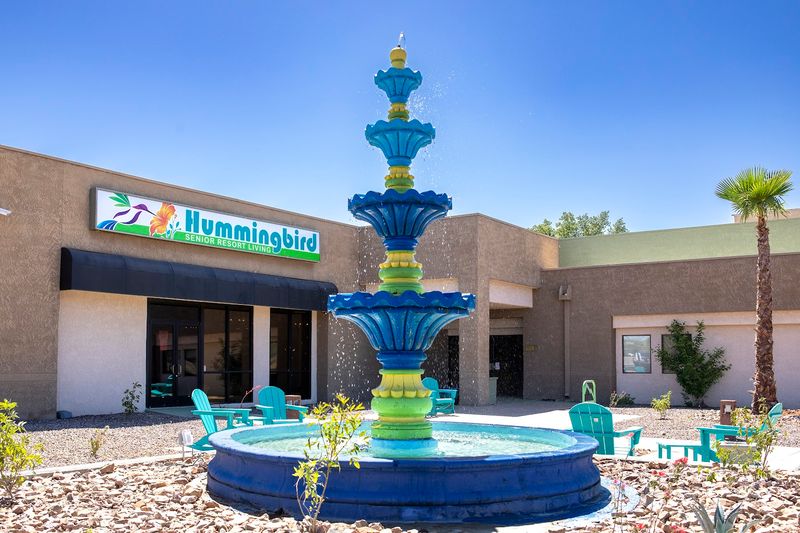
August in Sierra Vista means Hummingbird Month, a city-wide celebration that transforms the entire community into a hummingbird appreciation festival. I arrived during this special time and found events happening almost daily, from educational presentations to guided birding tours.
The Southwest Wings Summer Festival serves as the centerpiece event, bringing together birders, photographers, and nature enthusiasts from around the world.
I attended workshops on hummingbird identification, photography techniques, and native plant gardening specifically designed to attract these birds to home gardens.
Hummingbird banding sessions offered a once-in-a-lifetime opportunity to see these tiny birds up close. Licensed banders gently captured birds in specialized nets, took measurements and weights, attached tiny identification bands, and released them unharmed.
Holding a hummingbird in my palm, feeling its rapid heartbeat and seeing its iridescent feathers catch the light, created a connection I’ll never forget.
Local businesses get involved too, with hummingbird-themed art displays, special menus, and promotional events. The entire town embraces its feathered claim to fame with genuine enthusiasm that makes visitors feel welcomed into something truly special.
Beyond Birding: Sierra Vista’s Cultural Treasures
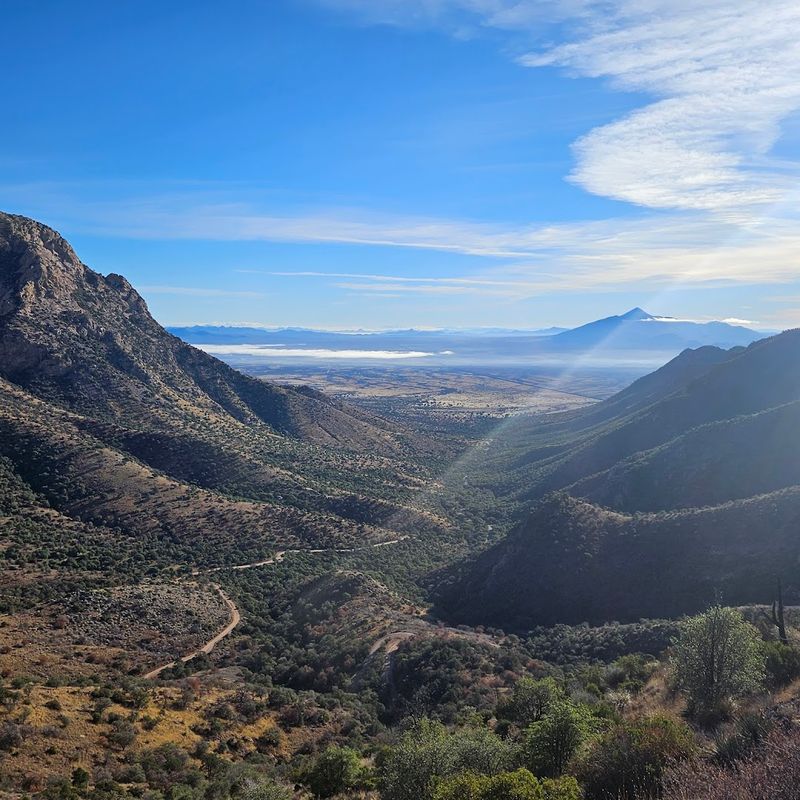
While hummingbirds brought me to Sierra Vista, I discovered the city offers so much more than exceptional birding. The Coronado National Memorial, just a short drive from town, commemorates the first major European expedition into the American Southwest.
I hiked the trails there and enjoyed panoramic views stretching into Mexico. Sierra Vista’s location in southern Arizona’s wine country surprised me. Several local vineyards produce excellent varieties suited to the high desert climate.
I spent an afternoon touring tasting rooms and learning about the unique challenges of desert viticulture. The combination of birding and vineyard visits created a perfect weekend getaway.
The local art scene thrives here too, with galleries showcasing works by regional artists, many inspired by the area’s natural beauty. I purchased a stunning hummingbird photograph that now hangs in my home, a constant reminder of my visit.
Historical sites related to the area’s military history and Old West heritage add depth to any visit. Fort Huachuca, still an active Army installation, houses museums documenting the Buffalo Soldiers and military communications history that fascinated me for hours.