
This Michigan Park Offers A Rare Chance To Hunt For Fossils From 450 Million Years Ago
I’ve spent plenty of hours on Michigan’s shores, but there is something hauntingly beautiful about pulling into a place where limestone meets the legacy of old steamships.
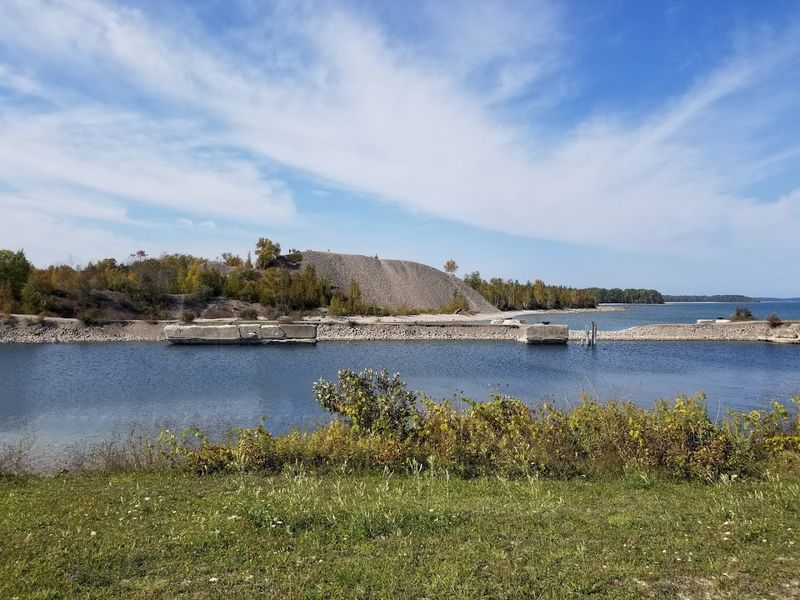
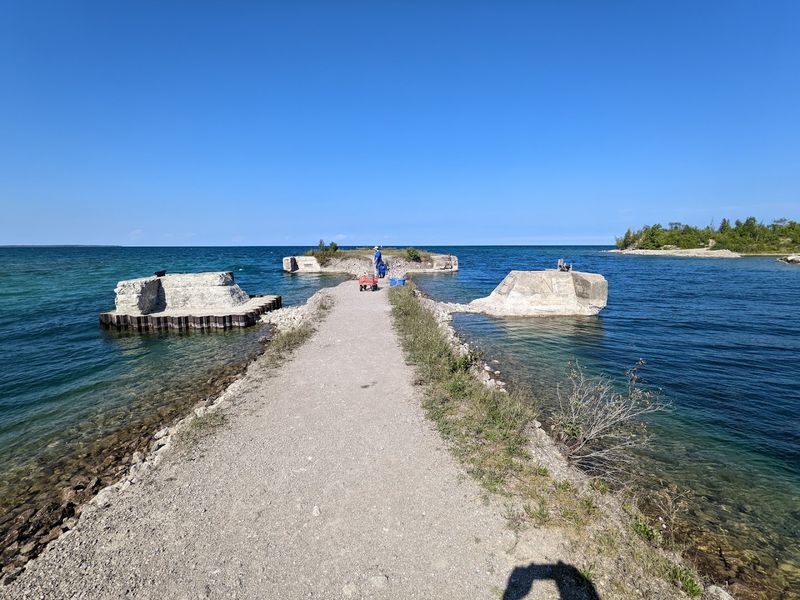
It’s a rugged, open-air classroom where time shows its seams in the broken shale. Walking through the quarry talus, the air feels different, peaceful yet raw, as you wander past dock ruins and deep, impossibly blue water.
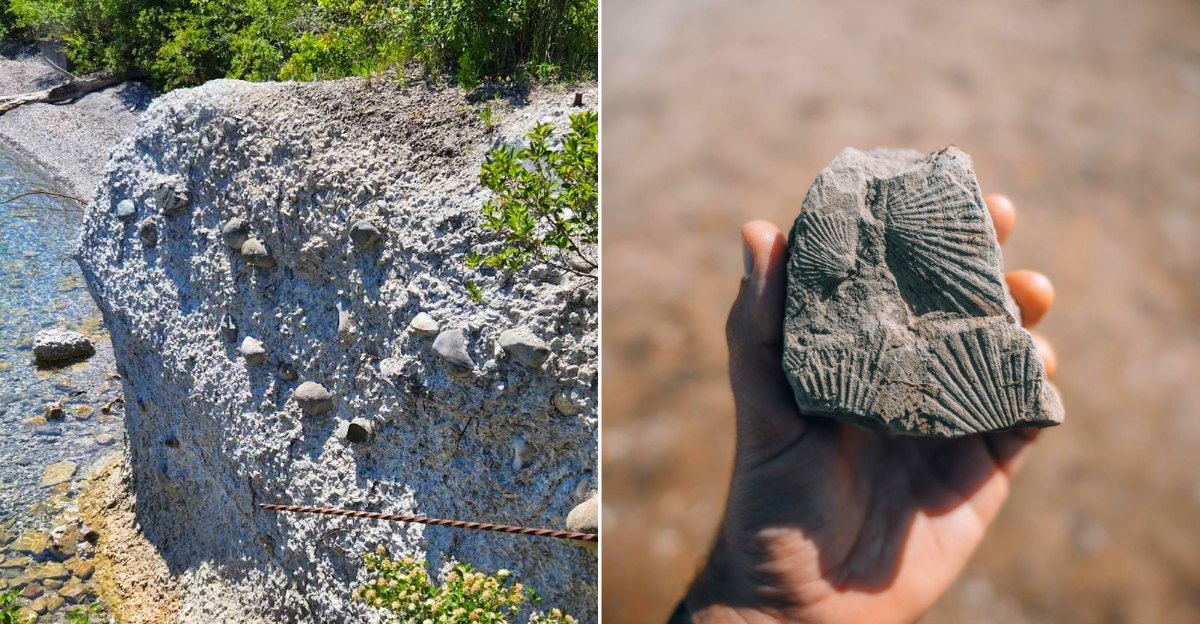
This isn’t a manicured park; it’s a patchwork of wind-polished stones and history that demands you get your hands a little dirty. You’ll find yourself hunting for Devonian corals and brachiopods, basically reading 400-million-year-old secrets etched into the ground.
Explore the ancient fossil beds and rugged limestone quarries of Michigan’s lakeside adventure destination.
If you’ve got a Recreation Passport and a genuine sense of wonder, you can easily lose an entire afternoon here. It’s the kind of spot that rewards the patient, offering up fossilized treasures that fit right in your pocket.
Reading The Rocks
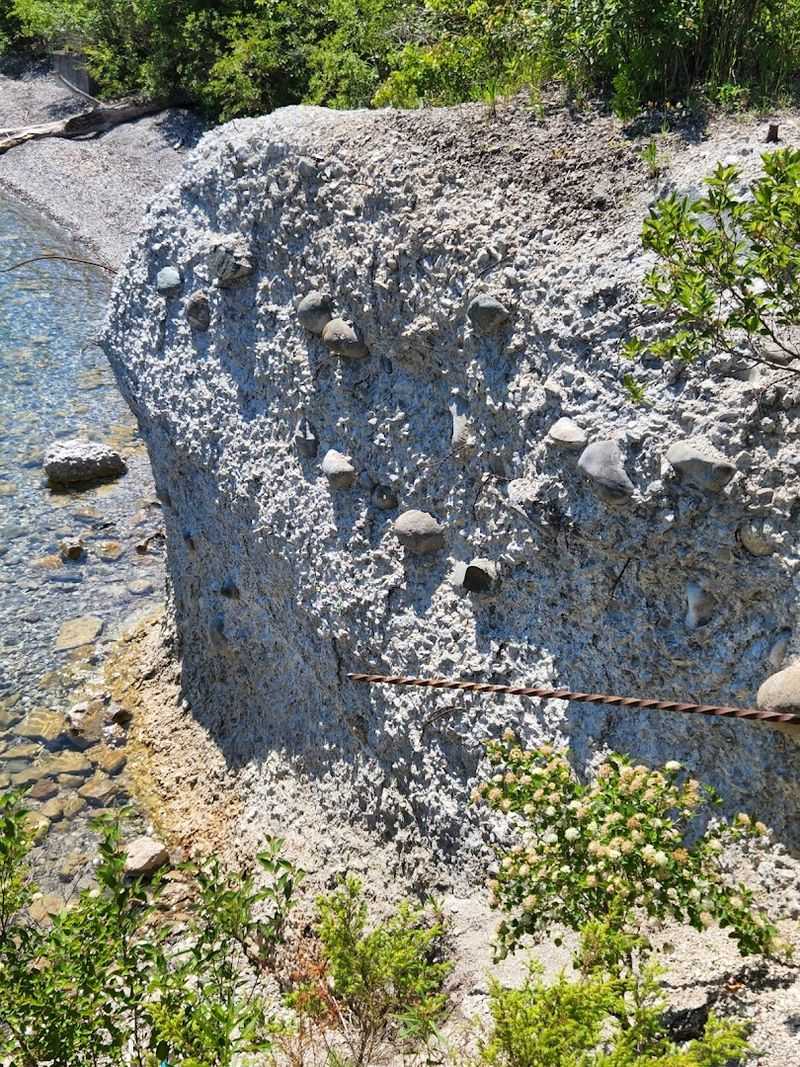
Start with the limestone talus below the old quarry benches, where broken slabs reveal tidy ribbed brachiopods and honeycomb corals like tiny cities. Morning light grazes the rock and textures pop, so move slowly and scan at a shallow angle.
Listen for the click of shale underfoot and look for round crinoid stems, patterned corals, and the occasional bryozoan lace. The fossils are Devonian, part of a warm shallow sea that covered this spot long before glaciers rearranged Michigan’s stones.
Vary your eye height for contrast changes over wet and dry surfaces, especially after waves lift spray along the old dock. Pick pieces already loose, keep delicate finds cushioned, and leave large embedded beauties for others. That ritual protects the site while sharpening your senses.
The Route To Alpena’s Rugged Coast
The drive follows the Lake Huron shoreline through the dense northern woods of Alpena County, where the landscape is defined by rugged limestone terrain and deep sinkholes. Navigating along Rockport Road provides a steady transition away from the coastal highway and into a secluded, 4,200-acre wilderness preserve.
The destination is Rockport State Recreation Area at 6102 Rockport Rd, Alpena, MI 49707. This address leads directly to the site of a former limestone quarry, marked by a gravel approach that signals your arrival at one of Michigan’s most unique geological landmarks.
Reaching this location places you at the entry point for world-class fossil hunting and stargazing within a designated Dark Sky Preserve. The drive culminates at the water’s edge, where the abandoned quarry meets the turquoise depths of Lake Huron.
Gear That Works
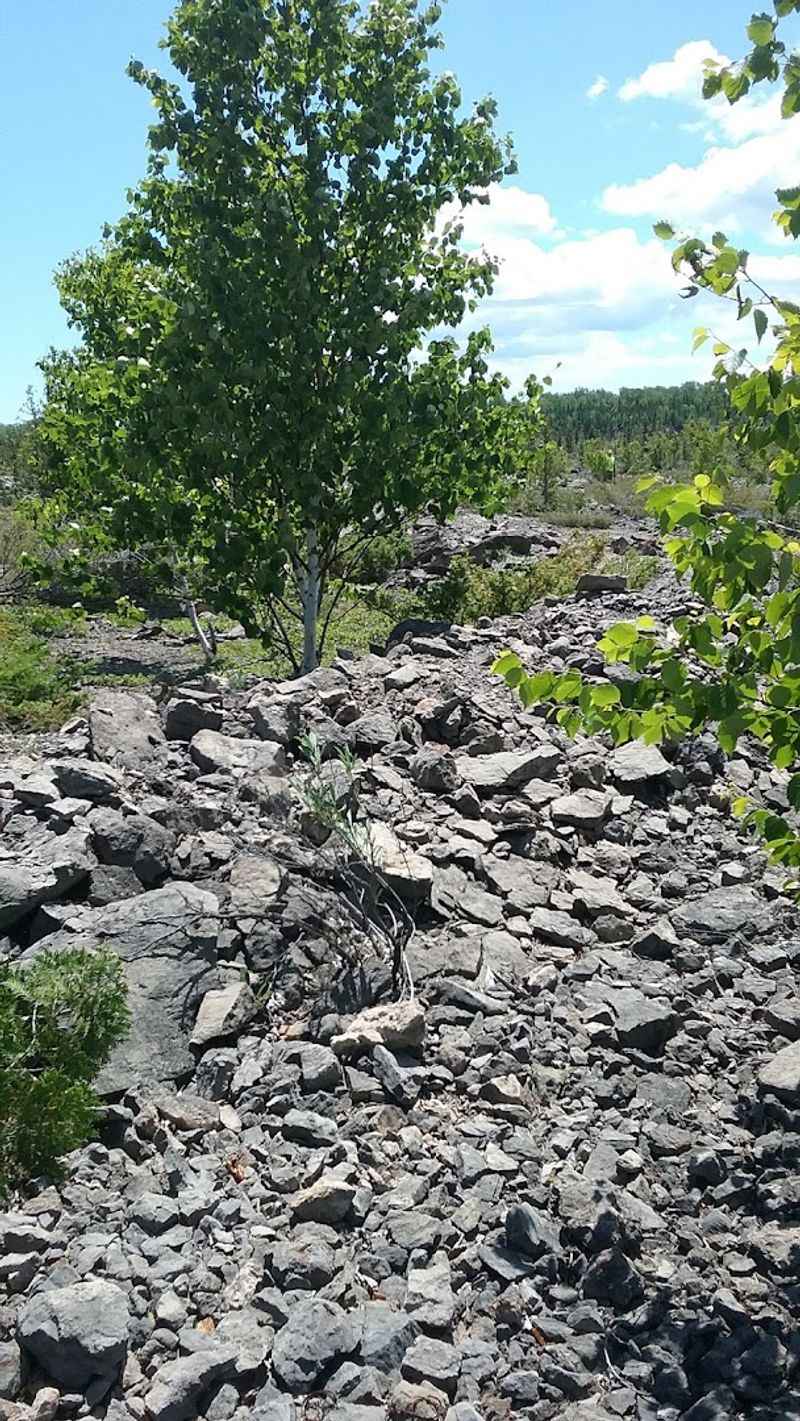
Uneven quarry rubble rewards sturdy footwear with good tread, and lightweight gloves keep knuckles safe when prizing loose chips. Pack a brush, a small spray bottle, and a kneeling pad to extend search time without sore joints.
A five-gallon bucket is overkill for most, but a canvas bag or padded lunchbox keeps finds separated, preventing scratches that obscure delicate patterns. Tuck water and snacks beside a basic first-aid kit, because the sun bounces off pale stone like a mirror.
Bring a map or downloaded GPS track; signage can be sparse beyond the harbor. If you carry a rock hammer, use eye protection and stick to loose material. Many of the best specimens simply sit on the surface, waiting for angled light to reveal them.
Quarry Vibe And Safety
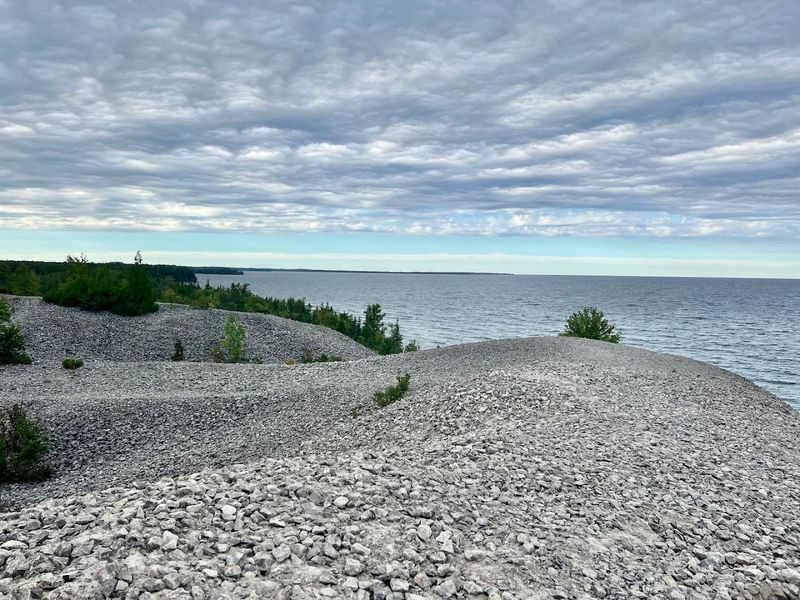
The abandoned benches rise in geometric tiers, chalky white against cedar and birch, and gulls ride thermals over the blue harbor. It feels raw yet inviting, a place where industrial history and ancient biology shake hands.
Sound carries strangely here, bouncing between stone walls so footsteps arrive twice and waves smudge into a soft hiss. Stay back from crumbling edges, especially after rain, and test footing before stepping on tilted plates.
Helmets are smart for kids scrambling the rock hill, and closed toes are a must. The harbor pier pathway can wash out after storms, so mind posted signs. A simple rule helps: if a piece requires prying from bedrock, leave it and find another story.
Fossil ID Essentials
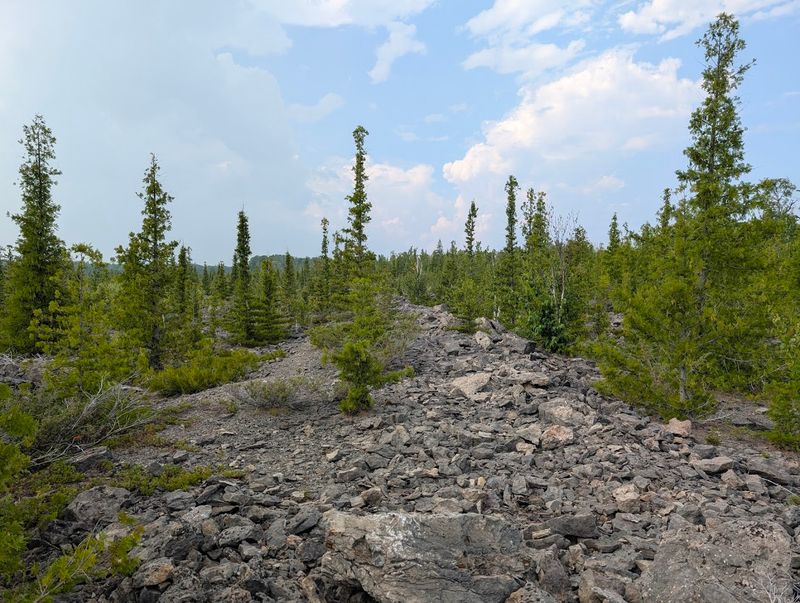
Patterns beat perfection when you are learning. Look for radial ribs on brachiopods, pentagonal or circular crinoid stem discs, coral honeycombs, and branching bryozoans that resemble frost on glass. Petoskey stones appear as hexagonal corallites that glow when wet.
Trilobites do occur but rarely, so treat any segmented imprint with skepticism until better light and a brush settle the question. I keep a pocket card from the Besser Museum gift shop in Alpena to double-check features, plus a phone album of labeled examples.
Photograph each find where it lies, then note the horizon or rubble layer for context. Back home, compare with Michigan DNR resources and regional geology pages. The more you verify, the better your eye becomes, and the faster patterns emerge.
Mind The Trails
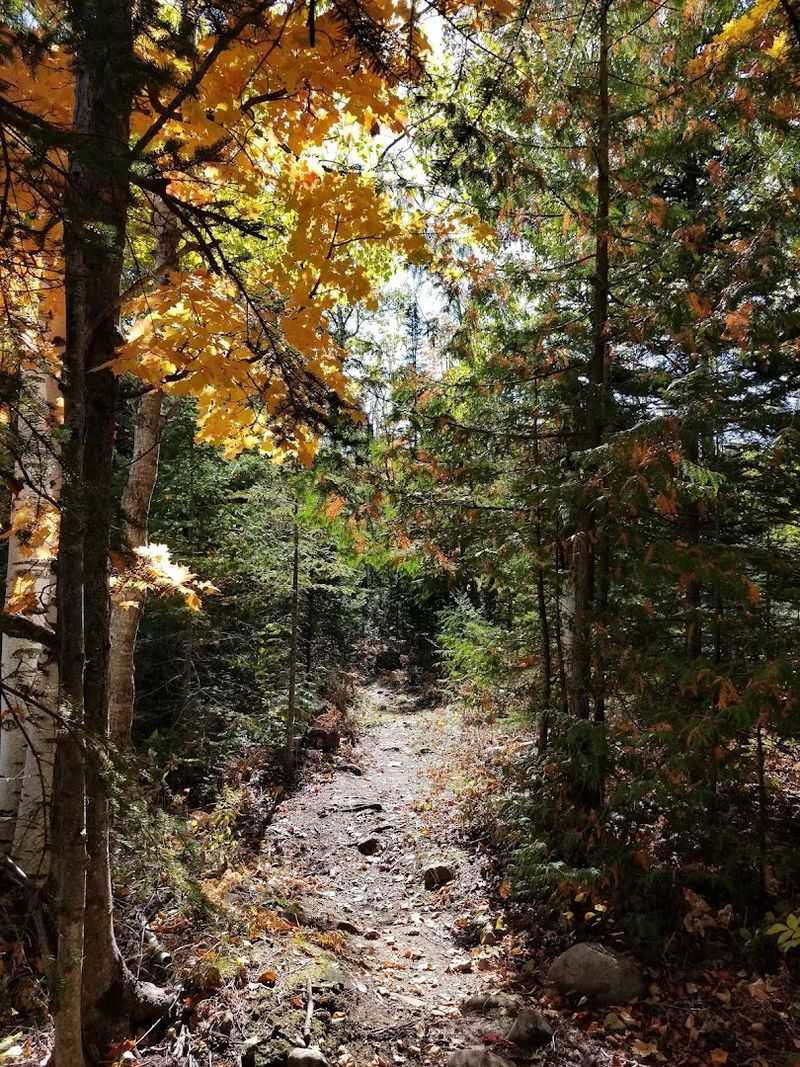
A network of numbered posts crosses forest, shoreline, and quarry flats, but several stretches turn boggy or confusing in summer growth. After rain, low areas near the sinkholes can swallow shoes, and tall grass hides fist-sized holes.
Download a map or saved GPS track before you lose service, and watch for intersections where arrows have weathered nearly blank. For a smoother introduction, start close to the harbor and work outward on gravel lanes before committing to single-track.
If you reach a T with missing signage, default left to rejoin the main loop more often than not. Tell someone your route and time window, carry bug spray, and turn around if the trail disappears into swampy brush.
Sinkholes And Blue Water
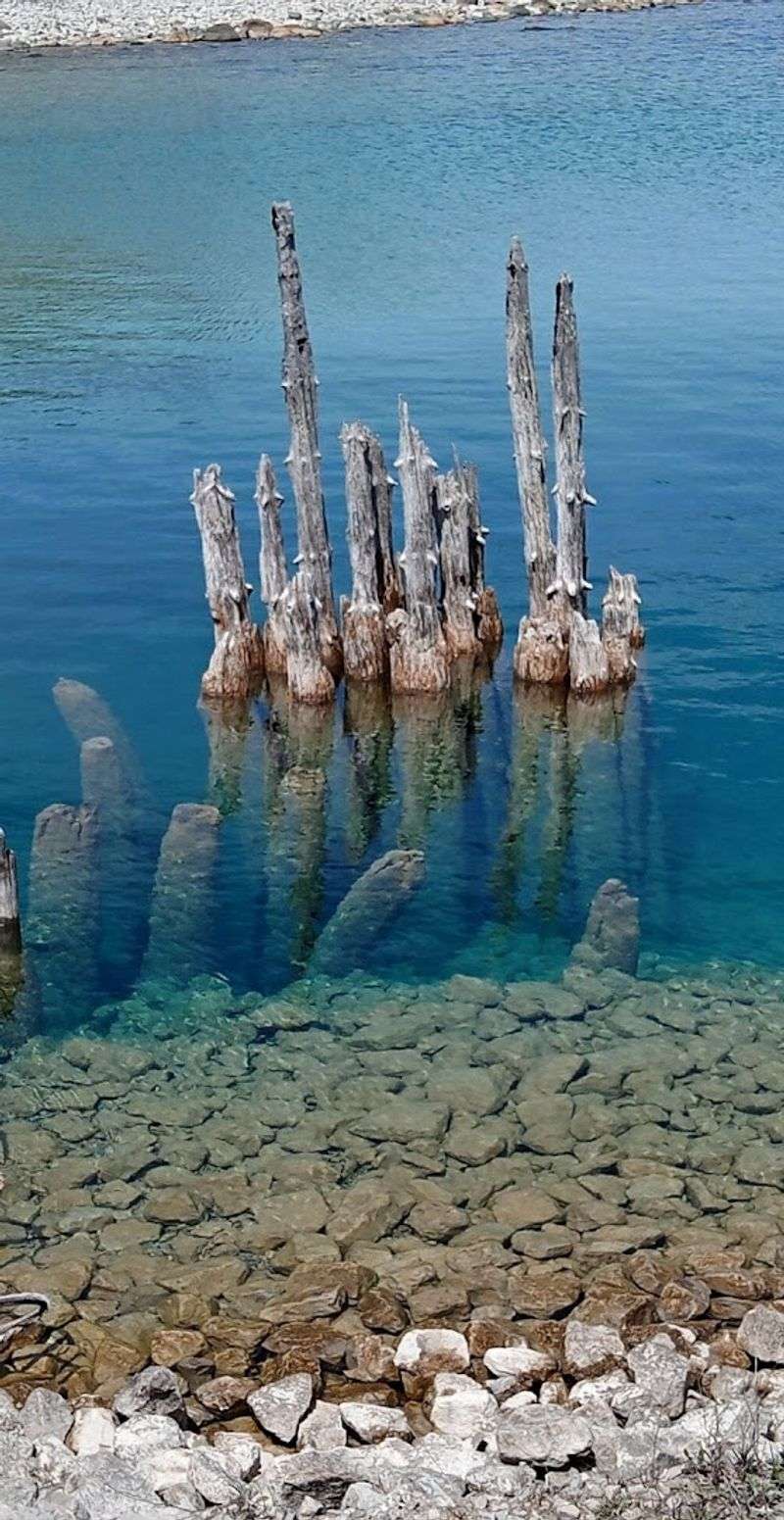
Freshwater sinkholes dot the landscape inland from the harbor, some ringed by grasses and dragonflies, others shaded by scrubby aspen. The water can look impossibly clear, tinted turquoise against pale limestone, and the air cools a degree as you near the rims.
Pause to listen; the area trades surf for crickets and a fluttering hush from cottonwood leaves. Trails here are rocky and rooty, so keep ankles honest and do not wade without confirming depth and bottom.
Bring a towel for shoreline dips back at the harbor, where entry is easier. Snorkeling on calm days reveals cobbles and occasional artifacts of the working port. Protect springs and margins by staying on durable surfaces and packing out every crumb.
Gentle Collecting Ethics
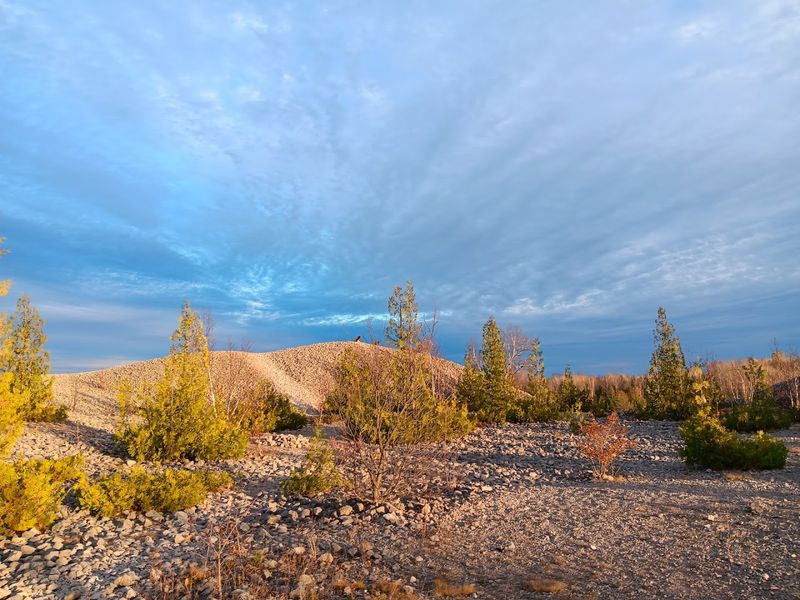
Rockport allows personal collecting up to 25 pounds per year, which is generous if you curate thoughtfully. Choose a few great specimens instead of a pail of maybes, and avoid prying from ledges or undermining small plants to reach something.
Photograph big embedded fossils in place so others can learn, and share your images with local educators when appropriate. I weigh finds at home and keep a yearly note in my field notebook, so the limit never sneaks up.
A pocket bubble wrap sleeve prevents heartbreak during the hike out. When in doubt, leave it for your next visit. Trust that patience will bring a better example. The quarry has been generous for decades, and careful habits help it stay that way.
Finding Community Events
Friends of Rockport and partner groups occasionally host guided walks, shoreline cleanups, and educational days that turn the landscape into an open seminar. These programs decode the geology while pointing out safe, accessible zones for beginners.
Check bulletin boards near the harbor and the Michigan DNR calendar before you drive, since reception fades as you near the water. Local museums in Alpena, including the Besser Museum for Northeast Michigan, provide identification help and context for unusual finds.
Bring crisp photos and measurements rather than irreplaceable specimens. Community science groups appreciate clear locations and notes about layers or nearby features. Those details travel farther than any individual rock, and they quietly stitch your day into the region’s larger story.
Document And Verify
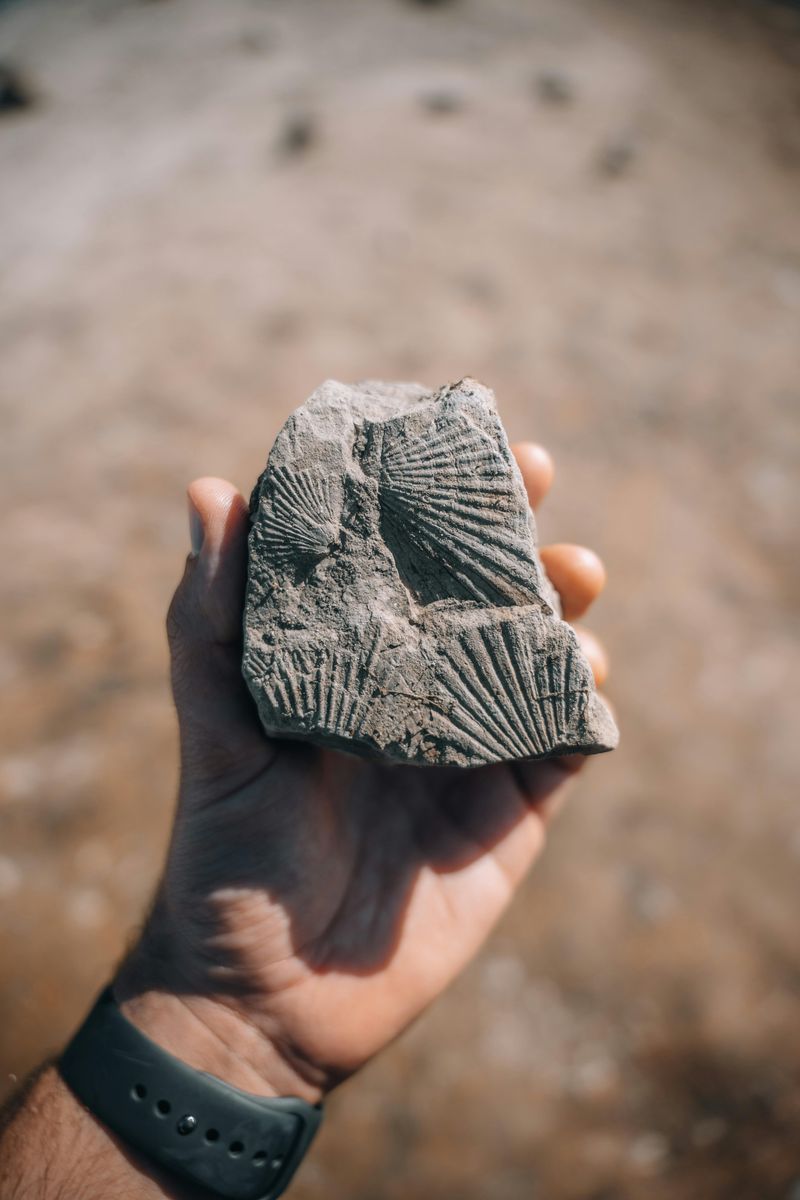
Good notes make better fossils. Photograph each specimen wet and dry, with a coin or scale for size, and add the time and light conditions. If you can, include a wide shot showing the bench or shoreline zone.
Later, match textures to reputable field guides and Michigan-specific resources, avoiding social media guesses until you have cross-checked features from multiple sources. Keep a simple spreadsheet with date, area, and material type, then back up your photos before the drive home.
Over months, patterns appear about where certain fossils concentrate and when visibility peaks. That record builds intuition you can trust on future visits. It also helps answer kids’ questions without hand-waving, which might be the most satisfying field test of all.
Night Sky And Quiet
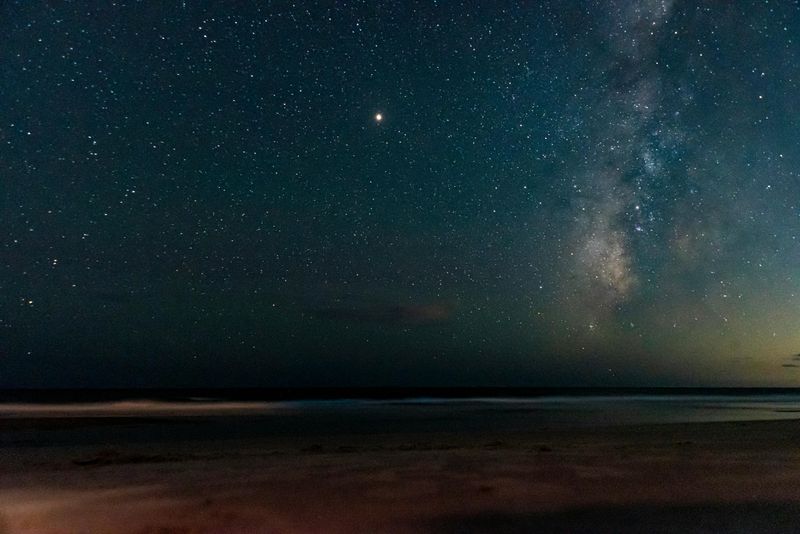
After sunset the rec area settles into a hush, and the harbor becomes a dark reflector for constellations when skies are clear. Lake Huron breath steadies, and distant freighter lights drift like slow constellations of their own.
Plan warm layers because stone radiates heat away quickly, even in summer, and the wind can turn surprisingly sharp along the open shore. I like to end with five quiet minutes on the old dock remnants, listening for small waves against quarried blocks.
Red headlamp mode protects night vision and the nearby terns if they are roosting. Pack out everything, shut car doors softly, and let the stars do the narration. It is a simple ritual that keeps the day’s deep time echoing.