
4 Florida Beaches Just Ranked Among The Top 10 In The U.S. For 2026 And They’re Absolutely Stunning
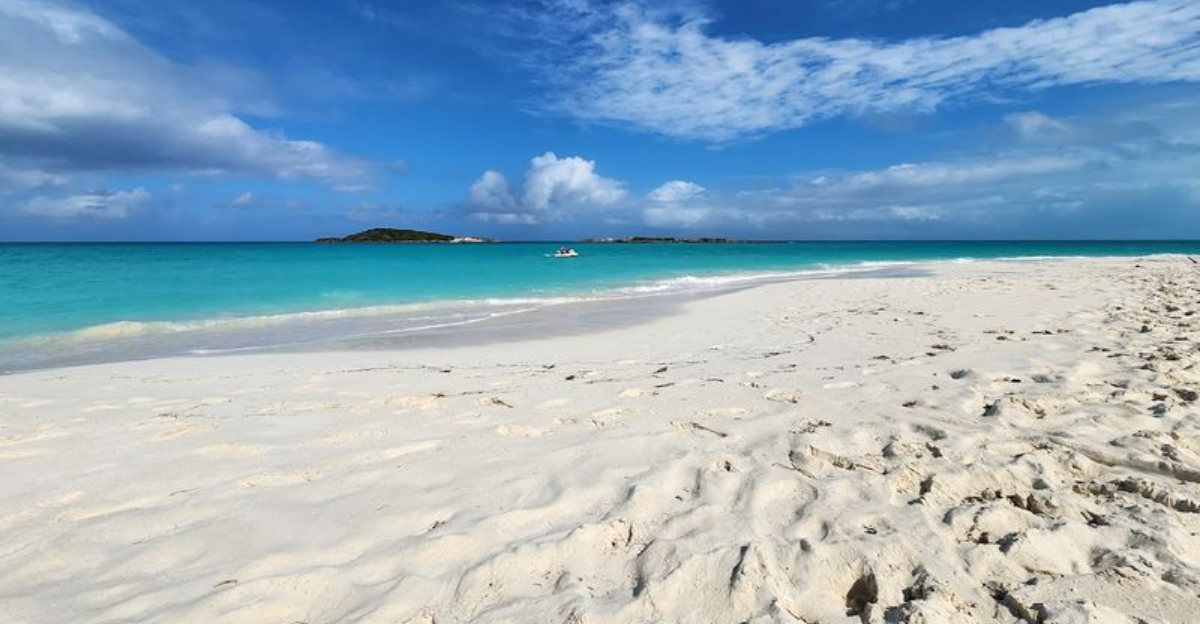
I’ve spent years chasing coastlines across the country, but Florida’s beaches are the ones I keep coming back to without needing a reason.
This year, that feeling finally showed up in the rankings. Four beaches from Florida landed in the top 10 in the United States for 2026, quietly claiming nearly half the list without much noise.
What stands out is not just how they look, but how they feel once you are there. Water that shifts between shades of turquoise, sand that reflects the light in a way that almost does not seem real, and moments where wildlife appears close enough to make you stop and take it all in.
Each beach brings something slightly different, but they all share the same effect. You arrive expecting a nice view and leave wondering why you have not stayed longer.
Florida has no shortage of coastline, but these four stand in a category of their own.
People say some beaches are worth planning a trip around… and these are hard to top.
1. Clearwater Beach’s Powdery White Sand
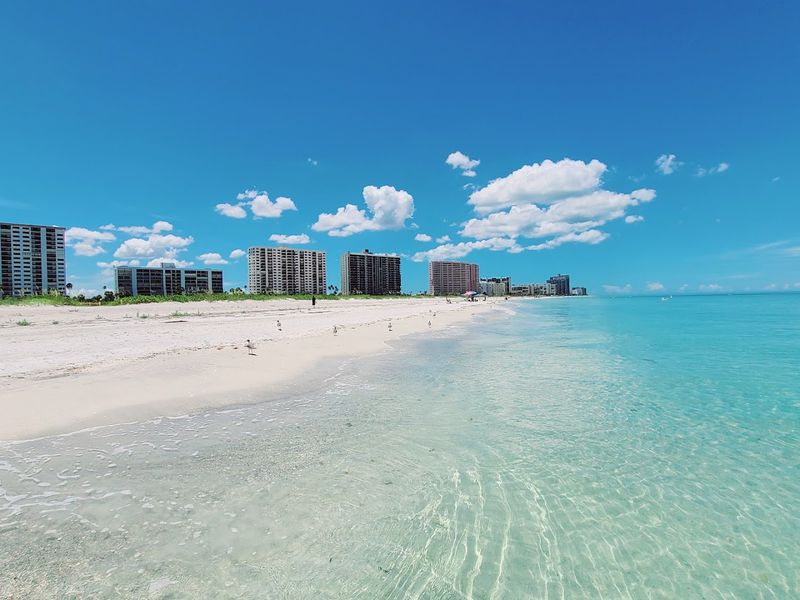
Clearwater Beach sits along Florida’s Gulf Coast with sand so fine it squeaks under your feet like fresh snow.
Located in Clearwater, Florida, this beach consistently ranks among the nation’s best because its sugar-white quartz sand stays cool even under the blazing midday sun. I remember my first visit when I bent down to scoop a handful, genuinely shocked that something this soft existed outside a postcard.
The three-mile stretch of shoreline feels meticulously maintained, though nature deserves most of the credit. Families spread out across the beach with plenty of room to build sandcastles, while the gradual slope into the Gulf makes it ideal for kids who are still testing their confidence in the waves.
Pier 60 anchors the beach’s north end, where sunset festivals happen nightly with street performers, craft vendors, and that perfect golden-hour light that makes everyone look like a professional photographer.
The sand’s texture comes from Appalachian quartz that traveled here thousands of years ago, ground down into powder by rivers and waves. Water temperatures hover around a comfortable 75 degrees most of the year, warm enough for extended swimming sessions without the shivers.
Every time I leave Clearwater, I find white sand in my car for weeks afterward, a grainy reminder of why this beach earned its top-ten spot.
2. Siesta Key’s Award-Winning Quartz Crystals

Siesta Key Beach near Sarasota holds the title for the finest, whitest sand in the world, a claim backed by actual scientific testing.
The sand here is 99% pure quartz crystal, which sounds like marketing hype until you walk barefoot across it on a July afternoon and realize it genuinely stays cool. I’ve tested this theory more times than I care to admit, each time marveling that physics somehow works differently here.
The eight-mile barrier island draws crowds who spread blankets across sand that feels more like cornstarch than typical beach grit. Crescent Beach and Turtle Beach offer quieter alternatives on the same key, but the main public beach remains the star attraction.
Volleyball nets dot the shoreline where pickup games run from morning until the sun dips below the horizon. The gentle Gulf waves rarely get aggressive, making this spot perfect for paddleboarding or just floating without worrying about getting tossed around.
Local shops along Ocean Boulevard rent everything from beach chairs to kayaks, and the nearby village offers enough restaurants to fuel a week of beach days without repeating a single meal.
International sand competitions have crowned Siesta Key the winner multiple times, though one afternoon here makes those accolades feel like pleasant understatements rather than bold claims.
3. South Beach’s Vibrant Cultural Scene
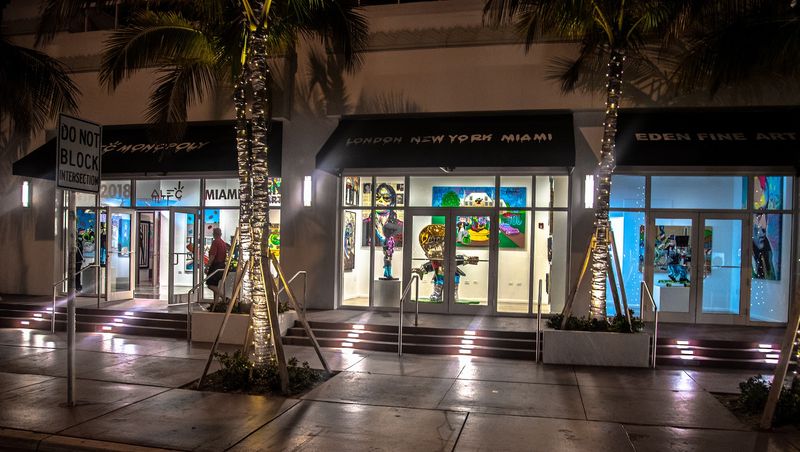
South Beach in Miami Beach combines stunning Atlantic coastline with an energy level that makes other beaches feel like they’re half asleep.
The iconic art deco district backs right up to the sand, creating a backdrop of pastel buildings that photograph like a vintage postcard brought to life. Ocean Drive runs parallel to the beach, lined with outdoor cafes where people-watching becomes its own form of entertainment.
I’ve walked this beach at sunrise when joggers and yoga enthusiasts claim the sand, then returned at noon when the scene transforms into a kaleidoscope of umbrellas, music, and languages from every continent.
Lifeguard stands painted in bold geometric patterns have become Instagram landmarks, though the actual beach stretches for miles beyond the famous few blocks everyone photographs. The water shifts between emerald and sapphire depending on the light, warm enough for year-round swimming.
Lummus Park runs along the beach with volleyball courts, outdoor showers, and enough palm trees to provide strategic shade breaks. The sand itself is surprisingly clean given the constant foot traffic, maintained by a city that understands its beach is basically its business card.
After dark, the beach quiets down while the neighborhoods behind it wake up, creating a rhythm that feels distinctly Miami.
4. Fort Zachary Taylor’s Snorkeling Paradise
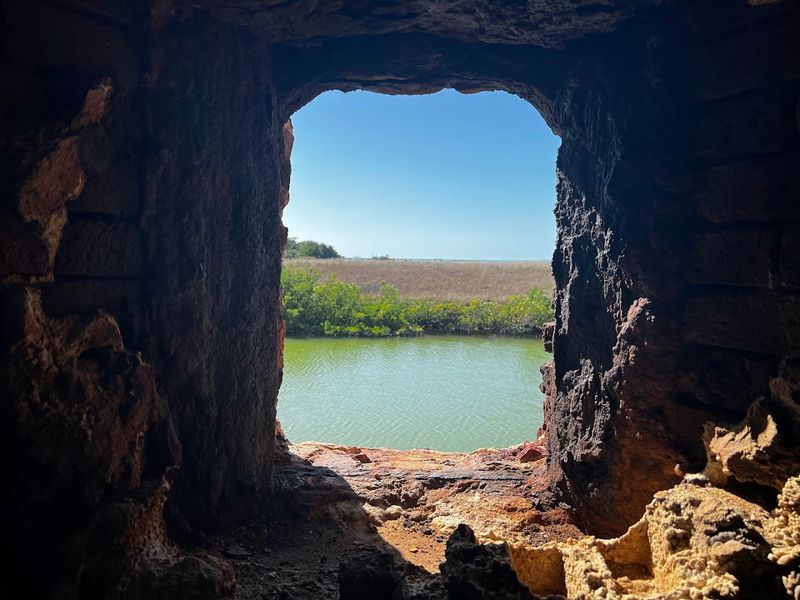
Fort Zachary Taylor Beach in Key West offers the best snorkeling in Florida without needing a boat, period.
Located within a state park at the island’s southwestern tip, this beach combines historical intrigue with underwater ecosystems that rival anything in the Caribbean. The Civil War-era fort sits just inland, but most visitors head straight for the water where coral reefs start just yards from shore.
I’ve snorkeled here dozens of times, each visit revealing angelfish, parrotfish, and occasionally sea turtles gliding through water so clear you can count scales from the surface.
The beach itself is smaller than the Gulf Coast giants, a mix of sand and coral rock that requires water shoes but rewards the minor inconvenience with incredible marine life. Shade from Australian pines and sea grape trees makes midday breaks comfortable, though the real action happens in the water.
The park limits daily visitors, which keeps crowds manageable and protects the reef from too much human contact. Rental gear is available at the entrance, and the calm waters make this spot perfect for first-time snorkelers still getting comfortable with breathing through a tube.
Sunset views face west across the Gulf, painting the sky in colors that make you forgive the $6 parking fee without hesitation.
5. Turquoise Waters That Rival The Caribbean
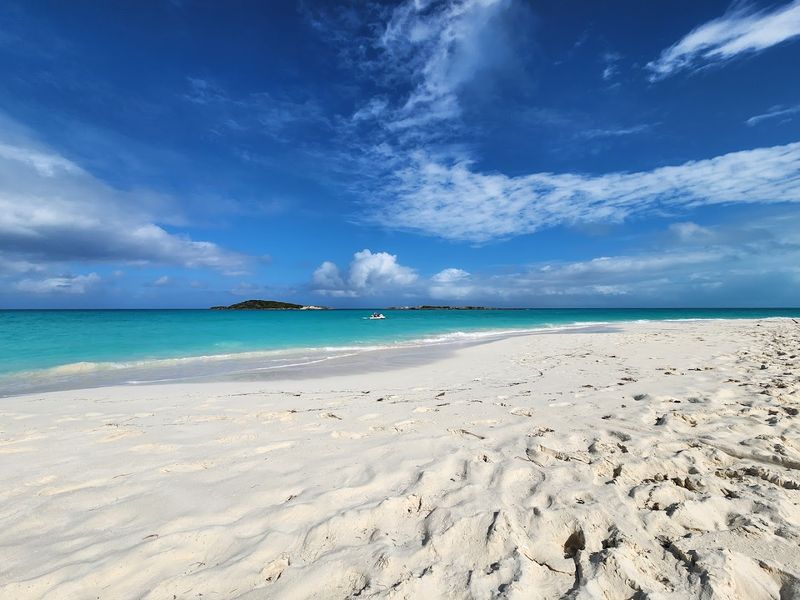
The Gulf of Mexico along Florida’s Panhandle produces water colors that make first-time visitors question whether someone added dye.
Beaches around Destin, Santa Rosa Beach, and Pensacola showcase water that transitions from pale mint near shore to deep sapphire farther out, creating layers of blue and green that shift with every cloud passing overhead. The white sand underneath acts like a mirror, reflecting light back up through the water and amplifying those trademark turquoise tones.
The clarity comes from limited river runoff in this region, meaning fewer sediments cloud the water. On calm days, you can stand waist-deep and watch your toes wiggle in perfect detail fifteen feet away.
These conditions create perfect environments for spotting dolphins, rays, and small fish without needing snorkel gear. The water temperature stays swimmable from April through October, peaking around 85 degrees in summer when you can float for hours without getting cold.
Photographers chase this light year-round, though late afternoon brings out the most dramatic color contrasts as the sun angles lower across the Gulf.
6. Abundant Wildlife Encounters

Florida beaches function as front-row seats to nature documentaries that happen in real time without narration.
Dolphins cruise parallel to shore most mornings, often close enough to hear their blowholes exhale between dives. I’ve stood knee-deep in the Gulf watching pods of six or seven glide past, completely indifferent to the humans gawking from the shallows.
Sea turtle nesting season runs May through October, when loggerheads and green turtles lumber ashore after dark to dig nests and deposit eggs. Many beaches organize guided turtle walks where volunteers help visitors witness these ancient rituals while protecting the nesting mothers.
Manatees frequent coastal areas during winter months, seeking warmer water near springs and power plant outflows. Spotting one of these gentle giants floating near a beach access point never gets old, no matter how many times it happens.
Bird life includes everything from tiny sandpipers racing the waves to massive pelicans dive-bombing for fish with spectacular belly flops. Ospreys nest on channel markers and light poles, raising chicks that eventually practice fishing in the shallows.
The variety means every beach visit offers potential surprises, whether it’s a ray gliding over your feet or a pod of dolphins putting on an impromptu acrobatic show just beyond the breakers.
7. Pristine State Parks With Protected Beaches
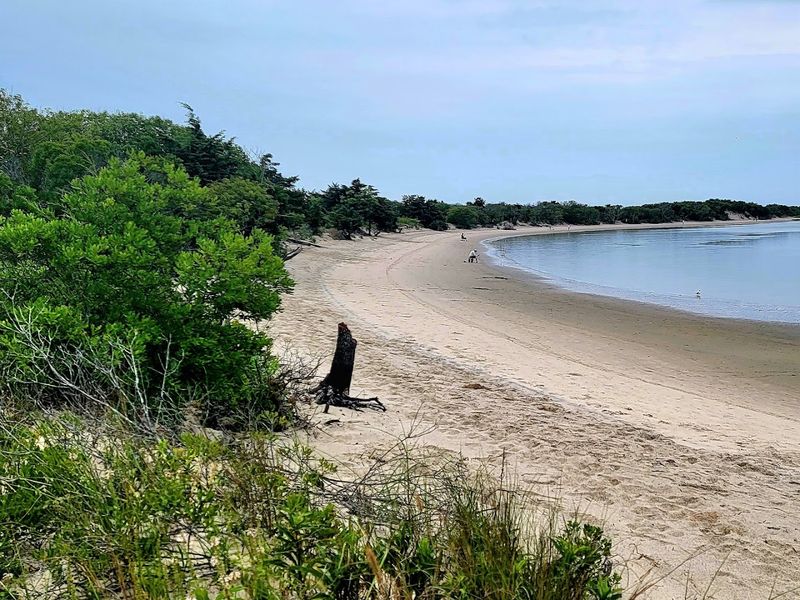
Florida’s state park system protects some of the most pristine beach environments in the country, keeping development at bay while maintaining public access.
Honeymoon Island State Park near Dunedin preserves four miles of natural beach backed by slash pine forests and coastal hammocks instead of condos. The park’s northern end stays wild enough that I’ve walked entire stretches without seeing another person, just osprey nests and gopher tortoise burrows.
Bahia Honda State Park in the Keys offers three beaches with different personalities: Atlantic-side waves, Gulf-side calm, and a sandbar perfect for wading. The old Bahia Honda Rail Bridge creates a dramatic backdrop while providing shade and photo opportunities.
St. Andrews State Park near Panama City combines sugar-white sand beaches with hiking trails through coastal dune lakes, a rare geological feature found in only a few places worldwide.
These parks charge modest entrance fees that fund conservation efforts and facility maintenance, keeping beaches clean without commercializing them into unrecognizable tourist traps. Boardwalks protect fragile dune systems while providing beach access, and rangers actually enforce rules about disturbing wildlife and vegetation.
The trade-off for pristine conditions is fewer amenities than city beaches, but that’s precisely the point for visitors seeking nature over convenience.
8. Endless Water Sports And Activities
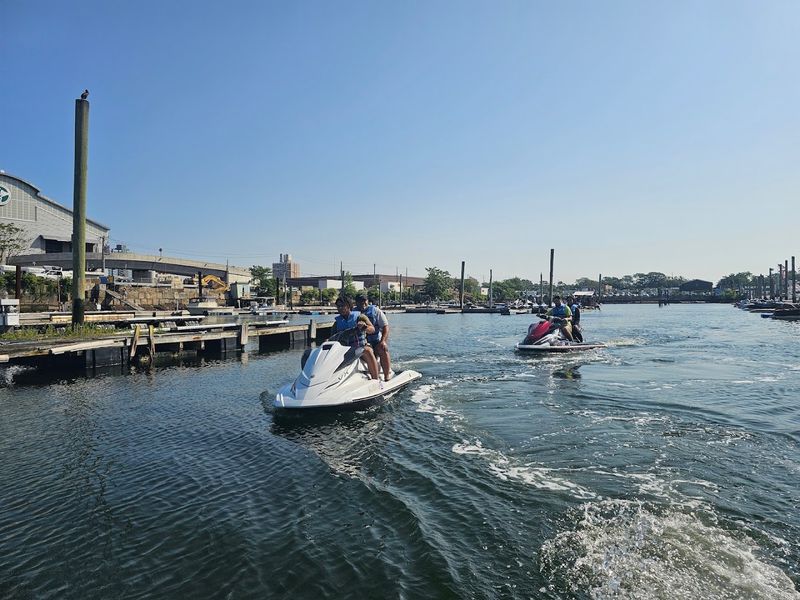
Florida beaches function as giant playgrounds where the water itself becomes the main attraction beyond just swimming.
Paddleboarding has exploded in popularity because the calm Gulf waters and protected bays create ideal conditions for beginners still working on their balance. I’ve rented boards dozens of times, and falling off in three feet of bathwater-warm Gulf water barely qualifies as an inconvenience.
Kayak rentals and guided tours explore mangrove tunnels, grass flats, and coastal islands that you’d miss entirely from shore. Some outfitters offer clear-bottom kayaks that turn the trip into a floating aquarium experience.
Parasailing operations run along most major beaches, lifting adventurous souls hundreds of feet above the water for views that make the butterflies-in-stomach feeling worthwhile. Jet ski rentals, banana boat rides, and kiteboarding lessons cater to visitors seeking more adrenaline than a beach chair provides.
Fishing opportunities range from surf casting right off the beach to pier fishing to charter boats heading offshore for bigger game. Many beaches maintain fishing piers where you can rent gear and buy bait without advance planning.
The variety means families with different energy levels and interests can all find their preferred way to interact with the water, whether that’s floating peacefully or getting towed behind a speedboat at questionable velocities.