
This Storybook Worthy Library Is One Of Michigan’s Most Charming
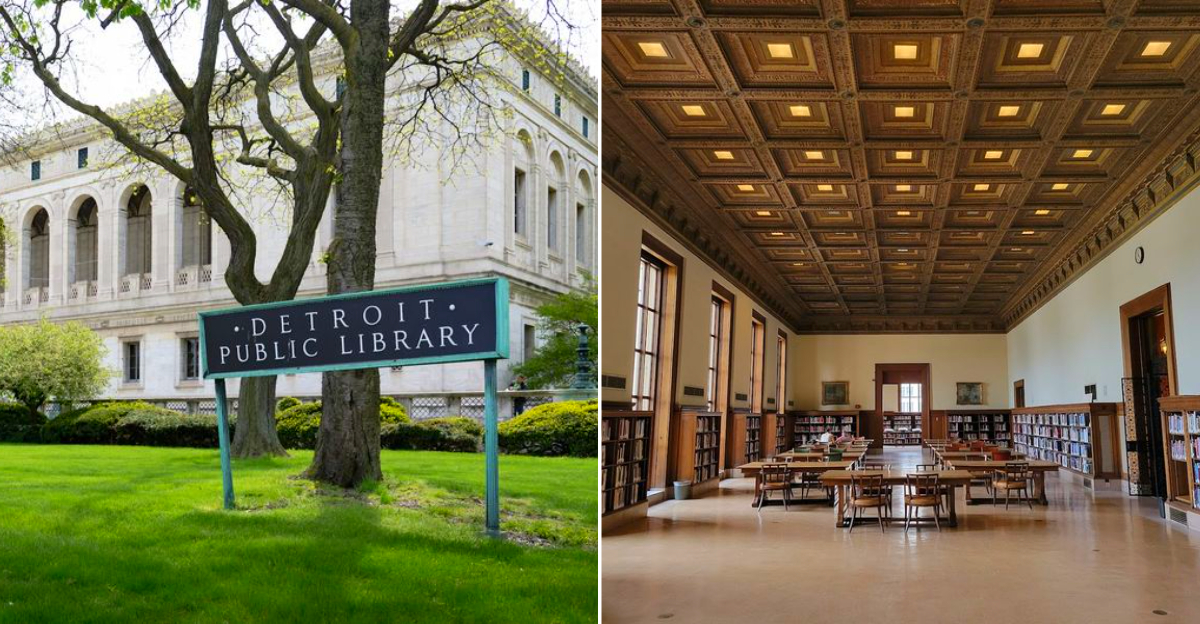
Walking across from the Detroit Institute of Arts, I always feel my pulse finally start to steady when that massive marble façade comes into view.
It’s the kind of architecture that anchors your soul. Stepping inside this 1921 masterpiece, you’re immediately hit by a sense of ceremony that’s basically extinct in the modern world.
It feels like a storybook world where public knowledge is treated with genuine reverence, yet the staff keeps everything running with a surprisingly grounded, practical energy.
Michigan invites you to explore the historic beauty and architectural grandeur of Detroit’s most iconic public library and cultural landmark.
If you’re wondering how to actually tackle a building this grand without getting lost in the stacks, I’ve narrowed it down to eleven specific lenses. These tips will help you find the quiet rhythms and small, hidden surprises that make every visit feel like a personal discovery.
Approaching The Marble Facade
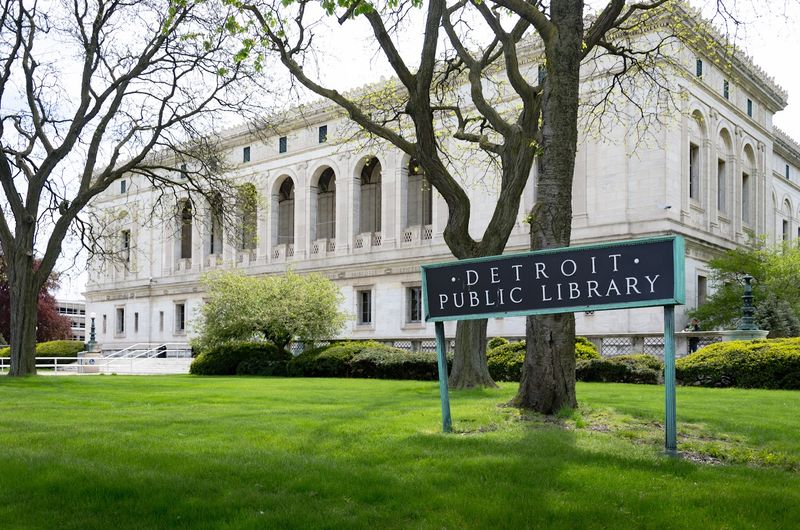
Quiet limestone steps lead toward a gleaming loggia, and Woodward’s traffic softens to a hush. The main facade wears classical symmetry with confidence, its arcades and inscriptions framing bronze doors like a promise.
The vibe is stately without stiffness, welcoming anyone who pauses to look up before going in.
Opened in 1921 and designed by Cass Gilbert, the building anchors Detroit’s Cultural Center across from the DIA. That pedigree shows in the disciplined lines and generous proportions.
Visitor tip: enter early, when morning light skims the marble and security can point you to exhibits on higher floors; the third floor and main stair will reward slow pacing and the occasional glance backward as you climb.
Navigating To Detroit’s Temple Of Knowledge
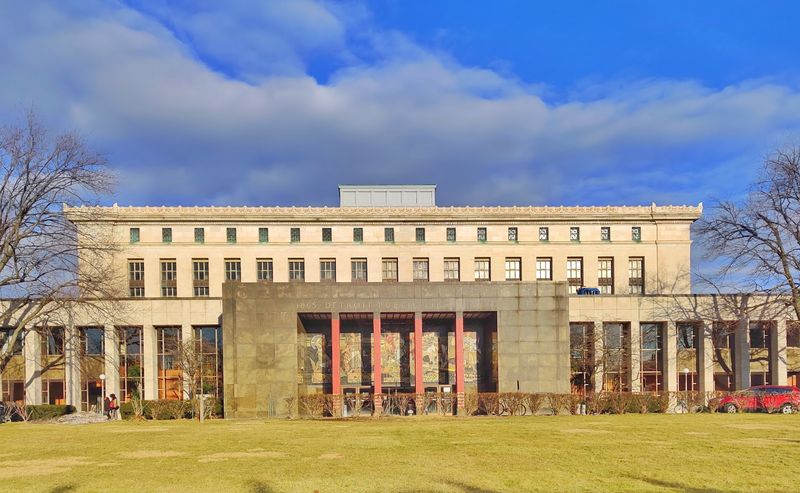
The route follows the broad, historic corridor of Woodward Avenue through the heart of the city’s Cultural Center. Traveling past the bustling campuses and soaring glass facades of Midtown provides a steady transition into an area defined by grand Beaux-Arts architecture and world-class institutions.
The destination is Main Detroit Public Library at 5201 Woodward Ave, Detroit, Michigan. This address is positioned directly across from the Detroit Institute of Arts, marked by a massive white marble facade and intricate arched windows that signal your arrival at this historic center of learning.
Reaching this location places you at the entry point of one of the largest public library systems in the country. The drive culminates at a monumental structure that serves as a primary hub for researchers, students, and visitors exploring the city’s architectural and intellectual heritage.
Reading Rooms And Quiet Corners
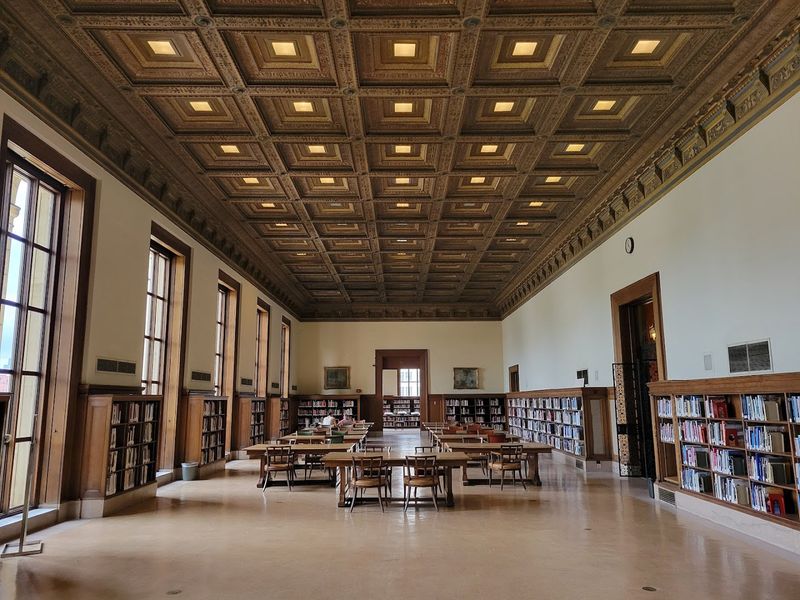
The hush downstairs feels like velvet over studious gears, a texture more than a rule. Light pools along tables, and the air smells faintly of paper warmed by lamps. Vibe-wise, this is the room where concentration comes easily, helped by sightlines that stay open yet private.
A rustle of pages marks time better than clocks. In the 1963 expansion by Gunnar Birkerts, modern needs folded into the classical plan without swagger. History sits at the edges, steady rather than loud.
Visitor habit: choose a seat near an outlet, but glance up often; the coffered ceilings and carved balustrades are quiet antidotes to screen glare, and your work pace will find a steadier rhythm in response.
Guides, Guards, And Getting Oriented
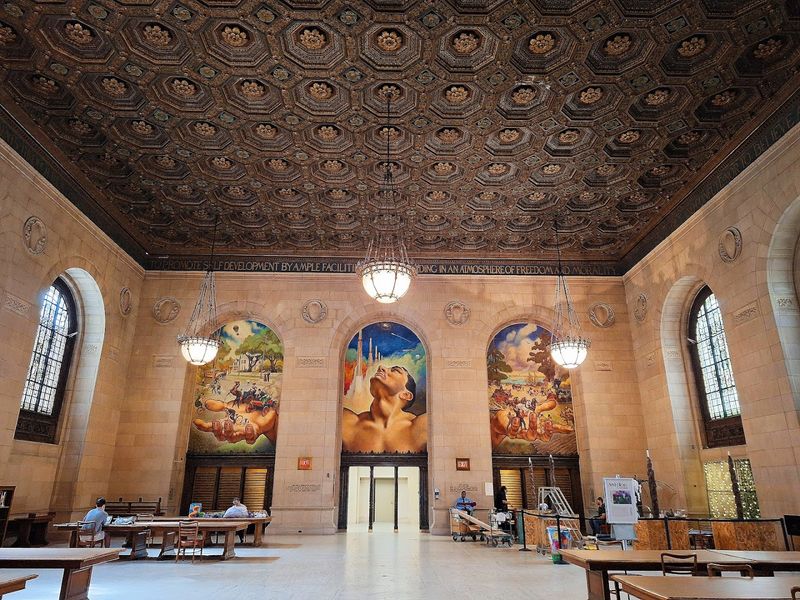
At the Woodward entrance, a courteous security check sets a calm tone before you even see the first staircase. Staffers greet with practiced ease, pointing toward printers, research desks, or the path to the Children’s Library. The vibe is practical hospitality, more compass than concierge.
Detroit’s main branch has long invested in public-facing expertise, from reference specialists to tech help. Local culture shows up in small kindnesses, like sharing a shortcut to the third floor murals.
Practical advice: ask about printing from your phone or a QR code, and confirm where archives pulls happen; a two-minute conversation can save a half hour of wandering. Hours vary by day, so double-check before you plan. Doors close promptly at six most weekdays.
Children’s Library Energy
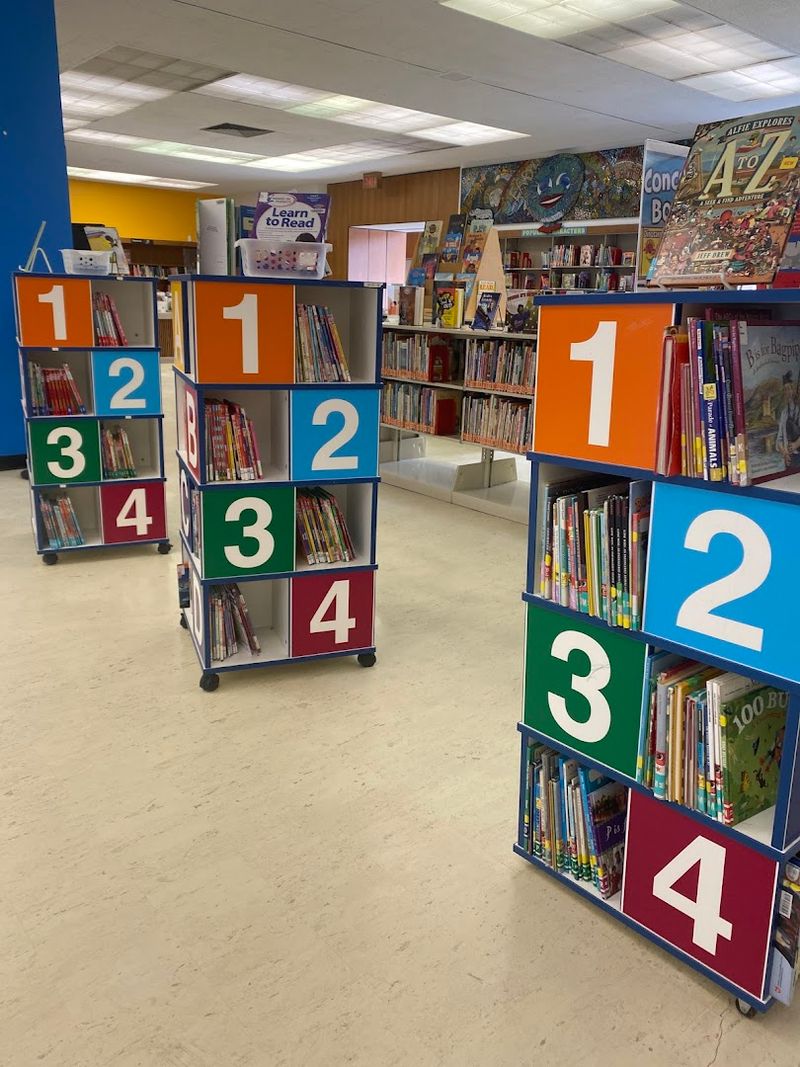
Bright colors and low shelves turn the Children’s Library into a navigable landscape for small explorers. Storytime posters flank a listening nook, and the seating invites families to settle rather than sprint. The vibe is energetic but not chaotic, a kind of respectful buzz that keeps curiosity moving.
Windows keep parents oriented to the larger building. Detroit families have long treated this wing as a weekly rhythm, building library habits alongside early literacy. Local tradition shows in caregivers trading recommendations near the picture books.
Reaction: it is refreshing to see young readers discover records and audiobooks too; ask staff for the music corner etiquette, then cue something gentle and let the needle’s whisper set the pace.
Archives And Local History
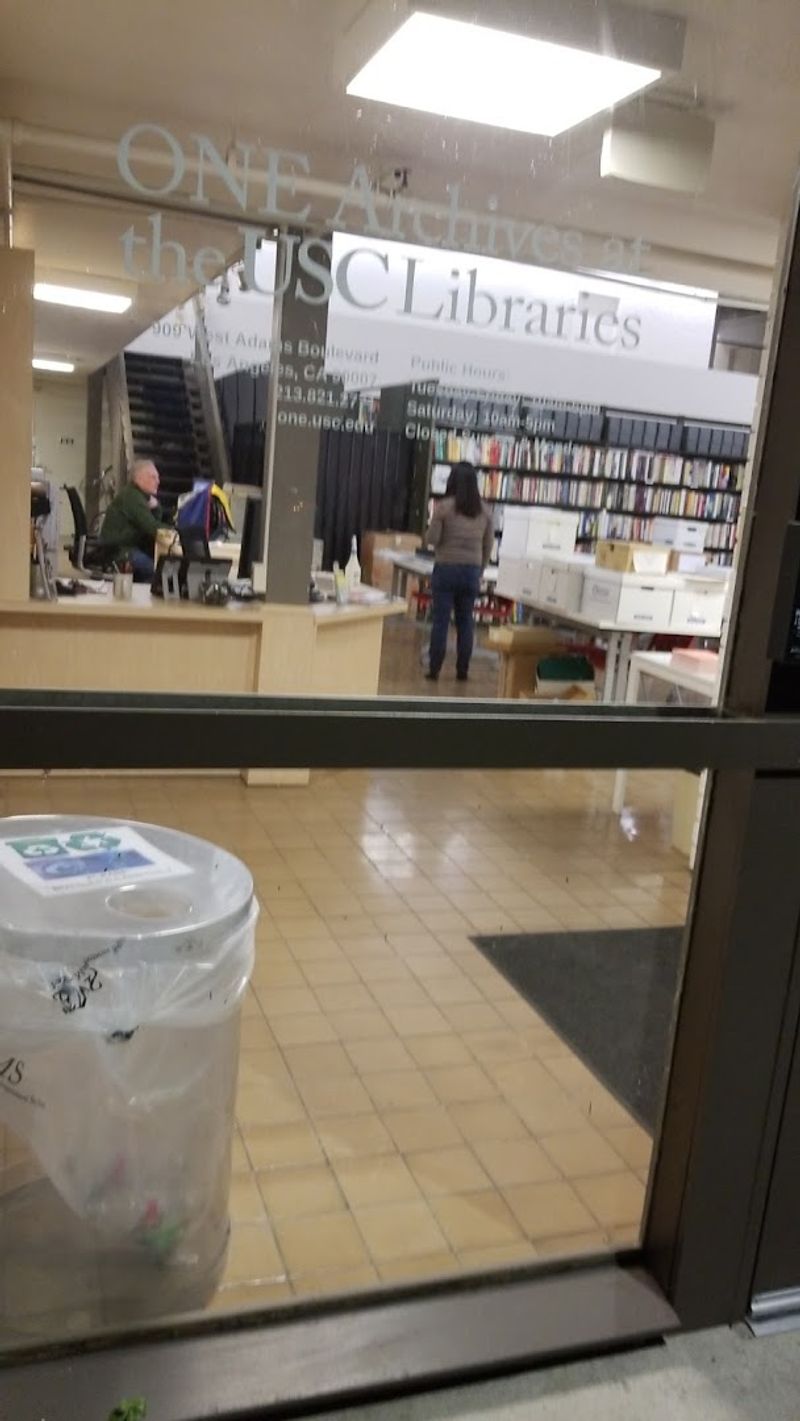
A quiet doorway leads to research rooms where Detroit’s past waits in boxes, catalogs, and careful finding aids. The detail spotlight is on preservation, from pencils only rules to cradles that protect spines during handling. It feels like a workshop for memory rather than a museum.
I requested city directories and a brittle theater program, then watched staff demonstrate gentle supports and gloves when appropriate. Technique matters here, and patience is rewarded.
Visitor habit: register for a researcher card, note pull times, and photograph call slips for easy citation; the process looks strict at first, but it quickly becomes a reassuring rhythm that keeps rare materials safe. Plan extra time if you are new to the catalogs.
Architecture Details To Notice
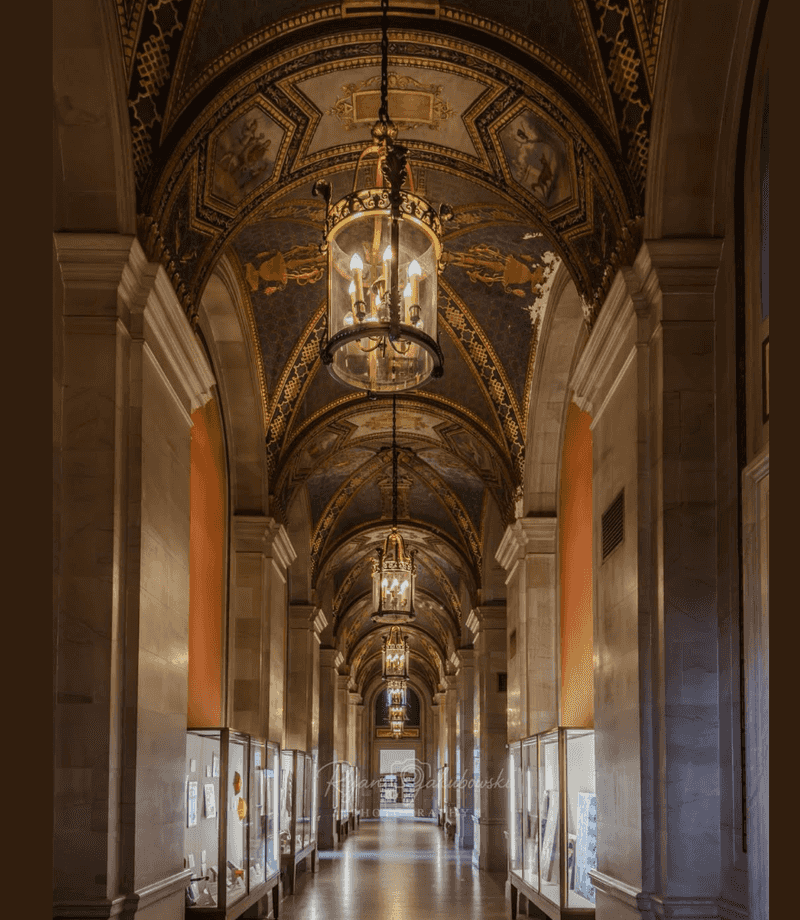
Look down before you look up, because the stone floors echo patterns that reappear in stair rails and window grilles. Carved rosettes punctuate the ceilings, while coffered bays collect shadows that change with every hour.
The sensory oddity is how cool the banisters feel, even in summer. Marble along the loggia carries faint fossil flecks if you linger. Cass Gilbert’s classical training shows in the disciplined repetition that keeps ornament readable. Preservation techniques emphasize cleaning over replacement, so some aging surfaces remain honest.
Visitor tip: bring a small notebook to sketch motifs as you walk; copying a pattern slows your pace, sharpens seeing, and turns a quick visit into a more embodied conversation with the building.
Season And Light
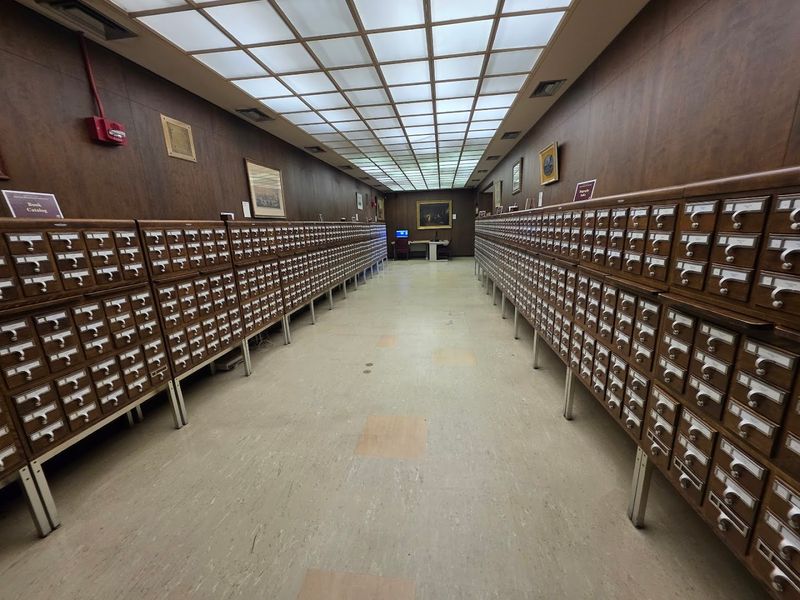
Snow hushes the front lawn in winter, and boot treads draw temporary calligraphy toward the steps. In summer, trees filter bright sun into stippled shade along the facade. The seasonal quirk is how the interior temperature lags, staying cool on warm days and holding warmth well after sunset.
Local tradition folds the library into campus strolls with Wayne State students and museum goers drifting across the ellipse. The cultural center becomes a single conversation, exchanged between doors.
Reaction: pause on the exterior benches to watch the light change across inscriptions; that small intermission makes reentry sweeter, and your eyes will catch more detail when you head back inside. Umbrellas help in sudden lake-effect bursts along Woodward.
Soundtrack Of A Library Day
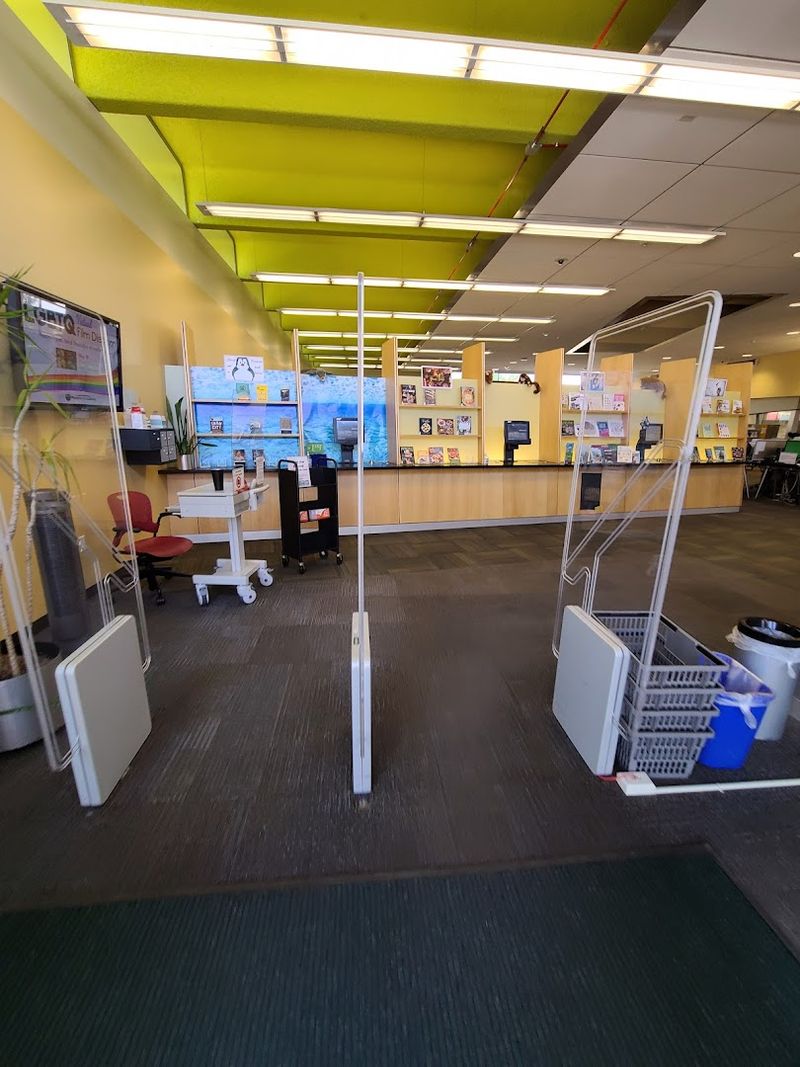
Some buildings hum, but this one breathes in cycles: footsteps rise, then fall; keys click, then rest. Pages whisper, elevators answer, and the distant printer adds a soft metronome. The vibe is concentration with a civic heartbeat, firm enough to lean on. Distant conversation floats like a draft under doors, never loud.
I pick a seat near the stacks and let that rhythm nudge focus along. Preservation practice even shapes the soundscape, since thick walls and deep doorways eat echoes.
Visitor tip: silence your phone and use headphones without music for an hour; the ambient hush acts like white noise, and you might leave feeling more restored than tired. Refocus arrives in waves, not sprints, which suits long reading.
Practicalities: Hours And Parking
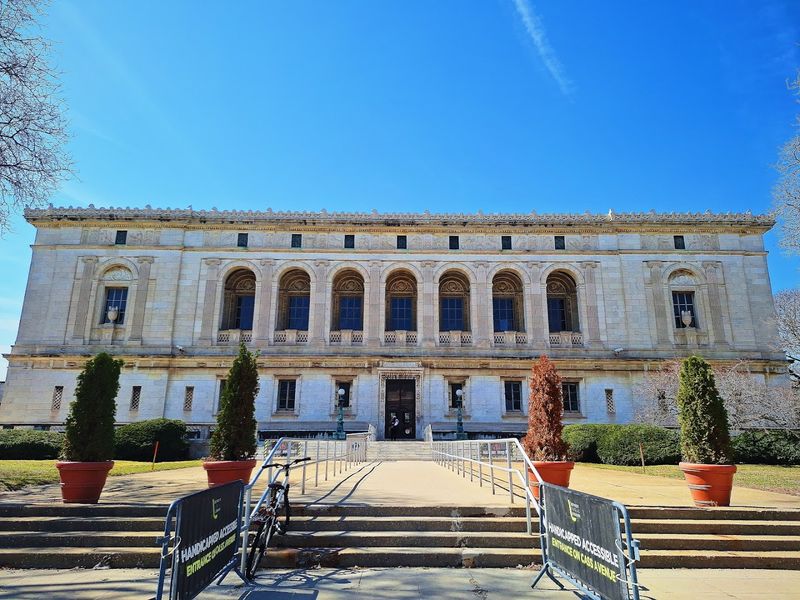
Here are the basics you will want before heading out. The Main Library sits at 5201 Woodward Ave, across from the Detroit Institute of Arts, with operating hours that vary by day: generally 10 am to 6 pm on Monday, Thursday, Friday, Saturday, and 1 to 5 pm Sunday, plus 12 to 8 pm on Tuesday and Wednesday.
Phone assistance is available at 313-481-1300. For parking, use the short-term loop or nearby paid options when events crowd the block. Accessibility includes elevators and staff help at entries.
Practical advice: check the website for holiday closures, bring a card for printing payments, and plan a quick stop at the information desk to confirm gallery access. details.
Across From The DIA: Campus Feel
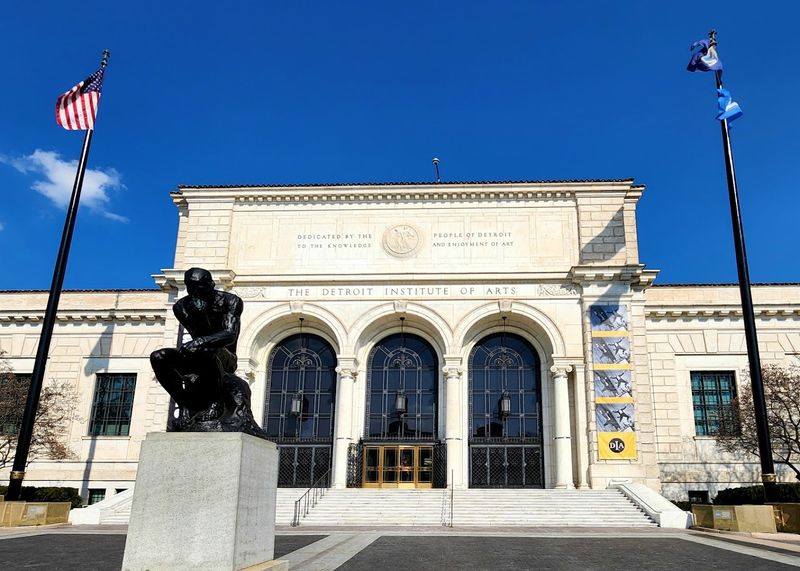
Step outside and the Detroit Institute of Arts faces you like a thoughtful neighbor, making the block feel like a shared campus. Students stream by, strollers wheel past, and banners ripple along the Cultural Center. The quiet observation is that this library holds its ground with grace, neither competing nor hiding.
Wayne State buildings stitch the edges into a steady academic breeze. History ties the institutions together through a century of public commitment to learning. I like to cross the street after a reading session, then return for another hour of writing.
Visitor tip: time your visit between museum rushes, and let the plaza serve as an intermission; your senses will reset, and the library’s interior will bloom again.