
5 Florida Beaches Where You’re Most Likely To Find Shark Teeth And Take Home A Rare Treasure
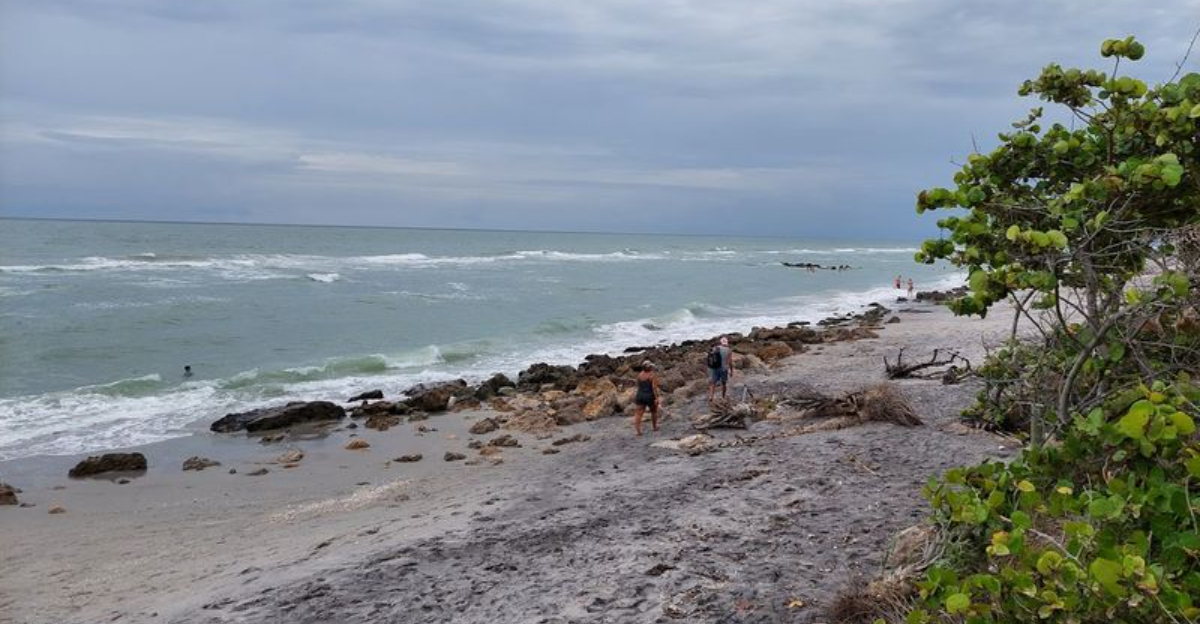
I didn’t expect a simple walk along a Florida beach to turn into something I would get completely hooked on, but that changed the moment I spotted my first shark tooth in the sand.
What starts as a casual stroll quickly becomes something more. Your eyes adjust, your pace slows, and suddenly every shell and dark shape feels like it might be the one.
Before long, you are not just walking, you are searching.
Florida has a way of making this feel easy. Its unique geology and ancient ocean floors mean these small, fossilized pieces of history are still scattered along the shoreline, waiting to be found.
Some beaches are better than others, though, and once you know where to look, the chances of finding something special go up fast.
People say once you find your first shark tooth, you will never walk a beach the same way again… and they are right.
1. Caspersen Beach, Venice
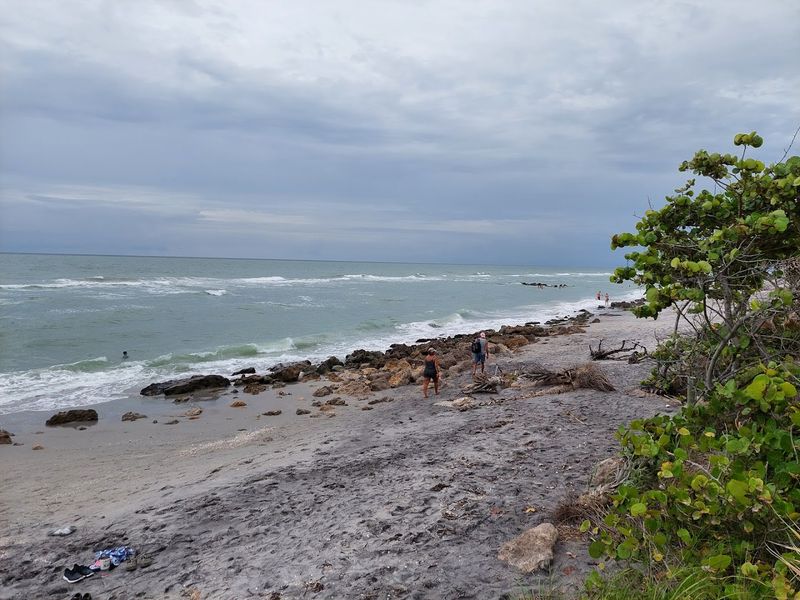
Locals around Venice, Florida will tell you without hesitation that Caspersen Beach is the crown jewel of shark tooth hunting on the Gulf Coast.
Sitting at the southern end of Venice, this beach sits right on top of an ancient phosphate-rich layer that constantly churns fossilized shark teeth up through the sand and into the surf.
I spent an entire morning here dragging a mesh sifter through the shallow water, and by lunchtime I had collected over two dozen teeth, including a gorgeous two-inch Megalodon fragment that made me forget I had skipped breakfast.
The beach is less developed than other spots, which means fewer crowds and more undisturbed stretches of sand to comb through at your own pace.
Low tide is your best friend here, since that is when the most teeth get exposed along the waterline.
Caspersen rewards patience in a way that few other beaches can, and walking away with a pocketful of ancient shark teeth never gets old.
2. Manasota Key, Englewood, Florida
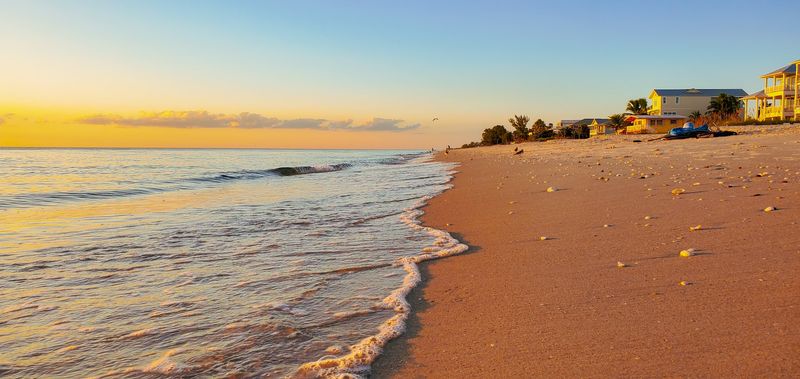
Tucked between Englewood and Venice along the Gulf Coast, Manasota Key carries a quiet, old-Florida energy that immediately slows you down and makes you want to look closer at everything beneath your feet.
The northern end of the key, accessible through Manasota Beach County Park, is particularly productive because the nearshore sediment here is thick with fossilized material pushed in from offshore deposits.
I remember kneeling in ankle-deep water on a calm Tuesday morning, watching a dark triangle catch the light among a cluster of shells, and feeling that specific jolt of excitement that only a good find can deliver.
The beach here is narrow and natural, lined with sea grapes and Australian pines that give the whole stretch a slightly wild, undiscovered feel.
Unlike the more tourist-heavy spots nearby, Manasota Key tends to attract serious hunters who know what they are looking for, which means the vibe is focused and genuinely fun.
Arrive early, bring a sifter, and plan to stay longer than you originally intended.
3. Casey Key, Nokomis
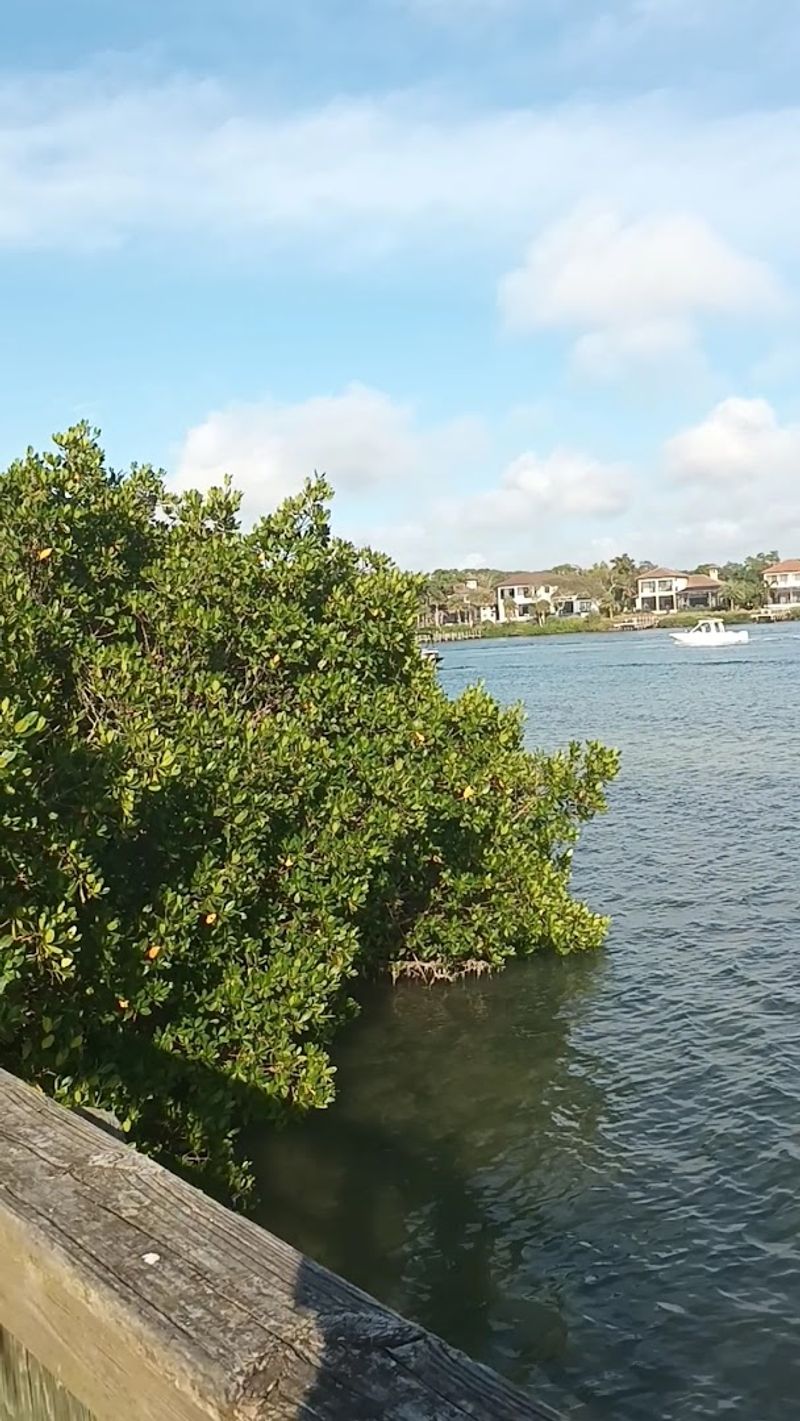
Casey Key sits just north of Venice along Florida’s Gulf Coast, and its narrow, residential shoreline hides one of the more underrated shark tooth hunting grounds in the entire state.
Because the island is largely private and sees far less foot traffic than Venice’s main beaches, the teeth that wash ashore here tend to sit undisturbed longer, giving you a better shot at a fresh find.
The southern tip of the key, accessible through public beach access points, is where I have had some of my best luck, particularly after a storm churns up the bottom sediment and delivers a fresh batch of fossils to the waterline.
The teeth found here range from small, sharp modern specimens to larger, darker fossilized examples that are clearly ancient, sometimes showing the distinctive serrated edges of a prehistoric Mako or Megalodon.
Parking is limited, so arriving early is not just a tip, it is practically a requirement.
Casey Key is the kind of spot that rewards the curious traveler who does a little homework before showing up.
4. Mickler’s Landing, Ponte Vedra Beach
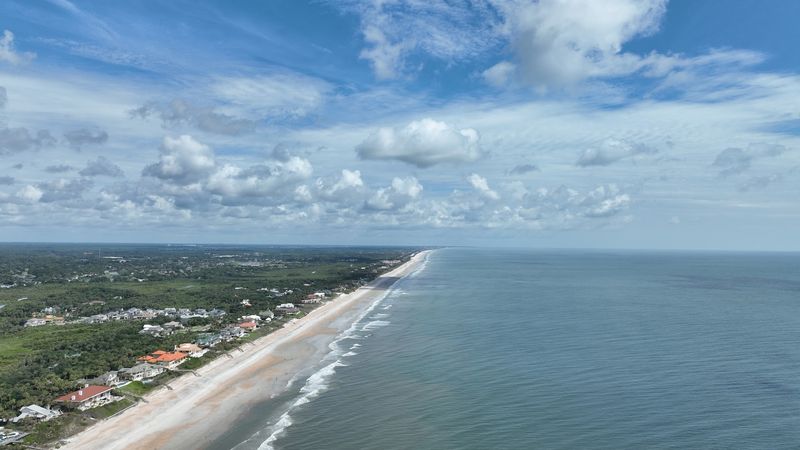
On Florida’s northeastern Atlantic Coast, Mickler’s Landing in Ponte Vedra Beach has built a rock-solid reputation as the best shark tooth beach on that side of the state.
St. Johns County maintains the beach access here, and the parking and facilities are well-organized, making it an easy destination for families who want to combine a genuine fossil hunt with a relaxed beach day.
The secret to Mickler’s success is its proximity to ancient offshore fossil beds that sit just beneath the ocean floor, constantly feeding the shoreline with fossilized teeth from sharks that swam these waters millions of years ago.
I found my first legitimate Megalodon tooth fragment at Mickler’s Landing on a drizzly November afternoon when most beachgoers had stayed home, which turned out to be the perfect time to hunt since the rain had stirred up the sand beautifully.
Darker, heavier objects are almost always worth picking up here, since fossilized teeth are denser than shells and tend to sink into the wet sand near the waterline.
Mickler’s Landing proves that the Atlantic side of Florida has plenty to offer the dedicated tooth hunter.
5. Fort Clinch State Park Beach, Fernandina Beach
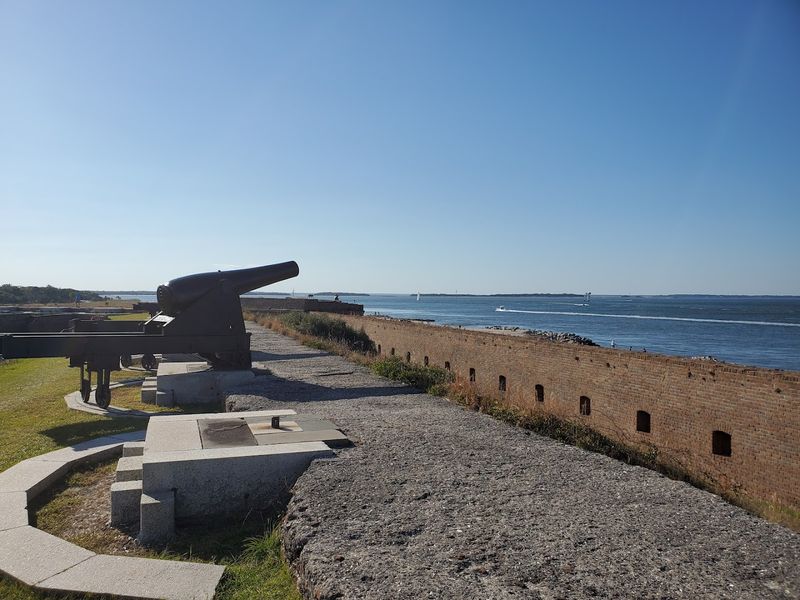
Standing on the beach at Fort Clinch State Park on Amelia Island in Fernandina Beach, you get the rare feeling of being somewhere that history and natural treasure genuinely overlap.
The park sits at the northern tip of Amelia Island, right where the Atlantic Ocean meets the Cumberland Sound, and that dynamic mixing of currents is exactly what makes the beach here so productive for fossil hunters.
The strong tidal action pulls sediment from offshore fossil beds and deposits it along the shoreline in a steady, natural cycle that keeps replenishing the supply of teeth throughout the year.
I hunted here on a crisp January morning with the fort’s brick walls visible just over the dunes, and the combination of the historic setting and the thrill of finding a jet-black fossilized tooth made for one of my most memorable Florida beach days.
The park charges a small entry fee, but the preserved natural environment and the lack of heavy commercial development make it absolutely worth every cent.
Fort Clinch is living proof that some of Florida’s best-kept secrets sit quietly behind a state park entrance sign.