
Top 10 Pennsylvania Locations For Finding Quartz, Fossils, Crystals, And More
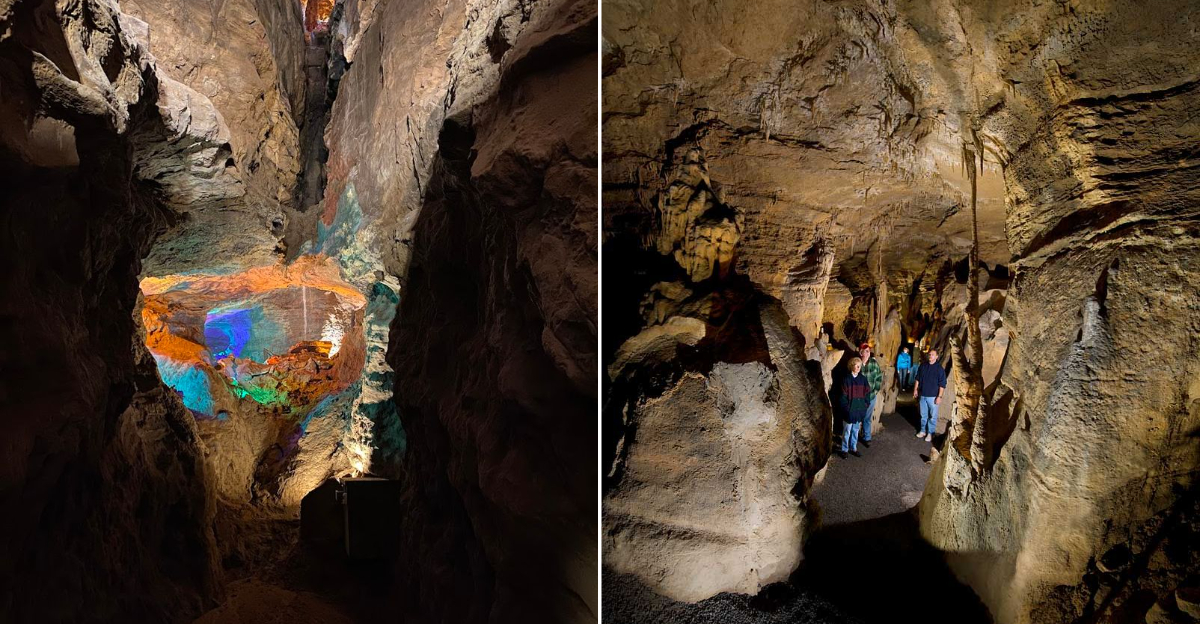
There is something wildly satisfying about hunting for your own little piece of wonder.
A sparkling crystal, a fossil with a story, a chunk of quartz catching the light just right, it all turns an ordinary outing into a full-on treasure chase.
Pennsylvania happens to be a fantastic place for that kind of adventure, with landscapes that invite curiosity, reward patience, and make every patch of ground feel like it might be hiding something special. This kind of trip has a built-in thrill that never gets old.
Part nature walk, part scavenger hunt, and part hands-on history lesson, it brings together discovery, surprise, and just enough dirt on your shoes to make the day feel well spent.
Some places offer beautiful views. Others give you the chance to actually take part in the excitement, scanning the ground for glittering clues and ancient finds that make your inner collector come alive.
I always get a little too invested in outings like these, because once I spot something interesting in the dirt, I lose all sense of time and start convincing myself the next great find is just one more careful look away.
1. Montour Preserve Fossil Pit, Danville
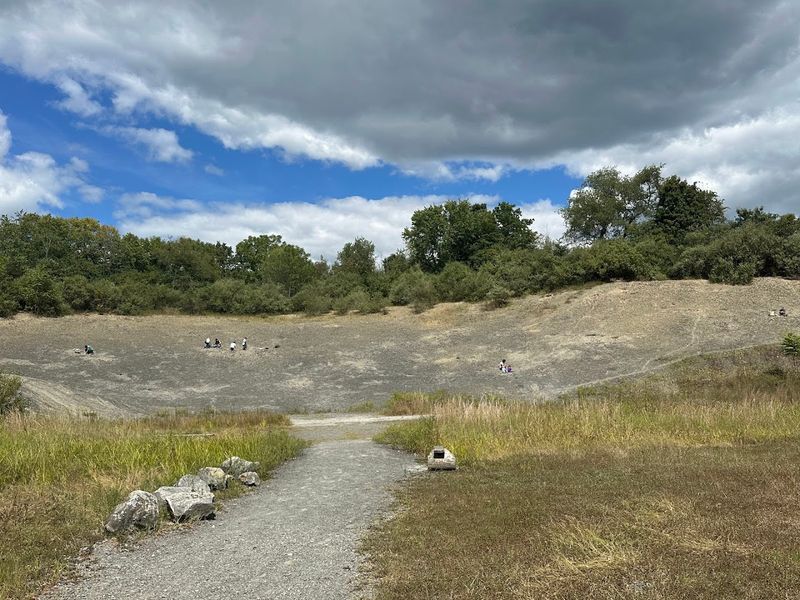
Right in the heart of Montour County, the Montour Preserve Fossil Pit near Danville is one of the most family-friendly fossil-hunting experiences Pennsylvania has to offer.
This dedicated fossil pit was created specifically for visitors who want a hands-on experience without needing expert knowledge or expensive gear.
The pit is filled with fossil-rich shale, and it regularly turns up marine fossils like brachiopods, crinoids, corals, and trilobites that are hundreds of millions of years old.
Kids and adults alike find themselves completely absorbed in the digging process, often losing track of time while sifting through layers of exposed Devonian rock and shale fragments.
Montour Preserve also features walking trails, a lake, and a nature center, making it a full day out for the whole family. The fossil pit is open from dawn to dark year-round for visitors every single day.
What you find at Montour Preserve, you get to keep, which makes every visit feel like opening a gift from the ancient past.
2. Swatara State Park, Pine Grove
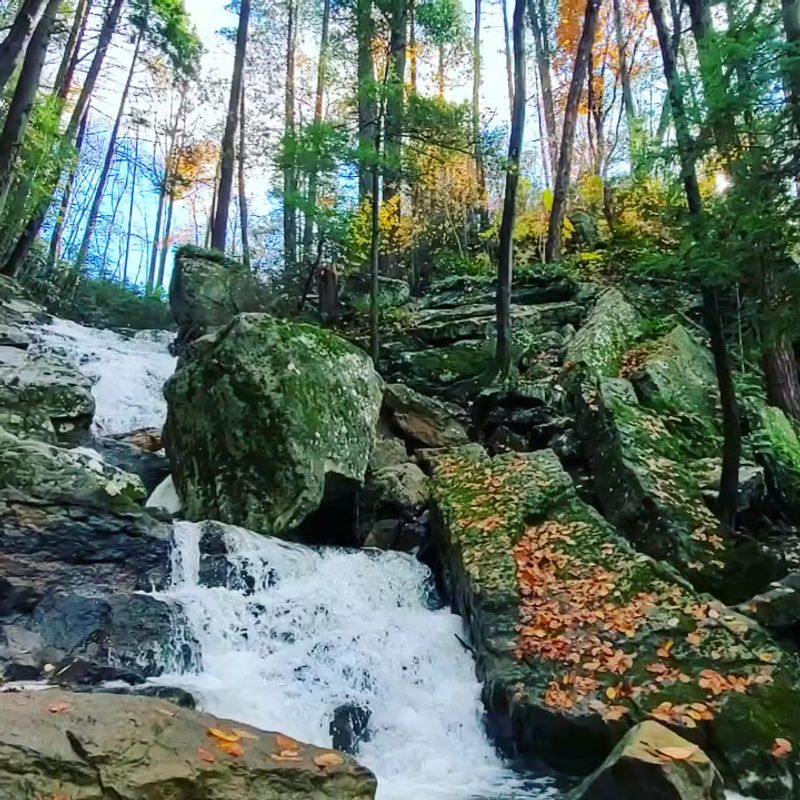
Flowing through the ridges of Schuylkill and Lebanon counties, Swatara Creek is the beating heart of Swatara State Park near Pine Grove, and it has become a fossil destination for visitors in recent years.
The park sits within an ancient marine landscape where sedimentary rock layers preserve evidence of life from millions of years ago.
Visitors to Swatara State Park are better off looking for fossils than quartz crystals, because official geology information highlights marine fossil beds along Bear Hole Trail today.
That makes this park especially appealing to beginners who want a real fossil-collecting experience without needing much more than careful eyes and patience.
Beyond the fossil hunting, Swatara State Park offers excellent hiking, fishing, and wildlife watching, so there is always something to enjoy even on a discovery day.
The park covers thousands of acres of forested ridgelines and open meadows.
Spending a morning exploring the fossil site at Swatara State Park and then hiking out through the trees afterward is a satisfying way to spend a day outdoors.
3. Little Buffalo State Park, Newport
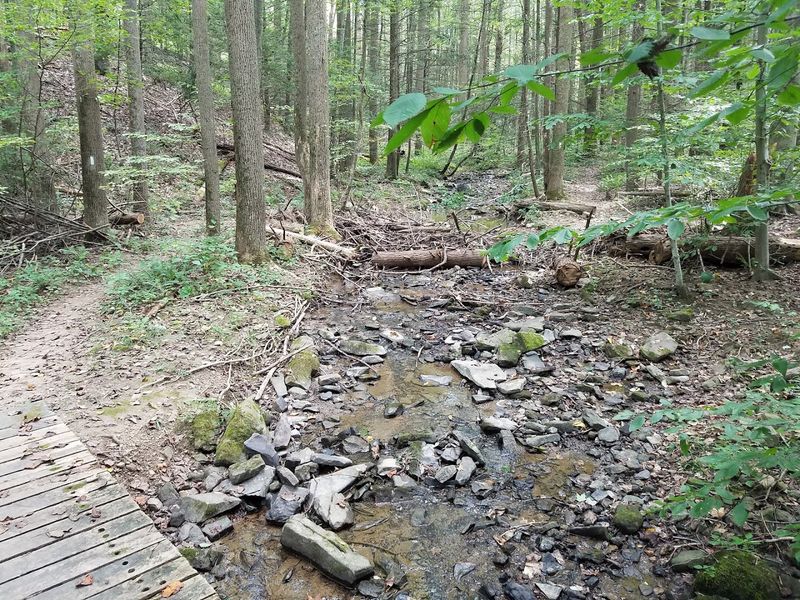
Tucked into Perry County just outside Newport, Little Buffalo State Park is a quieter gem on the Pennsylvania fossil-hunting circuit, and that low profile is honestly part of its appeal.
The park sits on Devonian shale and sandstone, and its official guide says several shale pits allow visitors to look for evidence of the ancient past there today.
Little Buffalo State Park is particularly appealing to visitors who enjoy combining a relaxed nature walk with some supervised fossil hunting.
The park guide specifically mentions trilobites, crinoids, and brachiopods in the area’s Devonian rocks, and it advises visitors to contact the park office for rules regarding fossil hunting before they start searching anywhere in the park.
The park also has a historic grist mill, a covered bridge, and Holman Lake for fishing, which rounds out a visit nicely.
Swimming is prohibited in the lake, but the park does have a pool. Little Buffalo State Park rewards careful, patient visitors here.
The combination of history, scenery, and geological variety here is genuinely hard to beat.
4. Beltzville State Park, Lehighton
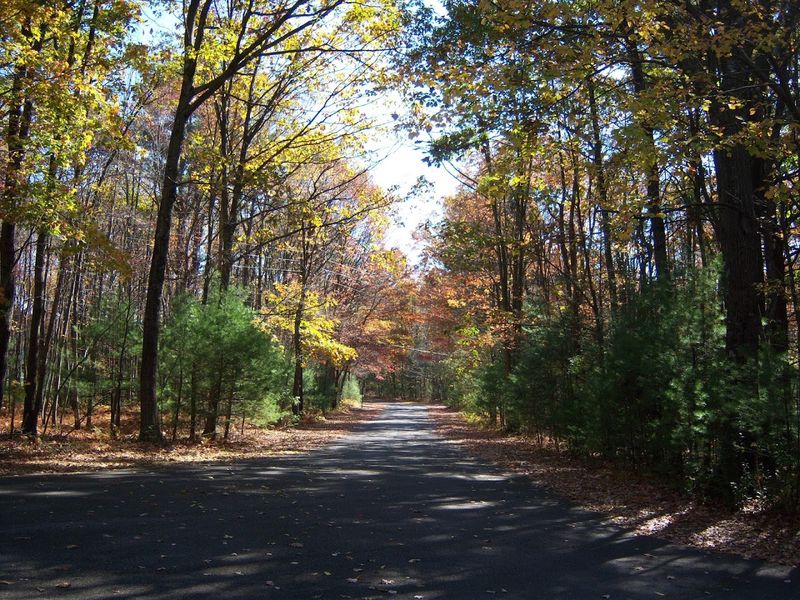
Carbon County’s Beltzville State Park, located near Lehighton, is best known for its large reservoir and popular summer beach, but the geology here deserves just as much attention.
Current park materials emphasize Devonian fossils and local geologic history much more clearly than casual mineral collecting along the public shoreline, stream mouths, or exposed park edges today.
Visitors to Beltzville State Park can learn about local fossils through park programs and exhibits, and recent DCNR events have offered supervised fossil digging in the restricted spillway area.
That is better supported than broad claims about quartz, pyrite, and mineral-rich shorelines producing routine collector finds for the public.
Beltzville State Park still draws a mixed crowd of beachgoers, hikers, and boaters, so geology-minded visitors can still work paleontology into a broader day outdoors.
The lake, trails, and scenic overlooks make the park worth exploring carefully.
Spending a few hours learning about the fossils and geology at Beltzville State Park before cooling off by the lake afterward sounds like a pretty ideal summer afternoon to many curious visitors today.
5. Historic Crystal Cave, Kutztown
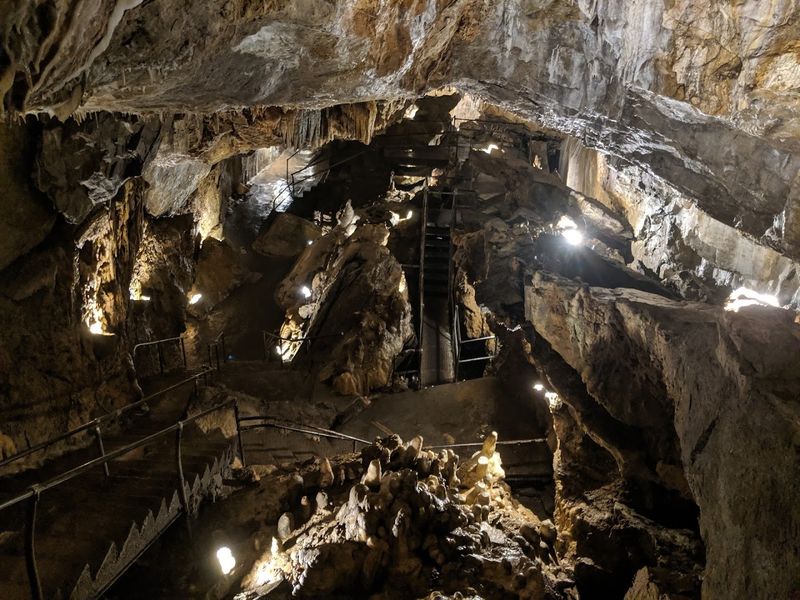
Discovered in 1871 by workers quarrying limestone, Historic Crystal Cave near Kutztown in Berks County has been wowing visitors ever since.
The cave gets its name from the stunning calcite and aragonite crystal formations that line its walls and ceilings, creating a sparkling underground world that feels completely removed from everyday life above ground.
Guided tours wind through the cave’s passages, pointing out formations with names like the Ballroom and the Crystal Grotto, each one more impressive than the last.
Historic Crystal Cave maintains a constant cool temperature year-round, making it a refreshing escape in summer and a cozy underground retreat in cooler months.
The property also includes a gem sluicing attraction where visitors can pan for minerals and gemstones, adding an interactive element that younger visitors especially love.
Historic Crystal Cave has been a family-run attraction for generations, and that personal touch shows in the quality of the tours.
A visit here is equal parts science lesson and genuine wonder, and the crystal formations alone are worth the trip to Kutztown.
6. Lost River Caverns Gem Mill, Hellertown
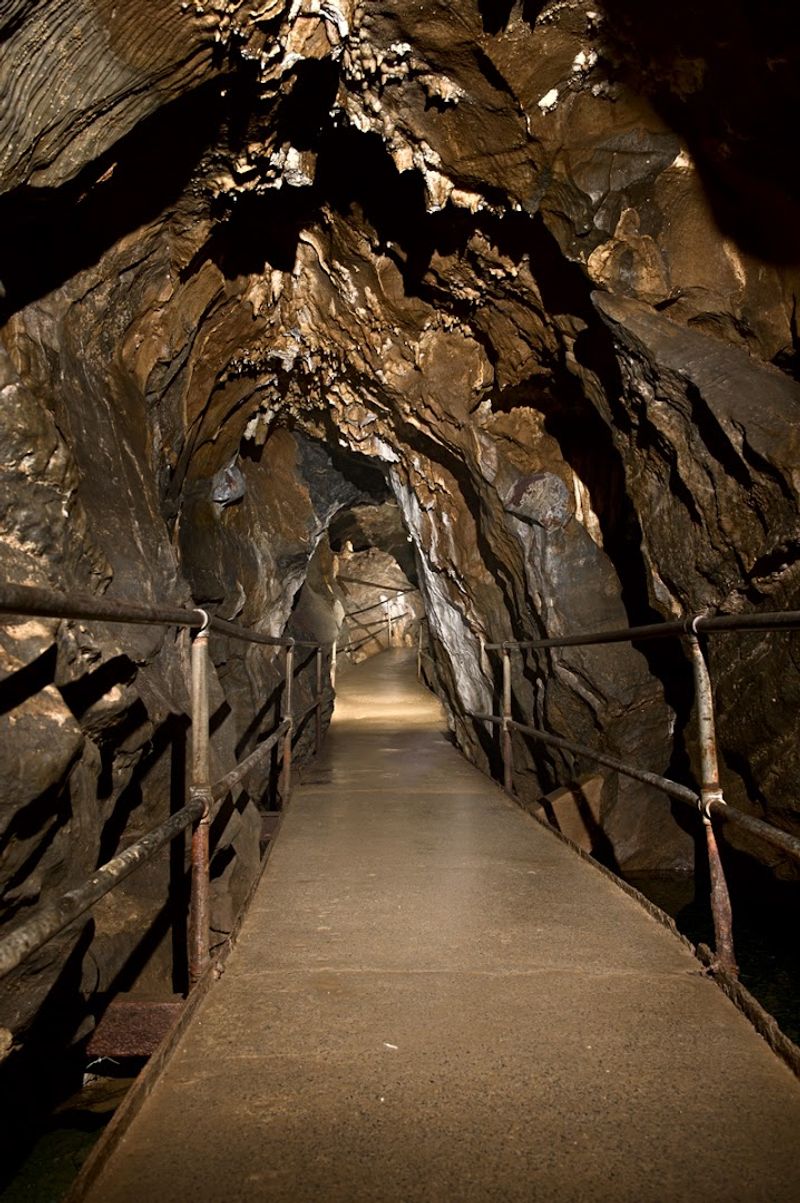
Just south of Bethlehem in Northampton County, Lost River Caverns in Hellertown offers one of the most entertaining mineral experiences in the state, and the Gem Mill on the property is a big reason why.
The official site says the water-operated sluice lets visitors uncover their own gemstones after buying panning bags in the gift shop for the activity on-site today.
Lost River Caverns itself is a natural limestone cave with an underground river, paved walkways, and formations that make the guided tour the main attraction for visitors.
The cave tour and the Gem Mill together make for a well-rounded visit that satisfies both the science-minded and adventurous.
The current official site supports gemstone panning at the Gem Mill, but it does not spell out graded bags or the exact fossil-and-gem mix described here.
Lost River Caverns was discovered in 1883, but the cave attraction says it has been operating as a business since 1930 and still draws visitors who appreciate natural beauty and hands-on fun.
First-timers and repeat visitors alike tend to leave Hellertown with pockets full of keepers.
7. Echo Dell At Indian Echo Caverns Gem Mill Junction, Hummelstown
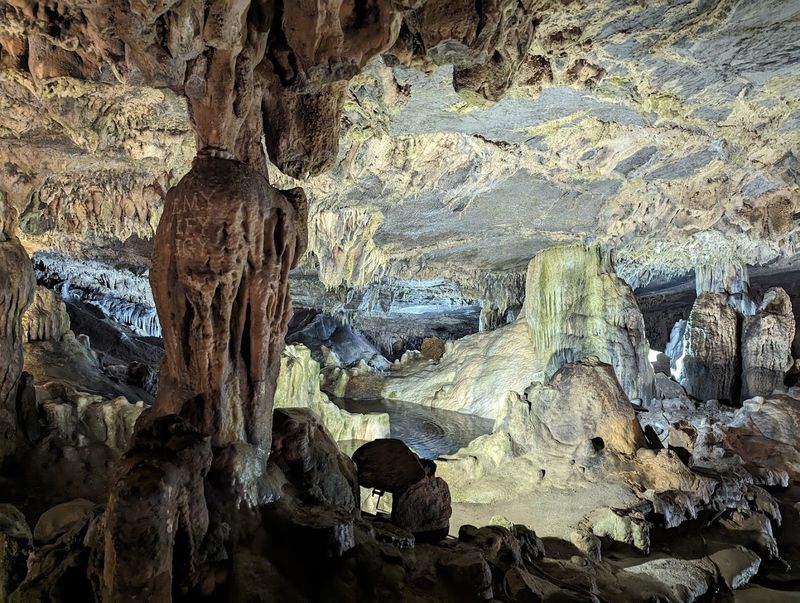
Indian Echo Caverns near Hummelstown in Dauphin County is one of central Pennsylvania’s most beloved natural attractions, and the Echo Dell Gem Mill Junction adds a hands-on activity to an already impressive underground tour.
The current official site confirms cave tours, a constant 52-degree temperature, and seasonal gem mining, but it does not specifically describe crystal-lined chambers anywhere online.
At the Gem Mill Junction, visitors of all ages can sluice through purchased bags and pull out real mineral finds as souvenirs.
The official site promotes Gem Mill mining and says it runs seasonally, making it a fun option for first-timers who want a simple hands-on geology experience during warmer parts of year.
Indian Echo Caverns also features a large gift shop where visitors can browse minerals, handmade Native American artwork, jewelry, clothing, and other gifts.
The combination of cave tour, outdoor gem mining, shopping, playground space, picnic areas, and petting animals makes this a fuller family attraction than a pure rockhounding destination, especially for curious kids and many first-time visitors looking for variety.
Echo Dell at Indian Echo Caverns has a way of turning casual visitors into curious geology fans before they reach the parking lot.
8. Laurel Caverns, Near Hopwood And Farmington
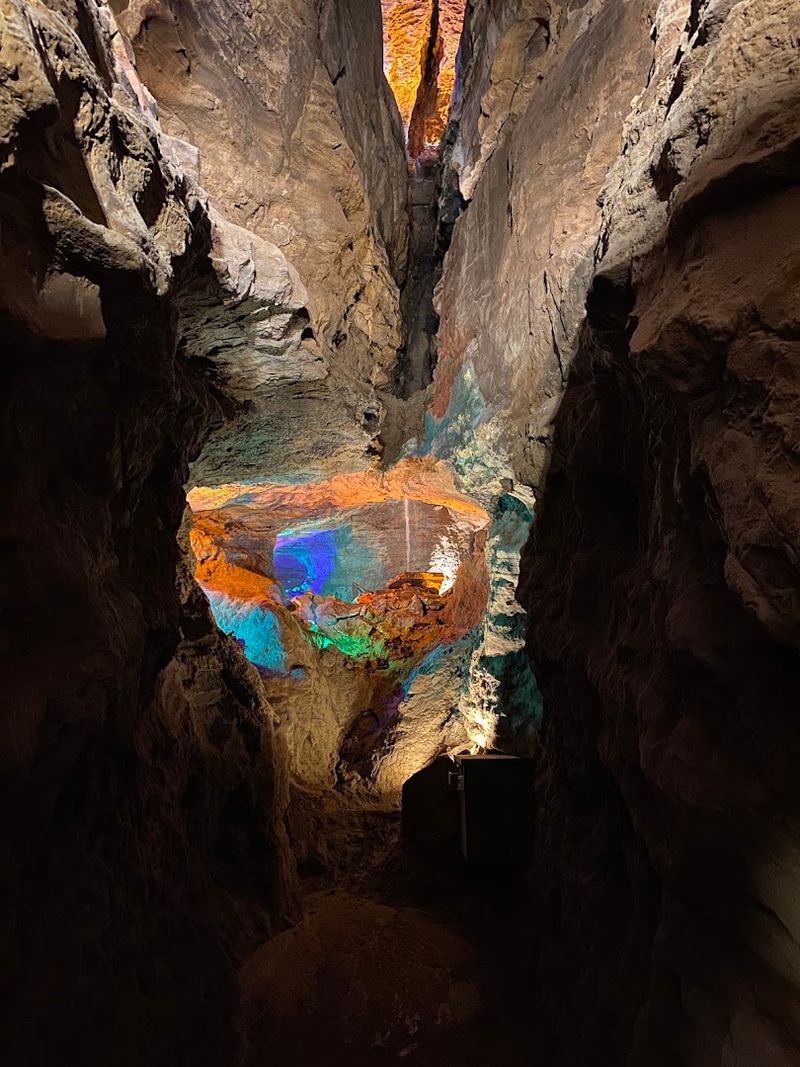
Pennsylvania’s largest cave, Laurel Caverns sits in the hills of Fayette County near Farmington, not far from Hopwood and the West Virginia line today.
The cavern system remains the focal point of Laurel Caverns State Park, but current official information says guided cave tours for the 2026 season begin on April 22 rather than operating year-round.
The cave geology at Laurel Caverns is described officially as calcareous sandstone rather than the more typical limestone seen in many Pennsylvania caves, which gives it a distinctly different look and texture.
The size, color variation, and unusual rock character still make the underground scenery striking for visitors and photographers alike.
Laurel Caverns still offers guided underground experiences, including adventurous caving options, but access to the caverns is permitted only with a guided tour.
Aboveground features and trails at Laurel Caverns State Park are open at no cost, and scenery is still worth exploring on the surface.
Laurel Caverns manages to feel both approachable for casual visitors and genuinely wild for those who want to go a little deeper below the ground.
9. Lincoln Caverns And Whisper Rocks, Huntingdon
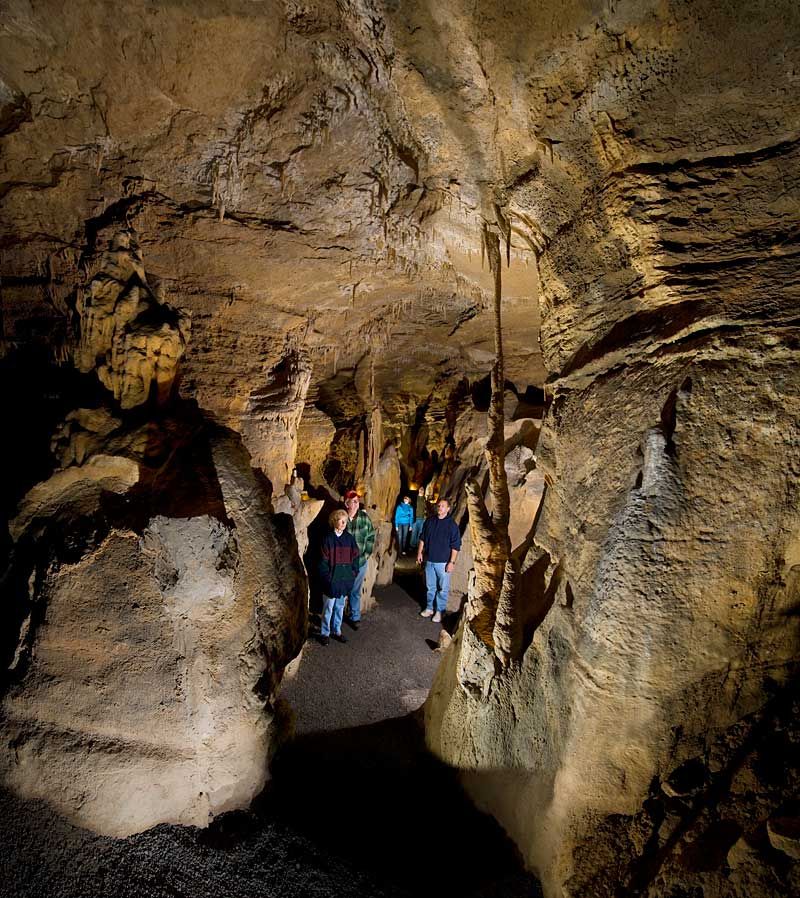
Sitting just west of the town of Huntingdon in Huntingdon County, Lincoln Caverns and Whisper Rocks is actually two cave systems in one property, which immediately sets it apart from most other cavern attractions in the state.
The caves were discovered separately in the 1930s and 1940s and are connected by a short outdoor walk, giving visitors a natural comparison between two distinct underground environments.
Lincoln Caverns is known for its extraordinary crystal formations, including some of the most brilliantly colored flowstone and stalactites in Pennsylvania.
Whisper Rocks, the second cave, has a different character entirely, featuring larger open chambers and a more rugged, raw appearance that feels genuinely wild.
The property also offers a gem sluicing activity where you can pan for minerals and keep what you find, adding an interactive layer to the visit that younger family members particularly enjoy.
Lincoln Caverns and Whisper Rocks has been operated as a family attraction for decades, and the care put into maintaining the experience shows throughout.
A morning spent exploring the two caves here leaves you with a strong appreciation for just how geologically complex this corner of Pennsylvania really is.
10. Penn’s Cave And Wildlife Park, Centre Hall
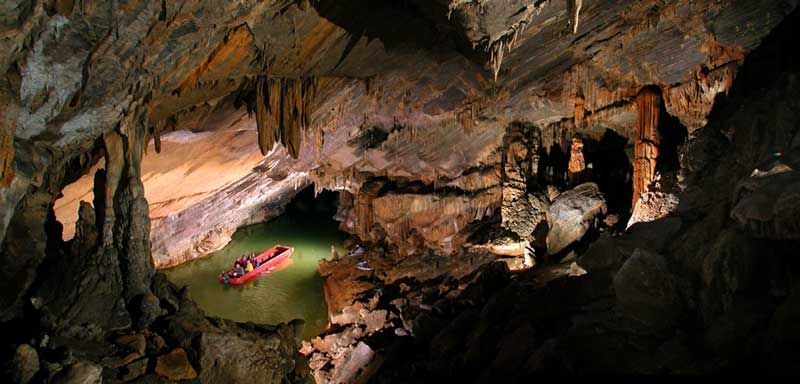
Penn’s Cave near Centre Hall in Centre County holds a distinction that no other show cave in the United States can claim: every inch of the cave tour is conducted entirely by boat.
Visitors float through the cave’s underground stream on flat-bottomed boats, passing beneath towering limestone formations and through chambers that open up in genuinely dramatic fashion.
The cave at Penn’s Cave has been open to the public since 1885, making it one of the oldest commercial cave attractions in Pennsylvania.
The waterway that runs through it connects to a surface lake, and the transition from underground darkness to open sky at the far end of the tour is one of those small travel moments that sticks with you long after the day is over.
Penn’s Cave also operates a Wildlife Park on the surrounding property where bison, elk, and other native species roam across open fields, making the whole visit feel like two distinct experiences rolled into one.
The mineral formations inside Penn’s Cave are spectacular, featuring massive flowstone columns and crystal-encrusted ceilings that reflect the boat lights beautifully.
Centre Hall may be a small town, but Penn’s Cave gives it an outsized reputation that is absolutely deserved.