
10 Hidden Desert Towns In Arizona Full Of Irresistible Charm
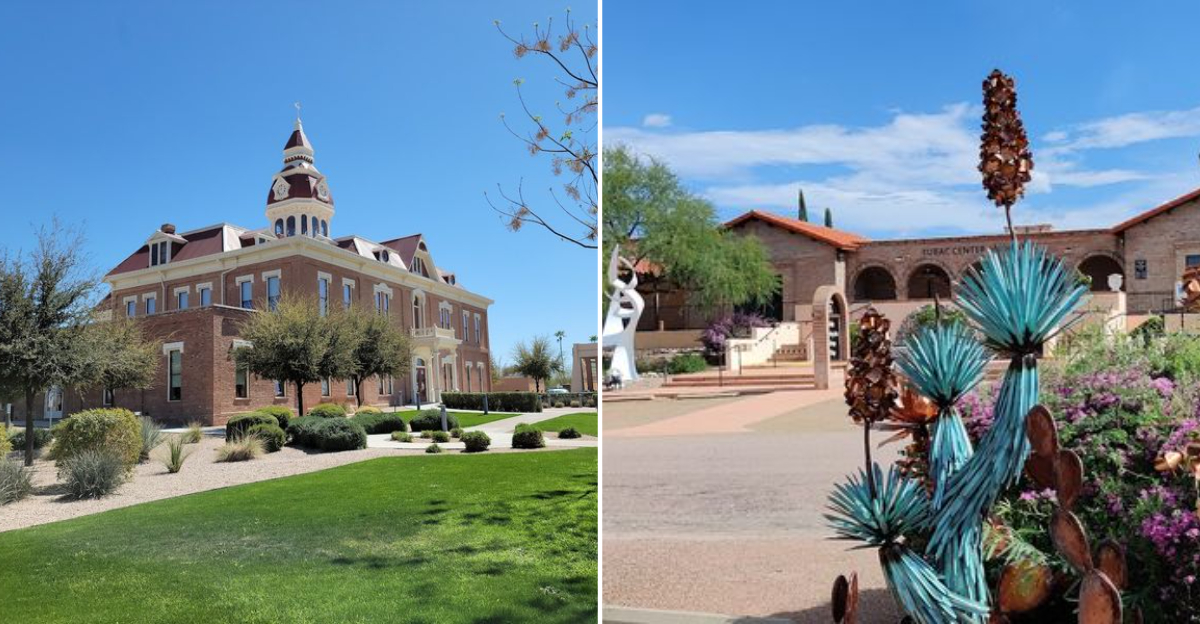
Arizona is full of surprises, and not all of them come with a crowd. Sometimes, I just need to get lost among the fiery red rocks and shifting golden sands to find my creative spark again.
I spent the last few weeks driving through the rugged heart of the desert, intentionally bypassing the famous landmarks to find the tiny places where history still hums in the afternoon breeze.
I caught sunsets that boasted more vivid shades of deep crimson than a basket of sun-ripened apples, melting slowly over jagged horizons as the stars began their nightly show.
These little-known sanctuaries are filled with eclectic local artists, creaky floorboards, and a charm that’s hard to put into words but impossible to forget once you’ve felt it. If you’re looking for a getaway that feels like a warm embrace from the past, follow me.
This list covers ten hidden desert towns that are full of character, history, and the kind of charm that makes you want to slow down and stay a little longer.
1. Ajo, Arizona
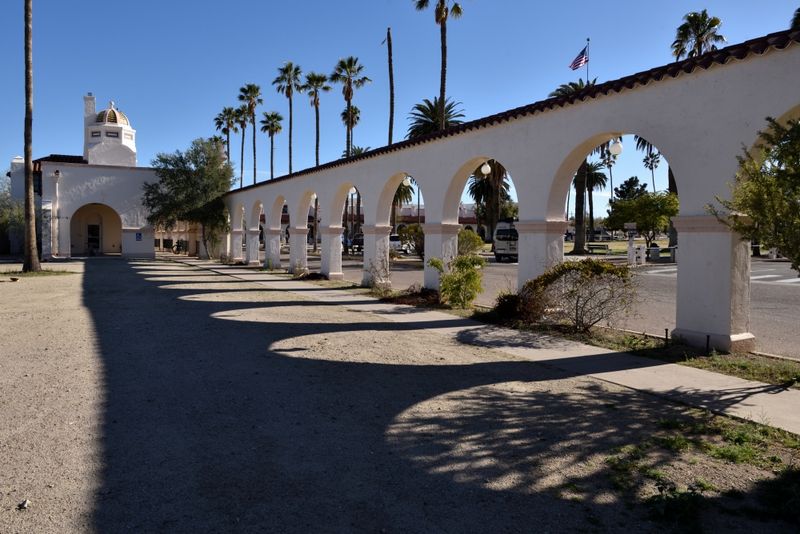
Surrounded by roughly 12 million acres of public and tribal land, Ajo sits far enough from the highway that most road-trippers never even think to turn off. That remoteness is exactly what makes it so special.
The town has a stunning Spanish-style plaza at its center, ringed by white archways and shaded courtyards that feel almost cinematic in the afternoon light.
Ajo has been quietly reinventing itself as a destination for artists, outdoor lovers, and anyone craving genuine solitude. The International Sonoran Desert Alliance has helped bring creative energy into the historic district, filling old buildings with studios and community spaces.
Nearby Organ Pipe Cactus National Monument adds serious outdoor appeal, with desert hikes that feel truly wild.
If you visit in winter, the mild temperatures make exploring completely comfortable. Pack a picnic, wander the plaza, and let Ajo work its slow, soulful magic on you.
There is a quiet beauty to Ajo that does not try too hard to impress you, which makes it even more memorable once it does. It feels like the kind of Arizona town people spend years claiming they discovered first, then hesitate to talk about too loudly.
2. Bisbee, Arizona
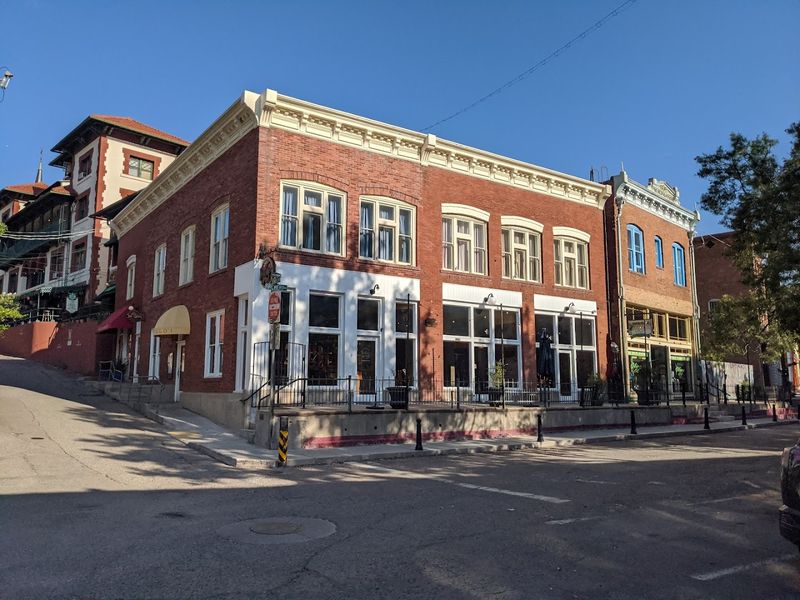
Clinging to the side of the Mule Mountains in southeastern Arizona, Bisbee is the kind of town that practically begs you to get lost in it.
Crooked staircases connect neighborhoods stacked on steep hillsides, and nearly every building has a story tied to the copper-mining era that once made this place one of the most productive mines in the American Southwest.
Today, Bisbee runs on creativity. Independent galleries, eclectic boutiques, and quirky coffee shops line Brewery Gulch and Main Street, drawing artists and travelers who appreciate a town with real personality.
The Queen Mine Tour takes you underground into the actual copper mine, which is one of the most memorable experiences in the state.
Bisbee also has a surprisingly cool climate compared to the rest of Arizona, making it a perfect escape during the warmer months. One afternoon here and you will completely understand why people move here and never leave.
3. Tubac, Arizona
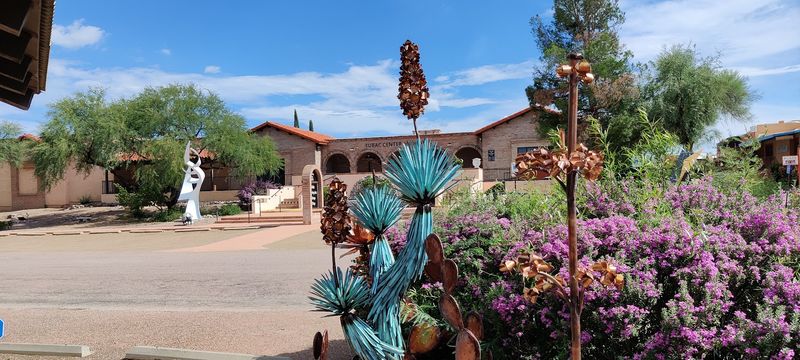
Tubac holds the quiet distinction of being Arizona’s oldest European settlement, and it wears that history with a relaxed, artistic confidence that is completely its own. What started as a Spanish presidio in 1752 has evolved into one of the most distinctive artist colonies in the entire Southwest.
Over 100 studios and galleries now fill the historic district, making it a genuinely rewarding place to browse original work.
The town sits along the Santa Cruz River in southern Arizona, just 45 miles south of Tucson. That setting gives Tubac a lush, green quality that surprises visitors expecting purely barren desert. Tubac Presidio State Historic Park is right in the heart of town and offers a fascinating look at the layered history of the area.
The annual Tubac Festival of the Arts, held each February, draws thousands of visitors who discover the town for the first time and immediately start planning their return trip.
There is an easy, unforced charm to Tubac that makes spending an afternoon there feel effortless. It is one of those rare Arizona towns where history, landscape, and creativity all seem to blend into the same calm rhythm.
4. Wickenburg, Arizona
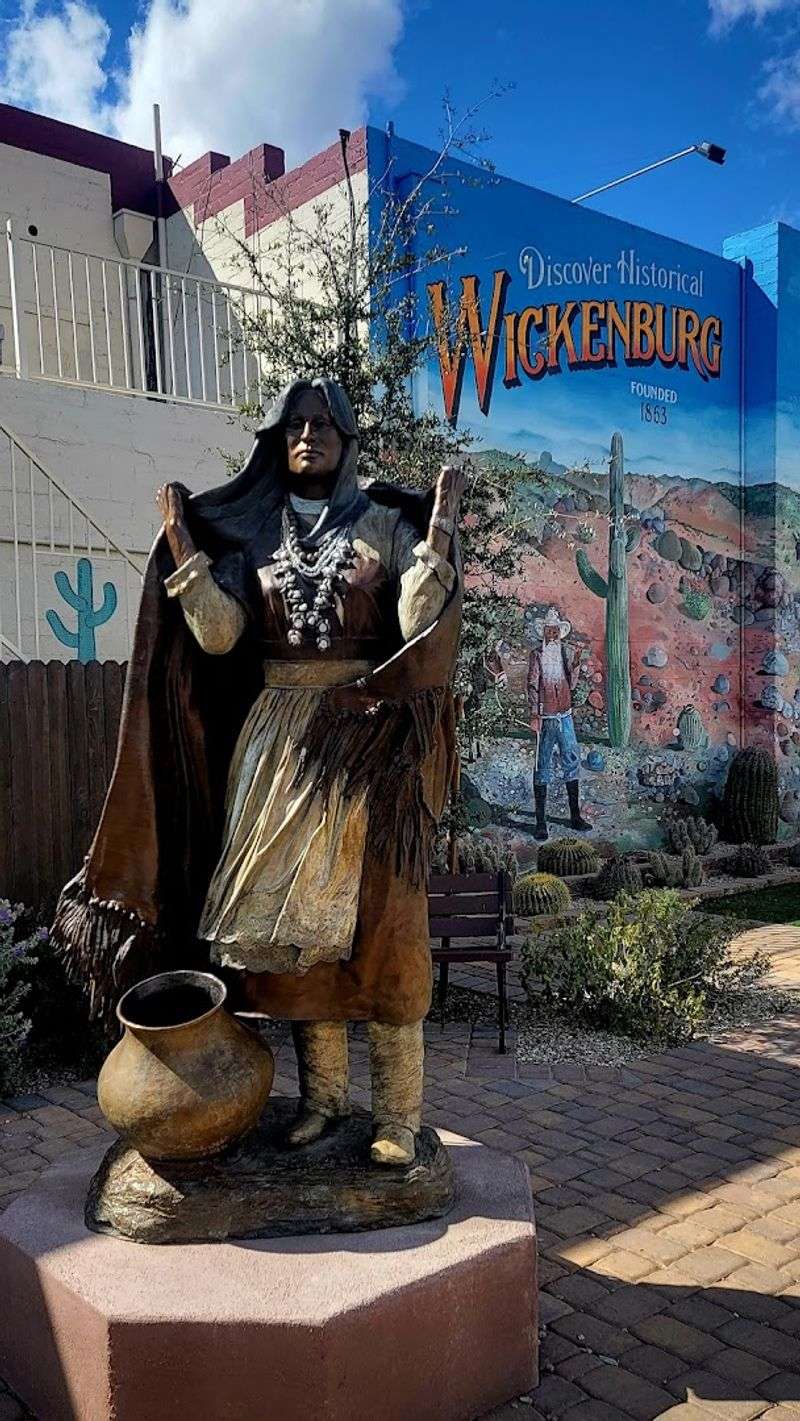
About 60 miles northwest of Phoenix, Wickenburg occupies a sweet spot where high-desert scenery meets genuine cowboy culture. This is not a manufactured Western theme park.
The rodeos, guest ranches, and equestrian trails here are the real deal, and the town has been living this identity since the gold rush days of the 1860s.
The downtown strip is compact and walkable, lined with Western-style storefronts, a respected desert art museum, and local shops that sell everything from handmade jewelry to custom saddles.
The Desert Caballeros Western Museum is genuinely worth a couple of hours, with a strong collection of Western art and regional history exhibits that cover everything from Native cultures to frontier life.
Wickenburg also sits near the Hassayampa River Preserve, a rare riparian habitat that draws birders year-round. Come for the cowboy culture, stay for the surprisingly rich natural landscape that wraps around this high-desert community on every side.
It feels polished enough for a weekend escape but still rooted enough to avoid feeling staged.
It is the kind of town that lets you lean into Arizona’s Western side without sacrificing charm, scenery, or a genuinely relaxed pace.
5. Superior, Arizona
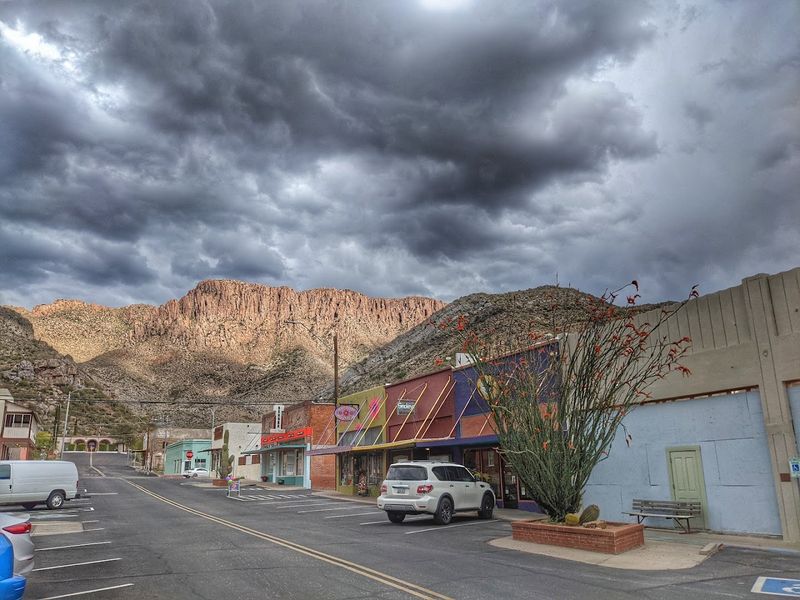
Perched between the dramatic rocky peaks of the Pinal Mountains and the sweeping desert floor of the Sonoran, Superior is one of those towns that rewards curiosity. Most people drive through on US-60 without stopping, which means those who do pull over get the place almost entirely to themselves.
The historic downtown has been slowly reviving, with murals, local shops, and a growing food scene adding fresh life to the old mining-era buildings.
Superior is also a serious destination for outdoor enthusiasts. The Arizona National Scenic Trail passes through the area, and the nearby Picketpost Mountain offers a challenging hike with panoramic views that are genuinely hard to beat.
The Boyce Thompson Arboretum, just a few miles west, is the oldest botanical garden in Arizona and a beautiful place to spend a quiet morning. There is something deeply satisfying about discovering a town like Superior before everyone else catches on to what it offers.
6. Patagonia, Arizona
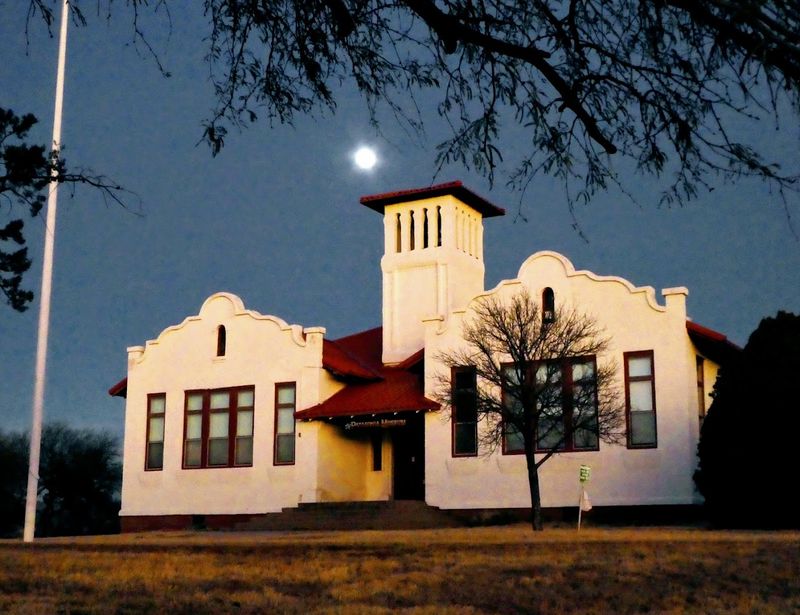
Patagonia has built a reputation on being practically unknown, and the town seems perfectly happy about that. Tucked into a grassy valley near the Mexican border in southern Arizona, it sits at a higher elevation than most desert towns, which gives it a cooler, greener character that feels almost unexpected.
The surrounding mountain ranges create a microhabitat that attracts an extraordinary variety of bird species.
Serious birders travel from across the country to spot rare species in Patagonia Lake State Park and the Patagonia-Sonoita Creek Preserve, both of which are considered world-class birding sites.
Beyond birding, the town itself has a laid-back, creative energy with local art, a small nature center, and a handful of genuinely good restaurants.
Patagonia rewards slow travel. The kind of trip where you wake up early, listen to the birds, wander the creek trail before breakfast, and realize by noon that you probably should have booked an extra night.
There is a softness to Patagonia that sets it apart from the harsher, more dramatic desert towns elsewhere in Arizona. Nothing here feels rushed, and that slower rhythm is a big part of why people fall for it so quickly.
It is one of those places that does not need big attractions to leave a lasting impression.
7. Florence, Arizona
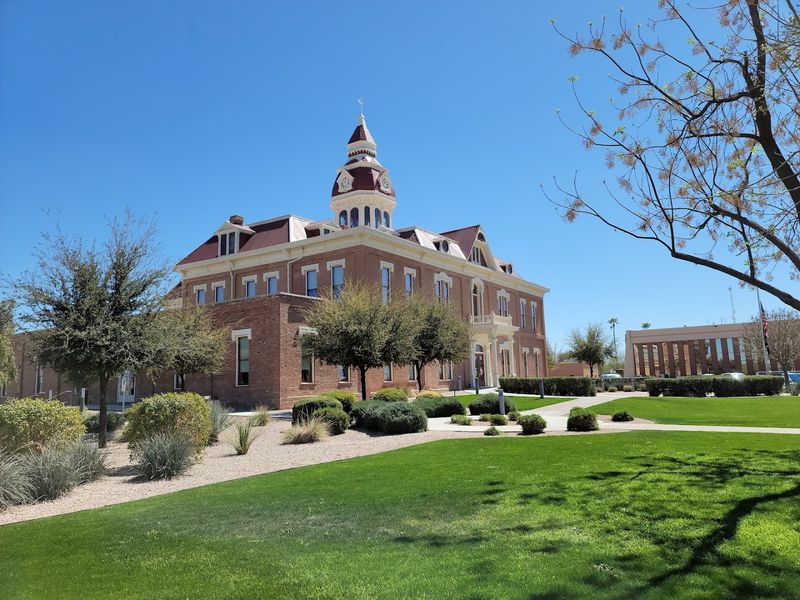
It does not shout for attention the way some Arizona towns do, and that understated quality is a big part of its appeal. Located about 60 miles southeast of Phoenix in Pinal County, this town has one of the highest concentrations of historic buildings in the entire state.
Over 25 structures on the National Register of Historic Places are scattered through the downtown area, covering styles from Victorian to Territorial adobe.
The McFarland State Historic Park tells the story of Arizona’s early statehood through the life of Ernest McFarland, a former governor and U.S. senator who called Florence home. The Pinal County Historical Museum adds even more depth to the area’s layered past.
Walking the streets here feels like flipping through a very well-preserved chapter of Arizona history.
Florence also hosts the annual Florence Junior Parades, one of Arizona’s oldest community celebrations, which gives the town a warm, lived-in character that purely touristy places rarely manage to replicate.
8. Globe-Miami, Arizona
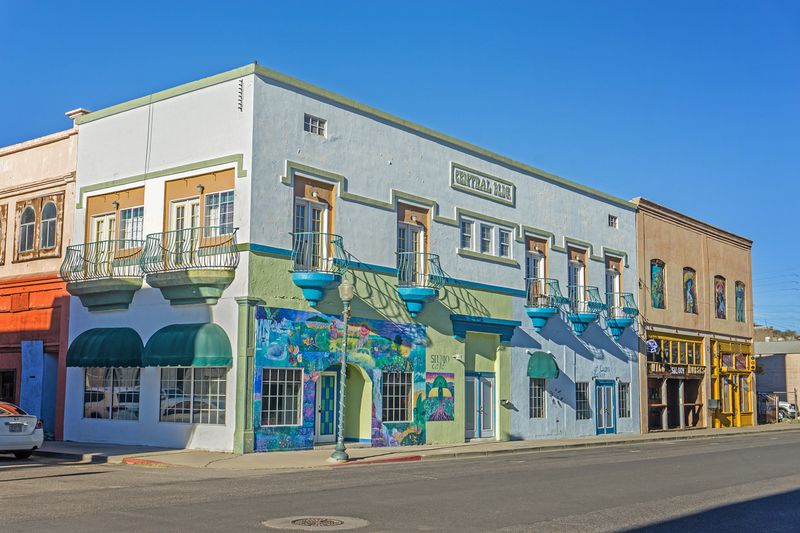
Globe and Miami sit so close together in the Tonto Basin of central Arizona that locals often treat them as one extended community, and for the purposes of a road trip, that approach makes complete sense. Together they offer a rich mix of copper-mining history, Native American heritage, antique shops, and a ghost-town atmosphere that has a genuine, unpolished quality to it.
Globe’s downtown is especially rewarding to explore on foot. The Cobre Valley Center for the Arts occupies a beautifully restored historic building, and the surrounding streets are lined with murals and vintage storefronts that feel authentically preserved rather than artificially curated.
Nearby Besh-Ba-Gowah Archaeological Park protects a fascinating Salado culture site dating back to the 1200s.
Miami adds its own layer of industrial history with the massive open-pit copper mine visible from several viewpoints around town. For anyone who loves history with a little grit and texture, Globe-Miami delivers in a way that feels completely honest.
9. Willcox, Arizona
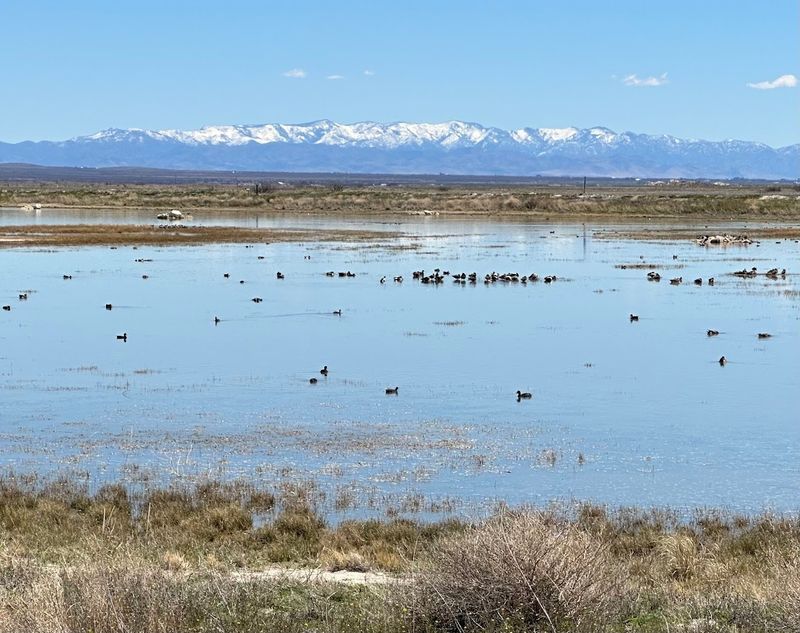
Wide open skies, sandhill cranes by the thousands, and rows of grapevines stretching toward the Dos Cabezas Mountains. Willcox, in southeastern Arizona, has quietly become one of the state’s most interesting small towns, and it earns that title through sheer variety.
The Willcox Playa, a dry lakebed outside of town, draws tens of thousands of migrating sandhill cranes each winter, creating one of the most striking wildlife spectacles in the Southwest.
The area around Willcox has also developed into a legitimate agricultural and wine-growing region, with several family-run operations producing distinctive wines that reflect the high-desert soil and climate.
Apple orchards have thrived here for decades, and the fall harvest season brings a festive, community-centered energy to the whole area.
Willcox was also the birthplace of Wyatt Earp, a detail that adds a nice historical footnote to an already compelling destination. This is a town that earns its charm through authenticity rather than effort.
There is a quiet spaciousness to Willcox that makes everything feel a little calmer the moment you arrive. It is the kind of place where birding, wine tasting, and small-town history somehow fit together without feeling forced.
For travelers who like their Arizona towns scenic, grounded, and a little unexpected, Willcox makes an easy case for the detour.
10. Safford, Arizona
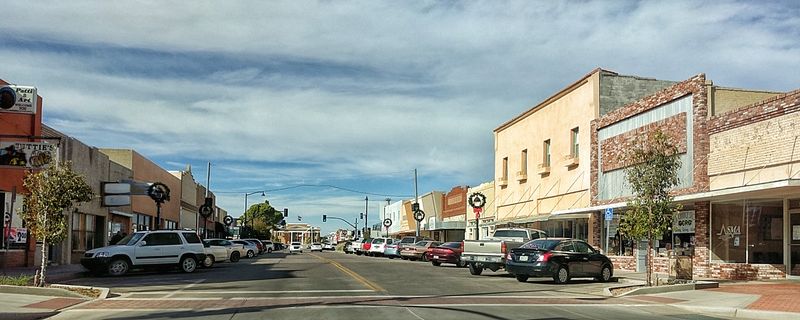
Safford sits in the Gila Valley of southeastern Arizona, backed by the towering Pinaleno Mountains and fronted by the kind of friendly, unpretentious main street that most small American towns can only dream about.
This is a place where the charm comes from real community life rather than tourism infrastructure, and that grounded quality is exactly what makes it stand out on this list.
The food scene alone is worth the drive. Safford has a strong Mexican culinary tradition, anchored by family-owned restaurants and a local tortilla factory that has been running for generations.
The nearby chile farms add an agricultural rhythm to the town that ties it closely to the land and the people who work it.
Mount Graham, rising to over 10,700 feet just south of town, offers dramatic hiking and even a world-class astronomical observatory at its summit. Safford is proof that the quietest towns sometimes carry the most rewarding surprises tucked right around the corner.
There is nothing overly polished about Safford, and that honesty is a big part of its appeal. It feels like the kind of place that reveals itself slowly, rewarding anyone willing to linger a little longer than planned.