
There’s A Full-Size Stonehenge Replica In Washington And It’s Hauntingly Beautiful
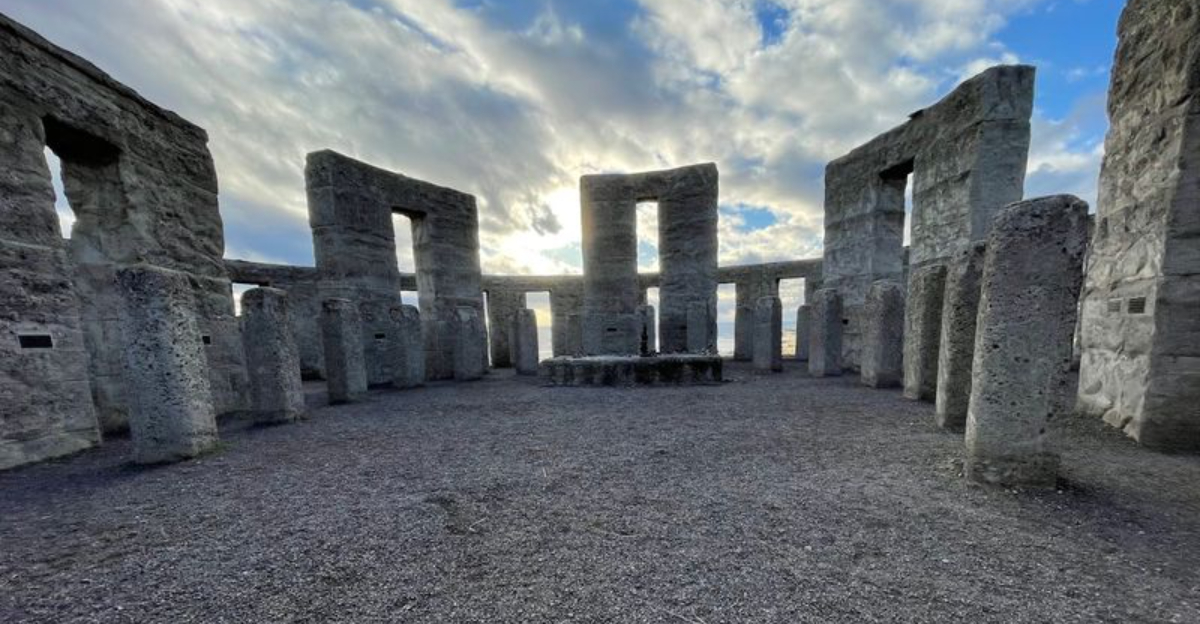
When I first climbed the slope, I expected a tourist attraction, but what I found was a profound silence that seemed to vibrate in my chest.
Surrounded by empty fields and vast, open skies, the circle stood as a stark reminder of human grief and resilience. I lost track of how long I leaned against those massive pillars, watching the light change.
Seeing this exact blueprint of a faraway marvel, I couldn’t help but marvel at the visionaries who built it. Washington is a land of mountains and rain, yet it keeps this giant, granite secret tucked away, a hauntingly beautiful puzzle that reminds us how much we crave a connection to the ancient, eternal horizon.
This hauntingly beautiful structure serves as America’s first World War I memorial, honoring the fallen soldiers of Klickitat County while reminding us all of the costs of conflict.
What makes this place so captivating isn’t just its unexpected location in the Pacific Northwest, but the powerful story behind why it was built and what it represents.
A Monument Born From Pacifist Conviction
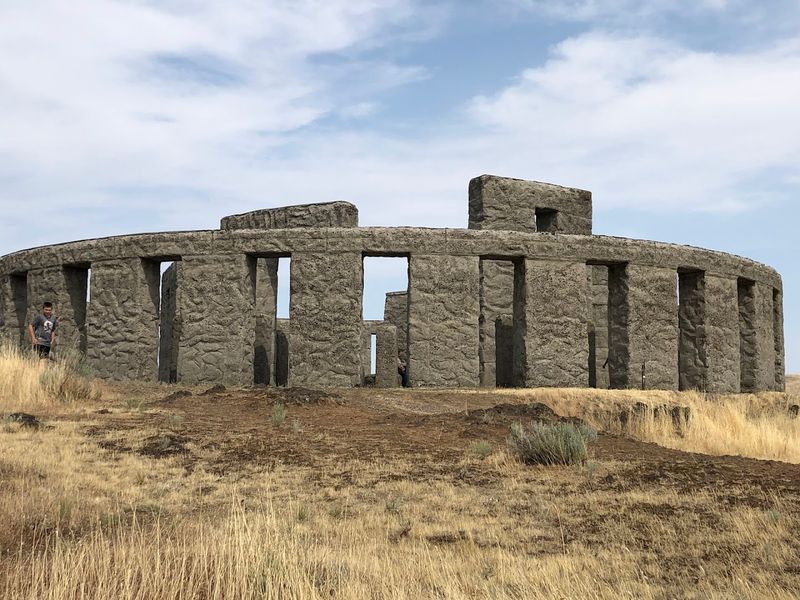
Samuel Hill was a Quaker pacifist who believed war represented humanity’s greatest folly. When he learned that the original Stonehenge was thought to be a site of human sacrifice, he saw a perfect symbol for his anti-war message.
Construction began in 1918, during the final months of the Great War, and the memorial was dedicated on July 4th of that same year. Hill wanted this concrete circle to stand as a permanent reminder that young soldiers were being sacrificed just as surely as ancient victims at the original stones.
The memorial specifically honors the thirteen servicemen from Klickitat County who perished during World War I. Walking among these towering pillars, I felt the weight of that intention.
The structure wasn’t completed until 1929, eleven years after that first dedication ceremony. Hill poured his resources and passion into creating something that would outlast him and continue speaking his message of peace.
Standing there, you can’t help but reflect on the lives lost and the enduring hope that we might learn from history’s darkest chapters.
Concrete Giants On The Columbia
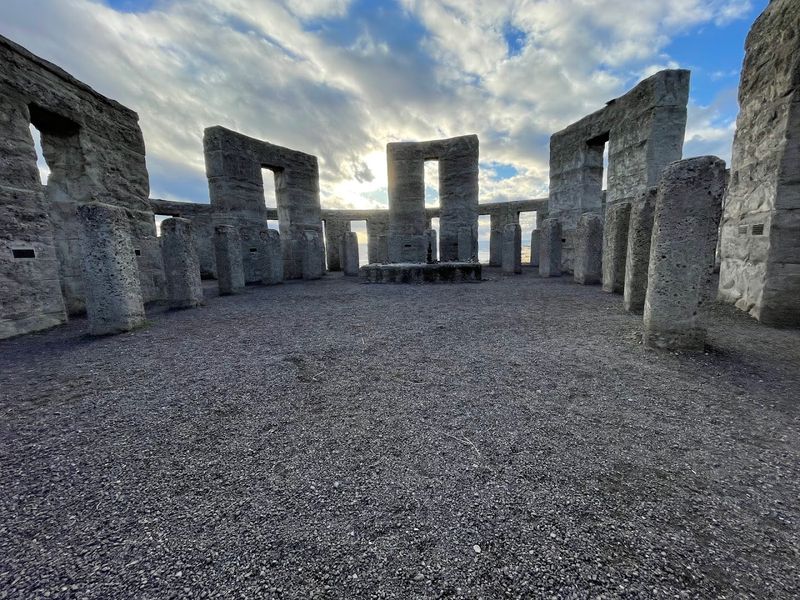
Unlike the weathered sarsen stones of Salisbury Plain, this Stonehenge is built entirely of reinforced concrete. I ran my hands along the smooth surfaces, feeling the solidity that has allowed this structure to withstand nearly a century of Pacific Northwest weather.
The builders chose concrete for its durability and because quarrying and transporting massive stones to this remote location would have been impossibly expensive.
The memorial replicates Stonehenge as it might have appeared when complete, not as the partial ruin we see in England today. All the lintels are in place, creating the full circle of horizontal stones that crown the vertical pillars.
This gives you a sense of the original monument’s intended grandeur that you can’t quite grasp at the actual Stonehenge.
Perched on a bluff near Maryhill, Washington, the monument commands breathtaking views of the Columbia River Gorge. The location itself adds to the memorial’s power, isolated and dramatic, where earth meets sky in a landscape that feels timeless and sacred.
Astronomical Alignment With A Twist
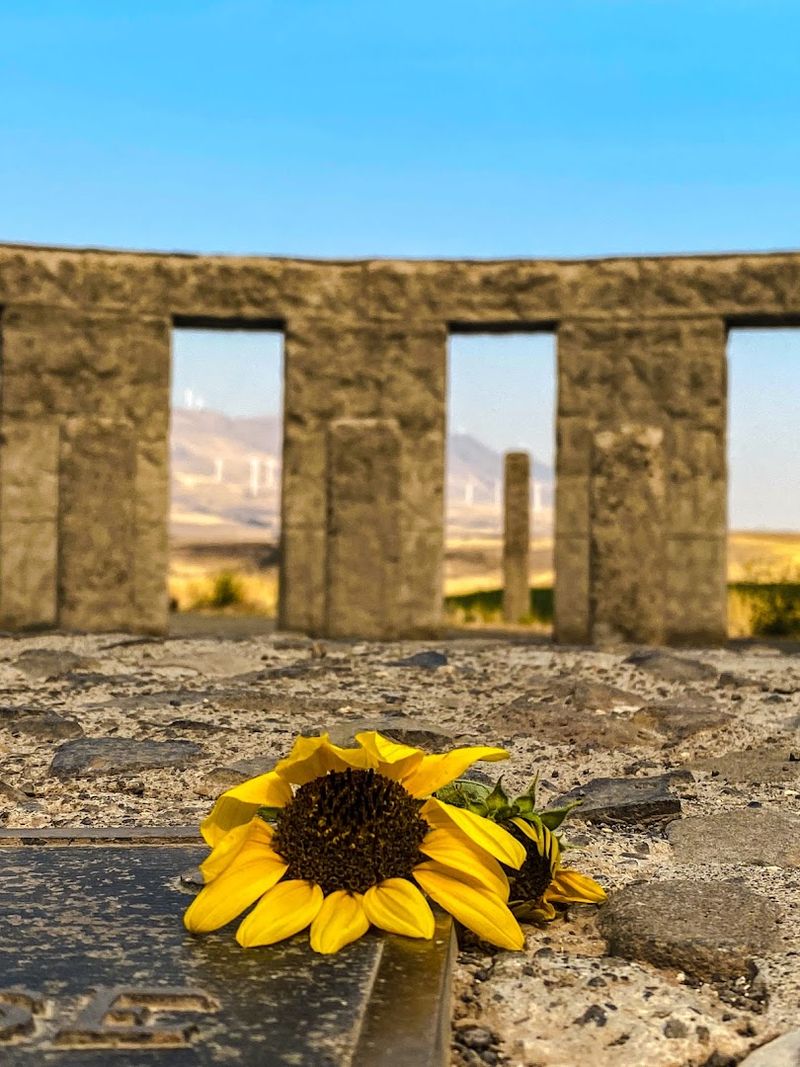
Astronomy played a crucial role in the design of the original Stonehenge, with stones aligned to mark solstices and equinoxes. The Maryhill replica attempts to capture this celestial connection, though with an interesting variation.
The altar stone here is aligned to the astronomical horizon rather than the midsummer sunrise, creating a three-degree difference from the English original.
I visited during late afternoon when the sun cast long shadows between the pillars, creating dramatic patterns on the ground. The play of light and shadow transforms throughout the day, offering different perspectives and moods.
Photographers particularly love the golden hour here, when the concrete takes on warm hues and the Columbia River below glows.
This astronomical aspect reminds visitors that ancient peoples understood the heavens far better than we often credit them. Hill wanted his memorial to connect earth and sky, the temporal and the eternal, just as the original monument did thousands of years ago.
The alignment may be slightly different, but the intention to mark humanity’s place in the cosmos remains the same.
Samuel Hill’s Final Resting Place
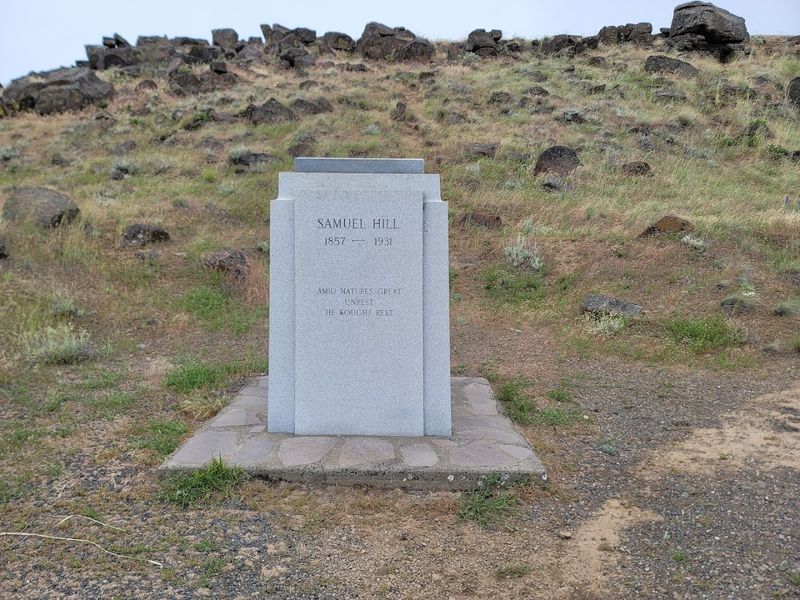
Samuel Hill died in 1931, just two years after his beloved memorial was completed. His crypt sits near the Stonehenge replica, allowing him to rest eternally beside his greatest creation. I found something deeply moving about this arrangement, as if Hill wanted to continue standing guard over his message of peace.
Hill was more than just the memorial’s creator. He was a road-building advocate, museum founder, and tireless promoter of the Columbia River region.
His vision extended beyond this single monument to include the nearby Maryhill Museum of Art, which houses an eclectic collection in a mansion he never lived to see completed.
Visiting his crypt adds a personal dimension to the memorial experience. This wasn’t just an abstract project for Hill but a deeply felt mission that consumed his final years.
He believed so strongly in the message that he chose to spend eternity here, overlooking the river and the monument that speaks his truth. It’s impossible not to respect that level of commitment and conviction.
The Klickitat County Veterans Memorial
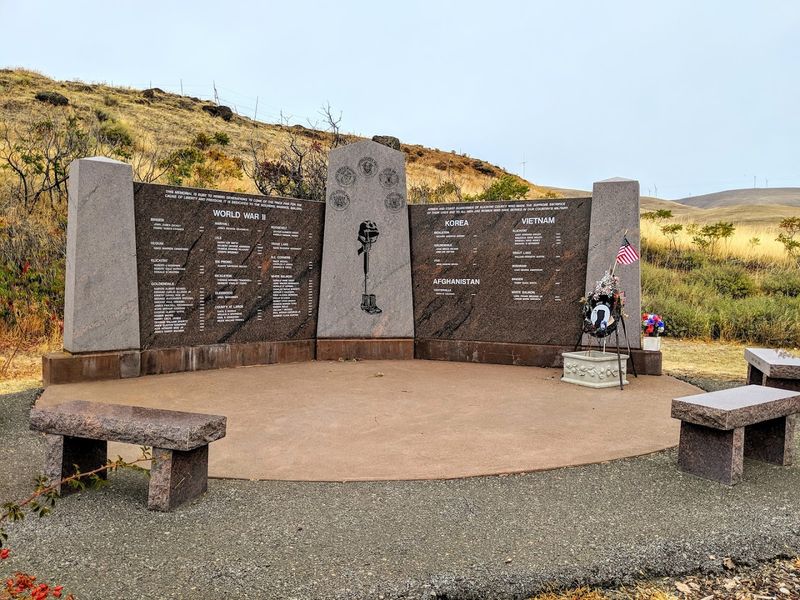
In 1995, the site expanded its mission with the addition of the Klickitat County Veterans Memorial. This newer monument honors all veterans who have served since World War I, extending Hill’s original vision into the present day.
Walking between the ancient-style stone circle and the contemporary memorial creates a powerful timeline of service and sacrifice. The veterans memorial features plaques, flags, and commemorative elements that personalize the cost of subsequent conflicts.
I spent time reading names and dates, connecting faces to the abstract concept of war. While Hill’s Stonehenge speaks in grand symbolic gestures, this memorial whispers individual stories of courage and loss.
Together, these two monuments create a complete meditation on war and peace. The Stonehenge replica asks us to remember the futility and tragedy of conflict, while the veterans memorial ensures we don’t forget the real people who answered their country’s call.
This combination makes Maryhill a place for both somber reflection and grateful remembrance, honoring the fallen while questioning the wars that claimed them.
Visiting This Unexpected Treasure
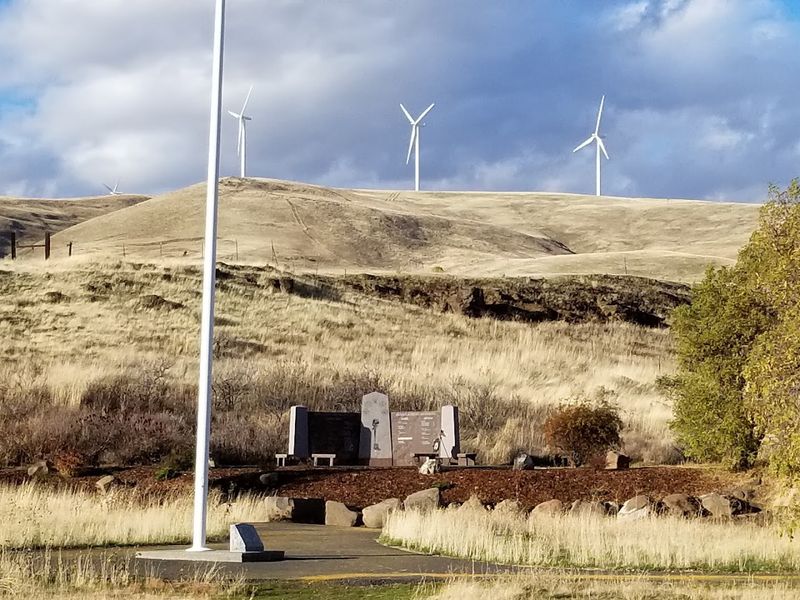
Getting to the Maryhill Stonehenge Memorial requires a bit of a journey, which somehow makes the experience more meaningful. Located along Highway 14 near Maryhill, Washington, the site sits about 100 miles east of Portland, Oregon.
The drive through the Columbia River Gorge is spectacular, with towering cliffs and the mighty river as constant companions. The memorial is open daily from 7 a.m. to dusk, and admission is completely free. I appreciated this accessibility, as Hill clearly wanted his message to reach everyone, not just those who could afford an entrance fee.
There’s a small parking area, and the short walk to the monument builds anticipation.
Bring a camera, because the photographic opportunities are extraordinary. The combination of the monument, the surrounding landscape, and the ever-changing light creates endless compositional possibilities.
Plan to spend at least an hour here, allowing time to walk around the structure, read the informational plaques, and simply sit with your thoughts. The peaceful atmosphere and stunning views make this a place you won’t want to rush through.
A National Treasure Recognized
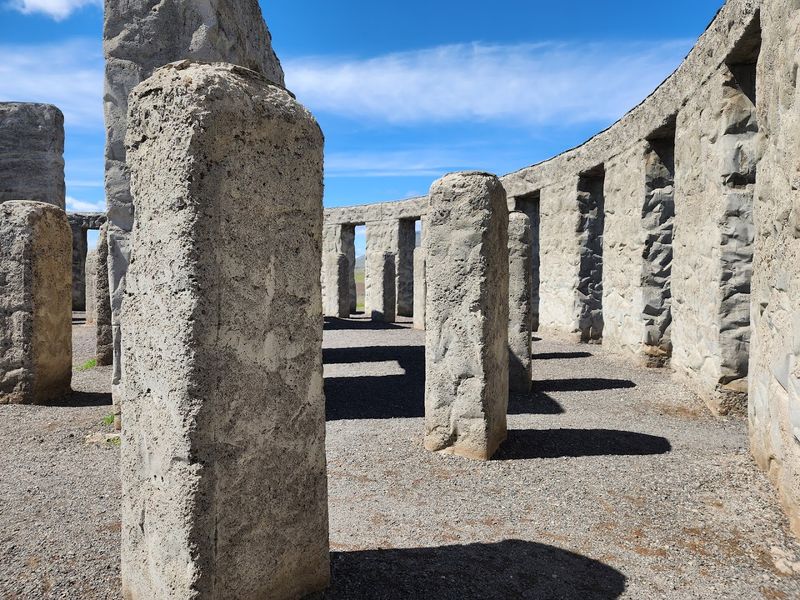
Recognition often comes late for visionary projects, and the Maryhill Stonehenge Memorial is no exception. In 2021, nearly a century after its completion, the memorial was officially listed on the National Register of Historic Places.
This designation acknowledges both its architectural significance and its important role in American memorial culture.
The listing recognizes the memorial as the nation’s first World War I monument, a fact that surprises many visitors. While we’re familiar with Vietnam memorials, World War II monuments, and countless other commemorative structures, this concrete circle in Washington preceded them all.
Hill’s vision literally set the template for how America would remember its war casualties.
I felt a sense of validation standing there, knowing that official recognition had finally caught up with Hill’s achievement. The memorial has weathered nearly a hundred years of seasons, standing as a testament to both the durability of concrete and the endurance of its anti-war message.
Its placement on the National Register ensures that future generations will continue to visit, reflect, and hopefully carry forward Hill’s hope for a more peaceful world.