
This Unassuming Dock In Arkansas Is The Gateway To Some Of America’s Best Trout Fishing
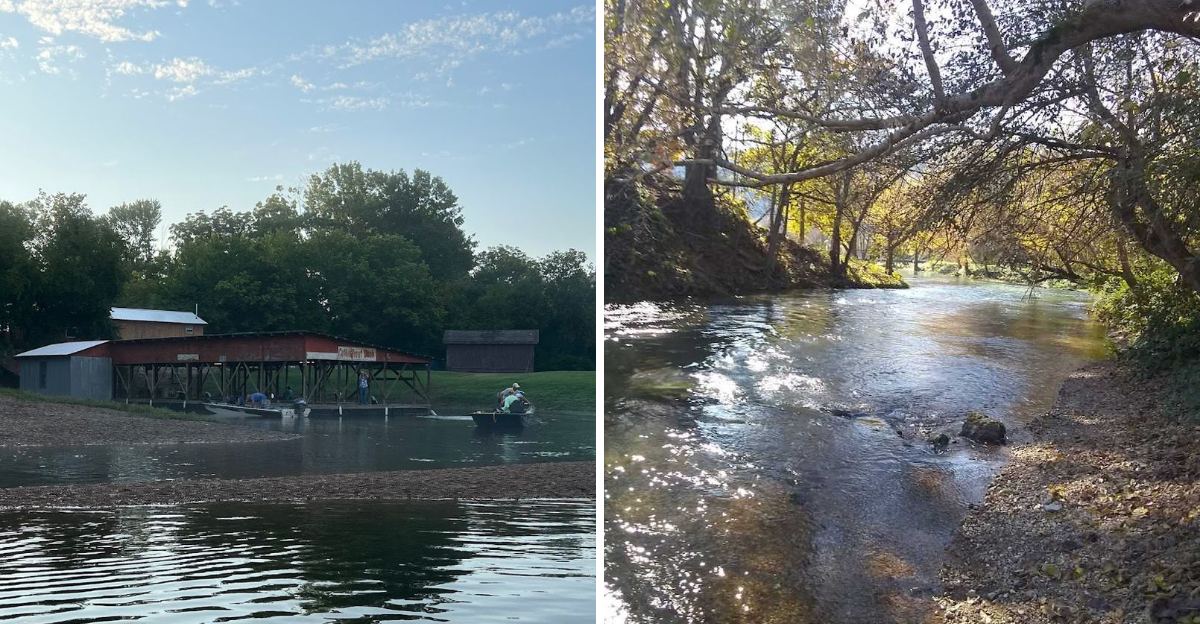
Some places build anticipation slowly. This one hit me the second I arrived.
Set in the Arkansas Ozarks, the White River here runs cold, steady, and full of trout. I had listened to stories for years.
Nothing over the top, just quiet confidence from people who knew. Pulling up, I almost wondered if I had the right spot.
The dock looks basic. No big signs. No crowd. Just wood planks and moving water. Then I stepped out and paused. The sound of the river pulled me in first. Then the clarity. Then the fish.
You can actually see them holding in the current, shifting with subtle movements. It felt immediate and real, not staged or overhyped.
Within minutes, I understood why people kept talking about it. This place delivers in a way that’s hard to explain until you’re standing there.
These are the things that made the biggest impression.
Quiet Wooden Platform Above Crystal Current
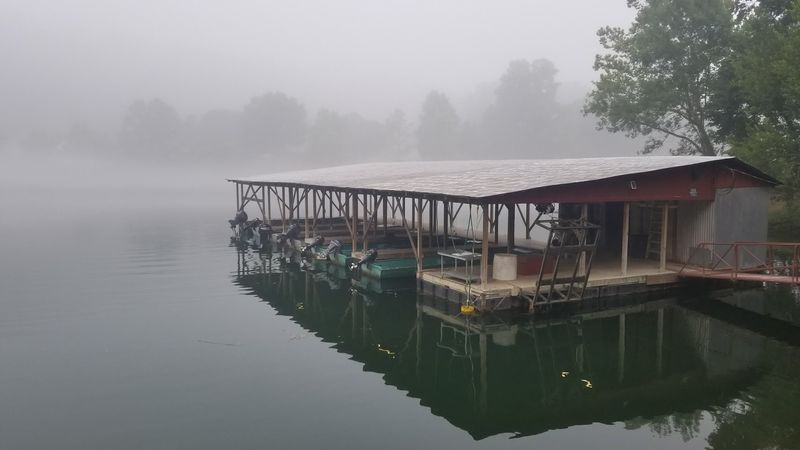
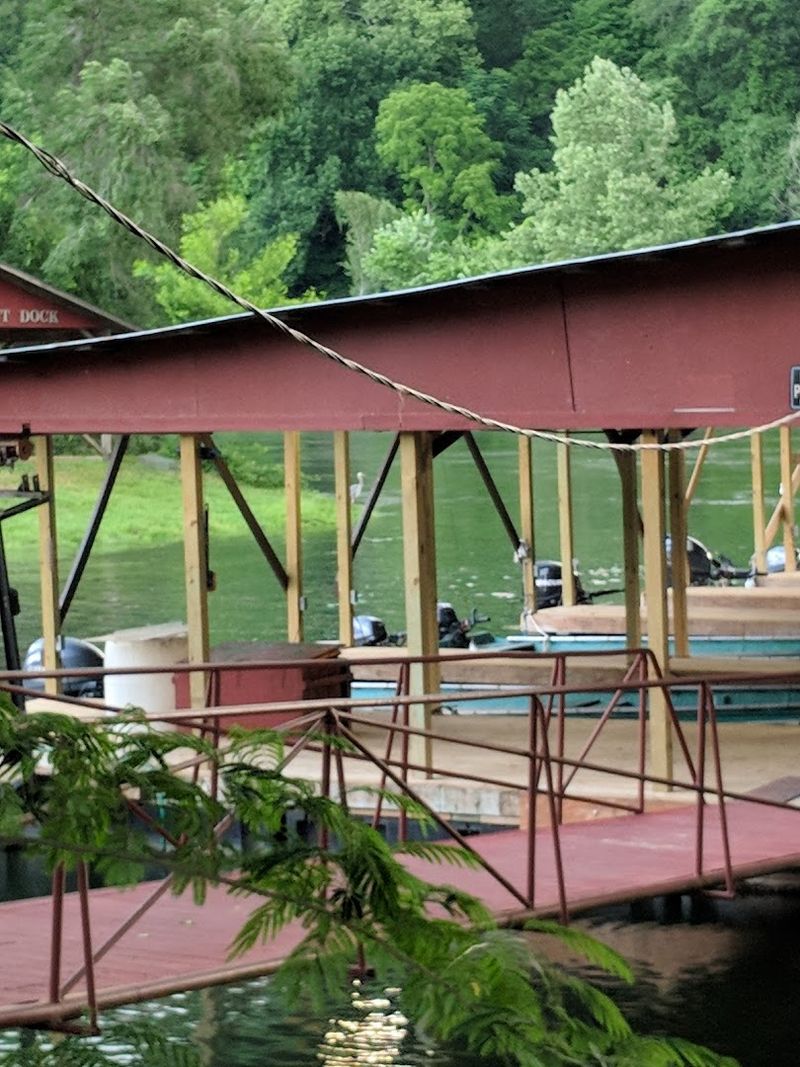
Some places don’t need much introduction, and this dock made its impression the second I felt those worn wooden boards underfoot.
Standing on that platform, I looked straight down into a current so clear I could count the pebbles on the riverbed without squinting.
The White River runs cold here because it pulls from the bottom of Bull Shoals Lake just upstream, and that chill keeps the water crisp and oxygen-rich year round.
There is something almost meditative about a dock this simple, with no flashy signage or tourist trappings, just planks, a river, and the sound of moving water doing what it has always done.
Guides here have worked these boards for years, and you can tell by the way they move around the dock with total confidence, tying rigs and reading the current without ever looking rushed.
The platform sits close enough to the water that you feel genuinely connected to the river rather than just observing it from a distance.
I found my spot at Cotter Trout Dock at 321 Big Spring Pkwy, Cotter, AR 72626, and I understood immediately why anglers keep coming back.
Steady River Flow Beneath Weathered Boards
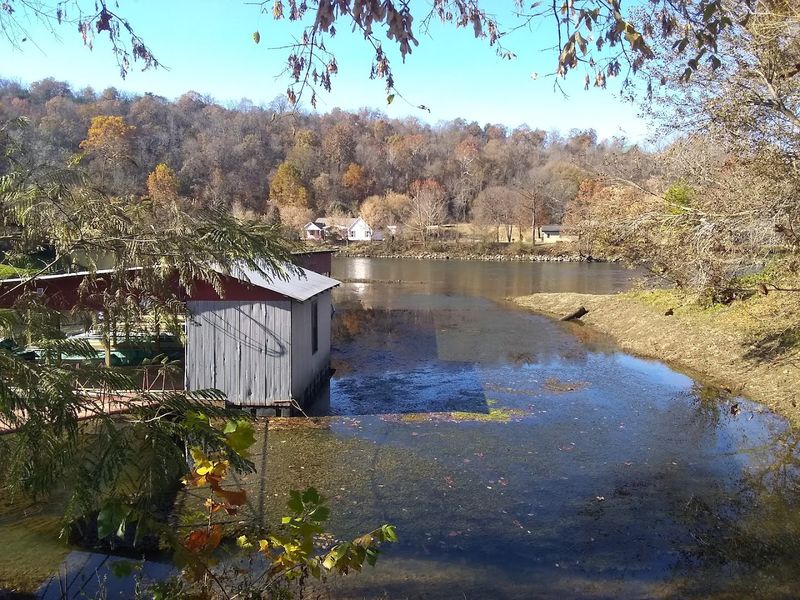
Here is something not every angler knows right away: rainbow trout and brown trout cannot survive in warm water, which is exactly why the White River below Bull Shoals Dam is such a special place.
The dam releases water from deep in the reservoir, keeping the river consistently cold through most of the year, which is precisely the range trout need to stay active and feeding.
That consistent cold creates what fisheries experts call a tailwater fishery, one of the most productive trout environments found anywhere in North America.
I visited in late autumn when many fishing destinations had already slowed down for the season, but the White River was alive with fish working the current seams and feeding along the bottom.
Guides at the dock explained that the tailwater effect means there is no true off-season here, which is a genuinely rare thing in freshwater trout fishing.
Even during summer, when surrounding lakes and streams become too warm for trout to thrive, this stretch of river holds fish in strong numbers and good condition.
Knowing the science behind why this river works so well made every cast feel more intentional and exciting.
Early Morning Mist Rising Over Gravel Shoals
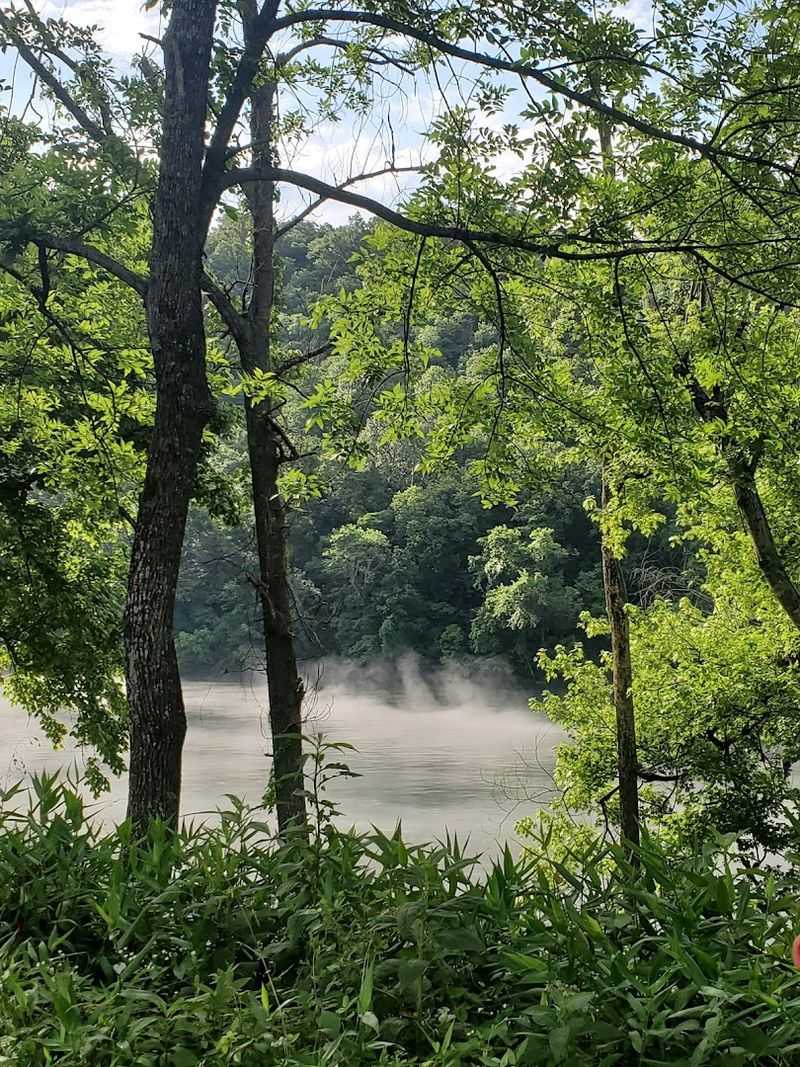
My guide had the boat ready before the sun cleared the tree line, and I am glad he did, because what I saw in those first forty minutes on the water is something I still think about often.
A low mist was rolling off the gravel shoals, catching the early light in a way that made the whole river look like something out of a painting rather than a real place you could actually fish.
Shoals on the White River are stretches of shallow, fast-moving water running over gravel and small rocks, and they serve as feeding stations where trout position themselves to intercept drifting insects and small baitfish.
Reading those shoals correctly is an art form, and the guides here have spent years learning exactly where the productive pockets are hiding beneath the glassy surface.
We positioned the drift boat at the head of one shoal and worked it methodically, and within fifteen minutes I had landed two solid rainbow trout that fought hard in the fast current.
The morning mist burned off slowly, and as it did, more of the river revealed itself in layers of green and silver.
That first hour on the water set a tone for the entire day that nothing could have topped.
Subtle Current Seams Holding Feeding Fish
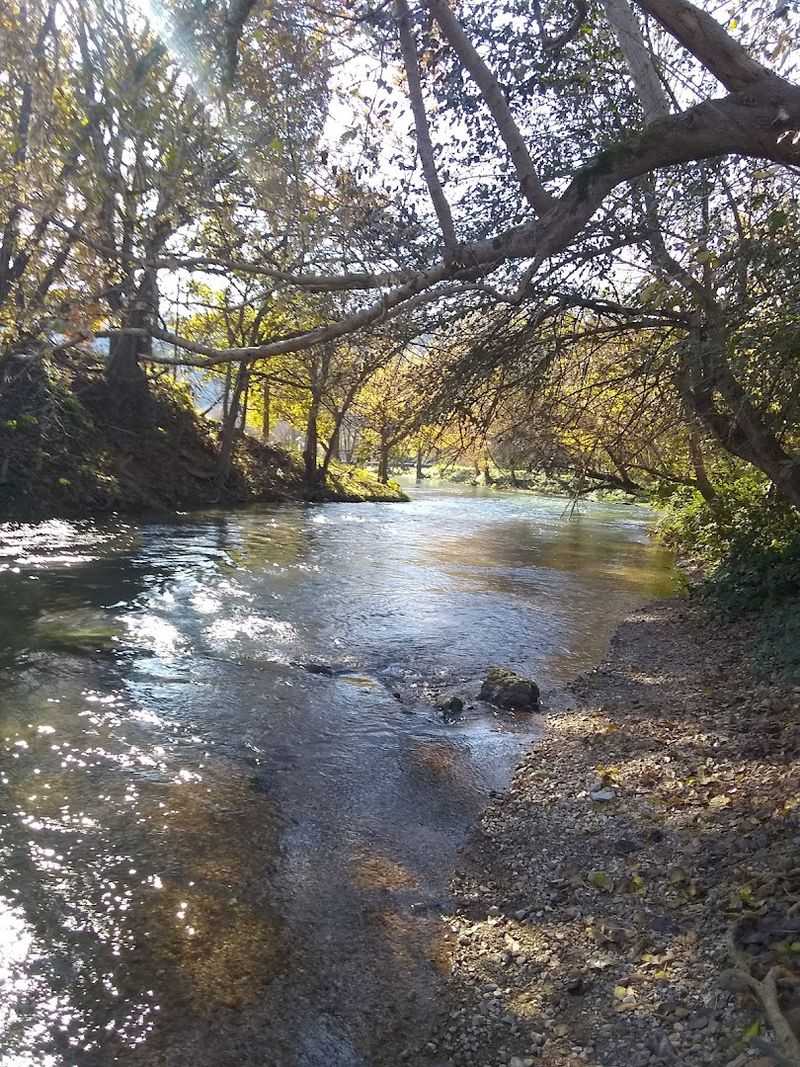
Learning to read current seams was the single most useful skill my guide passed along during our time on the water together.
A seam is the line where fast-moving water meets slower water, and trout love to sit right on that boundary because it lets them hold position without burning energy while food comes drifting past on the faster current.
Once you train your eye to find those subtle lines on the surface, the river stops looking like a uniform sheet of moving water and starts looking like a map of exactly where the fish are waiting.
My guide pointed out a seam along a mid-river gravel bar that I would never have noticed on my own, and sure enough, two casts later I was connected to a brown trout that had clearly been living there comfortably for a long time.
The White River has dozens of these productive seams within easy reach of the dock, which is part of why guides here rarely need to run the boat far to find fish.
It quickly becomes clear that productive water is never far away once you learn where to look and how to read the flow.
Trout fishing is as much about observation as technique, and this river rewards anyone willing to slow down and look carefully.
Wadeable Edges Leading Into Deeper Channels
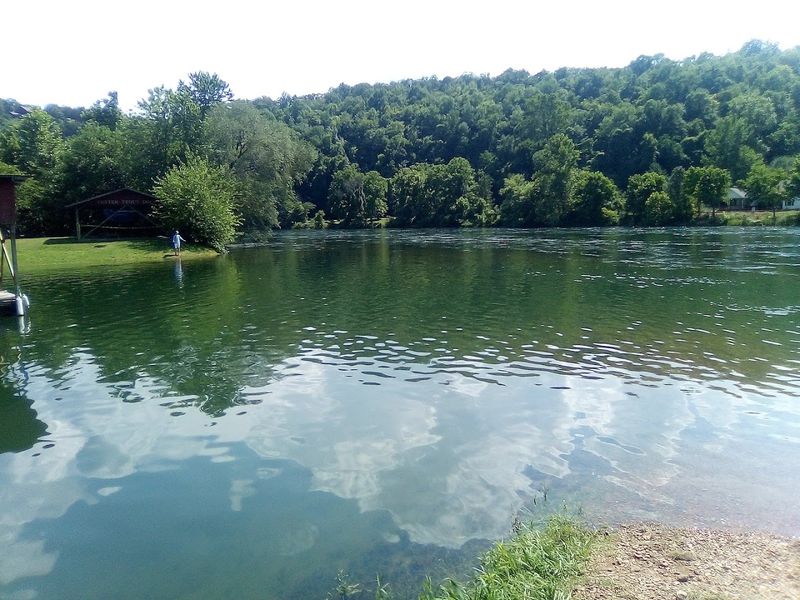
Not every great moment on the White River happens from a boat, and one of the things I appreciated most about this stretch of water was how approachable the wading edges are for anglers who prefer to feel the current around their boots.
The river grades gently from shallow gravel flats into deeper green channels, giving waders a natural path to follow without suddenly stepping into water over their waist.
Those deeper channels are where the larger trout tend to hold during midday when the sun is higher and fish look for shade and cooler depth.
Working the transition zone between the shallow edge and the drop-off into deeper water is a classic and productive approach, and several guests I spoke with at the dock had caught their best fish doing exactly that.
One family told me their nine-year-old son caught a 23-inch brown trout on a guided trip, which is the kind of story that makes you realize the fish in this river are genuinely impressive in size.
Wading here can feel approachable in certain areas, but conditions change with dam releases, so checking generation schedules and current flow is essential before stepping in.
The river almost seems to invite you in rather than challenge you from the start.
Drift Boats Sliding Past Limestone Banks
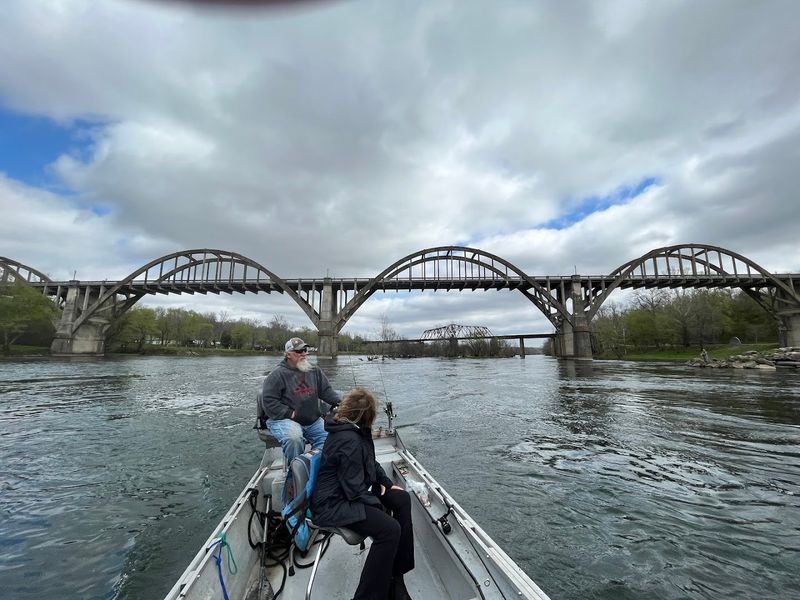
There is a particular pleasure in watching a well-handled drift boat ease around a river bend, the guide working the oars with quiet efficiency while the anglers up front focus entirely on their presentations.
The White River corridor is lined with Ozark bluffs and wooded banks that make the float itself as enjoyable as the fishing, and I found myself putting my rod down more than once just to take in the scenery.
Drift boat trips from this dock cover stretches of river that wading anglers simply cannot reach, opening up runs and pools that hold fish rarely disturbed by other anglers.
The boats are well-maintained and stable, which matters when you are trying to cast accurately while the current is doing its best to keep things interesting beneath the hull.
Guides row with the kind of practiced ease that only comes from years on the same water, knowing exactly when to slow the drift and when to pull hard to hold position over a productive run.
The rocky bluffs reflect light onto the water in a way that changes the color of the river throughout the day, shifting from silver to jade to a deep blue-green in the late afternoon.
Every bend in the river felt like opening a new page in a very good book.
Seasonal Hatches Triggering Surface Strikes
Few things in freshwater fishing match the visual thrill of watching a trout rise deliberately to take a fly off the surface, and the White River delivers that experience across multiple seasons thanks to its reliable insect hatches.
Hatches occur when aquatic insects complete their life cycle and emerge from the water as adults, triggering trout to begin feeding aggressively at the surface in a behavior anglers call a rise.
Midges hatch here virtually year round, which is one reason the fishing stays productive even in the coldest months when other insects are not yet active.
Caddisflies and various mayfly species add to the calendar of hatches through spring and fall, giving fly anglers plenty of opportunities to match what the fish are eating and present a convincing imitation.
I had the luck of hitting a late afternoon midge hatch during my visit, and the surface of a long flat pool came alive with rising fish that had been invisible just an hour before.
Even guests who are not fly fishers benefit from hatch activity, because feeding trout are more willing to strike a variety of presentations when they are already in an active feeding mood.
Timing a visit around a hatch is not essential here, but it turns a good day into a memorable one.
Uncrowded Access Point With Trophy Potential
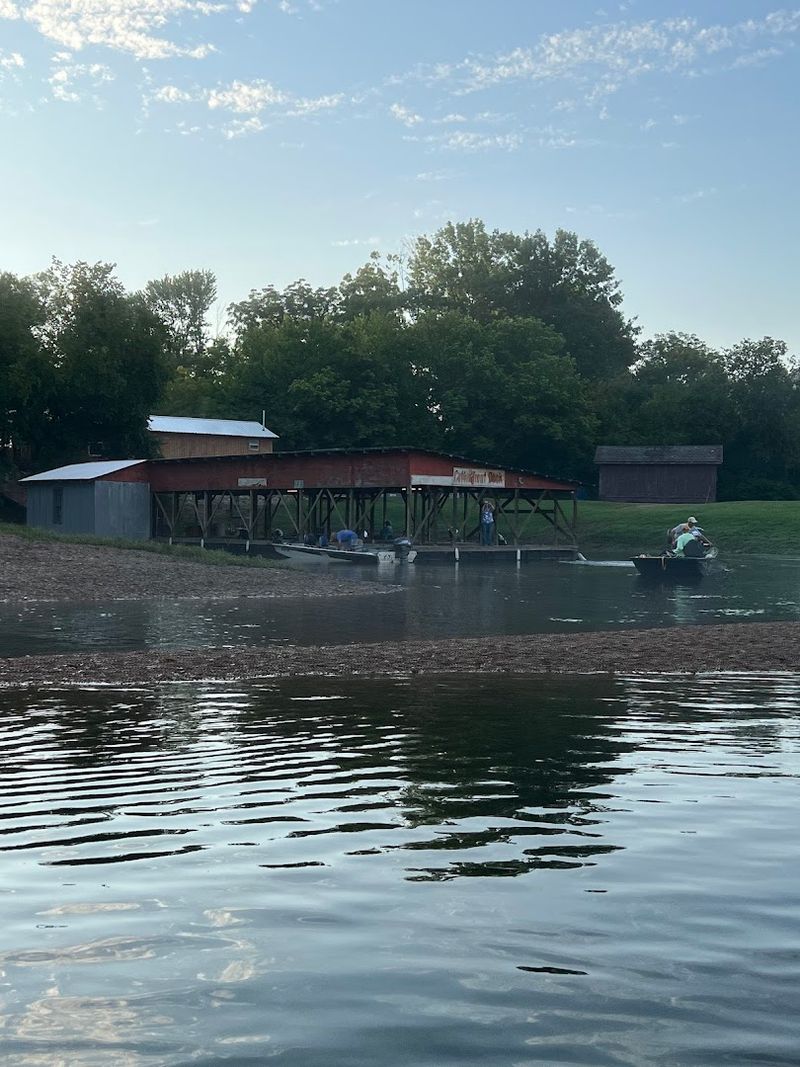
Trophy trout fishing often comes with crowds, long waiting lists, and stretches of water so pressured that the fish have seen every fly pattern and lure known to humanity, but this dock operates differently.
The combination of a working, locally run operation and a river that produces fish in serious numbers means guides here can find productive water without stacking up against other boats.
Brown trout in the White River grow to impressive sizes, fed by the cold, food-rich tailwater environment, and multiple reviews from guests mentioned landing fish in the 20-inch-plus range without any sense of exaggeration.
Tiger trout, a cross between a brown and a brook trout, have also been caught in this system, with some fish appearing through stocking efforts that add variety to the fishery.
Consistent positive feedback across major review platforms points to a place that continues to deliver strong fishing experiences for visiting anglers year after year.
Trips commonly depart around 7 AM, and booking in advance is strongly recommended because trips fill up quickly, especially on weekends.
Cotter Trout Dock has held its place as one of the finest access points on this river since 1954, and the fishing has never stopped delivering.