
9 Stunning No-Reservation Campgrounds To Discover In Arizona
Arizona’s public lands hold some of the best-kept secrets for campers who prefer spontaneity over planning months ahead. If you saw me last Friday, you saw a person on the total brink of a meltdown, staring at a “Sold Out” screen and questioning every life choice I’ve made since the third grade.
My car was packed, the cooler was already leaking onto the upholstery, and I had exactly zero places to sleep.
But then, I remembered the glorious, adrenaline-pumping gamble of the first-come, first-served site. Within the copper-crusted heart of Arizona, the silence is so profound you can actually hear your own sanity slowly returning from its long-overdue vacation.
I ditched the tourist traps and headed for the real, raw wild where the “No Vacancy” signs don’t exist. You don’t need a six-month head start to find paradise; you just need a full tank of gas and a little reckless optimism.
1. Powell Springs Campground, Prescott National Forest
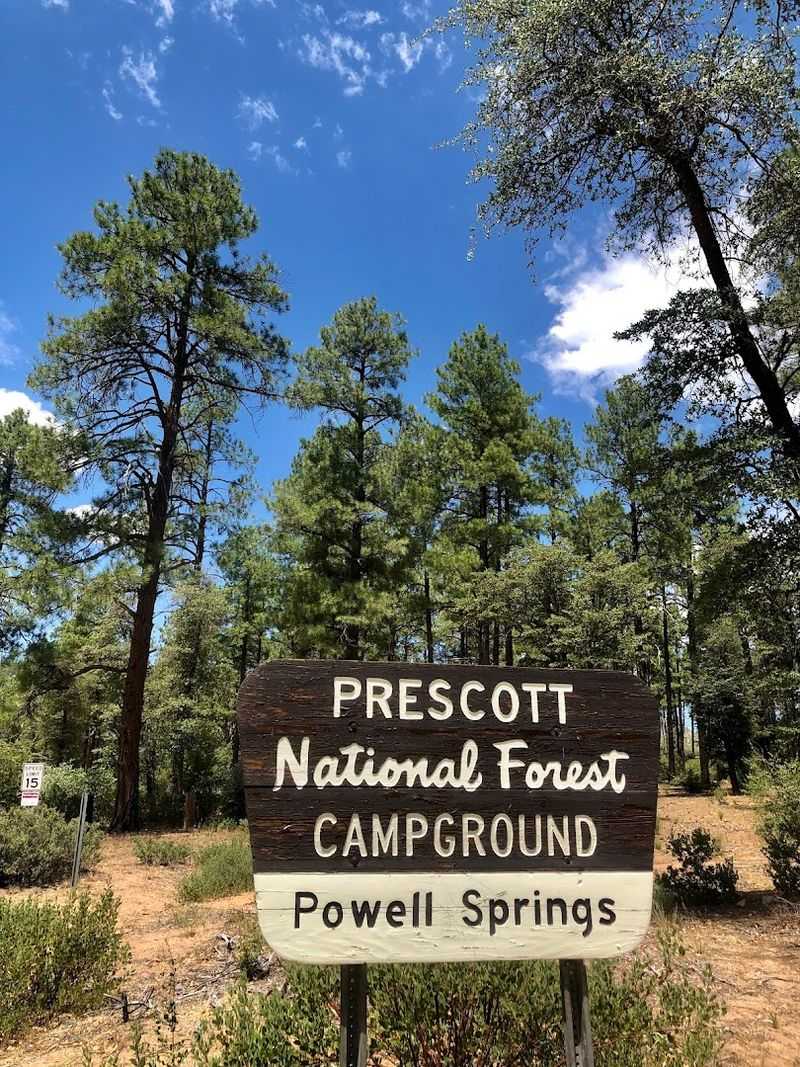
Year-round camping isn’t always easy to find in Arizona, but Powell Springs delivers exactly that. Nestled in the Prescott National Forest, this spot gives you towering ponderosa pines that provide shade even during the hottest months, plus a seasonal creek that adds a peaceful soundtrack when water levels cooperate.
The campground operates entirely on a first-come, first-served basis, so timing matters if you’re visiting during peak seasons. I’ve found that weekdays outside of holidays give you the best shot at snagging a site without circling the loop multiple times.
What makes Powell Springs special is its accessibility combined with that genuine forest feel. You’re not fighting for a spot months in advance, yet you still get the kind of setting that makes you want to linger an extra day.
The elevation keeps temperatures reasonable, and the pine-scented air beats any artificial air freshener.
Pack what you need because amenities are basic, but that’s part of the charm. This is camping stripped down to what matters: good trees, clean air, and the freedom to show up when you’re ready.
This is the kind of Arizona campground that makes year-round camping feel not only possible, but downright tempting.
2. Mingus Mountain Campground, Prescott National Forest
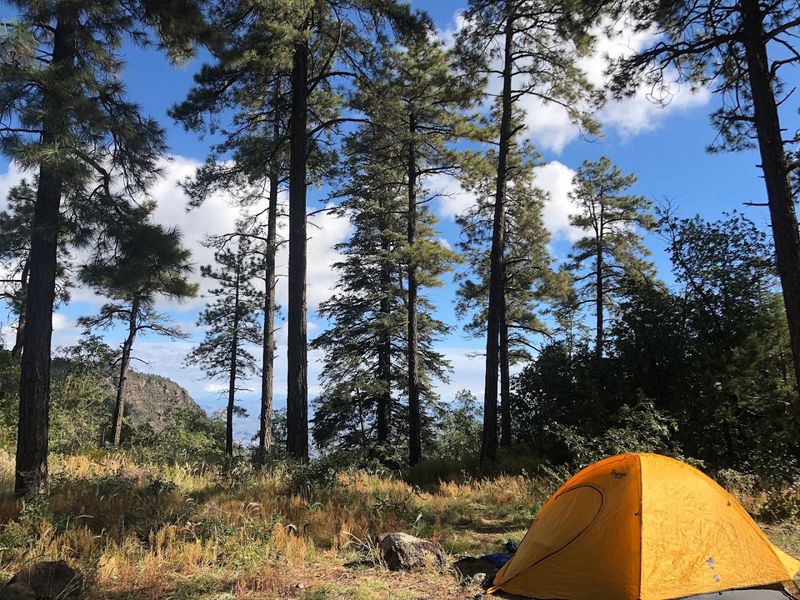
Central Arizona heat can be brutal, but Mingus Mountain Campground sits high enough to offer genuine relief. The cooler elevation here isn’t just marketing talk; you’ll actually want a jacket once the sun drops, even in summer.
Prescott National Forest manages this as another first-come, first-served location, and the Mingus area itself draws fewer crowds than some of the more famous spots. I appreciate that balance of accessibility and solitude, especially when you’re trying to escape the valley furnace below.
The nearby lake adds options for your days, whether you’re into fishing or just want a different view during a morning walk. The pines create that classic Arizona high-country atmosphere that feels worlds away from the saguaro-studded deserts most people picture.
Sites here fill up on summer weekends when everyone’s seeking cooler temps, so plan accordingly. Arrive early Friday or consider a midweek trip if your schedule allows.
The campground keeps things simple with basic facilities, but the setting does the heavy lifting when it comes to creating a memorable stay.
By late afternoon, the breeze through the trees can feel like a completely different season compared with the heat waiting below. That contrast is exactly what makes this campground such a favorite for people craving a quick Arizona reset without a long drive into the deep mountains.
3. Lower Wolf Creek Campground, Prescott National Forest
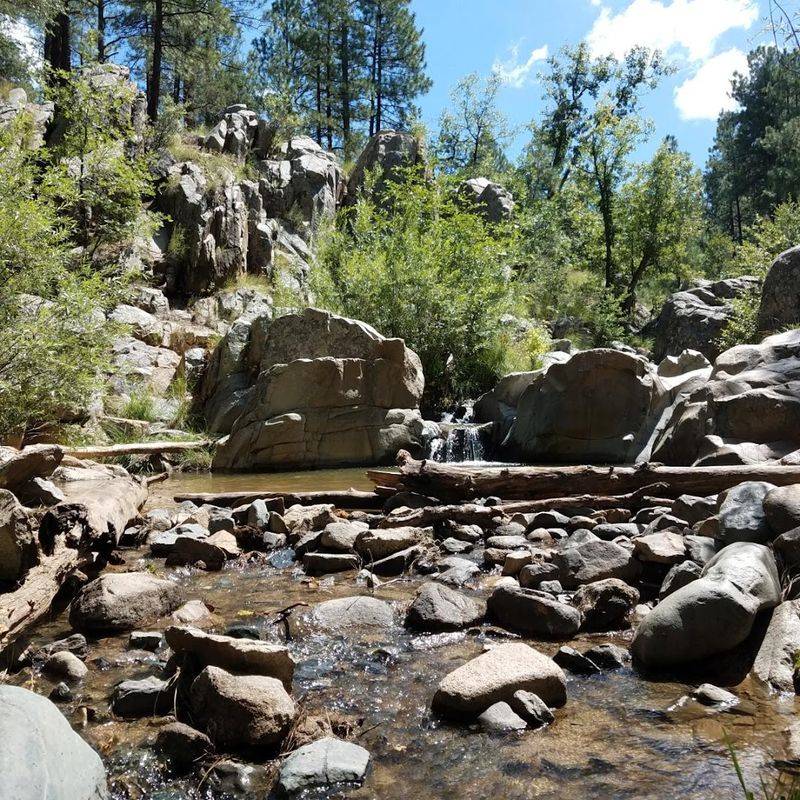
Creekside camping hits differently than your standard forest plot, and Lower Wolf Creek delivers one of the prettiest setups I’ve encountered in Arizona’s first-come, first-served category.
The campground literally sits on the banks of Wolf Creek, with pines, oaks, and boulders creating a landscape that photographs itself.
Water flow varies with seasons and recent precipitation, but even when the creek runs low, the setting remains gorgeous. Those boulders add character and also create natural seating areas where you can sit with morning coffee and actually hear the water moving.
This spot tends to fill faster than some of the others on this list, precisely because it’s so visually appealing. I’ve learned to treat it as a weekday destination or to arrive very early on Friday if I’m set on a weekend stay.
The mix of vegetation creates nice shade and privacy between sites, which matters when campgrounds are full. You’re still clearly at a developed campground, but the natural features give each spot some breathing room. Bring your camera because the light through the trees at golden hour is spectacular.
It has the kind of peaceful, tucked-into-nature feel that makes even a short stay feel like a real escape. Once evening settles in, the whole place takes on that quiet, storybook quality that makes it hard to leave the next morning.
4. Hazlett Hollow Campground, Prescott National Forest
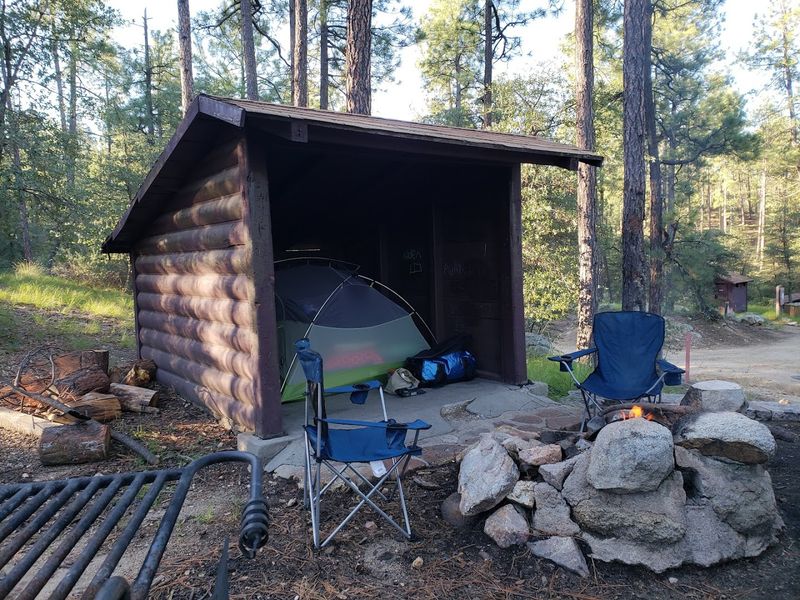
Sometimes smaller is better, and Hazlett Hollow proves that point. This semi-primitive campground in the Horsethief Basin area keeps things intimate with fewer sites than the bigger operations, which means less noise and more elbow room when you do score a spot.
Prescott National Forest lists it as first-come, first-served only, continuing the theme across this region. The semi-primitive designation means you’re trading some conveniences for a quieter, more authentic experience.
I find that trade-off worthwhile, especially when I want to actually disconnect rather than just change my zip code for the weekend.
The Horsethief Basin area itself offers exploring opportunities if you’re into hiking or just poking around lesser-known corners of the forest. You won’t find crowds here like you might at more publicized spots, which is exactly the appeal for certain types of trips.
Facilities match the semi-primitive label, so adjust expectations and packing lists accordingly. This isn’t the place for your first camping trip if you need lots of infrastructure, but for experienced campers seeking solitude, Hazlett Hollow hits the mark perfectly.
That quieter atmosphere is what makes a stay here feel more personal, more peaceful, and a little harder to stumble upon than the usual campground stop.
5. Windy Hill Campground, Tonto National Forest
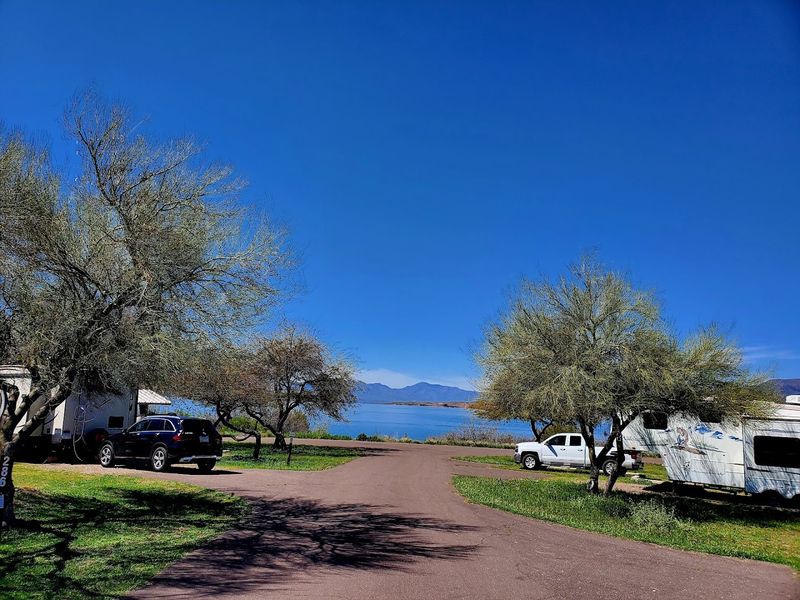
Seasonal availability can actually work in your favor, and Windy Hill demonstrates this perfectly. The Tonto National Forest page specifies that this campground shifts to first-come, first-served status from April 1 through October 31, which covers the prime camping months for this elevation and climate zone.
What I like about this system is the predictability. You know exactly when you can show up without a reservation, and those months align well with when you’d actually want to camp here anyway. The shoulder seasons of April and October often provide the best weather with fewer crowds.
The Tonto National Forest scenery differs from the Prescott area, giving you a different flavor of Arizona landscapes. Depending on exact location within the forest, you might see more desert-pine transition zones rather than pure high-country forest.
Spring wildflowers can be spectacular if winter rains cooperated, and fall colors, while subtle compared to places like New England, still add visual interest.
The campground’s seasonal first-come, first-served window removes the reservation stress during the months when this area shines brightest. Just verify current season dates before heading out since policies can shift.
6. Lower Tonto Creek Campground, Tonto National Forest
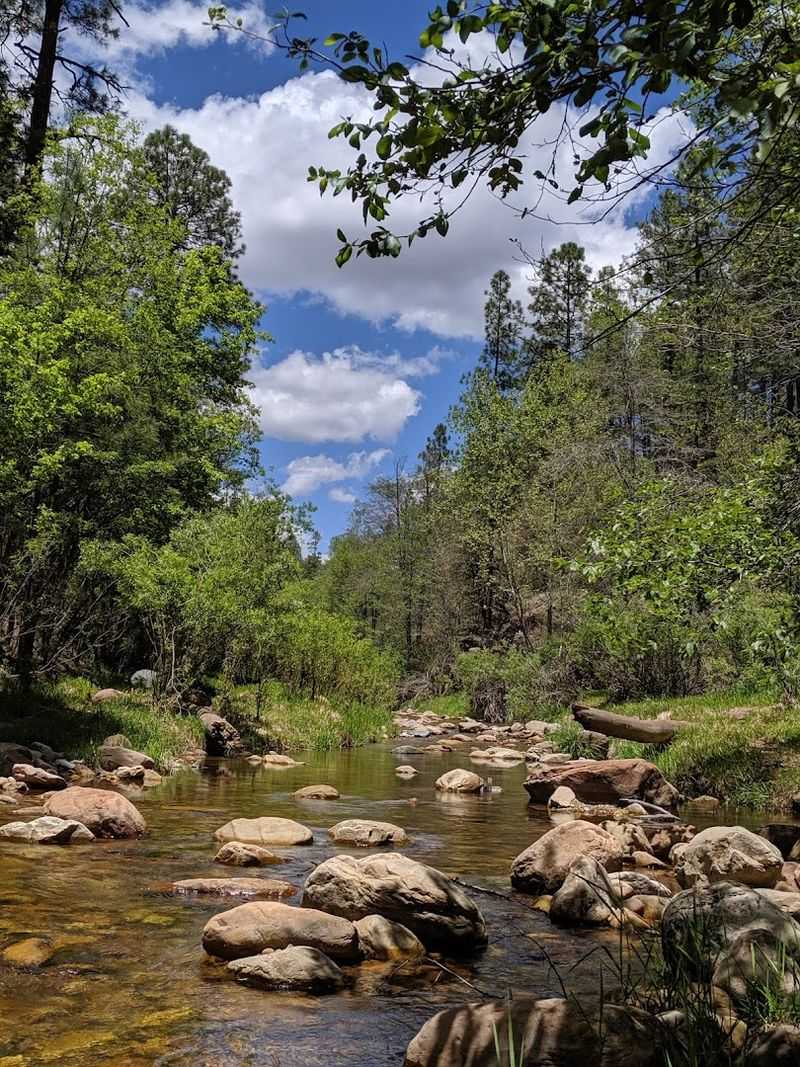
Recreation.gov’s note about Lower Tonto Creek is worth highlighting: you must physically arrive to claim and pay for a site. There’s no reservation system, no calling ahead, just old-school show-up-and-see-what’s-available camping.
This policy keeps things fair in a digital age where bots and reservation scalpers have complicated the camping world. Everyone starts from the same position, and whoever arrives first gets first pick. I find this refreshingly straightforward, even if it requires more flexibility in your schedule.
The creek itself provides the main attraction, offering water access that’s relatively rare in Arizona campgrounds. Depending on season and recent weather, you might have anything from a trickle to a genuine flow, but even modest water adds life to a campsite.
The Tonto National Forest setting puts you in a different ecological zone than the higher-elevation Prescott spots, with vegetation and temperatures to match. Plan your visit for cooler months unless you genuinely enjoy serious heat.
The physical-arrival-only policy means you can’t game the system, so pack patience along with your camping gear and be ready to adapt if sites are full.
7. Sunset View Campground, Navajo National Monument
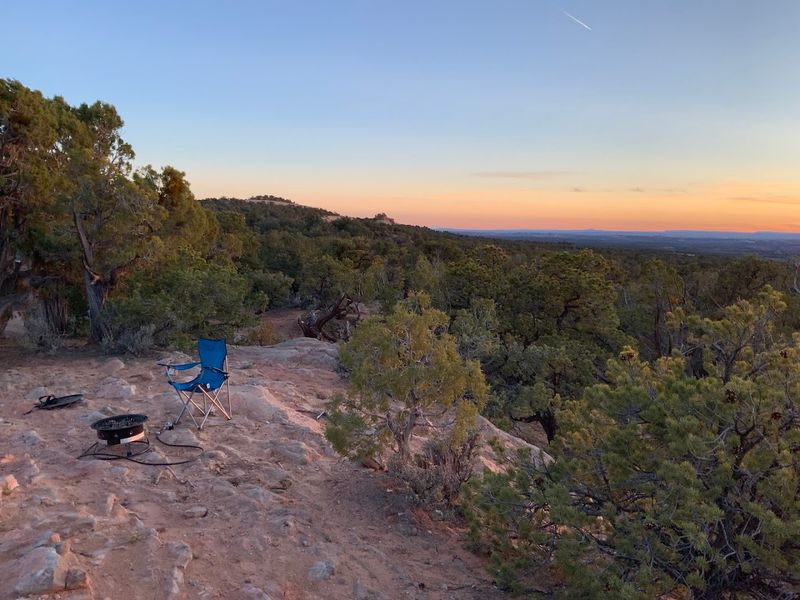
Free camping at a National Park Service site sounds too good to be true, but Sunset View Campground at Navajo National Monument delivers exactly that. The NPS confirms campsites are first-come, first-served, free, and require no reservations, making this one of the best deals in Arizona camping.
Northern Arizona geography gives you completely different scenery than the central forest campgrounds, with the monument itself preserving ancient cliff dwellings that add serious historical weight to your camping experience.
You’re not just sleeping under stars; you’re camping near centuries-old human history.
The campground keeps things simple, matching the no-fee approach with basic amenities. What you lose in showers and hookups, you gain in cost savings and the satisfaction of camping at a significant cultural site without the usual National Park price tag.
Sunset views, as the name suggests, can be stunning when weather cooperates. The northern location means cooler temperatures than southern Arizona, with seasonal considerations for snow in winter months.
I’ve found this spot works beautifully as part of a larger northern Arizona road trip, giving you a free base camp while exploring the monument and surrounding areas.
8. Fourmile Canyon Campground, BLM
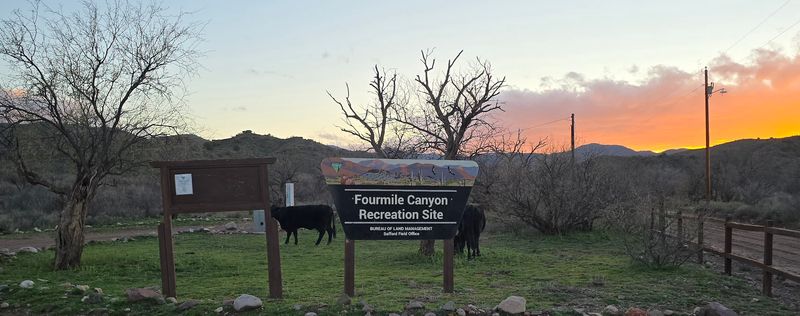
BLM campgrounds often fly under the radar compared to National Forest sites, but Fourmile Canyon deserves attention. With just 10 individual campsites, this smaller campground operates entirely on a first-come, first-served basis according to the Bureau of Land Management.
The limited number of sites creates an intimate atmosphere when full, or gives you nearly private camping when it’s not. I’ve stayed at massive campgrounds where you’re basically in a parking lot with trees, and I’ve stayed at tiny spots like this where you actually feel like you’re in nature.
BLM lands typically offer more open, desert-style camping compared to the forested National Forest sites, so expect different scenery and likely warmer temperatures at similar times of year.
The canyon setting provides some topographic interest and potentially better wind protection than completely exposed desert camping.
The small size means this campground can fill quickly despite being less famous than some alternatives. Arrive with a backup plan, especially on weekends or during popular camping seasons. BLM sites often have minimal fees or are free, making them budget-friendly options for extended trips where camping costs can add up quickly.
9. Riverview Campground, BLM
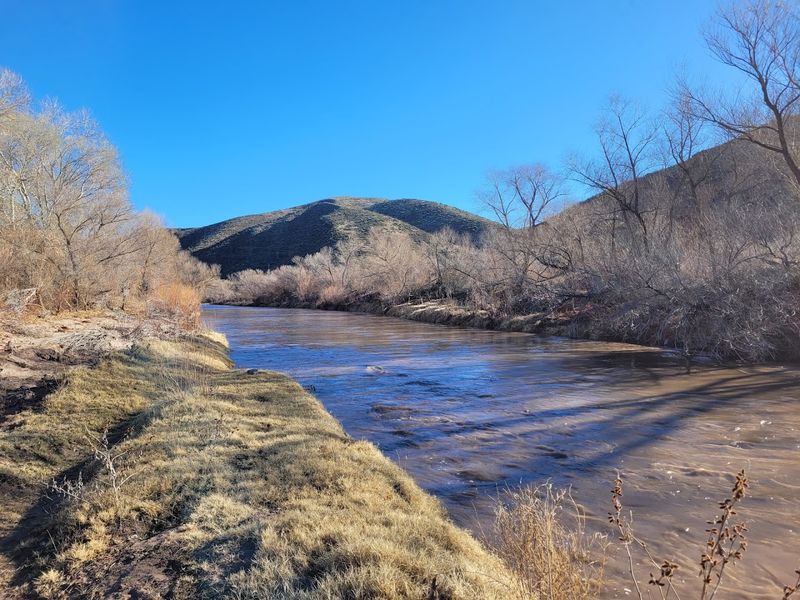
Thirteen first-come, first-served campsites might not sound like much, but Riverview Campground’s BLM management and riverside location make it a solid choice for spontaneous trips.
The Bureau of Land Management confirms all sites operate without reservations, keeping the process simple and accessible.
River access in Arizona camping is valuable, providing water views, potential fishing opportunities, and that peaceful sound of moving water that improves any campsite. The specific river and exact location details matter for understanding what kind of flow and scenery to expect.
BLM campgrounds generally cost less than National Forest or National Park options, sometimes offering free camping where other agencies charge fees. This makes places like Riverview excellent for budget-conscious campers or anyone planning a longer trip where nightly fees accumulate.
The riverside setting likely means more vegetation and shade than typical open-desert BLM land, creating a more comfortable camping environment during warmer months. As with Fourmile Canyon, the limited number of sites means you should have flexibility in your plans rather than counting on availability during peak times.
I treat these smaller BLM campgrounds as pleasant surprises when sites are available rather than guaranteed destinations.
It is the kind of straightforward campground that feels especially satisfying when you find an open site and realize you did not have to plan your whole month around it.