
12 Ohio Birding Hotspots That Shine Brightest In April
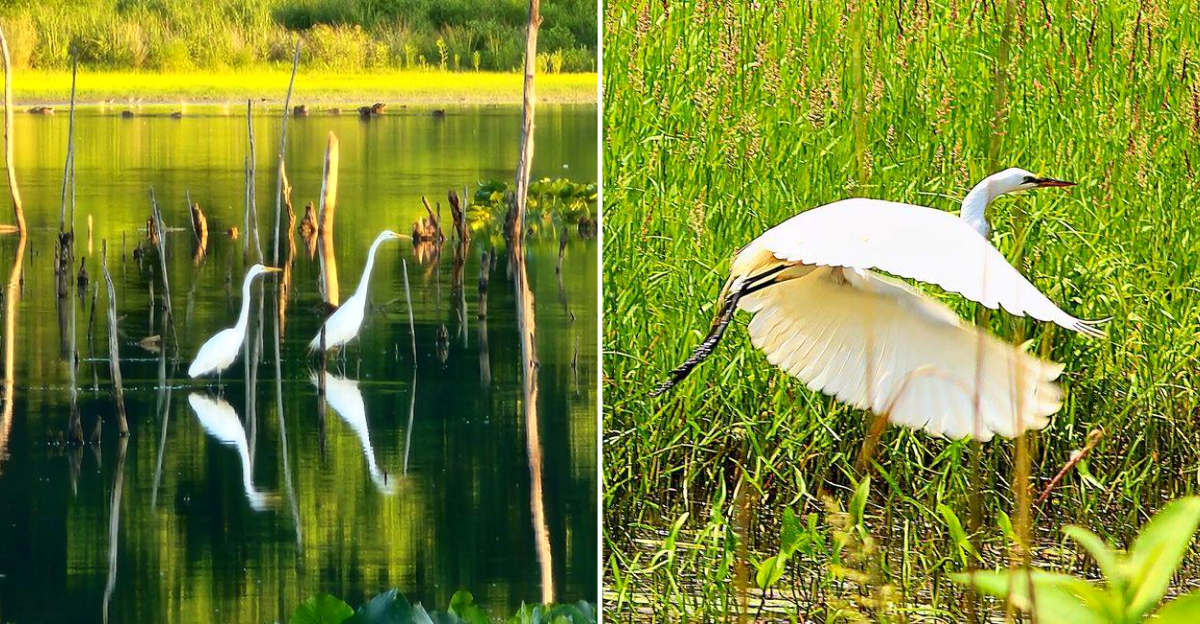
April is one of the best times to go birding in Ohio. The marshes along Lake Erie fill with movement, songbirds push north in waves, and even an ordinary morning outdoors can turn into the kind of outing you keep thinking about later.
I have spent enough muddy April mornings with binoculars in hand to know how quickly things can shift from quiet to extraordinary. One minute, the trail is still, and the next, it is alive with warblers, shorebirds, and flashes of motion in every direction.
Ohio really does deliver that kind of experience when spring migration gets going.
So pack your field guide, charge your camera, and give yourself time to look closely. These are the places that make April birding in Ohio feel so rewarding.
1. Magee Marsh Wildlife Area, Oak Harbor, Ohio
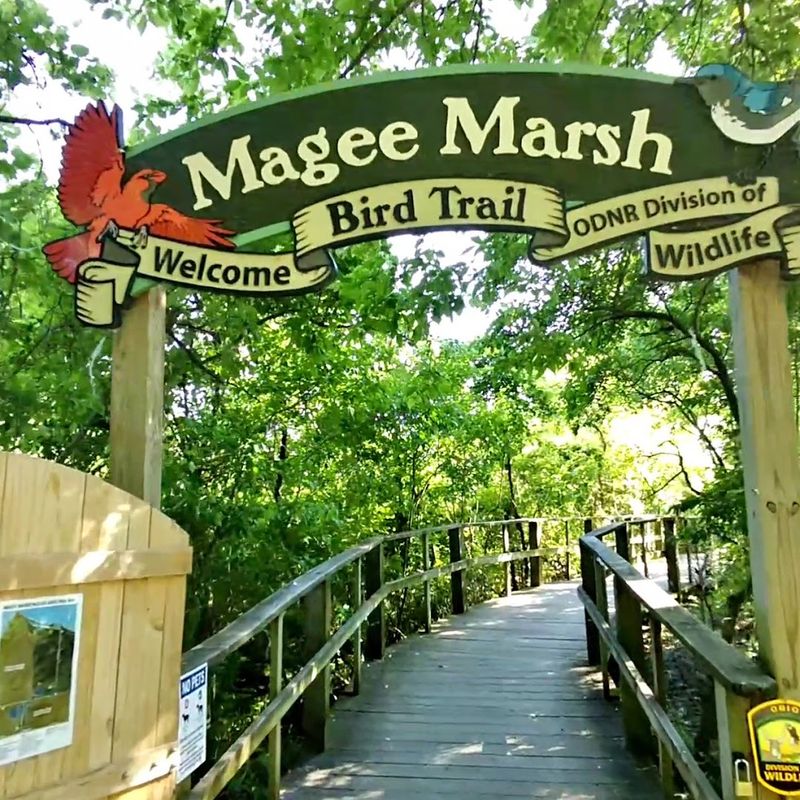
Every serious birder has a bucket-list spot, and for most of them, this legendary stretch of Lake Erie shoreline sits right at the top.
Magee Marsh Wildlife Area, located at 13229 W. State Route 2 in Oak Harbor, Ohio, is widely considered the single best warbler-watching location in all of North America during spring migration.
The famous boardwalk trail winds through dense shrubby habitat where exhausted migrants land after crossing Lake Erie overnight.
In April, warblers perch just feet from your face, too tired to flee, giving you views that feel almost unreal.
Yellow warblers, black-throated blue warblers, and palm warblers are just a few of the dozens of species you might log in a single morning walk.
The area also hosts the Biggest Week in American Birding festival in early May, but April visits are quieter and equally rewarding.
Arrive at sunrise for the best activity, and wear layers because Lake Erie mornings stay surprisingly cool well into the month.
2. Ottawa National Wildlife Refuge, Oak Harbor, Ohio
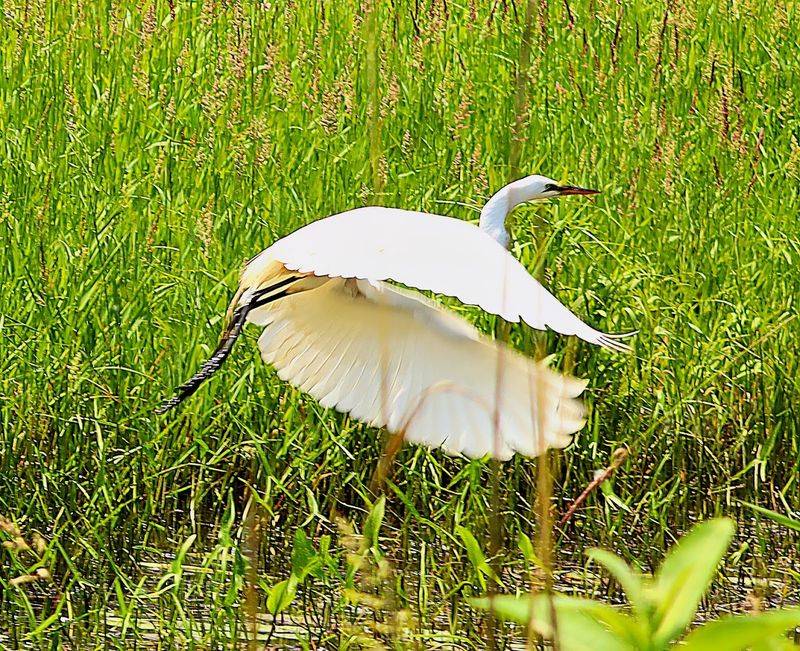
Sitting right next door to Magee Marsh, Ottawa National Wildlife Refuge at 14000 West State Route 2 in Oak Harbor, Ohio, deserves its own spotlight entirely.
While Magee gets most of the fame, Ottawa covers over 6,000 acres of restored wetlands, grasslands, and forest that attract an extraordinary range of bird species throughout April.
Shorebirds like dunlin, yellowlegs, and dowitchers probe the mudflats as water levels are carefully managed by refuge staff to create ideal feeding conditions.
The dike roads here are open for walking and biking, giving you elevated views across wide open water that make spotting raptors and waterfowl surprisingly easy.
Bald eagles nest on the refuge, and April is a fantastic time to watch adults ferrying food to their growing chicks.
Bring a spotting scope if you have one, because distances across the wetlands can be significant.
The visitor center offers trail maps and up-to-date bird sighting logs that help you plan your route efficiently.
3. Metzger Marsh Wildlife Area, Bono, Ohio
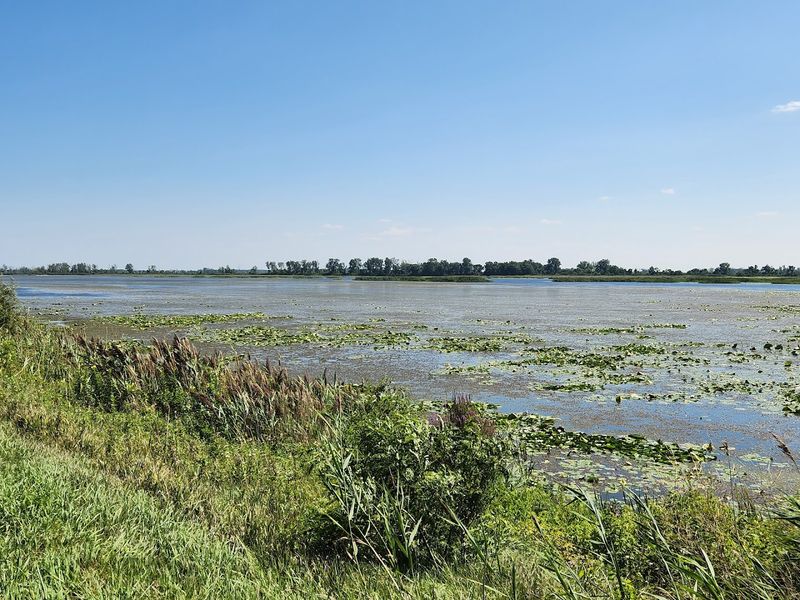
Tucked quietly along the Lake Erie shoreline off Bono Road near Curtice, Ohio, Metzger Marsh is the kind of place that rewards patient birders who are willing to slow down and really look.
This wildlife area itself covers 558 acres and adjoins 182 acres of Ottawa National Wildlife Refuge, creating a 740-acre wetland directly in the path of migrating waterfowl and marsh birds moving north each spring.
April brings impressive numbers of dabbling ducks including northern pintail, blue-winged teal, and American wigeon, all fueling up before pushing farther north.
Common gallinules and American bitterns move through the dense cattail edges, and if you stand still long enough, you might catch a sora calling from the reeds.
The fishing pier and parking area provide easy access, making this spot comfortable for birders of all mobility levels.
Metzger pairs beautifully with a visit to nearby Magee Marsh, and many birders hit both locations in the same morning without feeling rushed.
Early April mornings here carry a stillness that feels genuinely restorative.
4. Howard Marsh Metropark, Curtice, Ohio
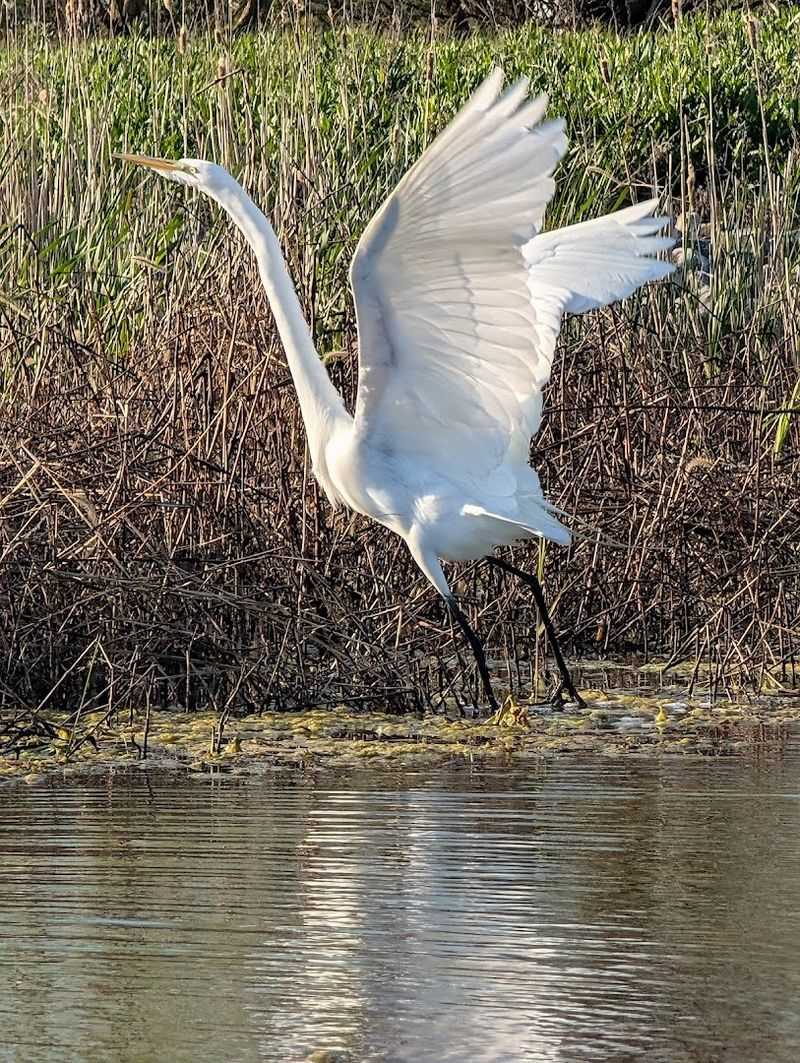
When the Toledo Metroparks restored Howard Marsh, they created something genuinely spectacular for the birding community in northwest Ohio.
Located at 611 S. Howard Rd. in Curtice, Ohio, this 1,000-acre wetland complex opened to the public in 2018 and has already established itself as one of the top shorebird and waterfowl destinations in the entire state.
April is prime time here, with thousands of migrating ducks, geese, and shorebirds using the carefully managed water levels to rest and feed.
The park features elevated viewing platforms and wide mowed trails that let you cover ground efficiently while keeping your sightlines clear across the open marsh.
Black-bellied plovers, pectoral sandpipers, and dunlin have all been recorded here in impressive numbers during spring migration.
The flat terrain and well-maintained paths make Howard Marsh especially welcoming for families and newer birders who want an accessible, productive experience.
Sunset visits in April can be breathtaking when large flocks of waterfowl lift off the water together.
5. Maumee Bay State Park, Oregon, Ohio
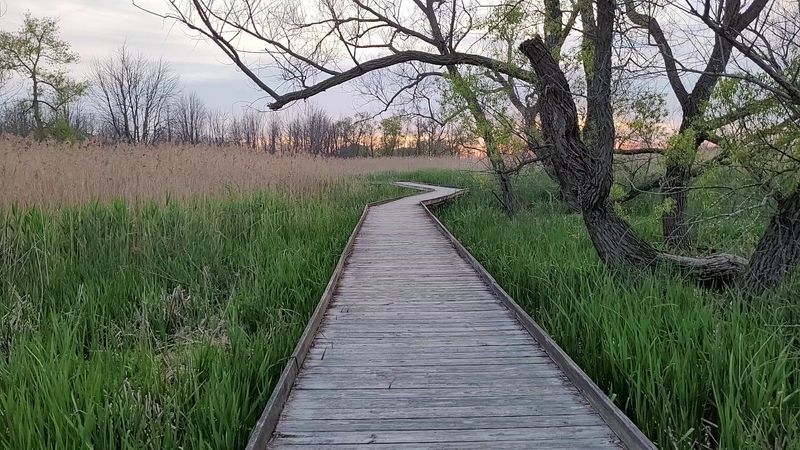
Not every great birding spot looks like a wilderness, and Maumee Bay State Park at 1400 State Park Road in Oregon, Ohio, proves that point beautifully.
This full-service state park sits right on the western basin of Lake Erie, and its mix of beach, wetland, and woodland habitat pulls in a surprisingly diverse mix of species each April.
The Nature Center remains a reliable stop for birders, but the Maumee Bay Boardwalk is currently closed for repairs into spring and summer 2026. The beach itself still offers views of loons, grebes, and diving ducks offshore.
American pipits and Lapland longspurs sometimes work the open grassy areas near the lodge in early April before the vegetation grows too tall.
The campground and lodge make overnight stays easy, which means you can be out birding at first light without a long morning drive.
Maumee Bay also connects via trail to additional wetland areas, effectively doubling your birding opportunities in a single visit.
Weekday mornings here are especially peaceful and productive.
6. Oak Openings Preserve Metropark, Whitehouse, Ohio
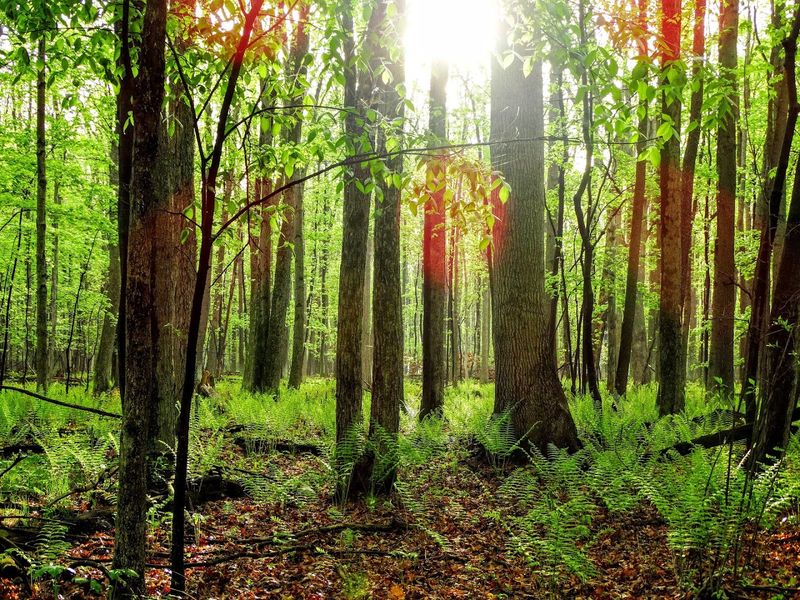
Sand dunes in Ohio might sound surprising, but Oak Openings Preserve Metropark at 5402 Wilkins Rd. in Whitehouse, Ohio, sits on a rare and ancient sand ridge that supports one of the most ecologically unique habitats in the entire Midwest.
The oak savanna and sandy scrub environment here attracts bird species you simply will not find in the typical Ohio wetland or forest, making it a genuinely exciting April destination.
Lark sparrows, eastern towhees, and field sparrows are among the open-country species that use this unusual landscape during spring migration and early breeding season.
The preserve covers over 4,000 acres with more than 50 miles of trails, so you can easily spend a full day exploring without covering the same ground twice.
April wildflowers carpet the sandy forest floor, making the experience beautiful even on days when bird activity feels slow.
Bring insect repellent, because the preserve warms up quickly and ticks become active in mid-April.
Morning light through the oaks here is genuinely lovely.
7. Headlands Dunes State Nature Preserve, Mentor, Ohio
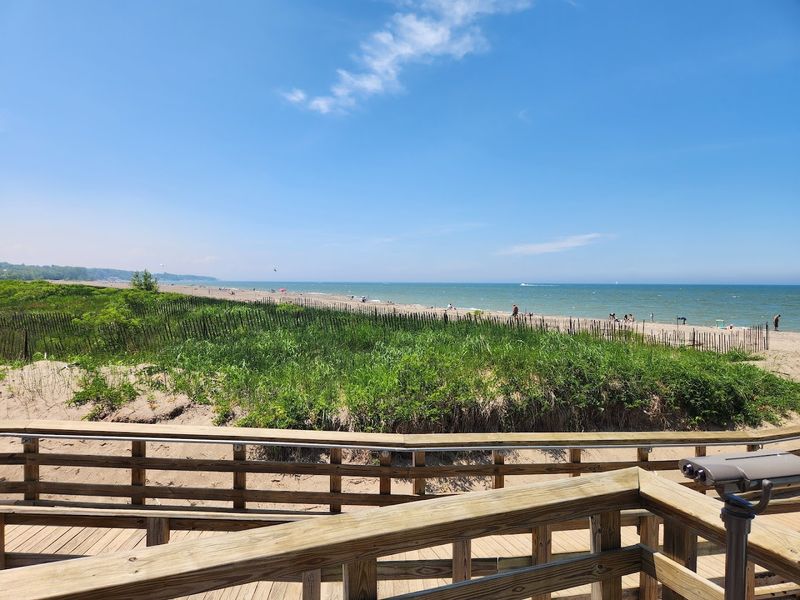
Right at the tip of a sandy peninsula jutting into Lake Erie, Headlands Dunes State Nature Preserve at 9601 Headlands Road in Mentor, Ohio, offers one of the most dramatic birding backdrops in the entire state.
The preserve protects a rare natural beach and dune ecosystem, and its position on the lake makes it a powerful migrant trap when northwest winds push birds along the shoreline in April.
Bonaparte’s gulls and common terns start appearing offshore in mid-April, while the dune grasses and low shrubs host sparrows, warblers, and flickers moving through in waves.
The adjacent Headlands Beach State Park adds woodland and open beach habitat that complements the preserve perfectly for a longer birding morning.
This is also one of the better spots in northeast Ohio to watch for early shorebirds along the exposed sand and gravel bars near the breakwall.
Wind direction matters a lot here, and northeast winds in April tend to push the most interesting birds close to shore.
The views across the lake are genuinely stunning on clear mornings.
8. Sandy Ridge Reservation, North Ridgeville, Ohio
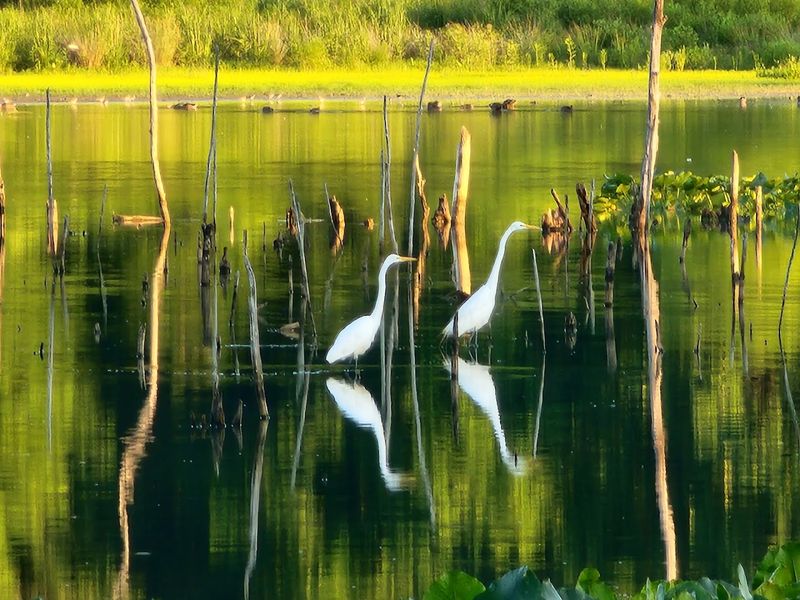
Lorain County birders have long known that Sandy Ridge Reservation at 6195 Otten Road in North Ridgeville, Ohio, punches well above its weight for such a compact and accessible site.
The reservation features a managed wetland impoundment that regularly floods in spring, creating ideal conditions for dabbling ducks, wading birds, and early shorebirds throughout April.
Wood ducks are almost guaranteed here, and the nest box program on the property has helped establish a reliable breeding population that is wonderful to observe up close.
The flat loop trail around the impoundment is easy and comfortable, making Sandy Ridge a popular spot for birders who want results without a strenuous hike.
Swamp sparrows, common yellowthroats, and tree swallows are typically present by mid-April, filling the marsh edges with activity and song.
The woodland section of the reservation also produces migrant thrushes and vireos that complement the wetland species nicely.
Sandy Ridge is a genuinely satisfying half-morning stop that rarely disappoints.
9. Meadowbrook Marsh, Marblehead, Ohio
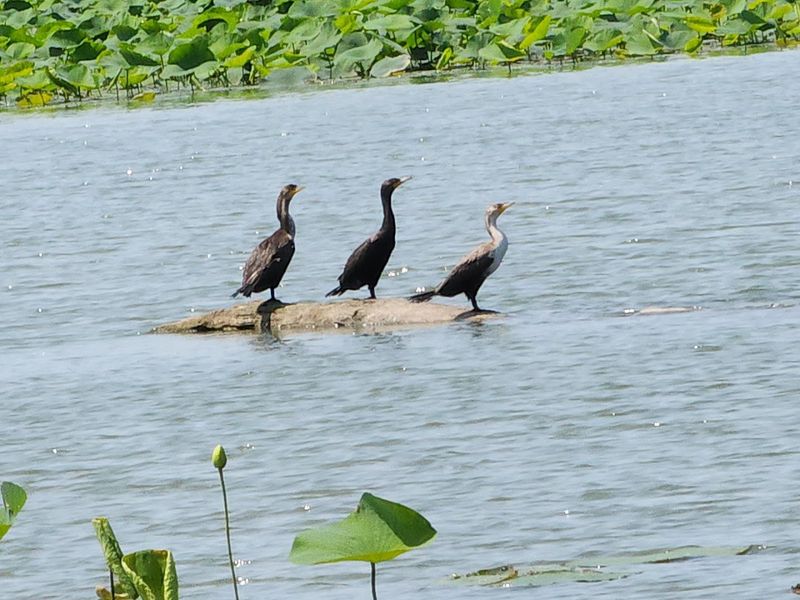
Perched on the Marblehead Peninsula along the shores of Lake Erie, Meadowbrook Marsh at 8577 E. Bayshore Road in Marblehead, Ohio, is a compact but surprisingly productive wetland that many visiting birders overlook entirely.
That oversight is their loss, because this small marsh consistently delivers excellent views of secretive marsh birds that larger, more crowded sites often make harder to observe.
Virginia rails and soras begin calling from the cattail edges in April, and patient visitors who arrive at dawn are often rewarded with actual views of these notoriously shy species.
The site is a public nature preserve owned and operated by the Danbury Township Board of Trustees, and it features accessible paved trails and an observation area that put you right at eye level with the vegetation.
Great blue herons and great egrets fish the open water channels throughout the day, while tree swallows and barn swallows hunt insects over the marsh surface from mid-April onward.
Meadowbrook pairs well with a visit to nearby Magee Marsh for a full and rewarding Lake Erie birding day.
10. Killdeer Plains Wildlife Area, Harpster, Ohio
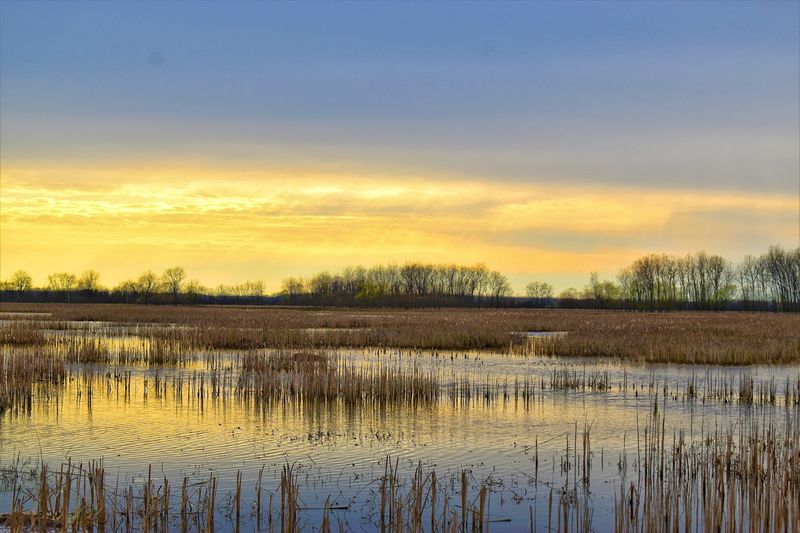
The wide, flat expanse of Killdeer Plains Wildlife Area at 19100 County Highway 115 in Harpster, Ohio, feels like stepping into a different landscape altogether, and in April, it absolutely delivers.
This 8,000-plus-acre wildlife area in Wyandot County is one of central Ohio’s most important stopovers for migrating shorebirds, with shallow flooded fields and grasslands that attract species rarely seen elsewhere in the state.
American golden-plovers move through the grassland fields in impressive numbers during April, sometimes in flocks of hundreds, while the flooded areas hold Wilson’s snipe, lesser yellowlegs, and Hudsonian godwit in good migration years.
The site also supports early-season grassland nesters like horned larks and meadowlarks, which are already singing from fence posts and field edges by the time April arrives.
Gravel roads crisscross the property, allowing slow driving surveys that cover a lot of ground efficiently.
A spotting scope is almost essential here given the open distances across the flooded fields.
Killdeer Plains feels genuinely wild and wide open in a way that few Ohio sites can match.
11. Lake Hope State Park, McArthur, Ohio
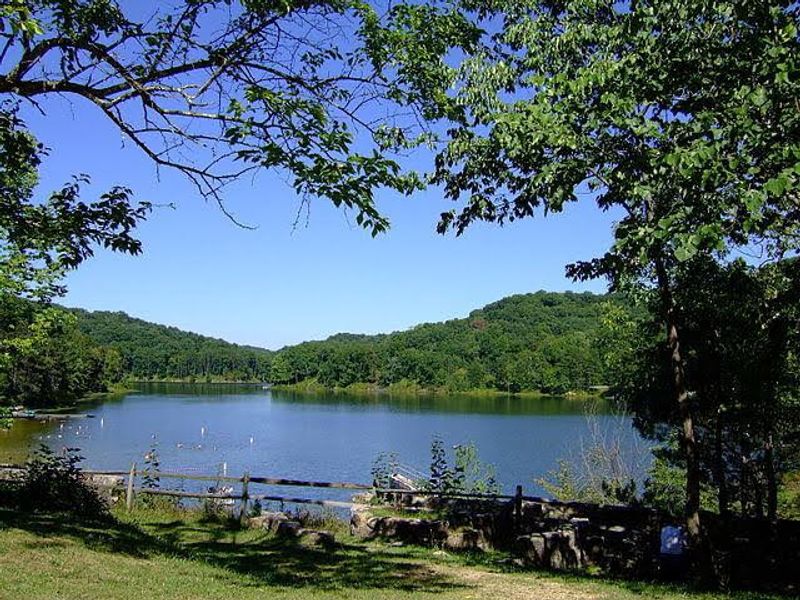
Tucked deep in the Zaleski State Forest in Vinton County, Lake Hope State Park at 27331 State Route 278 in McArthur, Ohio, offers a completely different April birding experience from the Lake Erie hotspots that dominate most Ohio birding itineraries.
The rugged, forested hills here support a rich community of breeding woodland birds, many of which are already establishing territories by the time April rolls around.
Louisiana waterthrushes sing loudly along the rocky forest streams, and cerulean warblers, a species of conservation concern, begin arriving in the forest canopy in mid to late April.
The worm-eating warbler is another specialty of these steep, dry forested slopes, and Lake Hope is one of the more reliable places in Ohio to find one.
The park’s loop trails wind through varied forest habitat that keeps every mile interesting and productive.
Hope Lake itself attracts wood ducks and hooded mergansers, adding a water birding component to the forest experience.
Arriving early on a calm April morning, with warbler song echoing through the hollow, is genuinely unforgettable.
12. Shawnee State Park, West Portsmouth, Ohio
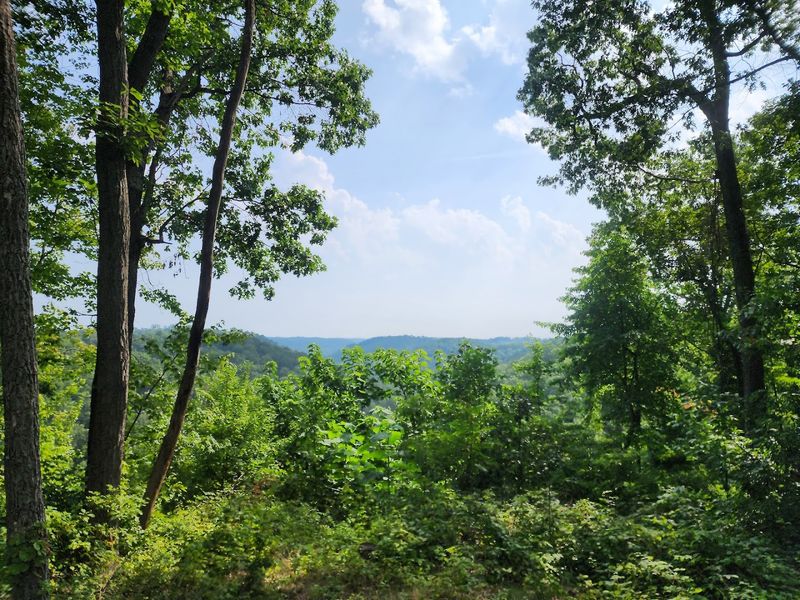
Known locally as the Little Smokies, the forested ridges of Shawnee State Park at 4404 State Route 125 in West Portsmouth, Ohio, rank among the most biodiverse forest birding destinations in the entire state.
The park sits within the Shawnee State Forest, the largest contiguous forested area in Ohio, and the deep Appalachian character of the landscape supports breeding birds that are hard to find anywhere else in the state.
Chuck-will’s-widows begin calling at dusk in late April, and Kentucky warblers sing from the dense understory along the park’s more secluded trail segments.
Yellow-throated warblers and yellow-throated vireos are both reliable April arrivals in the tall riverside sycamores near Turkey Creek.
The park’s interior forest trails require a bit more effort than a flat boardwalk, but the payoff in species diversity is absolutely worth it.
Shawnee is also wonderfully uncrowded in April, giving you the rare pleasure of having entire forest hollows essentially to yourself.
This is the kind of birding that reminds you why you fell in love with the hobby in the first place.