
The Most Unusual Spring Weekend In Colorado Starts In Crestone
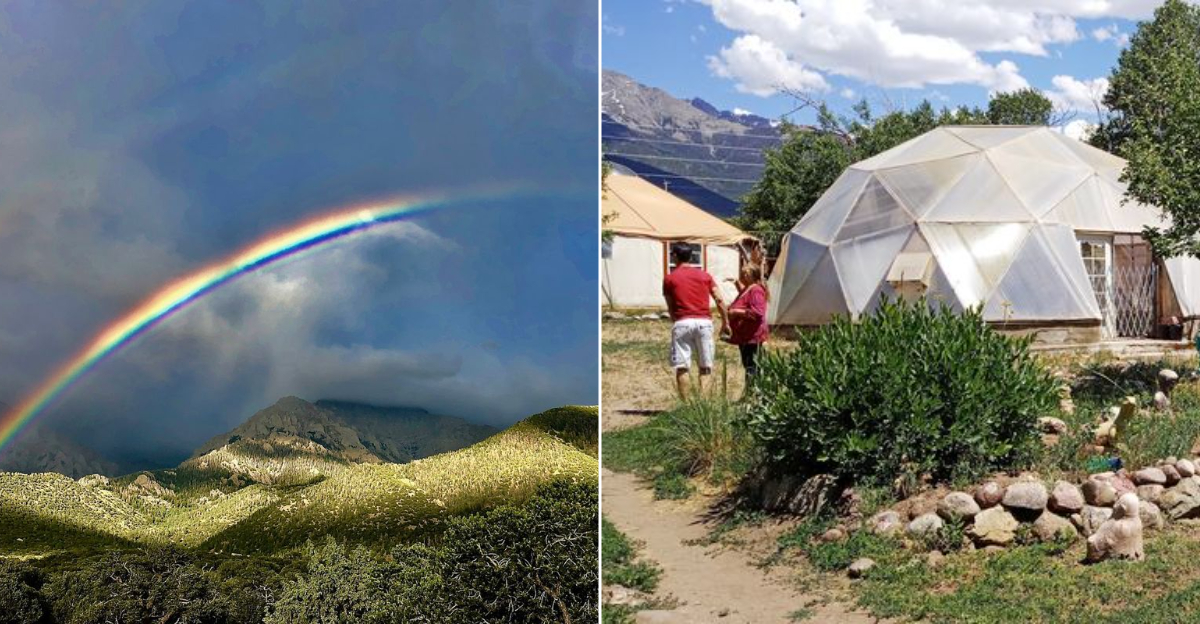
If you have ever dreamed of finding a place that still feels a little wild, a little mysterious, and wonderfully untouched, this tiny mountain town absolutely delivers.
Set beneath towering peaks and surrounded by the wide-open drama of the northern valley, it feels like the sort of destination adventurous travelers whisper about instead of broadcast to the masses.
Spring adds even more magic, with snowy summits still gleaming in the distance while fresh blooms begin waking up the valley floor below. In Colorado, that contrast feels almost cinematic, like winter and spring decided to share the same stage for one unforgettable performance.
The energy here is quiet but never dull, peaceful but never plain, and every view seems to nudge you toward one more walk, one more detour, one more deep breath. Colorado’s most memorable escapes are often the ones that feel curious, soulful, and just a bit off the map.
Where the Sangre de Cristo Mountains Meet the Valley Floor
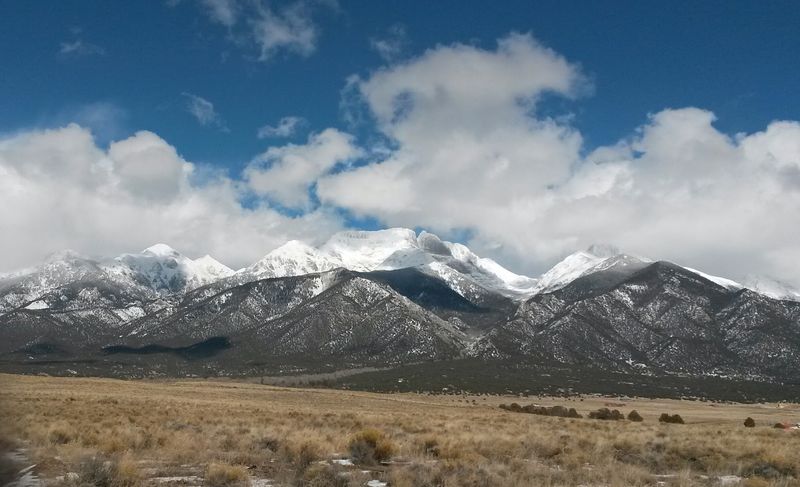
Standing at the edge of Crestone and looking east, you get the kind of view that makes your phone camera feel completely inadequate. The Sangre de Cristo Range rises so steeply and so suddenly from the valley floor that the whole scene looks like a theatrical backdrop someone forgot to take down after a production of something epic.
The mountains here reach elevations above 14,000 feet, and in spring the contrast between the snow-draped peaks and the warming valley below is genuinely spectacular. The San Luis Valley itself sits at roughly 7,500 feet in elevation, which means even the flat part of this picture is already higher than most people drive on a normal weekend.
Crestone sits right at that dramatic meeting point, giving visitors an almost unfair vantage. You are not looking at the mountains from a parking lot; you are essentially standing in their front yard.
Pro Tip: Morning light hits the Sangre de Cristos from the west-facing slopes first, so early risers get the most dramatic golden-hour views without fighting any crowds.
A Town So Small It Feels Like a Secret
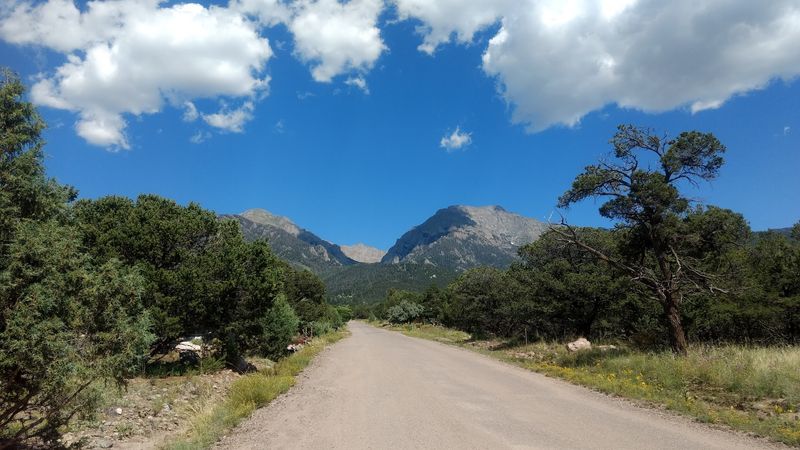
With a population of 141 according to the 2020 census, Crestone qualifies as one of those places where the mayor probably knows your dog’s name before they know yours. Saguache County, where Crestone sits as a statutory town, has a kind of wide-open quietness that city dwellers either find deeply restorative or mildly unsettling, depending on their relationship with silence.
The town’s small scale is not a limitation; it is the entire point. Streets here are unhurried, and the pace of a spring afternoon feels genuinely different from anywhere else in Colorado.
There is no traffic light to catch, no parking structure to navigate, and no line snaking out the door of a trendy brunch spot.
Who This Is For:Who This Is Not For: Visitors who want genuine solitude without sacrificing mountain scenery. Anyone who needs a packed itinerary and a hotel with a rooftop pool.
Crestone is the kind of place that rewards people who are comfortable letting the day unfold on its own terms, which turns out to be a surprisingly rare and valuable skill.
The Spiritual Retreat Capital of the Rocky Mountains
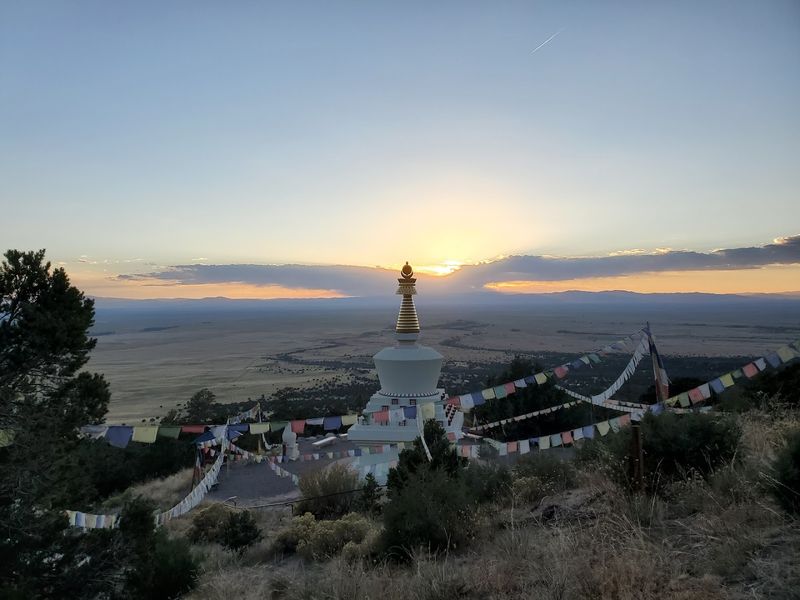
Crestone has earned a reputation unlike any other town in Colorado, and possibly unlike any other town its size in the entire country. Over the decades, it has become home to an extraordinary concentration of spiritual retreat centers representing traditions from Tibetan Buddhism to Hinduism to Carmelite Christianity, all coexisting peacefully within a few square miles of mountain terrain.
The reasons behind this unusual gathering are tied to the land itself, which many traditions consider energetically significant. The result is a community that operates on a frequency most weekend travelers have never encountered.
Walking through the area surrounding these sanctuaries feels less like sightseeing and more like accidentally stepping into someone’s meditation.
Insider Tip: Many of the retreat centers in Crestone welcome respectful visitors during daylight hours, though it is worth checking individual policies before wandering onto private grounds. The diversity of spiritual traditions here is genuinely rare and worth understanding before you arrive, not just so you can be respectful, but because the backstory makes the whole visit considerably more interesting and layered than a typical Colorado mountain town.
Spring Hiking When the Trails Are Still Yours Alone
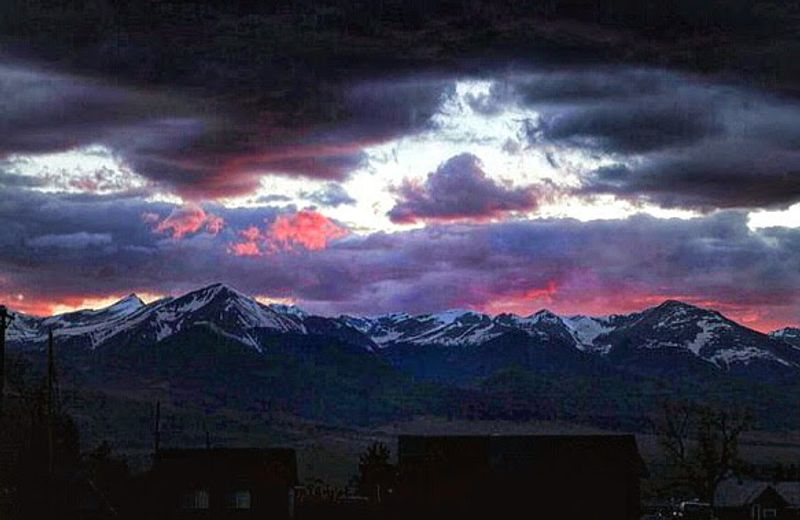
Spring in Crestone arrives in layers rather than all at once. The lower elevation trails around the valley floor thaw and green up while the high mountain routes above town are still shaking off winter, which creates a genuinely interesting hiking window for people willing to read the terrain carefully.
The trails accessible from Crestone lead into the Sangre de Cristo Wilderness, a federally designated wilderness area within the Rio Grande National Forest. These routes offer serious elevation gain and genuine backcountry character, meaning the reward for effort is proportionally large.
In spring, the snowmelt feeds small creeks that are nearly dry by midsummer, so the sound design of an April hike here is completely different from what you would experience in August.
Best Strategy: Start early, carry layers, and accept that conditions can shift quickly at this elevation. Afternoon thunderstorms are a spring staple in the Sangre de Cristos, so experienced hikers plan to be off exposed ridgelines well before early afternoon.
The payoff for timing it right is a trail almost entirely to yourself, which in Colorado in 2025 counts as something close to a miracle.
The San Luis Valley’s Wildest Skies After Dark
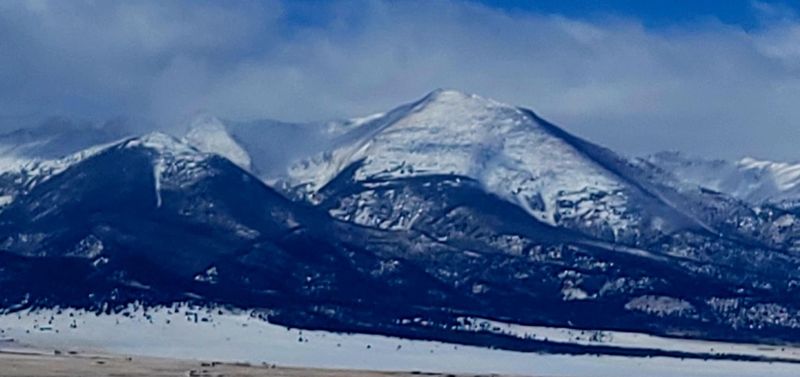
The San Luis Valley is one of the largest high-altitude valleys in the world, and its combination of high elevation, low humidity, and almost nonexistent light pollution makes the night sky above Crestone something that stops conversations mid-sentence. On a clear spring night, the Milky Way is not a faint smudge; it is a structural feature of the sky.
For anyone who grew up in a city or suburb and has only seen stars through a layer of ambient glow, the first night in Crestone can feel quietly life-changing. The valley’s remoteness, which can feel like an inconvenience during the drive in, reveals itself as the actual gift once the sun goes down.
Even a short walk away from any building is enough to put you under a canopy of stars that requires no filter, no enhancement, and no explanation.
Quick Tip: Spring nights at 8,000 feet are cold even after warm days, so a proper jacket and a reclining camp chair transform a stargazing session from a shivering ordeal into one of the better decisions you have made all year. Bring a red-light headlamp to protect your night vision while navigating back.
The Great Sand Dunes Are Closer Than You Think
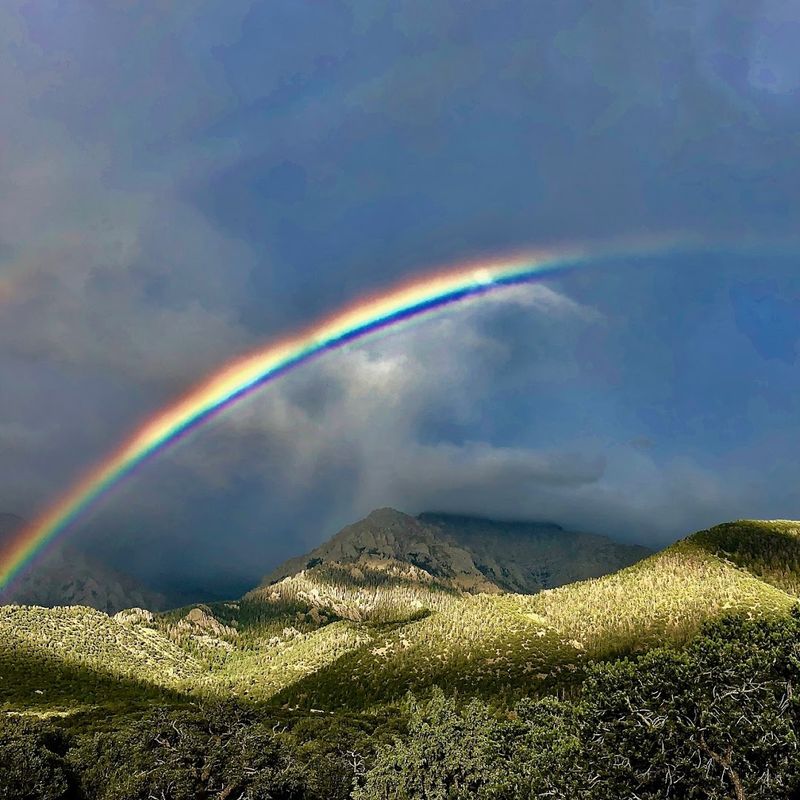
Here is one of those geographical facts that sounds made up until you see it yourself: the tallest sand dunes in North America sit in the middle of the Colorado Rockies, roughly 40 miles south of Crestone. Great Sand Dunes National Park and Preserve is the kind of place that rewires your understanding of what Colorado is supposed to look like.
For a spring weekend based in Crestone, the dunes make an obvious and rewarding day trip. Medano Creek, which flows along the eastern edge of the dunes in spring and early summer, creates a shallow, sandy-bottomed stream that families with children treat like a beach despite being at 8,200 feet in the middle of a mountain valley.
It is one of the more surreal family-friendly scenes in the American West.
Planning Advice: The drive from Crestone to Great Sand Dunes winds through classic San Luis Valley ranch land, so allow extra time to pull over and stare at things that do not make geographic sense. Arrive at the dunes early in spring before afternoon winds pick up, and wear closed-toe shoes because the sand surface temperature climbs fast even when the air feels cool.
A Community Built Around Alternative Living
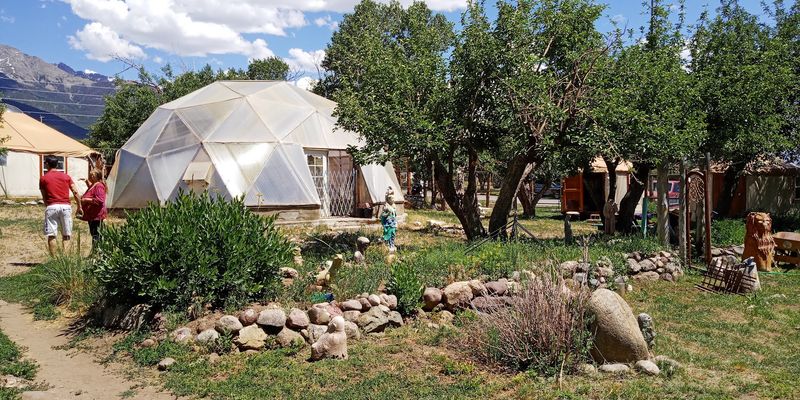
Crestone has never tried particularly hard to be conventional, and that turns out to be one of its most appealing qualities for visitors who are tired of places that all look the same. The community here includes artists, writers, off-grid homesteaders, and long-term spiritual practitioners who chose this remote valley deliberately and have built a genuinely distinctive local culture around that choice.
The town itself is a statutory municipality in Saguache County, one of the least populated counties in Colorado, and the surrounding Baca Grande subdivision extends the community further into the foothills. Walking around in spring, you notice architectural choices that would be impossible anywhere subject to a homeowners association: hand-built structures, earth architecture, and gardens that lean toward the experimental.
Why It Matters: For visitors, this means Crestone offers a cultural texture that feels genuinely different from the ski-resort-and-brewery circuit that defines much of Colorado’s tourism identity. You are not being sold a curated version of mountain life here.
What you see is what the people who live here actually built, which makes even a short Main Street stroll feel like a window into something real and self-determined rather than staged for consumption.
Wildlife and Solitude in the High Desert Foothills
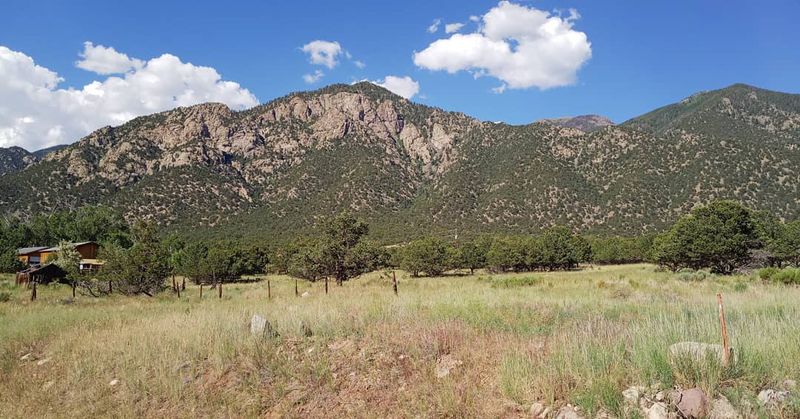
The landscape immediately surrounding Crestone shifts through several distinct ecological zones within a short distance, moving from the open grassland of the San Luis Valley floor up through pinon-juniper woodland into the ponderosa pine and aspen forests of the higher foothills. This layering of habitat means that wildlife encounters are a genuine part of a spring visit rather than a lucky bonus.
Mule deer are a regular presence in and around the community, and the broader region supports pronghorn antelope on the valley floor, raptors riding thermals above the foothills, and a variety of songbirds that return in force during spring migration. The combination of solitude and wildlife density makes the area around Crestone feel more like a nature preserve than a residential community.
Common Mistakes to Avoid: Visitors sometimes underestimate how quickly the terrain changes from the flat valley into serious mountain wilderness. The transition from a casual walk to genuine backcountry happens faster here than in most Colorado destinations.
Carry water even on short outings, as the high desert air at this elevation pulls moisture from you efficiently and without much warning, especially on warm spring afternoons when the sun has real intensity.
Final Verdict: Why Crestone Belongs on Your Spring List
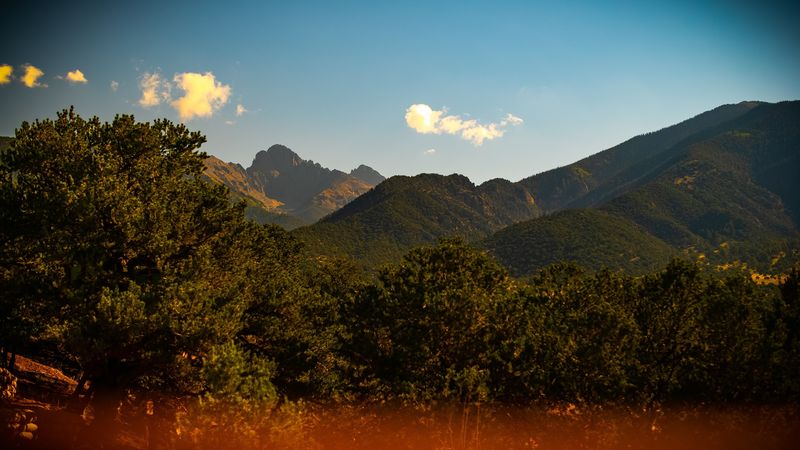
Crestone is not a weekend destination that hands you a highlight reel the moment you arrive. It is the kind of place that rewards visitors who show up without a rigid agenda and let the landscape do some of the talking.
The combination of dramatic mountain scenery, genuine cultural distinctiveness, world-class dark skies, and proximity to Great Sand Dunes creates a spring weekend that covers more ground than most people expect from a town of 141.
Key Takeaways: Crestone sits at the foot of the Sangre de Cristo Range in Saguache County, Colorado, within the northern San Luis Valley. It is a statutory town with a population of 141 and a reputation for spiritual diversity, off-grid community living, and extraordinary natural surroundings.
Spring is arguably its best season, when snowmelt, wildflowers, and mild temperatures align before summer crowds reach the broader region.
Quick Verdict: If your idea of an unusual weekend involves actual solitude, genuine scenery, and the pleasant disorientation of a place that operates by its own logic, Crestone is a confident recommendation. Send the coordinates to one person you trust and tell them not to overthink the packing list.
The mountains will handle the rest.