
This Illinois River Is A Quiet Alternative To Crowded Parks
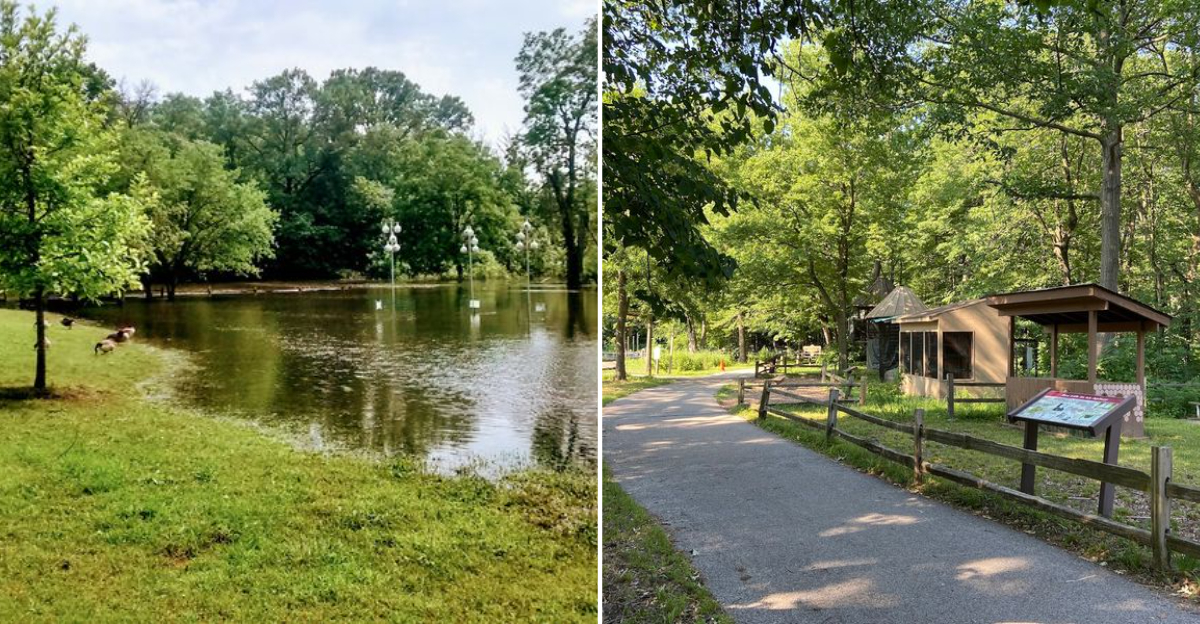
Most weekends, the popular forest preserves around Chicago fill up fast, and finding a quiet spot to breathe can feel nearly impossible.
Then I came across a place many people pass right by along Milwaukee Avenue in Northbrook, Illinois, and it completely changed what a peaceful outdoor day looks like.
The Des Plaines River winds gently through this area, surrounded by a stretch of forest preserve that feels calm and tucked away. There are simple trails, a small nature-focused center, and just enough to explore without the constant noise and crowds.
It has a kind of stillness that is hard to find near the city. The moment I stepped onto the path beside the river, it felt like I had found something worth sharing.
A Quiet River Escape
Some rivers make a big impression right away. The Des Plaines River isn’t like that.
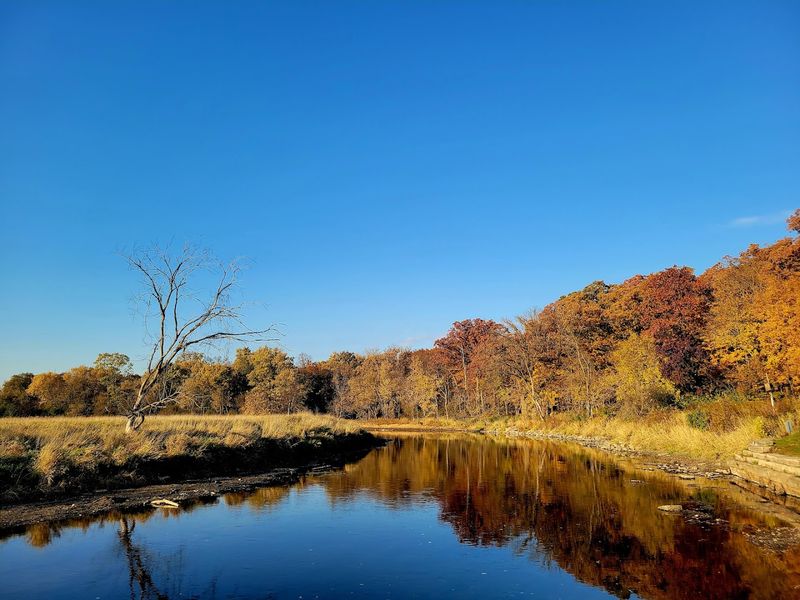
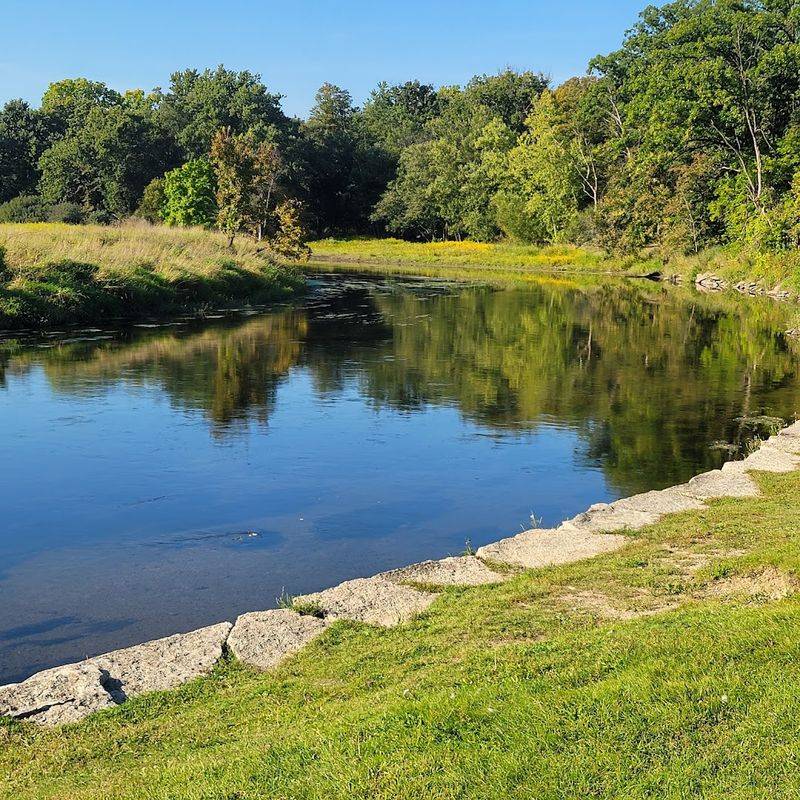
It moves quietly through the forest preserve in Northbrook, winding through the trees in a way that feels calm and unhurried.
I ended up sitting by the water for a while, just watching it curve around the bend. It moves slowly enough that you can actually follow a leaf drifting downstream, which is oddly relaxing.
There are a few spots to sit and take it all in, and on a nice morning, people tend to linger.
What really stands out is how tucked away it feels. Even though you’re close to neighborhoods, the trees close in, the birds take over the soundscape, and the noise from the road fades pretty quickly.
If you go in late October, the whole area lights up with fall colors, and the river just kind of ties it all together.
A Free, Easy Getaway
Paying entry fees at every park adds up quickly, so finding a place that charges nothing at the gate feels like a small victory. River Trail Nature Center is entirely free to visit, with no parking fees either, which makes spontaneous day trips genuinely easy to plan.
The center is open Tuesday through Thursday and Saturday through Sunday from 9 AM to 5 PM, and it is closed on Fridays.
That schedule is worth noting before you head out, since a Friday visit means the indoor exhibits will be unavailable. The parking lot is spacious and well maintained, so arriving with a full car of family members is no problem at all.
For families watching their budgets, this kind of free outdoor experience is rare so close to a major metro area. You can call ahead at +1 847-824-8360 to confirm hours or ask about upcoming programs, and more details are available online.
Meet The Resident Wildlife
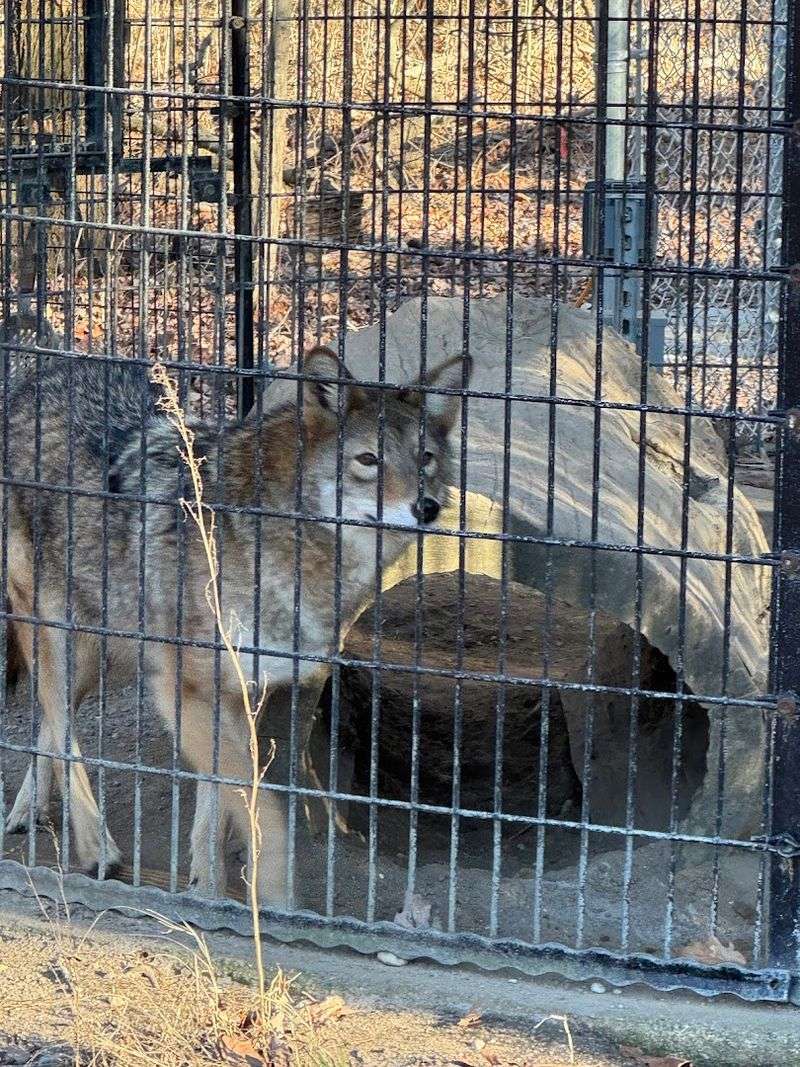
Not every animal here ended up at the nature center by choice, but each one has a story behind it. The resident coyote, for example, can’t return to the wild, so this is now his home.
Seeing him up close, moving around his space and taking everything in, is something you don’t forget quickly.
There are also hawks, owls, and other rescued birds that live here as ambassador animals. Basically, they help people connect with wildlife they might never get to see this close otherwise.
When staff members talk about them, they break things down in a way that’s easy to follow, whether you’re a kid or an adult.
It’s the little moments that stick with you, like watching a screech owl blink from its perch or suddenly hearing a hawk call out. Nothing here feels like a performance.
The animals are here to teach, and you can tell they’re being cared for with a lot of attention and respect.
Inside The Nature Center
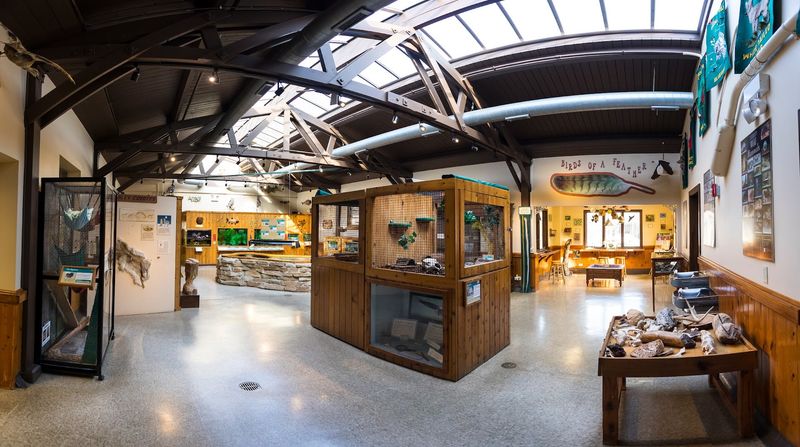
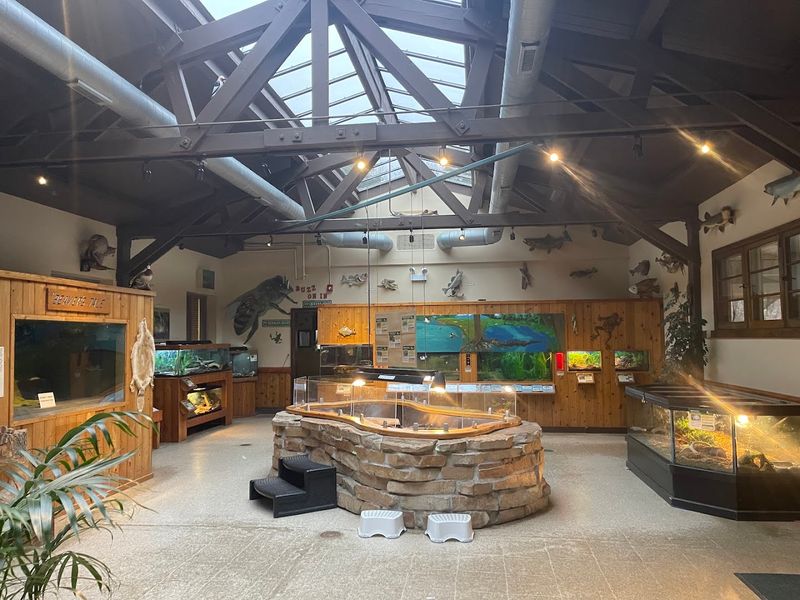
Walking into the interpretive center feels a bit like stepping into a small, hands-on natural history museum, especially if you’re the kind of person who likes to stop and read everything. The indoor exhibits focus on native animals and do a great job of highlighting species you might otherwise overlook.
I ended up spending way more time than expected at the snake display, just learning about species found around Illinois. There’s also a long-running turtle exhibit that a lot of people seem to remember from childhood visits, which gives the whole place a slightly nostalgic feel.
You’ll also find taxidermy displays that help round things out, showing animals in lifelike settings with info about how they live and where they fit into the ecosystem. There’s a play area connected to the indoor space too, which is great if you’ve got younger kids who need a break from standing still.
Before heading out on the trails, it’s a good idea to bring some insect repellent, especially in warmer months. It makes the whole walk a lot more comfortable.
Maple Forest Magic
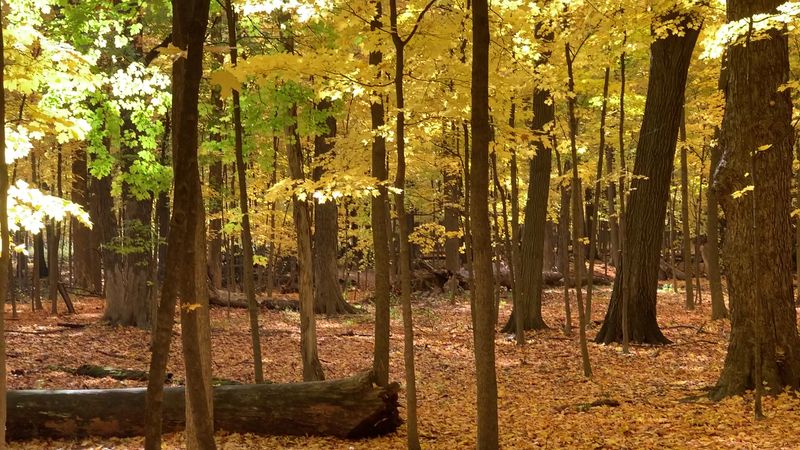
Hidden inside the preserve is a grove of ancient sugar maple trees that has been producing maple syrup for longer than most visitors realize.
Each year, the center hosts a maple syrup event that draws families from across the region, and the process of tapping trees and collecting sap is demonstrated in a hands-on way that makes the science feel real and exciting.
Maple syrup production in Illinois is not something most people think about, which is exactly what makes this event so surprising and enjoyable.
Standing among massive old-growth maples while learning how indigenous communities and early settlers harvested this resource adds a rich layer of local history to what could easily just be a fun activity.
The syrup itself is available for purchase at the annual sale, and it tends to sell out quickly. If you are planning a visit around this event, checking the center website at fpdcc.com well in advance is a smart move.
The woodland alone is worth the walk regardless of the season.
Trails Worth Exploring
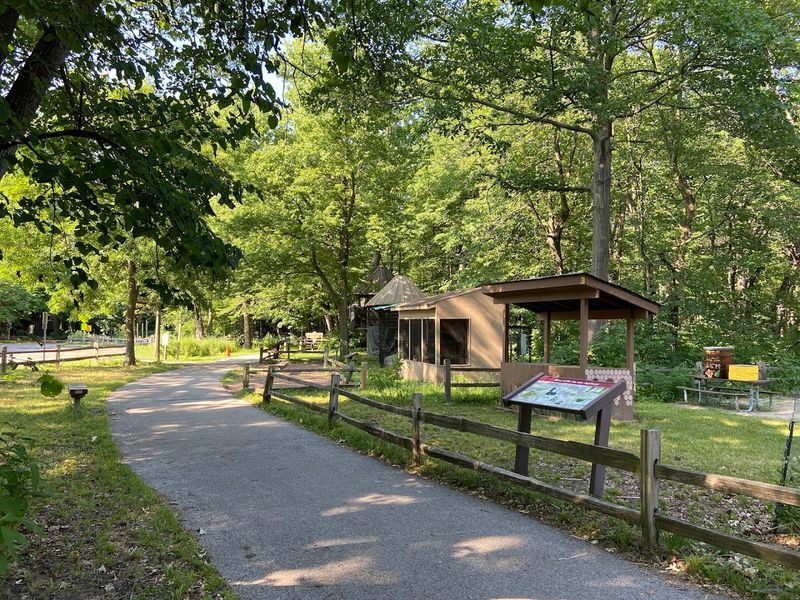
Trail quality can make or break an outdoor visit, and the paths here are consistently well kept and clearly marked.
The main trail follows the Des Plaines River closely, offering steady views of the water while passing through varied terrain that includes open meadow sections and denser wooded stretches.
Hikers, joggers, and cyclists all use these paths, so staying alert and keeping to your side of the trail is a practical habit worth building.
The unpaved Des Plaines River Trail extends further and can be accessed across Milwaukee Avenue near Allison Woods, giving more experienced visitors the option to extend their outing significantly. Maps are posted at multiple points and staff members are genuinely helpful if you get turned around.
The trails are friendly enough for beginners but textured enough to feel rewarding rather than boring. Fall is especially striking here, when the canopy transforms into deep shades of amber and rust.
Poison ivy does grow along some sections, so sticking to the marked paths is strongly recommended throughout the warmer months.
A Hidden Pollinator Haven
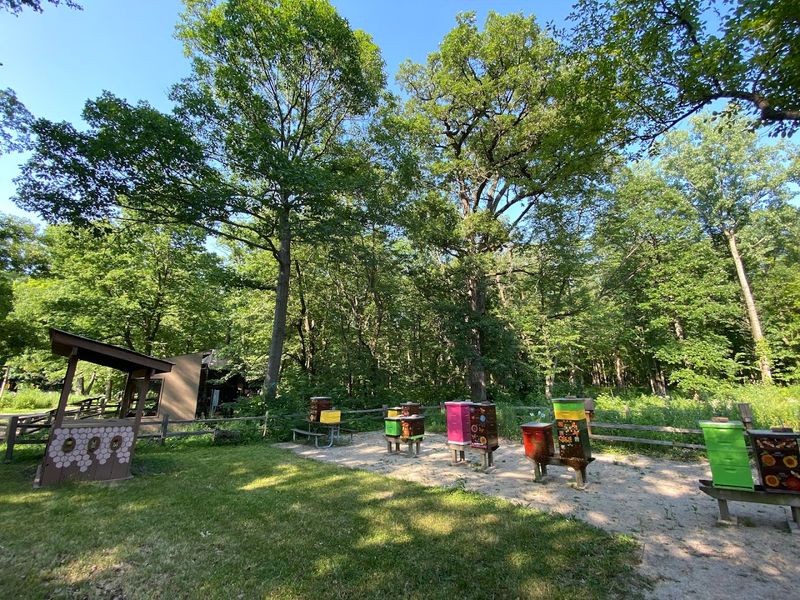
Most people arrive at River Trail Nature Center expecting trails and maybe a few animal exhibits. The honeybee hives and pollinator garden sections catch nearly everyone off guard in the best possible way.
Observation hive setups allow visitors to watch bees moving through their colony without any risk, and the educational signage explains pollination in clear, accessible language.
The native plant garden surrounding these areas is thoughtfully designed, featuring species that support local bee and butterfly populations throughout the growing season.
I noticed several different pollinator species working the flowers during my visit in late summer, which made the whole area feel genuinely alive and dynamic.
For kids who have only ever seen bees from a nervous distance, this setup offers a safe and fascinating introduction to why these insects matter so much to the broader ecosystem.
The connection between the plants, the bees, and the food we eat becomes surprisingly clear just by spending a few minutes in this corner of the preserve. It is one of the more underrated sections of the entire site.
A Play Space Kids Love
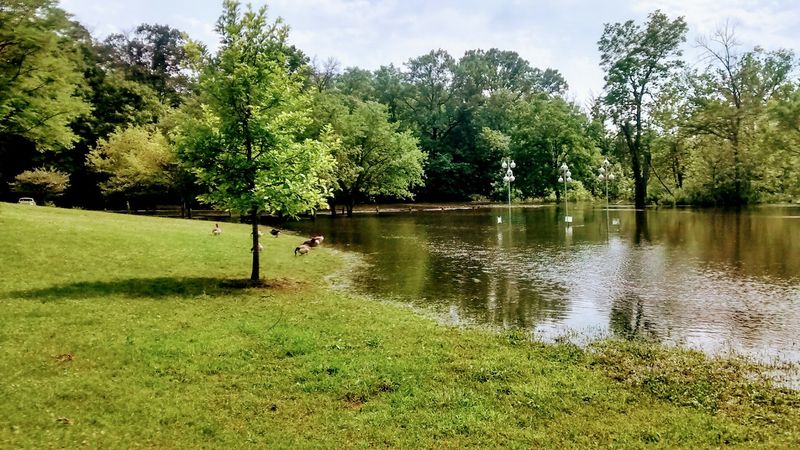
Not every nature center puts serious thought into outdoor play spaces for children, but this one clearly has. The outdoor play area uses repurposed natural materials like logs, wooden structures, and earthy textures to create an environment that feels like an extension of the forest rather than a standard playground dropped into the middle of it.
There are actually two separate outdoor play areas, which means siblings of different ages and energy levels can each find something suited to them. The nature-inspired design encourages imaginative play and keeps children physically engaged without pulling their attention away from the natural surroundings.
Parents get a few minutes to sit and breathe while kids scramble around, and the layout keeps everything visible and easy to monitor. After spending time inside the interpretive center looking at exhibits, moving outside to the play area gives younger visitors a natural energy release.
It is a smart design choice that makes the whole visit feel balanced and easy to manage, even with a full group of mixed-age children in tow.
A Birdwatcher’s Sweet Spot
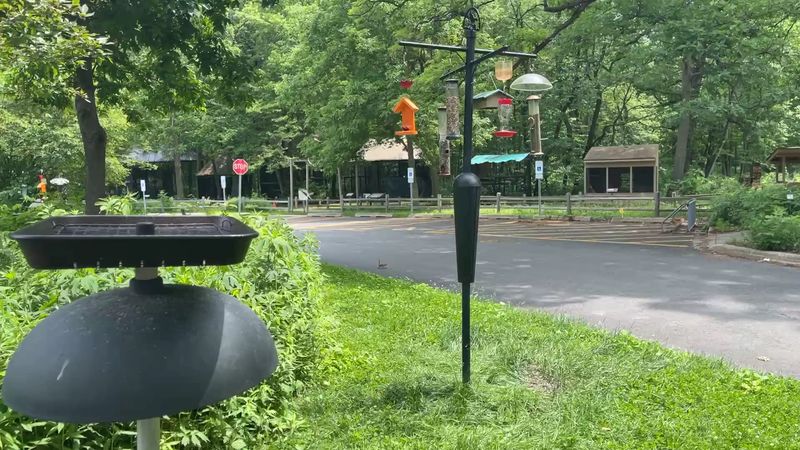
Bringing a pair of binoculars to River Trail Nature Center is one of the better decisions a visitor can make. The combination of river habitat, mature woodland, open meadow edges, and maintained bird feeders near the center creates conditions that attract a wide variety of species throughout the year.
The mix of habitats around the center attracts a variety of bird species that can often be seen near the main building and along the trails.
I counted several woodpecker varieties and a handful of songbird species just from the viewing area near the main building during a single morning visit. The feeder setup seems deliberately designed to maximize visibility.
Deeper on the trails, the bird activity increases noticeably, especially in the early morning hours when the preserve is quietest.
Resident raptors like hawks and owls live on the property as animal ambassadors, which gives visitors a guaranteed close-up view of birds they might otherwise only glimpse briefly in the wild. Autumn migration season brings an especially rich mix of passing species through this corridor.
What To Know Before You Go
A few small details can really make your visit here go a lot more smoothly. The center is at 3120 Milwaukee Ave in Northbrook, and the building is open Tuesday through Thursday and Saturday through Sunday from 9 AM to 5 PM.
It’s closed on Fridays, and things do wrap up right at 5, so getting there earlier in the day gives you plenty of time to explore without feeling rushed.
Dogs aren’t allowed in this preserve, so this is one outing where you’ll need to leave pets at home. There are restrooms inside the interpretive center, which is helpful, especially if you’re spending a few hours there.
It’s also smart to bring insect repellent, particularly in warmer months when the trails can get a bit buggy.
If you’re planning to extend your walk, the Des Plaines River Trail connects nearby, including access across Milwaukee Avenue near Allison Woods, though it can be a little confusing the first time.
There are maps posted around the site, and the staff at the center are friendly and happy to help if you have questions. You can also call ahead at 847-824-8360 to double-check hours or see what’s going on that day.