
This Uniquely Strange Cryptozoology Museum In Maine Is Wildly Bizarre
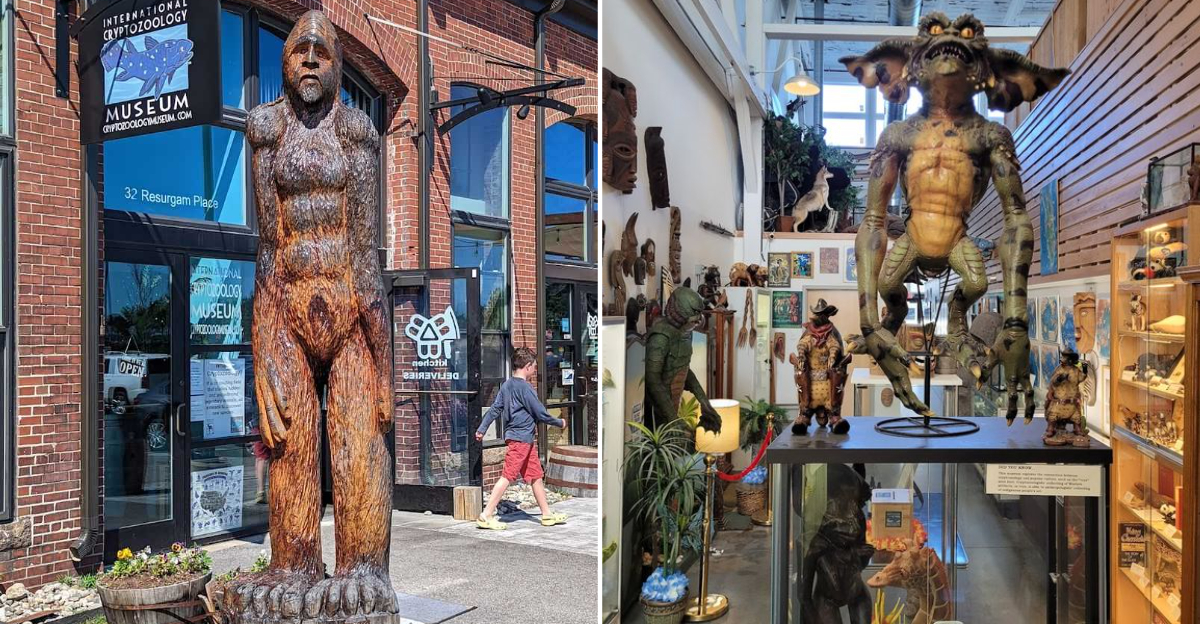
Imagine stepping into a place where Bigfoot footprint casts sit beside mermaid displays, and the Loch Ness Monster shares wall space with the Jersey Devil. That is the kind of experience waiting at a one-of-a-kind spot now settling into a new home in Bangor, Maine.
This unusual museum has a way of making your brain do a double-take. One moment brings folklore and legend, the next brings carefully collected artifacts and real-world context that invite a closer look.
It blends curiosity, storytelling, and a touch of science in a way that feels both strange and surprisingly thoughtful. True believers will find plenty to dig into, and anyone who simply enjoys a good mystery will have just as much fun exploring the displays.
It is the kind of place that easily holds your attention for a full visit without feeling overwhelming.
The Only Museum Of Its Kind In The World
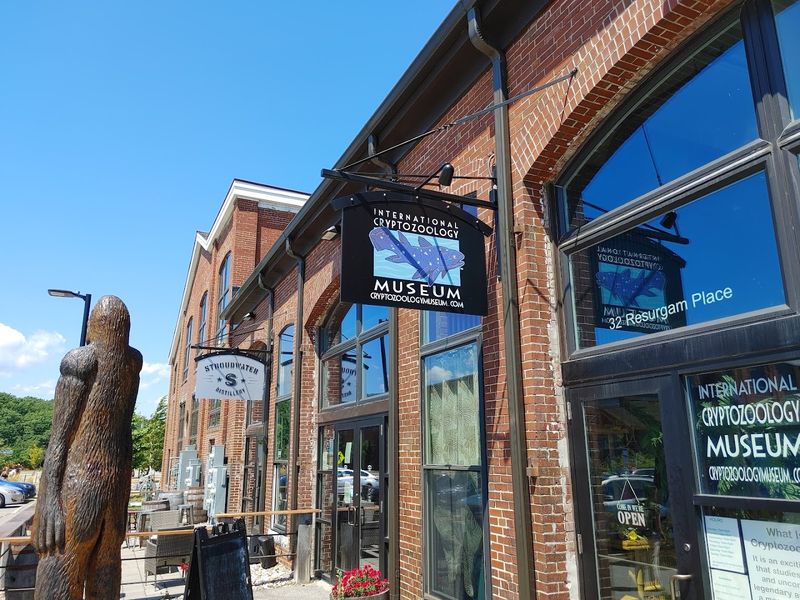
There is no other place on Earth quite like this one. The International Cryptozoology Museum in Bangor, Maine holds the remarkable distinction of being the only museum in the world dedicated entirely to cryptozoology, which is the study of creatures whose existence has not yet been proven by mainstream science.
Founded by Loren Coleman, a cryptozoologist, researcher, and author who spent decades collecting evidence and artifacts related to mystery creatures, the museum opened its original doors in Portland before relocating to Bangor.
Coleman did not just throw odd items on shelves. He approached the subject with genuine scientific curiosity, carefully examining evidence to either support or challenge each creature claim.
That scientific backbone gives the museum a credibility that separates it from a simple carnival sideshow. You walk away feeling like you actually learned something real, even if the subjects themselves remain gloriously unproven.
Nowhere else on the planet offers this particular mix of folklore, biology, and wonder under one roof.
Bigfoot Steals The Spotlight
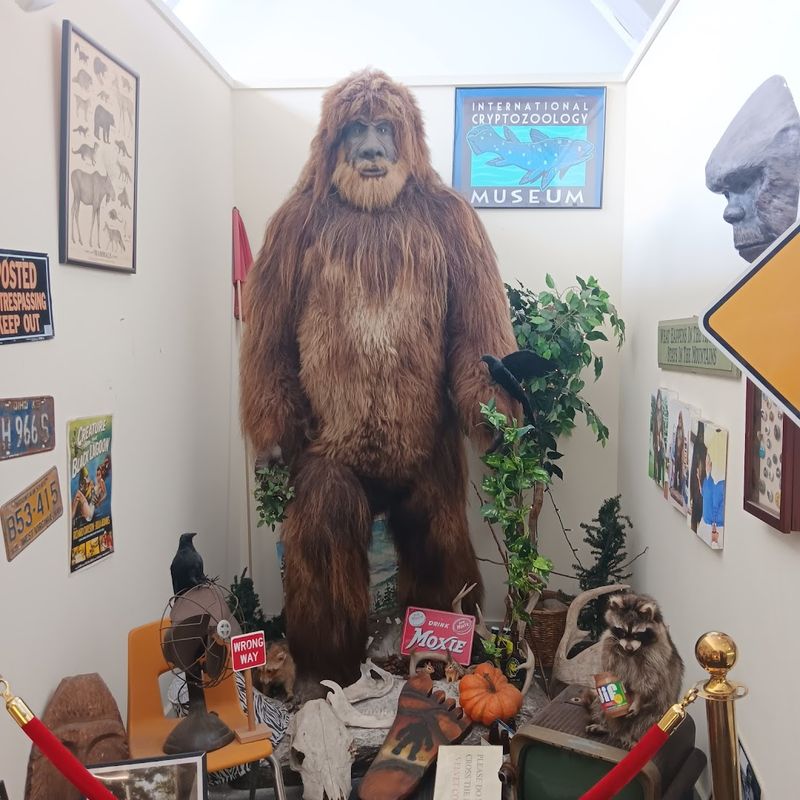
If Bigfoot had a fan club headquarters, this would be it. The museum’s most prominent and extensive displays are devoted entirely to Sasquatch, and the sheer volume of Bigfoot-related material on hand is genuinely impressive.
Plaster casts of supposed Bigfoot footprints are among the most talked-about exhibits, and seeing them in person gives you a new appreciation for just how enormous these alleged prints actually are.
Each display case in the Bigfoot section comes with a card that describes the creature, the evidence, and the story behind each artifact.
The staff, particularly at the front desk, are notably knowledgeable about Bigfoot lore and happy to answer questions. You get the sense that these people have spent serious time studying the subject.
Beyond footprint casts, you will find Bigfoot-themed clothing, toys, and cultural artifacts that show how deeply this creature has burrowed into American popular imagination. It is part science, part pop culture, and completely fascinating to explore from every angle.
A Museum Full Of Cryptid Surprises
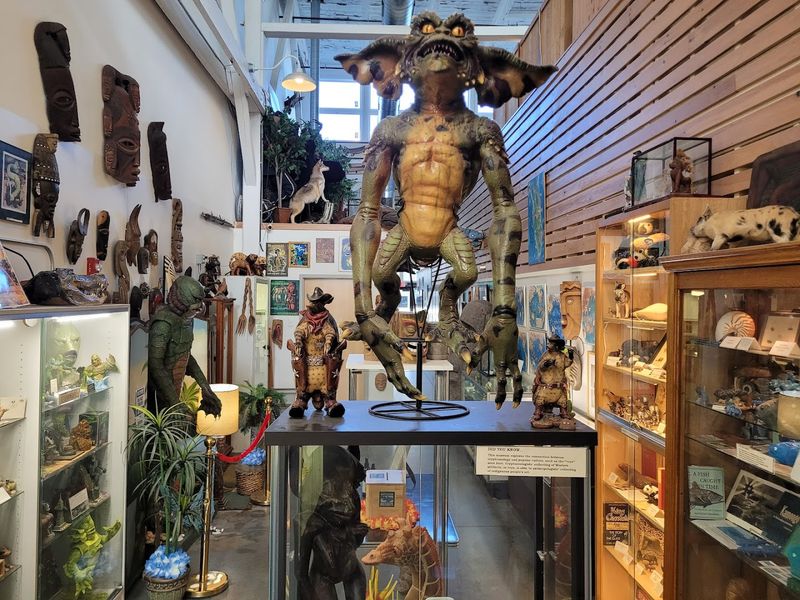
First-time visitors are often surprised by how much the museum fits into its space. The layout moves you through a series of rooms and display areas, each one dedicated to a different cryptid or category of mysterious creature.
The flow has an organized chaos to it that actually works once you settle into the rhythm. Every cabinet and corner holds something new.
One moment you are looking at Mothman memorabilia, and the next you are staring at a display about the Jersey Devil or reading about sea serpents spotted off the coast of New England. The variety keeps things from feeling repetitive, which is a real achievement given how niche the subject matter is.
Statues, toys, recreations, and original artifacts are mixed together throughout the space, giving it the feel of a classic cabinet of curiosities updated for the modern age.
Photography is allowed inside, which is a smart move since there is genuinely too much to absorb in a single walk-through without some visual notes to take home.
Nessie Makes An Appearance
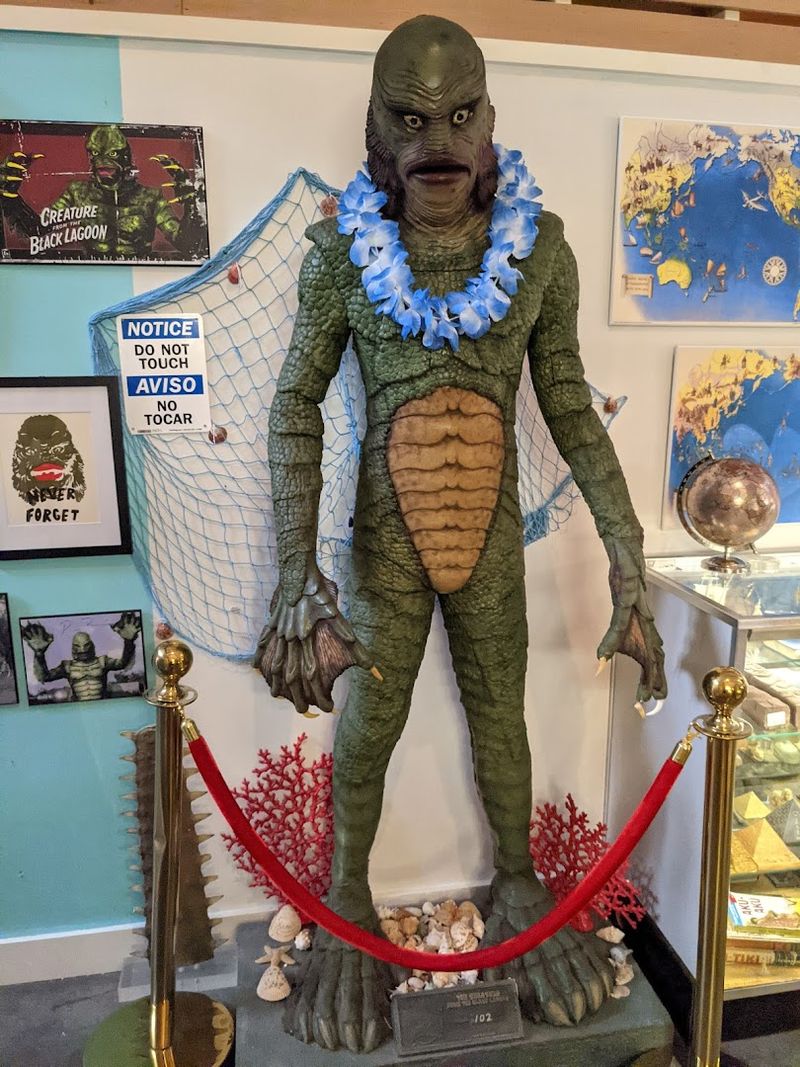
Nessie fans will not be disappointed. The Loch Ness Monster is represented among the museum’s exhibits, which explore the long and fascinating history of sightings reported from the famous Scottish lake.
The exhibit covers photographs, reported encounters, and the scientific debate that has surrounded the creature for nearly a century.
What makes this display genuinely interesting is the balanced approach. Rather than simply declaring Nessie real or fake, the museum presents the evidence and lets visitors draw their own conclusions.
That approach reflects founder Loren Coleman’s scientific background and his commitment to honest inquiry rather than sensationalized storytelling.
The exhibit also touches on similar sea serpent legends from closer to home, including Cassie, the Casco Bay Sea Serpent of Maine, which gives the display a satisfying local connection.
Moving from a Scottish lake monster to a Maine sea creature in a few steps is exactly the kind of unexpected journey this museum delivers with quiet confidence and a touch of charm.
Mermaids And The Famous FeeJee Exhibit
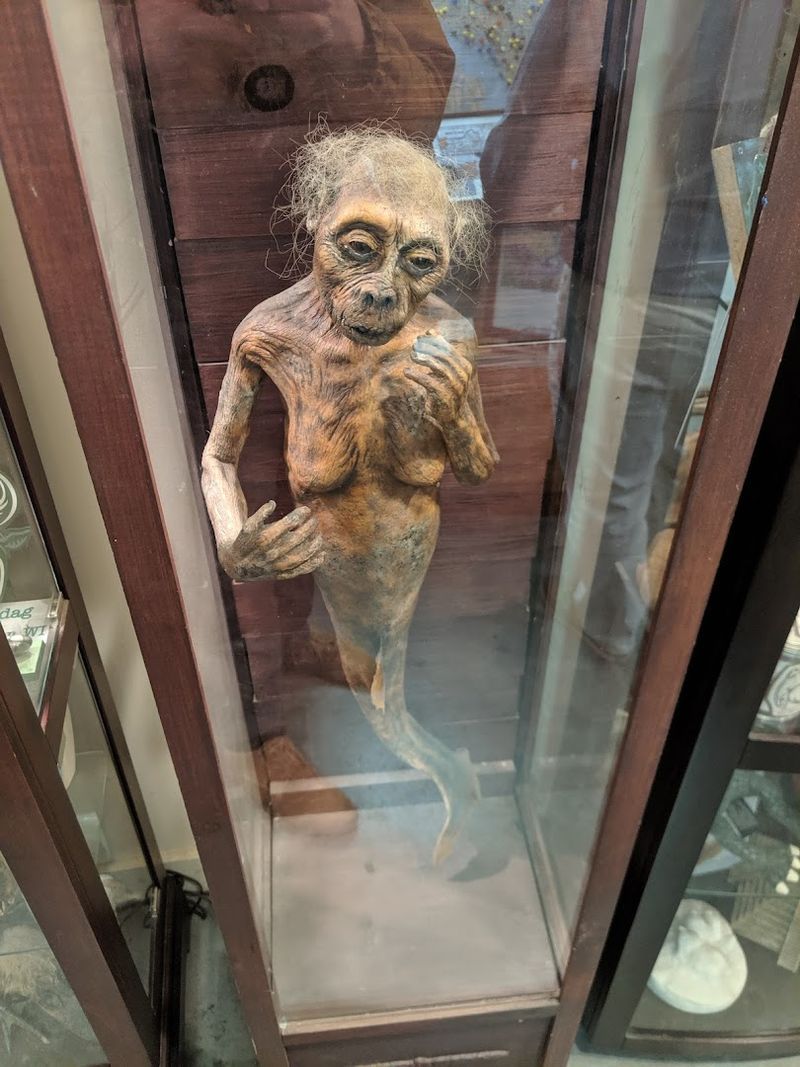
One of the most talked-about items in the entire collection is the FeeJee Mermaid, a prop from the 1999 television production P.T. Barnum, which is on display at the Bangor location.
The original FeeJee Mermaid was a famous 19th-century curiosity that P.T. Barnum exhibited to enormous crowds, claiming it was a genuine mermaid specimen.
It was, of course, a cleverly constructed hoax, but its cultural impact was very real.
The museum also features mermaid-related artifacts that many visitors single out as among the most visually striking items in the collection.
There is something undeniably eerie about seeing it up close, and the accompanying information gives you the historical context to appreciate why people believed in such things for so long.
Mermaid mythology spans cultures from Japan to West Africa to the Caribbean, and the museum touches on that global reach. For anyone drawn to the intersection of folklore and human belief, this section of the museum is quietly one of its most rewarding corners.
When “Extinct” Isn’t The End
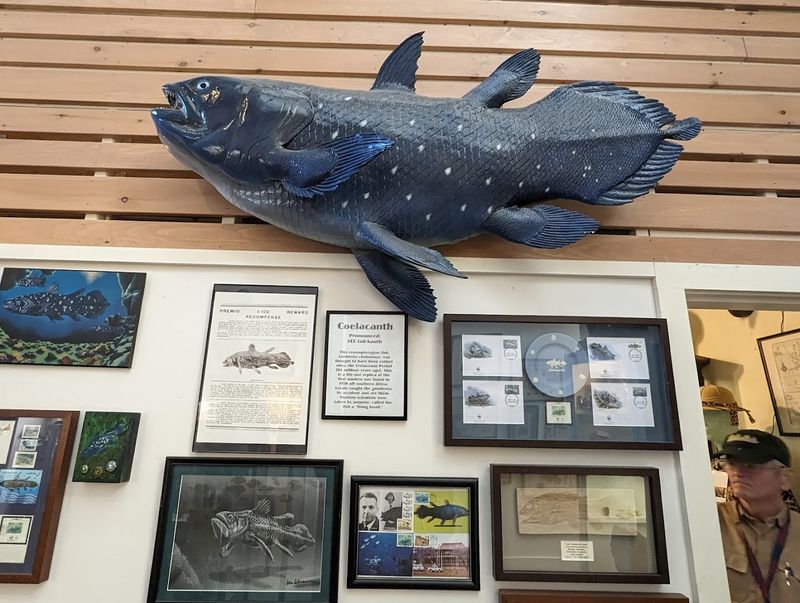
Not everything in this museum is about creatures that remain unproven. One of the most scientifically compelling exhibits features the coelacanth, a fish that scientists believed had been extinct for roughly 66 million years until a living specimen was caught off the coast of South Africa in 1938.
That discovery sent shockwaves through the scientific community.
The coelacanth display serves a very deliberate purpose in the museum’s overall argument. If a prehistoric fish can survive undetected for millions of years in the world’s oceans, then perhaps the idea of large unknown creatures still roaming remote forests or deep waters is not so far-fetched after all.
It is a genuinely thought-provoking point that the museum makes without being preachy about it.
Seeing this exhibit reframes how you think about the rest of the museum’s contents. Science has been wrong before about what exists and what does not, and the coelacanth is the most dramatic proof of that.
It is the kind of detail that sticks with you long after you leave the building.
America’s Most Famous Cryptids
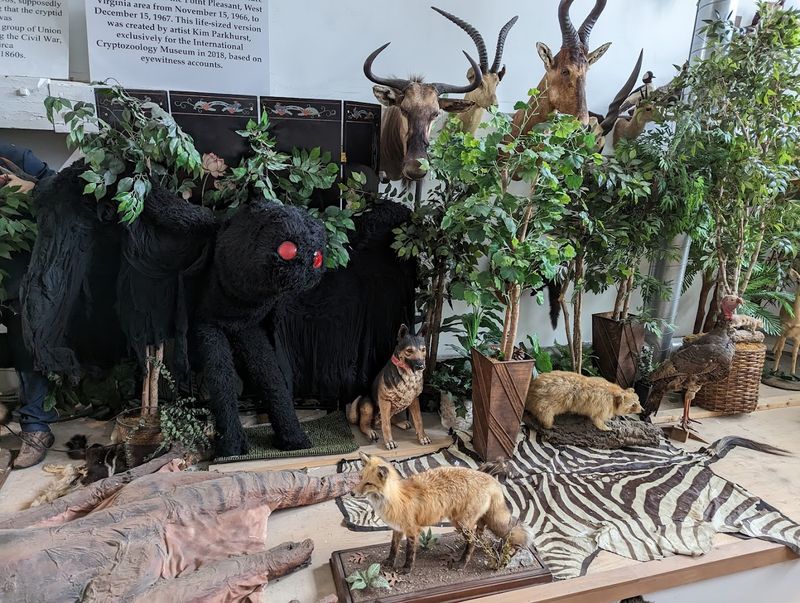
American folklore gets serious real estate in this museum, and the exhibits dedicated to Mothman and the Jersey Devil are among the most visually striking in the building.
Mothman, the winged creature reportedly seen near Point Pleasant, West Virginia in the late 1960s, has inspired books, films, and a dedicated following. The museum’s display captures that cultural weight with genuine care.
The Jersey Devil, a creature tied to the Pine Barrens of New Jersey with a history stretching back to colonial times, gets similarly thoughtful treatment.
Reading about the creature’s origins and the long list of reported sightings across several centuries gives the legend a historical depth that many visitors do not expect.
Having both of these iconic American cryptids represented in one place, alongside dozens of other creatures from around the world, creates a sense of scope that feels almost encyclopedic. The museum does not just collect oddities.
It maps the human tendency to find mystery in the wild places of the world, and that is a surprisingly moving thing to witness.
The Man Behind The Museum
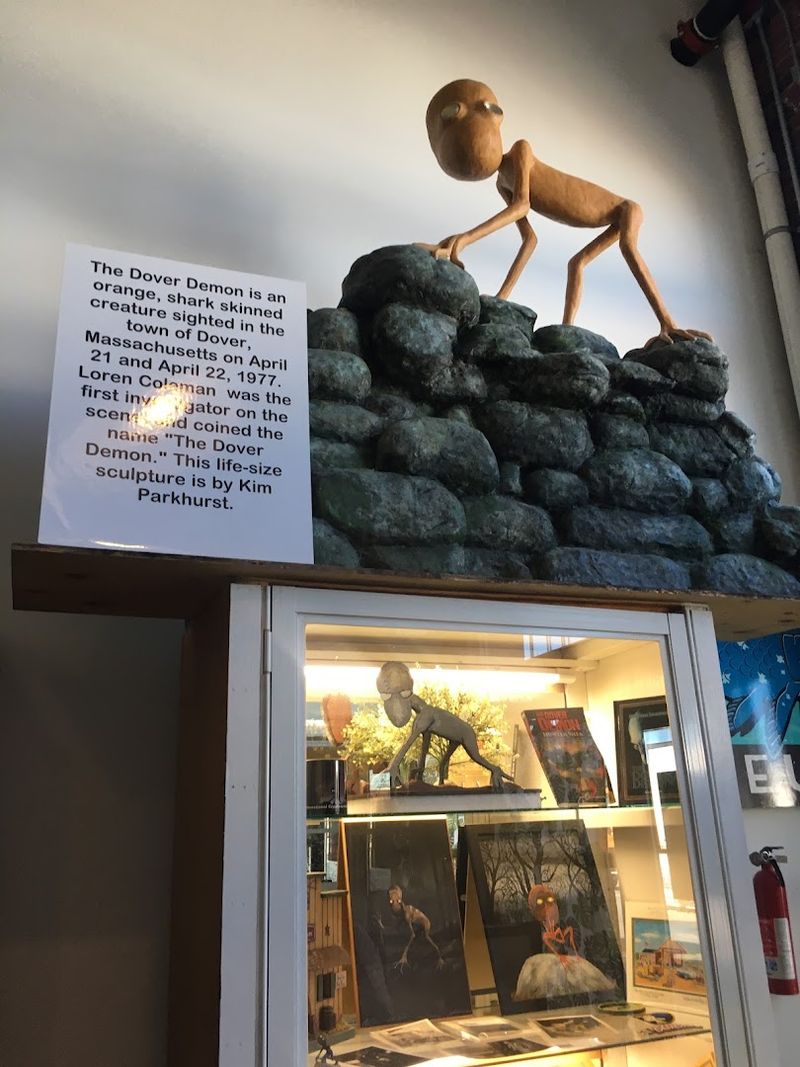
Loren Coleman is not your average museum founder. A longtime researcher, author, and educator with decades of fieldwork and writing behind him, Coleman built this museum as a serious attempt to document and examine evidence related to unknown creatures.
Many of the books available in the gift shop were written by him, and some copies are personally autographed.
What sets Coleman apart from more sensational figures in the cryptozoology world is his willingness to scrutinize evidence critically. He did not simply collect stories that supported the existence of mystery creatures.
He examined claims carefully, acknowledged hoaxes, and tried to separate genuine biological mysteries from wishful thinking. That intellectual honesty runs through the entire museum’s presentation.
Knowing that the collection was assembled by someone with genuine scientific credentials changes how you experience the exhibits.
You are not just browsing someone’s hobby collection. You are walking through the life’s work of a person who dedicated decades to asking hard questions about the natural world’s remaining mysteries, and that context adds real weight to everything on display.
A Gift Shop Full Of Cryptid Finds
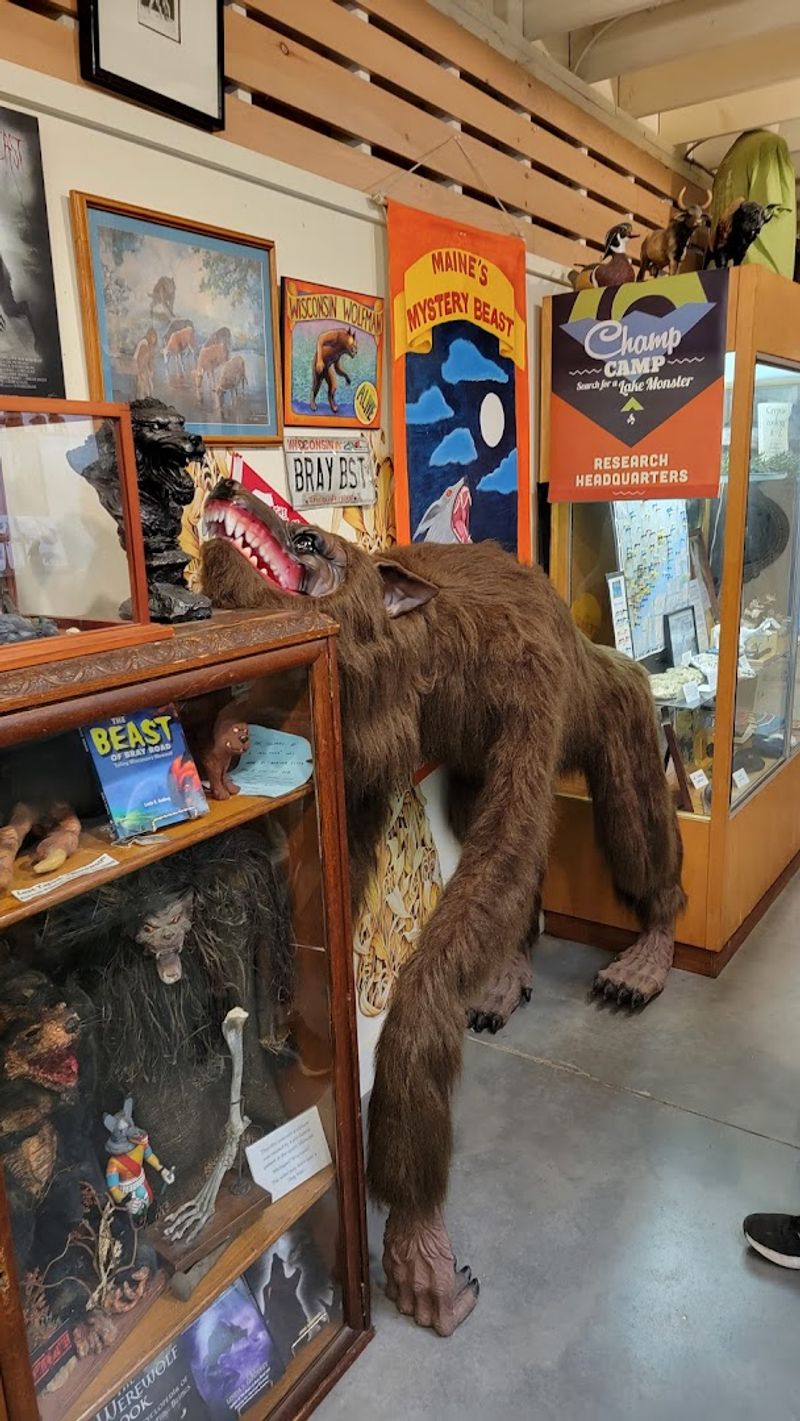
Before you head out, the gift shop deserves a proper look. Stocked primarily with books covering every corner of the cryptozoology world, it is a genuinely good resource for anyone who wants to keep reading after the visit.
Many titles are authored by Loren Coleman himself, giving the shop a personal quality that chain museum stores rarely achieve.
Beyond books, you will find an assortment of cryptid-themed merchandise that leans into the museum’s playful side.
The famous Bigfoot Hawaiian shirt, mentioned fondly by many who have visited, is the kind of souvenir that will absolutely get noticed at a summer cookout. There are also magnets, stickers, and various novelty items spread throughout the space.
The gift shop reflects the museum’s overall character: part serious, part wonderfully silly, and entirely committed to celebrating creatures that most of the world considers mythical.
Even if you leave the museum undecided about Bigfoot’s existence, you might just walk out wearing his face on your chest, and honestly, that feels like a win.
Planning Your Visit To Bangor
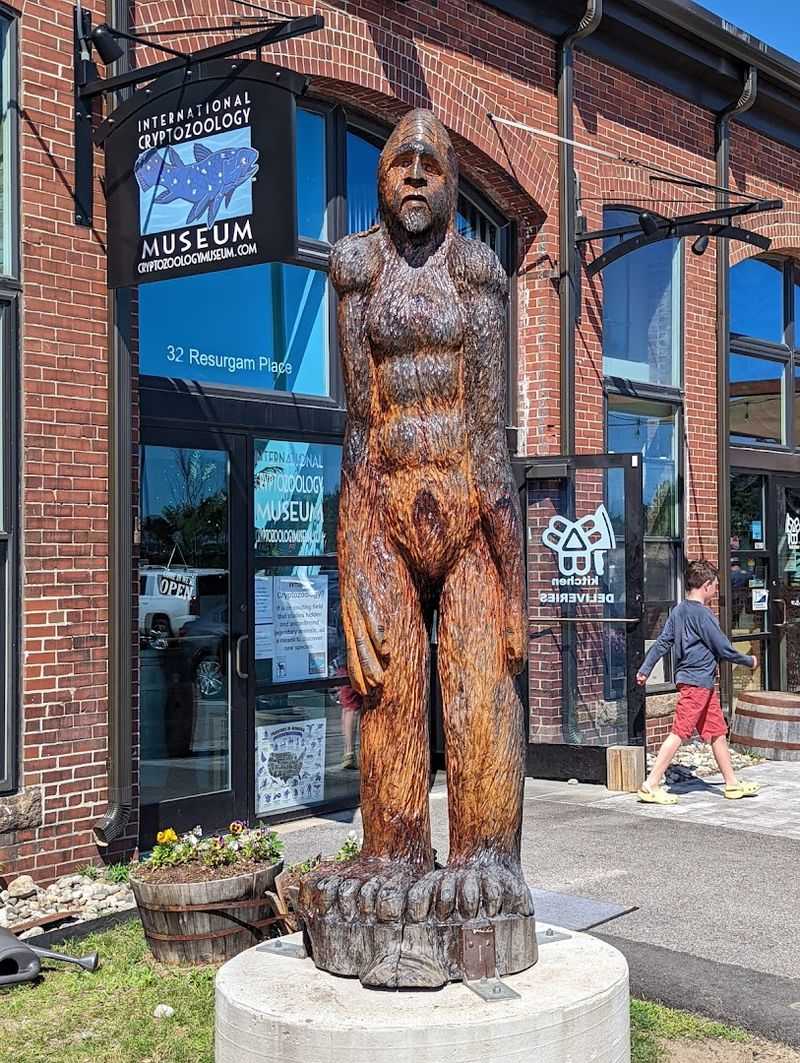
Originally based in Portland, the museum is now in the process of settling into its new Bangor home, with exhibits being updated and reorganized along the way.
Planning a visit is pretty straightforward once you know what to expect. The museum is located at 490 Broadway in Bangor, Maine, but it’s currently temporarily closed as it finishes its move, with reopening expected around May 1.
Since that timeline could shift, it’s a good idea to check the official website before heading out.
Admission is listed at $10 for adults and $5 for children, which keeps it in the affordable range for most visitors. The museum is also self-guided, so you can take your time and explore at whatever pace feels right.