
12 Reasons To Pack Your Bags And Move To Washington in 2026
Every morning, I wake up to the same beige walls and the same predictable routine, and frankly, I’m ready to stage a cinematic escape. I’ve spent too many years dreaming about a life that feels more like a movie and less like a spreadsheet.
It’s time for a radical transformation, the kind where I swap my umbrella for a waterproof jacket and my boredom for bottomless exploration. I can already hear the call of the wild and the hum of a tech-savvy future merging into one perfect harmony.
My decision is made, my cardboard boxes are taped shut, and my excitement is reaching a fever pitch that I can’t ignore. Here are 12 reasons to pack your bags and move to Washington in 2026 if you’re ready for a life-changing transformation.
I’m not just changing my zip code; I’m finally finding where I actually belong.
1. No Broad State Personal Income Tax
Your paycheck stretches further the moment you cross into Washington. For most households, there is still no broad state personal income tax, which is a financial advantage that quietly compounds over time.
Washington does have a capital gains tax, but the Department of Revenue confirms that real estate is excluded from it. The newer high-earner income tax is slated for 2028 rather than 2026, meaning new residents in the near term get to enjoy the current structure.
That extra money staying in your pocket each month can go toward a mortgage, savings, or simply enjoying everything the state has to offer.
For families, freelancers, and salaried workers alike, the tax setup is genuinely one of the most practical reasons to plant roots here. Doing the math before you move often surprises people in the best possible way.
2. Generous Paid Family And Medical Leave
Few things reshape your priorities faster than a new baby or a family health challenge, and Washington has built a real safety net around those moments.
The state’s paid family and medical leave program allows eligible workers to take up to 12 weeks of paid leave, which is a meaningful benefit that many states simply do not offer at the same level.
Planning a move with a growing family or aging relatives in the picture? That kind of coverage changes the entire calculus.
You are not forced to choose between your job and the people who matter most to you.
Washington’s program is state-run and well-established, so it is not a promise buried in fine print. For anyone weighing quality-of-life factors alongside salary and cost of living, this benefit alone can tip the scales toward making Washington home in 2026.
3. A Minimum Wage That Actually Keeps Up
Washington’s official 2026 minimum wage sits at $17.13 an hour statewide, which is notably higher than the federal floor and higher than most states in the country. That number matters whether you are starting out in the workforce, working a second job, or managing a small team that relies on entry-level hiring.
Higher wage floors tend to lift surrounding pay scales too, meaning the competitive pressure works in workers’ favor across many industries. Restaurants, retail, service businesses, and hospitality employers in Washington often pay above the minimum simply to attract and keep staff.
For people relocating from states with significantly lower wage standards, the adjustment can feel almost immediate in daily life. Groceries, rent, and utilities all cost money, and a stronger baseline wage gives residents a better shot at keeping up.
Washington treats its workers’ time as genuinely valuable, and that philosophy shows up in the numbers.
4. Three World-Class National Parks
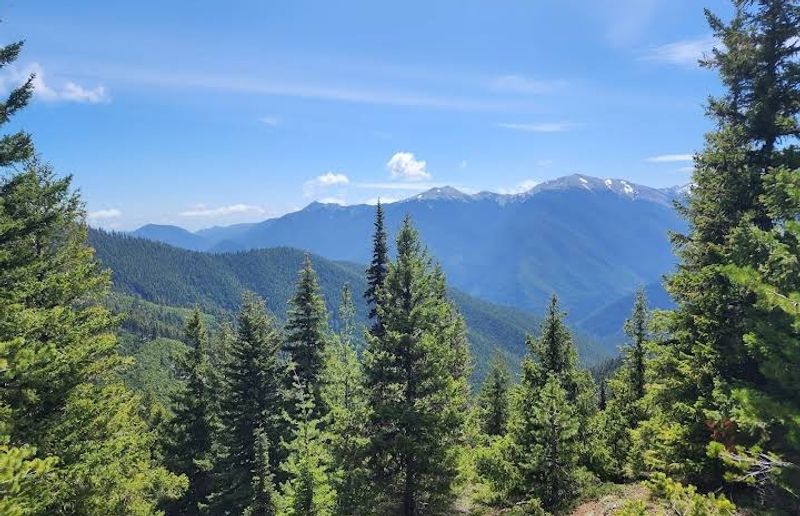
Living near three national parks is not something most Americans get to say, but Washington residents can. Mount Rainier’s glaciated volcano and wildflower meadows, Olympic’s rare mountain-forest-coast combination, and North Cascades’ jagged peaks alongside more than 300 glaciers each offer a completely different outdoor personality.
On a long weekend you could be scrambling up a snowfield near Paradise at Rainier, and the following week wading through old-growth rainforest in Olympic. North Cascades, meanwhile, draws serious hikers and climbers who want raw, uncrowded wilderness that still feels genuinely wild.
Calling these parks your backyard rather than your vacation destination changes how you relate to the outdoors entirely.
Annual passes become a lifestyle investment rather than a travel splurge. Washington’s national park access is one of those quality-of-life perks that sounds good on paper but feels even better on the trail on a clear Tuesday morning.
5. More Than 140 State Parks To Explore
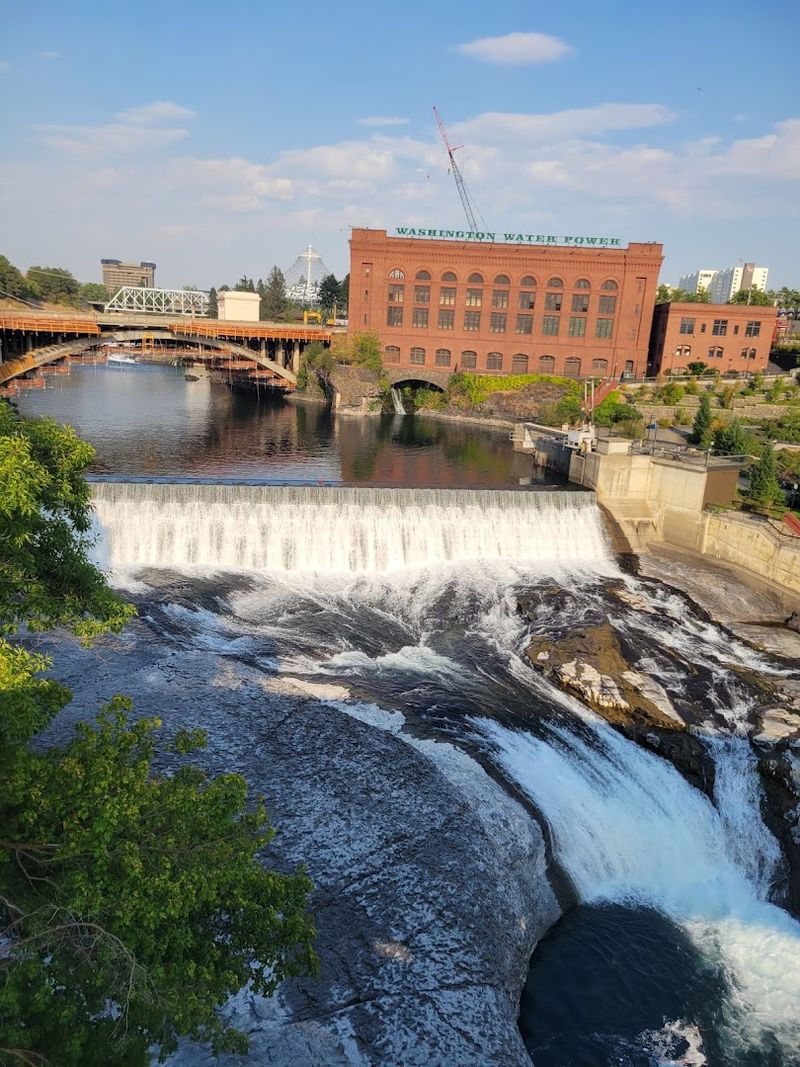
Beyond the three national parks, Washington State Parks manages more than 140 properties including historic sites, trails, marine parks, and recreation areas scattered across the entire state.
That density of accessible public land means you rarely have to drive far to find somewhere genuinely worth exploring.
Marine parks let you kayak between islands and camp on shorelines that feel lifted from a travel magazine. Historic sites connect residents to the Indigenous cultures, fur trade routes, and pioneer settlements that shaped the Pacific Northwest.
Trail systems link communities in ways that make outdoor living feel woven into daily routines rather than reserved for special trips. For families with kids, having that many parks within range means weekends are never short on options.
For solo adventurers, the variety ensures you can spend years working through the list without running out of new terrain to cover. Washington’s state park network is quietly one of its best-kept advantages.
6. The Largest Ferry System In The United States
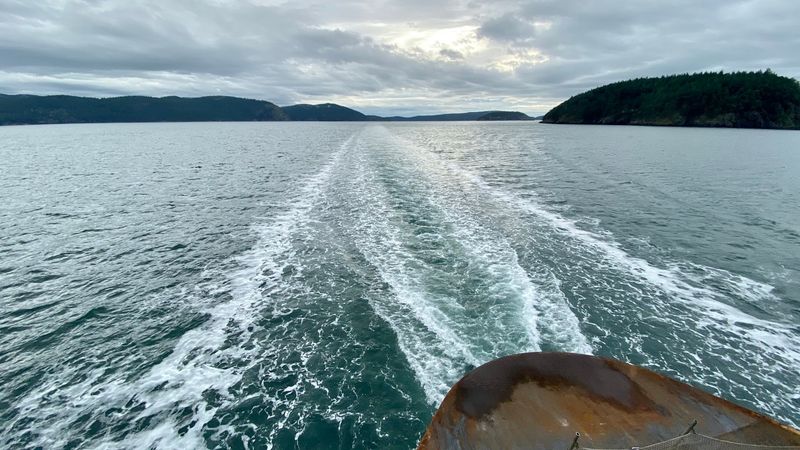
WSDOT operates the largest ferry system in the United States, and for Washington residents that is both a practical commuting tool and one of the most scenic daily routines imaginable.
Crossing Puget Sound with the Olympics on one side and the Cascades on the other is the kind of commute that makes people actually look forward to getting to work.
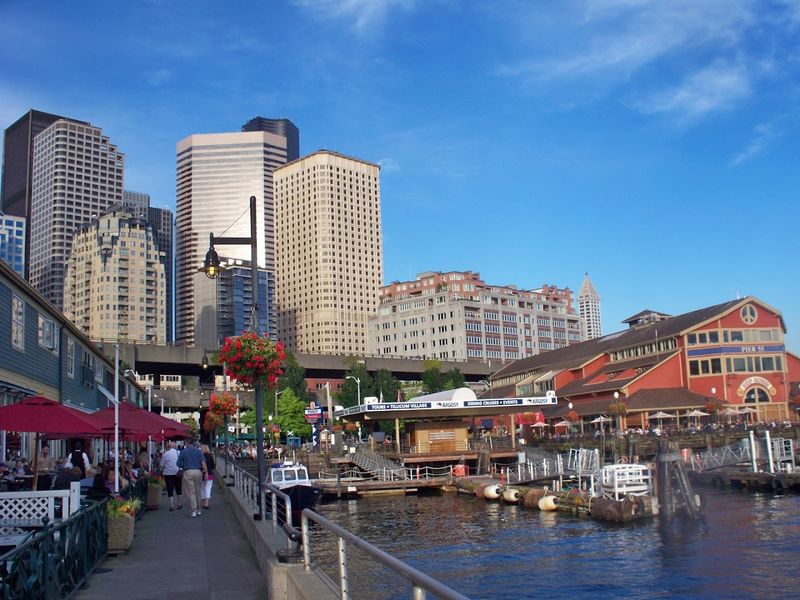
The ferry network connects Seattle to communities like Bainbridge Island, Bremerton, and Vashon Island, giving residents the option to live in quieter, smaller-town settings while staying linked to the city’s job market. That flexibility is genuinely rare in a major metro area.
On weekends, the ferries become a casual adventure in themselves. Families hop on for a day trip, cyclists load their bikes and explore new routes, and visitors quickly realize that riding the ferry is not just transportation but a Washington experience worth savoring on its own terms.
7. Scenery That Changes Around Every Corner
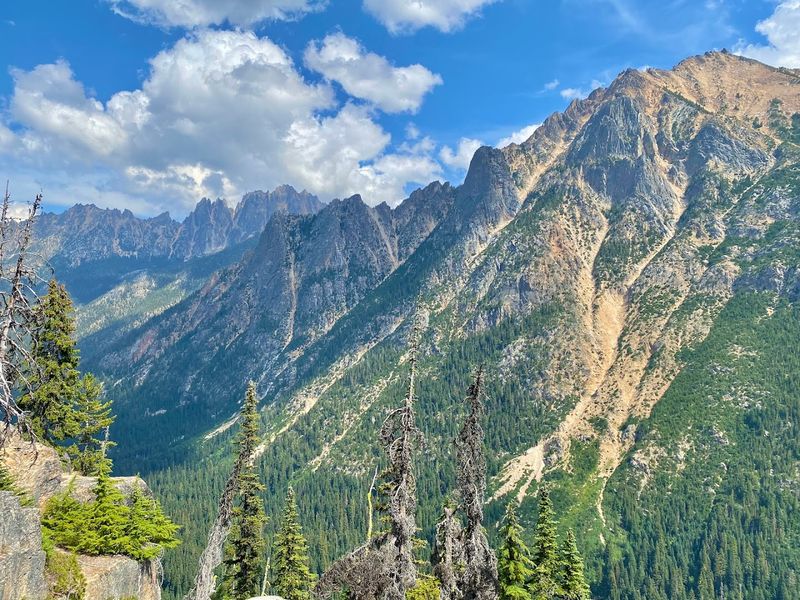
One of the more surprising things about Washington is how dramatically the landscape shifts depending on where you are standing.
Official state tourism describes the state as a place where urban skylines, forests, beaches, vineyards, and small towns all sit within the same borders, and that description is not an exaggeration.
Drive east from Seattle and the evergreen forests give way to dry shrub-steppe terrain and the wine country of the Yakima Valley. Head northwest and you reach the wild Pacific coastline of the Olympic Peninsula.
Go north and the San Juan Islands scatter across the water like a geography lesson in island living.
For people who get restless living in one type of environment, Washington is a rare fix. You can change your entire surroundings without changing your state.
That range of scenery is a big part of why so many different personalities, from surfers to skiers to wine lovers, all find something to claim as their own here.
8. A Thriving And Diverse Job Market
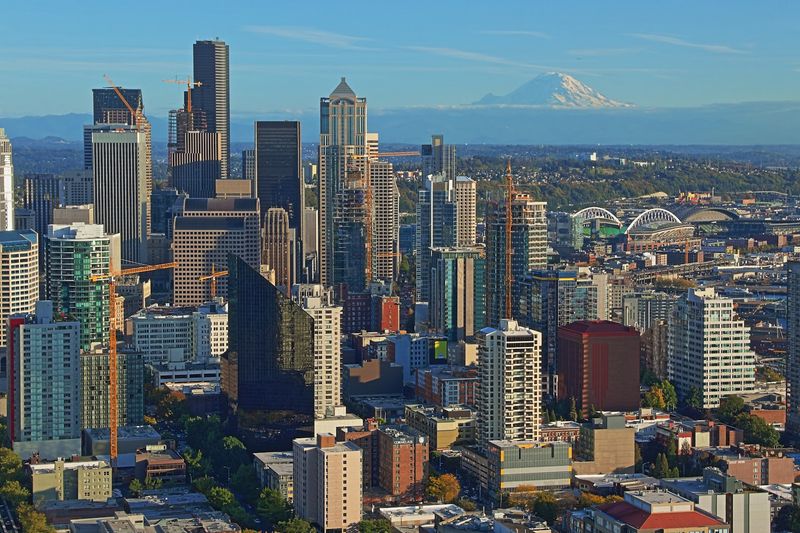
Washington’s economy is far broader than its most famous company names suggest. Washington Commerce highlights more than half a million businesses statewide and major growth sectors including aerospace, agriculture, clean tech, information technology, life sciences, maritime, and more.
That diversity means the job market does not rise and fall on the fortunes of a single industry.
Seattle anchors the tech scene with a concentration of major employers that rivals any city in the country. But Spokane, Tacoma, Bellingham, and the Tri-Cities each have their own economic engines drawing skilled workers in manufacturing, healthcare, agriculture, and education.
For people relocating with a specific career in mind, Washington likely has a foothold in that field somewhere within its borders. For people open to new directions, the state’s growth sectors offer a genuine runway.
The combination of variety and momentum makes Washington’s job market one of the most compelling in the western United States right now.
9. Aerospace Industry That Leads The Nation
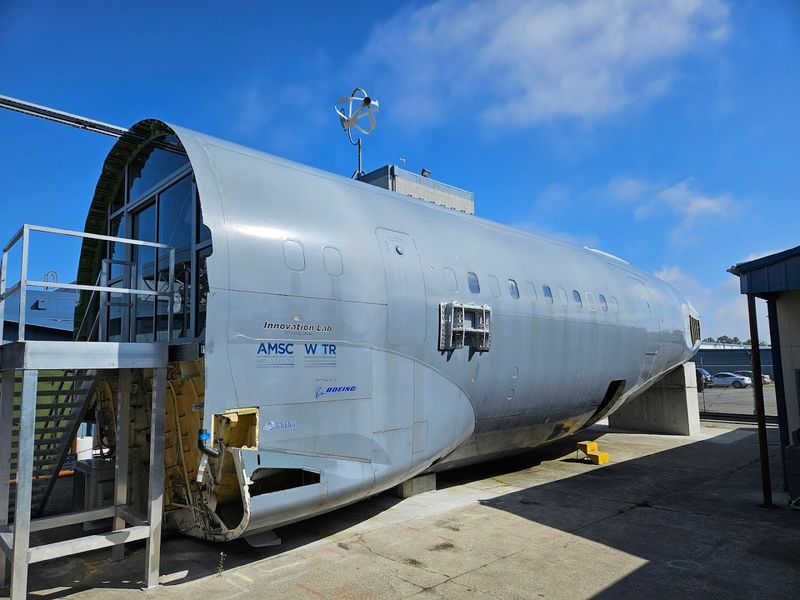
Washington’s aerospace industry is not just big, it is statistically dominant. Choose Washington reports that the state ranks number one in labor productivity, aerospace sales and exports, and aerospace engineers according to the ACES study.
Over the last century, Washington has produced more than 33,000 aircraft, a legacy that is woven into the culture of communities like Everett and Renton.
For engineers, technicians, supply chain professionals, and business leaders in the aerospace sector, relocating to Washington puts you at the center of the industry rather than on its edges. The concentration of specialized talent, suppliers, and infrastructure here is unmatched in the United States.
Beyond Boeing, a growing network of aerospace suppliers, startups, and defense contractors adds depth to the ecosystem.
Washington’s aerospace community has built something that takes generations to replicate, and for professionals in that world, being part of it in 2026 means joining a story that is still very much being written.
10. Strong Higher Education Across The State
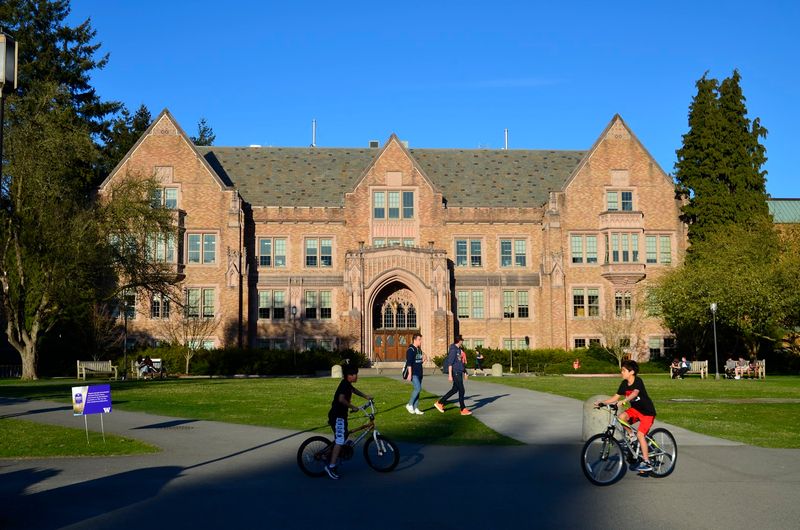
Washington’s higher education landscape gives residents serious options without requiring a cross-country move to find a quality institution. The state has six public four-year universities plus a large network of community colleges, technical schools, tribal colleges, and independent institutions spread across the state.
The University of Washington in Seattle consistently ranks among the top public research universities in the country, particularly in fields like medicine, computer science, and environmental studies.
Washington State University in Pullman anchors the eastern side of the state with strong programs in engineering, agriculture, and business.
For families thinking long-term about where to raise kids, having access to strong in-state tuition options matters enormously.
For adults returning to school or pursuing professional development, the community and technical college network makes upskilling genuinely accessible. Washington invests in education at a scale that shows up in graduate quality and workforce readiness, and that investment benefits the whole state.
11. A Food Scene Rooted In Incredible Local Ingredients
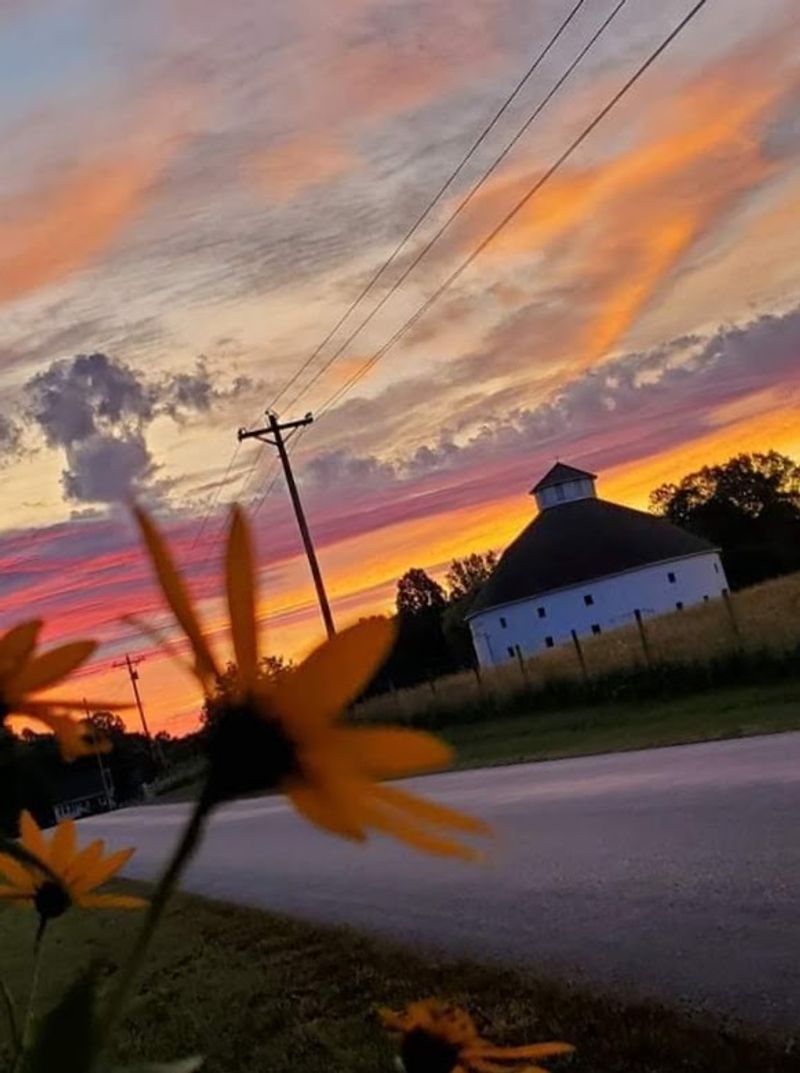
Washington grows or catches an almost unfair share of the country’s best ingredients. The state produces more apples than any other in the nation, leads in cherries, hops, and Concord grapes, and its Pacific coastline delivers Dungeness crab and wild salmon that chefs around the world specifically seek out.
Seattle’s food scene reflects all of that abundance in ways that feel both casual and seriously good. Pike Place Market is the famous anchor, but neighborhood restaurants across Capitol Hill, Ballard, and Columbia City have built reputations that go well beyond the tourist circuit.
Eastern Washington wine country adds another dimension, with more than 1,000 wineries producing varietals that earn consistent national recognition.
For food lovers, moving to Washington means living inside the supply chain rather than at the end of it. Freshness is the default, not the exception.
Farmers markets, community-supported agriculture programs, and waterfront fish markets make eating well feel like a natural part of daily life rather than a special occasion.
12. A Place Where Beauty Is Part Of The Blueprint
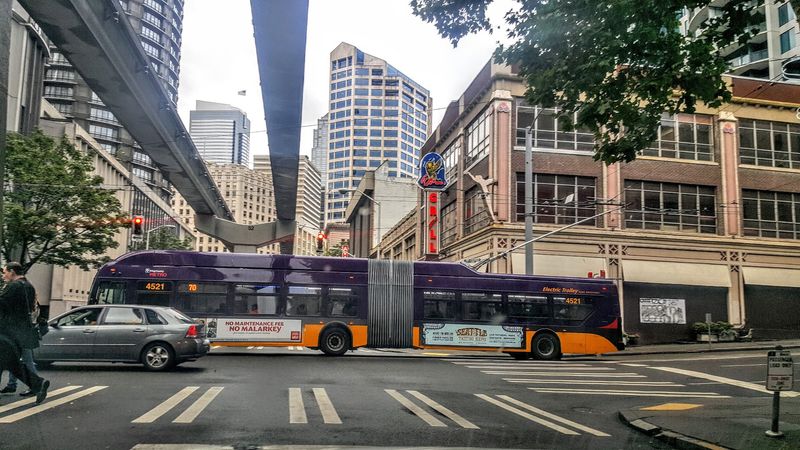
Some places are beautiful on a postcard and exhausting to actually live in. Washington is the opposite. Major cities, college towns, islands, mountain communities, wine-country small towns, marine parks, and consistent access to water and trails mean that the scenery is not a backdrop, it is a daily companion.
Official tourism and parks materials keep returning to the same theme: Washington suits a remarkable range of lifestyles because the natural environment supports so many different ways of living well.
Families find it in weekend hikes and beach days. Remote workers find it in small-town settings with fast internet and mountain views. Retirees find it in mild coastal climates and walkable waterfront communities.
Moving somewhere because it is beautiful might sound indulgent, but Washington makes a practical case for it.
When your surroundings genuinely refresh you, everything else, work, relationships, health, tends to follow. That is the quiet promise Washington keeps making, and in 2026, it is absolutely worth taking seriously.