
Wild Colorado Destinations That Feel Almost Too Strange To Be Real
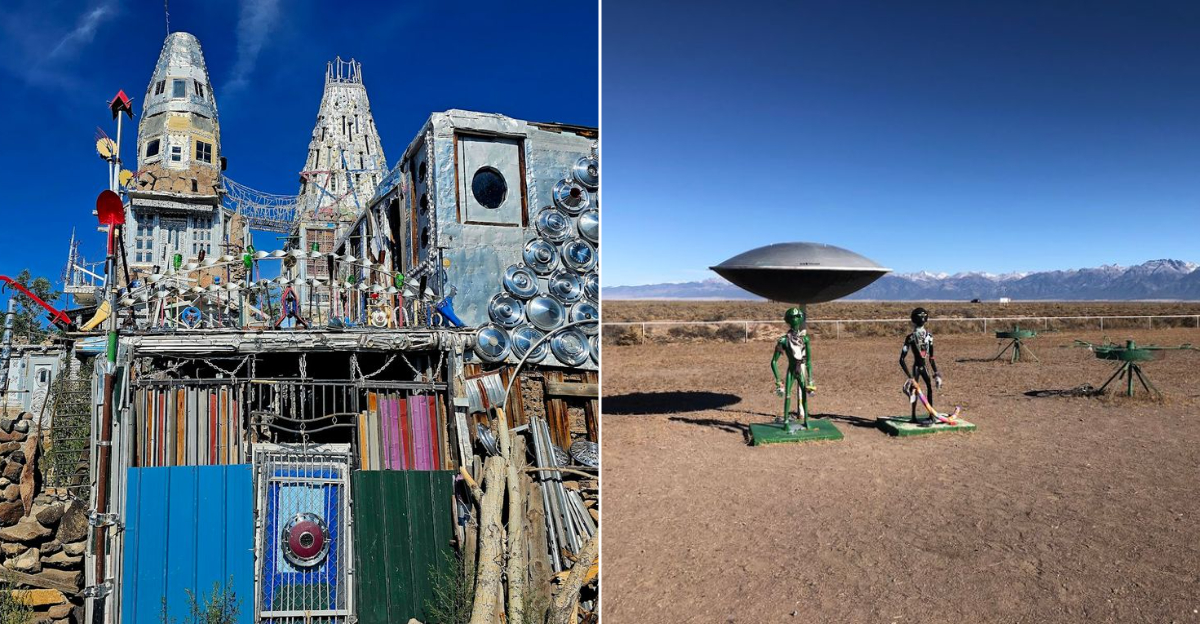
Colorado has a way of keeping its best surprises just far enough off the usual path to feel like a secret. Beyond the famous peaks and polished resort towns, there is a stranger, wilder side of the state that feels almost made up in the best possible way.
Think storybook oddities, desert curiosities, and roadside wonders that make you blink twice just to be sure they are real. In Colorado, the fun is not only in getting there, but in realizing places this bizarre and beautiful can exist in one state at all.
Some stops are easy weekend wins, while others ask for a little extra drive time and a sense of adventure. That is part of the thrill.
Colorado’s weirdest treasures do not just give you something to look at. They give you that rare, delicious feeling that you have wandered straight into another world and somehow found exactly where you were supposed to be.
1. Pawnee Buttes Trailhead, Weld County
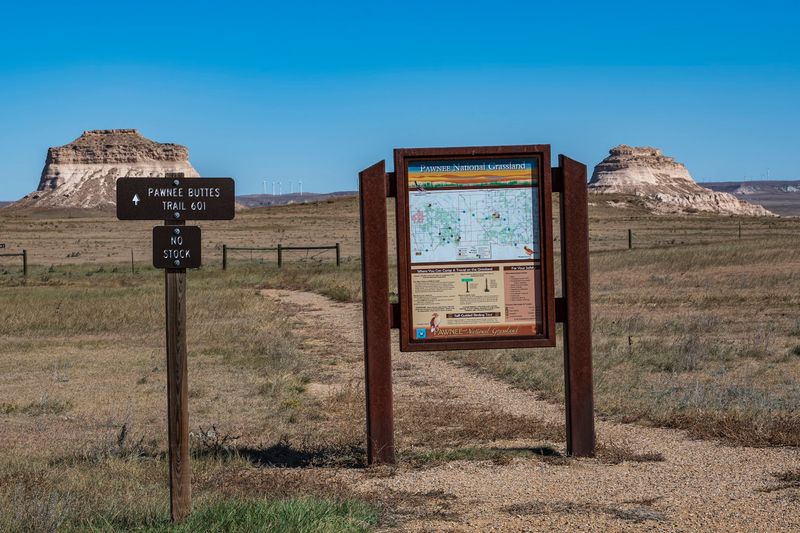
Standing on the flat, windswept prairie of Weld County and suddenly seeing two massive buttes jutting straight up from the ground feels like the earth forgot to follow its own rules. The Pawnee Buttes are enormous, ancient, and completely unexpected.
The landscape around them looks so open and empty that your brain keeps insisting the buttes must be a mirage.
The trail out to the buttes is roughly four miles round trip and stays relatively flat, which makes it a solid choice for families or anyone who wants big scenery without a brutal climb. Go early in the morning when the light hits the pale sandstone and everything turns gold.
Bring water, sunscreen, and a hat, because shade is basically nonexistent out here.
Spring and fall are the best seasons for this hike. Note that certain areas near the buttes have seasonal restrictions during raptor nesting season, so check ahead before you go.
I walked this trail on a quiet Tuesday and felt like I had the entire ancient world to myself. That kind of silence, the big-sky, nothing-but-wind kind, is genuinely hard to find anywhere.
2. Paint Mines Interpretive Park, Calhan
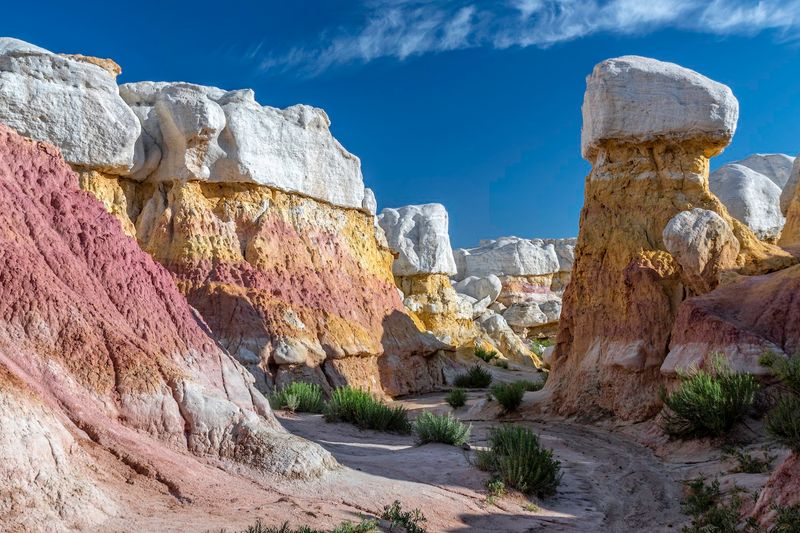
Nobody expects the eastern plains of Colorado to look like a painter had a very productive afternoon, but Paint Mines Interpretive Park near Calhan does exactly that. Pastel hoodoos in shades of pink, lavender, cream, and rust rise out of the earth like something that escaped from a fantasy novel.
The first time you see them, you will genuinely stop walking and just stare.
The park covers about 750 acres and is open year-round from dawn to dusk, which means a sunrise visit in late spring is absolutely spectacular. The formations are fragile, so the trails are designed to keep visitors from trampling them.
Stick to the marked paths and resist the urge to climb on the clay spires, even though the temptation is very real.
Calhan is about an hour east of Colorado Springs, making this an easy half-day stop on a longer road trip. Pack a picnic and plan to spend at least two hours wandering the trail system.
My favorite moment here was watching a kid stop mid-sentence and point at the formations with pure, unfiltered amazement. That reaction says everything you need to know about this place.
3. Bishop Castle, Rye
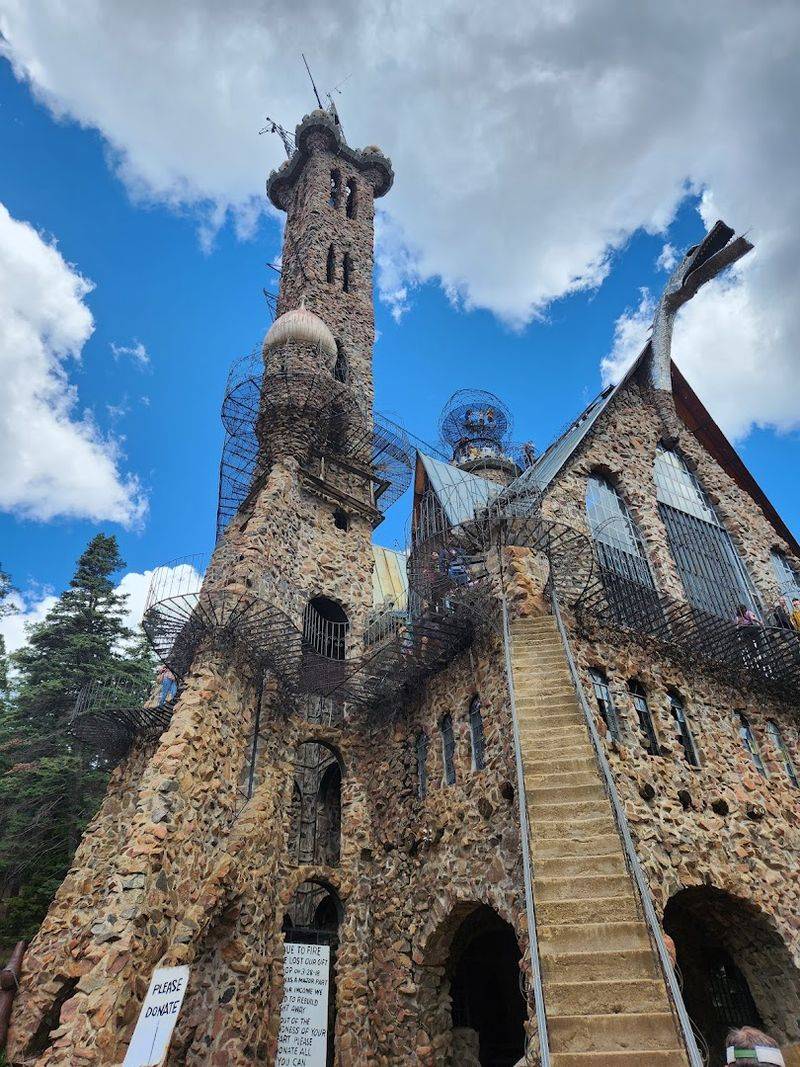
One man, Jim Bishop, has spent decades building a full-scale stone castle in the mountains near Rye with his own two hands. No committee, no corporate sponsor, no architectural firm.
Just one extremely determined person and an enormous amount of rock. The result is the kind of place that makes you question everything you thought you knew about what a person can accomplish on their own.
Bishop Castle is open every single day from sun-up to sundown, and admission is free, though donations are appreciated. You can climb the towers, walk across narrow iron bridges, and peer into rooms that feel genuinely medieval.
The craftsmanship shifts as you move through the structure, which gives it an organic, living quality that no professionally built attraction could replicate.
The drive up to Rye is scenic and easy from Pueblo, making it a natural addition to a southern Colorado loop. Go on a weekday if you want a quieter experience, though the castle draws steady visitors for good reason.
I spent over two hours there and left feeling quietly inspired. Sometimes the most extraordinary things in this world are built entirely by one stubborn, visionary human being with something to prove.
4. Colorado Gators Reptile Park, Mosca
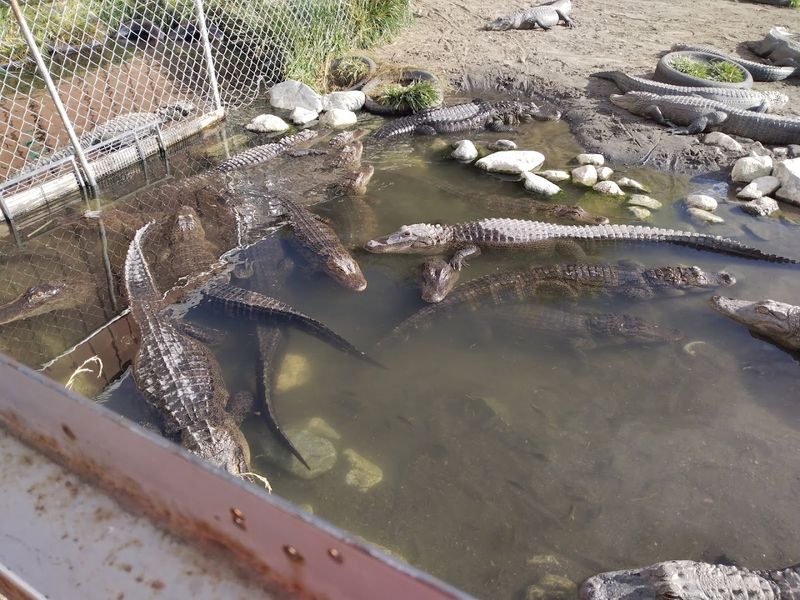
The San Luis Valley is already one of the strangest places in Colorado, a vast, flat, high-altitude basin ringed by mountains that seems to belong on a different continent. Adding a working alligator and reptile rescue park to that setting feels almost too absurd to be real.
And yet, Colorado Gators Reptile Park in Mosca has been doing exactly this since 1987.
The park started as a tilapia farm that used geothermal spring water to keep fish warm year-round. The owners brought in alligators to eat the fish carcasses, and the operation gradually evolved into a full reptile rescue facility.
Today you can see hundreds of alligators plus snakes, turtles, and other reptiles, all cared for by a dedicated staff.
The park is open daily, and the proximity to Great Sand Dunes National Park makes it an obvious two-for-one day trip. You can combine towering sand dunes in the morning with alligators in the afternoon, which is a sentence I never expected to write but here we are.
Bring the kids, bring your skeptical friends, and watch everyone’s face when they realize the gators are absolutely, completely real. The San Luis Valley has a way of delivering surprises that no other part of Colorado can match.
5. UFO Watchtower, near Hooper
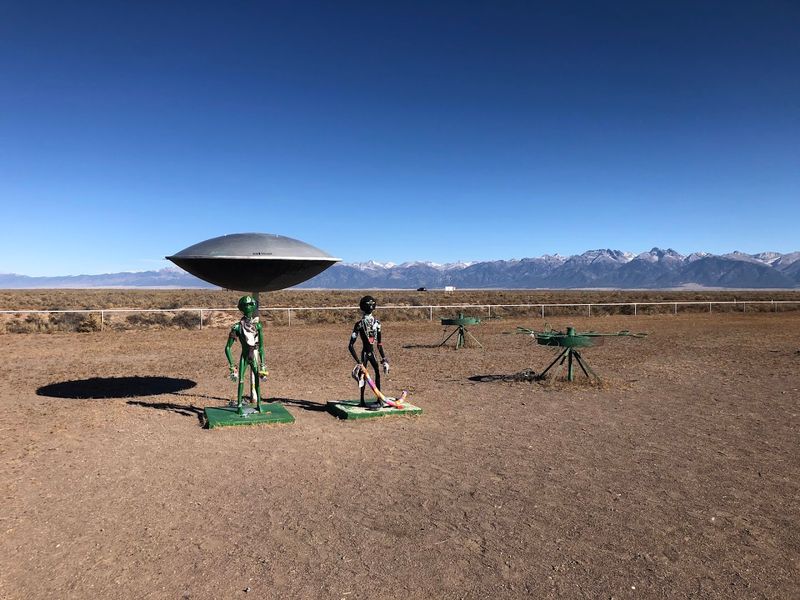
Somewhere between Hooper and Center, in the dead-flat middle of the San Luis Valley, there is an official UFO Watchtower with a raised viewing platform, a gift shop, and a campground. The San Luis Valley has one of the highest concentrations of reported UFO sightings in the country, and the tower leans into that reputation with cheerful, total commitment.
Whether you believe in extraterrestrial visitors or not, the place has an infectious, good-humored charm.
The tower was built by Judy Messoline, a rancher who decided to capitalize on the valley’s strange reputation after hearing one too many sighting stories from neighbors. Today it draws sky-watchers, road-trippers, and curious families who want a photo with the alien sculptures out front.
Camping under the valley’s famously dark skies is genuinely spectacular, regardless of what you think is or is not up there.
Operating hours are posted on their official tourism listings, so check before making a special trip. The best strategy is to pair the watchtower with Colorado Gators and the Great Sand Dunes for a full San Luis Valley loop.
I stayed until after dark on my visit and the Milky Way alone was worth the detour. Weird destination, unforgettable sky.
6. Cano’s Castle, Antonito
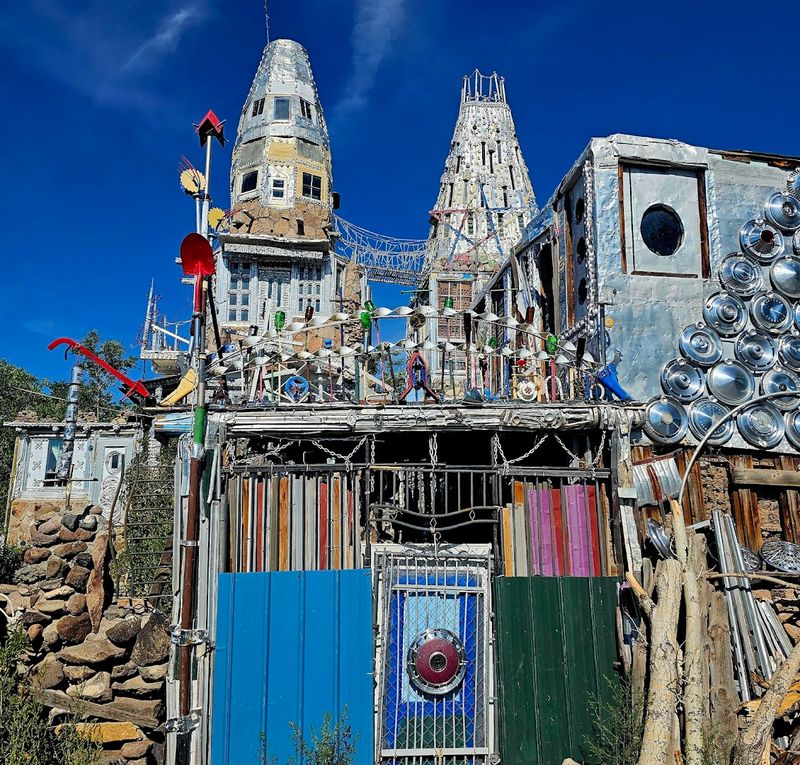
Donald Espinoza, known as Cano, built his castle in Antonito from beer cans, hubcaps, and scrap metal over decades of steady, obsessive, deeply personal work. The result is a shimmering, reflective structure that catches sunlight and throws it back at you in a dozen directions at once.
Colorado’s official tourism site still lists it as an attraction, and the designation is absolutely earned.
Cano’s Castle sits right in the town of Antonito, which makes it easy to find and easy to combine with a ride on the Cumbres and Toltec Scenic Railroad, one of the most spectacular narrow-gauge rail routes in the American West. The two stops together make for a full day with a very satisfying range of the weird and the wonderful.
Antonito is a small, quiet town, and Cano’s Castle stands as its most audacious statement.
The castle is viewable from the road, and visitors have historically been able to interact with the property as a folk art attraction. Verify current access before visiting, as conditions at private folk art sites can change.
I pulled over and sat with it for a while, watching the metal glitter in the afternoon light. Folk art at this scale feels less like decoration and more like devotion.
7. Wheeler Geologic Area, near Creede
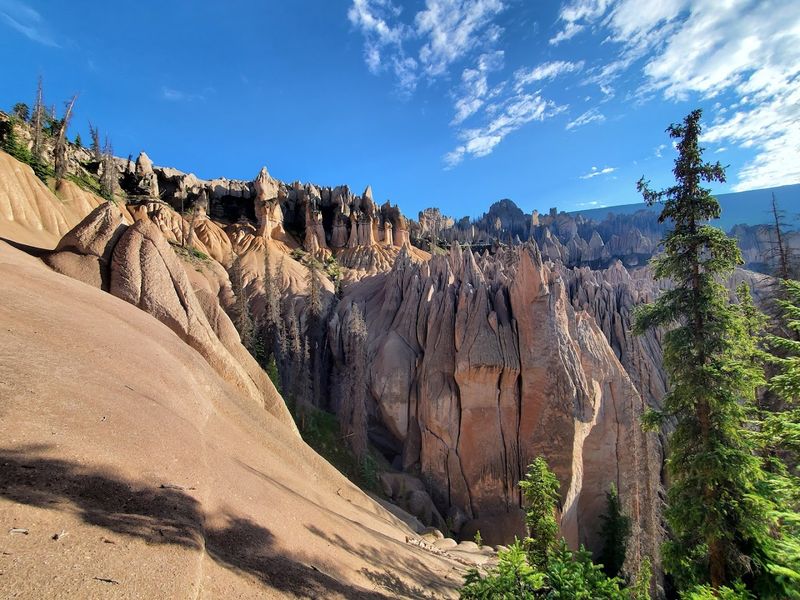
Getting to Wheeler Geologic Area near Creede is not casual. You either hike seven miles each way through the wilderness or grind fourteen miles of rough four-wheel-drive road that will test your vehicle’s patience and your own.
The reward is a field of volcanic formations so surreal and densely packed that early visitors reportedly thought they were looking at ruins of an ancient city.
The formations are made of compressed volcanic ash called tuff, eroded over millions of years into pinnacles, spires, and shapes that have no easy comparison. Some look like melting candles.
Others suggest cloaked figures frozen mid-stride. The whole area occupies about 640 acres and sits at over 12,000 feet elevation, so plan for altitude, unpredictable weather, and the very real possibility that you will run out of adjectives.
Wheeler is managed as part of the Rio Grande National Forest, and a backcountry camping permit makes an overnight trip possible and genuinely unforgettable. The remoteness is a feature, not a flaw.
On my visit, the silence was so complete it felt almost physical. There are places in Colorado that reward effort with scenery, and then there are places like Wheeler that reward effort with something closer to awe.
8. Chimney Rock National Monument, near Pagosa Springs
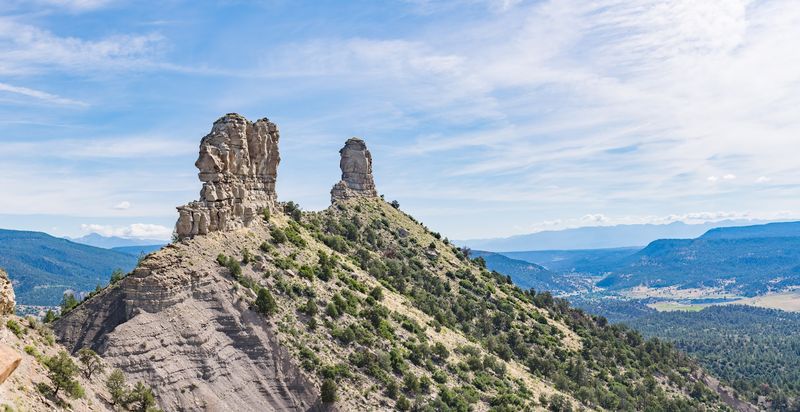
Twin stone spires rising 315 feet above a forested ridge, with the ruins of an ancient Ancestral Puebloan great house perched directly between them at over 7,000 feet elevation. Chimney Rock National Monument near Pagosa Springs is the kind of place that rewrites your sense of what human beings were doing a thousand years ago.
The archaeology and the geology are both extraordinary, and together they are almost too much to process at once.
The monument is seasonal, operating from May 15 through October 15, which means planning ahead is essential. Guided tours are offered throughout the season and are strongly recommended because the rangers here are genuinely excellent storytellers who bring the site’s history to life in ways a self-guided walk simply cannot replicate.
The main trail climbs steadily but is manageable for most visitors in reasonable shape.
Pagosa Springs is a relaxed, welcoming base town with hot springs and good food, making Chimney Rock a natural anchor for a longer southwestern Colorado trip. Pair it with Mesa Verde for a full archaeological itinerary.
I hiked up on a clear October morning, the last week of the season, and had the spires mostly to myself. Standing between those twin rocks felt less like tourism and more like a private audience with history.
9. Dillon Pinnacles, Curecanti National Recreation Area
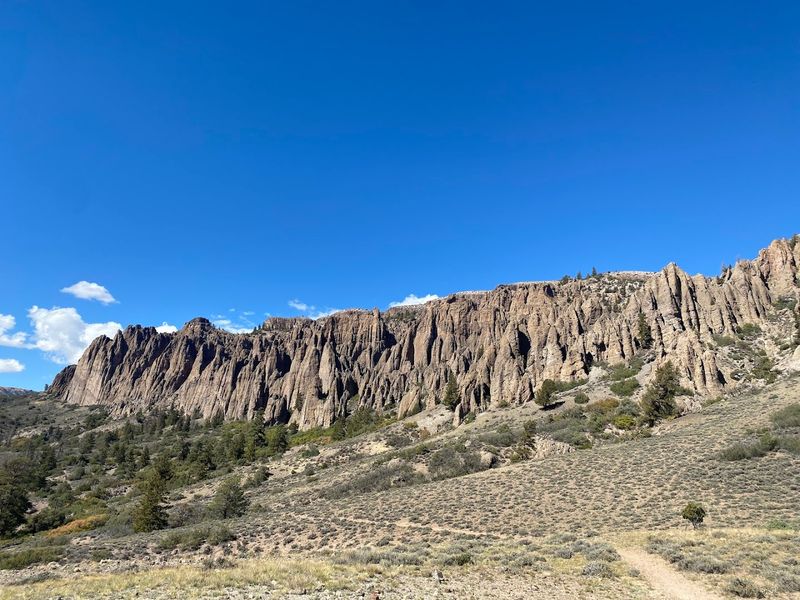
Blue Mesa Reservoir is already a beautiful sight, Colorado’s largest body of water stretching through the Gunnison River canyon with that particular shade of blue that seems too vivid to be natural. Then you look up and see the Dillon Pinnacles, a jagged row of dark volcanic spires looming above the water like something that belongs on an alien planet rather than a Colorado hiking trail.
The Dillon Pinnacles Trail is about four miles round trip and gains only about 600 feet in elevation, making it accessible for families and casual hikers. The trailhead is easy to find within Curecanti National Recreation Area near Gunnison, and the park is generally open year-round.
Spring and fall bring the best light and the most comfortable temperatures for the hike.
The combination of water, canyon, and volcanic formations in one compact view is genuinely unusual, even by Colorado standards. I hiked it on a windy afternoon in October when the cottonwoods along the reservoir were turning gold, and the contrast between the warm yellow leaves and the dark, brooding pinnacles above was almost theatrical.
Pack snacks, bring a camera with a wide lens, and give yourself extra time because you will stop constantly to look back over your shoulder at the view.
10. Rifle Falls State Park, Rifle
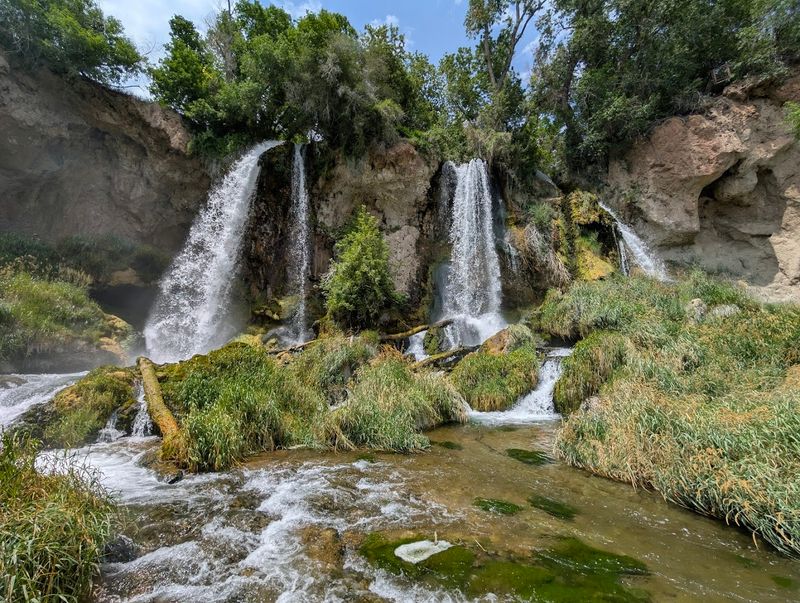
Triple waterfalls and limestone caves in the same small canyon is not a combination anyone expects to find in western Colorado, a region more associated with dry plateaus and red rock country. Rifle Falls State Park delivers exactly that surprise, tucking a lush, green, genuinely dramatic waterfall complex into a landscape that seems entirely wrong for it.
The contrast is part of what makes it so memorable.
The falls drop about 70 feet over a travertine cliff, and the spray keeps the surrounding vegetation thick and moss-covered year-round. Small caves dot the cliffs near the falls, and exploring them adds a playful dimension to the visit that kids absolutely love.
The main trail to the falls is less than a mile and is paved in sections, making it accessible for a wide range of visitors.
The park is open daily from 6 a.m. to 10 p.m., and a Colorado State Parks pass or day-use fee covers entry. Rifle is conveniently located along I-70, which makes a stop here easy to fold into a longer western Colorado road trip.
I visited on a hot July afternoon and the cool mist from the falls was so welcome it felt almost unfair. Sometimes the best surprises are the ones hiding just off the highway.