
The Best Colorado Main Streets For Spring Shopping, Strolling, And Soaking It All In
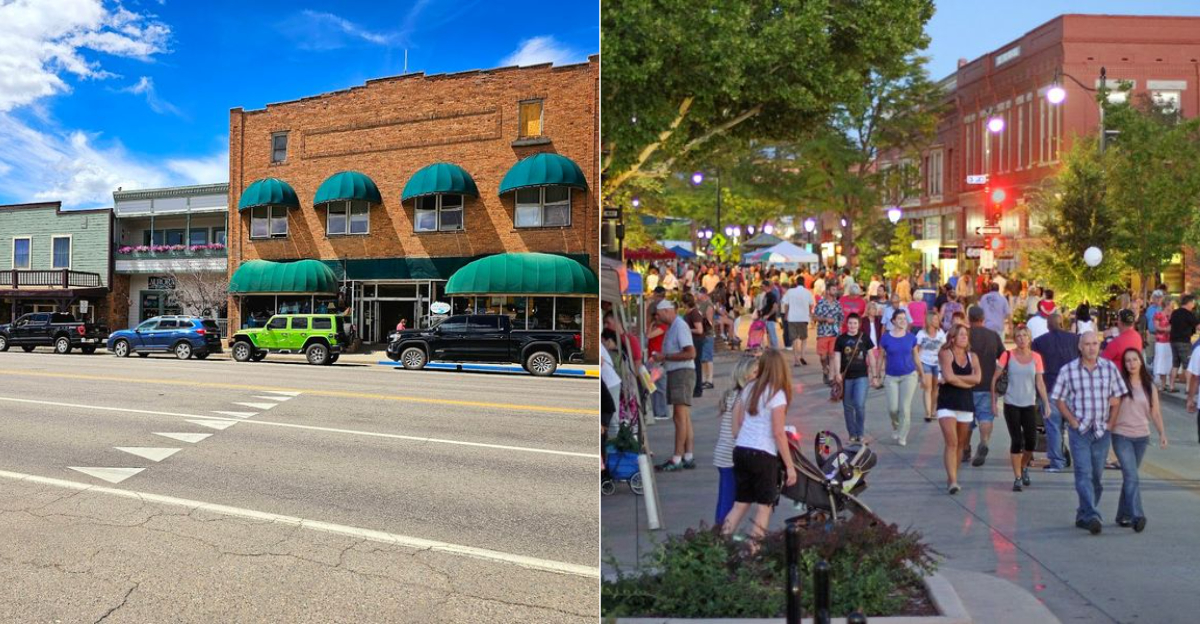
Spring in the state has a way of making even a simple drive feel like the start of something exciting.
As winter loosens its grip, small-town main streets wake up with flower boxes, open storefronts, sidewalk chatter, and that unmistakable energy that makes you want to keep wandering just to see what is around the next corner.
In Colorado, those walkable downtown stretches can turn a quick stop into the highlight of an entire weekend. One minute you are browsing a shop window, the next you are lingering over coffee, ducking into a local store, or spotting a patio that practically insists you stay awhile.
The charm is not forced here, it just shows up naturally in every block, every view, and every friendly hello. Colorado’s spring road trips feel even better when they lead to places like these, where curiosity always gets rewarded with something unexpected around every corner.
1. Downtown Salida / F Street-Sackett Area
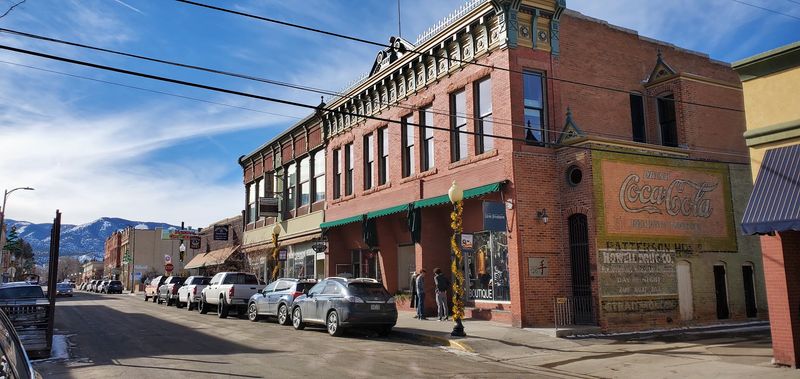
Salida has a sneaky way of making you feel like you discovered it yourself, even though plenty of people already know the secret. The F Street and Sackett Avenue corridor wraps around the Arkansas River valley with an energy that feels equal parts art colony and mountain town, which is exactly what it is.
Galleries sit beside boutiques, coffee shops share walls with studios, and the whole district moves at a pace that rewards wandering.
The Salida SteamPlant at 220 W. Sackett Ave. anchors the creative end of things, hosting exhibits and events that give the neighborhood a cultural pulse most towns twice its size would envy.
Spring here means the crowds have not yet arrived, so you get the good stuff without the summer weekend scramble. Parking is easy, conversations are easy, and the mountain views framing every street corner are frankly unfair.
If you have a partner who wants to shop and a partner who wants to just walk and look at things, Salida is the rare town where both people win. Budget a full afternoon and let yourself get pulled into at least one gallery you did not plan on entering.
2. Historic Downtown Trinidad / Main Street-Commercial Street Core
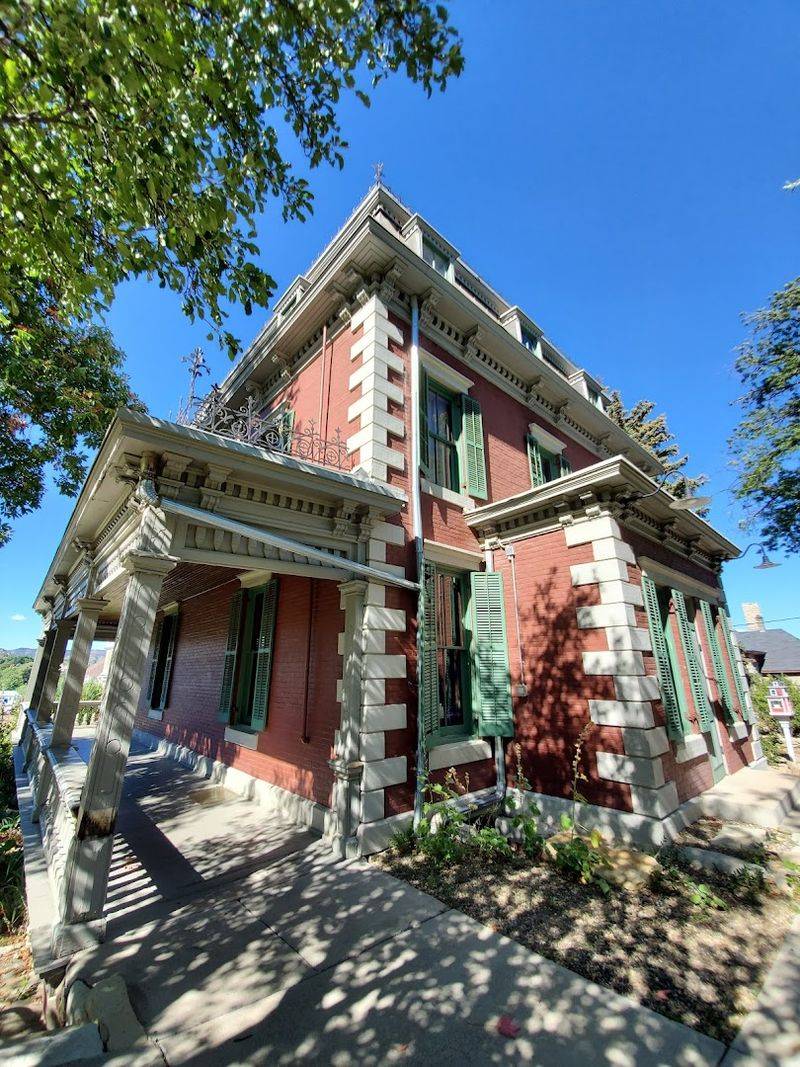
Trinidad operates on a different clock than most of Colorado, and honestly, that is a compliment. The Main Street and Commercial Street core here has the kind of unhurried, genuine character that you cannot manufacture, built over decades by a community that never chased glossy resort status and is better for it.
The brick facades are real, the history is thick, and the pace is gloriously slow.
The Visit Trinidad Colorado Tourism Office at 210 W. Main Street is a good first stop, not just for maps but because the staff actually know what is worth your time.
Southern Colorado does not always get the spring travel attention it deserves, and Trinidad is one of the clearest examples of that oversight. The Purgatoire River valley setting adds a dramatic backdrop that makes even a simple stroll feel cinematic.
Local shops here carry things you will not find replicated in a dozen other mountain towns, which matters when you are tired of seeing the same turquoise jewelry and elk jerky at every stop. Come hungry, come curious, and give yourself permission to slow down to Trinidad speed.
You will leave wondering why you waited this long.
3. Harrison Avenue, Leadville
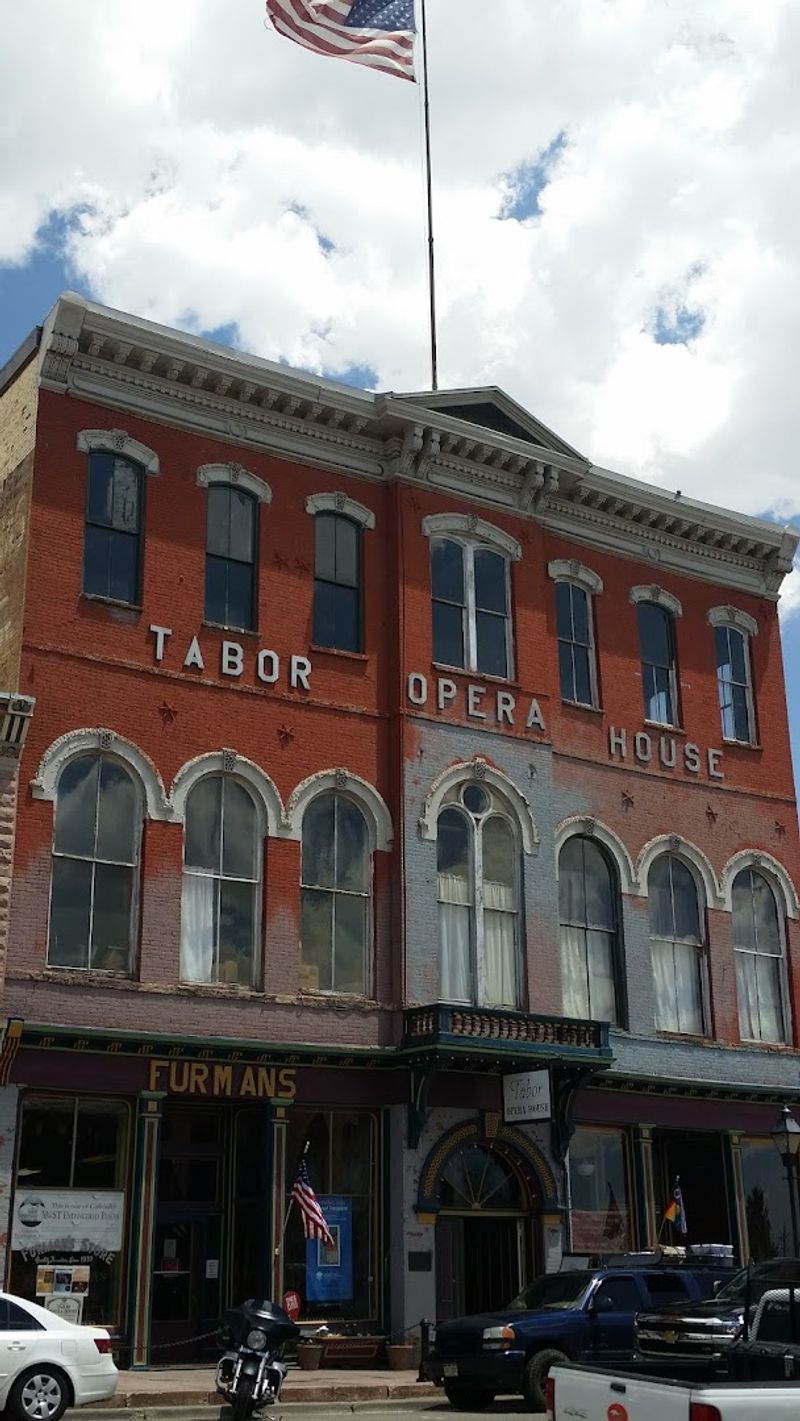
At over ten thousand feet above sea level, Leadville is the highest incorporated city in the United States, and Harrison Avenue carries that altitude with a kind of proud, weathered dignity. The storefronts are not trying to impress you with polish.
They are historic, a little quirky, and completely authentic in a way that feels increasingly rare on the Colorado tourism circuit.
The Leadville and Lake County Visitor Center at 460 Harrison Ave. is worth a stop for context, because this town has a genuinely wild history involving silver booms, famous characters, and more than a few spectacular failures. Spring is a quiet season here, which means you get the full texture of the place without the summer hiking crowd filling every sidewalk.
The mountain views from Harrison Avenue are the kind that make you stop mid-sentence.
Quirky shops, a handful of solid local restaurants, and that unmistakable high-altitude light make Harrison Avenue one of the most underrated main street walks in the state. If you have been skipping Leadville because it feels too far off the beaten path, reconsider.
The drive is part of the reward, and the town itself delivers something genuinely different from the polished resort experience.
4. 6th Street, Georgetown
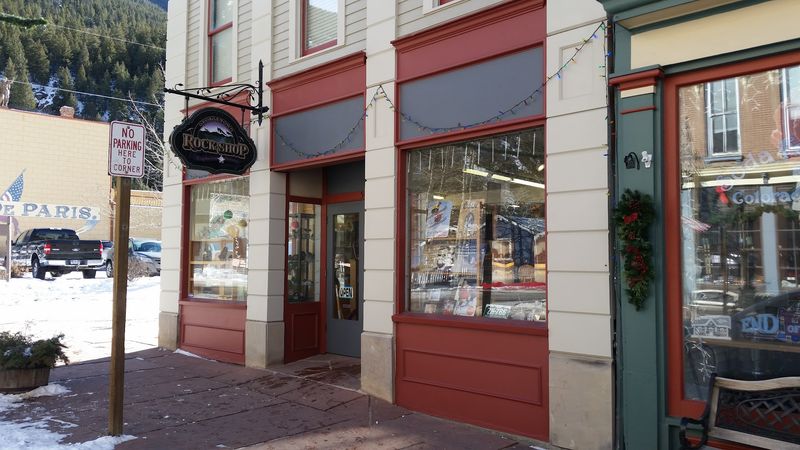
Georgetown sits in a narrow valley about an hour west of Denver, and it has the architectural bones of a town that peaked in the 1870s and then wisely decided not to mess with a good thing. The entire downtown is a National Historic Landmark District, which sounds official and slightly intimidating until you realize it just means the buildings are gorgeous and nothing looks like a strip mall.
Sixth Street is the social spine of the whole operation, lined with restaurants and shops that lean into the Victorian heritage without becoming a theme park version of it. The Georgetown Visitor Center at 1491 Argentine St. can orient you quickly if you want a bit of historical context before you start poking around.
Spring is particularly good here because the crowds are manageable and the surrounding peaks still carry snow while the valley floor warms up nicely.
The scale of Georgetown rewards slow walking. Everything is close, nothing feels rushed, and the combination of history, mountain scenery, and genuinely good shopping makes it an easy sell for couples or families looking for a half-day trip from the Front Range.
Grab lunch on 6th Street and let the afternoon take care of itself.
5. Downtown Buena Vista / East Main Street
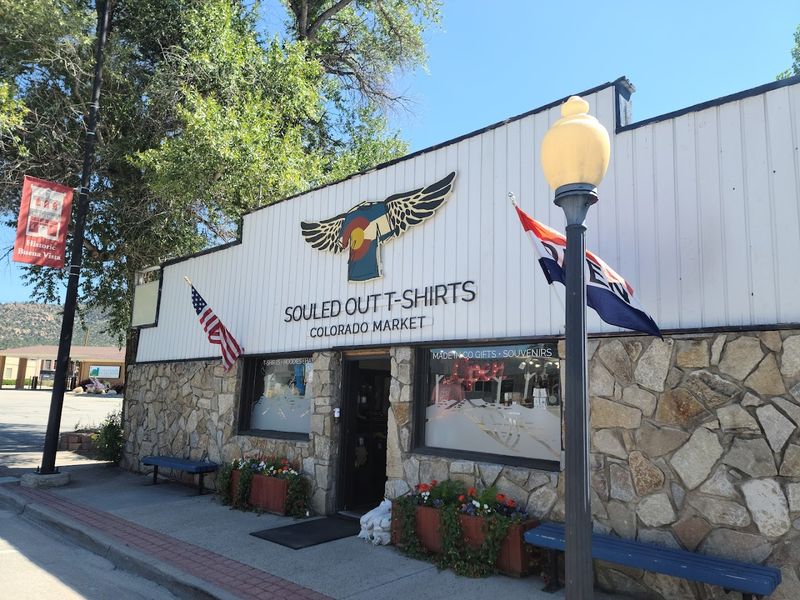
Buena Vista has been having a moment for a few years now, and East Main Street is the reason most people fall for it. The Collegiate Peaks form one of the most dramatic backdrops in the entire state, and they are visible from practically every angle downtown, which means even a routine errand here comes with an unreasonable amount of scenery.
The Buena Vista Chamber of Commerce at 111 E. Main St. is a friendly starting point, and the surrounding blocks deliver a compact, walkable collection of small shops, local eateries, and the kind of relaxed energy that makes you want to sit on a bench and simply exist for a while.
Spring hits the Arkansas River valley beautifully, with warming temperatures and wildflowers starting to show before the summer rafting crowd descends.
What I appreciate about Buena Vista is that it has grown in popularity without losing its approachable, small-town personality. The shops feel locally owned because they are, and the people you meet on East Main Street tend to be genuinely enthusiastic about where they live.
Plan a morning here, grab lunch, and if the weather cooperates, walk down toward the river before heading home. You will want to come back.
6. Historic Downtown Pagosa Springs / Pagosa Street
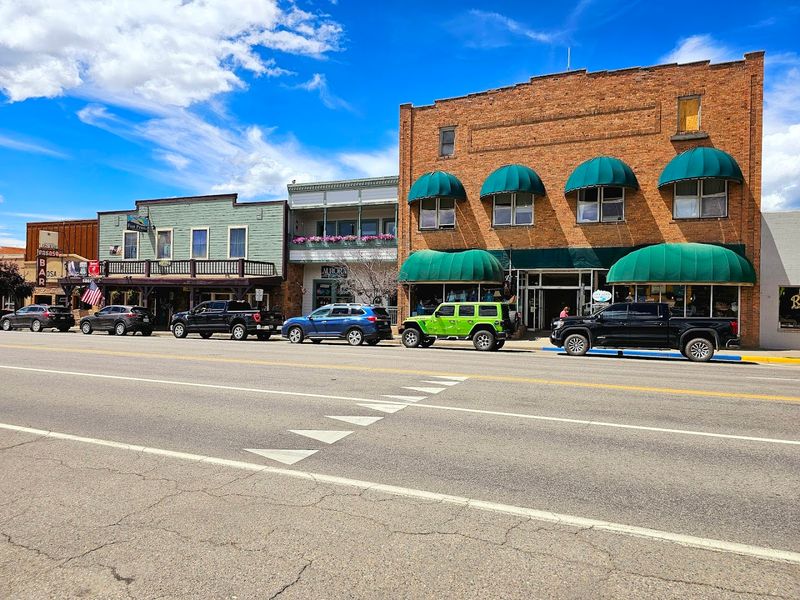
Most people know Pagosa Springs for the hot springs, which is fair, but the downtown along Pagosa Street deserves its own attention entirely. This is one of southern Colorado’s more underappreciated stroll-and-shop districts, with a compact historic core that mixes local character with genuine shopping options that go well beyond the usual souvenir fare.
Goodman’s Department Store at 402 Pagosa St. is a local institution and a good indicator of the neighborhood’s personality: practical, community-rooted, and pleasantly unpretentious. The official tourism resources specifically point visitors toward Main Street in the historic downtown, and for good reason.
Spring in Pagosa Springs is spectacular, with the San Juan Mountains still snowcapped and the San Juan River running with energy just steps from the shopping district.
The combination of walkable downtown, accessible natural beauty, and genuine local business makes Pagosa Springs one of the most complete spring day-trip destinations in the southern part of the state. You can browse Pagosa Street in the morning, soak in the afternoon, and drive home feeling like you got twice as much done as you planned.
That kind of efficient joy is rarer than it sounds, and Pagosa Springs has mastered it without even trying very hard.
7. Downtown Grand Junction / Main Street
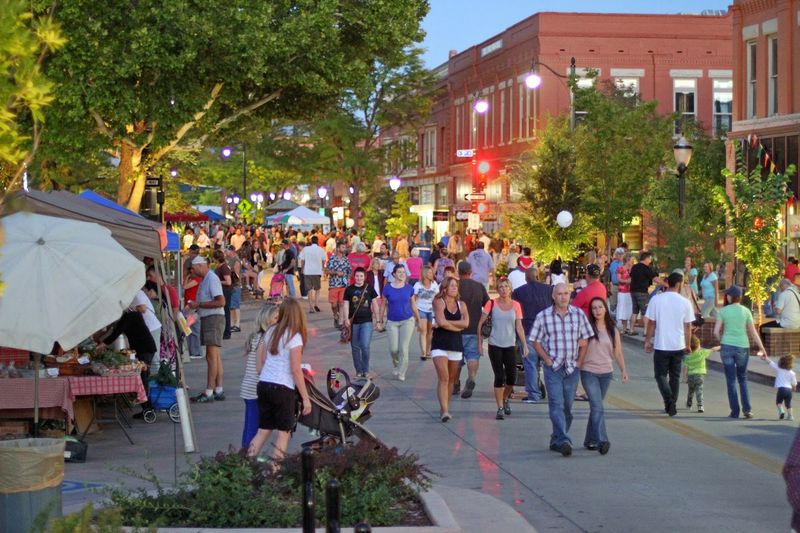
Grand Junction is the largest city on Colorado’s Western Slope, and its downtown Main Street corridor reflects that with a confidence and energy that smaller towns simply cannot match. This is a proper, active, pedestrian-friendly downtown with real retail, good restaurants, public art scattered throughout, and enough foot traffic to make people-watching a legitimate afternoon activity.
The Downtown Grand Junction office at 101 S. 3rd Street handles promotion and events for the district, and the programming they run throughout spring keeps things lively. The combination of wide sidewalks, outdoor dining, and a genuine mix of local and regional businesses makes this one of the strongest walking corridors in western Colorado.
The Colorado National Monument looms in the background, which is the kind of geological drama most cities would pay heavily to borrow.
What makes Grand Junction’s Main Street work is density. You do not have to drive between stops or hunt for parking repeatedly because everything is genuinely close together and worth your time.
Families, couples, solo wanderers, all of them find their rhythm here easily. If you are building a Western Slope spring road trip, Grand Junction is not just a stop on the way to somewhere else.
It is a destination in its own right.
8. Downtown Montrose / East Main Street-Cascade Area
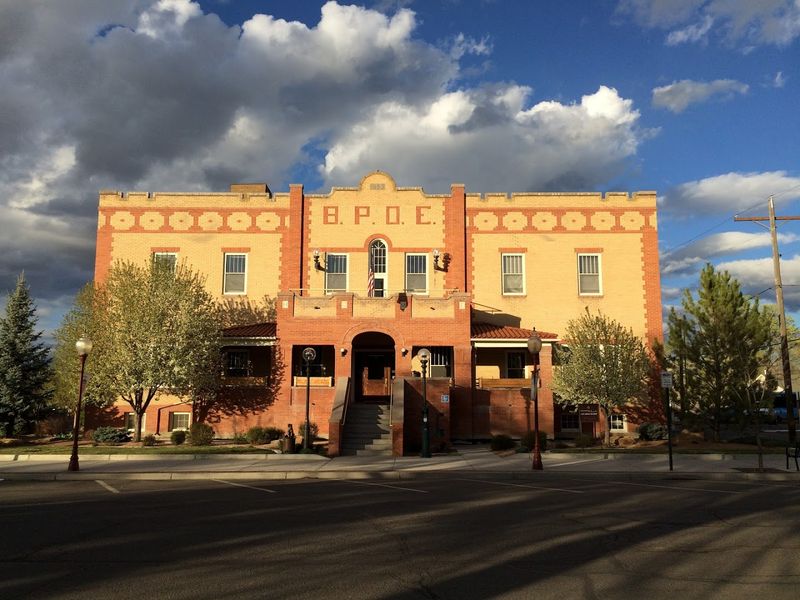
Montrose does not always make the top of Colorado travel lists, and that is precisely why it is worth your attention. The East Main Street and Cascade Avenue area has a low-key, working-town energy that feels genuinely refreshing after too many visits to places that have been polished to a high sheen for tourist consumption.
The sculptures scattered through the downtown add unexpected visual interest to what is already a pleasant walking corridor.
The Montrose Visitor Center at 107 South Cascade Avenue is a helpful anchor point, and the surrounding blocks deliver boutiques, local dining, and a historic-commercial atmosphere that feels lived-in and welcoming. Spring works particularly well here because the Western Slope warms earlier than the high country, meaning you can enjoy a comfortable stroll while the mountain towns are still shaking off the last of winter.
There is something quietly satisfying about a town that is not trying to be anything other than what it is. Montrose earns your loyalty not through spectacle but through consistency and genuine local character.
If you are combining this with a trip to Black Canyon of the Gunnison, tack on a downtown Montrose afternoon and you have a near-perfect Western Slope spring day without any itinerary gymnastics required.
9. Historic Downtown Durango / Main Avenue
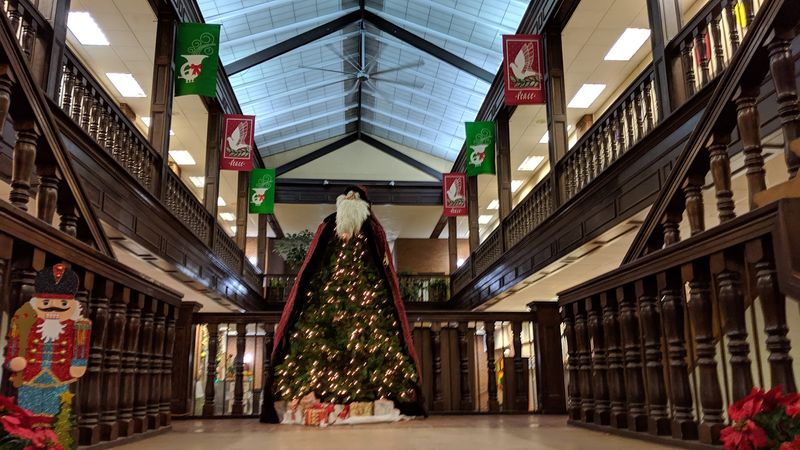
Durango is the most established name on this list, and it earns that status without apology. Main Avenue has been welcoming visitors since the 1880s, and the Victorian-era architecture that lines the street gives the whole corridor a theatrical grandeur that you simply cannot replicate with new construction.
This is a town that knows it has something special and has largely resisted the urge to overdo it.
The Durango Welcome Center at 802 Main Ave. is a well-run operation that can help you navigate the blocks efficiently, though honestly Main Avenue is intuitive enough that you can just start walking and find your footing quickly. Spring is an excellent time to visit because the summer crowds have not yet arrived, the Animas River is running high and dramatic, and the shop owners have a bit more time to actually talk to you.
That last detail matters more than it sounds.
Boutiques, galleries, bookstores, regional restaurants, and the ambient rumble of the Durango and Silverton Narrow Gauge Railroad all layer together into an experience that earns its reputation. Main Avenue rewards multiple visits because there is always something you missed the first time.
Come in spring and you will almost certainly start planning your fall return before you even leave the parking lot.
10. Downtown Ridgway / Sherman Street-Clinton Street Area
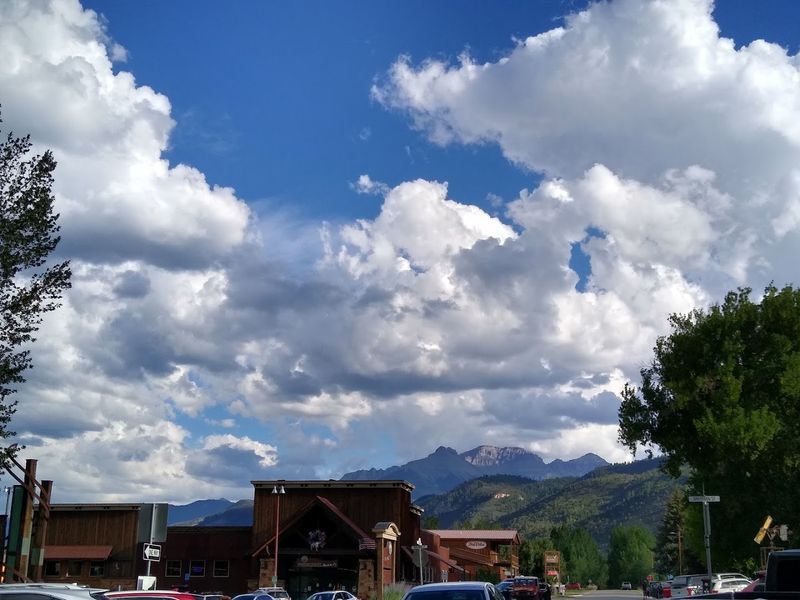
Ridgway is the kind of town that people who love Colorado talk about in slightly hushed tones, as if sharing it too loudly might ruin it. Tucked between Ouray and Telluride, it has the mountain scenery of its famous neighbors without the parking headaches or the price tags.
The Sherman Street and Clinton Street corridor is small, deliberately paced, and deeply pleasant in a way that asks nothing from you except your presence.
The Joinery at 540 Sherman St. is a good representative of the neighborhood’s spirit: locally rooted, thoughtfully curated, and genuinely interesting. The chamber-listed shops along the downtown core reflect a community that supports local business with real conviction.
Spring light in the Cimarron Valley is something special, soft and golden in a way that makes every building and every mountain look like it was arranged for a photograph.
Ridgway is the right choice when you want a spring outing that feels like a discovery rather than a destination. There is no checklist to complete here, no must-see attraction demanding your attention.
You walk, you browse, you eat something good, and you stand in the street for a moment longer than necessary because the view toward the mountains is just that good. Some of the best travel days are exactly that simple.