
8 Scenic Rivers In Arkansas Every Paddler Should Explore
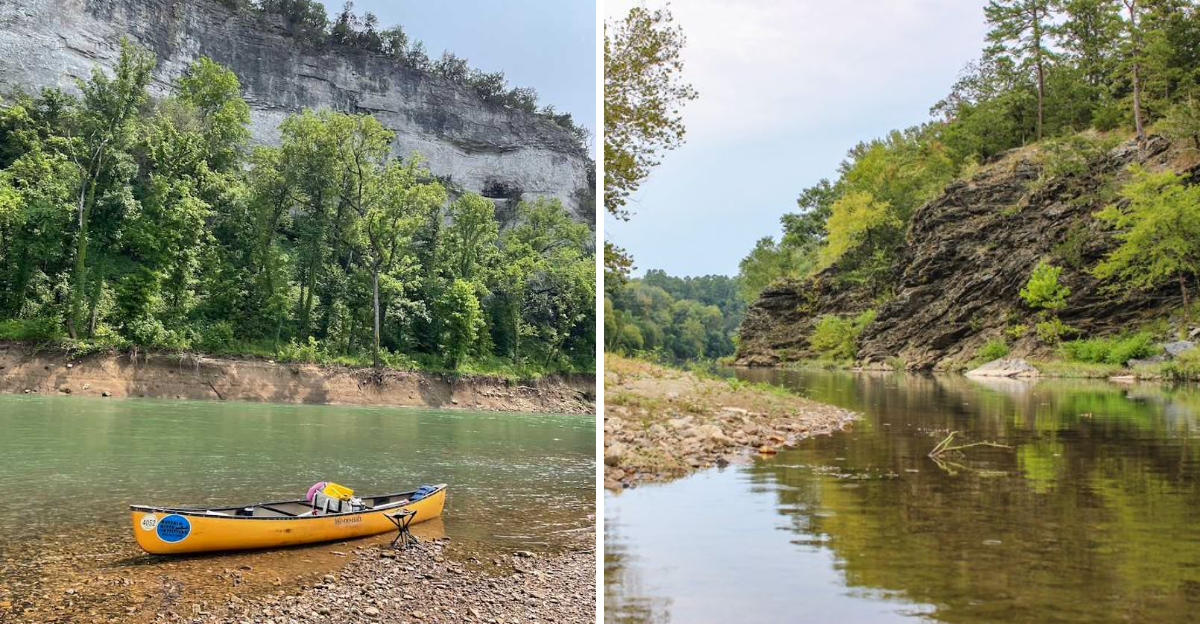
Arkansas is packed with rivers that feel alive the moment your paddle hits the water. You can see it in the tall limestone bluffs rising over the Ozarks.
You feel it again as the current winds through the pine-covered hills of the Ouachitas. Every stretch looks different.
Every mile feels new. I have paddled these rivers more than once, and no two trips ever played out the same way.
One day it is glassy and calm. The next, the water moves with just enough push to keep things interesting. That is part of the appeal. Some rivers are ideal for slow, easy floats.
Others ask you to stay alert and read the current. All of them leave an impression.
If you are thinking about your next paddling trip, this is a good place to start. Keep going and see which river matches your pace and your mood.
1. Caddo River
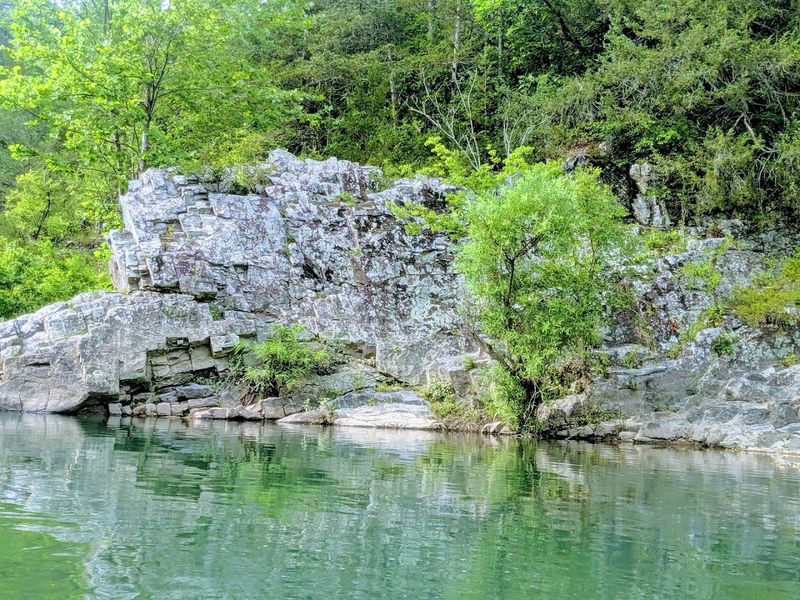
Cool, clear water and a laid-back current make the Caddo River one of the most inviting paddles in all of southern Arkansas.
The Caddo flows through parts of the Ouachita region in the southwest part of the state, with Glenwood acting as a popular launching point for day trips and overnight floats alike.
Unlike some of the more famous Ozark rivers to the north, the Caddo has a quieter reputation, which means you are far less likely to share the water with large crowds on a summer weekend.
The upper section near Caddo Gap offers a bit more challenge, with riffles and small drops that keep paddlers engaged without overwhelming beginners.
Further downstream, the river opens up into long, peaceful pools where the only sounds are birdsong and the soft drip of water from your paddle blade.
The surrounding forest is dense and beautifully green for most of the year, creating a canopy effect in narrower stretches that feels almost cathedral-like.
Gravel bars are plentiful along the Caddo, and many paddlers treat them as impromptu campsites during multi-day trips.
The river also holds a healthy population of fish, so bringing a rod along is never a bad idea if you want to mix paddling with a little angling.
Water levels on the Caddo can drop significantly in late summer, so planning your trip for spring or early summer is the best strategy for a smooth float.
The Caddo River is the kind of place that earns a permanent spot in your paddling rotation after just one visit, and it rarely disappoints those who return.
2. Buffalo National River
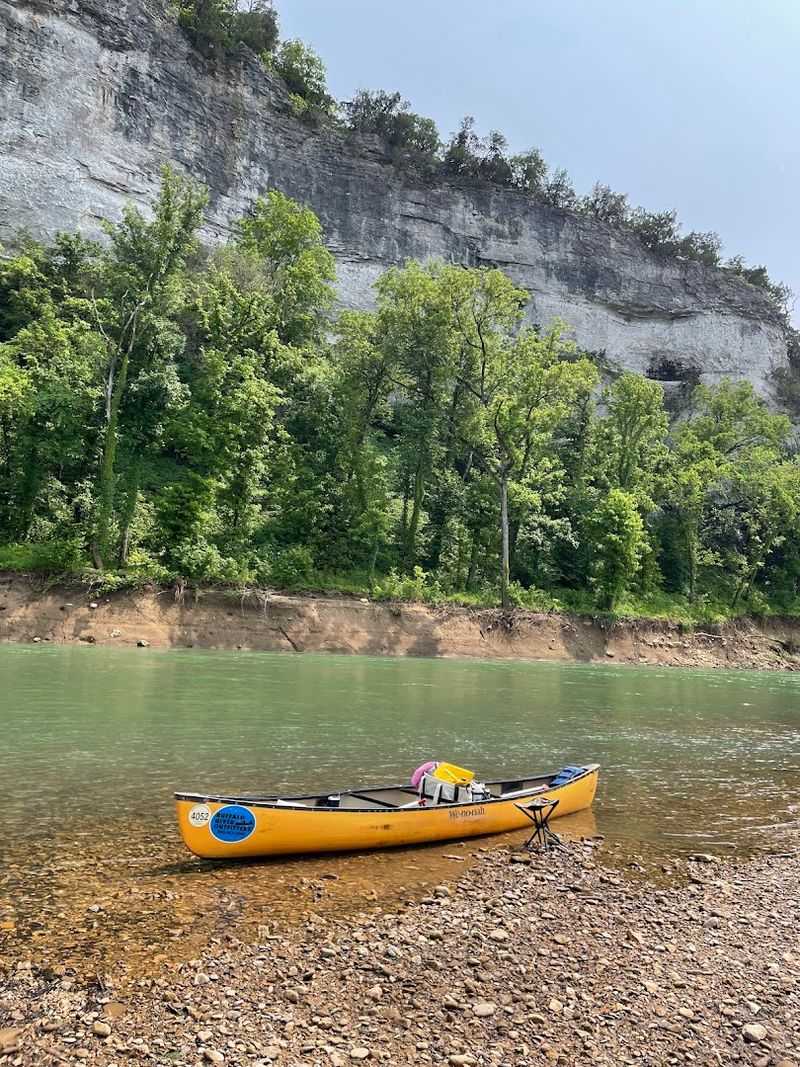
Paddling the Buffalo National River feels like floating through a painting that nature spent centuries perfecting.
This iconic waterway earned its place in history as America’s first designated national river, and it flows freely through the heart of the Ozark Mountains in northern Arkansas, with the most popular access points near Ponca.
The river stretches across several distinct sections, so paddlers of nearly every experience level can find a stretch that suits them.
The upper section near Ponca throws out Class II rapids that keep things lively, while the lower stretch from Rush to Buffalo City rewards you with calm, glassy water and fewer crowds.
What truly sets this river apart is the scenery towering above you on both sides.
Limestone bluffs rise dramatically from the riverbanks, some reaching heights that make you feel wonderfully small in the best possible way.
Wildlife sightings here are common, with deer, herons, and even elk spotted regularly along the banks.
Spring is arguably the best season to visit because snowmelt pushes water levels up and the surrounding forest bursts into vivid green.
Fall runs a close second, when the foliage paints the bluffs in warm amber and rust tones that reflect beautifully off the water.
Camping is available at several sites along the river, making multi-day trips a genuinely rewarding option for those who want to slow down and soak it all in.
Check current water levels with the National Park Service before launching, since conditions can shift quickly after heavy rain.
Once you have floated the Buffalo, every other river on your list will have some serious competition to beat.
3. Kings River
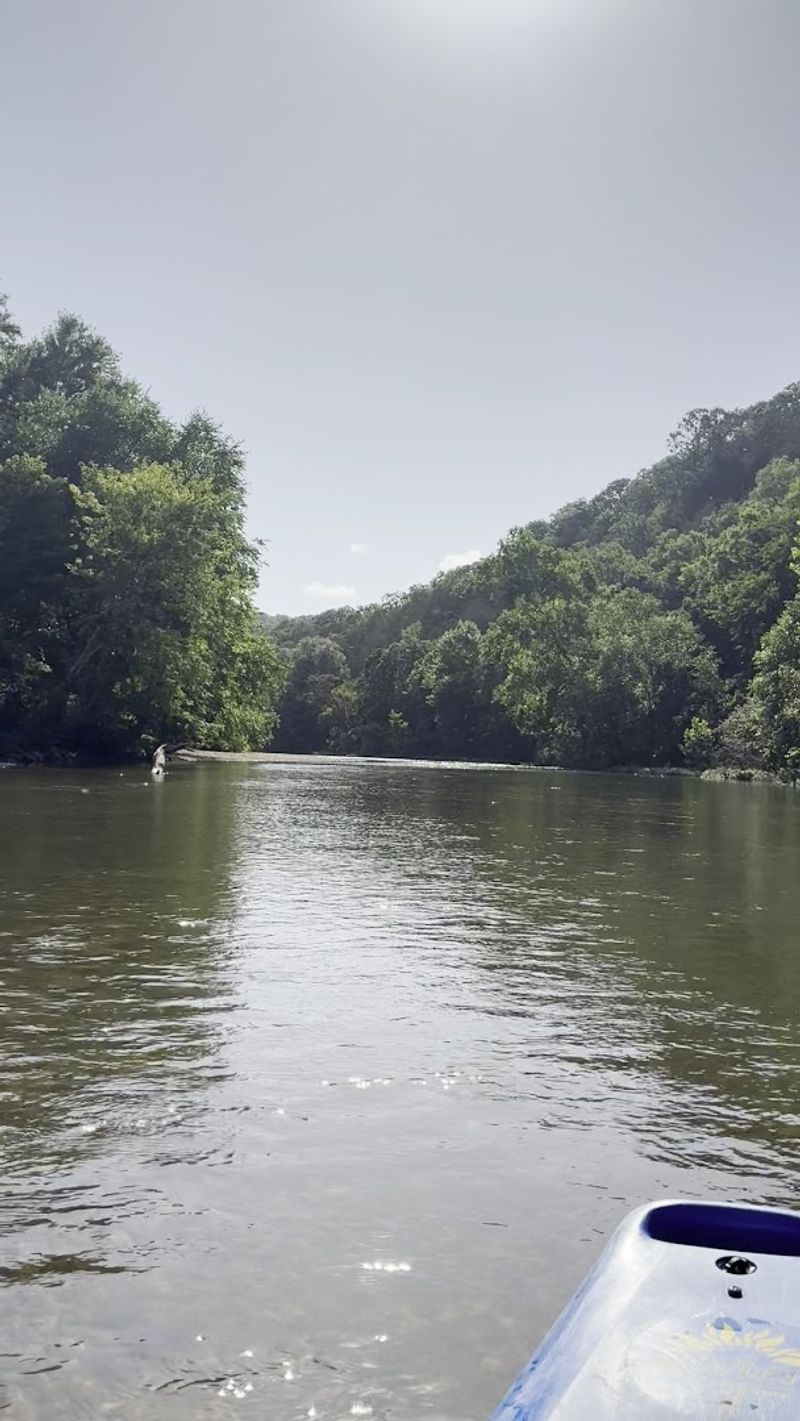
The Kings River flies under the radar for many paddlers, yet it delivers a quiet kind of magic that is hard to forget.
Originating in the rugged Boston Mountains, the Kings River winds through Carroll and Madison counties before joining the White River, with the town of Berryville serving as a convenient home base for many paddlers.
The upper section of the Kings River is where things get genuinely exciting, with Class I–II rapids that demand your full attention and reward you with a satisfying sense of momentum.
Further downstream, the current mellows into a relaxed float that is ideal for families or anyone who simply wants to drift and watch the world go by.
The water here runs remarkably clear, especially in late spring and early summer before the heat of August settles in.
Rocky gravel bars appear frequently along the banks, creating perfect spots to pull over, stretch your legs, and enjoy a packed lunch with a view that no restaurant can match.
The surrounding land is a mix of private farms and forested hillsides, giving the Kings River a distinctly rural, unhurried character that feels worlds away from city life.
Smallmouth bass fishing is a popular side activity here, so do not be surprised if you share the water with a few anglers wading the shallows.
Access points can be limited in some stretches, so downloading a detailed river map before your trip is a smart move.
The Kings River rewards the paddlers who seek it out with solitude, beauty, and the satisfying feeling of discovering something truly special.
4. Spring River
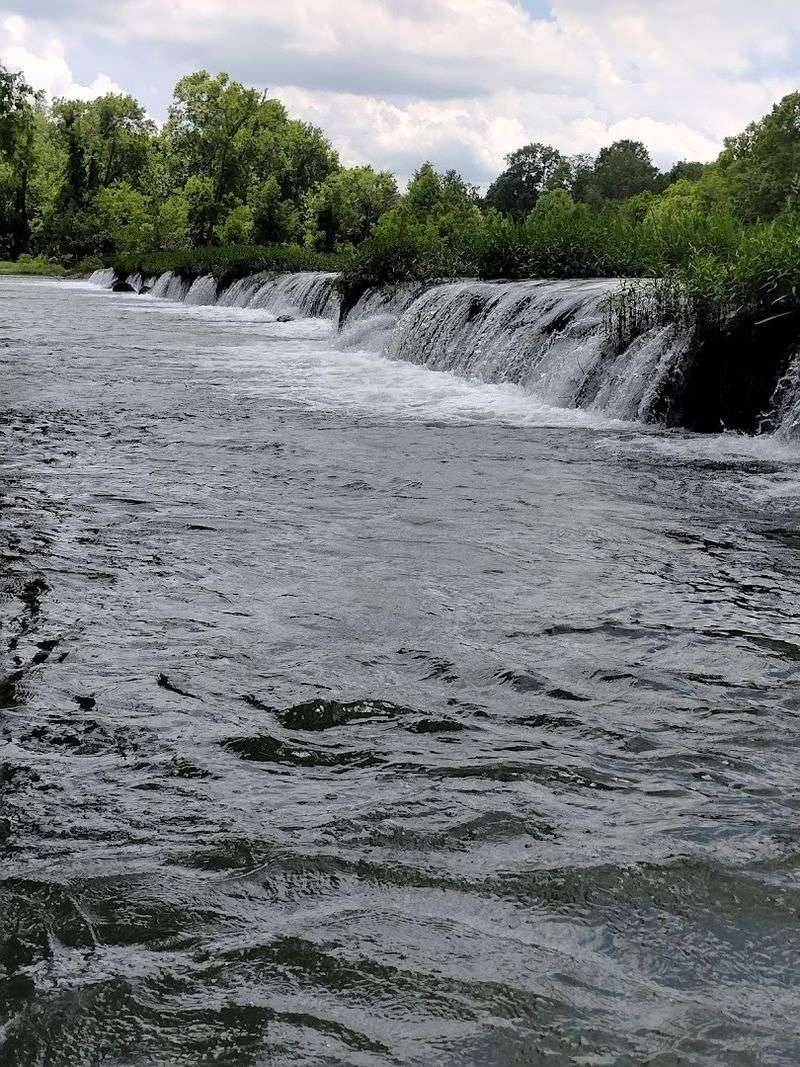
Fed by Mammoth Spring, one of the largest natural springs in the United States, the Spring River lives up to its name in every possible way.
The river runs cold and clear year-round through Sharp County in northeastern Arkansas, with the town of Hardy serving as the lively hub of paddling activity in the area.
Hardy itself is a charming little town with a strong outfitter culture, and renting a canoe or kayak here is as easy as showing up and picking a color.
The Spring River is particularly popular with families because the current is steady and manageable for most of its length, making it a confidence-builder for newer paddlers.
That said, there are enough riffles and small rapids scattered throughout to keep things interesting for those who want a little more action.
The water temperature stays cool even in the peak of summer, which is a genuine blessing when the Arkansas heat is at its most intense.
Trout fishing is a major draw here, and the Spring River is one of the best trout fisheries in the state thanks to its consistently cold, oxygen-rich water.
The banks are lined with a mix of wooded hillsides and open meadows, giving the scenery a pleasant variety as you move downstream.
Old Town, a preserved historic area near Hardy, adds a cultural layer to any trip if you want to explore beyond the water.
Weekends in summer can get busy near Hardy, so arriving early or planning a weekday float will help you enjoy the river at its most peaceful and uncrowded.
5. Mulberry River
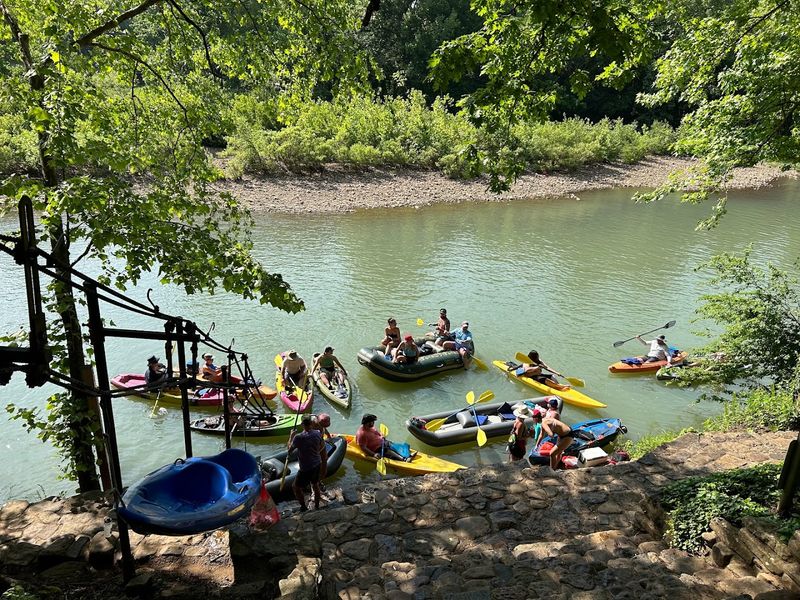
If you are chasing whitewater with a side of spectacular scenery, the Mulberry River in northwestern Arkansas is ready to deliver exactly that.
This federally designated National Wild and Scenic River cuts through the Ozark National Forest, with Turner Bend near Mulberry standing as the most well-known access and outfitter spot on the river.
The Mulberry earns its reputation as one of the most exciting paddles in the state during late winter and spring, when rainfall pushes the river into a lively Class II to III range that intermediate paddlers absolutely love.
Rocky ledges, tight turns, and fast-moving chutes keep your attention sharp from put-in to take-out, and there is rarely a dull moment when the water is running well.
By midsummer, the Mulberry typically drops to lower levels, which actually reveals a different kind of beauty in the form of exposed gravel bars and crystal pools perfect for swimming.
The surrounding Ozark National Forest provides a canopy of hardwoods and pines that makes every bend feel like a new postcard.
Camping along the river is a popular option, and several established sites sit within easy reach of the water for paddlers doing overnight trips.
Smallmouth bass thrive in the Mulberry’s rocky pools, so bringing a lightweight fishing setup alongside your paddle gear is always a welcome idea.
Spring flooding can raise the river to levels that require serious experience, so always check current conditions through the U.S. Geological Survey before heading out.
The Mulberry River has a way of getting under your skin, and most paddlers who float it once start planning their return trip before they even reach the take-out.
6. Ouachita River
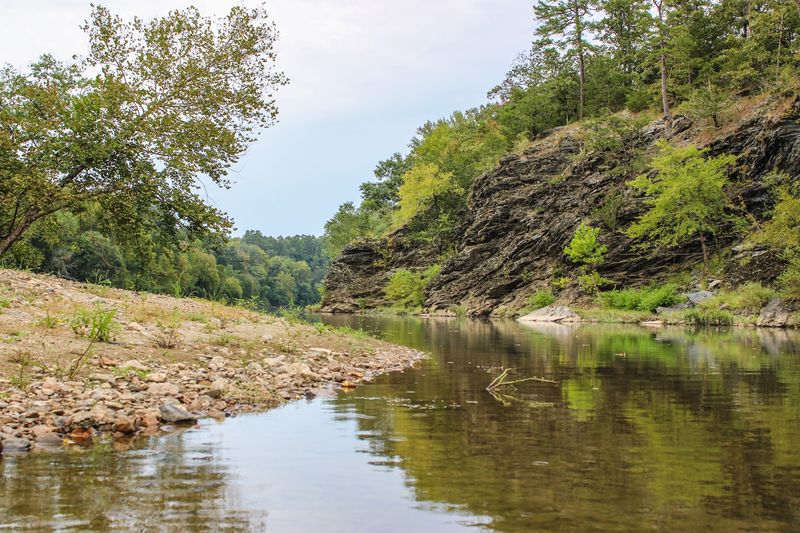
The Ouachita River moves through the landscape of southwestern Arkansas with a calm, unhurried confidence that makes it one of the most welcoming rivers in the state for paddlers who prefer a peaceful float over a heart-pounding rapid.
Rising in the Ouachita Mountains near Mena, the river flows eastward through a mix of forested hills and open valley land before eventually crossing into Louisiana.
The upper sections near Mena and Mount Ida offer the most scenic stretches, where rocky bluffs and dense pine forests create a backdrop that feels genuinely remote even when you are not far from a main road.
Wildlife along the Ouachita is abundant and varied, with osprey, kingfishers, white-tailed deer, and the occasional river otter making regular appearances for paddlers patient enough to look.
The current is gentle enough in most sections to allow paddlers to stop frequently, drift quietly, and observe the natural world without rushing toward the take-out.
Lake Ouachita, formed by Blakely Mountain Dam near Hot Springs, Arkansas, is another popular option for flatwater paddling and kayak touring within the same river system.
The lake’s clear water and island-dotted shoreline offer a completely different experience from the river itself, making it worth exploring as a separate destination.
Fall is a particularly beautiful time to paddle the Ouachita, when the hardwood trees along the upper river turn gold and orange against the evergreen pines.
Outfitters in the Mount Ida and Hot Springs area can help with rentals and shuttle services for multi-day floats.
The Ouachita River rewards slow paddlers who take time to notice the details, and the details here are absolutely worth noticing.
7. White River
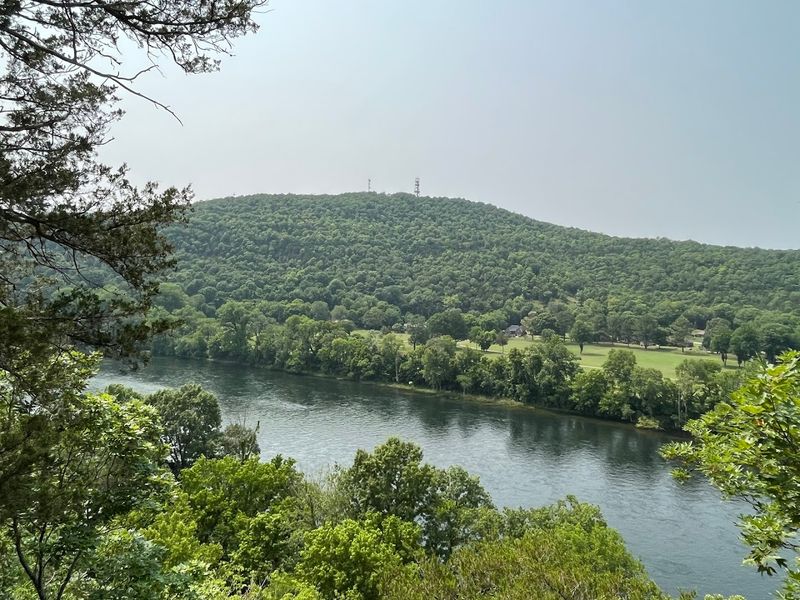
Cold, clear, and steeped in outdoor tradition, the White River in northern Arkansas is a waterway that means something different to almost every person who paddles it.
The river flows through the Ozark Mountains and past several major lakes before settling into its most famous stretch below Bull Shoals Dam near Mountain Home, where the water stays cold and remarkably clear year-round.
That cold water is the main reason the White River has become one of the most celebrated trout fisheries in the entire country, drawing anglers from every corner of the United States.
For paddlers who are not fishing, the scenery more than justifies the trip, with tall limestone bluffs, forested hillsides, and occasional gravel bars offering a visual variety that holds your attention for miles.
Canoe and kayak rentals are easy to find in towns like Cotter, Arkansas, where the paddling and fishing culture runs deep and outfitters know the river intimately.
The current on the White is generally calm and manageable below the dams, making it an approachable option for paddlers who want beautiful scenery without technical whitewater challenges.
Multi-day float trips are popular here, and camping on gravel bars along the river where permitted gives overnight paddlers a genuinely immersive experience in the heart of the Ozarks.
Water releases from the upstream dams can change conditions quickly, so checking the Army Corps of Engineers release schedule before launching is an essential step that should never be skipped.
The White River has been drawing people to its banks for generations, and one afternoon on the water makes it very easy to understand exactly why that tradition has never faded.
8. Saline River
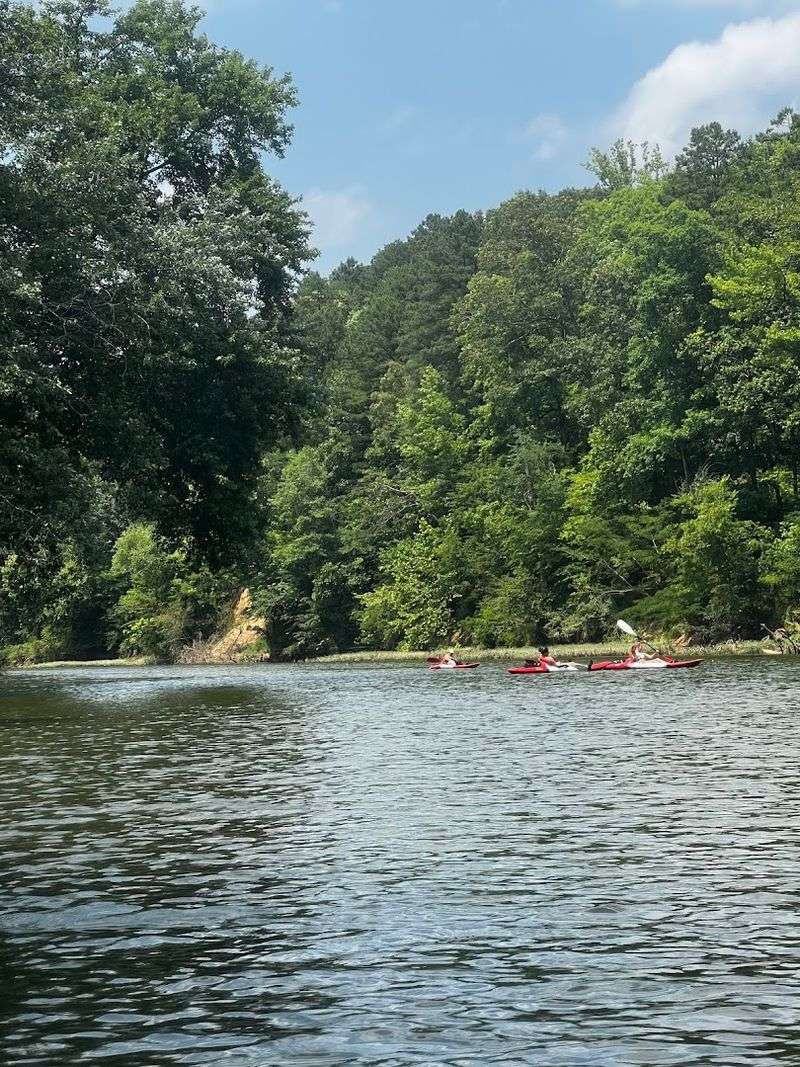
For paddlers who find their peace in slow water, cypress trees, and the kind of quiet that settles over you like a warm blanket, the Saline River in south-central Arkansas is the answer.
The Saline flows through Grant and Saline counties before emptying into the Ouachita River, with the town of Benton providing a useful northern reference point for paddlers planning their route.
Unlike the fast-moving Ozark rivers to the north, the Saline moves at a deliberate, unhurried pace through a landscape dominated by bottomland hardwoods, cypress groves, and open marshland further downstream.
The water takes on a deep amber tint in some sections, stained naturally by tannins from the surrounding vegetation, which gives the river an atmospheric quality that photographers absolutely love.
Birdwatching along the Saline is exceptional, particularly in the lower sections where the river widens and the surrounding wetlands attract herons, egrets, wood ducks, and a rotating cast of migratory species depending on the season.
Spring and fall are the most comfortable times to paddle the Saline, when temperatures are mild and the forest along the banks is either coming alive or turning color.
Summer trips are possible but come with a higher insect population, so packing appropriate repellent and wearing light, long-sleeved clothing is a practical strategy worth following.
Access points along the Saline can be scattered, so researching launch sites ahead of time through Arkansas Game and Fish Commission resources will save you considerable frustration on trip day.
The Saline River may not be the loudest name on Arkansas’s paddling circuit, but the paddlers who know it tend to keep coming back with a quiet, satisfied loyalty that speaks for itself.