
13 Arkansas Landmarks You Absolutely Must See
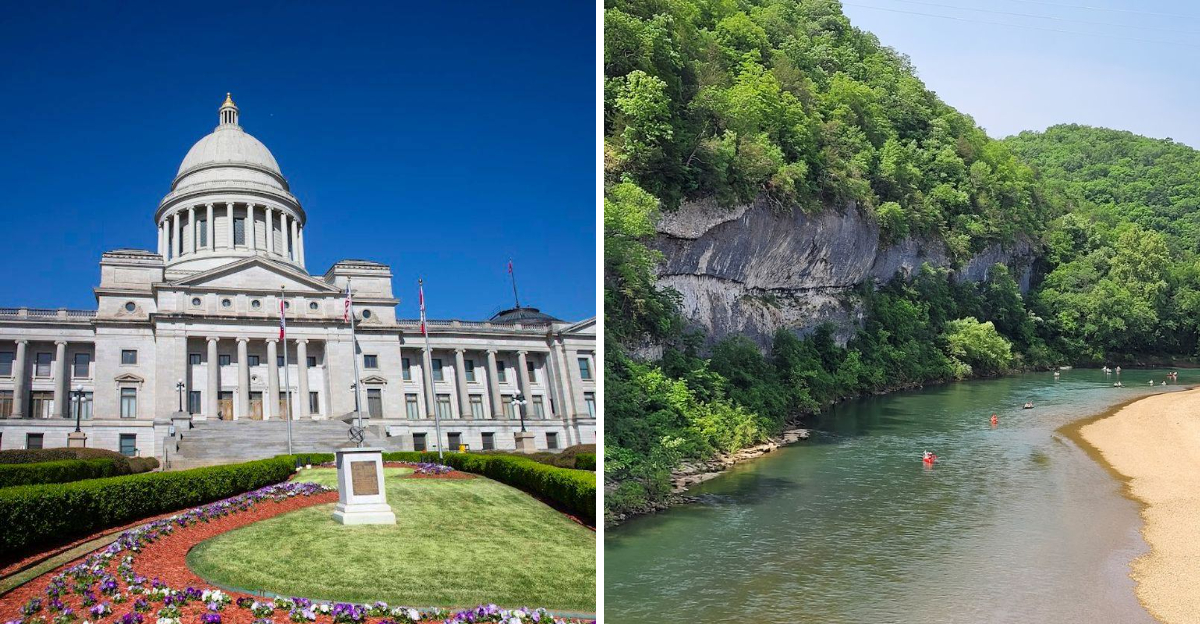
Arkansas is the kind of place that makes you look twice. Then stop completely.
It is not just about what you see, it is how quickly everything changes. You can go from quiet mountain views to standing inside a piece of American history in the same day.
That shift keeps things exciting. I still remember seeing a chapel surrounded by trees and thinking it did not even feel like something built by people.
Then later, I was at a park where digging for diamonds is just part of the experience. That kind of variety is hard to beat.
Planning a trip here feels less structured and more spontaneous. You follow what grabs your attention.
I pulled together these landmarks that made me pause, look around, and stay longer than planned. These are the ones that make you feel like the trip is really worth it, and honestly, make you want to come back again.
1. Little Rock Central High School National Historic Site, Little Rock
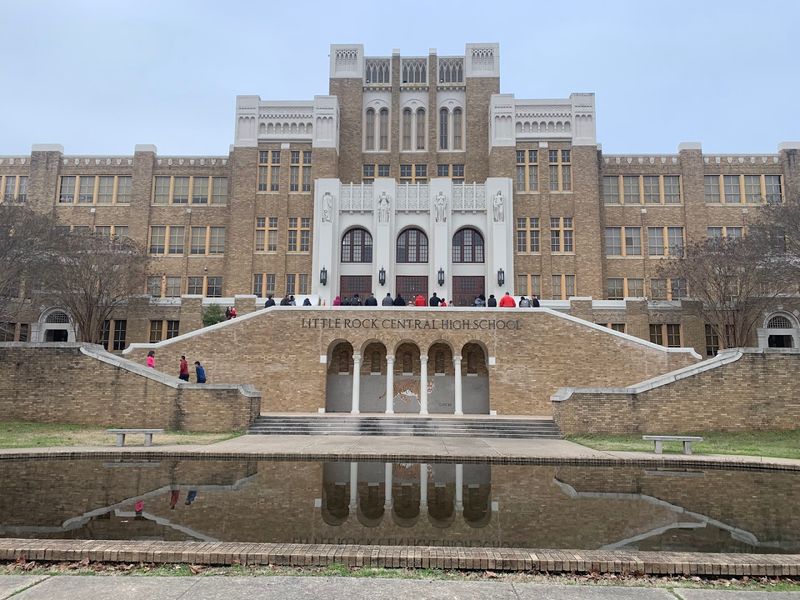
Few buildings in America carry the emotional weight that this one does, and standing in front of it for the first time, I felt that weight immediately.
Little Rock Central High School National Historic Site is located at 2120 W Daisy L Gatson Bates Dr, Little Rock, AR 72202, and it marks the spot where nine courageous Black students walked through those doors in 1957 to integrate a previously all-white school.
The visitor center across the street does an outstanding job of telling that story through photographs, personal accounts, and artifacts that bring the Civil Rights era sharply into focus.
Rangers offer guided programs that add layers of context you simply cannot get from reading alone, though reservations may be required depending on the day, and those conversations tend to linger with you long after you leave.
Admission to the visitor center is free, and the site is open most days of the week, making it an accessible stop for families and solo travelers alike.
Leaving here, I found myself quieter than usual, carrying a deeper respect for courage I had only read about before.
2. Arkansas State Capitol, Little Rock

There is something undeniably commanding about pulling up to the Arkansas State Capitol at 500 Woodlane St, Little Rock, AR 72201, where the dome catches the sunlight and the whole structure seems to demand your full attention.
Built to echo the design of the U.S. Capitol in Washington, D.C., this neoclassical beauty took decades to complete, and every detail inside reflects that long, deliberate effort.
The interior is worth just as much of your time as the exterior, with marble floors, brass fixtures, and restored legislative chambers that feel frozen in a particularly elegant moment of history.
Guided tours are offered on weekdays and may require scheduling in advance, while self-guided visits are available during regular hours, which makes the information stick in a way that dry pamphlets never could.
The surrounding grounds are well-kept and pleasant for a stroll, especially in spring when the landscaping is in full bloom.
I walked out of that building with a refreshed appreciation for Arkansas history that I honestly did not expect from a government building visit.
3. Pinnacle Mountain State Park, Roland
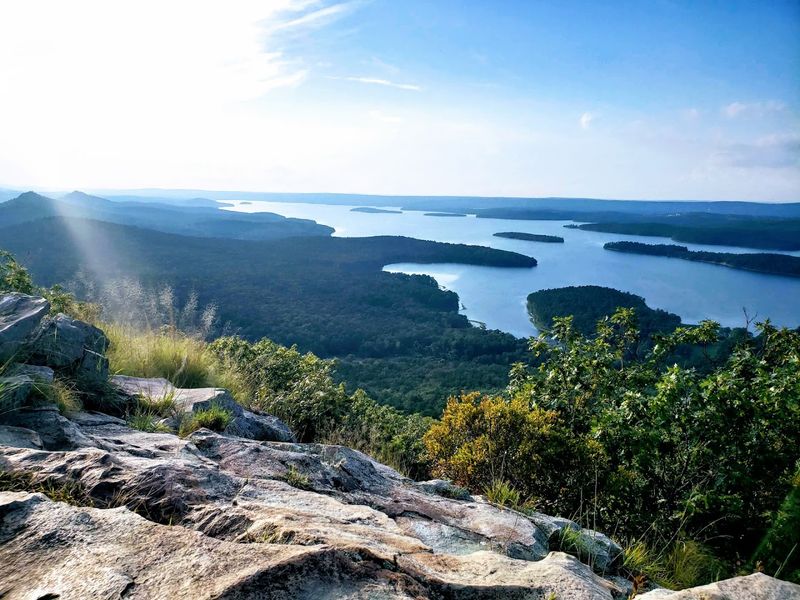
That pyramid-shaped peak rising above the treetops near Roland is not something you forget easily, and once I spotted Pinnacle Mountain from the road, I knew I had to get closer.
Pinnacle Mountain State Park offers a range of trails that suit different fitness levels across the park.
The base trails are accessible and family-friendly, but the summit routes are a different story, requiring you to scramble over rocks using both hands and feet in a way that feels genuinely adventurous.
Views from the top stretch across the Arkansas River valley and surrounding forests in every direction, making every scraped knee completely worth it.
The park also features wetland areas along the river bottoms that attract birdwatchers and nature photographers throughout the year.
Pack water, wear sturdy shoes, and go early in the morning if you want the summit mostly to yourself and the kind of quiet that only open sky can provide.
4. Petit Jean State Park, Morrilton
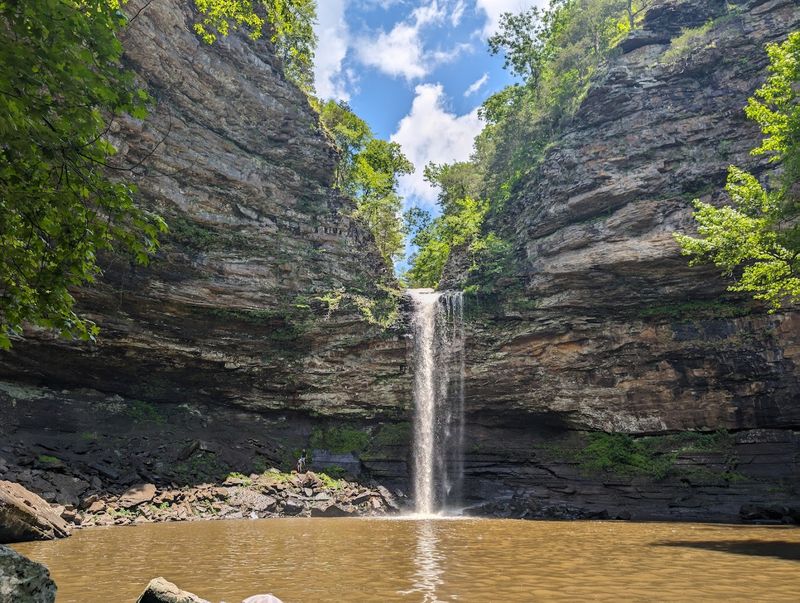
Arkansas’s oldest state park has a legendary reputation, and after spending a full day here, I completely understand why people keep coming back to Petit Jean Mountain year after year.
Petit Jean State Park sits at 1285 Petit Jean Mountain Rd, Morrilton, AR 72110, and its crown jewel is Cedar Falls, a spectacular waterfall that drops into a narrow canyon framed by sandstone bluffs and old-growth trees.
The trail to the falls is moderately challenging and winds through some of the most dramatic scenery I have encountered anywhere in the mid-South.
Beyond the waterfall, the park offers rock formations, overlooks, and a lodge with cabins that date back to the Civilian Conservation Corps era, giving the whole place a warm, storied character.
Mather Lodge sits right on the edge of the mountain and serves food with views that make even a simple meal feel special.
Spring and fall are peak seasons here, but honestly, every season brings something worth seeing on this mountain.
5. Mount Magazine State Park, Paris
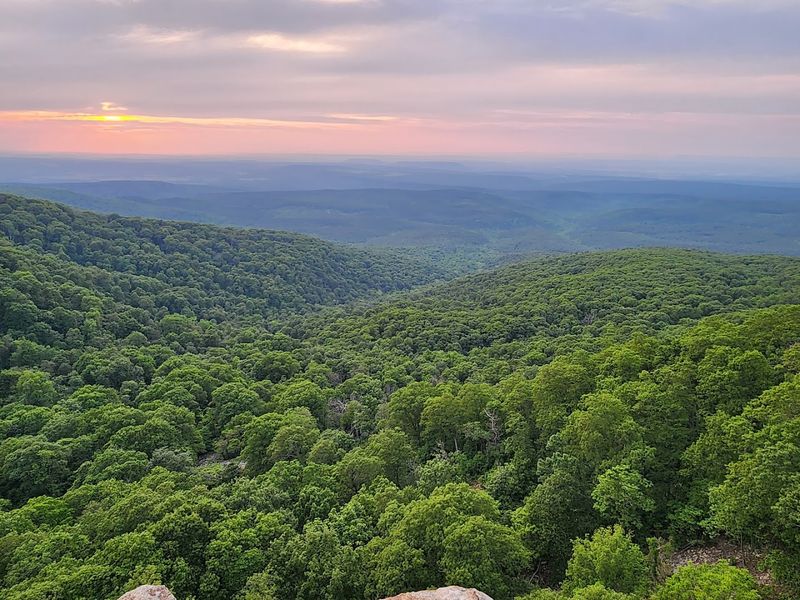
Standing on the highest point in Arkansas feels like a quiet achievement, and Mount Magazine delivers that feeling with a generous side of stunning scenery.
Mount Magazine State Park sits atop a flat-topped mountain that rises above the Arkansas River Valley in a way that makes the surrounding landscape look almost impossibly vast.
The park draws hikers, mountain bikers, hang gliders, and birders, making it one of the most activity-diverse state parks in the region.
Signal Hill Trail leads to the official high point marker, and the walk there passes through meadows and wooded stretches that feel refreshingly remote even when the park is busy.
The lodge here is one of the nicest in the Arkansas state park system, with rooms and cabins that position you perfectly for early morning views before the day-trippers arrive.
I watched the sun set over the valley from an overlook here, and it was the kind of moment that makes you put your phone down and just look.
6. Devil’s Den State Park, West Fork
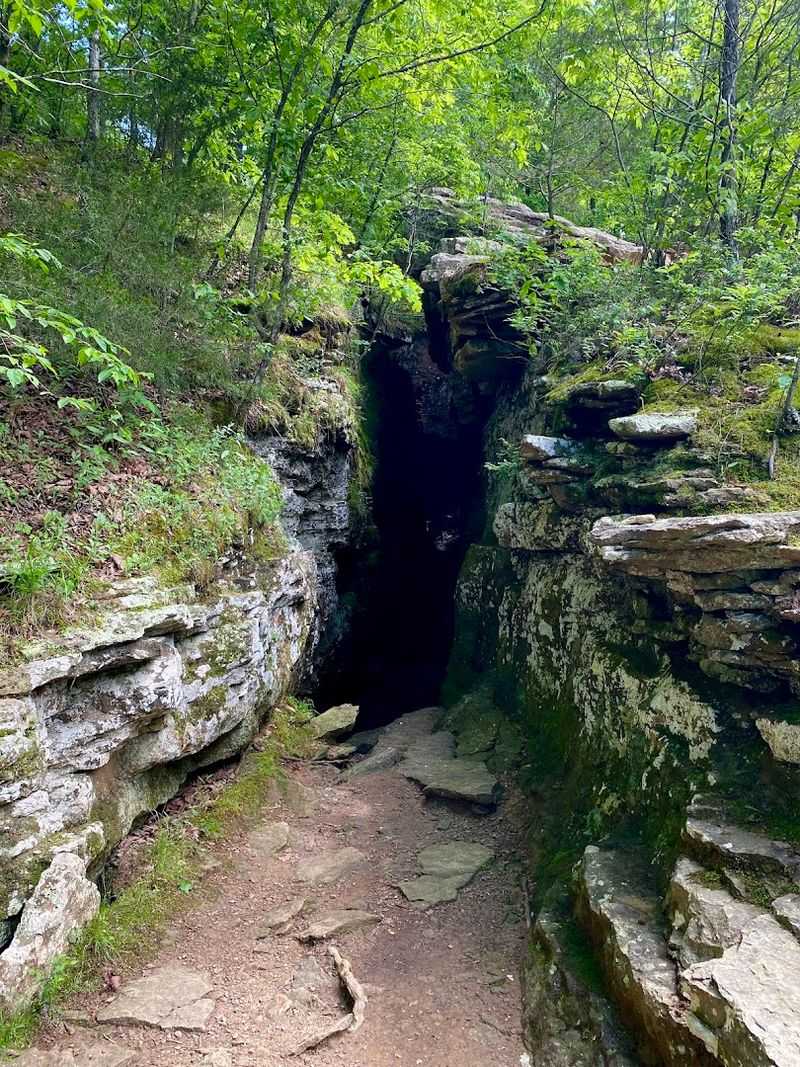
The name sounds dramatic, and honestly, the place earns it in the best possible way.
Devil’s Den State Park is set within the Boston Mountains and is one of those places that manages to feel ancient, wild, and completely welcoming all at once.
The park is named for a series of crevices and rock formations carved into the sandstone bluffs, and exploring those rugged features is a genuine highlight, especially if you have kids who are convinced they are on an expedition.
Lee Creek winds through the valley below, creating fishing spots and scenic views that draw visitors during warmer months in steady numbers.
The CCC-built structures throughout the park, including a dam, a lake, and stone buildings, add a layer of rustic history that blends seamlessly with the surrounding forest.
Camping here under a canopy of hardwoods, with the sound of the creek nearby, is one of those Arkansas experiences that people talk about for years afterward.
7. Crystal Bridges Museum of American Art, Bentonville
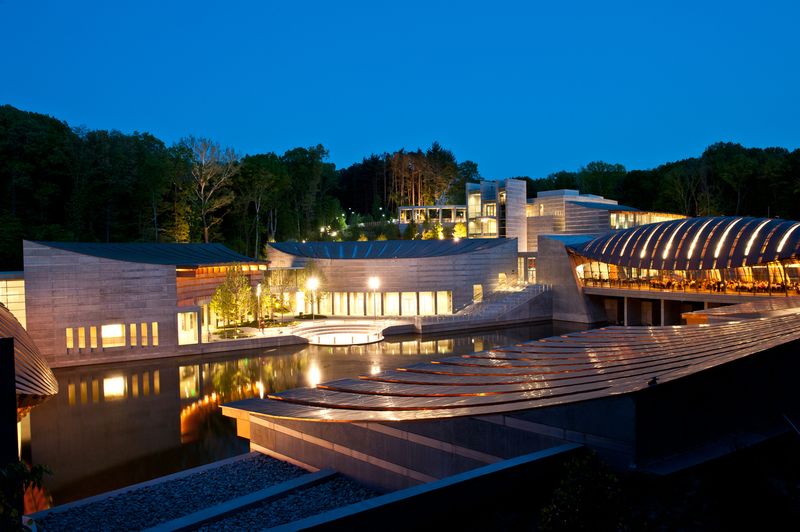
Walking through the wooded trails toward Crystal Bridges, I kept thinking that the approach to the museum was already a kind of art experience before I even reached the entrance.
Crystal Bridges Museum of American Art is situated at 600 Museum Way, Bentonville, AR 72712, and it houses one of the most impressive collections of American art anywhere in the country, spanning works from colonial times through the present day.
The building itself, designed by architect Moshe Safdie, curves around two spring-fed ponds in a way that makes architecture and nature feel genuinely inseparable.
Admission to the permanent collection is free, which still feels almost too generous when you consider the quality and breadth of what is on display inside.
Outdoor sculpture trails connect the museum to the surrounding forest, and those trails are open daily to the public regardless of museum hours.
I spent half a day here and left with the distinct feeling that I had only scratched the surface of what this place has to offer.
8. Turpentine Creek Wildlife Refuge, Eureka Springs

Somewhere in the Ozark hills outside Eureka Springs, lions, tigers, and leopards are living out their second chances, and visiting them is one of the most unexpectedly moving experiences Arkansas has to offer.
Turpentine Creek Wildlife Refuge is located at 239 Turpentine Creek Ln, Eureka Springs, AR 72632, and it has been providing sanctuary to rescued exotic big cats since the early 1990s.
Every animal here has a backstory, and the staff shares those stories during tours with a passion that makes it clear this is far more than a job for them.
The refuge is not a zoo or a performance venue; it is a working sanctuary where the animals come first, and that philosophy is visible in the size and quality of the habitats.
Overnight stays in on-site cabins are available, and waking up to the distant sound of a big cat calling through the trees is an experience that is difficult to put into words.
If you go with kids, clear your schedule for the whole day because nobody wants to leave early.
9. Thorncrown Chapel, Eureka Springs
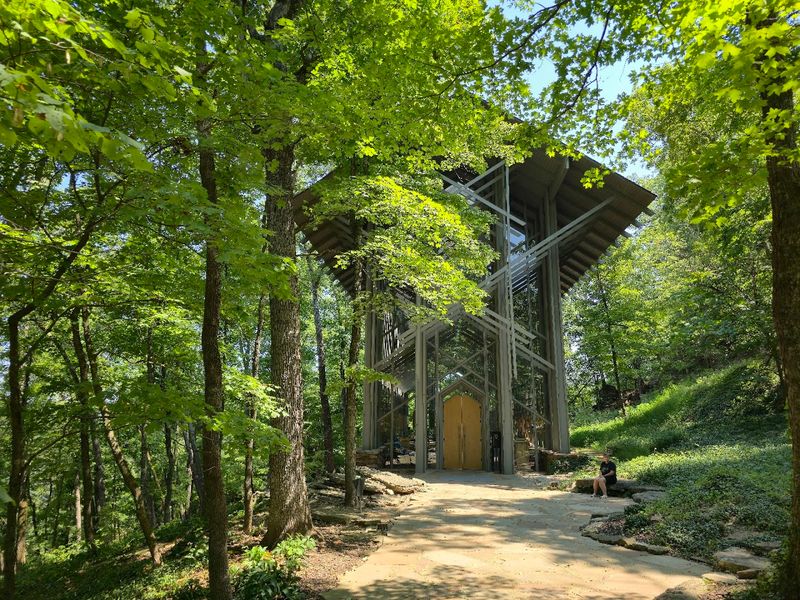
Nothing quite prepares you for the moment Thorncrown Chapel appears through the trees, all glass and timber and filtered light, looking like something the forest itself quietly assembled.
Thorncrown Chapel stands at 12968 US-62, Eureka Springs, AR 72632, and it was designed by architect E. Fay Jones, a student of Frank Lloyd Wright, who completed it in 1980 using materials that could be carried through the woods by hand.
The structure rises dramatically with over 400 windows set into a wooden framework that lets the surrounding forest become part of the interior experience in every season.
It has been recognized as one of the greatest works of American architecture in the twentieth century, and once you stand inside it, that recognition feels entirely deserved.
The chapel is non-denominational and open to visitors during scheduled hours, though availability may vary due to events or seasonal closures, which means planning your visit in advance is a smart idea.
Quiet, contemplative, and genuinely beautiful, this is the kind of place that stays with you long after the drive home.
10. Buffalo National River (Tyler Bend Visitor Center), St Joe
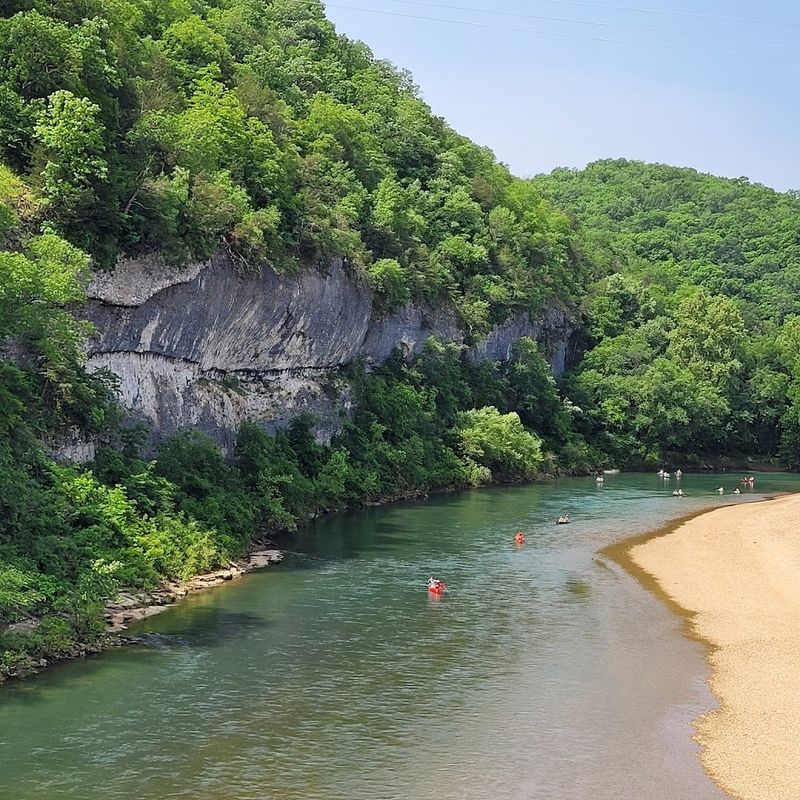
Paddling down the Buffalo National River with towering limestone bluffs rising on both sides is one of those experiences that makes you genuinely grateful for the people who fought to protect this place.
The Tyler Bend Visitor Center serves as a welcoming gateway to the river, offering maps, ranger programs, and exhibits that help visitors understand what makes this waterway so extraordinary.
The Buffalo was designated America’s first national river in 1972, which protected it from damming and preserved the kind of clear, free-flowing water that has become increasingly rare across the country.
Canoe and kayak rentals are available from outfitters in the area, and the river offers stretches suitable for beginners as well as sections that will satisfy more experienced paddlers.
The bluffs, some rising dramatically above the waterline, are best appreciated from a canoe seat at the right time of morning when the light is low and golden.
Plan to linger here, because rushing through the Buffalo National River is simply not something your future self will forgive.
11. Crater Of Diamonds State Park, Murfreesboro
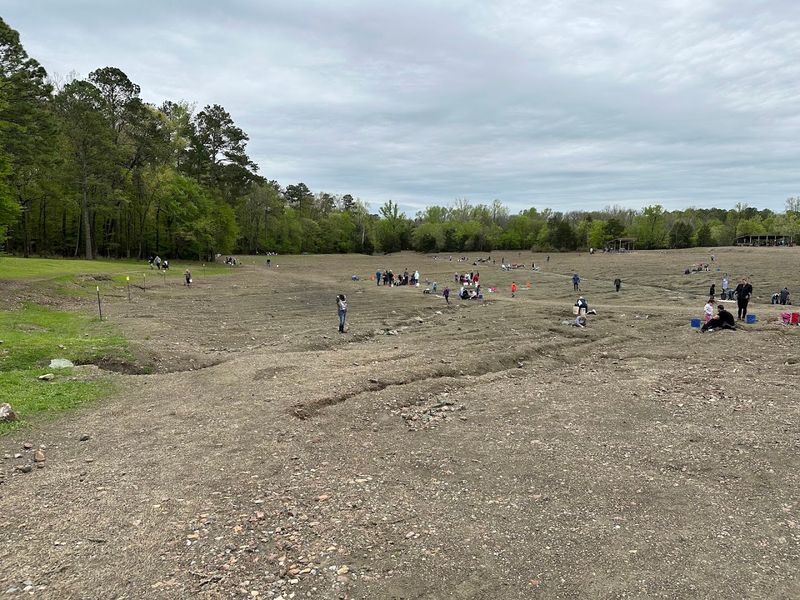
The idea that you can show up to a state park, rent a screen and a trowel, dig around in a plowed field, and legally keep any diamond you find still strikes me as one of the most wonderfully improbable things about Arkansas.
Crater of Diamonds State Park is located at 209 State Park Rd, Murfreesboro, AR 71958, and it sits on top of an ancient volcanic crater that pushed diamond-bearing rock to the surface millions of years ago.
Visitors have found diamonds here ranging from tiny glittering specks to genuinely significant stones, and the park staff will help you identify and register anything promising you pull out of the ground.
The search field is plowed regularly to bring fresh material to the surface, and rain actually helps by washing soil away and making diamonds easier to spot.
A visitor center on-site explains the geology behind the site in clear, engaging terms that make the digging feel even more purposeful.
Whether you find a diamond or not, the sheer novelty of this place makes it one of Arkansas’s most unforgettable stops.
12. Hot Springs National Park (Bathhouse Row), Hot Springs
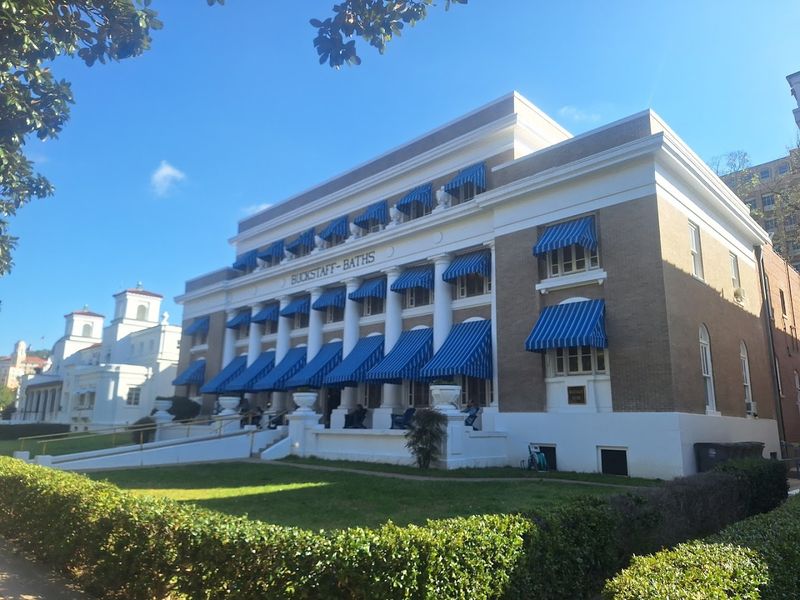
Bathhouse Row in Hot Springs is the kind of place that makes you feel like you have accidentally wandered onto a movie set, except every elegant facade is completely real and steeped in genuine history.
Hot Springs National Park’s famous Bathhouse Row stretches along 369 Central Ave, Hot Springs, AR 71901, where a series of grand early twentieth century bathhouses once drew visitors from across the country seeking the therapeutic benefits of naturally heated spring water.
Several of the beautifully restored buildings now serve as museums, galleries, and visitor spaces, while the Quapaw Baths and Spa still offers soaking experiences in the thermal waters that made this place famous.
The park visitor center inside the Fordyce Bathhouse is particularly well done, with restored interiors that show exactly how these facilities looked and functioned during their heyday.
Walking the promenade behind the bathhouses, where hot springs still steam and flow, connects you to something genuinely ancient beneath the polished surface of the city.
Hot Springs rewards slow exploration, so resist the urge to rush and let the neighborhood reveal itself at its own comfortable pace.
13. Garvan Woodland Gardens, Hot Springs
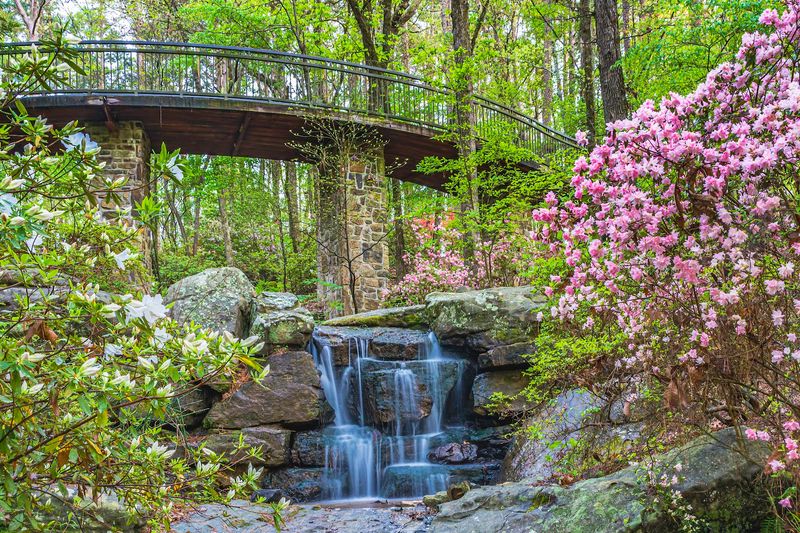
Tucked along a wooded peninsula that juts into Lake Hamilton, Garvan Woodland Gardens is the kind of place that makes you slow your pace without anyone having to ask you to.
The gardens are located at 550 Arkridge Rd, Hot Springs, AR 71913, and they are managed by the University of Arkansas, covering over two hundred acres of native and cultivated plants arranged across a landscape that uses the natural terrain brilliantly.
Spring brings an explosion of azaleas and dogwoods that transforms the entire property into something that feels almost theatrical in its color and scale.
A stunning Anthony Chapel sits within the gardens, a glass-and-wood structure that echoes the spirit of Thorncrown Chapel and serves as one of the most sought-after wedding venues in the state.
The lakeside trails offer peaceful walking at any time of year, and the reflections of the trees on the water in autumn are the kind of thing photographers come back for repeatedly.
Admission is required, and the gardens are well worth every penny, especially if you time your visit around a seasonal bloom event.