
This Fascinatingly Weird Washington Museum Is A Dream Come True For Horror Movie Fans
My childhood was fueled by late-night creature features and the kind of existential dread that only a well-placed jump scare can provide. Imagine my absolute delight when I stumbled upon this hidden gem in Washington, a place that essentially functions as a museum-sized shrine to the grotesque and the glorious.
Walking through these halls, I felt like a kid in the world’s most twisted candy store.
Everywhere I looked, I saw the tangible artifacts of my favorite nightmares, gleaming under spotlights as if waiting to spring to life. It’s rare to find a space that understands the strange, beautiful appeal of horror quite like this one does.
If you’re the type of fan who cheers for the villain, pack your bags; your new favorite haunt is waiting.
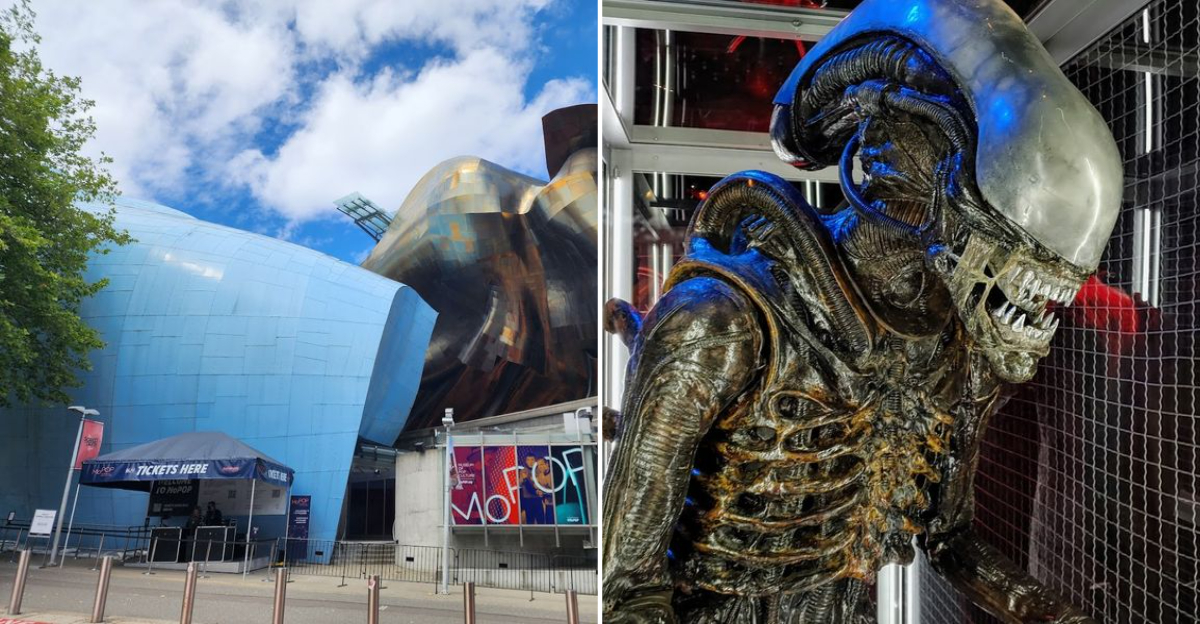
The building alone looks like something from a science fiction film, all swooping metal curves and bold colors, but what is inside is where things get truly wild. This place is basically your dream come true, and I am here to walk you through every fascinating, spine-tingling corner of it.
The Thrill Of Horror Film Exhibition
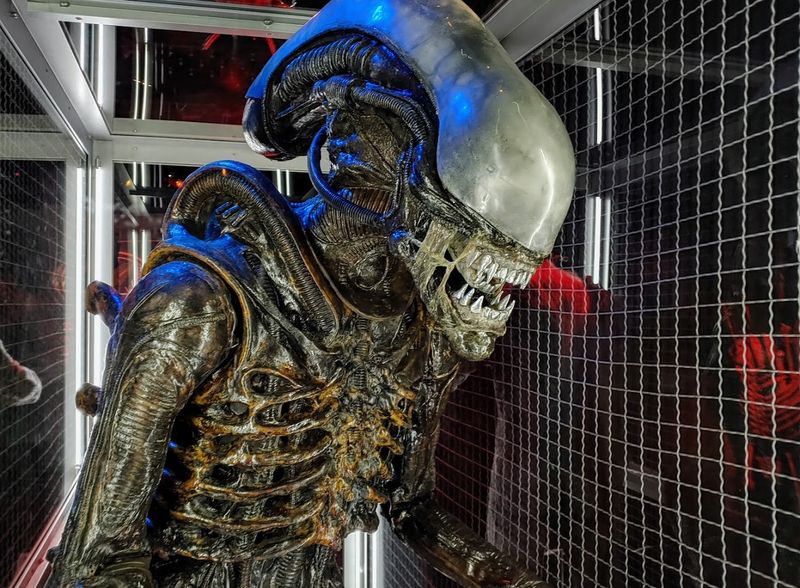
Entering MoPOP’s “The Thrill of Horror Film” exhibition feels like crossing into the world of the movies it celebrates. The 3,000-square-foot gallery brings together more than 50 props and costumes spanning a full century of horror film history, and the mood changes almost immediately once you step inside.
It is the kind of space that pulls you in fast and makes the outside world disappear. The exhibit moves through themed areas, each built around a different kind of screen terror.
One section resembles a vampire chapel with blood-like walls, another plays with a zombie containment setting complete with submerged zombie heads, and another creates a slasher-inspired room with figures hanging overhead.
The design is meant to unsettle you in the same way a great horror movie does, and it absolutely works.
Museum of Pop Culture did not treat the subject lightly, either. More than just a fun attraction, it feels like a real tribute to horror as a genre with lasting artistic weight.
Iconic Props And Costumes On Display
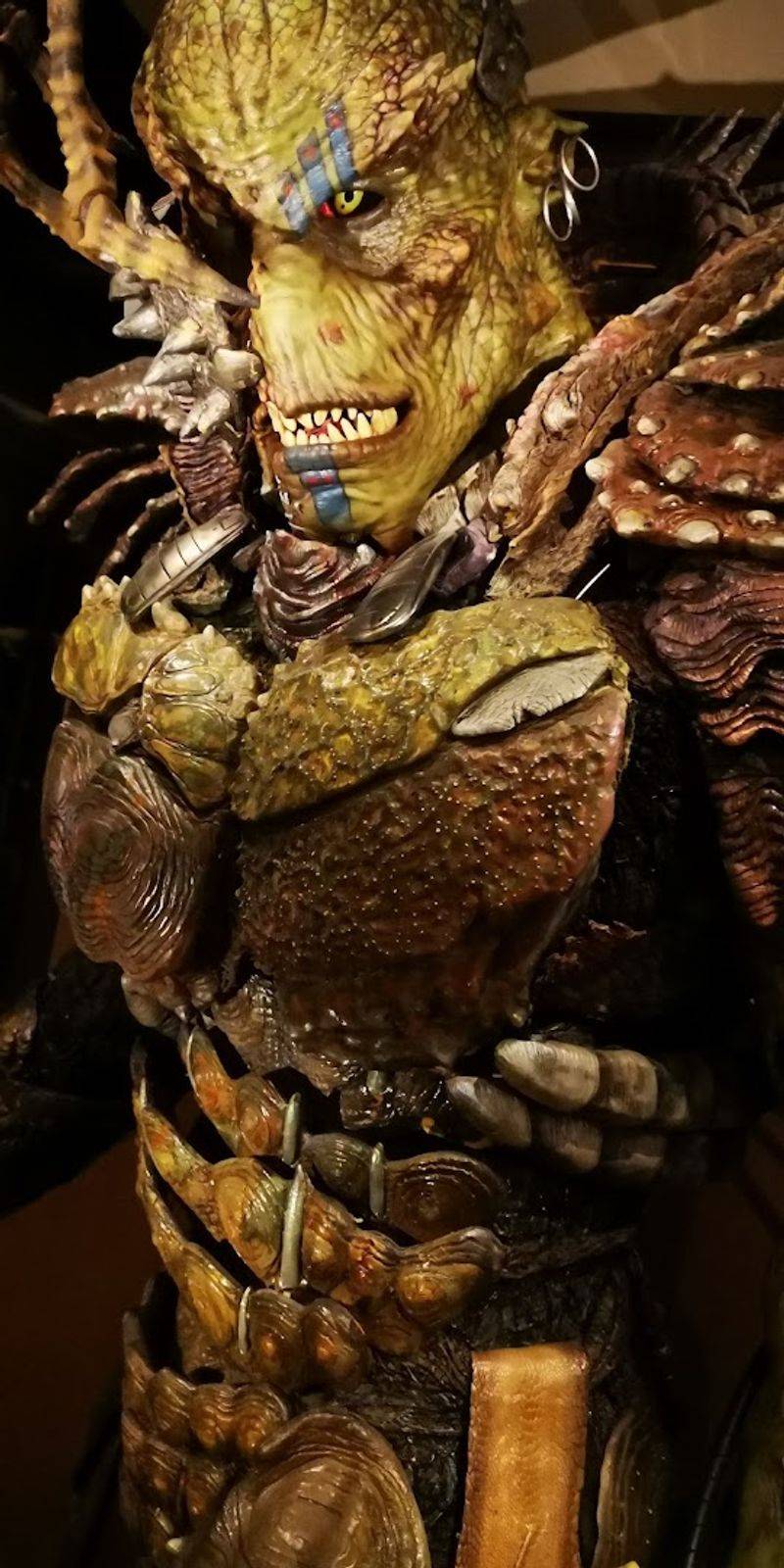
There is something genuinely surreal about standing just inches away from one of horror cinema’s most recognizable screen-used costumes. What might sound like a simple museum moment starts to feel much bigger once you see these pieces up close under the exhibit lighting and realize how much history they carry.
What makes the experience even more striking is that these are not replicas or fan-made versions. They are real props and costumes used on actual sets, and that gives the whole collection a weight that is hard to ignore.
The exhibit also includes severed heads from television productions, displayed with such unsettling detail that they regularly stop visitors in their tracks. Another standout is a towering creature costume that draws attention from across the room because of its scale and deeply menacing look.
What really sets this collection apart is the way it blends nostalgia with craftsmanship. Every piece reflects the work, imagination, and technical skill that went into creating some of the screen’s most unforgettable scares, which makes this section feel educational as well as thrilling.
Can’t Look Away: The Lure Of Horror Film Exhibition
If the first one is the adrenaline rush, then “Can’t Look Away: The Lure of Horror Film” is the thoughtful conversation you have afterward.
This exhibit takes a fascinating psychological approach to the horror genre, asking a question that every fan has probably wondered at some point: why do we actually enjoy being scared?
The exhibition explores the deep human connection to fear, suspense, and the unknown, using film clips, interactive displays, and carefully curated artifacts to guide visitors through the experience.
It covers everything from early silent horror films to modern psychological thrillers, tracing how the genre has evolved alongside human culture and social anxieties.
I found myself spending far more time here than I planned because the content is genuinely thought-provoking. Reading about the psychology behind horror film audiences reframes the way you think about your own movie-watching habits.
By the time you reach the end of this exhibit, you will likely see your love of horror in a completely new and surprisingly meaningful light.
The Architecture Of MoPOP Itself

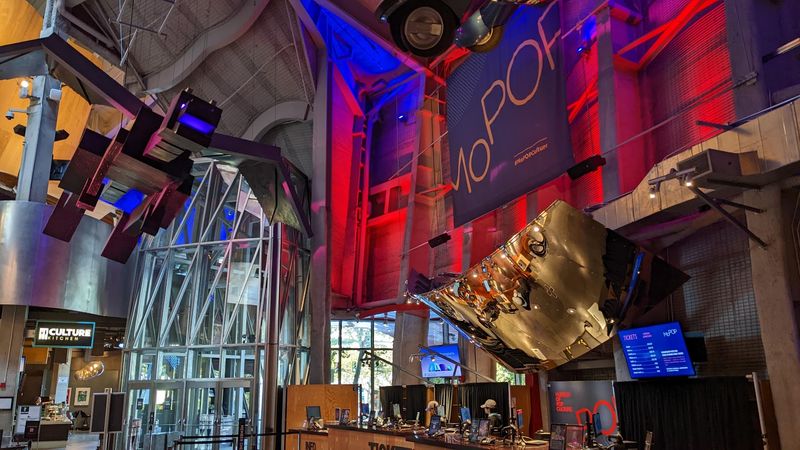
Before you even buy your ticket, MoPOP gives you something worth staring at. The building was designed by architect Frank Gehry and completed in 2000, and it is one of the most visually striking structures in all of Seattle.
The exterior is made of shimmering metallic panels in shades of red, blue, silver, and gold, all twisted and folded into shapes that look like they belong in a fantasy world.
Standing outside and looking up at it from the base of the Space Needle feels almost disorienting in the best possible way.
The structure has no sharp corners or predictable angles, which gives it an organic, almost alive quality that feels perfectly appropriate for a museum dedicated to pop culture and imagination.
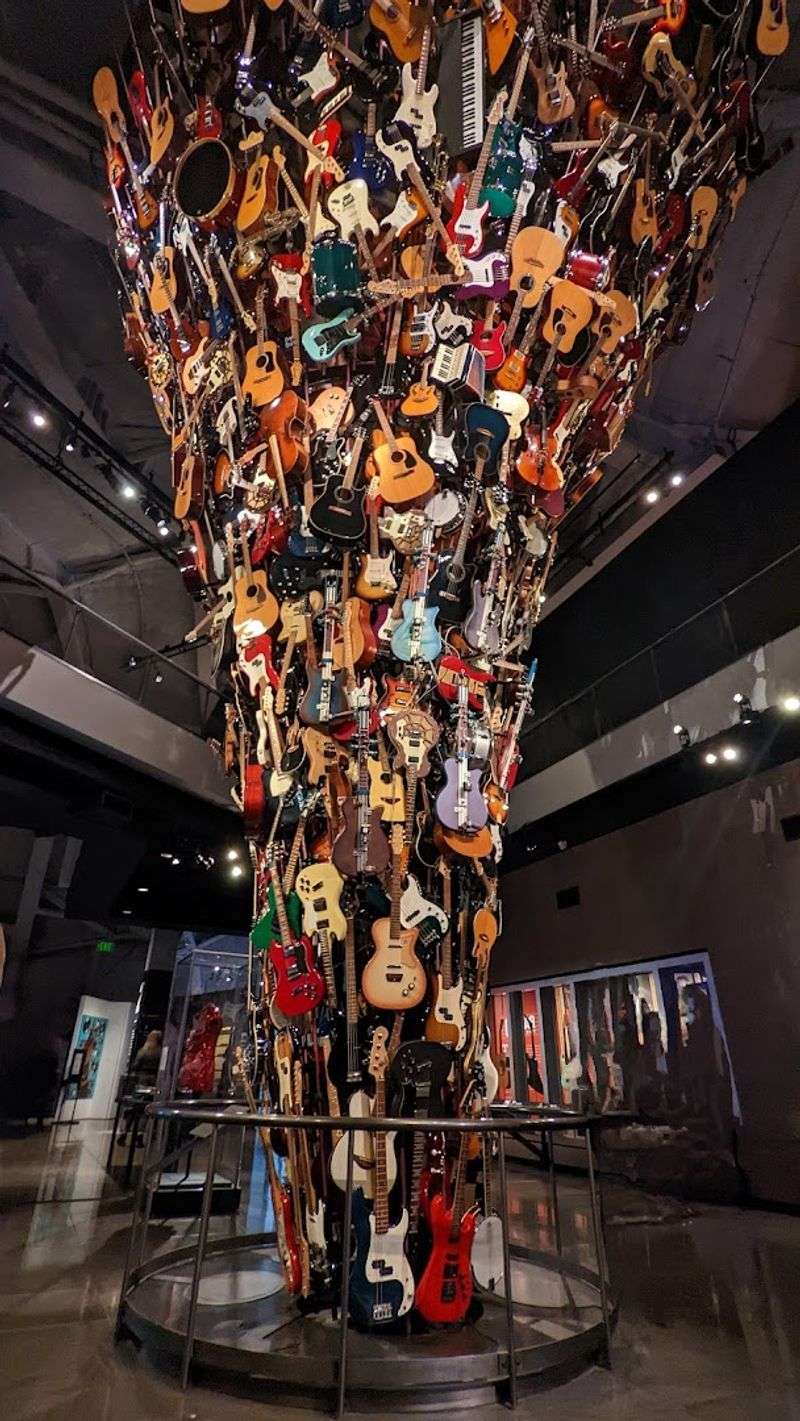
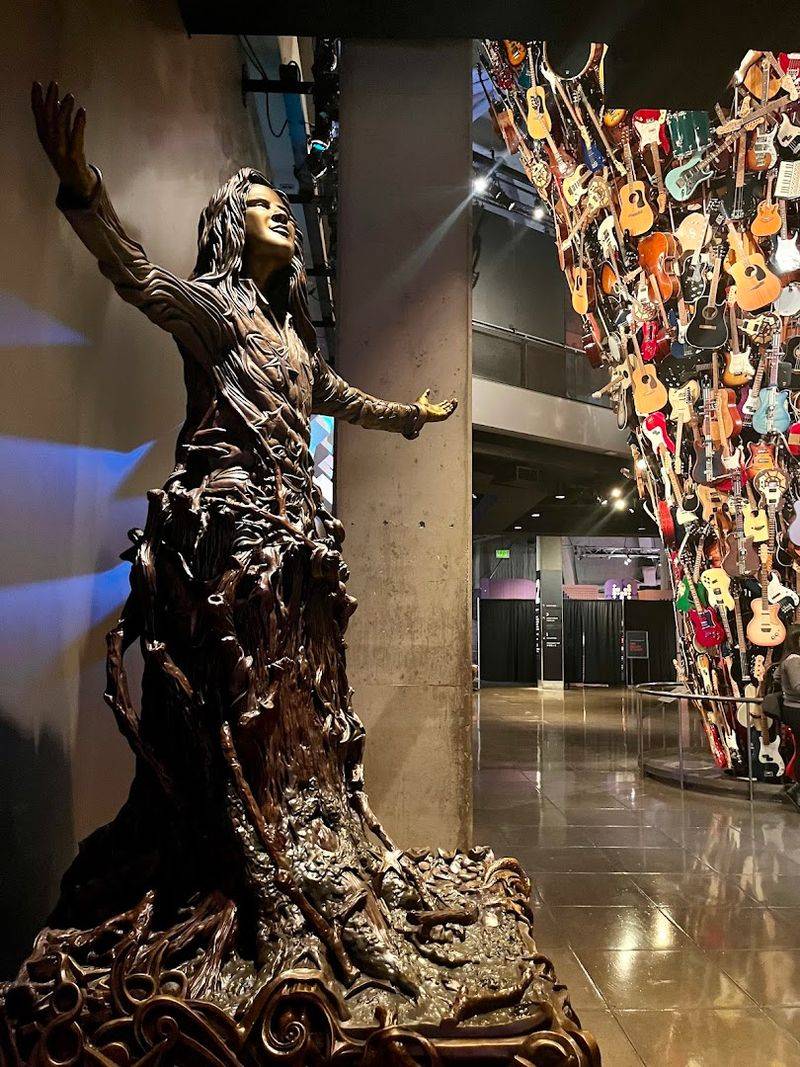
Inside, the main atrium is just as impressive, with soaring ceilings and an enormous sculpture made from hundreds of guitars and other instruments. The building itself sets the creative tone for everything you are about to experience, making it clear that MoPOP does not do anything halfway or conventionally.
Collaboration With Acclaimed Horror Directors
One of the details about MoPOP’s horror exhibitions that genuinely impressed me was learning about the caliber of filmmakers involved in shaping the content. Exhibit brought in directors Karyn Kusama and Roxanne Benjamin as collaborators, alongside guest curators Roger Corman, John Landis, and Eli Roth.
These are not just famous names attached for publicity; their fingerprints are all over the exhibit’s design and storytelling approach.
Roger Corman is practically the godfather of low-budget horror filmmaking, having produced and directed dozens of genre classics. John Landis directed “An American Werewolf in London,” and Eli Roth is known for pushing the boundaries of modern horror with films like “Hostel.”
Having their perspectives woven into the exhibit gives it an authenticity that a purely academic approach could never achieve.
Knowing that real horror legends helped shape what you are looking at adds a layer of meaning to every display case and every prop. It transforms the exhibit from a simple showcase into something closer to a master class curated by the genre’s finest creative minds.
Visiting Tips And Practical Information
Planning your visit to MoPOP is worth doing thoughtfully so you get the most out of your time there. The museum is located at 325 5th Ave N in Seattle, Washington, right at the base of the Space Needle in the Seattle Center complex.
This means you can easily combine your MoPOP visit with a trip up the Space Needle or a walk around the surrounding park area.
Tickets can be purchased online in advance, which I strongly recommend because the museum draws large crowds, especially on weekends and during summer months. General admission typically includes access to the permanent collection as well as most special exhibitions, though some featured exhibits may carry a small additional fee.
Budget at least three to four hours if you want to see everything without rushing.
The museum also has a cafe and a gift shop that carries some genuinely fun horror and pop culture merchandise. Parking nearby can be limited, so using public transit or a rideshare service is often the smarter and less stressful way to arrive and start your visit fresh.
Beyond Horror: Other Exhibits Worth Your Time
As obsessed as I became with the horror sections, MoPOP is honestly so much more than a horror museum, and skipping the rest of the collection would be a genuine mistake. The museum has deep roots in music history, particularly in the Seattle music scene.
The Nirvana exhibit features handwritten lyrics, personal instruments, and photographs that offer an intimate look at one of the most influential bands in rock history. For anyone who grew up listening to grunge, this section carries a real emotional punch.
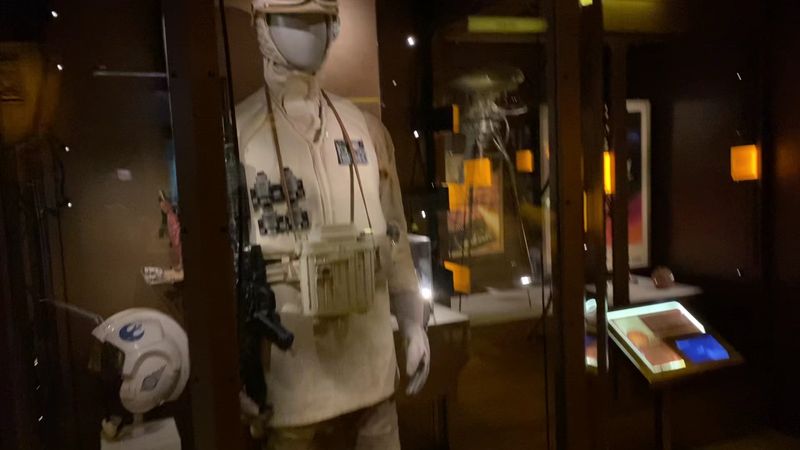
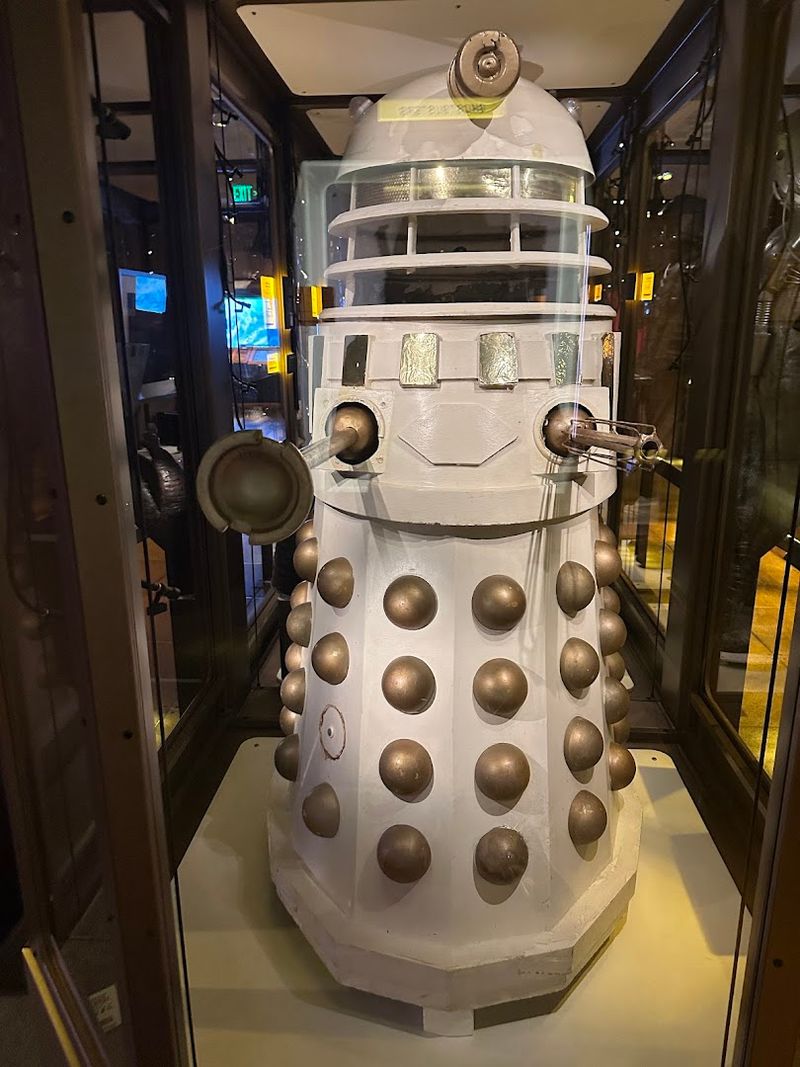
There are also exhibits dedicated to science fiction, fantasy film, and video game culture that could each easily fill an afternoon on their own.
MoPOP also features a dedicated space for emerging artists and musicians, celebrating creativity that is happening right now rather than only looking backward.
This forward-thinking approach is part of what makes the museum feel alive and relevant rather than simply nostalgic, and it keeps the experience feeling fresh from start to satisfying finish.
Why Horror Fans Should Make This Trip A Priority
There are plenty of museums around the country that nod politely at horror culture, but MoPOP in Seattle takes the genre completely seriously as a meaningful part of American creative history.
That respect shows in every detail of the horror exhibitions, from the quality of the artifacts to the thoughtfulness of the interpretive text on each display panel.
For fans who have spent years watching horror films, reading about them, and discussing them with fellow enthusiasts, walking through these galleries feels like a long-overdue validation. The museum does not treat horror as something shameful or niche.
Instead, it frames the genre as a powerful cultural force that has shaped how millions of people process fear, identity, and storytelling across generations.
I left MoPOP feeling genuinely inspired and a little bit proud to be a horror fan. If you find yourself anywhere near Seattle, putting this museum at the top of your itinerary is one of the best decisions you can make for a deeply entertaining, surprisingly moving, and completely unforgettable day out.