
This Tiny Arkansas Town Hides A Spooky Light Locals Can’t Stop Talking About
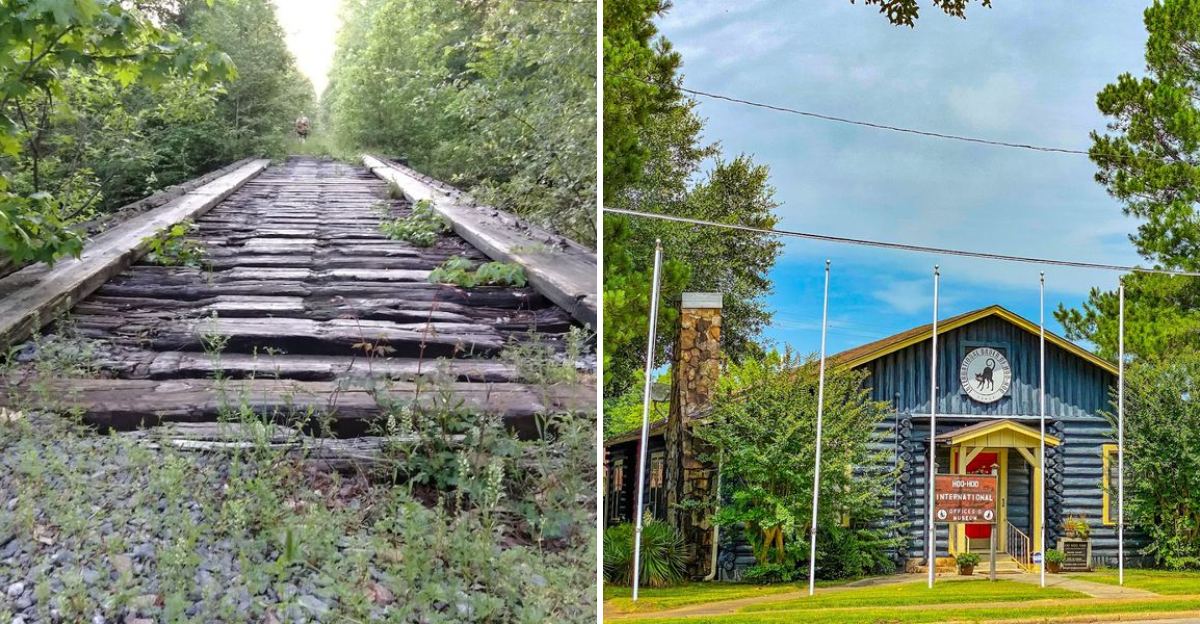
Some places get under your skin before you even realize it. You hear a story, shrug it off, then catch yourself thinking about it later.
This one does exactly that. It sits in Arkansas, small, quiet, surrounded by dense woods where the night feels unusually still.
During the day, nothing stands out. It looks like any ordinary place you would pass without a second thought.
Night tells a different story. People head toward an old stretch of railroad tracks, waiting for something they cannot predict.
A light appears. It hovers, flickers, shifts color, and sometimes feels like it is moving closer.
No pattern. No clear source.
I went in curious, maybe even skeptical. I expected a simple answer and a quick exit.
Instead, I stayed. I watched.
And I left with the same question everyone else seems to have.
Remote Railroad Tracks Deep In Pine Forest
Standing at the edge of those tracks for the first time, I felt the pine forest close in around me like a slow exhale from the earth itself.
The railroad corridor near Gurdon runs through one of the quieter stretches of Clark County, where the treeline presses right up to the gravel ballast and the canopy overhead blocks out most of the remaining sky.
Reaching the area requires a walk of roughly two miles from the nearest road access point, which means you are fully surrounded by forest long before you reach the spot where most sightings are reported.
Railroad activity has existed in this area, though descriptions of the specific track associated with the light vary, so awareness of your surroundings matters more than any ghost story you might have heard on the drive in.
Crickets, owls, and the occasional distant train are your only company out here, and the isolation adds a layer of atmosphere that no haunted house could manufacture.
Locals have made this same walk for generations, guided by flashlights and curiosity, all heading toward the same stretch of rail.
This experience centers on the Gurdon Light area near Gurdon, Arkansas 71743, a small city that carries one of the most genuinely puzzling mysteries in the American South.
Strange Floating Glow Seen After Sunset

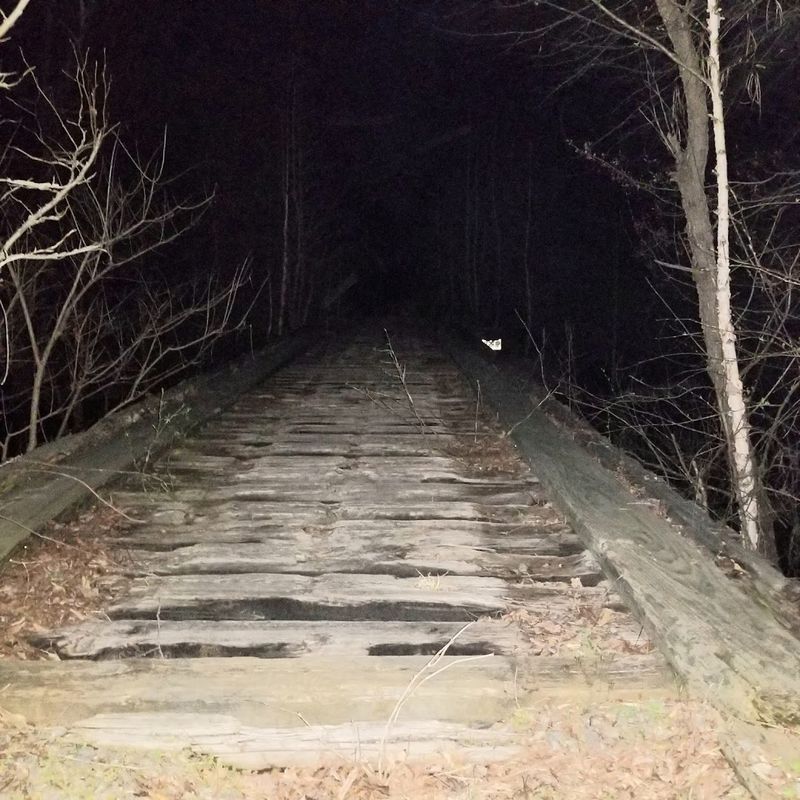
Nobody who sees it for the first time reacts with calm indifference, and many observers describe a soft, hovering glow appearing down the tracks after full dark.
The Gurdon Light presents itself as a single orb that seems to float a few feet above the rail level, neither attached to anything nor moving in a pattern that matches any conventional light source.
Witnesses often describe the glow as pulsing with a slow, almost breathing quality that makes it feel less like a reflection and more like something with its own internal rhythm.
Reports over the decades consistently place the light after sunset, with sightings most often occurring in the hours after dusk.
The forest amplifies the strangeness because there are no streetlights, no distant highway glow, and no ambient urban light to compete with what is visible.
Your brain keeps searching for a logical anchor, a lantern, a phone screen, a reflective sign, and finding nothing satisfying.
Accounts frequently describe the pale glow hovering silently above the rails, leaving observers unsure how to categorize what they have seen.
Colors Shift From White To Blue To Red
Color is one of the most consistently reported and genuinely strange aspects of the Gurdon Light, because it does not stay the same shade from one moment to the next.
Eyewitness accounts collected over many decades describe the light appearing in bluish-white, yellowish-white, and orange-red tones, sometimes within a single observation session.
Some observers note subtle shifts, with a cool, pale glow gradually warming toward amber before fading out entirely for a few minutes.
The Encyclopedia of Arkansas and other historical summaries describe these color variations as a recurring feature of the phenomenon, noted by independent witnesses who had no prior knowledge of each other’s descriptions.
What makes the color changes particularly puzzling is that many natural light sources tend to remain within a narrower tonal range rather than shifting across warm and cool spectrums.
Photographs of the light show variation in color, though reports differ on how closely those images match what is seen with the naked eye.
That variation in reported color adds yet another layer of strangeness to an already thoroughly confusing experience along those Clark County tracks.
Light Moves Toward Witnesses Then Disappears
Few things test your composure quite like watching an unexplained light start moving in your direction while you are standing alone on a dark stretch of railroad track.
Multiple visitors to the Gurdon area have reported that the light does not simply hover in place but appears to approach observers before vanishing without any clear transition.
Accounts describe the orb drifting closer over short periods before disappearing from view entirely.
There is no sound associated with the movement, no crunch of gravel, no rustle of pine needles, nothing that would suggest a physical object traveling along the ground.
Some observers have suggested optical or atmospheric effects could create the illusion of movement in a distant light source, though no explanation accounts for every reported detail.
The approach behavior is what tends to unsettle even the most skeptical visitors, because it feels deliberate in a way that random effects rarely do.
Long after leaving the forest, that memory of the light moving closer tends to resurface at inconvenient moments, usually when trying to sleep.
Decades Of Sightings By Residents And Visitors
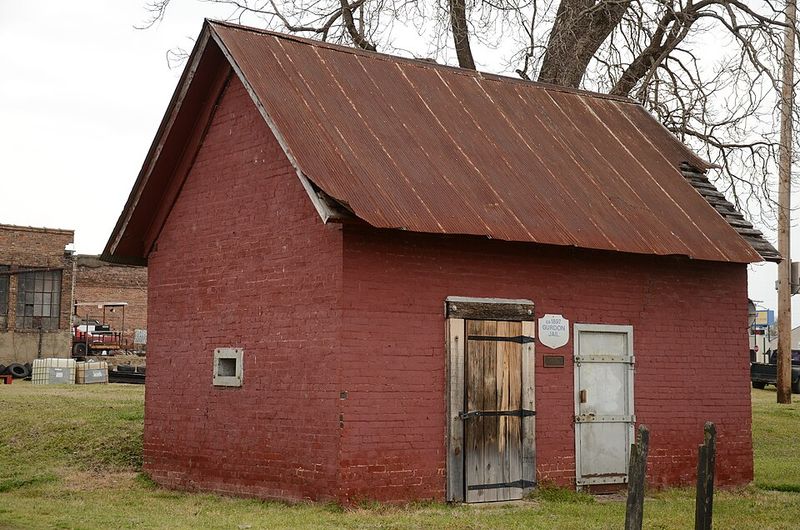
A phenomenon that only one person has ever seen is easy to dismiss, but when the reports span nearly a century and come from farmers, scientists, journalists, and curious road-trippers alike, the picture gets considerably more complicated.
Documented sightings of the Gurdon Light stretch back to at least the early twentieth century, with the phenomenon gaining wider public attention through newspaper coverage and word-of-mouth that spread well beyond Clark County.
Residents who grew up in Gurdon describe the light as simply part of local life, something their grandparents saw, something they saw as teenagers, and something they now bring their own children to witness.
Visitors from across Arkansas and neighboring states have made the two-mile trek into the forest specifically to stand on those tracks and wait, many of them returning more than once.
The consistency of descriptions across such a wide range of witnesses and such a long stretch of time is what separates the Gurdon Light from most regional ghost story traditions.
People who expected to see nothing and came prepared to be unimpressed have left the forest quietly reconsidering their assumptions.
That kind of stubborn, multigenerational staying power is rare, and it speaks to something genuinely present on those tracks rather than simply a story that grew in the telling.
Railroad Incident Linked To The Phenomenon
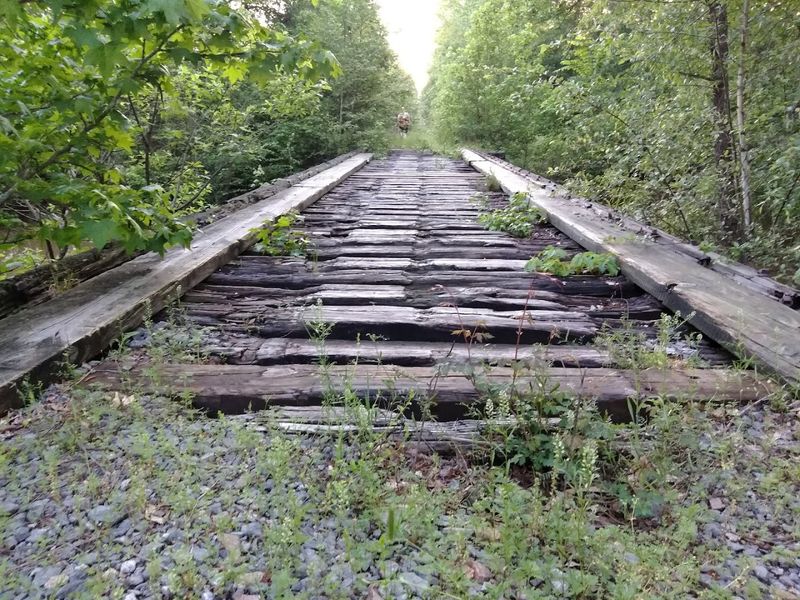
Behind every persistent legend there is usually a real event, and the story attached to the Gurdon Light is rooted in a documented piece of Arkansas history from 1931.
William McClain was a railroad foreman working a section of track near Gurdon when he was attacked and lost his life during a dispute with an employee named Louis McBride.
The local legend that grew from this event holds that McClain’s spirit now walks the tracks carrying his lantern, searching for what he lost in the violent encounter that ended his life.
Historical accounts confirm that McBride was arrested and jailed following the incident, giving the legend a factual foundation compared to most supernatural folklore.
The details of what happened on those tracks in 1931 continue to shape how visitors interpret the experience of being there at night.
The lantern image has become a common visual associated with the Gurdon Light, appearing in many retellings of the story.
History and mystery have a way of reinforcing each other, and on those dark tracks, the two feel closely connected.
Scientific Explanations Tested But Never Confirmed
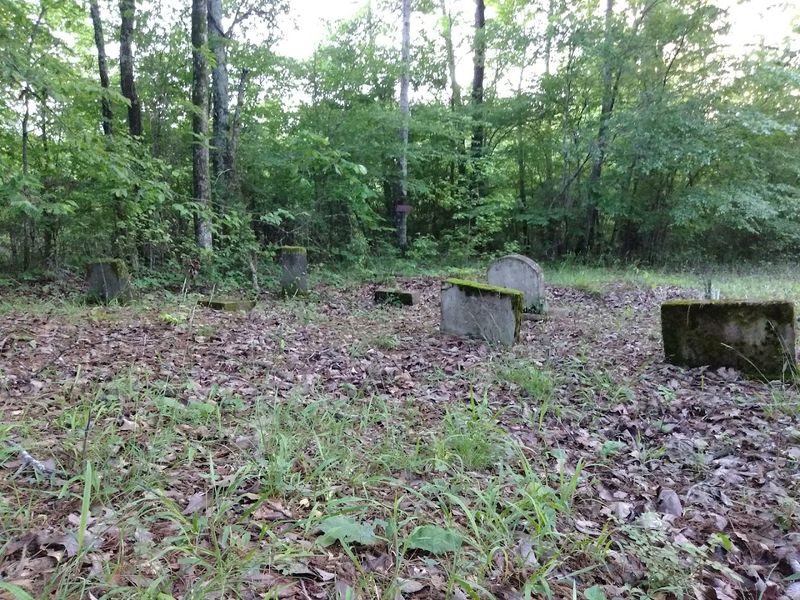
Curiosity about the Gurdon Light has attracted more than ghost hunters and thrill-seekers over the years, drawing researchers who arrived with instruments, hypotheses, and a firm commitment to finding a rational explanation.
One of the most discussed scientific theories involves the piezoelectric effect, a process by which pressure applied to certain crystalline rock formations, including quartz, generates an electrical charge that can produce visible light under the right conditions.
Some discussions of the area suggest the presence of quartz-bearing formations, and passing trains could theoretically provide the pressure this theory requires.
However, attempts to confirm this explanation have not produced results that definitively connect the piezoelectric process to the specific light people observe above the tracks.
Other proposed explanations have included swamp gas, car headlights refracting through the forest from distant highways, and ball lightning, each of which accounts for some but not all of the reported characteristics.
The light has been studied by researchers and featured in television programs, none of which have delivered a conclusion that fully satisfies the scientific community.
Science has narrowed the possibilities without eliminating the mystery, which is perhaps the most consistent outcome anyone could expect from investigating something this unusual.
Nighttime Visitors Return Hoping To See It Again
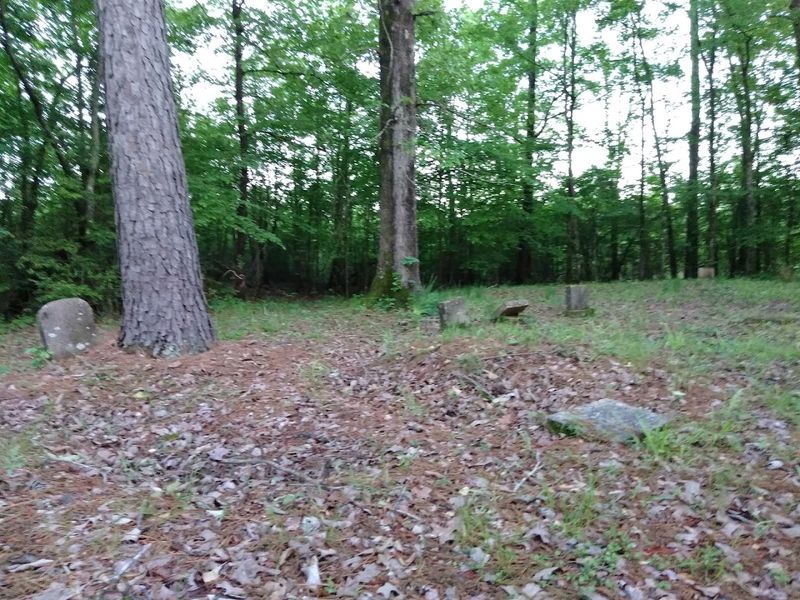
There is a particular kind of experience that does not let go even after you have driven home, changed clothes, and returned to everyday routines.
The Gurdon Light tends to produce exactly that effect, which explains why many people who make the walk into the forest for the first time eventually come back for another visit.
Visitors often travel from nearby cities after hearing stories or reading about past sightings, hoping to witness the light under similar conditions.
Reports frequently describe the light appearing, shifting colors, and then vanishing just as abruptly, leaving observers no closer to an explanation but satisfied with the experience.
The return visitor culture around the Gurdon Light has created an informal network of people who share sighting reports online and compare observations with genuine enthusiasm.
General observation suggests that clear, dark nights are often considered favorable for viewing, though results remain unpredictable.
Whatever is happening out there in the dark Arkansas pines, it has clearly earned the attention of everyone who has stood on those tracks and watched the night do something it should not be able to do.