
This Little-Known Maine Landmark Feels Like It’s From Another Era
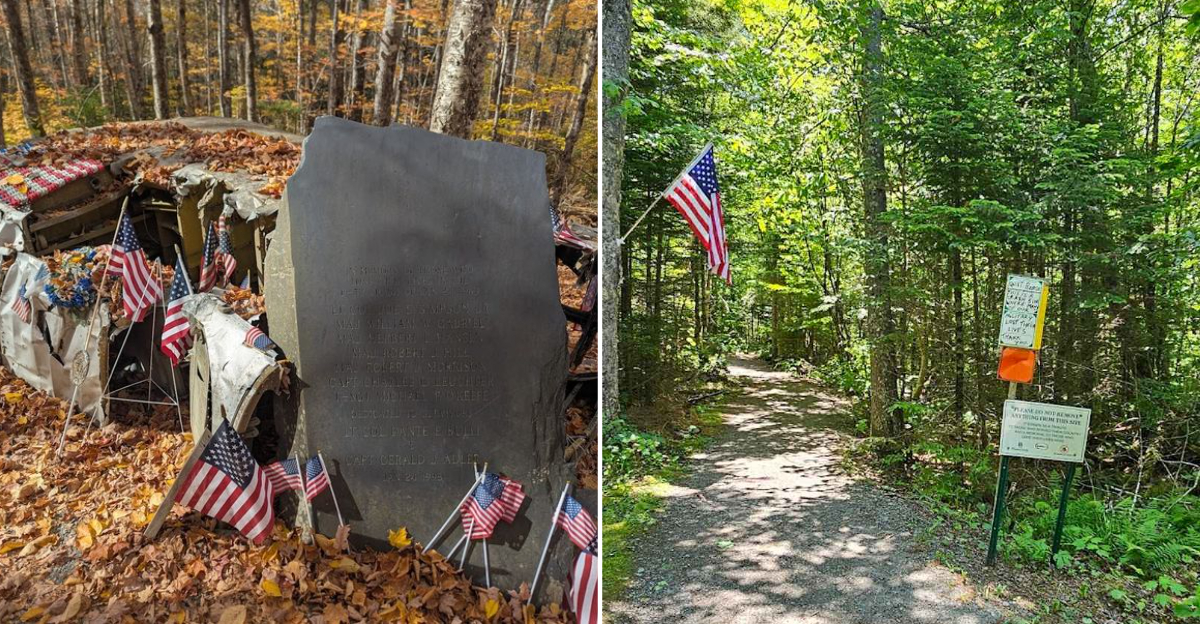
Deep in the woods of northern Maine, on a quiet slope of Elephant Mountain, you’ll find the scattered wreckage of a B-52C bomber that crashed during a training mission in January 1963. Most people passing through the Greenville area never realize it’s there.
It doesn’t feel like a typical destination. You walk in expecting a quick stop, and then something shifts.
The forest is calm, the metal is weathered, and the whole place carries a stillness that’s hard to explain. Trees have grown up around the debris over the decades, almost folding it into the landscape.
Spending even a few minutes here brings a different kind of perspective on history and service. It takes a bit of effort to reach, but that quiet, out-of-the-way setting is exactly what makes it stay with you long after you leave.
The 1963 Crash That Started It All
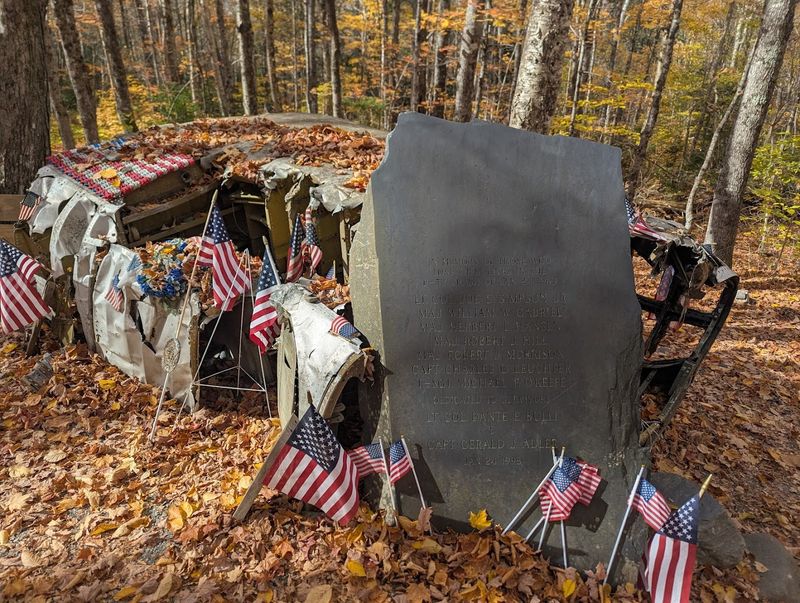
On January 24, 1963, a B-52C Stratofortress from Westover Air Force Base in Massachusetts was on a routine training mission when it encountered severe turbulence over Elephant Mountain in Maine.
The aircraft suffered structural failure after severe turbulence, scattering wreckage across a wide stretch of wooded hillside on Elephant Mountain in the Moosehead region near Greenville and Beaver Cove.
Of the nine people aboard, seven lost their lives. Two survived, making it one of the more remarkable survival stories connected to Cold War-era military aviation.
The crash was not caused by enemy action but by the brutal forces of nature at high altitude.
Understanding this backstory completely changes how you experience the site when you visit. You are not just looking at twisted metal on a forest floor.
You are standing in the middle of a real moment in American military history, one that unfolded quietly in the Maine woods while the rest of the world kept moving.
Where Exactly You Will Find This Place
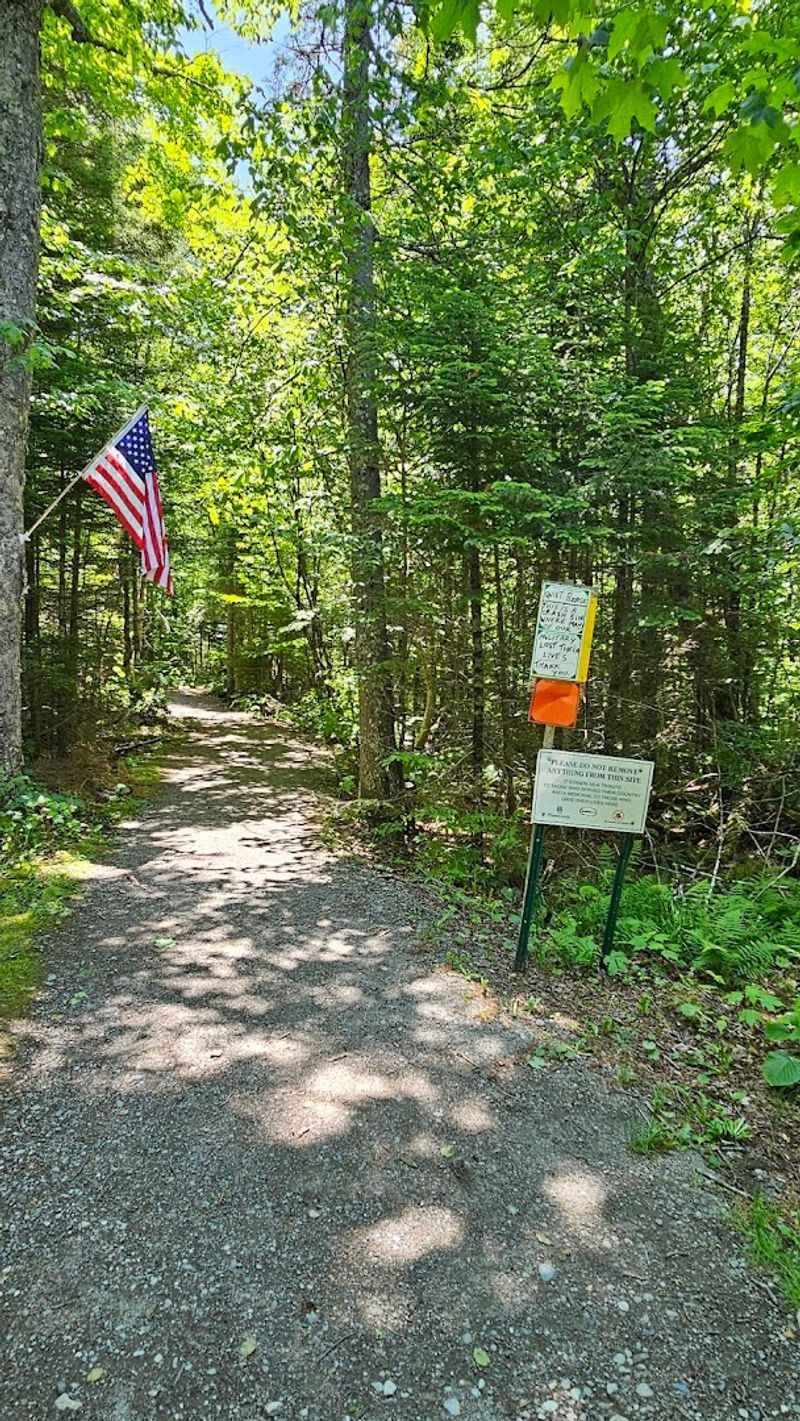
Getting to the B-52 Memorial requires a little planning, but the directions are straightforward once you know what to look for. The site sits on Elephant Mountain near Beaver Cove, in the Greenville area of Piscataquis County, Maine.
The yellow signage along the dirt road makes navigation easier than you might expect.
From the main road, you will travel roughly eight miles down a logging road before reaching a small parking area, where facilities may be limited or unavailable. Logging trucks use this road regularly, so stay alert and pull over when one approaches, as they have the right of way.
The walk from the parking area to the crash site itself is short, just a few minutes on foot. That short distance packs in a surprising amount to see, with wreckage spread across several hundred yards of hillside forest.
Plan your route before leaving cell service behind.
What The Wreckage Actually Looks Like
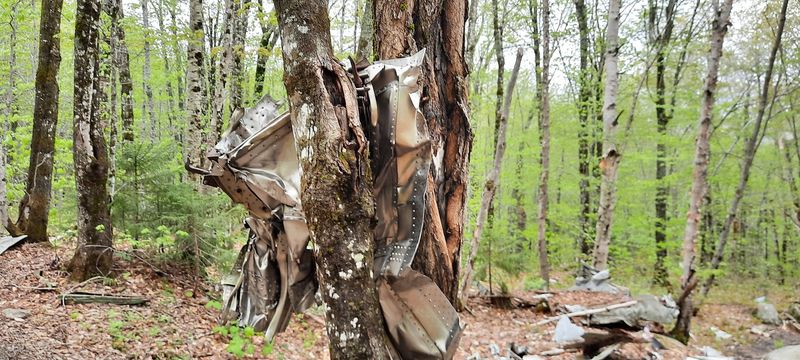
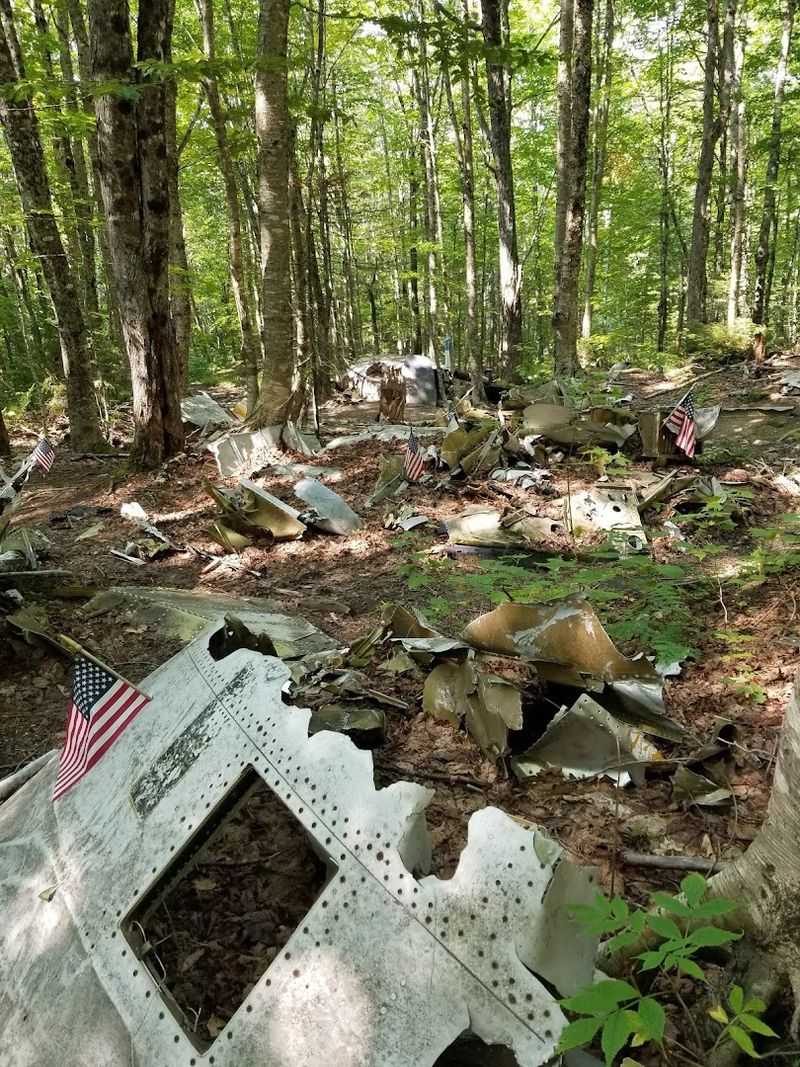
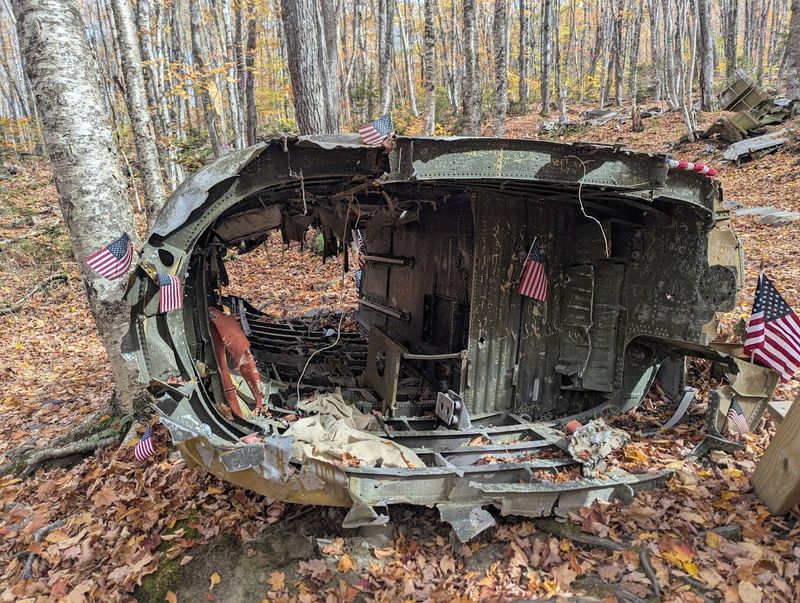
Nothing quite prepares you for the first moment you see the debris. Large sections of fuselage, engine parts, and structural fragments are spread across roughly 500 yards of wooded terrain on the side of the ridge.
Some pieces rest directly on the forest floor, half-buried by decades of fallen leaves and moss.
What makes the scene especially striking is how the forest has grown around and through the wreckage over the past six decades. Tree trunks have slowly absorbed metal fragments, and some aircraft parts now hang suspended above the ground, held in place by branches that were saplings when the crash happened.
The book “Final Mission” by Unflinching Press offers a detailed account of the crash and is worth reading before or after your visit to give all that scattered metal a fuller story. Walking through the site with that context turns a hike into something much closer to a history lesson you will not soon forget.
The Cost Of Getting There And What To Bring
One of the most refreshing things about this memorial is that it costs nothing to enter. The site is free and open to the public, with a donation box at the gate for those who want to help support ongoing maintenance.
Small contributions go a long way toward keeping the trails clear and the signage readable.
That said, coming prepared makes a real difference. Bug spray is a genuine necessity during warmer months, as mosquitoes can be relentless in the Maine woods.
Sturdy footwear is also a smart call since parts of the trail involve a moderate climb and uneven terrain.
Bringing snacks or a packed lunch to enjoy in the parking area is a practical idea because the site is deep in the wilderness with no food options nearby.
A paper map or downloaded offline map is strongly recommended since cell service is unreliable this far out. Arrive ready and the experience will feel smooth from start to finish.
How To Get There And What Vehicle You Need
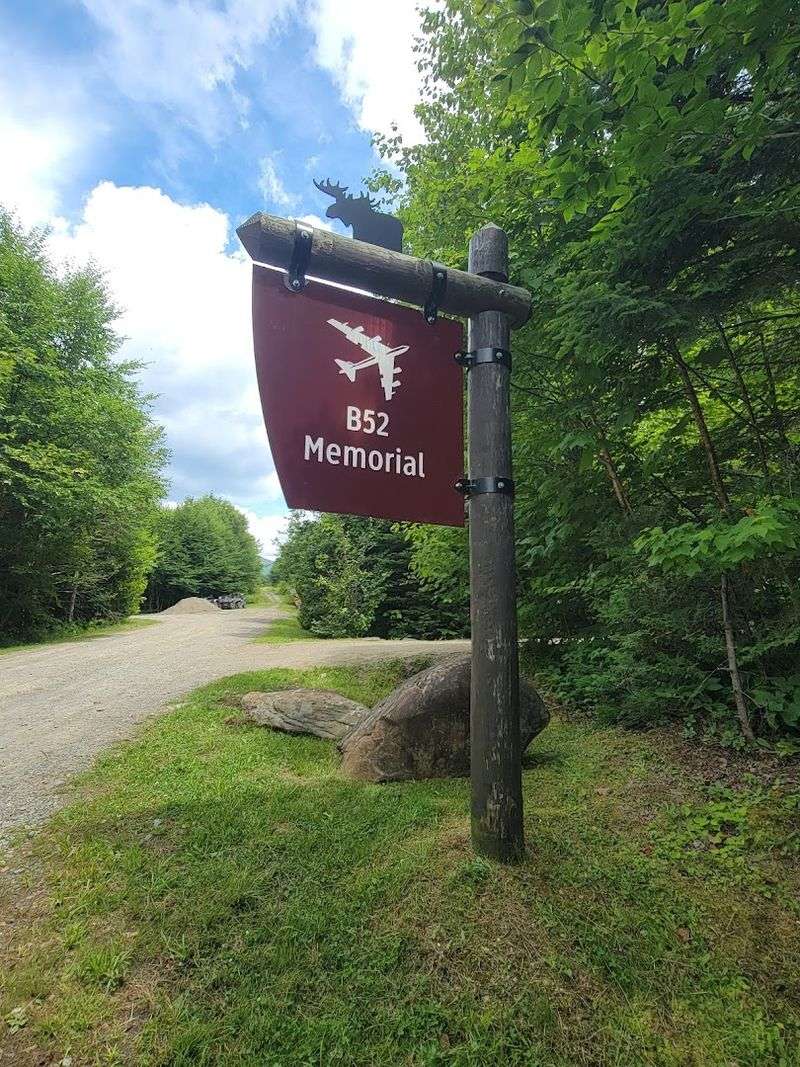
A standard sedan is not the right vehicle for this trip. The access road is a rough logging track that stretches several miles through the Maine backcountry, and while four-wheel drive is not strictly required, a high-clearance vehicle like an SUV or truck will make the journey significantly more comfortable and safe.
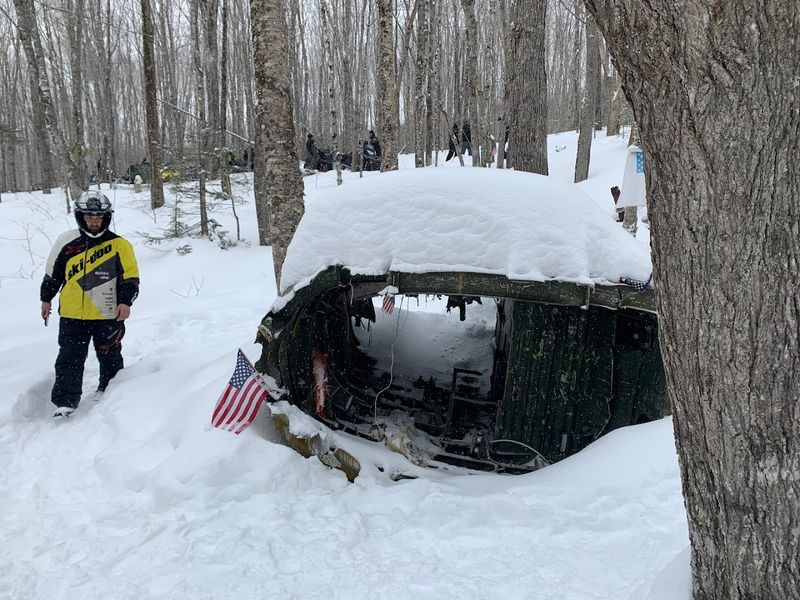
ATVs and snowmobiles are also popular ways to reach the site, and the ATV trail runs directly past the memorial, making it a natural stop on longer off-road rides in the region.
Winter visits by snowmobile are possible, though snow cover can hide some of the smaller debris pieces scattered on the ground.
Budget at least 25 to 30 minutes of drive time from the paved road to the parking area, and keep your speed low to account for ruts, mud, and the occasional logging truck coming the other way. The drive itself sets the mood perfectly for what you are about to see at the end of the road.
The Atmosphere And Mood Of The Site
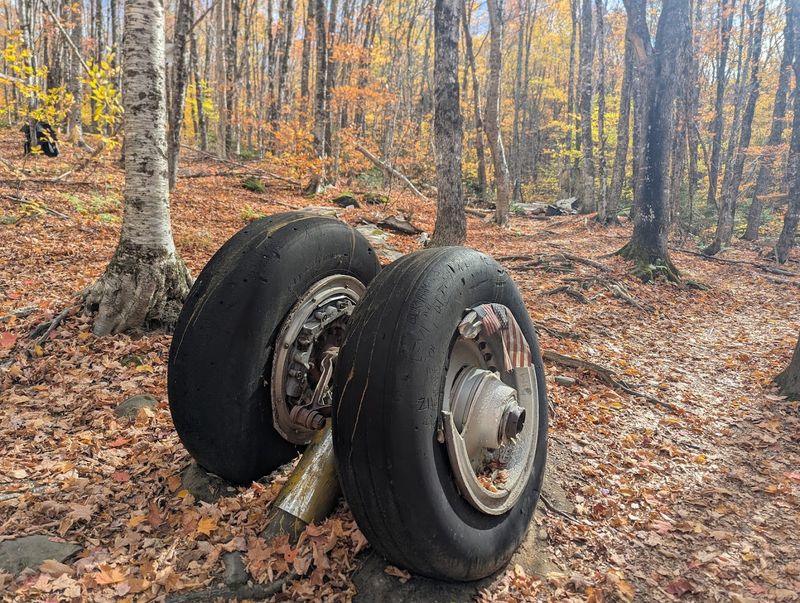
Quiet is the first word that comes to mind when you arrive at the crash site. Even on days when other visitors are present, there is a natural hush that settles over the area, something about the scale of the wreckage and the remoteness of the location that encourages people to speak softly and move slowly.
Standing among the debris, it is easy to feel the weight of what happened here. The metal is weathered and moss-covered, blending into the landscape in a way that makes it look like the forest is slowly reclaiming it.
That gradual process of nature taking over adds a layer of quiet solemnity to the whole experience.
Sunrise visits during early fall are particularly atmospheric, with golden light cutting through the trees and landing on the wreckage in ways that feel almost cinematic. Bring a camera, but also give yourself time to simply stand still and absorb the surroundings without looking through a lens.
The Two Survivors And Their Story
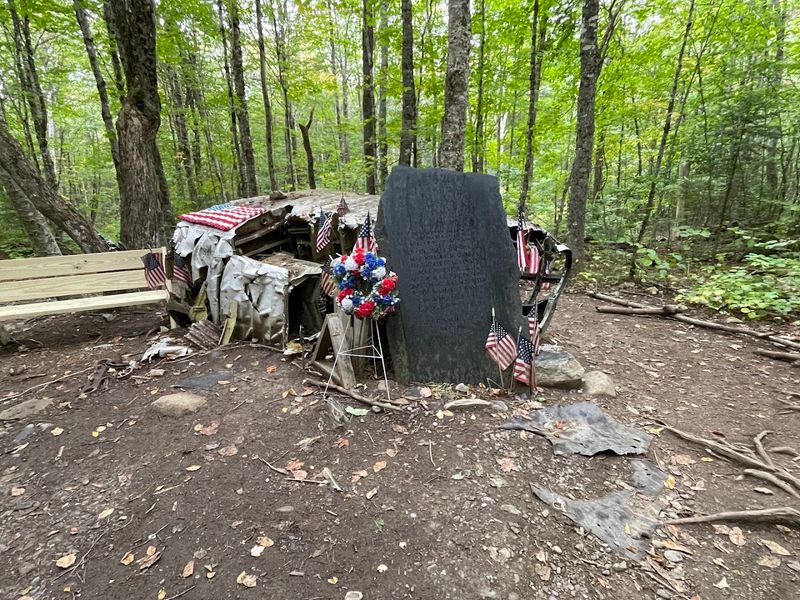
Among the nine people aboard the B-52C that January morning, two men survived the crash. Their survival in the freezing Maine wilderness, far from any road or settlement, stands as a testament to both physical resilience and the kind of determination that military training builds over years of service.
The full story of the crew, including the two survivors and the six who did not make it home, is documented in detail in the book “Final Mission,” which several visitors carry with them to the site. Reading about the individuals who were aboard gives the scattered wreckage an entirely different emotional weight.
A visit to this memorial without knowing their names and stories can feel incomplete. Taking even a small amount of time before your trip to learn about the crew transforms the experience from a curiosity stop into something genuinely moving.
Their bravery deserves to be remembered by every person who walks that hillside trail.
Best Times Of Year To Visit
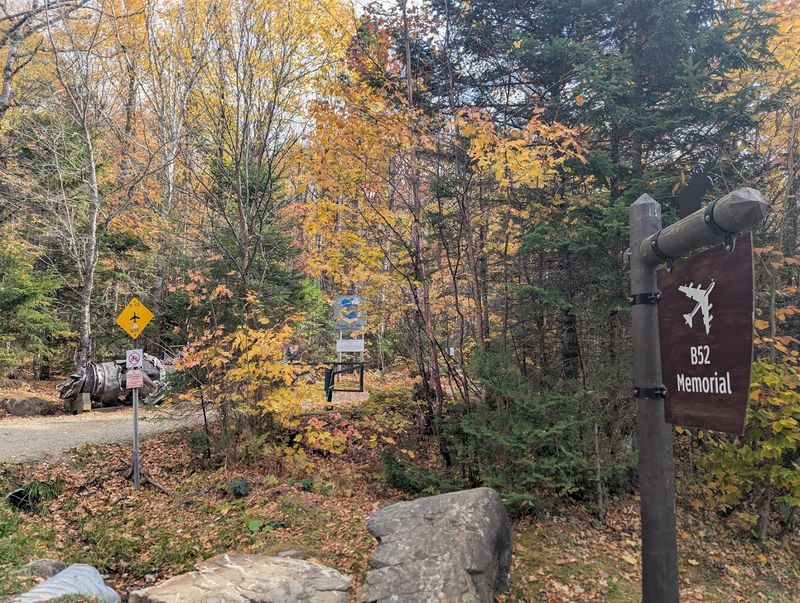
Fall is widely considered the best season to visit the B-52 Memorial, and for good reason. The foliage in the Greenville and Beaver Cove area peaks in late September through mid-October, turning the surrounding forest into a vivid backdrop of red, orange, and gold that makes the entire hike feel like a painting come to life.
Summer visits are fully accessible by car or ATV but come with one notable downside: the mosquitoes. Bug spray is not optional during June, July, and August in the Maine woods.
Bring a quality repellent and reapply it throughout your visit if you plan to spend time exploring off the main trail path.
Winter access is possible by snowmobile, though snow cover will conceal many of the smaller debris pieces on the ground. Spring brings mud season to Maine, which can make the logging road genuinely difficult to navigate.
Timing your trip for early fall gives you the best combination of clear access, comfortable weather, and stunning scenery.
Local Clubs That Keep The Memorial Going
The B-52 Memorial does not maintain itself. The local ATV and snowmobile club in the Greenville area plays a significant role in keeping the site accessible and respectful for visitors throughout the year.
Their work includes trail maintenance, signage upkeep, and general stewardship of the crash site and surrounding area.
That volunteer effort is exactly why the donation box at the entrance matters. Even a modest contribution helps fund the physical work that keeps the trails passable and the memorial in good condition.
Without community involvement, a site this remote could easily become overgrown and inaccessible within just a few seasons.
If you happen to meet local ATV riders or snowmobilers on your visit, they often have firsthand knowledge of the site and its history that you will not find on any sign.
That kind of informal, on-the-ground knowledge adds texture to the visit and reflects the genuine pride the local community takes in preserving this piece of history.
Practical Tips For A Smooth Visit
A few practical pointers can make your visit to the B-52 Memorial much more enjoyable. Check the site access hours on Google Maps before leaving, as conditions and seasonal availability can affect when the road is open to vehicles.
Arriving earlier in the day also means cooler temperatures and fewer other visitors sharing the trail.
Wear proper hiking footwear rather than sandals or casual shoes. Parts of the trail involve a noticeable uphill climb, and the terrain around the debris field is uneven and occasionally slippery.
People with limited mobility should be aware that the site is not paved or fully accessible by standard mobility aids. Treat the wreckage with care and respect.
This is a memorial, not a playground, and the debris pieces should be observed as they are found rather than moved or disturbed. Keeping the experience quiet and thoughtful honors the memory of the crew and ensures the site remains meaningful for every visitor who comes after you.